Ski Boots
Salomon S/Pro Supra 120 Boa Review: What Cable Closure Changes About Fit
A mid-volume, 120-flex ski boot with a heat-moldable shell and a cable-and-dial closure on the lower shell. Here is how it fits, how it skis, and who should consider it.
Introduction
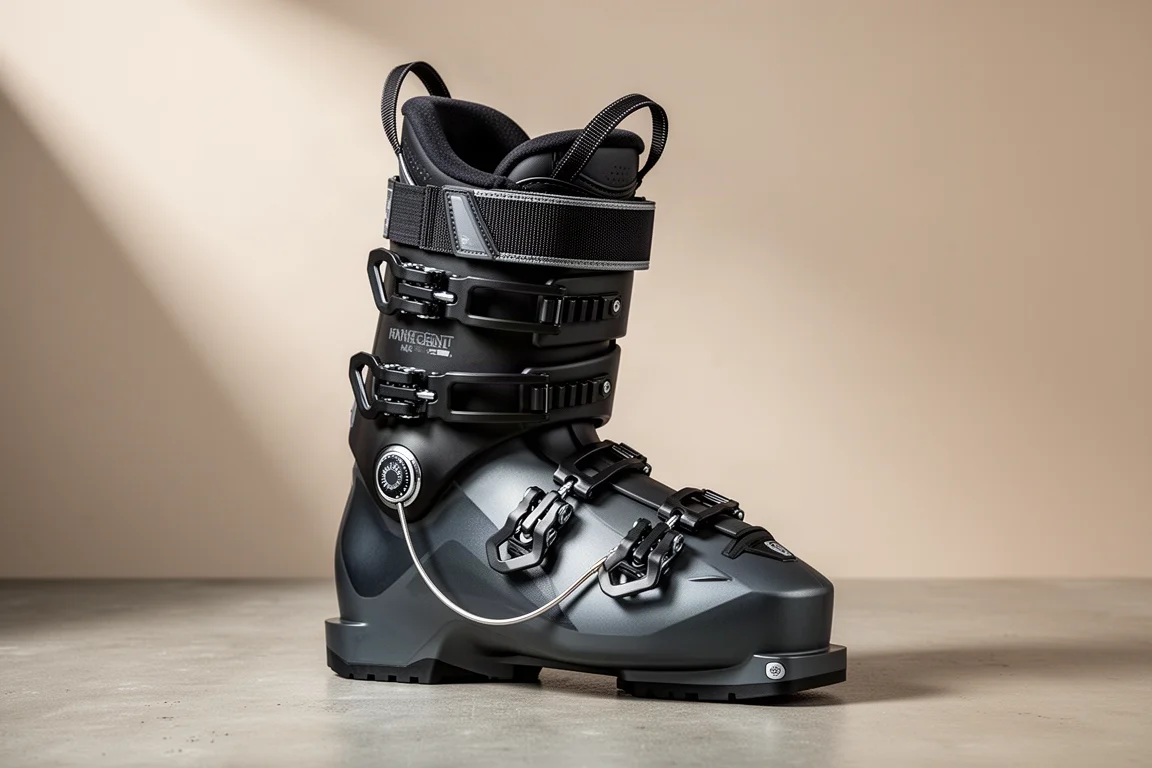
Cable-and-dial closure has become one of the more debated developments in ski boot design, and the Salomon S/Pro Supra 120 Boa is a clear look at what that change means in a genuine performance boot. The shell and cuff keep the same polyurethane construction and heat-moldable custom shell approach Salomon has used for years, while the two lower buckles are replaced by a cable, a dial, and a different way of pulling the shell around the foot.
The result is a mid-volume, 120-flex boot aimed at advanced and expert skiers. The real question is not whether the closure works, because it does, but what it changes about fit, comfort, and how the boot feels across a full day of skiing.
Who This Boot Is For
This is a boot for skiers who fit into a mid-volume shell and want to fine-tune that fit without fighting it. It is especially relevant for anyone with a higher instep or a higher arch, where a traditional second buckle presses down on the top of the foot and can cut off circulation, cause cramping, or force the foot structure around. Cable closure pulls the shell around the foot rather than down onto it, which is exactly where those skiers feel the difference.
It also suits skiers who like to adjust on the fly. The dial offers more, smaller increments than two buckles, and they are easier to reach. If you already fit a standard boot well and never touch your buckles mid-run, the advantage is smaller.
Main Strengths: Fit and Comfort
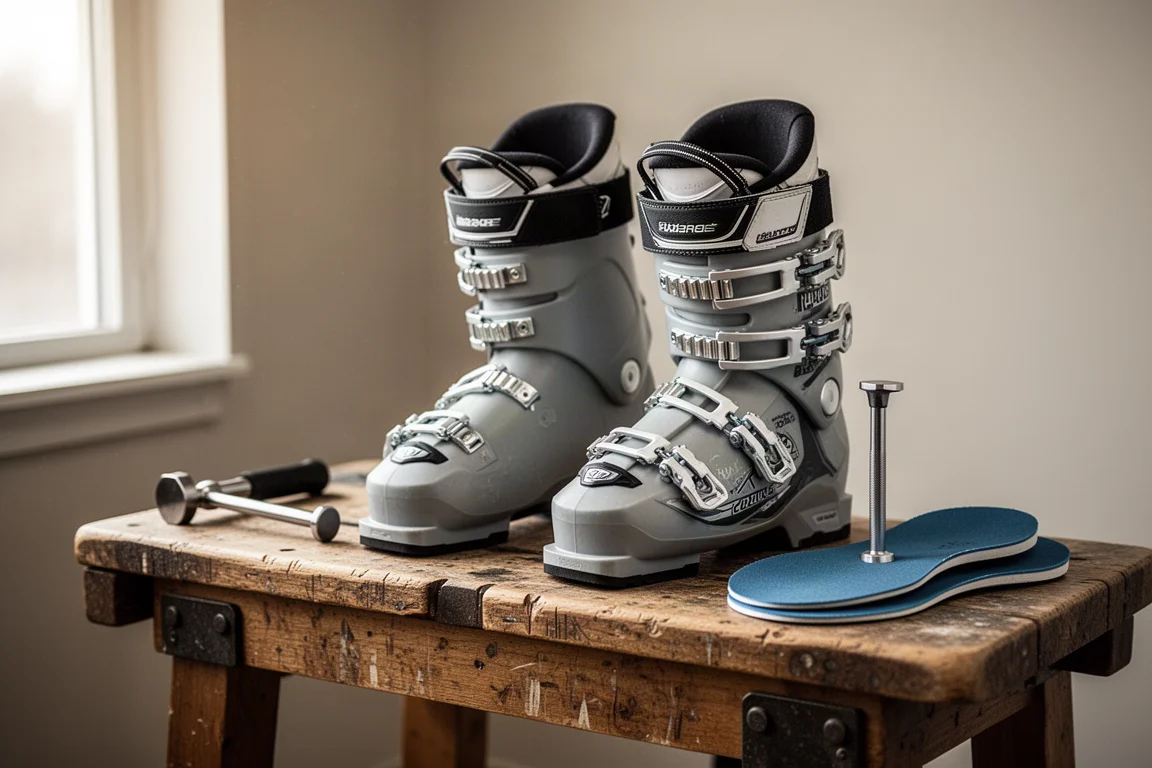
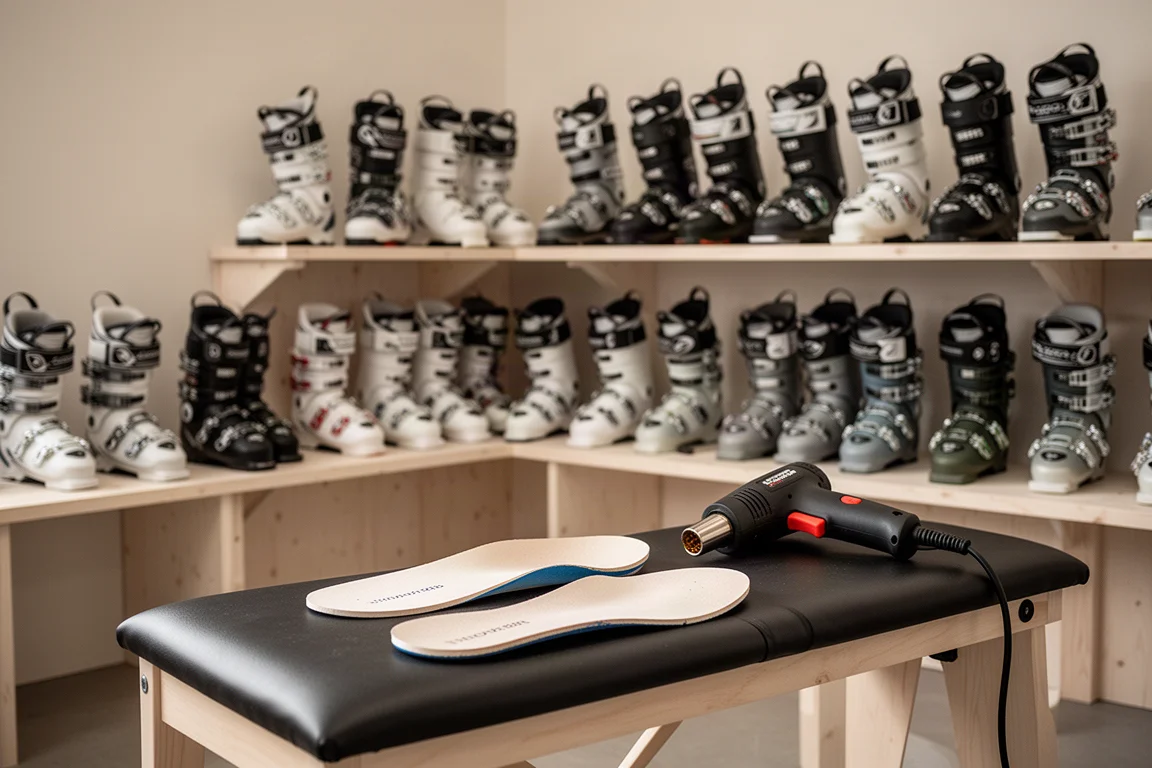
The foundation here is familiar Salomon construction: a polyurethane shell and cuff built on the custom shell platform, which a qualified boot fitter can heat mold with the right oven and tools. That is a workshop procedure, not a home project.
What the closure adds is the shape of the pressure. A buckle pushes the shell down onto the foot. The cable system instead pulls the two overlapping edges of the lower shell across each other in a rounded, cylindrical wrap. The effect reaches further up the throat of the boot than many skiers expect, and it is a large part of why the fit feels different.
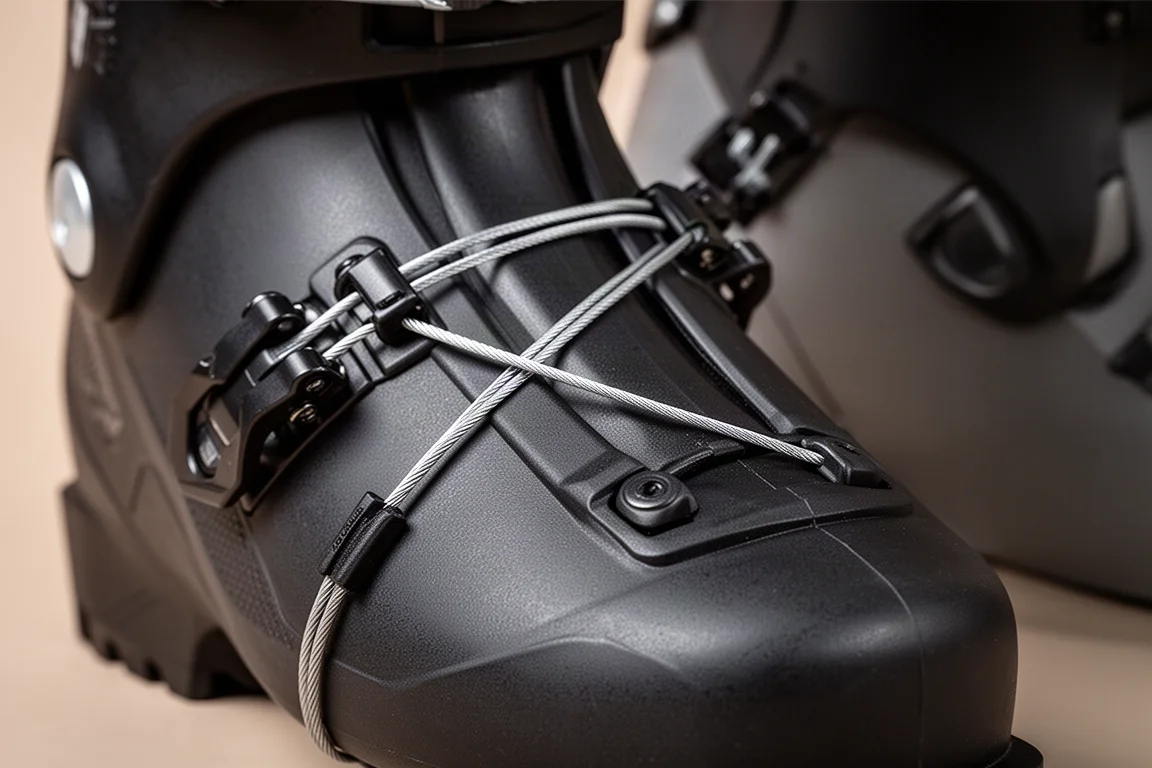
On snow, that translated into a boot with no pressure points at all, which is rare. The fit was close enough to leave the dial alone: set it once at the start of the day and ski, rather than opening buckles at the bottom of every lift ride. For a wider forefoot, the pairing matters. Salomon lists a 100 to 106 millimeter range and relies on heat molding to gain width, while the dial handles the tightening. The two work together rather than the closure doing the widening on its own.
Main Strengths: On-Snow Performance
The 120 flex did not feel soft. It felt supportive and direct, with the flex available where you want it and no sense of the boot folding under pressure. Any performance gain here comes from fit rather than from the closure somehow transferring more power. Nothing is lost, and quite a lot is gained in comfort, which is the more useful trade.
The most telling description of the ride is that the boot disappears. It skis quietly enough that you stop thinking about your feet and start thinking about the snow, which is what a well-fitting shell should deliver. A stiffer 130 version in a smaller size felt more precise, with everything closer to the foot, but that difference is mostly about size and volume rather than flex alone.
The Boa Closure System in Practice
The rest of the boot is conventional and sensible. There are two upper buckles with macro adjustment plus fine tuning, a power strap with a small elastic section at the side, and GripWalk soles at the bottom. A flex adjustment at the rear uses a rotating fitting that engages or disengages, taking the boot from a 120 to roughly a 110 and adding a little more forward flex. Salomon also moved away from the old oversized pivot in favor of upper cuff adjustment on both sides, so cuff alignment no longer requires cooking the shell.
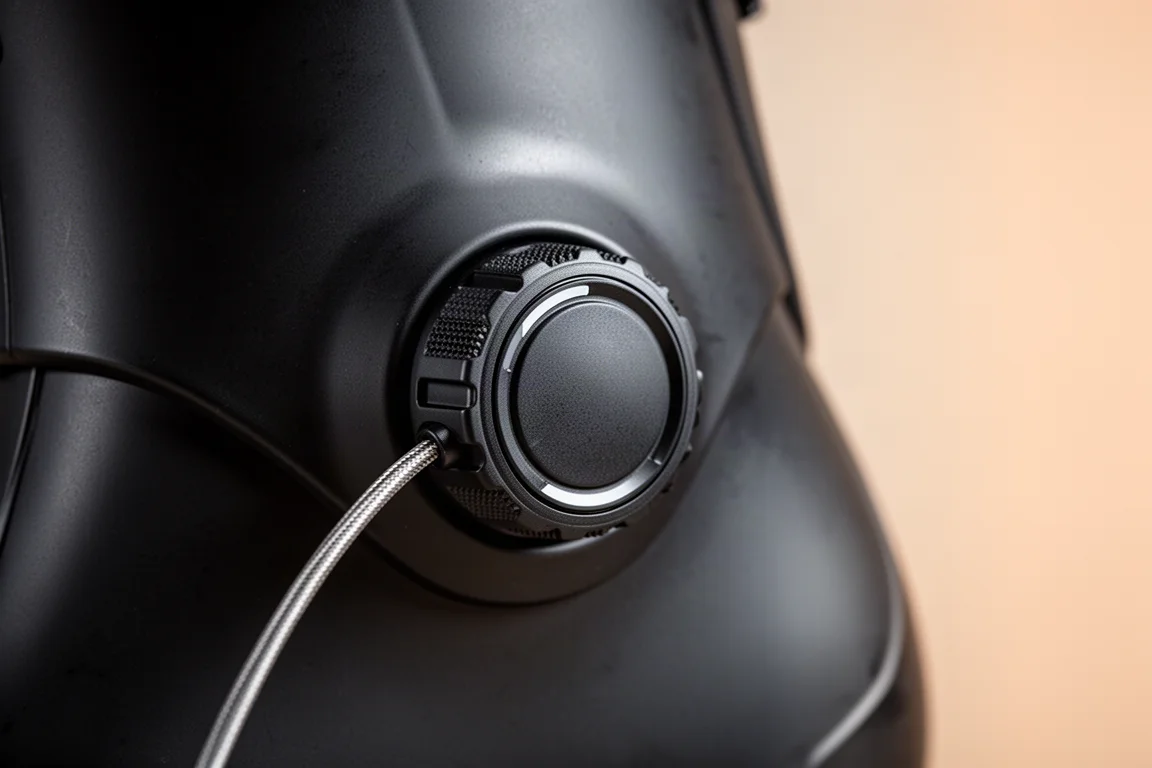
Two practical notes stand out. First, the boot is slightly harder to put on, because the lower shell cannot be opened as wide as a buckle boot can. It is a small difference, and a quick try-on in a shop will tell you whether it matters to you. Second, the durability concern deserves context. The cable is thick, roughly three to four millimeters, and the dial is large. In repeated hard impacts against a bench edge, it took several forceful strikes before anything came loose, and buckles can break in a crash just as easily.
Things to Consider Before Buying
- The stated last is 100 to 106 millimeters, and the closure does not widen a shell. A wide forefoot still needs heat molding and possibly punches to get the space it needs.
- The boot goes on with slightly more effort than a four-buckle equivalent, since the lower shell stays partly connected even when fully open.
- The flex adjustment at the rear changes the feel from 120 to about 110, which is a meaningful but not dramatic shift.
- The liner packs out with use. A custom footbed or a shim can restore volume, especially if the fit starts out on the roomy side.
- Cost is a real factor. The cable version runs roughly 100 dollars more than the equivalent buckle version, and buckle versions remain available for skiers who prefer them.
Buying Advice
For skiers who deal with instep pressure, cramping, or a shell that is never quite comfortable, the extra cost is easy to justify. A boot that fits without pressure points changes how long you can ski and how much you enjoy it, and the dial makes small adjustments simple.
For skiers who already fit a traditional boot well, there is no penalty for staying with buckles, and you will spend less. Either way, buy through a proper fitting. Try the boot on, confirm the volume is right for your foot, and let a fitter handle any shell work. The closure is a genuinely useful tool, but it works best on top of a shell that already suits your foot shape.
Expect to see this kind of closure spread. It is showing up first in mid-volume, mid-range performance models, and it reads as an early step in a broader evolution of how boots close rather than a finished final answer.
Conclusion
The Salomon S/Pro Supra 120 Boa is a strong option for advanced and expert skiers in a mid-volume shell, particularly those with a higher instep who have struggled with buckle pressure. The boot skis with a supportive 120 flex, fits cleanly when properly molded, and gives you finer control over tension than two lower buckles. Go in with realistic expectations about width, budget for fitting, and it is a boot many skiers will be happy to keep for years.
Product link
View more details for Salomon S/Pro Supra 120 Boa
This product is mentioned in the review. Check the specifications, options, and compatibility before buying.
View more details for Salomon S/Pro Supra 120 BoaFurther reading
Related Reviews

Ski Boots
2027 Ski Boot Roundup: Six 130-Flex Boots Worth Knowing
Six 130-flex ski boots for 2027, plus a low-volume liner upgrade, compared on weight, fit, flex feel, and ease of use.

Ski Boots
Armada AR One Ski Boot Review: A Three-Piece Cabrio That Finally Gets It Right
Armada's first ski boot blends three-piece Cabrio design with Atomic engineering, a heat-moldable shell, and a 100mm last that fits better than any Cabrio before it.

Ski Boots
Armada AR1 Ski Boot Review: A Cabrio and Overlap Hybrid for Park and Freeride Skiers
Armada's first ski boot pairs a three-piece cabrio shell with overlap-style buckles and a cable-driven slingshot buckle. Here is where it shines, and what to weigh before buying.