Ski Boots
Salomon S Pro Alpha C Boa 130 Review: A Low-Volume Ski Boot With a Rethought Medial Side
A 98mm low-volume alpine boot that trades the medial ankle hinge for an overlapping power link, delivering a damp, quiet flex and a very locked-in heel and ankle.
Introduction
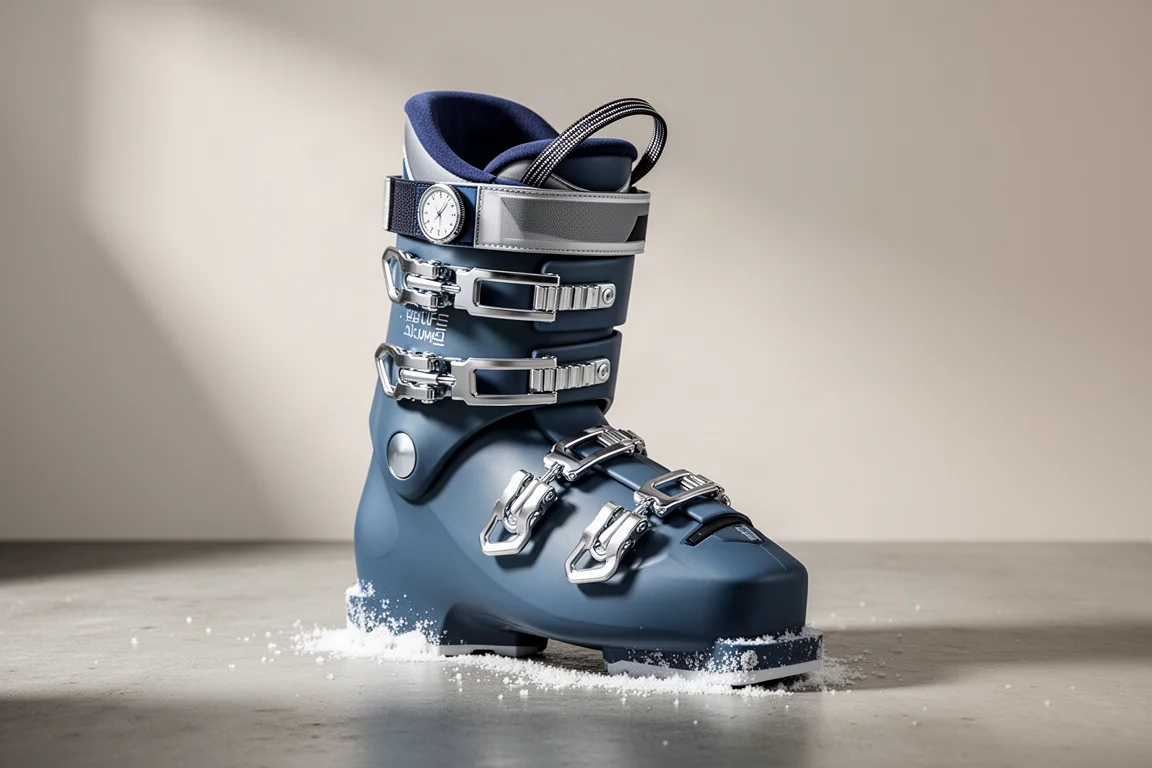
The Salomon S Pro Alpha C Boa 130 is a 2027 low-volume alpine boot that looks ordinary from across a shop floor and unusual the moment you pull the liner out. It keeps the familiar two-piece, four-buckle layout that expert skiers expect, then removes the medial ankle hinge and replaces it with an overlapping connection positioned much lower on the shell.
That is the whole idea. Rather than letting the cuff rotate around an inside pivot, the boot asks the plastic to deform before it will flex. The result is a boot that feels planted instead of hinged, with a narrow throat that seats the ankle and heel deep in the pocket.
The name is long and the concept takes a moment to explain, but the change is structural rather than cosmetic.
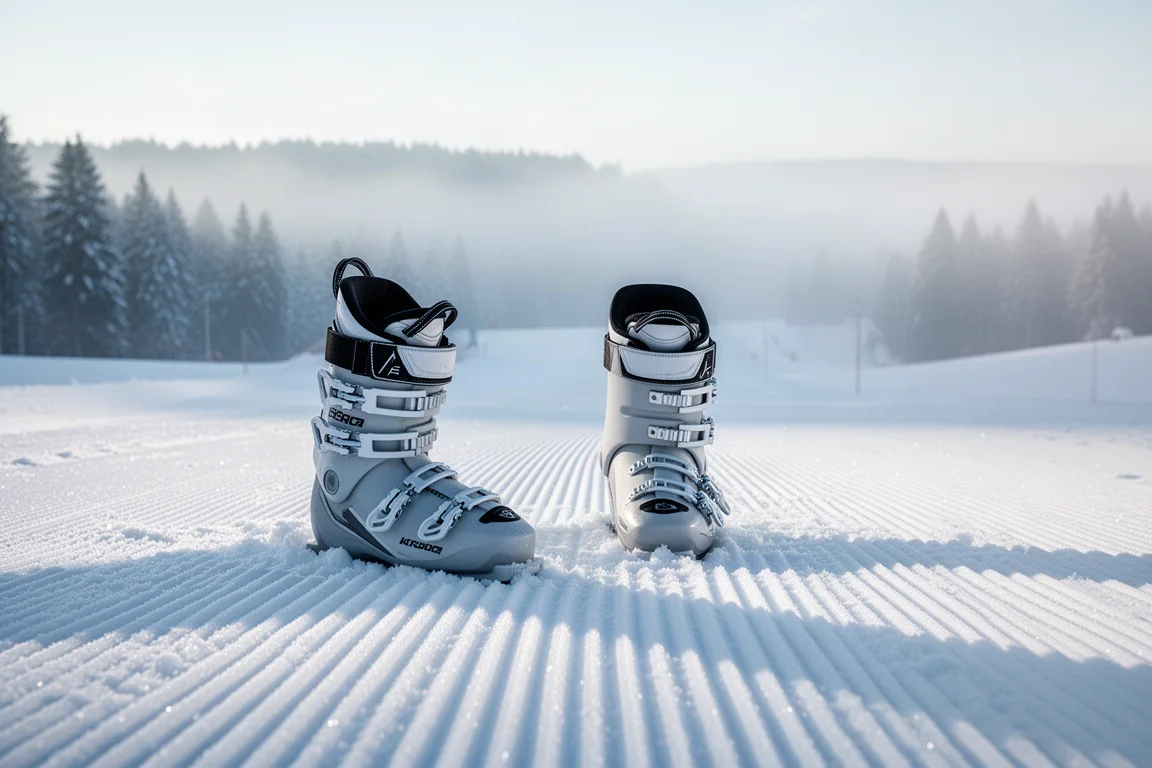
Everything else is deliberately conventional: a 98mm last, a fully customisable shell, a stiff 130 flex rating and a cuff Boa closure. The interesting part is how those familiar pieces behave once the medial side stops working the way it used to.
Who this product is for
This is a low-volume boot aimed at advanced and expert skiers who want a precise, narrow fit and are willing to spend time dialling it in. Salomon places this line as its premium alpine low-volume family, with the S Race models, including the S Race 140, sitting above it as the more race-focused tier. The S Pro Alpha name replaced the earlier S Max designation on this side of the range.
It suits skiers who drive power into the outside ski and want a direct connection through the medial side of the boot, which is where edge pressure is generated. Riders with unusually mobile ankles are a particularly good match, because the redesigned leverage point rewards that range of motion instead of fighting it.
It is less suited to skiers who want a soft, immediately forgiving flex, or to anyone with a genuinely wide forefoot who does not want to invest in boot work.
Main strengths
The headline strength is hold. The ankle and heel stay put, and the throat of the boot remains narrow without becoming painful across the instep. That combination produces a very direct sense of connection to the ski.
The flex is the other standout. It is stiff, damp and remarkably quiet, with no squeak or rattle under load. Pushing forward produces almost no felt movement, which makes the boot feel confidence-inspiring rather than vague when you commit hard to the outside ski.
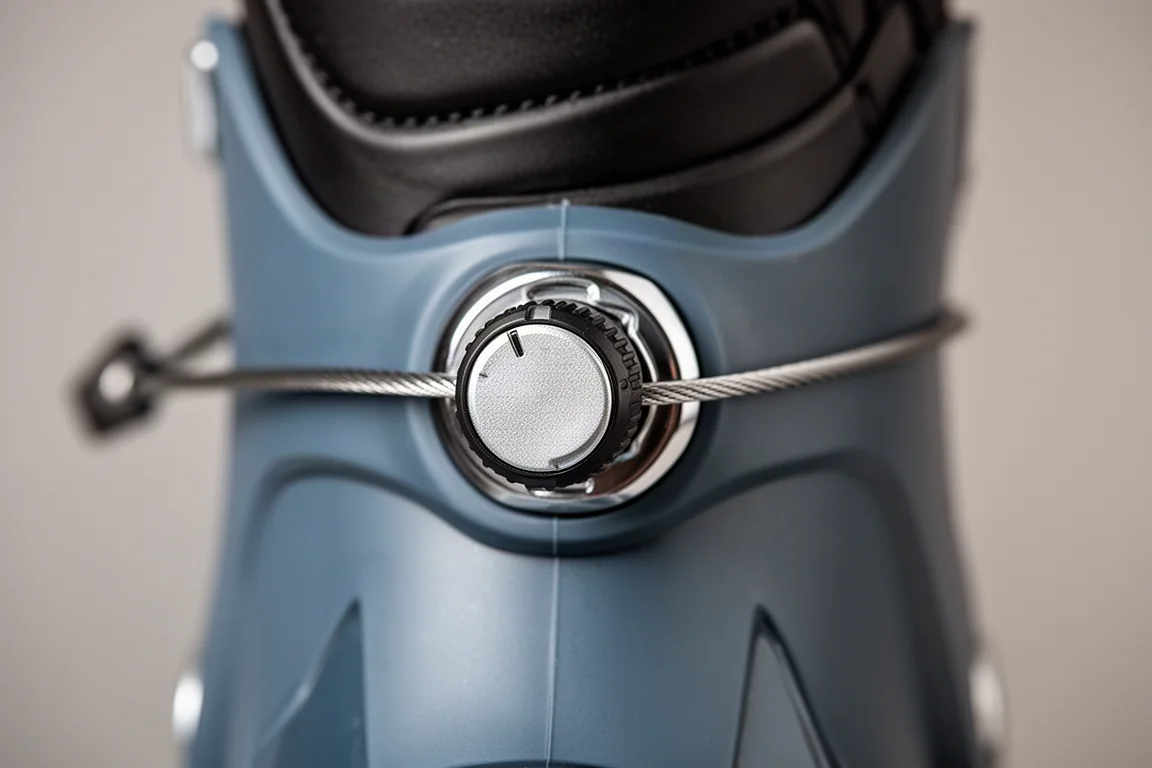
The cuff Boa is unusually smooth as well. The cable runs without the catchy, notchy feel that shows up on some Boa boots, which matters most when you are opening the shell wide to get in and out.
Compared with the most laterally reactive race-oriented shells, this one gives up a little quickness in very short skidded turns. What it returns is stability, silence and a long, even arc.
How the exo drive changes the flex
The mechanical story lives on the medial side. Salomon removes the ankle hinge and connects the upper cuff to the lower shell much further down through a power link. Because there is no pivot to rotate around, the plastic has to bend for the boot to flex at all.
An additional plastic overlap wraps across the instep and ties into the instep buckle, pulling the heel and ankle back into the pocket and tightening the throat of the boot. Visually it reads like a third shell piece, though the boot remains a two-piece design.
Because the shell needs somewhere to move, there is a small opening at the flex point covered by a thin rubberised panel. It looks like an odd detail until you realise it is the release valve for the whole system.
The power link also carries a flip chip that offers plus or minus 0.75 degrees of cuff alignment, and the rear spine has an adjuster that shifts the flex character toward more reactive or more progressive.
Things to consider before buying
The 98mm last is genuinely narrow, and the forefoot can feel tight even for skiers who normally fit a low-volume shell. Plan on some spot stretching rather than assuming an out-of-the-box fit.
The liner is substantial, with a thick neoprene feel around the foot. Some skiers will like that cushioned sensation immediately, while others will find it too much and want to work the liner or replace it later.
There is also a learning curve. The absence of a hinge produces a different sensation underfoot, and it takes a run or two to stop expecting the boot to fold the way a conventional overlap shell does.
Finally, the 130 flex here feels stiffer than many other boots carrying the same rating. Flex numbers are not consistent between brands, so the number alone should not be the deciding factor.
Fit and sizing notes
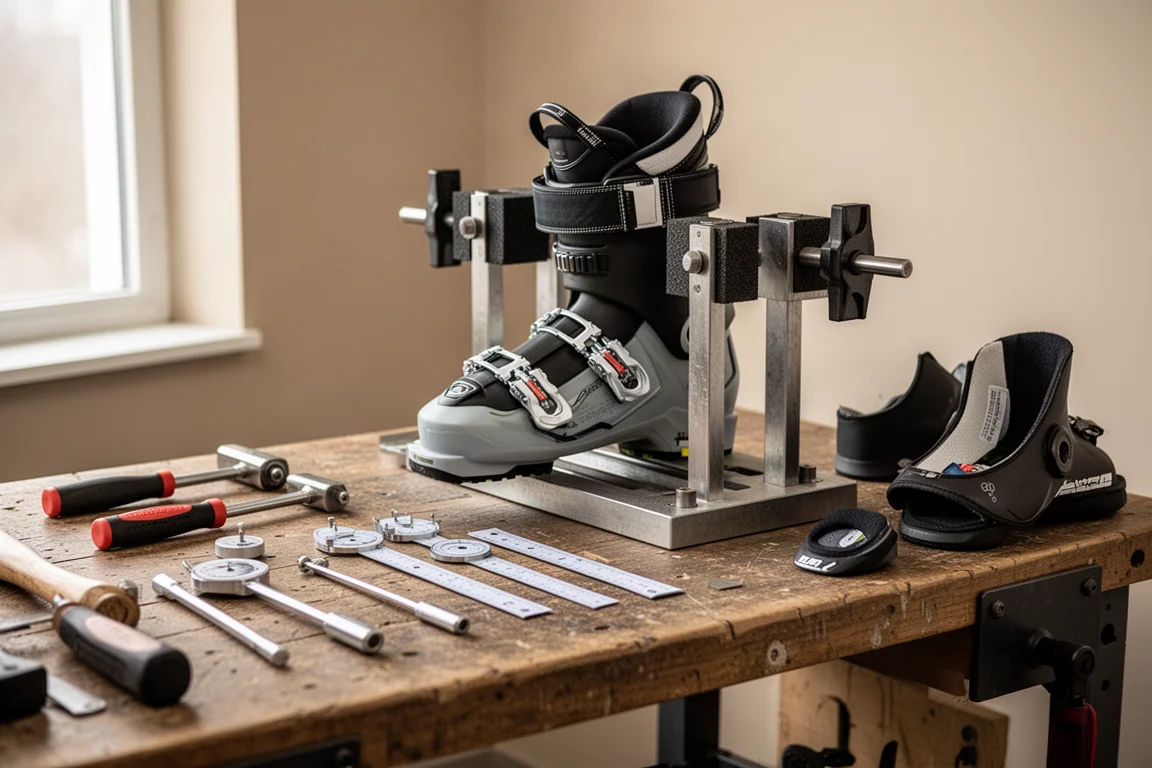
The shell is fully customisable, and the sensible approach is spot stretching rather than cooking the whole shell straight out of the box. The liner is Salomon’s high-end custom fit model, with an adjustable tongue that can be raised to accommodate a higher instep, a rear spoiler and two pull loops.
Inside the tongue there is a rubber shim that adds structure to the front of the liner, and laces are typically included in the box. A 50mm power strap sits across the upper cuff and does its job without fuss.
The buckles are finished with a polished, almost sparkly surface, which is a small cosmetic detail rather than a performance one.
Buying advice
Fit comes first, and this boot rewards a proper fitting session more than most. If you are comparing it with other low-volume 130-flex shells and the fit is genuinely equal, the decision comes down to flex character. This one is damp, quiet and planted, with a stronger medial connection and a more deliberate feel in short turns.
Skiers who spend their time on longer arcs, on hard groomed surfaces and on edge, and who like to push hard into the outside ski, will get the most from it. Skiers who want maximum lateral snap in tight, rapid turns may prefer a more conventional race-derived shell.

If your feet are wide, or if you want a boot that feels broken in on day one, budget for boot work and a break-in period, or look at a wider last.
Conclusion
The Salomon S Pro Alpha C Boa 130 is one of the more genuinely different low-volume boots to arrive in a while. Removing the medial hinge changes how the shell transfers energy, and the payoff is a quiet, damp and exceptionally locked-in ride.
It is not the easiest boot to explain on a shop wall, and it is not the right answer for every expert skier. But for a narrow-footed, technically strong skier who wants a direct line to the snow and does not mind a short adaptation period, it is a compelling choice.
Product link
View more details for Salomon S Pro Alpha C Boa 130
This product is mentioned in the review. Check the specifications, options, and compatibility before buying.
View more details for Salomon S Pro Alpha C Boa 130Further reading
Related Reviews

Ski Boots
2027 Ski Boot Roundup: Six 130-Flex Boots Worth Knowing
Six 130-flex ski boots for 2027, plus a low-volume liner upgrade, compared on weight, fit, flex feel, and ease of use.

Ski Boots
Armada AR One Ski Boot Review: A Three-Piece Cabrio That Finally Gets It Right
Armada's first ski boot blends three-piece Cabrio design with Atomic engineering, a heat-moldable shell, and a 100mm last that fits better than any Cabrio before it.

Ski Boots
Armada AR1 Ski Boot Review: A Cabrio and Overlap Hybrid for Park and Freeride Skiers
Armada's first ski boot pairs a three-piece cabrio shell with overlap-style buckles and a cable-driven slingshot buckle. Here is where it shines, and what to weigh before buying.