Ski Boots
Salomon S/Pro Alpha 130 Review: A Low Volume 130 Flex Boot for Expert Skiers
A close look at the Salomon S/Pro Alpha 130, the low volume 98 mm, 130 flex alpine boot that replaces the S/Max 130, and the skier it actually fits.
Introduction
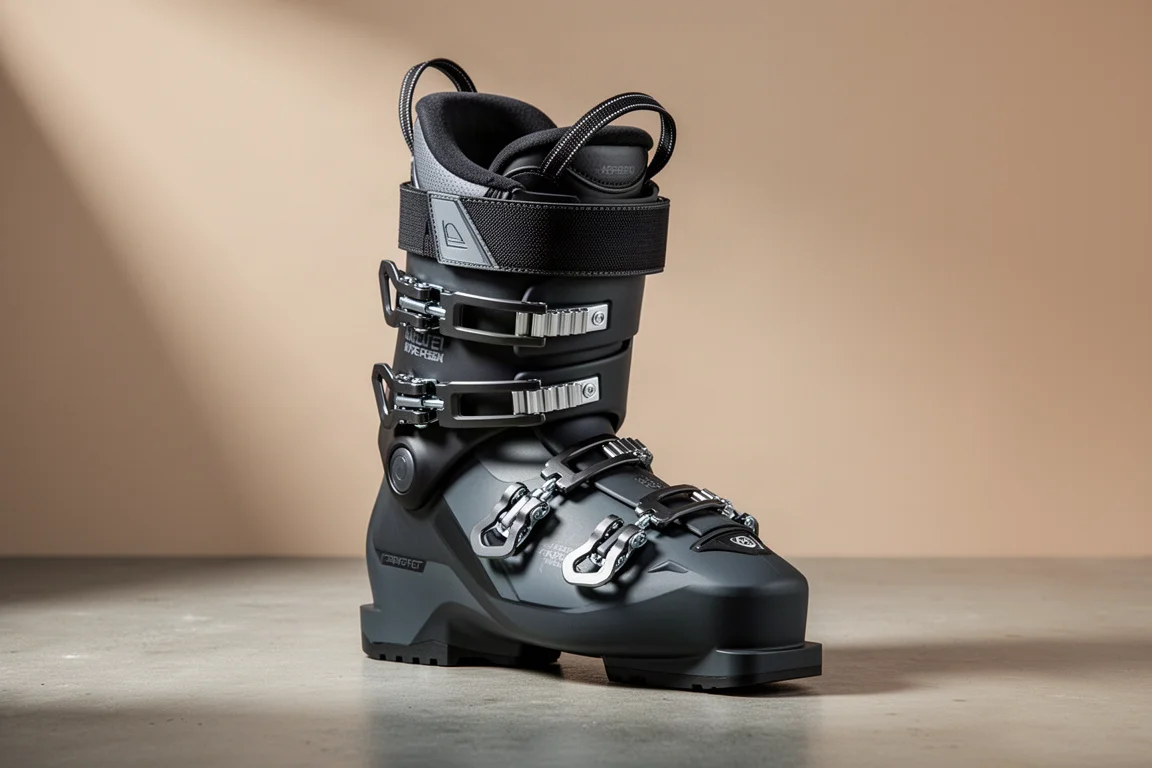
The Salomon S/Pro Alpha 130 is a low volume alpine boot built for skiers who want a close, precise fit and a stiff, direct feel underfoot. It steps into the slot previously held by the S/Max 130, carrying over the same 98 mm last and 130 flex rating while changing how the cuff and the stance can be adjusted.
Those two numbers tell most of the story. A 98 mm last is narrow, and a 130 flex is stiff. Together they describe a boot aimed at advanced and expert skiers with a slender foot, people who would rather feel the snow through the shell than settle into a roomy, forgiving fit.
The shell is still heat moldable, so the boot is not locked into that narrow shape forever. Skiers who need a little more room can have the shell worked and expanded, which keeps the low volume starting point without forcing a painful compromise on the hill.
Who the Salomon S/Pro Alpha 130 Is For
This is a boot for a specific kind of skier. The narrow 98 mm last rewards a slim to average foot, and the 130 flex rewards a skier with enough weight, technique and leg strength to bend it. If you are an advanced or expert skier who has been fighting slop in a wider boot and wants the plastic to sit as close to the foot as possible, the S/Pro Alpha 130 is aimed squarely at you.
It is also a reasonable choice for someone who wants a low profile, high performance boot but knows their foot needs adjustment rather than a different category of boot altogether. Because the shell and liner can both be molded, a bootfitter has real material to work with.
It is not the obvious pick for a casual skier, a lighter skier, or anyone who prioritizes warmth and easy entry over precision. The design intent here is performance first.
Main Strengths: Low Volume, High Performance
The defining strength is the combination of a 98 mm last and a very low profile shell. Keeping the plastic close to the foot shortens the distance between your input and the ski, which is exactly what a performance-focused skier is paying for. Energy transfer feels direct because there is very little material and empty space between your foot and the boot wall.
The flex is rated at 130, and the boot is built to feel stiff rather than soft. A 50 mm power strap sits across the upper cuff, a race-oriented design that can be cinched down firmly for a little more support and a more locked-in feel on hard snow.
Hardware follows the same logic. There are four buckles with adjustable catches: the instep buckle can be mounted in a couple of different positions, and the upper buckles let you move the catches over to fine-tune where the clamping force lands. Small details, but they add up to a boot that can be dialed in rather than simply tolerated.
Two adjustments are worth calling out because they changed with this model. The oversized pivot has been phased out in favor of cuff alignment, which lets you set the stance by loosening and adjusting two pivot points on the cuff. Separately, the power spine includes a rivet that can be twisted to make the boot slightly more flexible or slightly stiffer depending on your preference.
Customization: Shell, Liner, and Stance
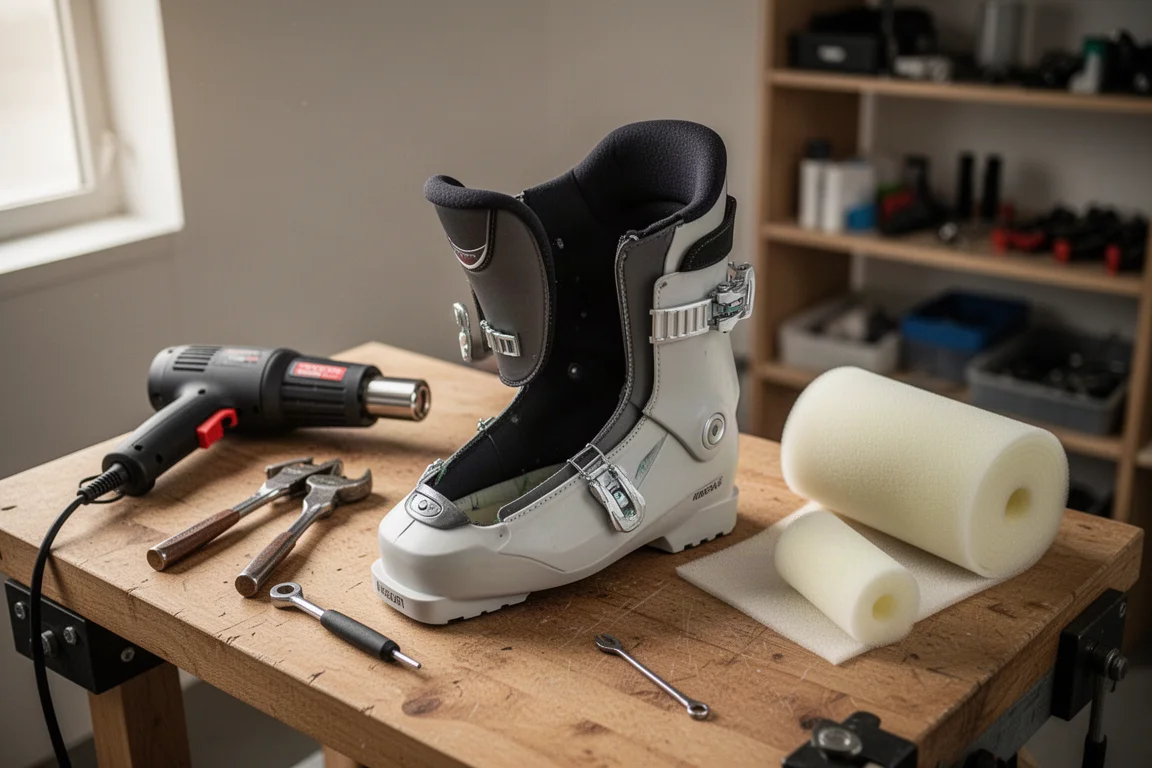
A lot of the S/Pro Alpha 130’s appeal sits in what a boot shop can do with it after purchase. The lower shell is fully heat moldable. Once it comes out of the oven and your foot goes in, the material expands to meet the shape of your foot, which is where a narrow boot stops feeling narrow in the wrong places.
The liner carries a generous amount of moldable foam, particularly around the ankle and the heel, and it includes a lace-up option that brings a race-influenced, close-hold feel to the fit. The tongue is custom as well: a velcro flap can be unfastened so the tongue moves forward or back to match your instep height, which is a useful lever for skiers who normally find pressure across the top of the foot.
Add the cuff alignment and the twist-adjustable power spine rivet, and you have a boot with several adjustments a skier can make independently, plus a much deeper set of changes available through professional molding of the shell, the liner, or both.
Things to Consider Before Buying
The most important consideration is fit, and it runs in both directions. A 98 mm low volume last is genuinely narrow. If your foot is wide or high volume, the boot will likely need shell work before it becomes comfortable, and some feet simply will not get there. Starting from the right last is always cheaper and easier than fighting the wrong one.
Second, a 130 flex is a demanding flex. Skiers who are lighter or still developing technique may find it unforgiving, especially in soft snow and bumps where a softer boot is easier to work with. Stiff boots reward strong inputs and punish passive ones.
Third, the customization story depends on access to a good bootfitter. Oven molding the shell or liner is not a home project, and the value of this boot is realized much more fully when a shop is involved. Buyers without a reputable fitter nearby should factor that into the decision.
Finally, plan for the practical side of a low volume race-influenced boot: it is built for precision, so warmth and easy on-and-off convenience are not the priorities here. The boot ships with its grip soles pre-installed in the box, which simplifies the first day out.
Fit and Bootfitting Notes
If the S/Pro Alpha 130 sounds like the right category, the next step is confirming shell fit rather than relying on the size you wore in a previous boot. With the liner removed, a narrow performance boot should leave a modest gap behind the heel when your toes touch the front, and a fitter can confirm whether that gap is workable before any molding happens.
Bring the socks you actually ski in, and be honest about pressure points. The moldable liner foam around the ankle and heel and the adjustable tongue give a fitter useful tools, but they work best when the fitter knows exactly where the boot is pushing. If your instep runs high or low, mention it, because the tongue adjustment is one of the more effective fixes on this boot.
It also helps to think about your skiing rather than only your foot. A 130 flex boot paired with a narrow last is a performance decision, and it should match the terrain and style you spend most of your season on.
Buying Advice
Buy the Salomon S/Pro Alpha 130 if you have a slender foot, you ski at an advanced or expert level, and you want a stiff, low profile boot that puts you directly in touch with the ski. It is a boot that rewards a precise fit and a bit of patience in the setup phase.
Be more cautious if your foot is wide, if you are a lighter skier, or if you want something comfortable straight out of the box with no shop time. In those cases, a wider or softer boot in the same performance family will likely serve you better, and the money saved on fitting can go toward a model that starts closer to your foot shape.
For the right skier, the combination of a 98 mm last, a 130 flex, a moldable shell and liner, and the newer cuff alignment and power spine adjustments makes this a credible replacement for the boot it succeeds, with more ways to tune the stance and flex to your own preferences.
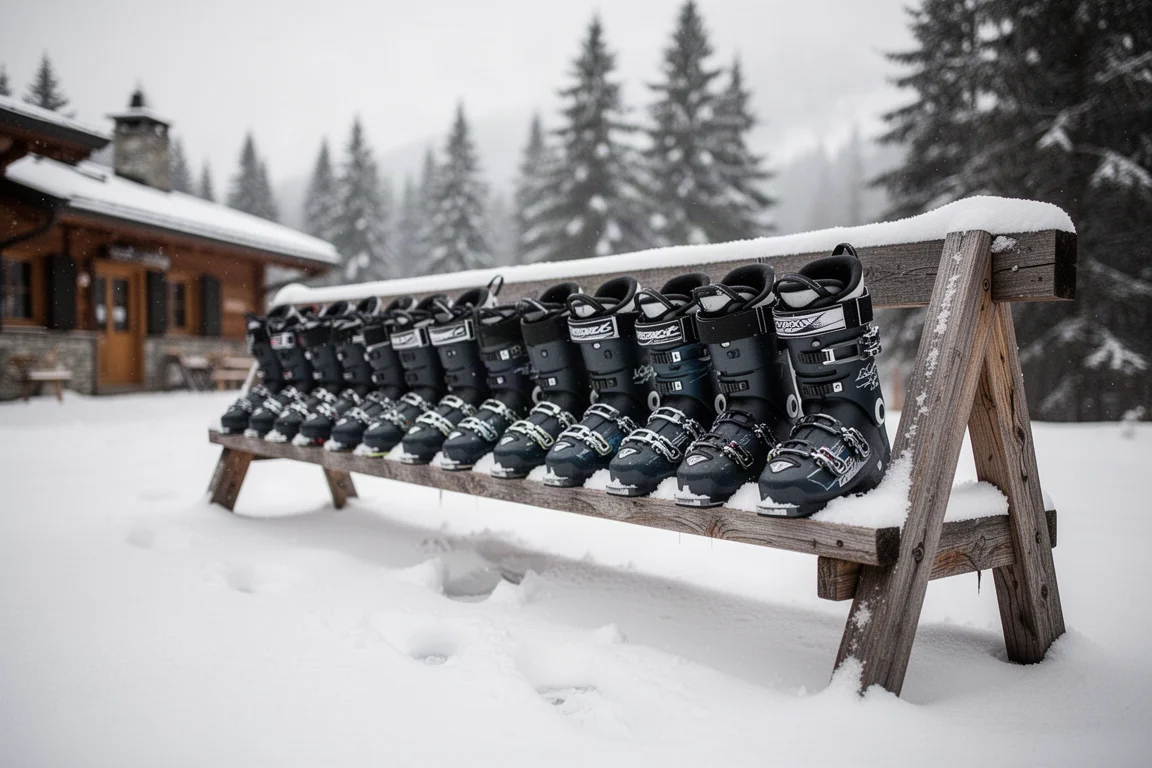
One last practical note: the boot arrives with its grip soles already installed, so there is nothing extra to swap before your first day. From there, the sensible order of operations is a shell fit check, then liner molding, then shell molding only if needed.
Conclusion
The Salomon S/Pro Alpha 130 is a focused product. It does not try to be comfortable for every foot, and it does not try to be soft. What it offers is a narrow, low profile shell, a stiff 130 flex, a wide race-oriented power strap, and a genuinely deep set of customization options through the moldable shell and liner, the adjustable tongue, the cuff alignment and the power spine rivet.
For an advanced or expert skier with a slender foot who wants the plastic as close to the foot as possible, that is a coherent and appealing package. For everyone else, the honest advice is to start with a last that matches your foot, because no amount of tuning fixes the wrong starting point.
Product link
View more details for Salomon S/Pro Alpha 130
This product is mentioned in the review. Check the specifications, options, and compatibility before buying.
View more details for Salomon S/Pro Alpha 130Further reading
Related Reviews

Ski Boots
2027 Ski Boot Roundup: Six 130-Flex Boots Worth Knowing
Six 130-flex ski boots for 2027, plus a low-volume liner upgrade, compared on weight, fit, flex feel, and ease of use.

Ski Boots
Armada AR One Ski Boot Review: A Three-Piece Cabrio That Finally Gets It Right
Armada's first ski boot blends three-piece Cabrio design with Atomic engineering, a heat-moldable shell, and a 100mm last that fits better than any Cabrio before it.

Ski Boots
Armada AR1 Ski Boot Review: A Cabrio and Overlap Hybrid for Park and Freeride Skiers
Armada's first ski boot pairs a three-piece cabrio shell with overlap-style buckles and a cable-driven slingshot buckle. Here is where it shines, and what to weigh before buying.