Ski Boots
Salomon S/Pro Alpha 110 Women's Review: A Low-Volume Boot Built to Be Fitted
A close look at the Salomon S/Pro Alpha 110 Women's, a 98 mm low-volume ski boot with a bakeable shell, heat-moldable liner, and a deep set of fit adjustments.
Introduction
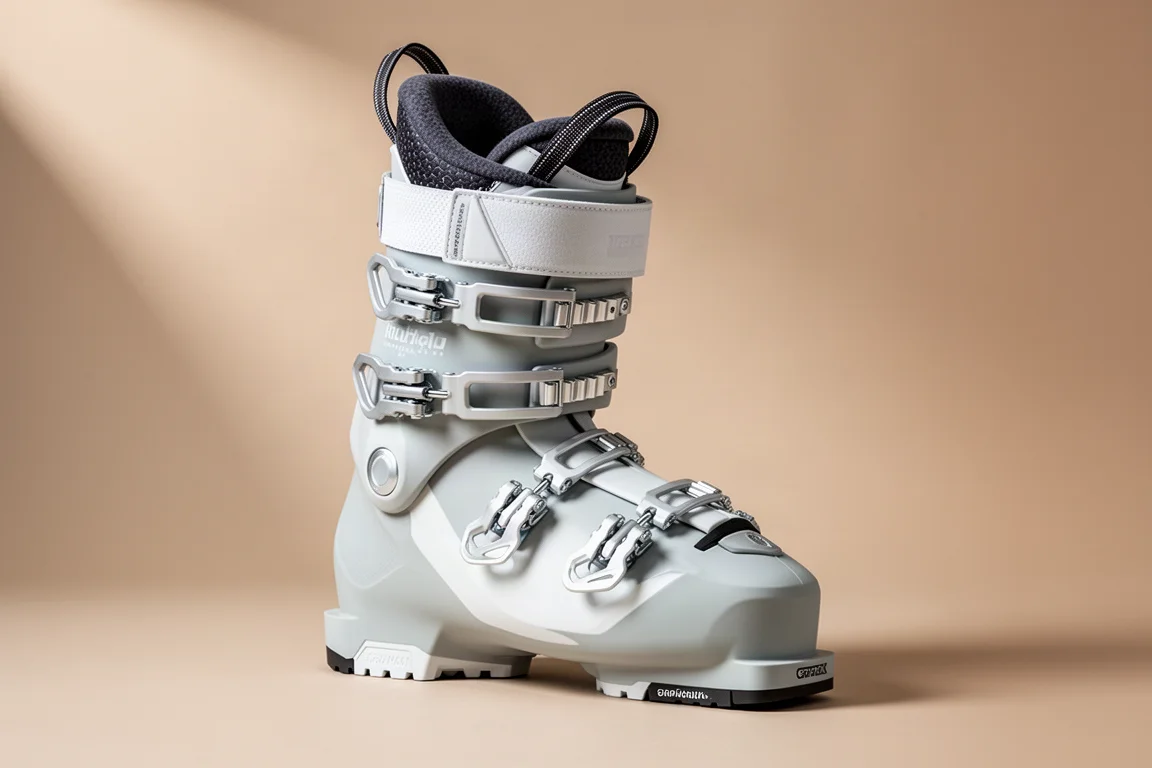
The Salomon S/Pro Alpha 110 Women’s is the boot that picks up where the S/Max line left off, and it arrives with a clear design intent: a narrow, low-volume shell paired with a 110 flex, aimed at skiers who want their foot held close to the plastic rather than cushioned away from it.
The numbers set expectations. A 98 mm last and a 110 flex place this boot in low-volume, high-performance territory. That is a fit philosophy, not just a measurement. Instead of building a roomier shell that works acceptably for most feet, this boot starts snug and relies on heat molding and shell modification to open up exactly where an individual foot needs room.

That approach matters because it changes what a good outcome looks like. A close-fitting shell that has been molded and adjusted can translate into more direct, precise input on the hill than a boot that simply felt comfortable in the shop. The trade-off is that the best results tend to come from a proper fitting process rather than a straight off-the-shelf purchase.
Who This Boot Is For
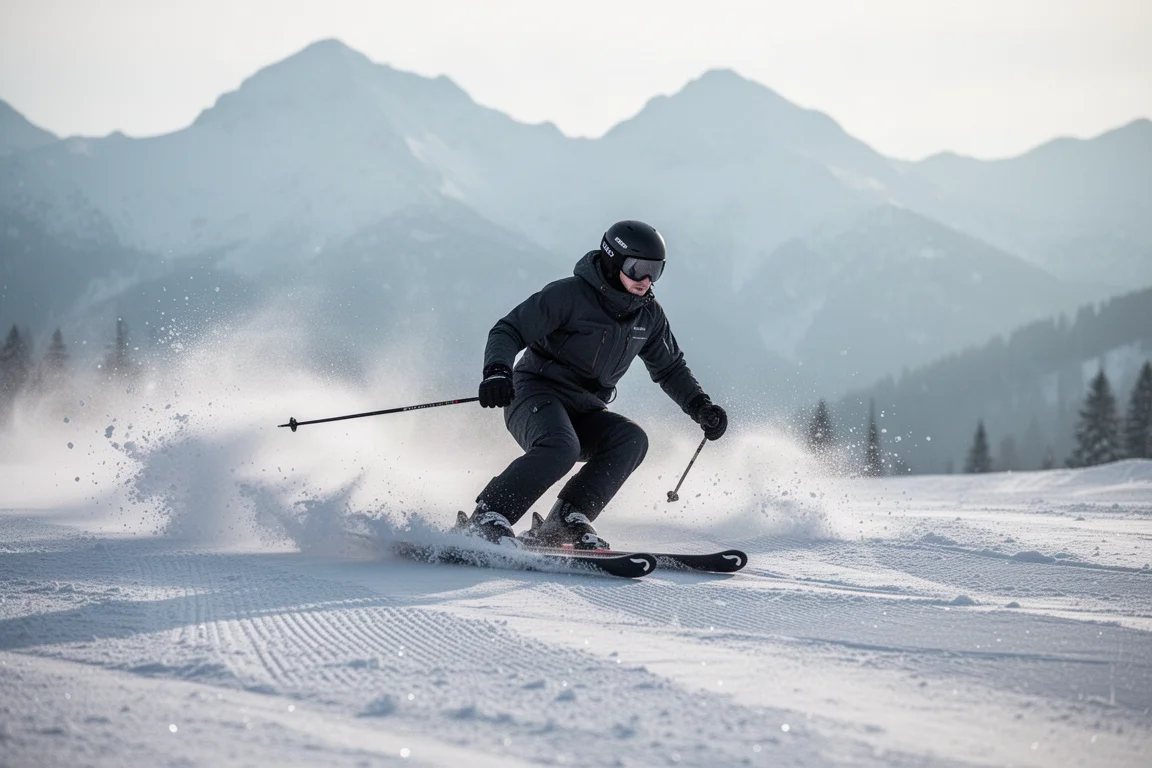
This is a boot for advanced and expert skiers who are starting from a low-volume fit and want headroom for customization and accommodation. Skiers who have struggled with boots that feel vague or oversized around the forefoot and instep are the natural audience here.
Flex is where expectations should be calibrated. At 110, the S/Pro Alpha Women’s is a strong performer for a lighter-weight expert, but a very aggressive, hard-charging skier may find a stiffer option more suitable. The lower-volume fit combined with the 110 flex is what produces the boot’s performance character, so the two should be considered together rather than in isolation.
Main Strengths
The headline strength is the combination of a low-volume fit with an unusually deep set of adjustment points. The whole shell is bakeable, which means a boot fitter can heat the entire boot and gain additional width in the forefoot and extra height over the instep without stepping up to a mid-volume shell. Starting narrow and expanding to match the foot is a sound way to get as close to the plastic as possible.
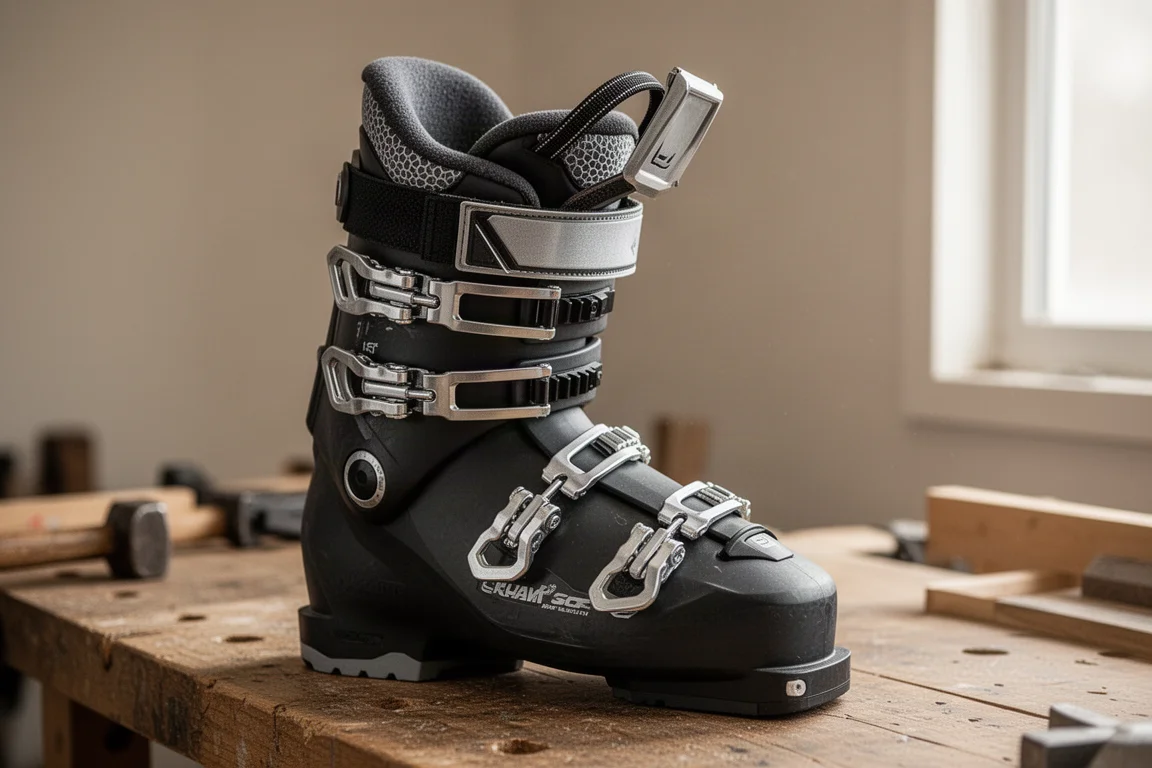
GripWalk toe and heel plates come fitted, which keeps the boot practical for walking around the lodge and lift areas without giving up the alpine sole interface. A power strap across the upper cuff adds another lever for dialing in tightness and fine-tuning how the boot wraps the lower leg.
The liner backs this up. It is heat moldable, so it can be oven-fitted to the foot, and the upper edge is soft and fuzzy, which makes the boot comfortable and warm where the cuff contacts the shin. A quality liner in a shell this adjustable is what allows the boot to feel precise rather than merely tight.
Shell Customization and Cuff Alignment
Two structural features deserve attention. The first is the power spine, which connects the upper shell, the upper cuff, and the lower shell, and includes a flex adjustment so the skier can alter how the boot flexes. That is a meaningful amount of tuning for a boot in this category.
The second is the shift away from an oversized pivot point toward a cuff alignment system. This allows the stance of the boot to be changed by tipping the upper cuff inward or outward. It is a real customization, but it is best handled by a professional at a boot shop rather than adjusted casually, since stance changes affect the whole kinetic chain.
Buckles, Power Strap, and Liner Details
Four micro-adjustable buckles handle closure, and the arrangement is more flexible than the count suggests. The instep buckle offers a couple of different settings so it can be repositioned to accommodate the shape of the instep. The top two buckles add macro-adjustable slots on the upper catch on top of their micro adjustment, giving a wider range of positions for the cuff.
The liner adds its own adjustment layer. A custom tongue with a Velcro flap can be undone and moved in and out, and combined with the buckle on the instep it gives a useful degree of control over instep volume. For skiers who deal with circulation issues, that kind of targeted relief is a genuine benefit rather than a marketing detail.
There is also a spacer on the upper cuff that opens the top throat of the boot. If everything else about the fit is suitably low volume but the lower leg is slightly larger, this creates extra room exactly where it is needed without compromising the rest of the fit.
Things to Consider Before Buying
The 98 mm last is the main thing to weigh honestly. This boot is designed to start narrow, and skiers with wider feet should expect to rely on baking and professional fitting rather than an out-of-the-box fit. That is not a flaw in the design, but it does mean the boot rewards a fitting appointment.
Cuff alignment and shell baking are jobs for a boot shop. Buyers who want a boot they can simply pull on and ski without any setup should factor that into their decision.
Flex is the other consideration. A 110 flex suits a lighter-weight expert well, but heavier or extremely aggressive skiers may want to compare against stiffer options in the same family before committing.
Buying Advice
The strongest case for the S/Pro Alpha 110 Women’s is a skier with a narrow-to-average foot, an advanced or expert skill level, and a willingness to spend time getting the fit right. In that scenario, the bakeable shell, heat-moldable liner, cuff alignment, flex adjustment, and instep adjustability all work in the same direction: a shell that ends up matching the foot closely and performing precisely.
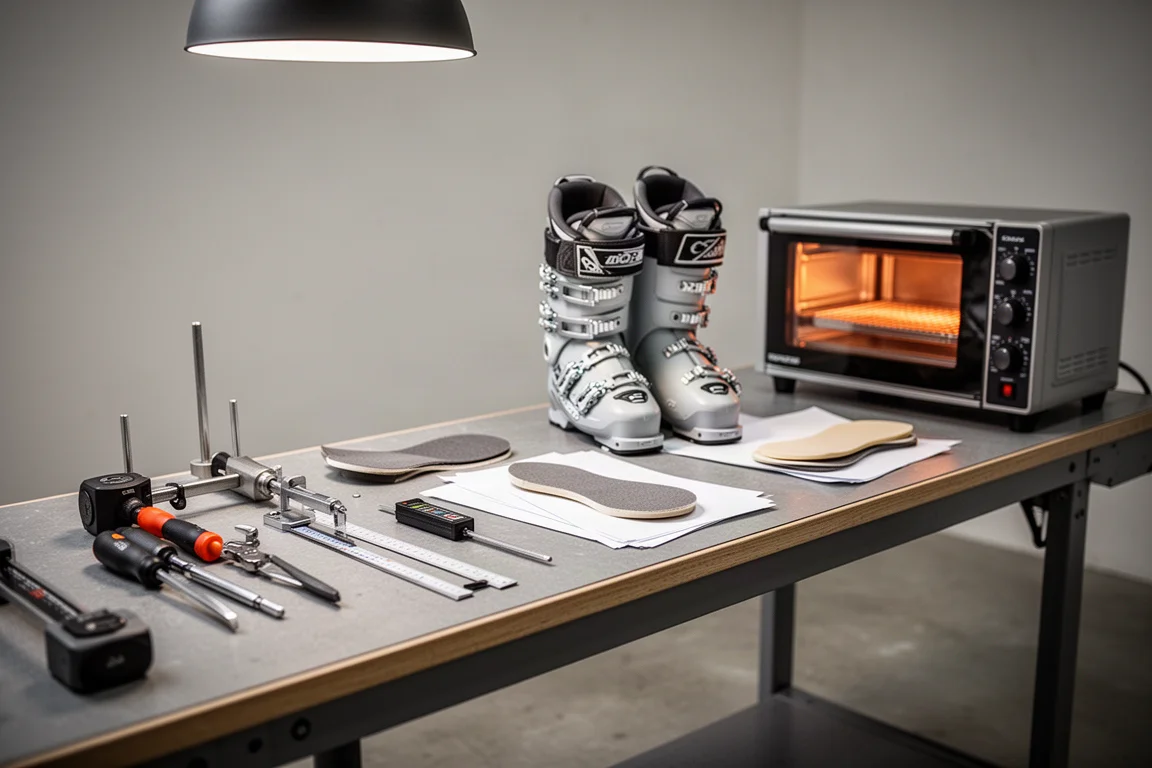
If the fit profile matches, there is very little here that needs to be worked around. The practical path is to buy the boot and book the fitting at the same time, then let a professional handle the shell bake and cuff alignment. That sequence is what unlocks the performance this design is built around, and it is the difference between a boot that merely fits and one that skis the way it was intended to.
Conclusion
The Salomon S/Pro Alpha 110 Women’s is a focused low-volume boot rather than a universal one, and it is better for it. Advanced and expert skiers with narrower feet get a 98 mm last, a 110 flex, GripWalk plates, four adjustable buckles, a power strap, cuff alignment, a flex adjustment, and a fully bakeable shell paired with a heat-moldable liner. Approach it as a platform to be fitted rather than a boot to be bought off the shelf, and the precision it offers becomes the reason to choose it.
Product link
View more details for Salomon S/Pro Alpha 110 Women's
This product is mentioned in the review. Check the specifications, options, and compatibility before buying.
View more details for Salomon S/Pro Alpha 110 Women'sFurther reading
Related Reviews

Ski Boots
2027 Ski Boot Roundup: Six 130-Flex Boots Worth Knowing
Six 130-flex ski boots for 2027, plus a low-volume liner upgrade, compared on weight, fit, flex feel, and ease of use.

Ski Boots
Armada AR One Ski Boot Review: A Three-Piece Cabrio That Finally Gets It Right
Armada's first ski boot blends three-piece Cabrio design with Atomic engineering, a heat-moldable shell, and a 100mm last that fits better than any Cabrio before it.

Ski Boots
Armada AR1 Ski Boot Review: A Cabrio and Overlap Hybrid for Park and Freeride Skiers
Armada's first ski boot pairs a three-piece cabrio shell with overlap-style buckles and a cable-driven slingshot buckle. Here is where it shines, and what to weigh before buying.