Ski Boots
Salomon S/Pro 100 Review: A Comfortable All-Mountain Ski Boot for Intermediate and Advanced Skiers
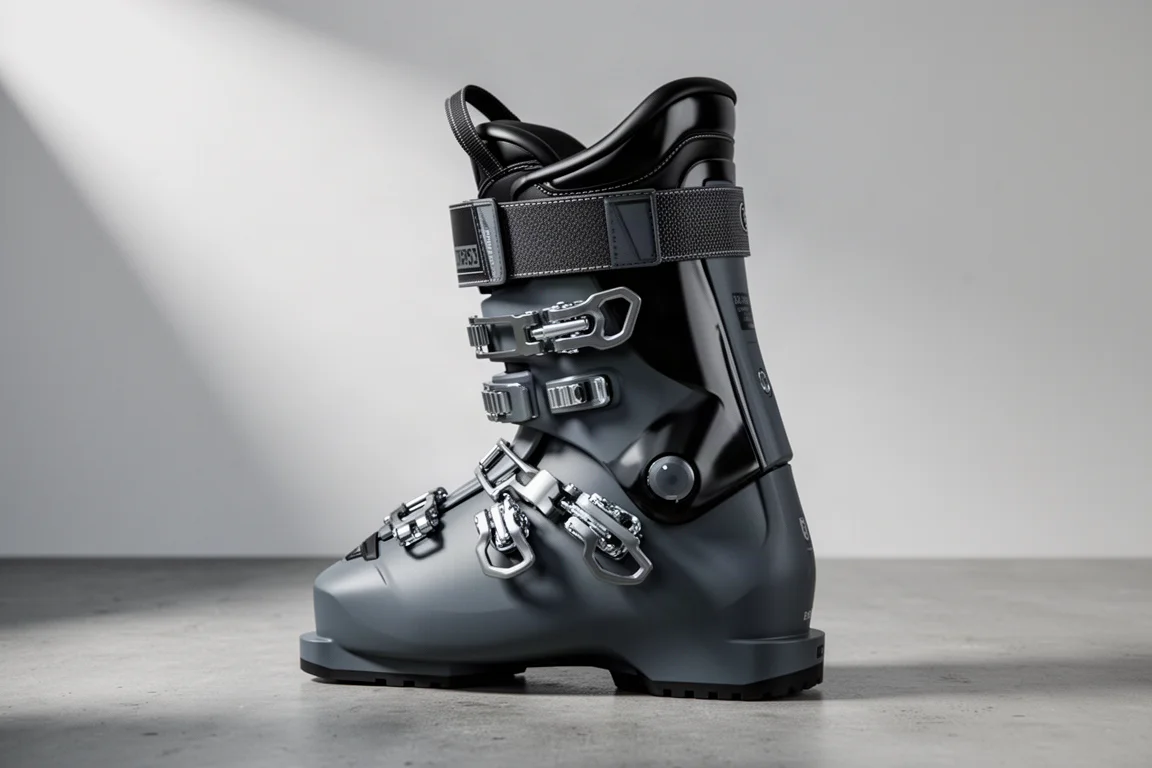
A 100 flex, 100 mm all-mountain ski boot with a stretchable shell, a moldable liner, and lateral stiffness tuned for modern ski shapes.
Introduction
The Salomon S/Pro 100 sits in the middle of a lot of things, which is exactly why it suits so many skiers. A 100 flex rating paired with a 100 mm forefoot last places it in the intermediate to advanced range, and the all-mountain brief means it is built for a wide spread of conditions and terrain rather than one narrow discipline.

What makes this boot worth a closer look is not one headline number but the combination behind it: a shell a boot shop can stretch to roughly 106 mm, a liner with foam that molds to the foot, and a plastic layout that leans toward lateral stiffness. For skiers who want one pair of boots that feels composed from groomers through soft snow, that mix is the real story.
Who This Boot Is For
The 100 flex rating is best read as a starting point rather than a fixed label. It marks the threshold above an intermediate level of skiing, but how stiff a boot actually feels depends on how aggressively you ski, how hard you drive into the shell, and your body weight. Two skiers of similar ability can have noticeably different experiences with the same flex rating.
That makes the S/Pro 100 a strong candidate for intermediate and advanced skiers who want a comfortable, versatile all-mountain boot rather than a race-bred shell with a narrow fit window.
Main Strengths
The clearest strength is lateral stiffness. Bolstered plastic on the outside of the shell and along the spine adds support that translates into quicker, more confident edge-to-edge movement. The boot is not the stiffest option in forward and rearward flex, but that lateral rigidity is what lets you access the full sidecut of a modern ski and generate higher edge angles.
Comfort is the other half of the equation. The fit is designed to feel comfortable out of the box, and the liner does a good job of keeping moisture out while the shell holds its shape under load. Taken together, the stiffness and the comfort make this a boot that performs without demanding a punishing break-in period.
Buckles, Power Strap, and Liner
Four buckles handle closure, and all of them are micro adjustable, so the catches can be twisted for a more precise fit. Two of the upper buckles are also macro adjustable, letting you move the catches forward or backward depending on the volume of your calf.
The power strap is a standard design anchored at the edge of the upper cuff. That anchoring detail keeps the free end of the strap from moving up or down, which contributes to a more solid and confident feel once the boot is tightened down.
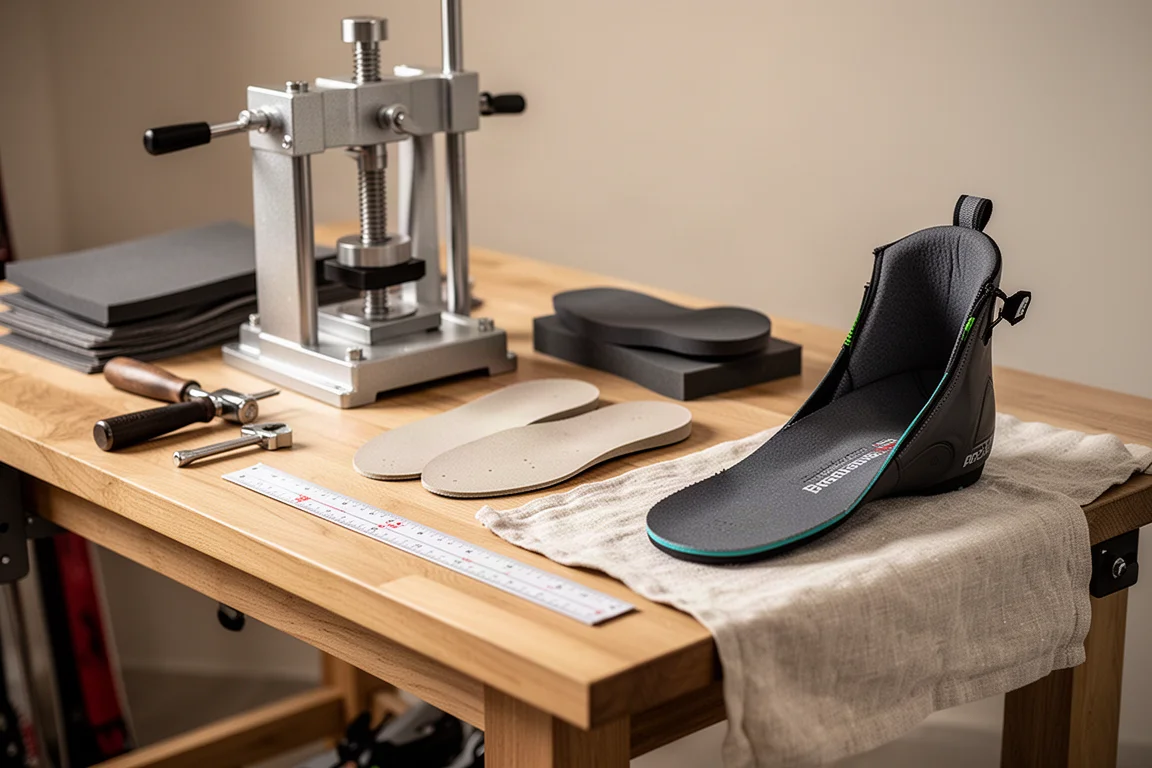
Inside, the liner uses foam that can be customized. Body heat generated while skiing is enough to mold it over time, or a boot shop can speed up the process with a proper custom mold. A stiff plastic tongue supplies part of the forward flex, while the plastic upper cuff works with the rear spine to support lateral movements. An elastic panel across the instep helps maintain circulation, and a rubber dam at the top keeps snow and ice out so feet stay warm and dry.
Getting the boot on and off is straightforward as well. The plastic in the overlap areas is softer than the main shell, which eases entry and exit and also helps keep the instep from being clamped down.
Things to Consider Before Buying
Two things are worth checking before you commit. The first is the flex rating itself. A 100 flex is a useful middle ground, but your weight and how aggressively you ski will shape how stiff the boot actually feels, so a proper fitting session matters more than the number printed on the box.
The second is width. The 100 mm forefoot last is an average, medium-width fit straight out of the box. The shell can be stretched at a boot shop to roughly 106 mm, which opens the boot up to a wide variety of foot shapes, but that adjustment is a service rather than something you do at home.
It is also worth being clear about the flex profile. This boot is not the stiffest option in forward and rearward flex, so skiers chasing maximum rearward support should weigh that against the lateral stiffness they gain.
Boot Fitting and Sizing Notes
The custom shell is the feature that gives this boot its range. Out of the box it fits an average, medium-width foot, and a boot fitter can then stretch the shell up to roughly 106 mm to accommodate wider shapes or specific pressure points.
The liner works the same way. Most skiers simply let their own body heat mold the foam gradually as they ski, and that is perfectly adequate. Visiting a shop for a custom mold speeds up the process and gives a more immediate result, which is worth considering if you want the boot dialed in before the season starts.
Buying Advice
This is a middle-of-the-road boot in the best sense. Whenever a 100 flex rating meets a 100 mm last, you are looking at a design that sits right in the center of several spectrums at once, and that is why a lot of skiers end up happy in it. It pairs a comfortable fit with enough performance to keep improving skiers engaged on the mountain.
If you are an intermediate or advanced skier who wants one all-mountain boot for a variety of terrain, and your feet fall anywhere near an average width, the S/Pro 100 is a sensible place to start. Plan on a professional fitting, especially if your feet run wide, and treat the flex rating as a guide rather than a guarantee. Choose it for balance and comfort rather than for maximum stiffness.
Conclusion
The Salomon S/Pro 100 earns its place through a genuinely useful combination: a 100 flex rating that suits a broad range of intermediate and advanced skiers, a 100 mm last that fits an average foot out of the box and can be stretched to about 106 mm, and lateral stiffness that helps you work the full sidecut of a modern ski. It is not the stiffest boot in forward and rearward flex, and it is not a narrow race fit. What it offers instead is a comfortable, capable all-mountain platform that a wide variety of skiers can make their own.
Product link
View more details for Salomon S/Pro 100
This product is mentioned in the review. Check the specifications, options, and compatibility before buying.
View more details for Salomon S/Pro 100Further reading
Related Reviews

Ski Boots
2027 Ski Boot Roundup: Six 130-Flex Boots Worth Knowing
Six 130-flex ski boots for 2027, plus a low-volume liner upgrade, compared on weight, fit, flex feel, and ease of use.

Ski Boots
Armada AR One Ski Boot Review: A Three-Piece Cabrio That Finally Gets It Right
Armada's first ski boot blends three-piece Cabrio design with Atomic engineering, a heat-moldable shell, and a 100mm last that fits better than any Cabrio before it.

Ski Boots
Armada AR1 Ski Boot Review: A Cabrio and Overlap Hybrid for Park and Freeride Skiers
Armada's first ski boot pairs a three-piece cabrio shell with overlap-style buckles and a cable-driven slingshot buckle. Here is where it shines, and what to weigh before buying.