Ski Boots
Salomon S/Max 100 Review: A Low-Volume Ski Boot for Intermediate and Advanced Skiers
A close look at the Salomon S/Max 100, a 98mm low-volume ski boot with a 100 flex, a heat-moldable shell and liner, and hardware built to hold a precise fit.
Introduction
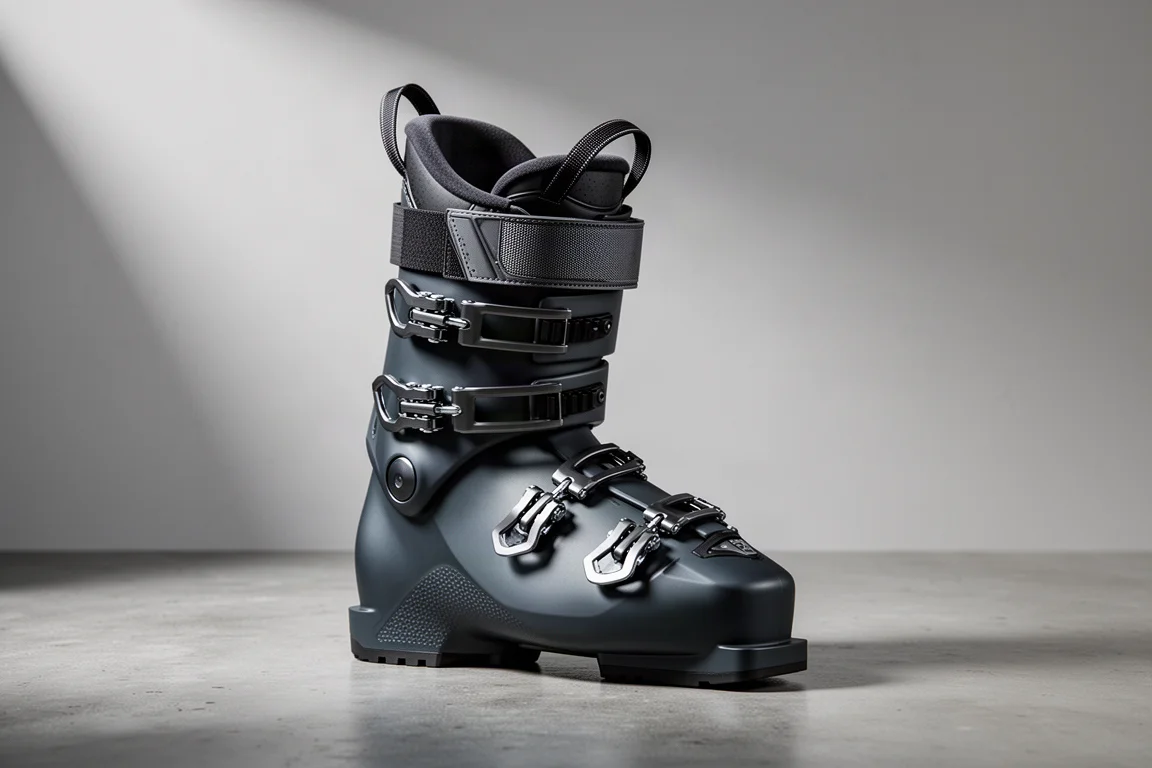
The Salomon S/Max 100 is a low-volume alpine ski boot built around a 98mm last, a 100 flex, and a shell and liner that can both be heat molded to the shape of your foot. That combination places it in a specific corner of the market: it is aimed at intermediate to advanced skiers who want a snug, precise hold rather than a roomy, forgiving one, and who are prepared to have the boot fitted properly rather than simply pulled off the shelf.
It is a mid-range flex boot, which makes it approachable for a broad group of skiers while still offering the lateral support that modern ski shapes reward. This review covers who the boot suits, where it performs best, and the details worth weighing before you buy.
Who This Boot Is For
The S/Max 100 is designed for skiers with a narrower, lower-volume foot. At 98mm underfoot it is deliberately close over the instep and tight around the ankle and heel, which is exactly what gives a low-volume boot its precise feel on snow. If you have been skiing in a roomier shell and constantly cranking buckles down to stop your foot from shifting, this is the kind of fit that addresses the problem at the source rather than compensating for it.
It is also a flex decision as much as a fit decision. With a 100 flex and a stiffer tongue, the boot is pitched at intermediate to advanced skiers, so most skiers in that group should be able to flex into it comfortably and drive it through a turn.
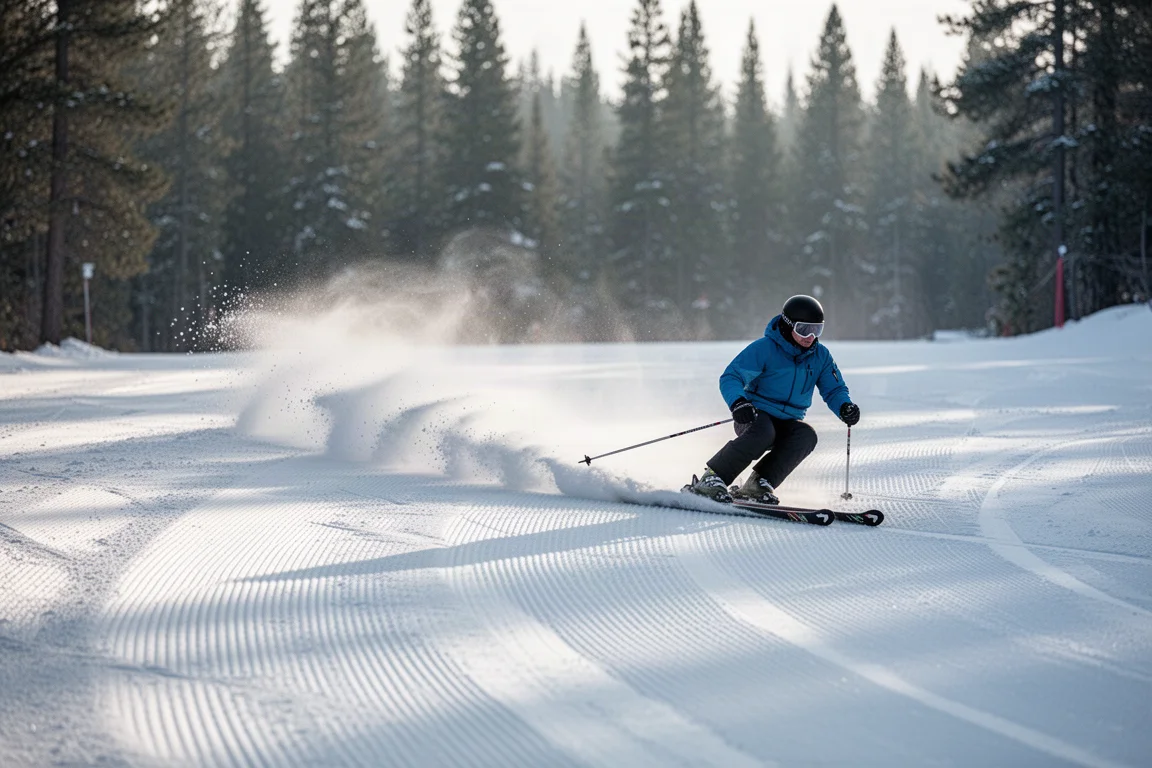
Skiers who need a wide, high-volume shell, or who want the stiffest flex available, will generally find better matches elsewhere in the category. The value here is in precision, not in accommodating a broad range of foot shapes out of the box.
Fit and Customization: The 98mm Last
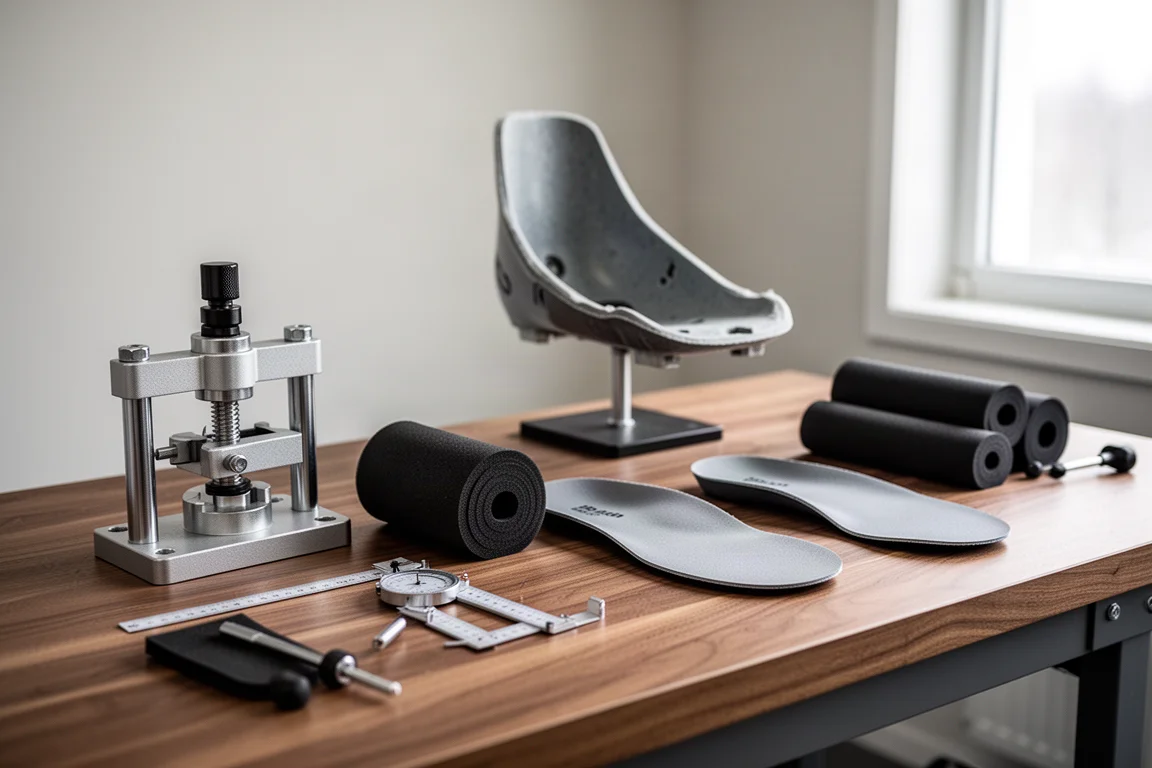
The 98mm last is the number that defines this boot. It is a low-volume fit, and the shell can be heat molded at a shop, which allows extra room to be created in the forefoot where pressure points tend to appear. That is the practical advantage of a moldable shell: you start from a deliberately snug platform and then shape it around the specific contours of your foot instead of living with a compromise.
The liner is customizable in the same way. Its foam can be molded to your foot at a shop, or it can be shaped through body heat alone, which is a quicker route if you prefer to let warmth do the work over a few sessions. Either way, the boot is designed to end up closer to a custom fit than a stock one.
The shell and liner working together is what makes the low-volume approach workable for more skiers. The starting point is tight, and the molding process is what turns that tightness into comfort rather than pressure.
Main Strengths: Flex, Lateral Support, and the Liner
The most interesting piece of hardware on the S/Max 100 is the oversized pivot at the hinge point, where a larger bolt joins the upper cuff to the lower shell. That bigger connection delivers more lateral stiffness and support, which matters more than ever with current ski technology, where edge-to-edge response depends on how directly your input reaches the ski.
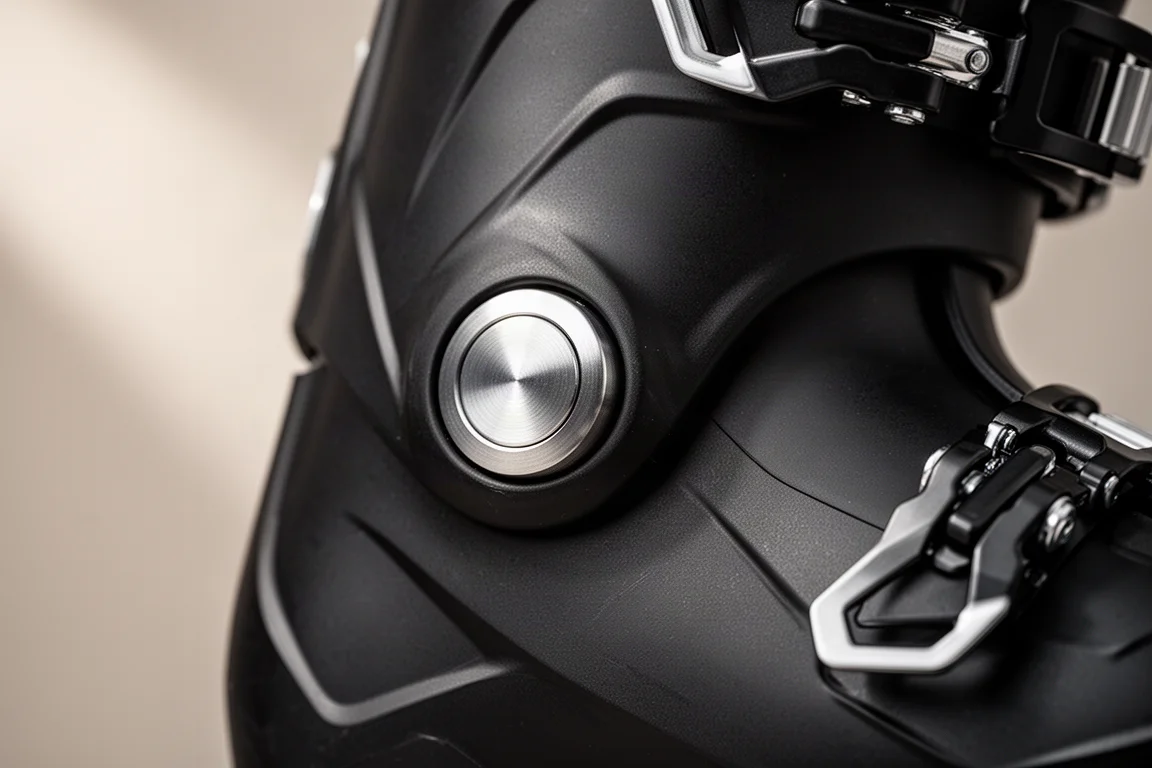
The liner backs that up. Its foam is moldable, so the hold around the foot can be tuned to your anatomy, and the stiffer tongue gives the 100 flex a solid, supportive feel through the front of the boot. The overall result is a boot that stays composed when you pressure the front of the shell, rather than one that folds or feels vague.
For an intermediate to advanced skier with a narrow, low-volume foot, this is the combination that tends to produce the best results: a snug shell, a moldable liner, and a stiff enough flex to translate movement cleanly into the ski.
Buckles, Power Strap, and Stiffness Adjusters
The closure system is well thought out for a boot at this level. There are four micro-adjustable buckles, and the top two are macro-adjustable, so they can be moved back and forth to suit the size of your lower leg and calf. That is a genuinely useful detail, because calf volume varies far more between skiers than shell sizing suggests.
The power strap is mounted on the inside of the upper cuff rather than across the back of the boot. The practical benefit is that it stays where it is put: straps anchored on the rear of the shell can slip down below the front of the cuff over a day of skiing, and mounting it inside the cuff avoids that.
There are also two stiffness adjusters at the back of the boot, which let you alter the flex to suit your skiing. The boot comes pre-installed with grip soles for surer footing on stairs, lodge floors, and icy parking areas.
Things to Consider Before Buying
The clearest consideration is the fit itself. A 98mm low-volume last is not a universal shape, and this boot rewards skiers whose feet suit it. If you know you need a wide or high-volume shell, the S/Max 100 is unlikely to be the right starting point no matter how well it is molded.
The second consideration is the fitting process. The moldable shell and liner are the main reason this boot can be made comfortable, so the value of that feature depends on having it molded properly at a shop or committing to the body-heat route and giving it time.
Finally, flex is personal. A 100 flex with a stiffer tongue is designed for intermediate to advanced skiers, and the two rear stiffness adjusters exist precisely because preferences differ. If you are between flex ratings or unsure which way to go, this is the sort of decision worth talking through with a fitter before you commit.
Value and Positioning
In the low-volume, mid-range flex part of the market, the S/Max 100 represents strong value. The moldable shell and matching liner, the macro-adjustable upper buckles, the oversized pivot, the two stiffness adjusters, and the pre-installed grip soles are all features you would normally expect to pay more for.
The boot does not try to be everything. It is a precise, low-volume shell with a flex that suits a defined group of skiers, and it is priced to make that specialization accessible rather than premium.
Buying Advice
If you have a narrow, low-volume foot and you ski at an intermediate to advanced level, the S/Max 100 is worth putting on your shortlist. Start with the size that gives you a snug fit over the instep and a firm hold at the heel, then let the molding process create the room you need in the forefoot.
Plan for the fit rather than rushing it. Have the shell and liner heat molded at a shop if you can, and if you go the body-heat route instead, give the boot a few sessions to settle before judging it. Once it is set up, use the macro adjustment on the top two buckles to match your calf and lower leg, and use the rear stiffness adjusters to dial in the flex to your skiing.
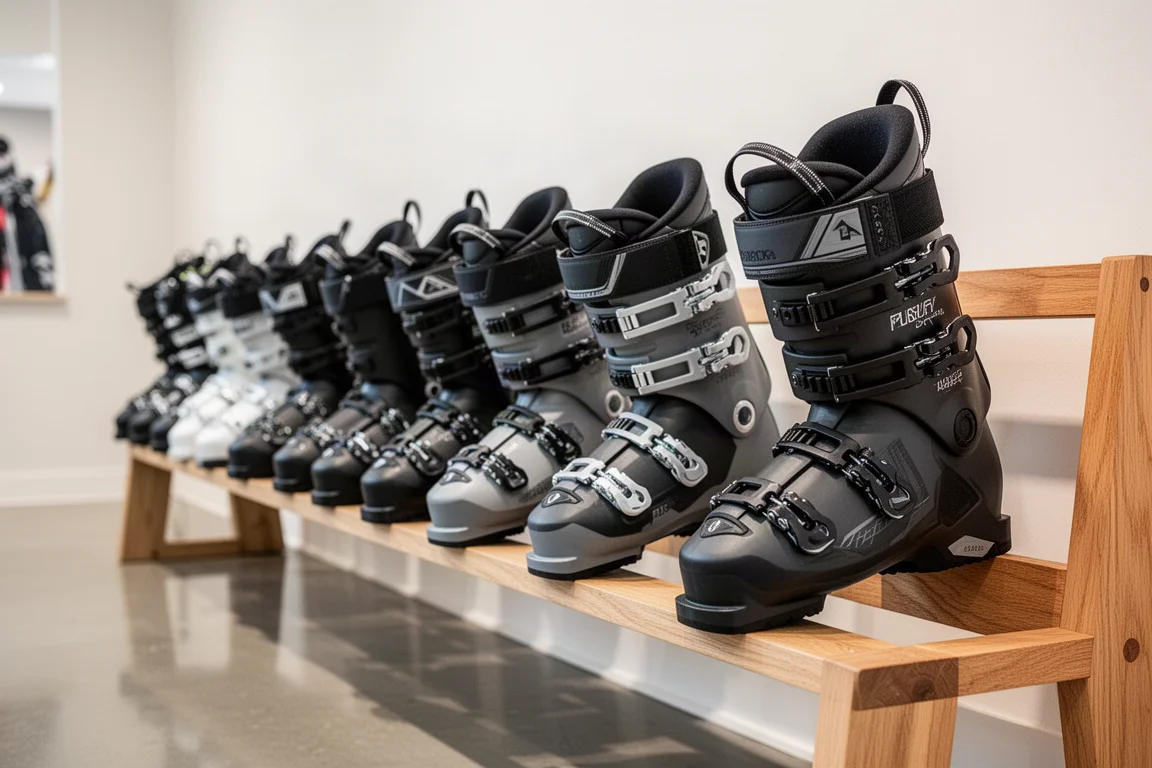
Pair it with a thin ski sock, keep the buckles set to a firm but even tension, and the boot should hold its shape and its hold through the season.
Conclusion
The Salomon S/Max 100 is a well-considered low-volume ski boot. The 98mm last and tight heel and ankle hold give it a precise feel, the moldable shell and liner make that precision livable, and the oversized pivot, macro-adjustable buckles, and rear stiffness adjusters give you room to tune the setup.
For intermediate to advanced skiers with narrower feet who want a snug, supportive boot at a sensible price, it is a straightforward and confident choice.
Product link
View more details for Salomon S/Max 100
This product is mentioned in the review. Check the specifications, options, and compatibility before buying.
View more details for Salomon S/Max 100Further reading
Related Reviews

Ski Boots
2027 Ski Boot Roundup: Six 130-Flex Boots Worth Knowing
Six 130-flex ski boots for 2027, plus a low-volume liner upgrade, compared on weight, fit, flex feel, and ease of use.

Ski Boots
Armada AR One Ski Boot Review: A Three-Piece Cabrio That Finally Gets It Right
Armada's first ski boot blends three-piece Cabrio design with Atomic engineering, a heat-moldable shell, and a 100mm last that fits better than any Cabrio before it.

Ski Boots
Armada AR1 Ski Boot Review: A Cabrio and Overlap Hybrid for Park and Freeride Skiers
Armada's first ski boot pairs a three-piece cabrio shell with overlap-style buckles and a cable-driven slingshot buckle. Here is where it shines, and what to weigh before buying.