Freeride Skis
Salomon S/Lab QST Blank Review: A Wide Freeride Ski Built for Soft Snow
A close look at the Salomon S/Lab QST Blank, a 112 mm freeride ski with heavy float, a predictable flex, and a supportive tail for big terrain.
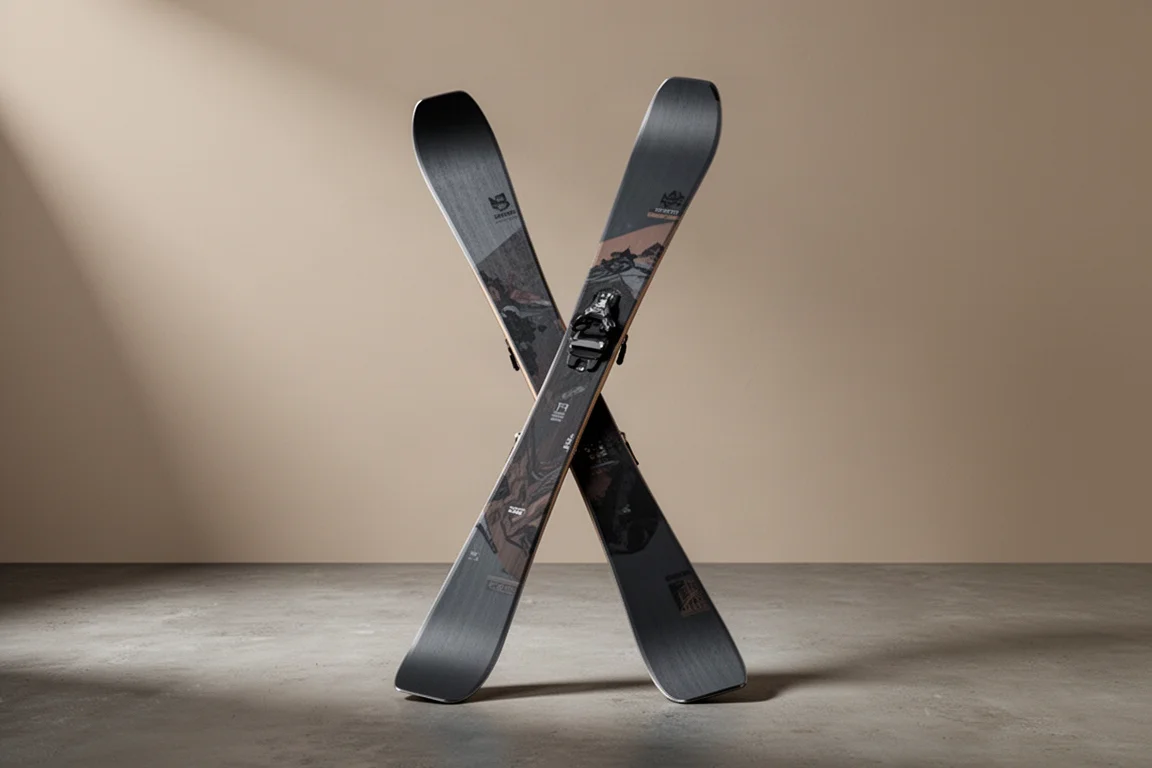
Introduction
The Salomon S/Lab QST Blank is a wide freeride ski built for soft snow, big terrain, and riders who want to charge hard without giving up playfulness. It pairs a generous rocker profile with enough substance underfoot to hold up at speed, which places it firmly in the category of ski that feels at home on a deep powder day and still works when the day ends on a groomer.
That balance of float and backbone is the whole point of the design, and it is what makes this ski worth a closer look if you split your time between untracked snow, steep lines, and the high-speed run back to the lift.
Who This Ski Is For
This is a ski for confident riders who spend most of their time in soft snow and want a platform that supports aggressive skiing. In the 186 cm length, it runs a 19 metre turn radius and a 112 mm waist, with a measured weight of 2,172 g per ski. That is not a featherweight number at this width, but it is also not the heaviest option in the powder and soft snow category.
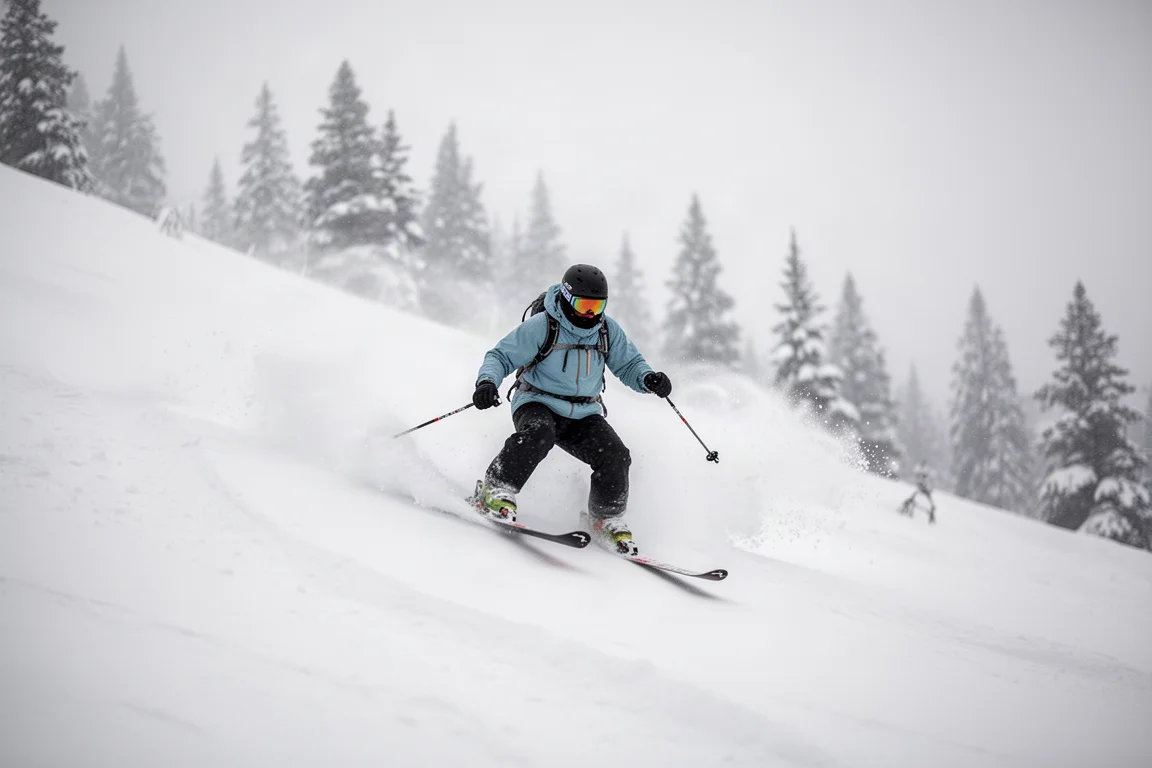
The payoff is a ride that blends the smooth, damp, confidence-inspiring feel of a heavier ski with the maneuverability and playfulness usually associated with a lighter one. Riders who want to go big, land drops, and still throw the ski sideways without fighting it are the natural audience here. It also suits anyone with a freestyle-influenced approach to freeride terrain, since the shape and the easy tail release make it simple to pivot and redirect.
Main Strengths: Float, Stability, and Playfulness
Float is the headline. The tip rocker starts early, decambers through the contact point, and then splays more noticeably right at the tip. That shape bumps the front of the ski up quickly once it reaches an angle, and the result is a ski that does not tip dive in deep snow. A small amount of camber underfoot adds energy and pop, whether that is off a jump, out of a carved turn, or through a long sweeping powder turn.
The tail contributes just as much. Rocker back there is more gradual, so the tail releases easily for quick direction changes while still offering support when you need it. Combined with a squared-off tail that carries less taper than the tip, the rear of the ski gives you extra surface area for float and a crisp, defined finish to the turn.
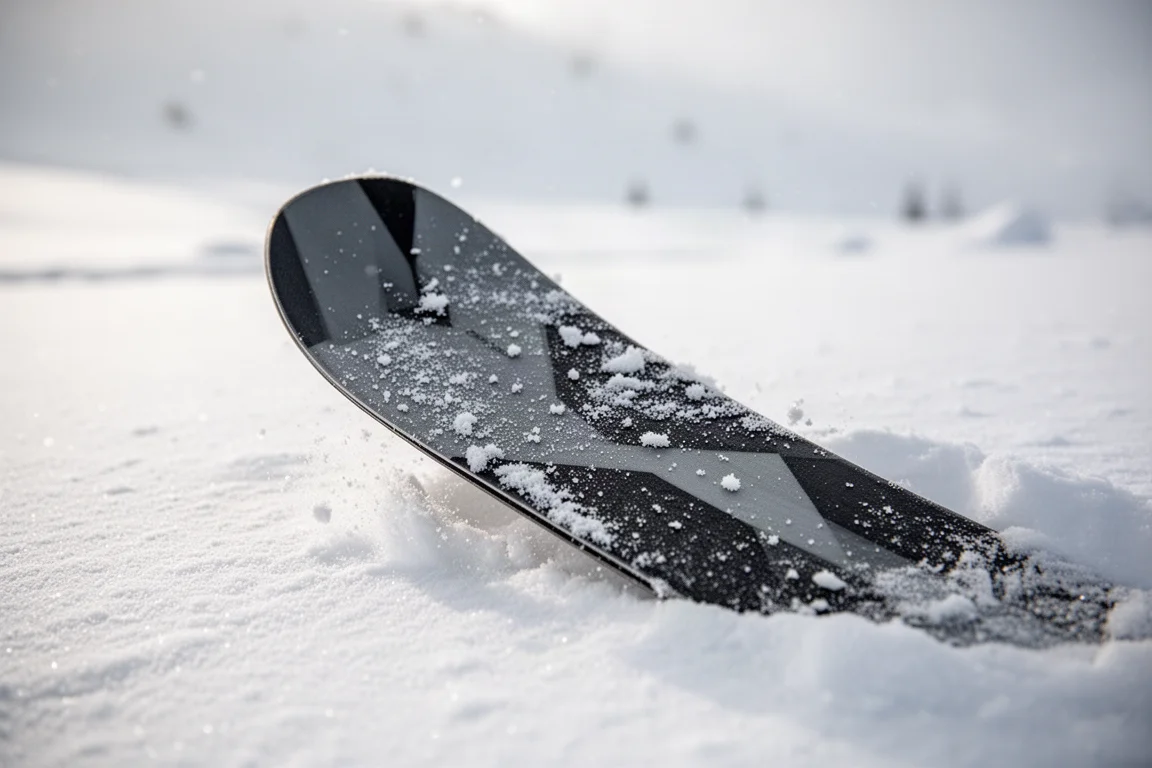
Stability comes from the construction. A full poplar wood core runs the length of the ski, with basalt stringers running through the central portion from tip to tail. Cork dampeners sit in the tips and tails in a horseshoe shape around the extremities, which lets the wood core extend all the way into the tip and tail. The practical result is more responsiveness, stability, and power without a dead or overly stiff feel.
The flex is consistent and predictable rather than soft. The very ends of the tip and the very extremity of the tail are slightly softer than the underfoot zone, and the tip is a touch stiffer than the tail, which adds support on bigger landings and cliff drops.
Construction and Shape Details
The tip carries a lot of taper, which keeps the ski extremely surfy in soft snow and stops it from feeling hooky. Compared with a straighter shape such as the QST X, this ski feels more inclined to turn and pulls across the fall line a little more readily. That turniness does not come at the cost of high-speed composure, because it resists deflection and does not hook up when you want a longer turn shape at speed.
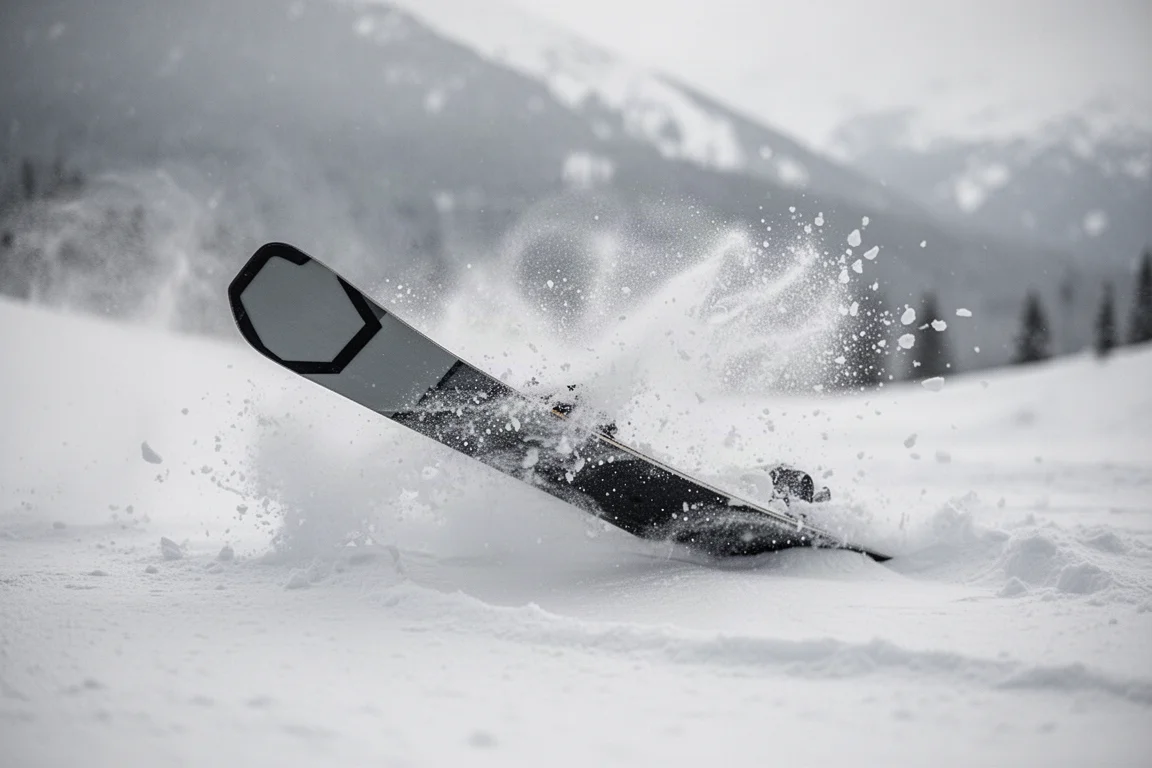
It is worth noting that the rocker line is not a uniform progressive sweep. It bends right at the contact point and then splays more up in the tip, and that specific geometry is what produces so much float without making the ski feel unpredictable.
Things to Consider Before Buying
The ski is not the lightest option at this width, so riders who prioritize low weight for touring or long approaches should weigh that against the stability it provides. It is also not the softest ski in its class, which means lighter or less aggressive skiers may find it asks for a bit more input than a softer freeride model.
As with any wide ski, sizing matters. The 186 cm length with a 19 metre radius is a substantial platform, so the right length depends on your height, weight, and how much of your time is spent in tight trees versus open terrain.
Buying Advice
The strongest case for the QST Blank is versatility within soft snow. It handles deep powder, steep terrain, and big landings, and it does not fall apart when you have to take a groomer back to the lift. Carved turns and short skidded turns both work on the trail, which is more than you can say for every ski in this width class.
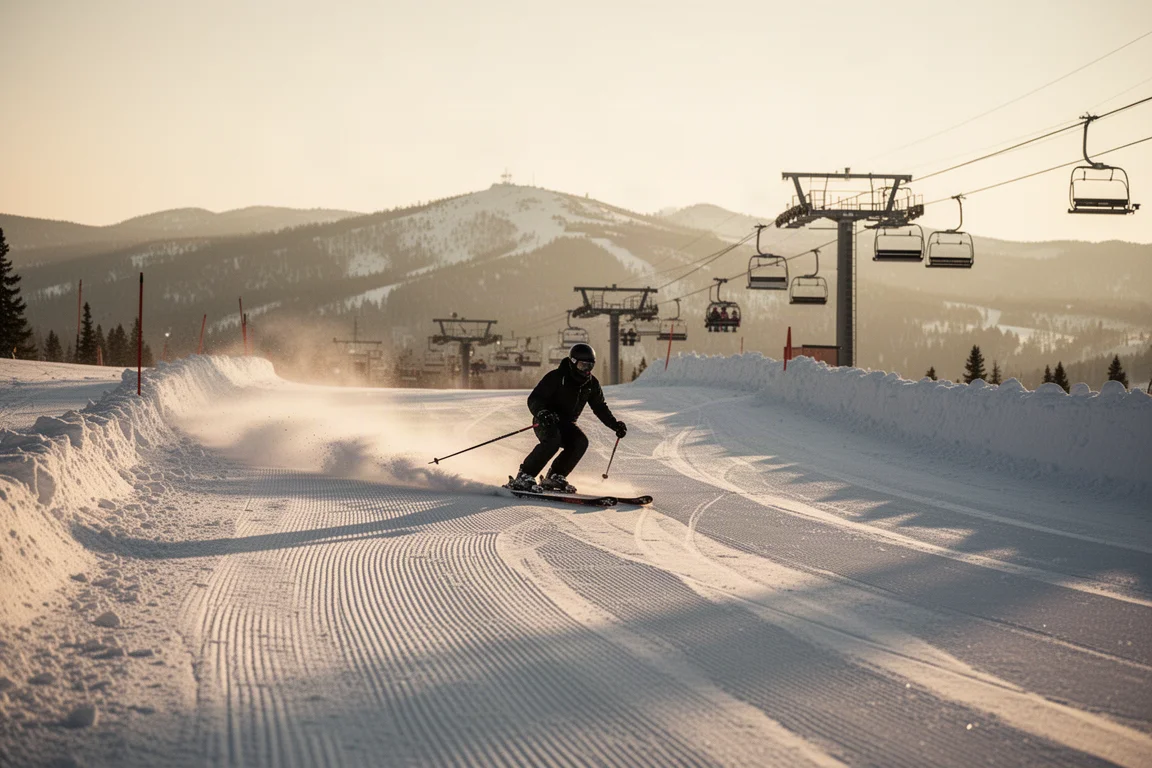
If your days are mostly powder and variable soft snow, and you want a ski that is smeary when you want it and stable when you need it, this is a straightforward choice. If most of your skiing happens on hardpack, a narrower ski will serve you better.
Conclusion
The Salomon S/Lab QST Blank is a well-rounded freeride ski for soft snow riders who want to charge without losing playfulness. Its float, predictable flex, and supportive tail make it a strong option for deep days and big terrain, provided you are comfortable with a ski that carries some weight and rewards a confident, active style.
Product link
View more details for Salomon S/Lab QST Blank
This product is mentioned in the review. Check the specifications, options, and compatibility before buying.
View more details for Salomon S/Lab QST BlankFurther reading
Related Reviews
Freeride Skis
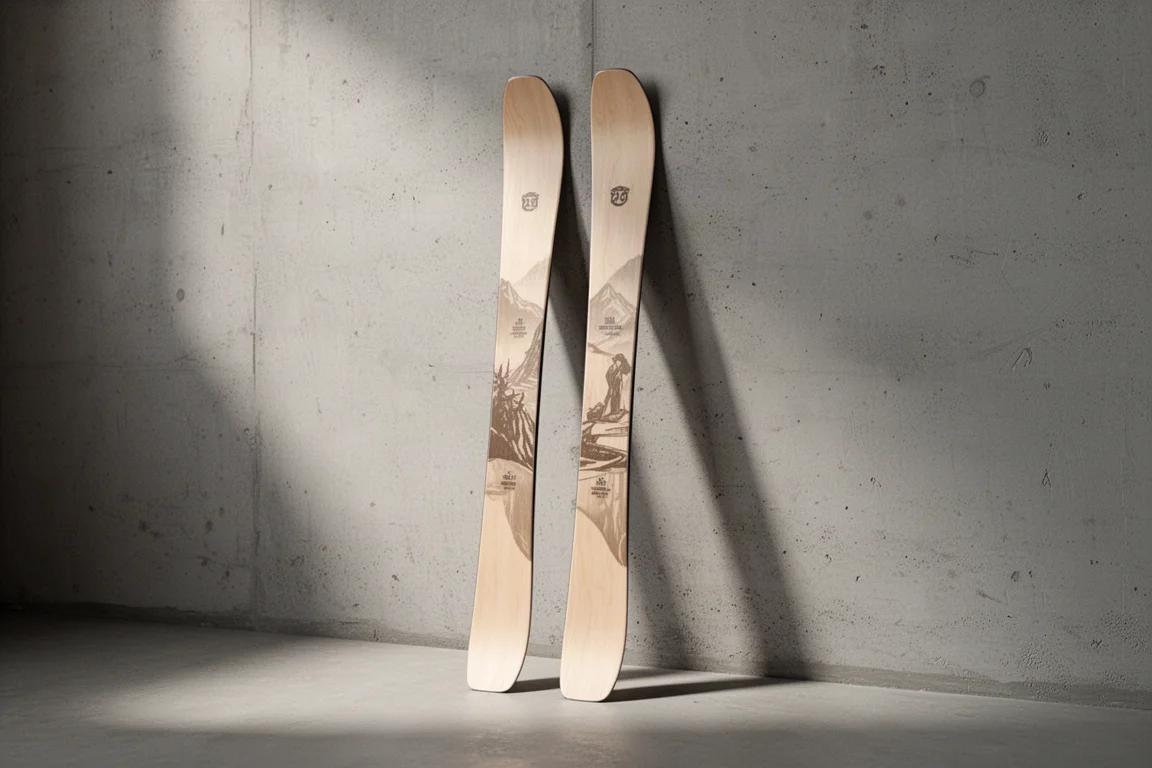
Armada Playmaker 101 Review: A Light, Lively Freeride Ski Built to Play
A closer look at the Armada Playmaker 101, a lightweight freeride twin tip with a poplar and paulownia core, carbon rods through the mid-body, and a deliberately playful character.
Freeride Skis
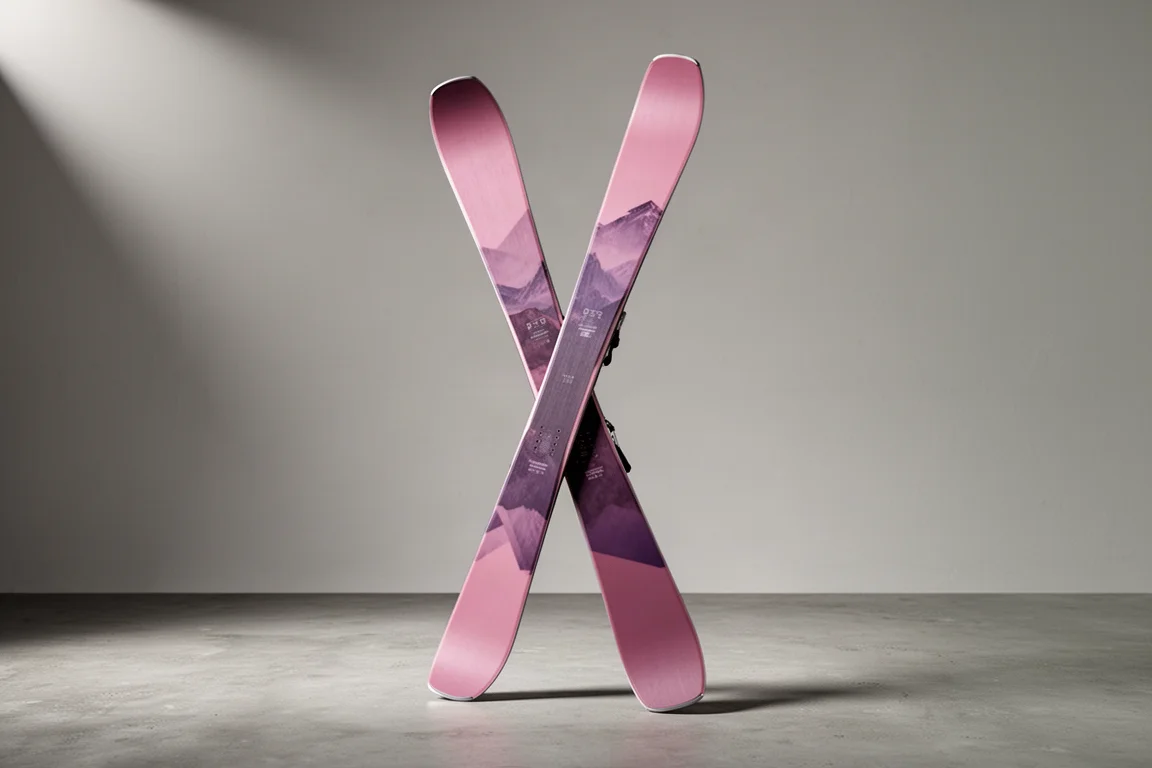
Armada Playmaker 111 Review: A Lightweight Freeride Ski Built for Soft Snow
A close look at the Armada Playmaker 111, a 111 mm freeride twin tip built around float, playfulness, and a drifty feel in fresh and soft snow.
Freeride Skis
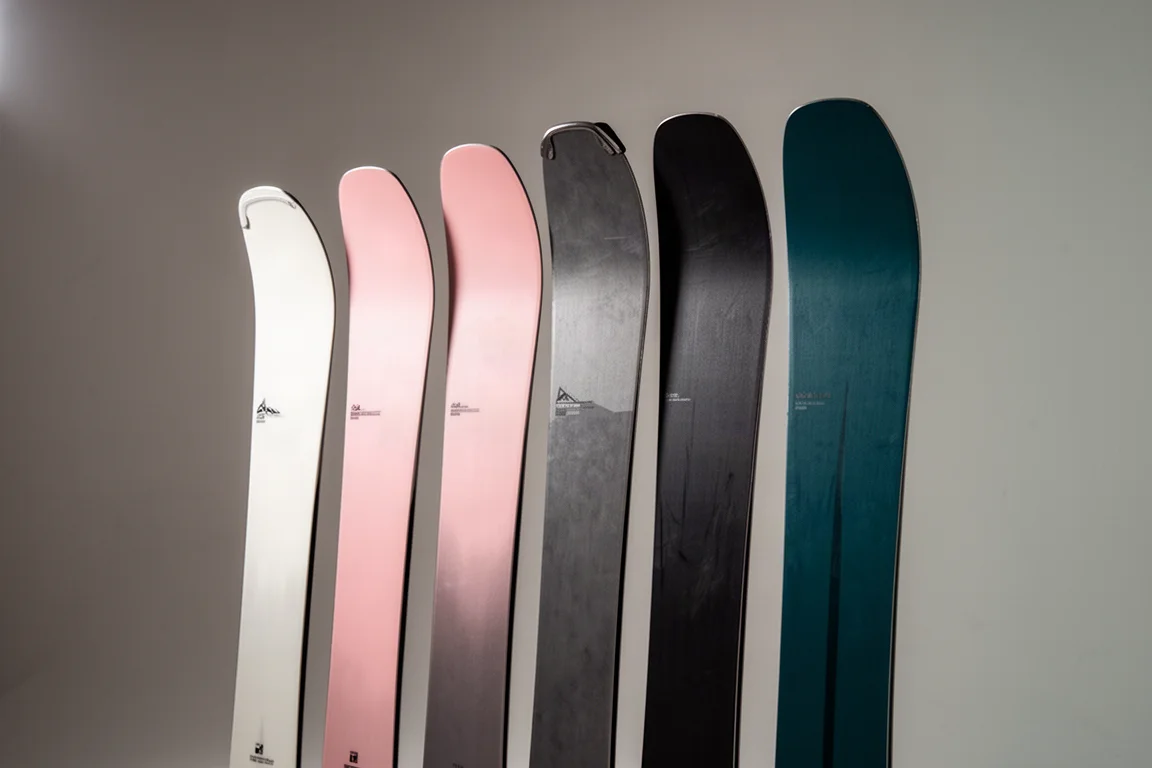
Best Women's Freeride and Powder Skis 2026
A 104 mm to 118 mm comparison of sixteen women's freeride and powder skis, covering weight, rocker, metal placement and the terrain each model suits best.