Freeride Skis
Armada Playmaker 101 Review: A Light, Lively Freeride Ski Built to Play
A closer look at the Armada Playmaker 101, a lightweight freeride twin tip with a poplar and paulownia core, carbon rods through the mid-body, and a deliberately playful character.
Introduction
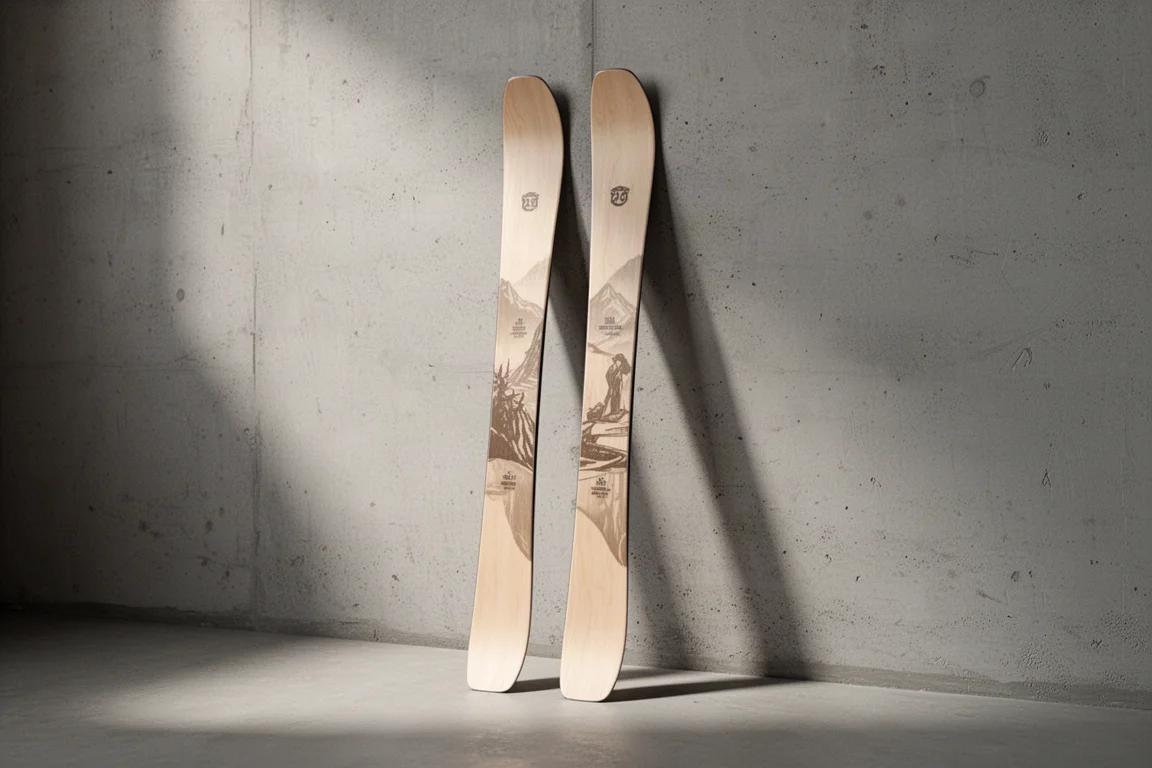
The Armada Playmaker 101 returns with the same shape and build as the previous season, refreshed with a new graphic and clean bases. In the crowded 100 mm freeride and twin tip class, standing out takes a clear point of view, and this ski has one: it is light, mobile, and built to be thrown sideways.
Plenty of skis in this width carve beautifully, but fewer are designed around mobility and pure fun. The Playmaker 101 sits at the top of that shorter list, and that is the whole reason to consider it.
Who This Ski Is For
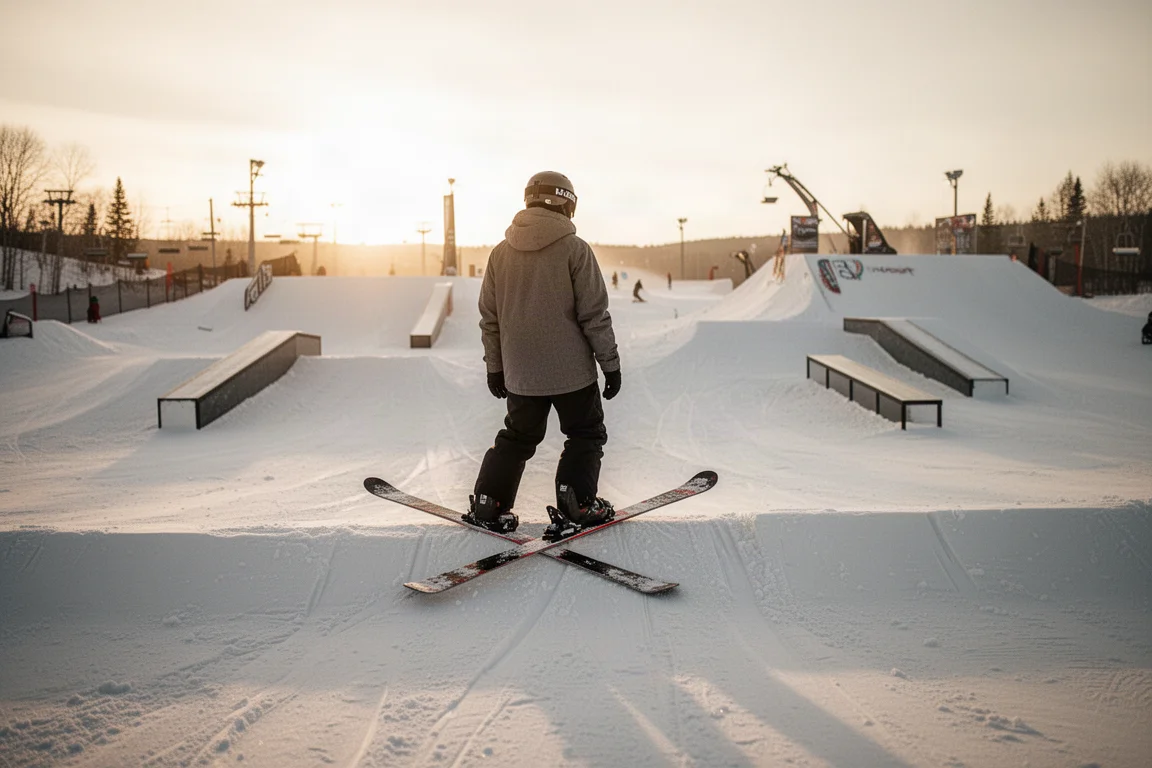
This is a ski for riders who value mobility and creativity over a planted, carve-first feel. If you like slashing turns, drifting through soft snow, and moving the ski around underneath you, the Playmaker 101 makes that easier than most skis in its width class. It also suits skiers who spend time in trees, bumps, and the park, where quick edge-to-edge movement and light swing weight matter more than brute stability.
It is less suited to anyone whose priority is a ski that stays entrenched in a carved turn from tip to tail. There are sturdy, strong 100 mm skis that do exactly that. This one is deliberately shiftier, and that difference is the point.
The upside is a ski that makes older or more casual riders feel more creative than they expect. It responds to input rather than smoothing everything out for you, which keeps low-speed and soft-snow skiing engaging instead of flat.
Main Strengths
Liveliness is the headline. The ski wants to bounce, pop, and get into the air rather than stay glued to the snow, and that character runs through the whole Playmaker family, from the narrower 91 up to the wider 111. From the first turn, the energy underfoot reads as springy and responsive.
Low weight keeps the ski easy to maneuver in the air and quick to redirect in tight terrain. Paired with a flexible, spoony tip, it floats exceptionally well in soft snow, and the tail still holds enough shape to hook in when you are spending time on groomed runs.
The result is a ski that covers more ground than its freeride label suggests: trees, bumps, and park laps are all comfortably within range.
Construction and Flex Profile
Inside, the ski uses a light wood core built from poplar and paulownia. Two carbon rods run along the sides of the ski through the middle section rather than the full length, which shifts the emphasis to the center of the ski: solid edge grip and strong energy transfer underfoot, with lighter, more flexible tips and tails for creative skiing. The 180 cm length comes in at roughly 1,750 g, which keeps it on the light side for the category.
The core is milled into a trapezoidal shape that tapers to a flatter profile in the tips and tails, and the build mixes cap and sidewall construction. The intent is to make it easier to get the ski up on a high edge angle while keeping the extremities loose and playful and still engaged through the whole turn. The ski is symmetrical, with no front-to-back or left-to-right asymmetry, so it skis the same regardless of which foot it is on.
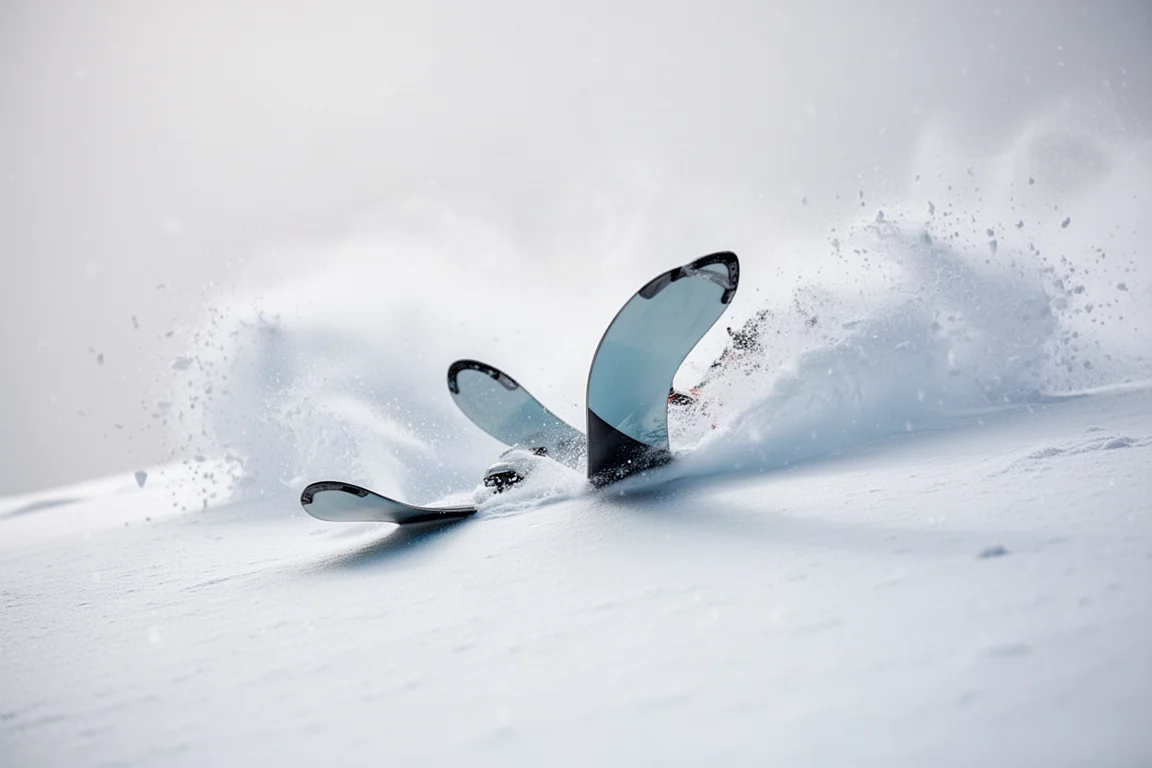
Flex is moderate rather than punishing. Most of the responsiveness sits underfoot, while the shovel is a touch softer than the tail. That combination gives the ski a directional freeride lean despite its modern twin tip outline.
How It Skis: Float, Grip, and Playfulness
Underfoot there is a small amount of flat camber, just enough to generate energy in and out of turns, while the rocker profile and taper are noticeably more dramatic. The shovel carries the most taper and a spoony tip shape, so the front of the ski rises and surfs instead of driving into the snow. Combined with the flex pattern, that is where the excellent float comes from, and it is also why the tips are hard to bury.
The tail is more traditional freeride, with less early taper, so it hooks in a little more. That helps on trail and gives the ski some grip at the back for riders who spend more time on groomed terrain.
Sizing and Length Guidance
Length choice matters more here than on many skis. The 180 cm is quick and agile, but it is not the best match for larger or stronger skiers. The 188 cm is the better option for bigger riders, and it is the length that unlocks the ski for heavier skiers.
If you fall between sizes, sizing up is a reasonable call. The reward is better on-piste performance and better flotation, and the ski stays extremely quick and agile, so the extra length costs very little in maneuverability. Its light swing weight keeps a longer length manageable while the added surface area helps it plane in soft snow.
Things to Consider Before Buying
- If your skiing is built around hard-charging, carve-focused laps on firm groomers, this ski’s priorities sit elsewhere. It is designed to be moved around rather than locked in.
- The symmetrical twin tip shape and softer extremities mean less tip pressure and less traditional front-side precision than a directional freeride ski.
- The 180 cm length will feel short for bigger or heavier skiers, so plan on the 188 cm if that describes you.
- The playful, airborne character is the main appeal. Riders who want a grounded, entrenched carve will find the personality mismatched to their style.
Buying Advice
The Playmaker 101 makes the most sense for skiers who already know they like a loose, playful, airborne style, or for anyone who wants a lighter ski to bring back some of the creativity that gets harder to access with age. If you want something mobile and floaty for trees and bumps that still handles park laps, this is a hard combination to beat at this weight.
Match the length to your size and strength rather than your ego. Middle-of-the-road skiers can size up confidently, while bigger riders should go straight to the 188 cm. Buy it for the personality it was built around: light, agile, and eager to leave the ground.
Conclusion
The Armada Playmaker 101 keeps the same proven shape and build, adds a sharper graphic, and stays true to what makes it interesting. It is not the stiffest or most carve-driven option in the 100 mm freeride class, and it is not trying to be. It is light, floaty, and remarkably willing to play, which is exactly what a certain kind of skier is looking for.
Product link
View more details for Armada Playmaker 101
This product is mentioned in the review. Check the specifications, options, and compatibility before buying.
View more details for Armada Playmaker 101Further reading
Related Reviews
Freeride Skis
Armada Playmaker 111 Review: A Lightweight Freeride Ski Built for Soft Snow
A close look at the Armada Playmaker 111, a 111 mm freeride twin tip built around float, playfulness, and a drifty feel in fresh and soft snow.
Freeride Skis
Best Women's Freeride and Powder Skis 2026
A 104 mm to 118 mm comparison of sixteen women's freeride and powder skis, covering weight, rocker, metal placement and the terrain each model suits best.
Freeride Skis
Black Crows Anima Birdie Review: A Strong, Playful Women's Freeride Powder Ski
A 115 mm women's freeride powder ski with a poplar, carbon, and Kevlar build. Here is what it does well, who it suits, and what to weigh before buying.