Freeride Skis
Salomon QST Stella 106 2023 Review: A Freeride Ski That Floats Beyond Its Width
A close look at the 2023 Salomon QST Stella 106, a 106 mm freeride ski with a deeper rocker, more early taper, and a stronger double sidewall.
Introduction
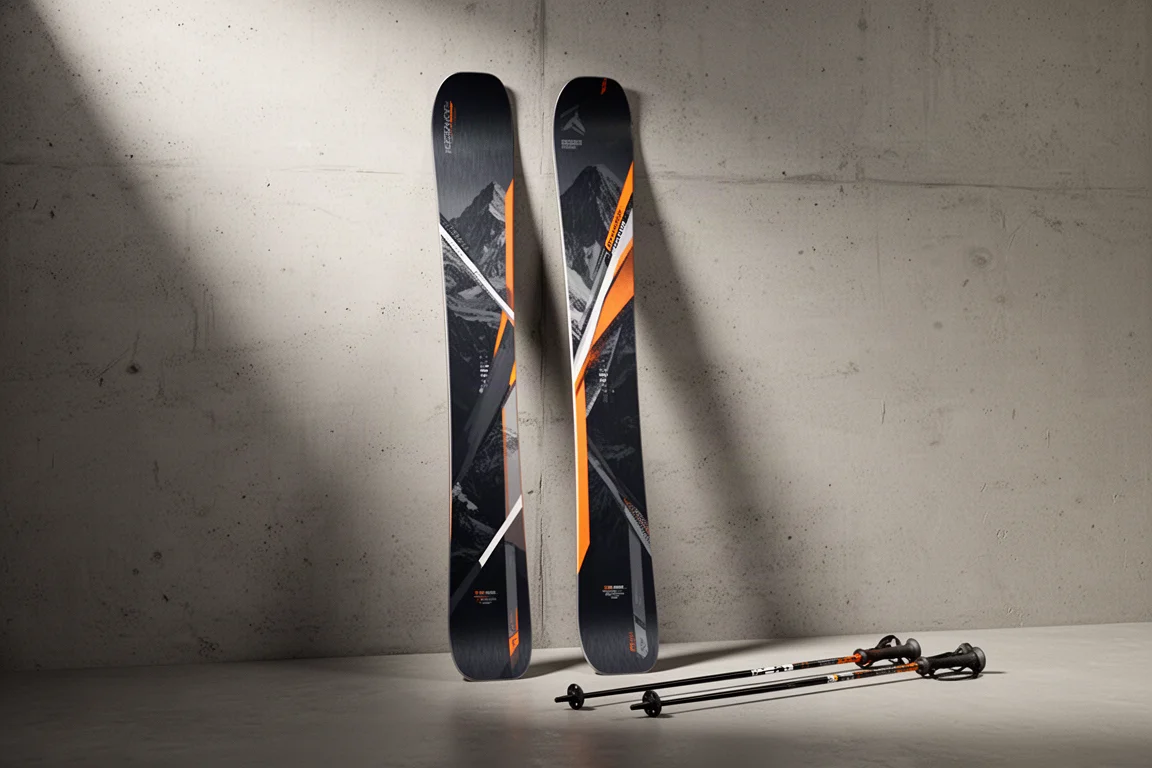
The Salomon QST Stella 106 is the women’s version of a freeride shape now in its third generation, and the 2023 update is less about reinvention than about refinement. At 106 mm underfoot it is built for soft snow, but the changes made this season are aimed at keeping the ski useful well beyond the deepest days.
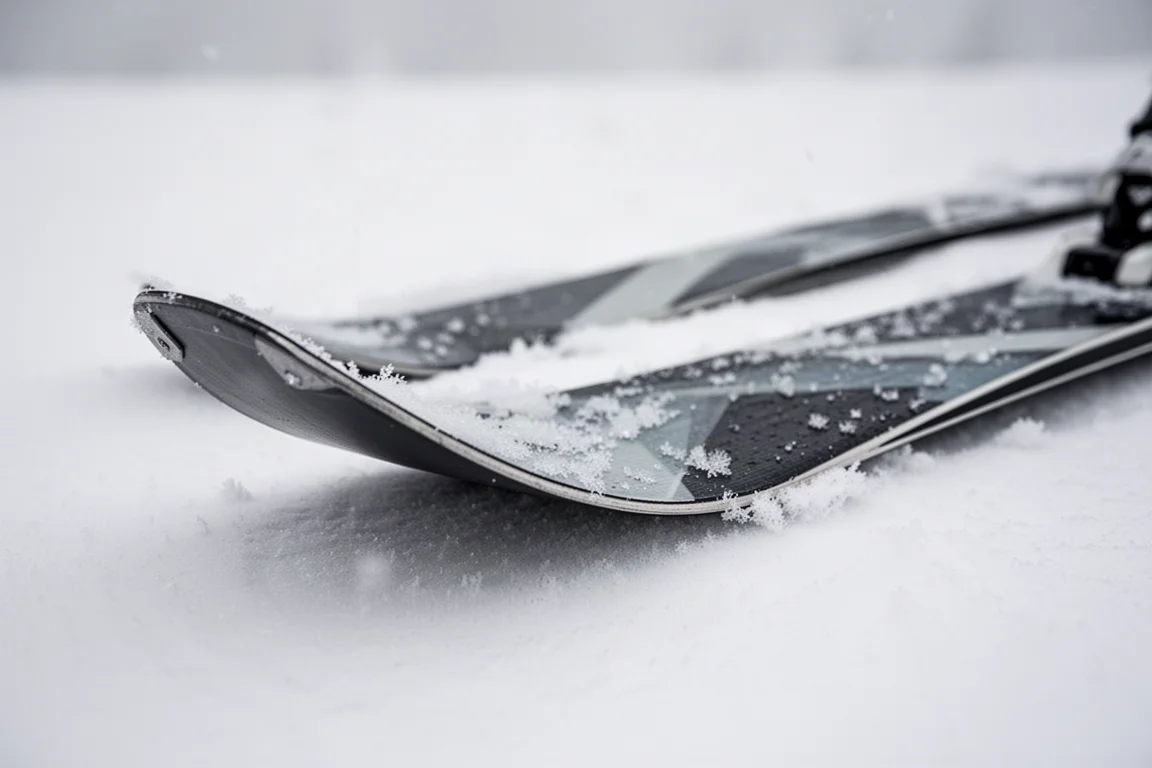
The most visible updates are a slightly deeper rocker profile and noticeably more early taper in the shovel and tail, which gives the ski a spoonier finish at both ends. Underfoot, the construction gains a second sidewall to compensate for the shorter effective edge that the new taper creates. Salomon applies the same shape and construction across the men’s and women’s versions of this ski, so the choice between them comes down to graphics and available lengths rather than performance.
That is a fair amount of technical change, but the character of the ski stays consistent with what riders of earlier versions will recognize. The real question is whether those updates make the Stella 106 a better all-around freeride ski, and how it behaves across the mix of terrain a typical season delivers.
Who This Ski Is For
The Stella 106 is aimed at skiers who want one pair of skis to cover fresh snow, chopped-up crud, and the groomed runs in between. Its 106 mm waist and rocker-camber-rocker profile put it firmly in freeride territory, but the shape is forgiving enough that it does not demand perfect powder to feel right.
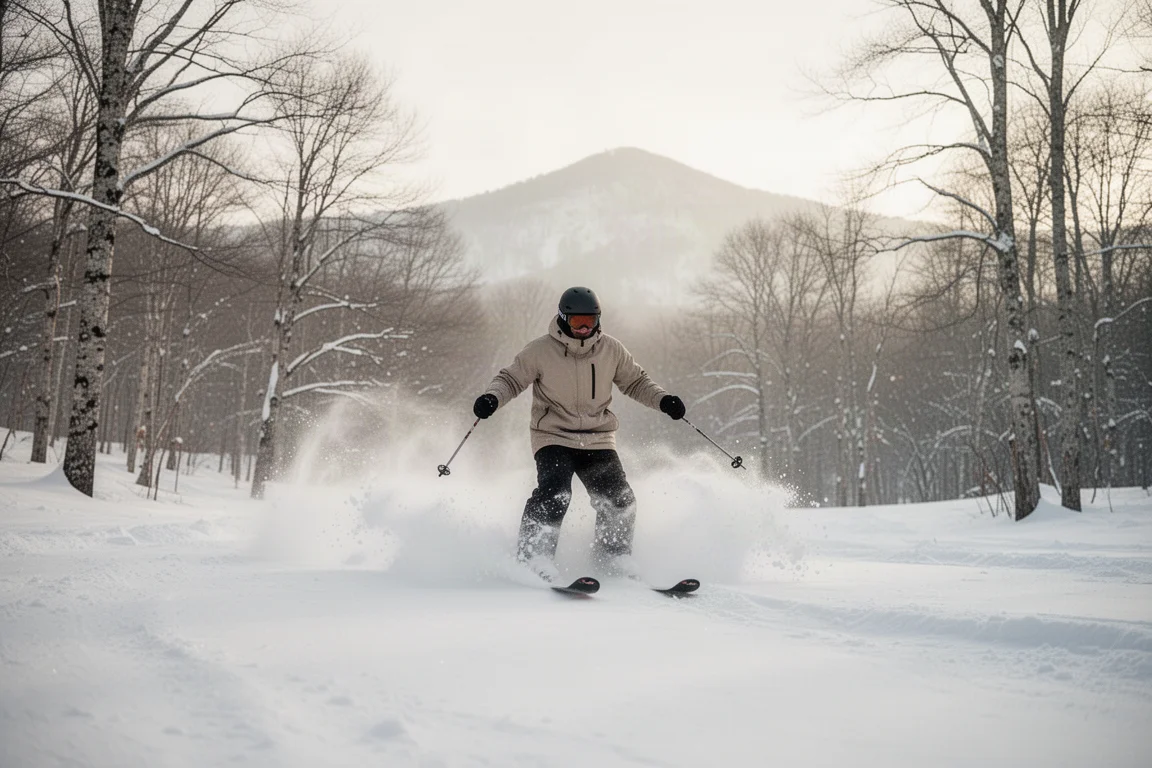
Riders who split their time between soft off-piste terrain and faster groomed trails will get the most from it. It is a less obvious match for someone who wants a dedicated hard-snow carver or a narrow, quick edge-to-edge ski for firm conditions.
Shape and Construction
The numbers are straightforward: 106 mm underfoot, a rocker-camber-rocker profile, and significantly more early taper in both the shovel and the tail than the previous version. The rocker was increased slightly for this season as well, though the change is modest on the 106. It is a bigger shift on the narrower 98 in the same line.
Inside, Salomon uses a full poplar wood core paired with CFX fiber, a weave of carbon and flax designed to combine the energy of carbon with the vibration damping of flax. The new double sidewall adds a second layer of dense ABS material, finished in pink on the Stella 106. That layer was added to strengthen the ski after the increased taper shortened its effective edge. Cork sits in the tips and tails, a feature the brand calls the corked amplifier.
Main Strengths
The most consistent impression is how much float the Stella 106 delivers for its width. A small rise near the end of the ski helps it stay planing on top of the snow, and the result is a ski that feels bouncy and rewarding in deep snow rather than bogged down. On a day with roughly 10 inches of fresh snow, that float reads as noticeably better than the 106 mm waist would suggest.
Playfulness is the other defining trait. The poplar core and CFX blend keep the ski soft enough to be maneuverable and lively, while the double sidewall keeps it stable underfoot. It holds up when pushed to speed, and it stays composed across variable terrain, from chopped-up crud to groomed corduroy. That combination of an intuitive, energetic feel with genuine strength underfoot is what makes it a well-rounded freeride ski rather than a specialist.
Terrain and Conditions
Where the ski is used changes how it reads. On softer snow and groomed trails in the East, it feels closer to a powder ski. In the more open terrain of the West, it slots in as a daily driver that can be taken out in almost any conditions.
The Stella 106 handles moguls and trees well enough, though that is not where it shines brightest. Its strengths are more obvious in open terrain and fresh snow, and it stays comfortable when conditions turn variable and inconsistent.
Things to Consider Before Buying
The early taper is the change most likely to raise questions. Looking at the ski on a wall, it is easy to assume the pronounced taper means a soft, washed-out feel underfoot. In practice the double sidewall keeps the ski strong, but the shape is a genuine departure from the outgoing version and worth understanding before you buy.
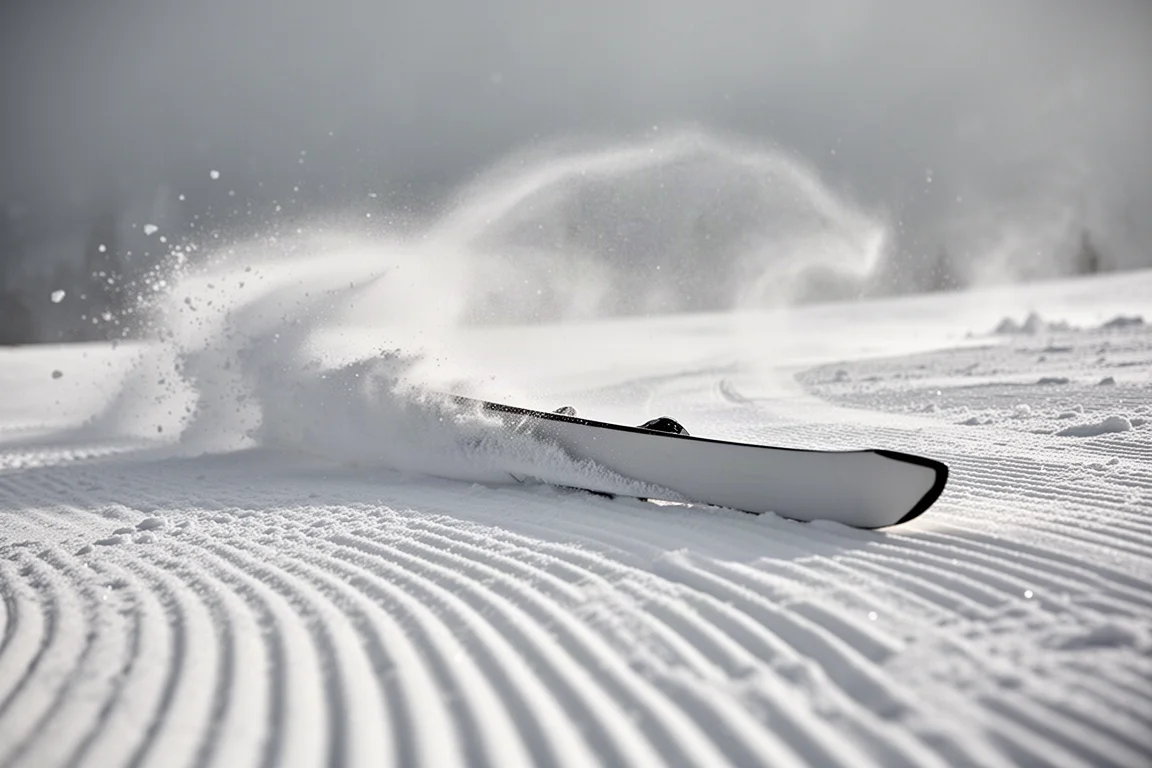
The rocker increase is modest on this particular width, so anyone expecting a dramatically different profile from the previous 106 may find the change subtler than the spec sheet implies. The larger rocker shift in the line happens on the 98.
It is also worth being honest about the ski’s orientation. At 106 mm underfoot it prioritizes soft snow, and while it handles groomers, moguls, and trees capably, those are not the conditions it was designed around. Skiers who spend most of their season on firm, hardpacked snow are not the target rider here.
Sizing and Length Guidance
The 173 cm length carries an 18 m turning radius, which keeps the ski nimble in tighter lines while still feeling composed at speed. Because the shape and construction are shared across the men’s and women’s versions, the practical decision comes down to color and length: choose the size that matches your build and how you plan to use the ski, and pick the topsheet you prefer.
Buying Advice
The Stella 106 makes the most sense for a skier who wants a single freeride ski for soft snow and the varied terrain around it. If your season includes regular fresh snow, open bowls, and the chopped-up conditions that follow a storm, this is a shape that will feel at home across all of it. Its float, playful flex, and stable platform underfoot combine into something that is easy to trust on the first run.
Skiers upgrading from an earlier generation of the 106 will find the same overall character with a sharper, more tapered shape and a stronger sidewall. Anyone stepping up from a narrower all-mountain ski should expect a wider platform that rewards a bit of speed and soft snow, and should size accordingly.
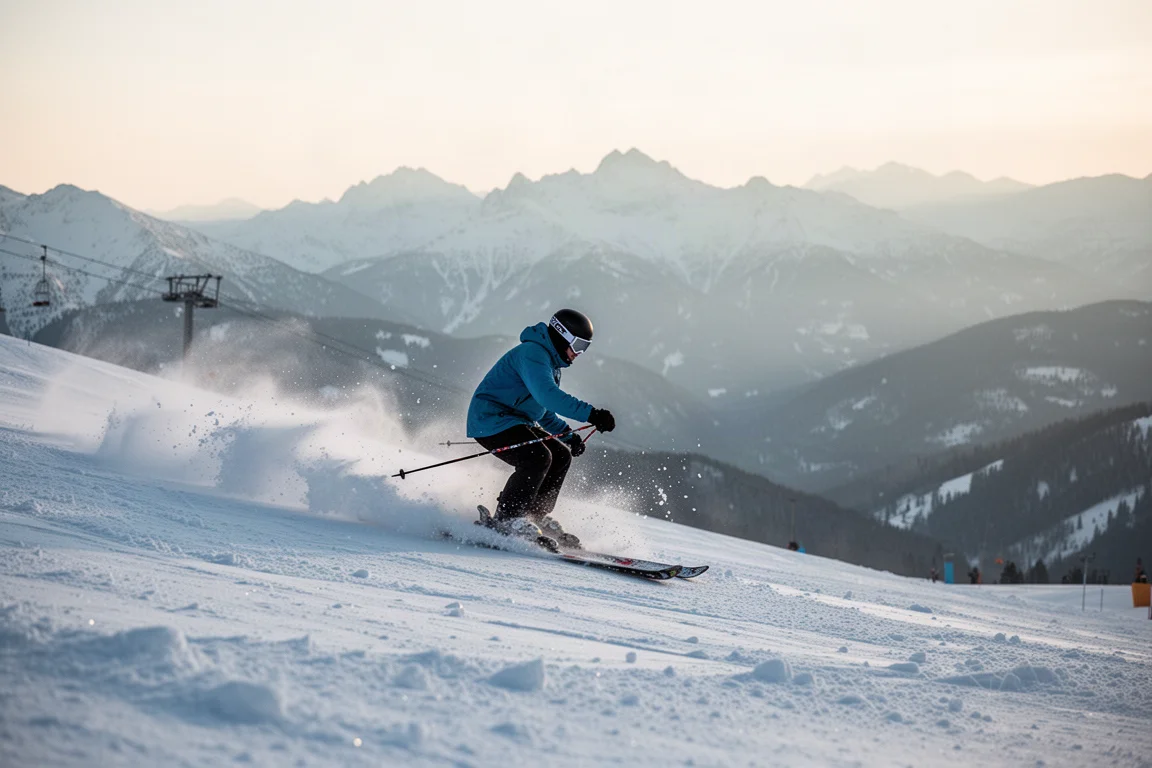
Because the women’s and men’s versions share construction and shape, there is no performance penalty in choosing the Stella 106: it is the same ski in a different colorway. That keeps the decision focused on fit and intended use rather than on specifications that differ only on paper.
Conclusion
The Salomon QST Stella 106 is a freeride ski that manages to be playful without feeling flimsy. Its 106 mm waist, deeper rocker, and pronounced early taper give it float beyond what its dimensions imply, while the poplar core, CFX fiber, and double sidewall keep it stable and confident when the snow gets cut up or the speed climbs. It is a genuinely well-rounded option for soft-snow skiers who want one ski to do a lot, and its third-generation updates sharpen the shape without changing the character that made it easy to like.
Product link
View more details for Salomon QST Stella 106 2023
This product is mentioned in the review. Check the specifications, options, and compatibility before buying.
View more details for Salomon QST Stella 106 2023Further reading
Related Reviews
Freeride Skis
Armada Playmaker 101 Review: A Light, Lively Freeride Ski Built to Play
A closer look at the Armada Playmaker 101, a lightweight freeride twin tip with a poplar and paulownia core, carbon rods through the mid-body, and a deliberately playful character.
Freeride Skis
Armada Playmaker 111 Review: A Lightweight Freeride Ski Built for Soft Snow
A close look at the Armada Playmaker 111, a 111 mm freeride twin tip built around float, playfulness, and a drifty feel in fresh and soft snow.
Freeride Skis
Best Women's Freeride and Powder Skis 2026
A 104 mm to 118 mm comparison of sixteen women's freeride and powder skis, covering weight, rocker, metal placement and the terrain each model suits best.