Road Running Shoes
Salomon Aero Glide: First Run Review of Salomon's Lighter Road Trainer
A first-run look at the Salomon Aero Glide, the lighter sibling of the Glide Max, with strong geometry and one frustrating flaw.
Introduction
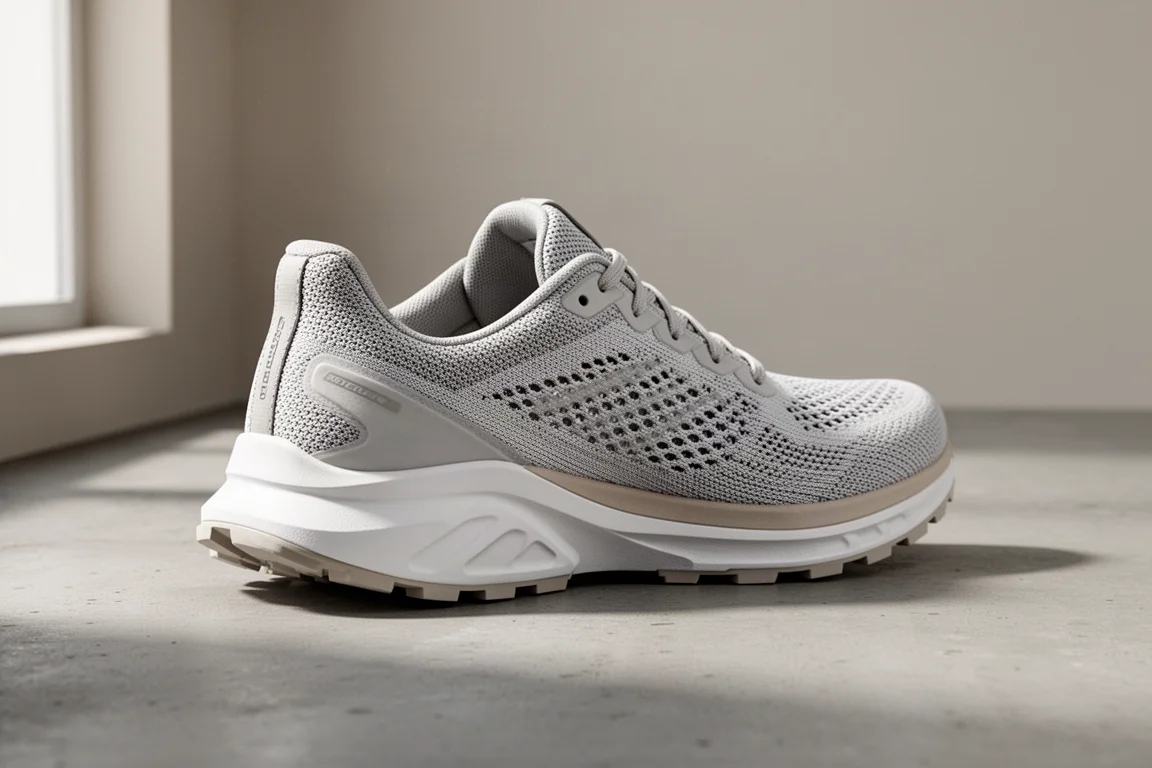
Salomon built its reputation on trail running, with elite athletes like Kilian Jornet and Courtney Dauwalter helping shape some of the best trail gear in the sport. Over the last four or five years the brand has been pushing hard into the competitive road running market, with mixed results. The Glide Max was a genuine step in the right direction, and the Aero Glide is its lighter, more stripped-back sibling.
After a first run of close to eight miles in these shoes, there is a lot to like, plus one detail that could get frustrating fast.
Salomon Aero Glide Specs and Construction
The Aero Glide retails in the UK for 150 pounds and comes in at 285 grams in a UK 10. You get a 10mm drop, with a 37.4mm stack under the heel and 27.4mm under the forefoot, so there is a generous amount of soft cushioning in the midsole.
The midsole uses Salomon’s Energy Foam, a lightweight, bouncy, high energy-return compound made from a blend of EVA and olefin designed for a long-lasting comfortable ride. Salomon has been rolling this foam into most of its shoes, and it has had a real impact on the road lineup.
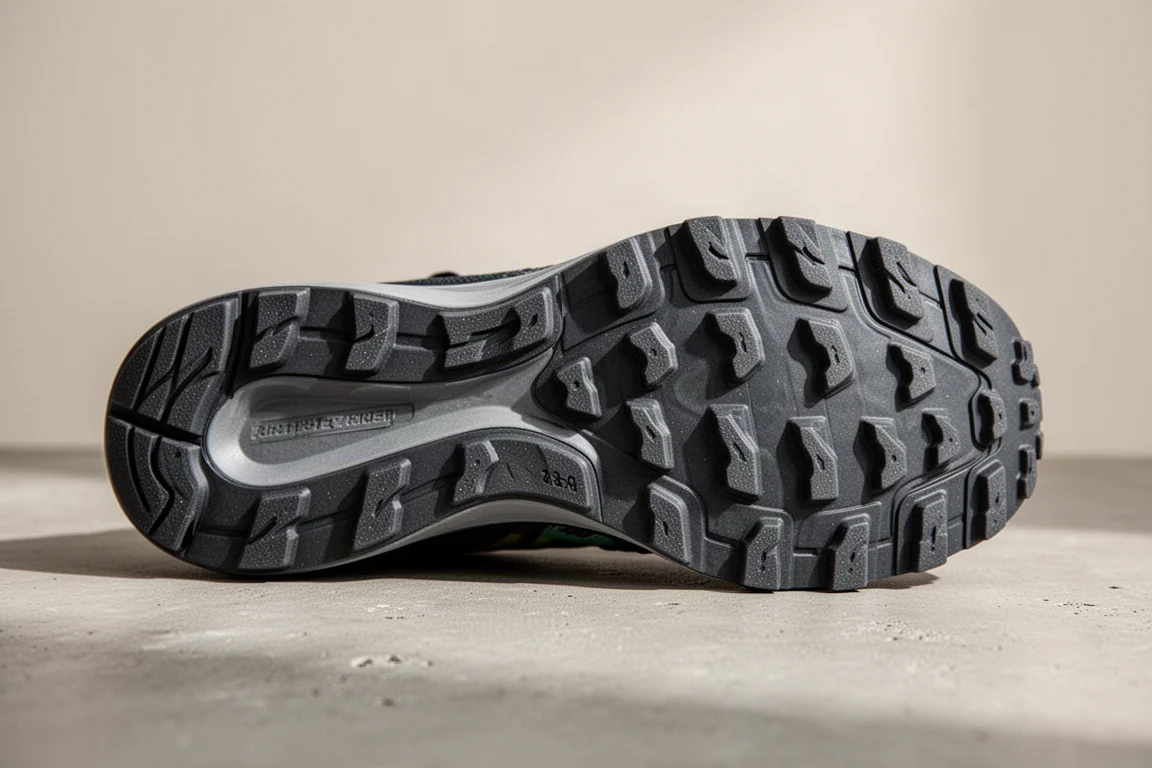
Flipping the shoe over reveals a very wide platform, almost Hoka-like in its construction, giving a stable base to run off. The Road Contour Grip outsole features wide, flat lugs for good grip on hard surfaces and solid durability for harsh road use. The upper is a 3D open mesh aimed at maximum breathability, with printed overlays wrapping the heel to the midfoot, reinforcement around the lace eyelets, moderate ankle collar padding, and standard laces rather than Salomon’s Quicklace system.
First Run in the Aero Glide
The test run was a steady 7.85 miles on a hot, sunny day in Cornwall, coming off a half marathon with legs still feeling the effects. Early impressions were positive: the shoe ran well from the first miles, and the legs freed up as the run progressed.
One sizing note stands out immediately. Going up half a size from a normal UK 9.5 to a UK 10 was necessary, and even then the foot sat fairly close to the end of the shoe. The Aero Glide definitely sizes up short, so it is worth going up a size when buying.

How the Midsole and Geometry Perform
The Energy Foam feels slightly firmer than in the Glide Max, which was also the case with the Ultra Glide 2. Salomon may have tuned the blend a touch firmer, but it remains comfortable underfoot and feels a little more responsive as a result.
The real standout is the reverse camber geometry, carried over from the Glide Max. Even at a steady pace the shoe feels efficient, and when you pick up the tempo it seems to actively encourage forward momentum and quicker turnover. The feel is reminiscent of the excellent Speedroll technology in the Saucony Endorphin range, and it may be the best feature of Salomon’s last two road shoes.
The upper also fit better than the Glide Max, with less tongue padding giving a more secure midfoot hold and no lace loosening during the run. The toe box overlays that caused irritation on longer runs in the Glide Max are gone too, making for a more comfortable overall fit.

The One Weak Spot: The Insole
The one clear letdown is the stock insole. During the run, a nagging feeling under the right foot felt like a sock seam but turned out to be the insole moving inside the shoe, by roughly five to six millimetres. The insole appears to be the wrong size for the shoe and started creasing and curling up at the heel on the very first run, which allows it to shift around.
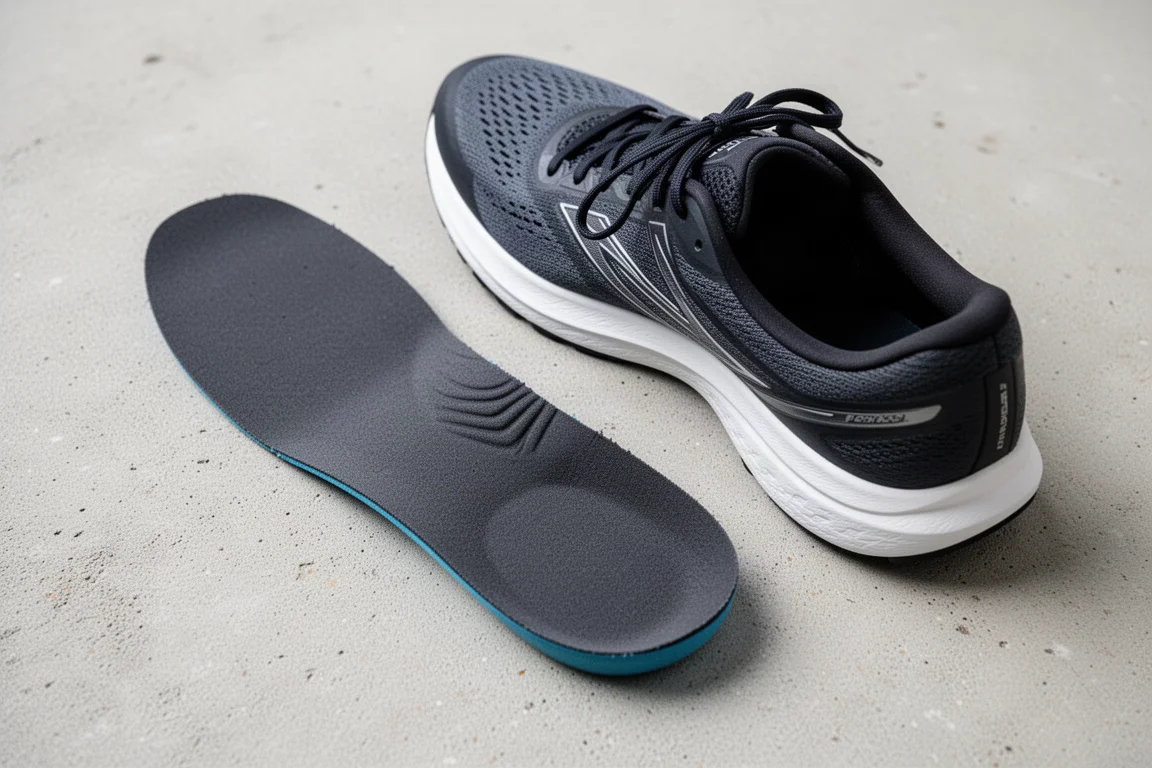
For a shoe at this price, the thin, cheap-feeling insole is a real disappointment. The practical fix is to glue the insole to the midsole before the next run to stop the movement from getting worse.
Buying Advice
The Aero Glide is a genuinely good neutral road trainer with efficient geometry, a stable wide platform, and a better-fitting upper than its predecessor. Buy it if you want a comfortable everyday shoe that encourages a quicker pace, but check the fit carefully since it runs short, and consider swapping or securing the stock insole from day one.
Conclusion
The Salomon Aero Glide shows the brand’s road lineup is moving in the right direction, with standout reverse camber geometry and a refined upper. The poorly sized insole is an annoying flaw in an otherwise strong shoe, but it is a fixable one, and the core running experience holds up well over longer, steady road miles.
Product link
View more details for Salomon Aero Glide
This product is mentioned in the review. Check the specifications, options, and compatibility before buying.
View more details for Salomon Aero GlideFurther reading
Related Reviews
Road Running Shoes
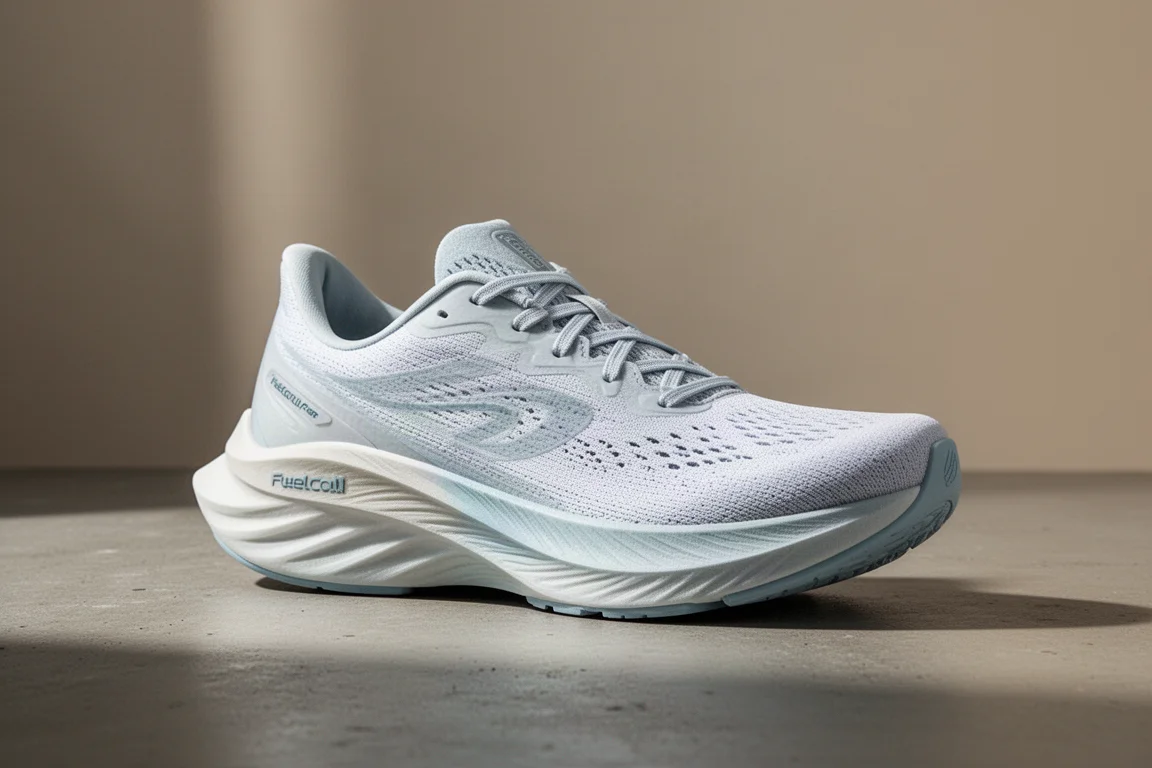
New Balance FuelCell Propel V4 Review: A $109 Daily Trainer With a TPU Plate
A soft, plate-equipped neutral trainer that keeps the price in check, with a streamlined upper and a few trade-offs to know before buying.
Trail Running Shoes
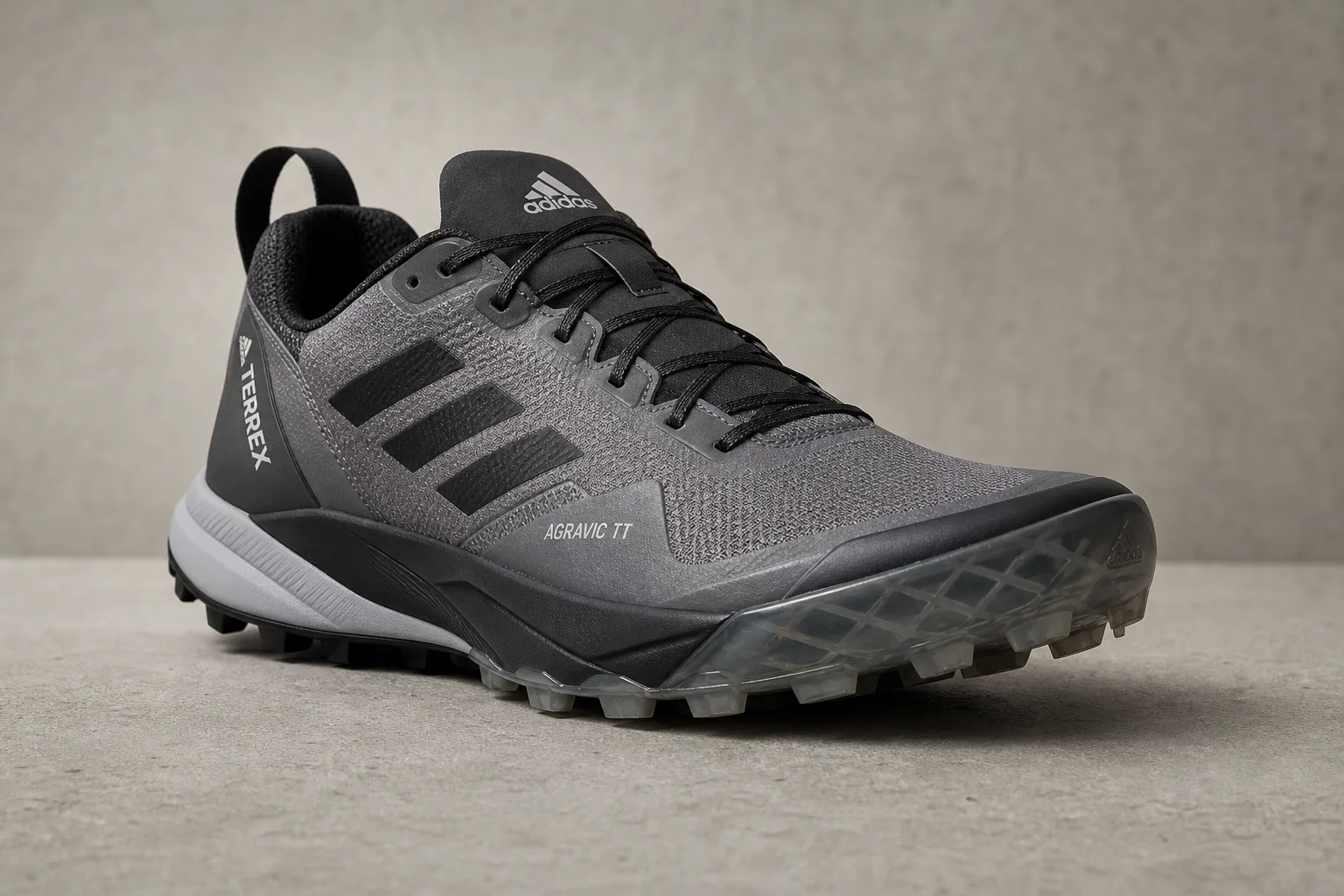
Adidas Terrex Agravic TT Review: A Technical Trail Shoe Built for Rocky Terrain
The Adidas Terrex Agravic TT combines a full-coverage rock plate with a firmer midsole to deliver protection and stability on technical, rocky trails. A capable choice for runners who prioritize underfoot defense over lightweight cushioning.
Footwear Guide
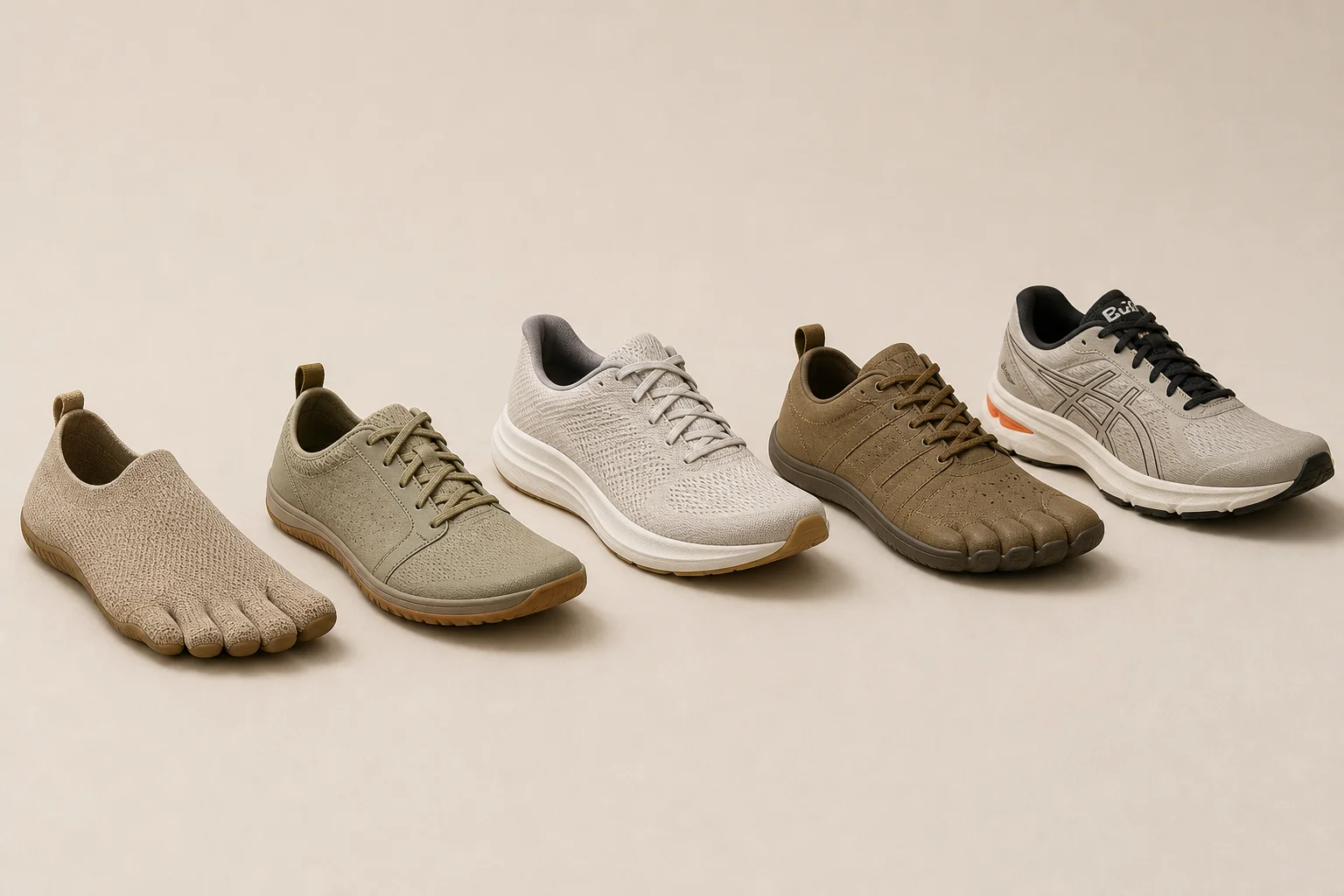
Barefoot vs Minimalist Shoes: Understanding Zero Drop, Flexibility, and Toe Box Design
A practical guide to understanding the differences between barefoot shoes, minimalist shoes, and zero drop footwear, and how to choose the right type for your feet and running style.