Running Shoes
New Balance FuelCell Propel v4 Review: The $110 Trainer That Punches Above Its Price
A two-layer FuelCell midsole with a TPU plate makes the Propel v4 a surprisingly complete daily trainer, but a few cheaper alternatives are worth a look.
Introduction
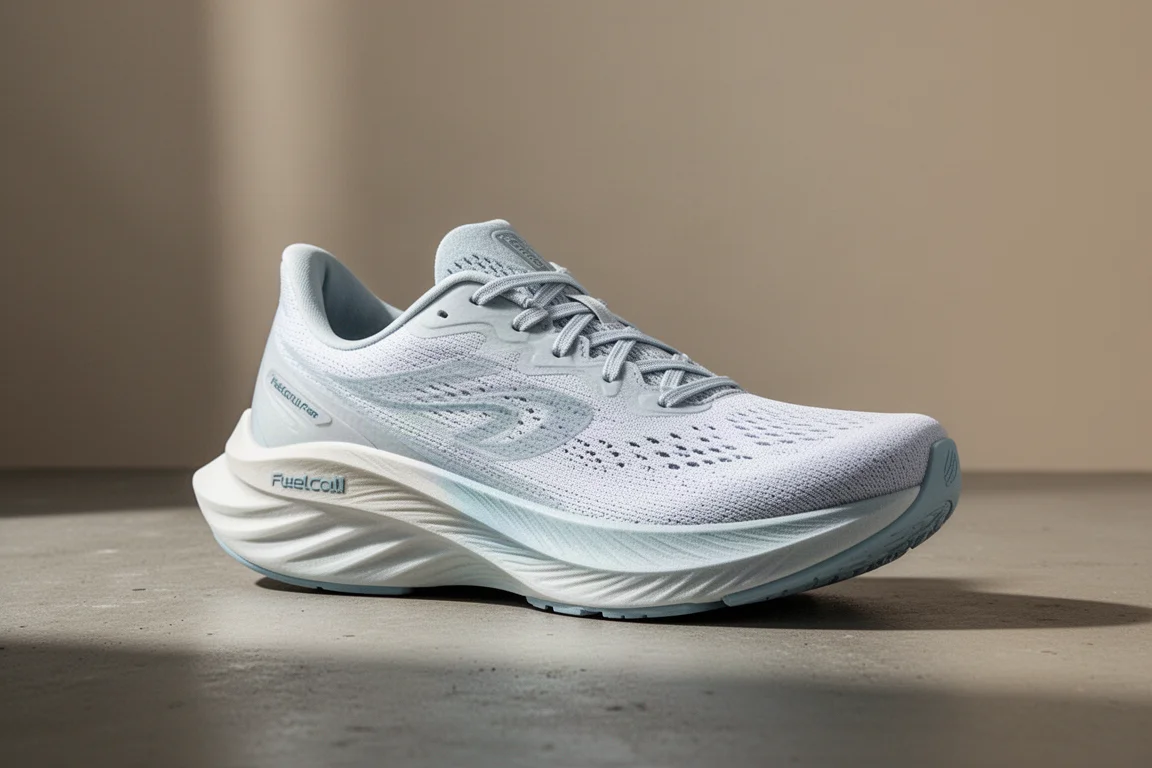
The usual advice for runners trying to save money is simple: skip the budget models and buy last year’s flagships. The New Balance FuelCell Propel v4, at $110, is the kind of shoe that makes that rule a little less firm. It brings New Balance’s race-day foam into a price bracket where you would normally expect cut corners, and it mostly delivers a complete, comfortable experience.
It is not the most exciting shoe on the market, but that is arguably the point. A trainer at this price has to appeal to a broad range of runners, and the Propel v4 manages to do that without feeling cheap.
What Makes the Propel v4 Interesting
The headline feature is the midsole. FuelCell is New Balance’s racing foam, and there are actually two layers of it here, sandwiching a harder, denser TPU layer that behaves like a plate. That TPU layer also acts as a mild stability element, and it is visible along the side of the shoe.
The geometry is friendly to most runners: a 6 mm heel drop, so 6 mm more stack in the heel than the forefoot. The outsole has solid rubber coverage with some exposed foam and forefoot cutouts to keep the ride flexible. Up top, there is a straightforward no-sew mesh upper with few seams to rub or chafe, and it is reasonably breathable.
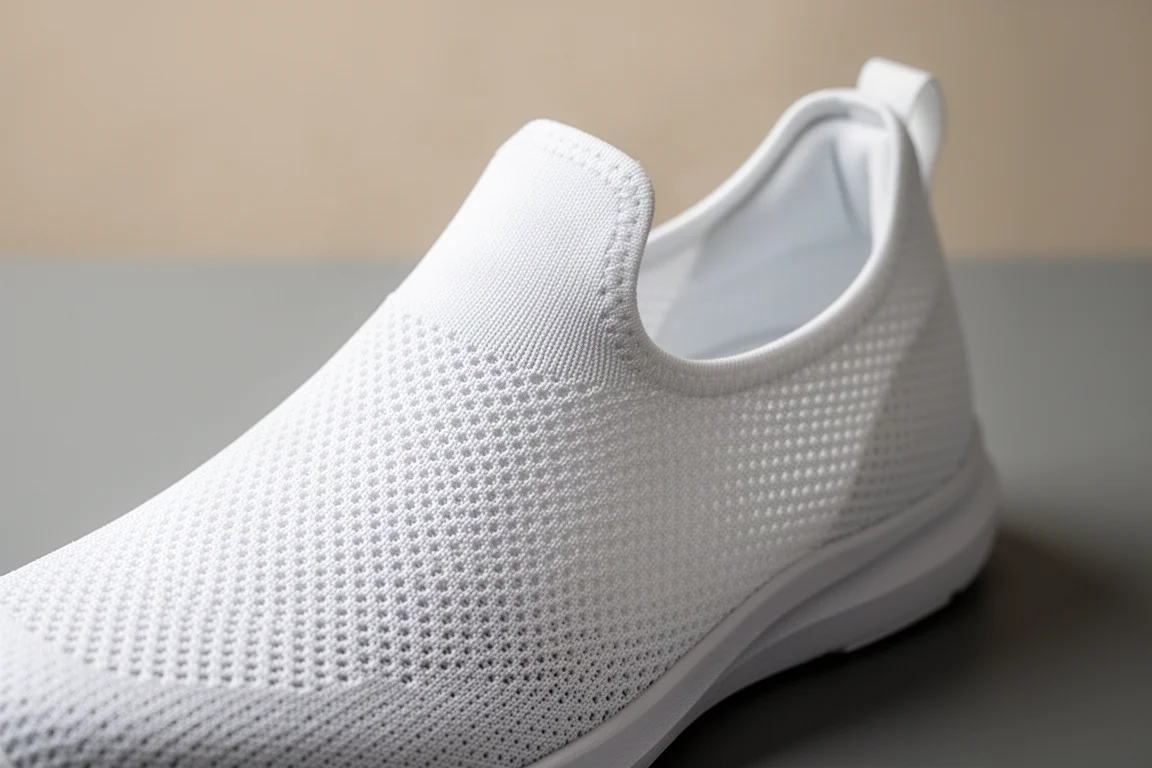
The one weak spot is the tongue. It is thin and lightly padded, which is fine, but it feels a touch cheap and, because it is not gusseted, it moves around during runs. The heel cup is minimal in a good way: light padding with just enough structure to hold the heel in place without feeling bulky.
Two trade-offs to know before buying: the shoe is a little heavy at 302 g (10.7 oz), and the platform is firmer and more stable than squishy-foam fans may expect. Neither is a dealbreaker at this price.
How It Performs on the Run
The overall sensation is a shoe that is firmer and more stable than the typical FuelCell experience. The TPU plate keeps landings steady regardless of how your foot strikes, which is exactly what the shoe is trying to do. Runners who love soft, lively foam may find it a little restrained, but most people will get along with it well.
For easy daily runs, it does the job without complaints. For strides and shorter bouts of faster running, it handles the pace well, and at higher speeds the foam’s slight density turns into something bouncy and lively. The wide forefoot platform adds stability but also some heft, so it is not the shoe for heavy workout days, though shorter repetition sessions are within reach.
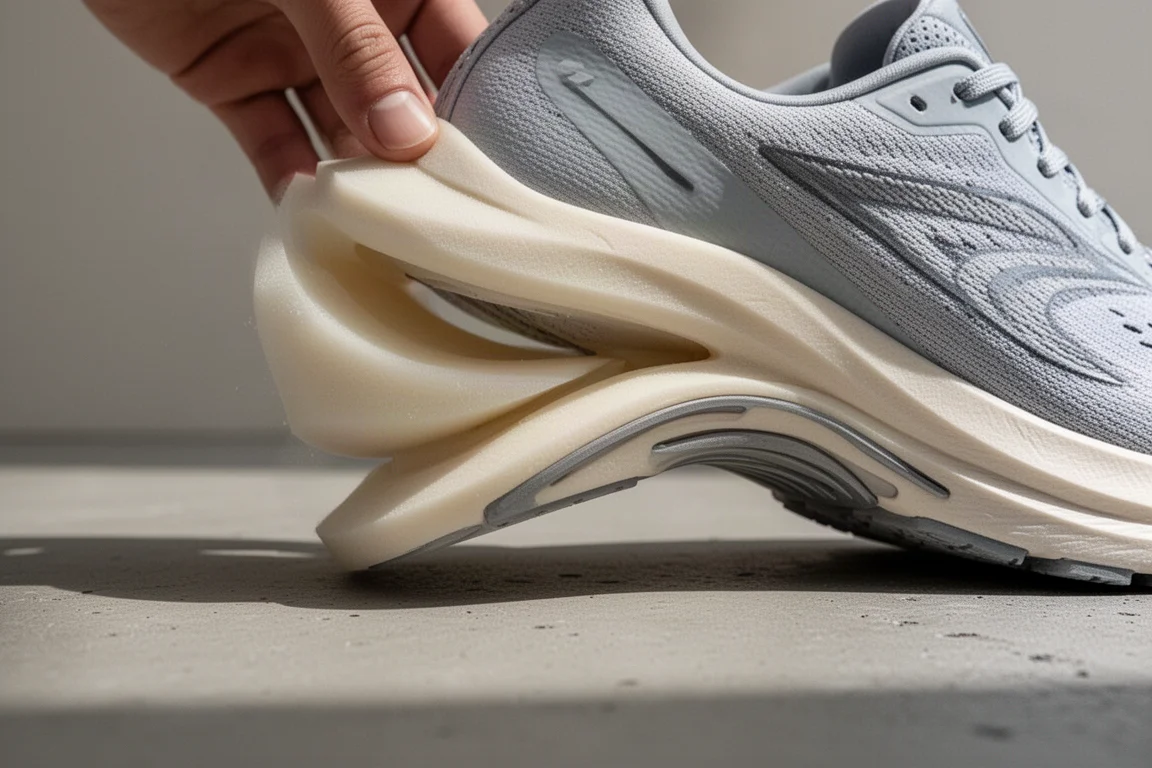
On a long run of two and a half hours, the Propel v4 performed well. That is the real story here: nothing bad, nothing wildly exciting, and exactly what a $110 trainer should be.
Who Should Buy the Propel v4
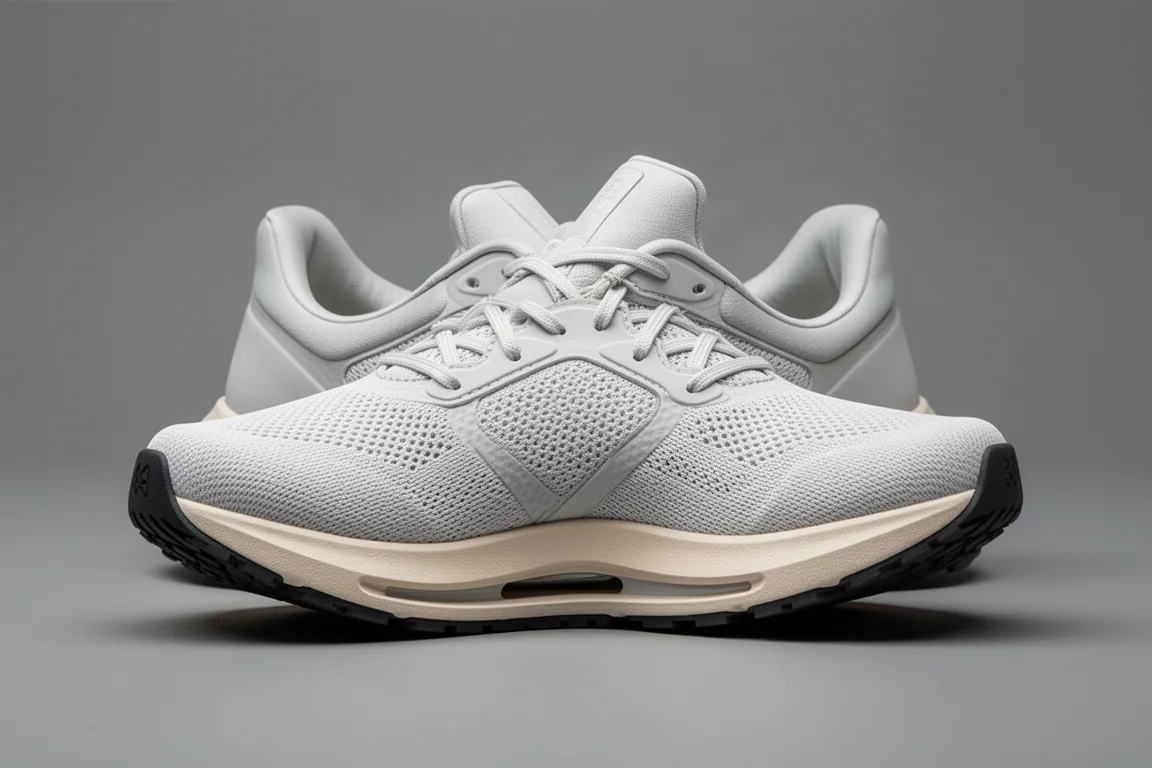
This is a safe-bet entry point for newer runners. If you have been running in very cheap shoes and want your first proper running shoe, the Propel v4 is a genuine upgrade without the $140 to $180 price tag of many flagship daily trainers. It stays a neutral shoe with plenty of bounce, and the built-in stability makes it forgiving.
It is also a strong pick for parents buying shoes for kids trying track or cross country for the first time. A $60 shoe will not hold up to regular weekly mileage; at $110, you give them a real shoe that can handle training and even some racing, without gambling a premium price on a sport they might not stick with. Seasoned runners will also appreciate it as a reliable workhorse.
Pairing It With a Race-Day Shoe
For many runners, the Propel v4 can be the only shoe needed for a long time, covering everyday training and early races. If you later want a race-day partner, New Balance’s own SC Elite v3 is the obvious in-family choice: a race-tuned version of FuelCell with a carbon fiber plate, aimed at fast workouts and longer races like half and full marathons.
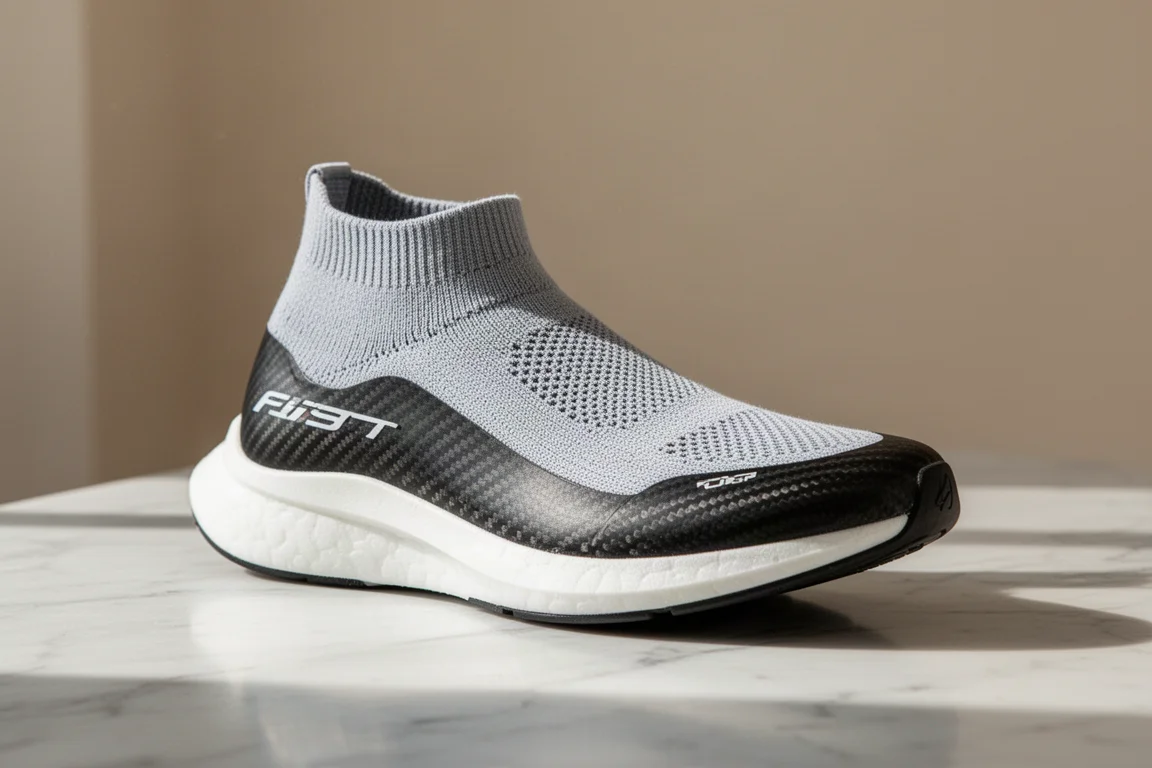
If you like the firmer feel of the Propel v4 and want a racing shoe in that same spirit, the Saucony Endorphin Pro 3 is a close alternative with a bit of extra firmness compared to the SC Elite v3.
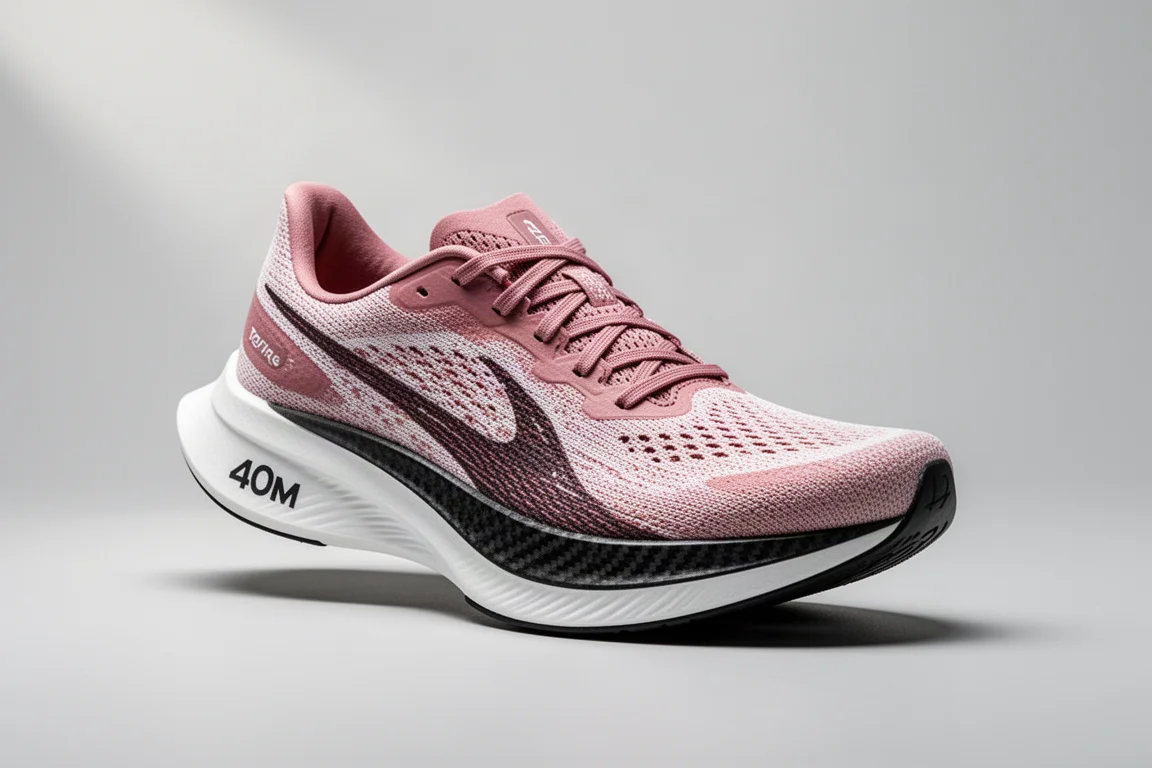
How It Compares at the Same Price
The most direct rival is the Reebok Floatride 5, also priced at $110. It carries plastic stability elements and is similarly firmer than ideal, so the two go head to head as the obvious $110 choice.
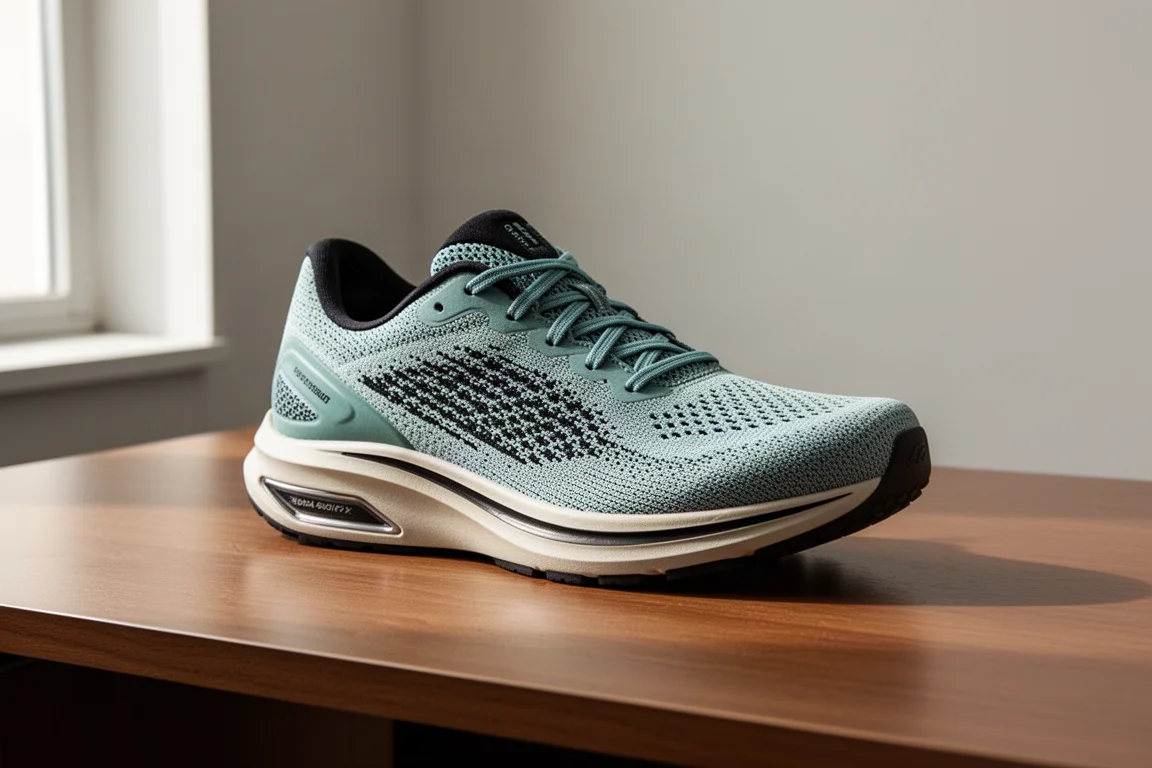
From Adidas, the Solar Glide 6 lines up well: a wide base, plastic stability parts in the Linear Energy Propulsion system, EVA foam on top of a Boost layer, and lots of plush padding. It is considerably heavier than the Propel v4 but matches it closely on performance, and it has been available for $108. For kids’ shoes, the brand preference may decide it; otherwise the Propel v4’s lighter, more nimble feel wins.


The sharper Adidas comparison, though, is the Adizero SL. It uses Lightstrike plus a Lightstrike Pro insert in the forefoot, and it is a more exciting shoe overall. Adidas pricing is unpredictable, and it has been found on sale for $96, which makes it $14 cheaper and arguably the better shoe. The catch: it is not as stable as the Propel v4.
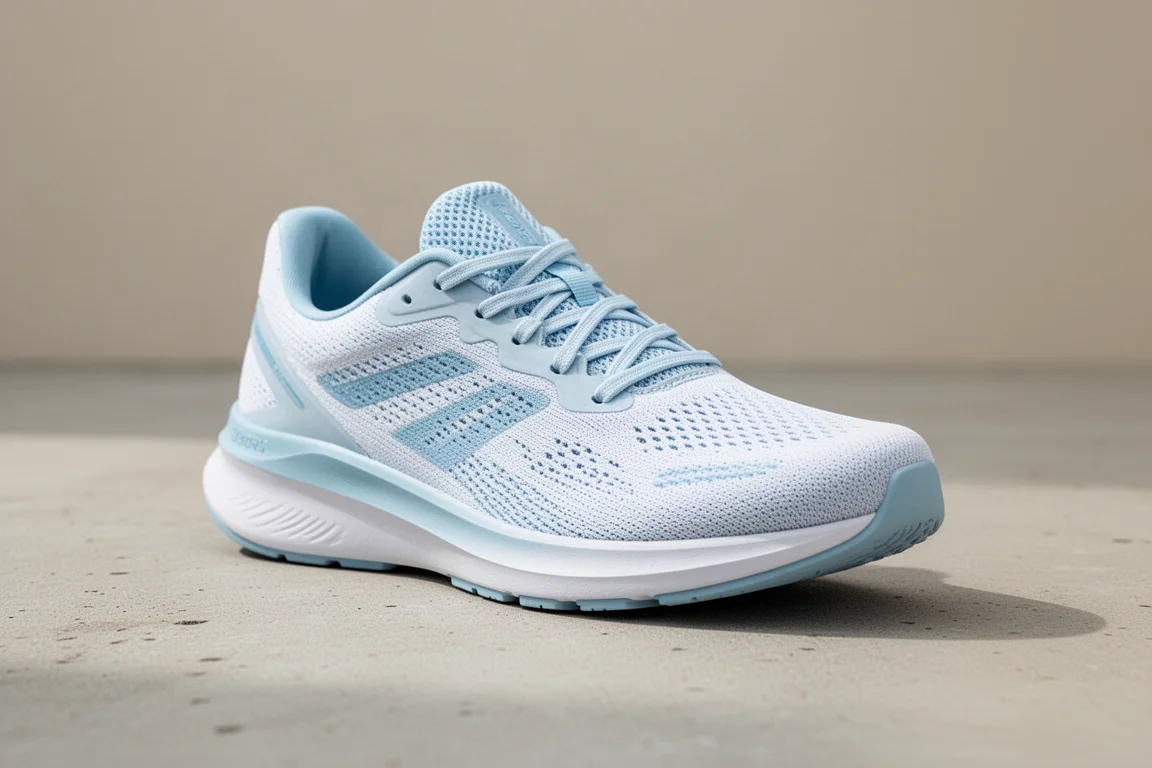
In the ASICS lineup, last year’s Cumulus 24 does nearly the same job: stability elements, gel in the heel and forefoot, a thick rubber outsole, and a no-frills workhorse character. At $80, it saves you $30 and works well in most of the situations where you would use the Propel v4, making it the pick between the two.
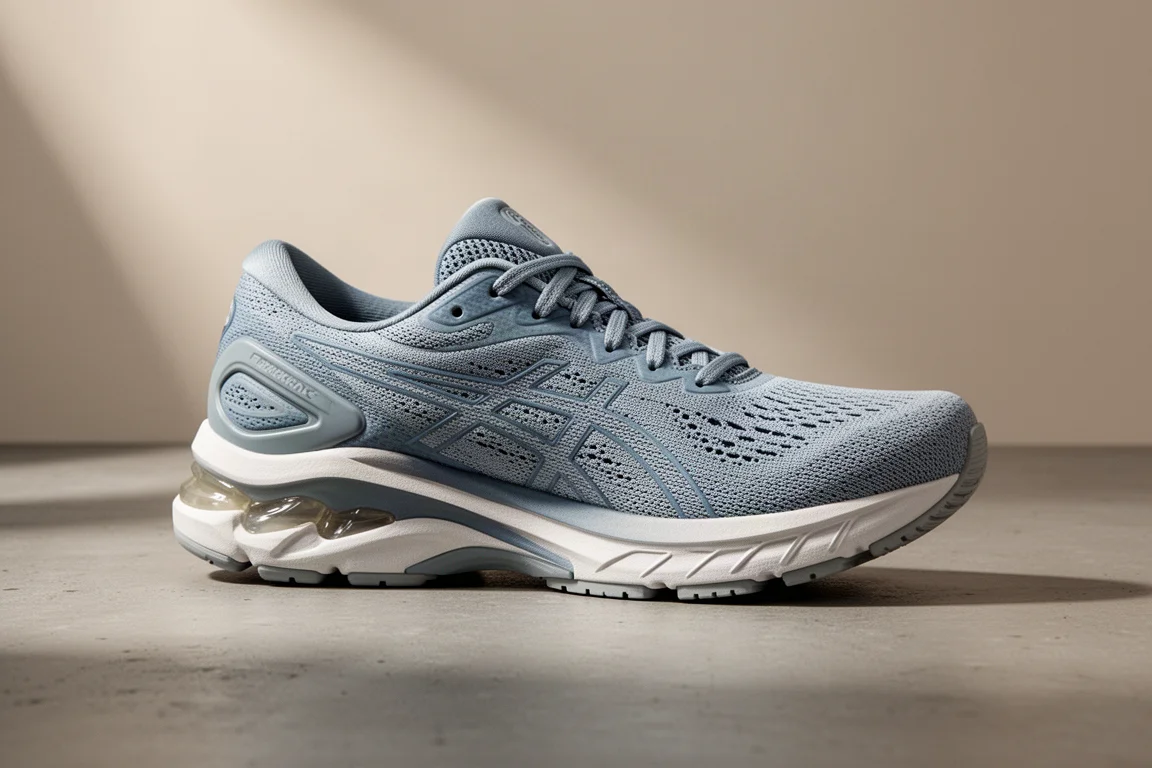
Also worth a look is the ASICS Novablast 2, one of the most fun daily trainers of its release year. Some runners find it too squishy, but it is more exciting than the Propel v4 in nearly every situation. It can be harder to find in a full size range, but where available it has been selling for the same $110.

Does It Rewrite the Budget-Shoe Rule?
Maybe a little. The Propel v4 is a totally acceptable budget buy that punches above its class, and it softens the hard line against buying new budget models. At the same time, the comparison shows how many strong last-year options exist at the same price or cheaper, often with a bit more excitement in the ride.

The honest takeaway: if you value stability, availability, and a safe all-rounder, buy the Propel v4 with confidence. If you want the most exciting ride for your money, a discounted Adizero SL, Cumulus 24, or Novablast 2 may serve you better.
Conclusion
The New Balance FuelCell Propel v4 proves a $110 shoe can deliver racing-foam technology, a stable platform, and long-run comfort without feeling like a compromise. It is the sensible default for new runners, young athletes, and anyone who wants one dependable trainer. Just check the discounted alternatives first, because the competition at this price is genuinely fierce.
Further reading
Related Reviews
Running Shoes
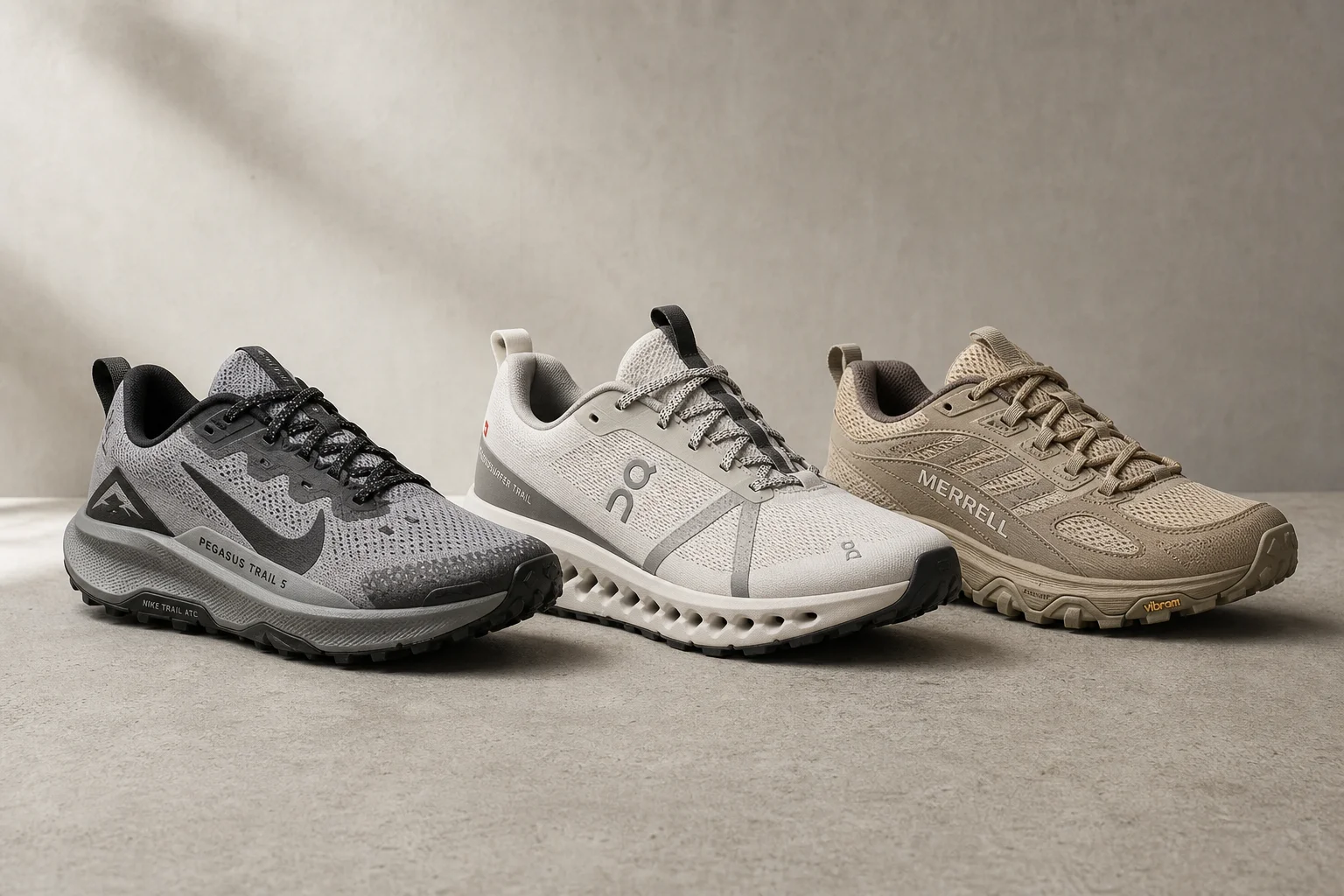
Best Road-to-Trail Running Shoes: Three Versatile Options for Mixed Terrain
A practical guide to three road-to-trail running shoes that handle both pavement and mild trails, with clear strengths and trade-offs for different runner types.
Running Shoes
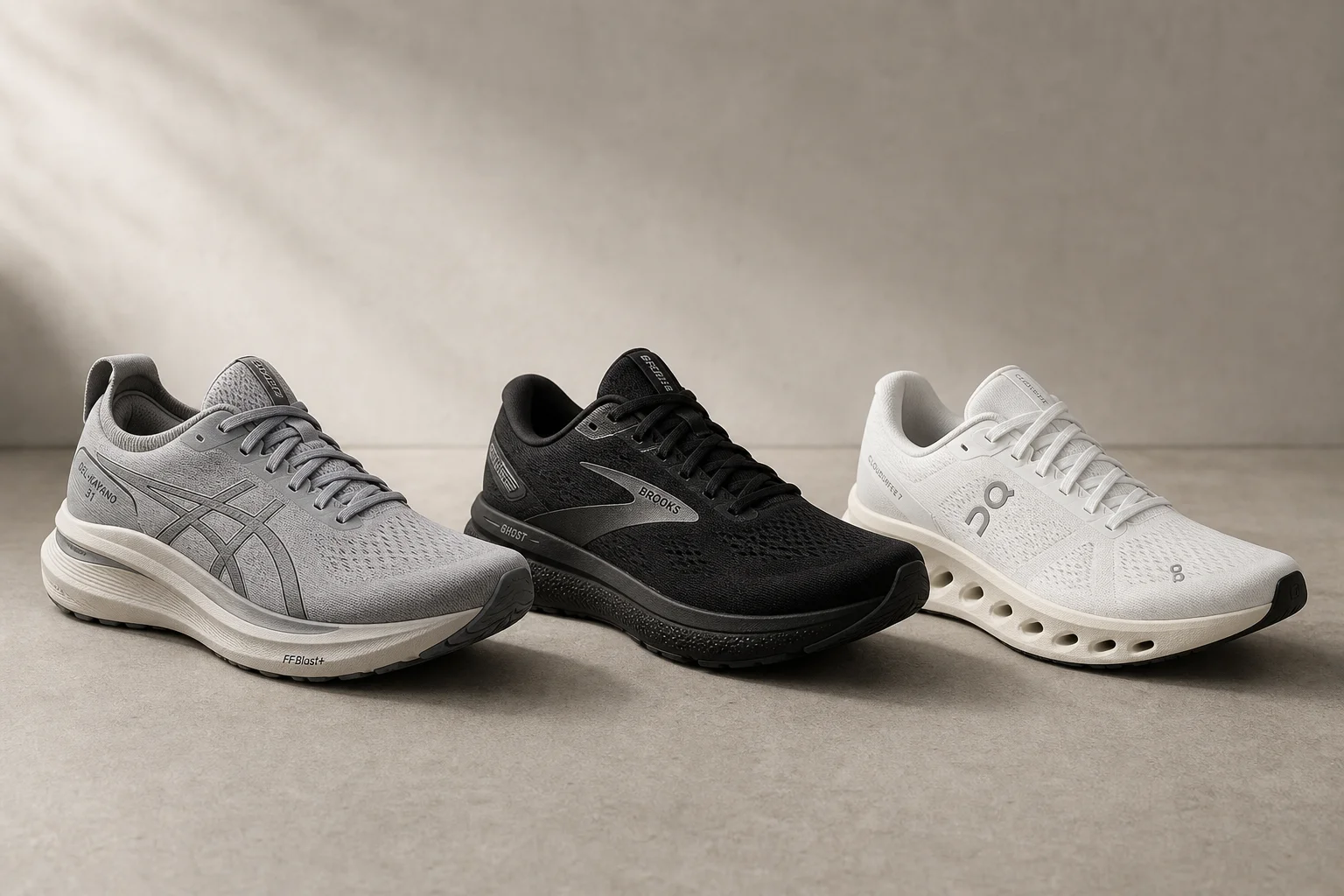
Best Running Shoes for Achilles Tendonitis: Three Options Explained
Three running shoes with different heel drops and support features designed to help reduce Achilles tendon pain during walking and running.
Running Shoes
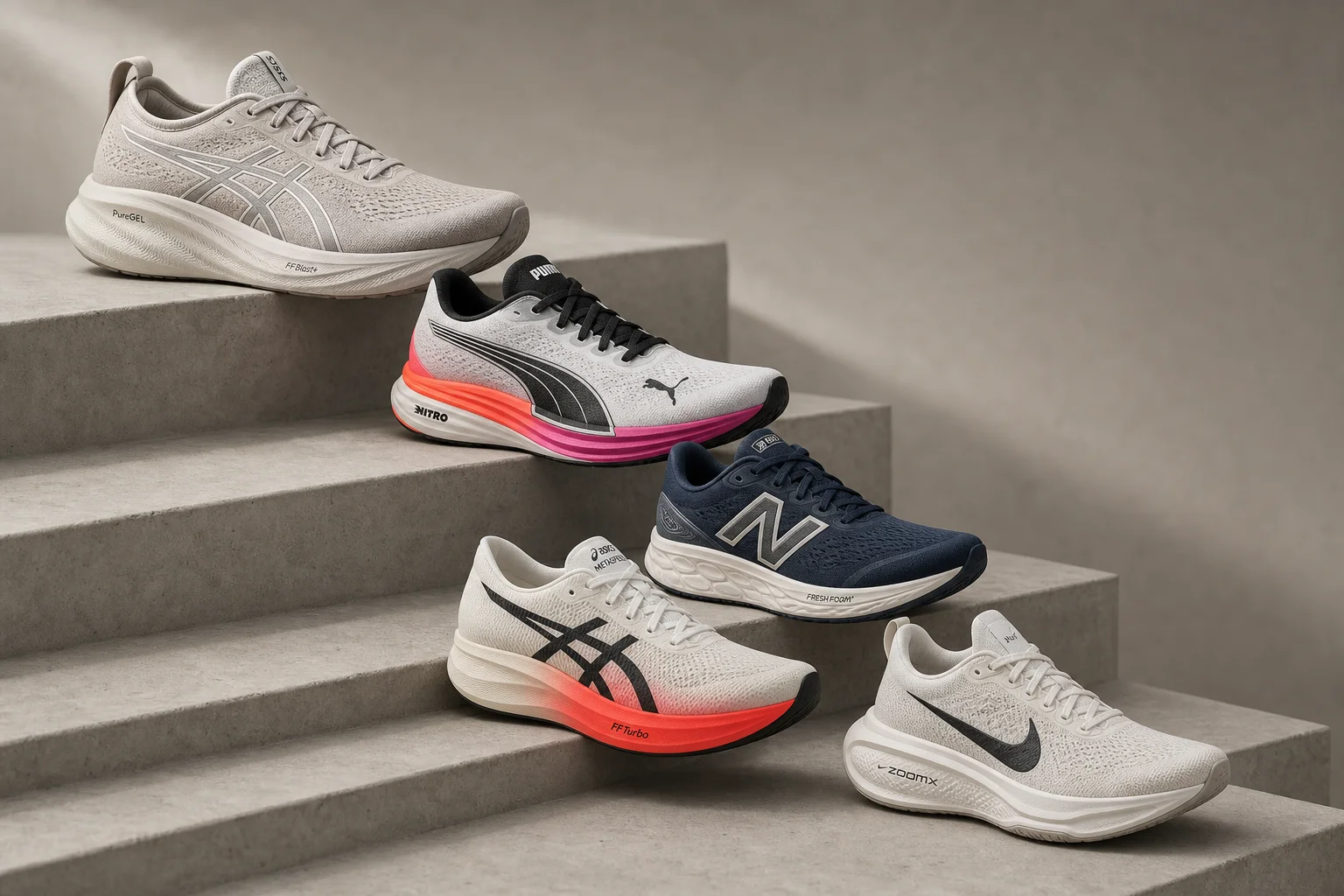
Best Running Shoes for Women: Five Top Choices Ranked
A ranked guide to five women's running shoes, from versatile daily trainers to high-performance racing options, with real strengths and trade-offs for each.