Trail Running Shoes
Adidas Terrex Agravic TT Review: A Sure-Footed Trail Shoe Built for the Long Haul
The newest Agravic lineup model trades lightweight agility for protection, stability, and premium materials on technical terrain. Here's how it all comes together.
Introduction
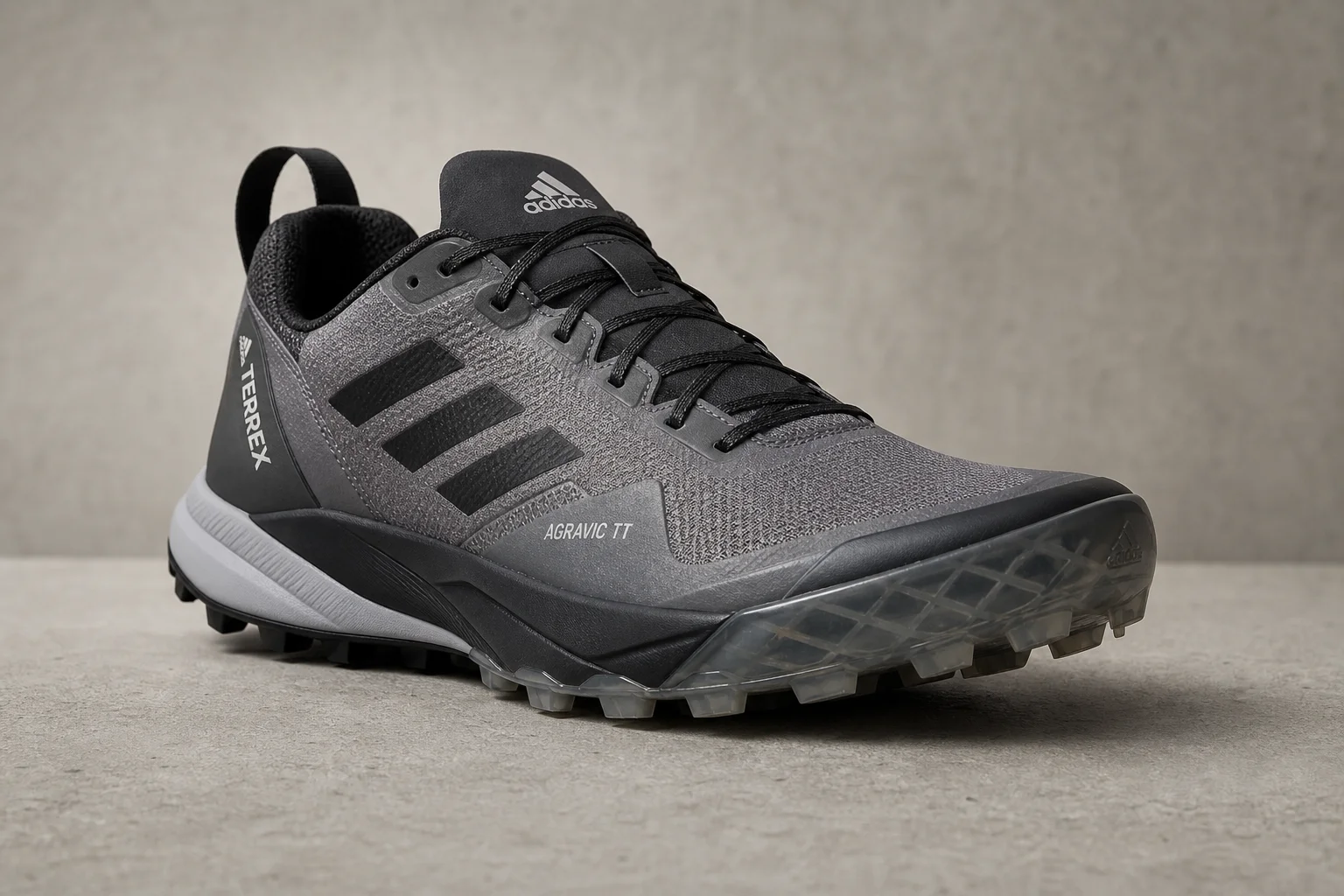
The Adidas Terrex Agravic TT is the newest model in the Agravic lineup, and it sits in a specific slot: the original Agravic covers general trail running, the Speed 2 is built for speed, and the Speed Ultra 2 goes fast over long distances. The TT is meant for technical terrain, and nearly everything about its construction is oriented toward that purpose.
That said, it may not be the shoe you expect. Many runners have come away with mixed impressions, and a lot of that seems wrapped up in expectations. This is not a featherweight, next-to-skin trail racer. It is a heavy, protective, stable shoe that rewards long days over rough ground. Judged on what it actually does rather than what the name might imply, it is a good shoe.
Who This Shoe Is For
The TT is built for long distances over any type of terrain, with an emphasis on protection and security rather than agility. If your idea of a good day out is hours on technical mountain trails, this shoe fits that brief.
The upper uses a translucent, lightweight engineered mesh with a ripstop-like character. It maps to the foot well, holds a consistent fit through the life of the shoe, and feels extremely durable. The tongue is minimal but semi-gusseted, so it stays put instead of shifting around, which matters when the ground gets rough. The laces are braided race laces that tie up cleanly and are now used across Adidas’s race models.

One fit note worth flagging early: the forefoot is a lower-volume, sandwich-style construction. It is fitted throughout but not slim width-wise. Even so, the combination of the taper and the rougher durable mesh caused some irritation on the pinky toe for our tester, the only spot it appeared in this shoe. Lubing the area was enough to manage it. If your foot does not fit exactly right in this forefoot, longer runs will make it a problem to some extent.
Main Strengths
The midsole is where much of the magic happens. It uses two foam layers: a Lightstrike Pro top layer sitting right under the midfoot and extending into the forefoot and heel, on top of a nylon plate that takes the flattened form of the rod systems used elsewhere in the line. The Lightstrike Pro is soft on step-in, delivers genuinely nice energy return, and feels like a premium material underfoot.
The nylon plate acts more as a protective plate than a propulsion device. It adds dynamic stability, especially in the lateral sense over varied terrain, stays flexible enough to move with your foot, and gives just a little noticeable zing off the front. Underneath, a softer EVA-based version of Lightstrike moderates the whole package, providing structure and protection so the rest of the systems operate in a controlled way.

The geometry is borderline max stack: 39 mm in the heel, 31 mm in the forefoot, with an 8 mm drop. Despite that height, the shoe runs confidently across a lot of terrain because of how wide and well-integrated the platform is. Unlike the Speed Ultra 2’s wild side-to-side rocker, the TT uses a more traditional forward-backward rocker that felt smooth through toe-off on everything from runnable dirt to technical ground. It is a very stable shoe for how tall it is.

The outsole is another clear strength: full rubber coverage in Continental rubber, which sits at the top of the pack for tackiness and durability, paired with aggressive multi-directional triangular lugs at 4.5 mm. Some might call that overkill, but for mountain living it delivered grip on virtually everything while adding a bit more durability and stability to the overall package.
Things to Consider Before Buying
Weight is the big one. All the ingredients add up to a fairly heavy, bottom-heavy shoe: 11.5 oz in a US men’s 10.5, 10.2 oz in a sample US men’s 9, and 8.8 oz in a US women’s 7. That is heavier than many shoes with even more stack. This is not your lightweight, dance-ready trail shoe.
Fit is the other consideration. The heel collar is structured and heavily padded, perhaps overdone for some, but it delivers a secure, comfortable lockdown, a notable contrast to the lightweight and abrasive heel of the Speed Ultra 2. There was a small pressure point at the top of the lacing chain that was solved simply by threading the laces through the upper eyelet. The pinky-toe irritation from the taper and mesh is the fit issue most likely to matter, and it becomes more relevant the longer you run.
Buying Advice
At $185, the TT undercuts the $200 to $220 range where most race-day shoes sit, while using materials that feel more premium than several comparably priced alternatives such as the Scott Kinabalu Ultra, the Hoka Mafate Speed 4 or Mafate 5, and the Saucony Exodus Ultra. On value and durability, it earns top marks.
If it fits your foot, this could be a phenomenal shoe for technical ultras. If it does not, the rubs will follow you. Think of it as a sure-footed yak rather than the mountain goat many expected. That is not bad, just different. Runners who want lightness and ground feel should look elsewhere; runners who want to cover big distances over technical terrain in comfort and protection should put this near the top of their list.

Conclusion
The Adidas Terrex Agravic TT is a fun, functional shoe that goes the distance over any terrain, held back from a higher grade mainly by its weight and minor fit quirks. With premium materials, strong stability, and genuinely good value at $185, it is a solid starting point for the TT name. If your foot suits it, you will likely love it.
Product link
View more details for Adidas Terrex Agravic TT
This product is mentioned in the review. Check the specifications, options, and compatibility before buying.
View more details for Adidas Terrex Agravic TTFurther reading
Related Reviews
Trail Running Shoes
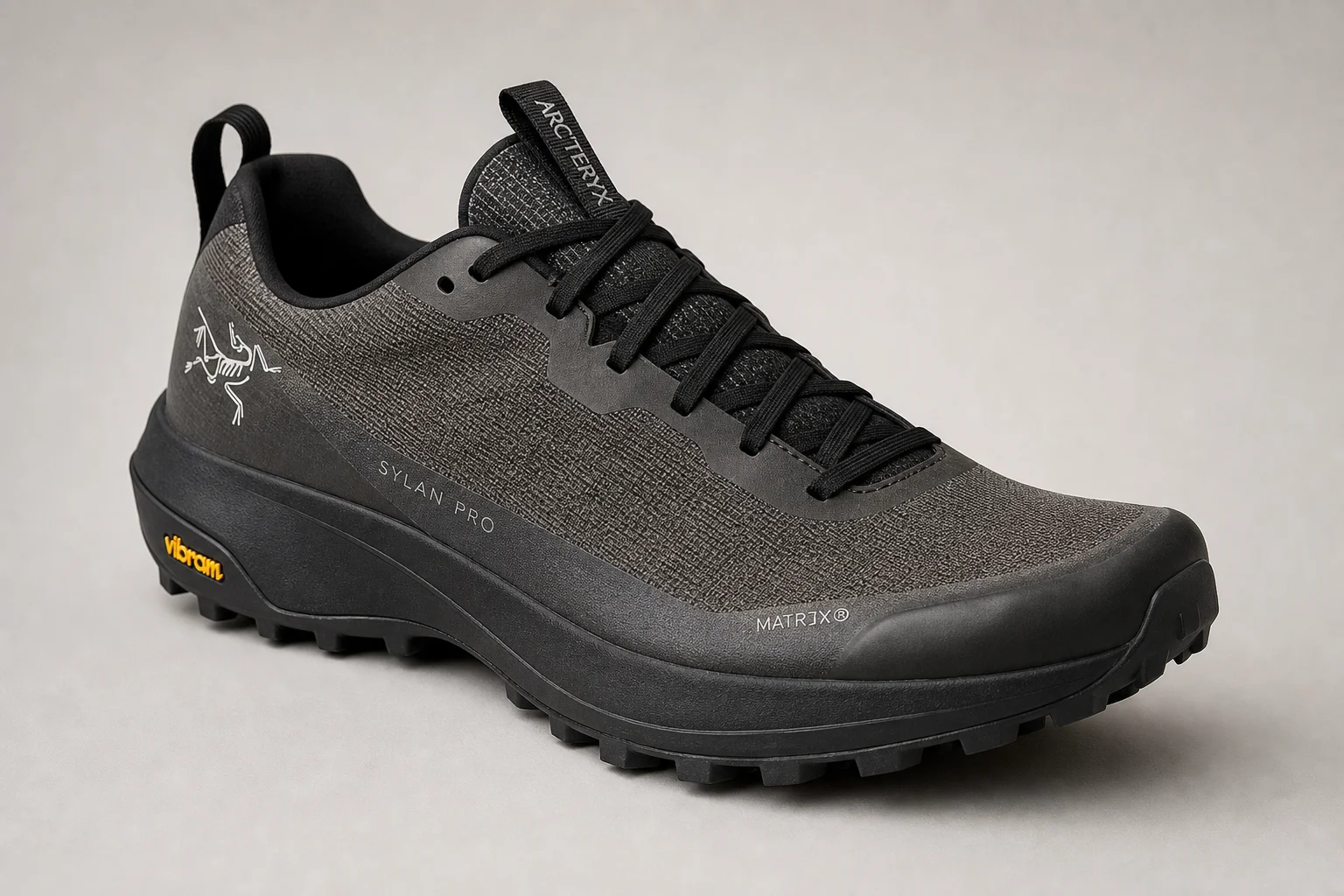
Arc'teryx Sylan Pro Review: A Rocker-Focused Mountain Running Shoe Tested on 20 Miles
The Arc'teryx Sylan Pro brings a pronounced rocker geometry and secure fit to mountain terrain. We tested it on a 20-mile Sawtooth loop to evaluate its climbing efficiency, protection, and handling of technical descents.
Trail Running Shoes
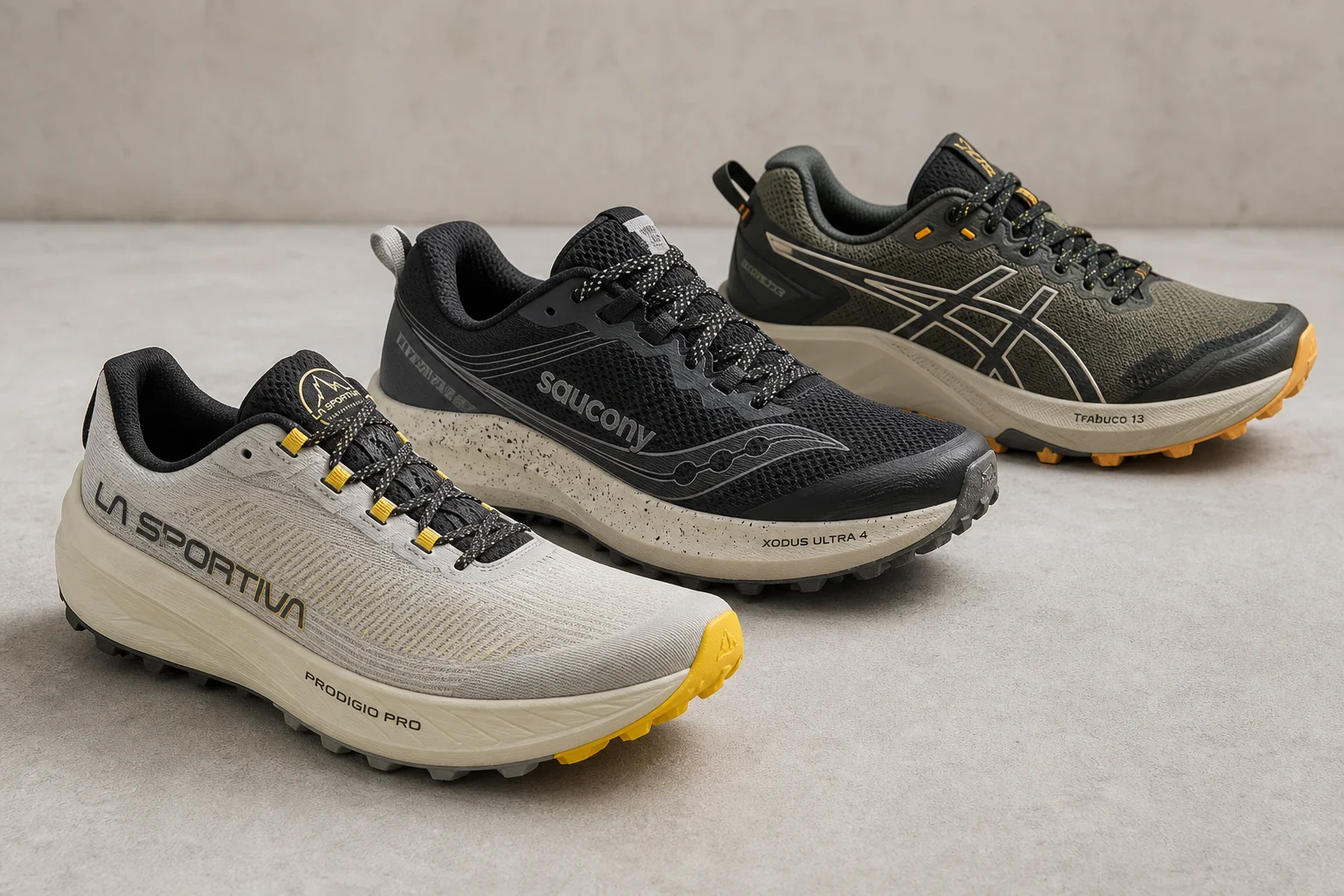
Best All-Mountain Trail Running Shoes: Three Versatile Options for Any Trail
A focused roundup of three all-mountain trail running shoes that handle technical terrain, long distances, and variable conditions with real strengths and practical trade-offs.
Trail Running Shoes
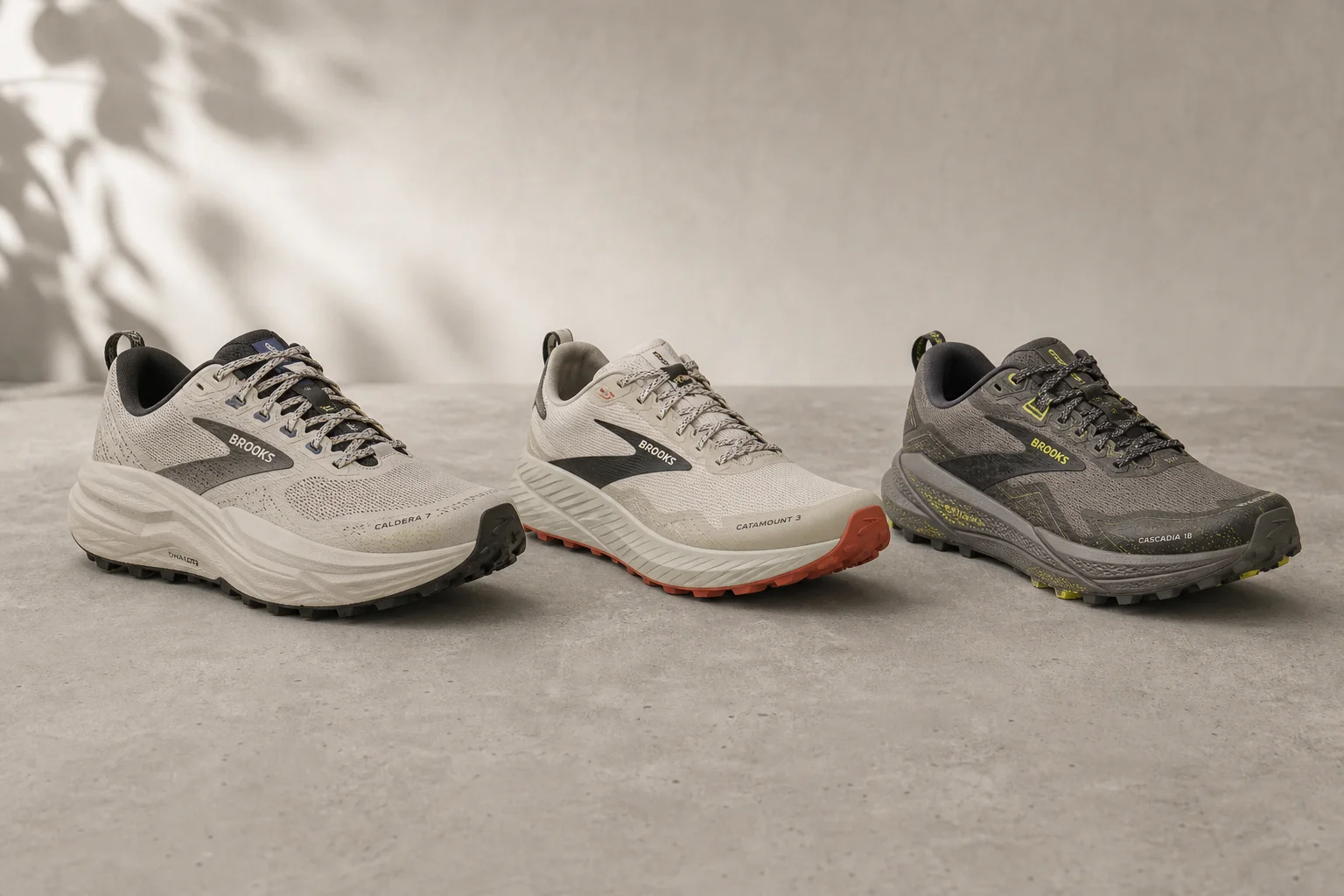
Best Brooks Trail Running Shoes: Three Distinct Options for Different Running Styles
A breakdown of three Brooks trail running shoes with different cushioning profiles, stability features, and ideal use cases for various terrain and distance preferences.