Aquarium Test Kits
Salifert Silicate Test Kit Review: Affordable Silica Monitoring for Reef Tanks
A close look at the Salifert Silicate Test Kit, covering why silicate matters in a reef tank, what comes in the box, how the test works, and who benefits most from weekly monitoring.
Introduction
Silicate sits in an awkward spot in reef keeping. It is a nutrient that many organisms genuinely need, yet it is also the nutrient most closely tied to the rusty-brown diatom films that coat sand, rock work and glass, and that so often show up during the ugly phase of a new aquarium. That tension is exactly why a silicate test can be worth having on the shelf.
The Salifert Silicate Test Kit is a straightforward, inexpensive option for measuring that value. It reads silicate from as low as 0.03 PPM up to 15 PPM, and it is designed to be quick enough to fit into a normal maintenance routine rather than feeling like a laboratory chore.
Who This Product Is For
There are two fairly different reasons a reefer reaches for a silicate test kit, and both make sense.
The first is troubleshooting. When diatoms take hold and coat surfaces in a rusty-brown layer, or when a tank is working through a dino outbreak, knowing the actual silicate level turns guesswork into a measurable starting point. Testing gives you a number to act on instead of assuming the source of the problem.
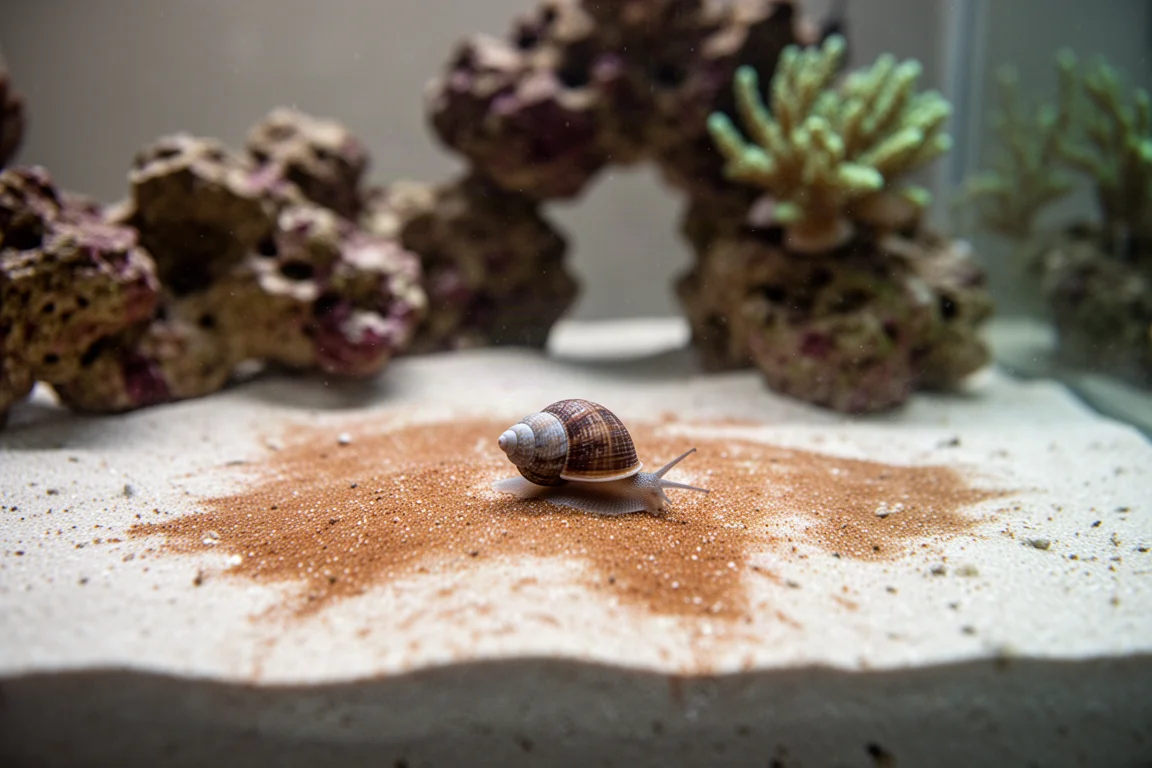
The second reason is the opposite concern: making sure there is enough silicate available. Mollusks such as snails rely on silica to continually regrow the rasping, toothy structures called radula that they use to scrape algae from rock and glass. Sponges use silicate to build the spicules that hold their rigid form. For reefers keeping ornamental sponges and a healthy snail population, monitoring silicate is a way to confirm there is adequate supply without blindly dosing and overshooting.
This kit suits both camps. It is aimed at hobbyists who want a clear, repeatable reading they can track over time, rather than at anyone looking for a fully automated testing setup.
Main Strengths
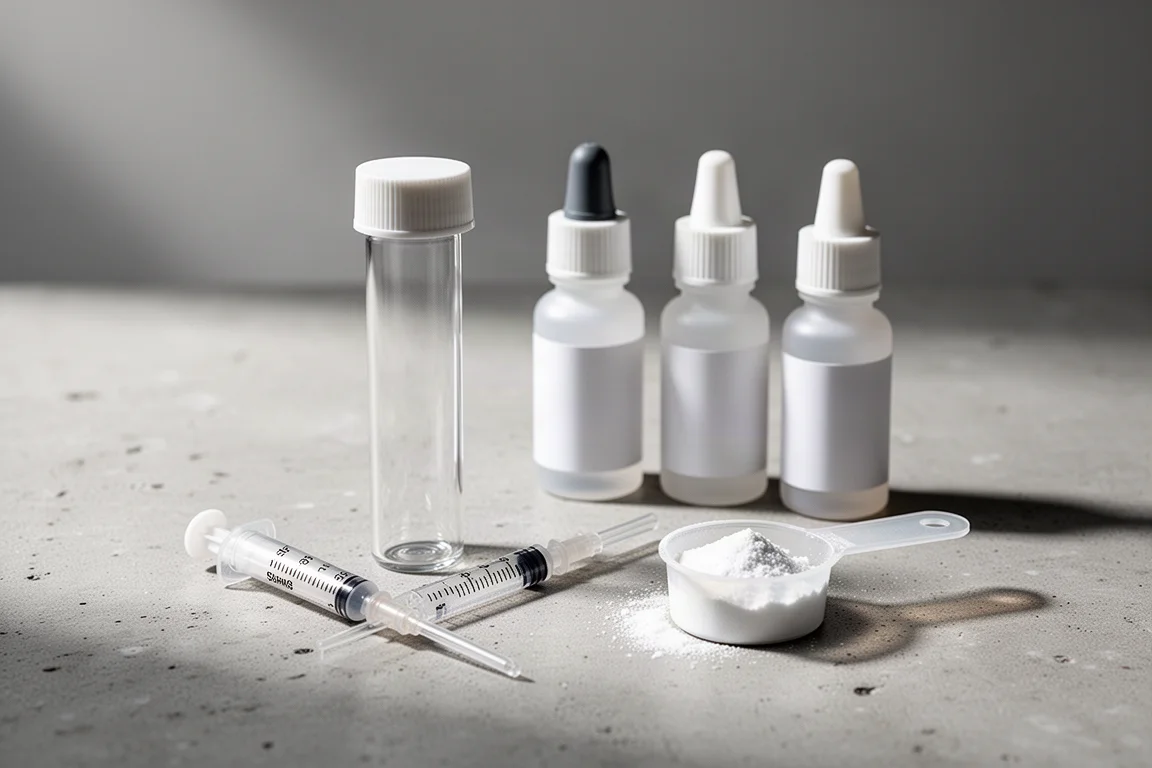
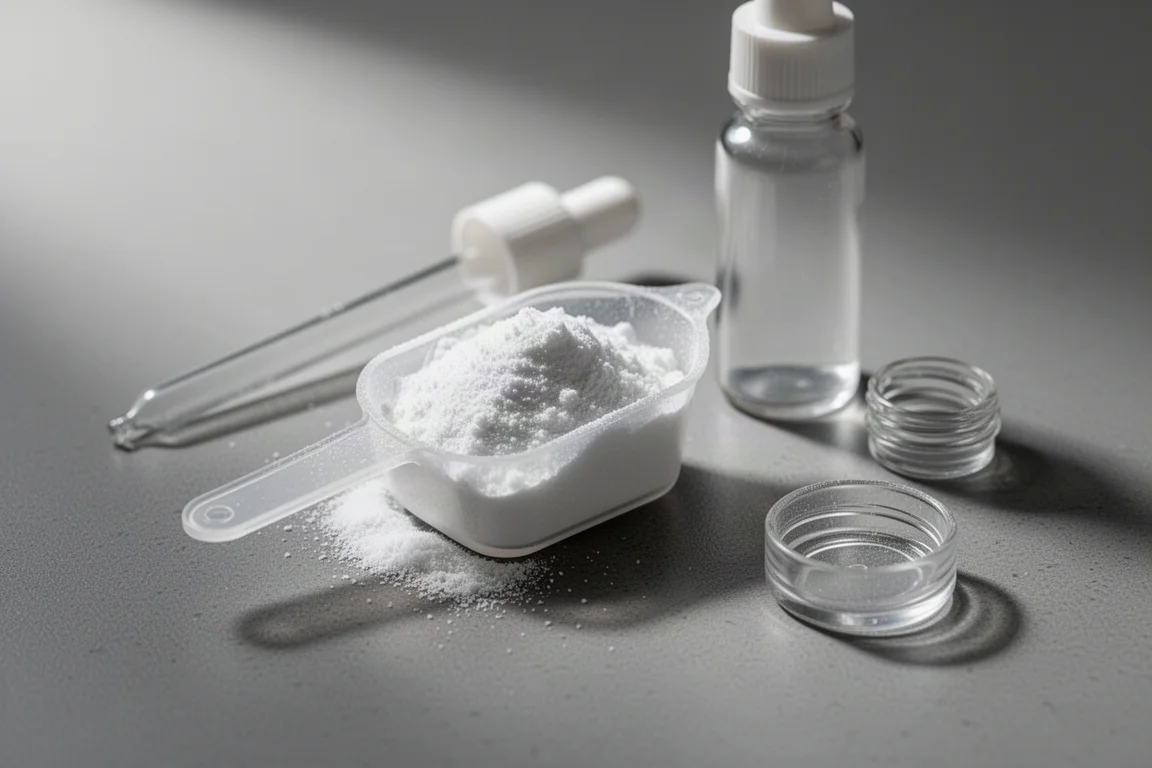
The biggest strength here is simplicity. Everything needed is in the box: reagent one, reagent two and reagent three, a scoop, a one milliliter syringe, the test vial, a color chart, and instructions that include a quick reference guide. There is no separate equipment to buy and nothing to calibrate before the first test.
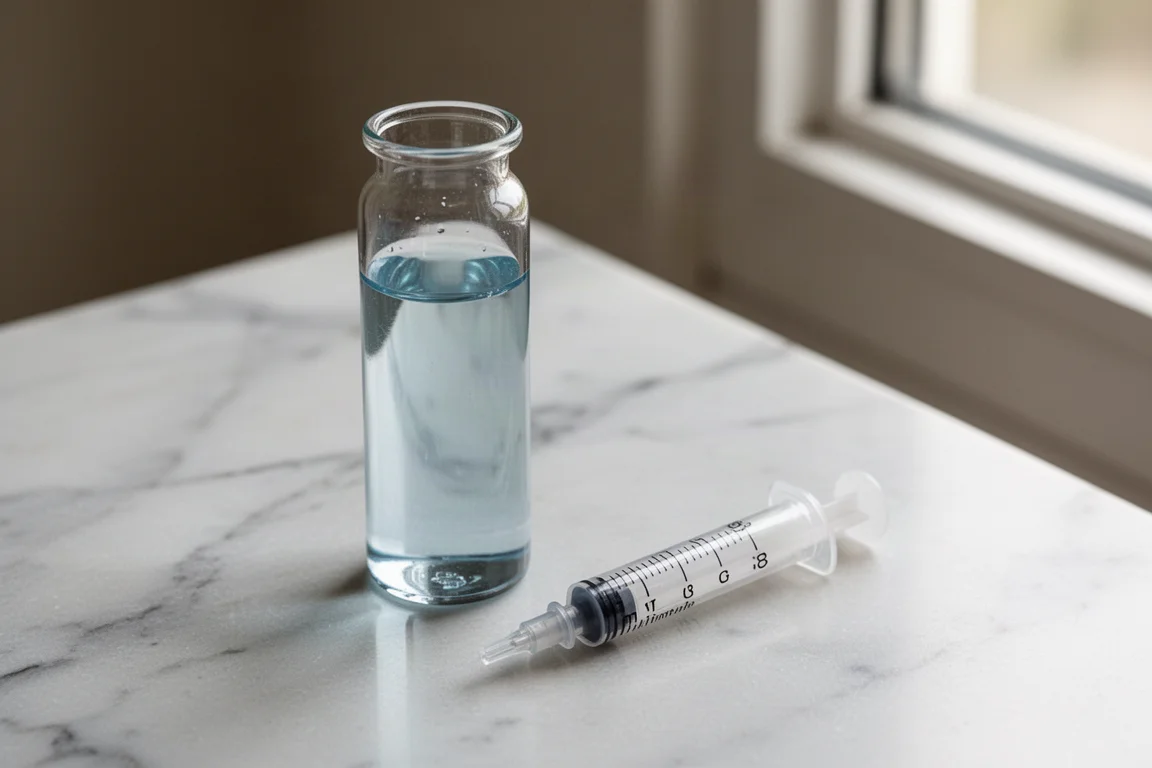
The procedure itself is short. You draw one milliliter of sample water from the aquarium with the syringe and add it to the test vial. Holding the bottle completely vertical, you add four drops of Si one and swirl the vial gently for 10 seconds. Then you set a five minute timer and wait. When the timer ends, you add one level scoop of Si three and swirl for 20 seconds to dissolve the powder. The final step is comparing the vial against the color chart while holding it against the white portion of the chart, and the closest color match is your reading in PPM or milligrams per liter.
The measurement range is genuinely useful for reef work, spanning 0.03 PPM to 15 PPM. The kit also handles high readings in a practical way: if silicate is above three PPM, you lay the color chart flat, stand the vial on the chart and look down from above to make the match. You then multiply the corresponding chart value by five. A chart reading of 0.03 becomes 0.15 PPM, a reading of 0.5 becomes 2.5 PPM, and a reading of three becomes 15 PPM.
Running costs are modest. The kit performs up to 60 tests at roughly 27 cents per test, which works out to just over a year of weekly testing for the average reefer.
Things to Consider Before Buying
The test rewards care with timing. There is a five minute wait and a 20 second swirl to dissolve the reagent powder, and the four drops of Si one need to be added with the bottle held completely vertical. None of this is difficult, but it does mean the test is best done when you can give it your attention rather than rushed between other chores.
Results are read by matching a color, which is inherently a visual judgment. Clear light and a consistent viewing angle help, and the high-range method adds a multiplication step that is easy to get wrong if you are moving quickly. Working from the same spot each time makes readings easier to compare week to week.
It is also worth being clear about scope. This is a measurement tool only. It does not include anything to raise or lower silicate, and it will not resolve a diatom or dino problem on its own. If the test shows silicate is too low for your inhabitants, there are products available to safely raise the level, such as Brightwell’s Sponge Excel. If demand in the tank is high, increasing the frequency of water changes using a high quality reef salt mix with natural levels of trace elements is another route to consider.
Buying Advice
Buy this kit if you want a dependable silicate number at a low cost per test and you are willing to follow a short, timed procedure. It fits well into a weekly testing routine, and the 60-test capacity means you are unlikely to be reordering often.
It makes the most sense when paired with a plan for what to do with the result. Reefers dealing with diatom films and dino outbreaks get a baseline for tracking whether conditions are improving. Reefers keeping ornamental sponges and snails get confirmation that silicate is present at a level that supports them, which is far more reliable than dosing blind.
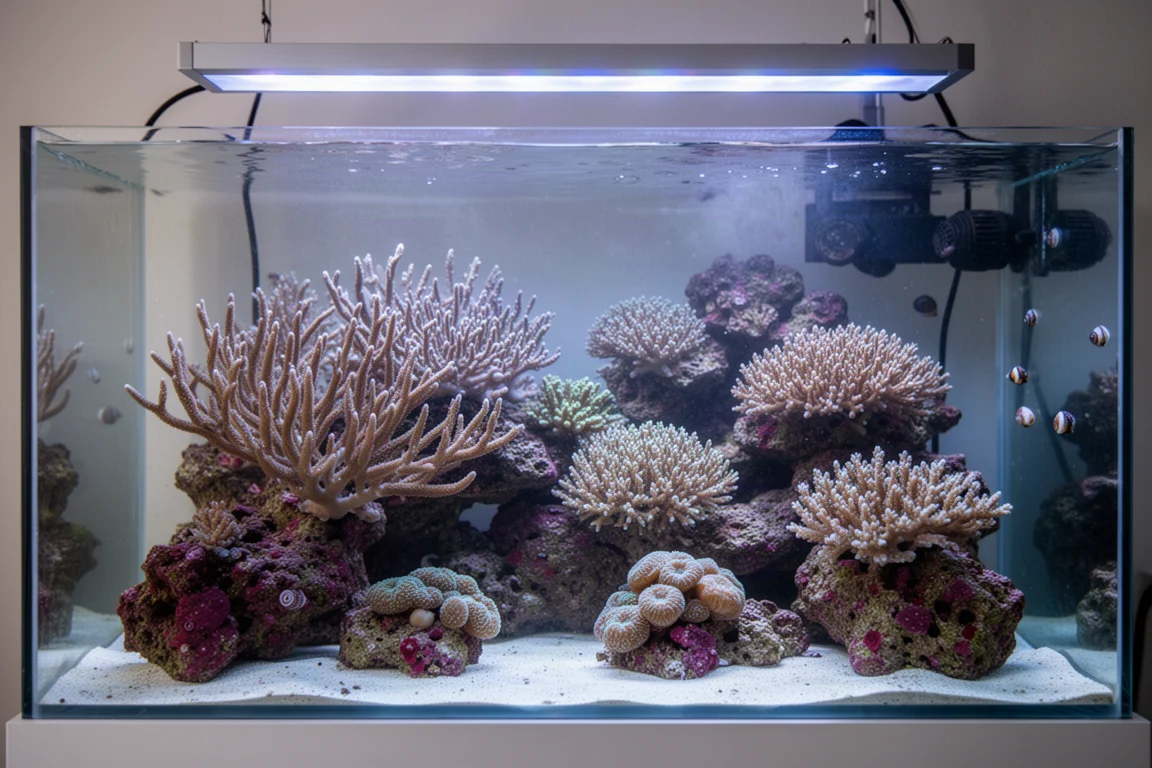
Because the readings are comparative rather than absolute, keep your method consistent: same lighting, same viewing position, same timing. Log the numbers alongside your other parameters and the trend becomes much more informative than any single result. If a reading suggests silicate is low, address it deliberately, either with a dedicated product for raising silicate levels or with more frequent water changes using a quality reef salt mix.
Conclusion
The Salifert Silicate Test Kit is a practical, low-cost way to bring one of the more overlooked reef parameters under control. It covers a useful measurement range, includes everything needed to run the test, and delivers up to 60 tests at around 27 cents each, which is enough for more than a year of weekly checks for most reefers.
It will not fix a diatom bloom by itself, and it does ask for careful timing and a steady eye for color matching. What it does offer is clarity: a real number instead of a guess, whether your goal is diagnosing an algae problem or confirming that silica-dependent sponges and snails have what they need.
Product link
View more details for Salifert Silicate Test Kit
This product is mentioned in the review. Check the specifications, options, and compatibility before buying.
View more details for Salifert Silicate Test KitFurther reading
Related Reviews
Aquarium Test Kits
Best Hanna Checkers for Reef Tanks: Five Digital Test Kits Explained
A practical look at five Hanna digital checkers for reef aquariums, which ones belong in every routine, and the habits that keep results reliable.
Aquarium Test Kits
Best Saltwater Test Kits for Reef Tanks: Four Kits Worth Buying
A practical guide to the reef tank parameters worth testing, plus four kits that make alkalinity, calcium, nitrate, and phosphate testing faster and easier to read.
Aquarium Test Kits
Hanna High Range Copper Checker Review: Digital Copper Testing for Aquariums
A handheld digital photometer that measures aquarium copper from 0 to 5.00 ppm in under two minutes, so copper treatments stay measurable.