Aquarium Test Kits
Best Saltwater Test Kits for Reef Tanks: Four Kits Worth Buying
A practical guide to the reef tank parameters worth testing, plus four kits that make alkalinity, calcium, nitrate, and phosphate testing faster and easier to read.
Introduction
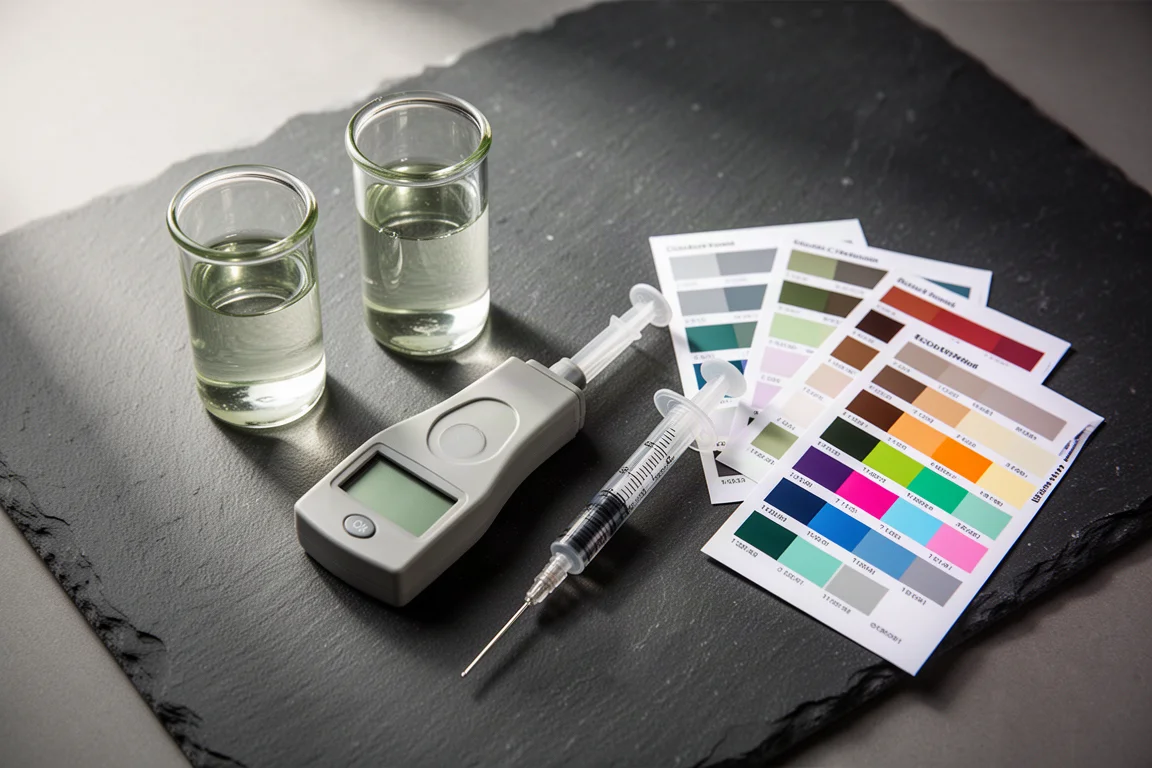
Ask a group of reef keepers about the best saltwater test kits and two different questions tend to surface at once. Some want to know which parameters genuinely deserve regular testing in a reef tank. Others already know what to test and want to know which specific kits are worth the shelf space.
This guide answers both. It covers the parameters that matter most for coral health, then walks through four test kits that stand out for accuracy, quick procedures, readable results, and reasonable ongoing running costs. Salinity is deliberately excluded, since a refractometer or hydrometer is already part of most saltwater setups.
Which Parameters Matter Most in a Reef Tank
A reef tank can be tested for a long list of things, but the average reef keeper only needs to track six: temperature, pH, alkalinity, calcium, nitrate, and phosphate. Temperature is handled by a simple thermometer or a temperature probe, so the real testing workload comes down to pH, alkalinity, calcium, nitrate, and phosphate.
A brand new tank has a different priority. Ammonia, nitrite, and nitrate tests show whether enough nitrifying bacteria have established to support fish and invertebrates such as snails and crabs. Once the tank has cycled, ammonia and nitrite testing is only needed if something appears to be wrong, while nitrate stays useful long term.
Alkalinity, calcium, and pH are the parameters that let corals build their skeletons, and nitrate and phosphate feed coral tissue while also fuelling unwanted algae when they climb too high. Magnesium is worth testing for keepers running SPS corals and optional for most others. Trace elements such as iodide, potassium, and iron sit firmly in advanced territory.
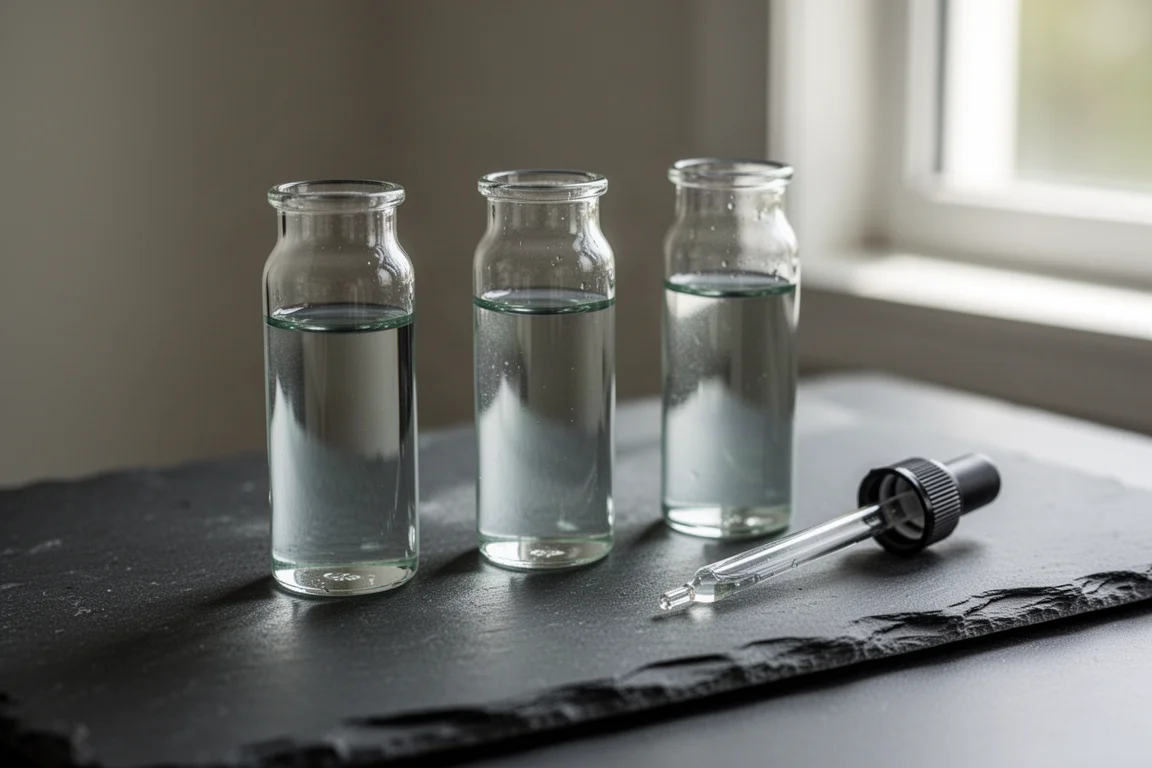
For pH, a colour-matching kit is not the only route. A simple digital handheld tester, or a continuous monitor that displays pH throughout the day, makes it easier to follow daily trends and keep the tank in the range where coral growth is strongest.
What Makes a Test Kit Worth Buying
Accuracy and precision come first. A kit has to resolve the range a reef keeper actually cares about, and it has to deliver consistent results test after test.
Ease of use matters just as much, because a fiddly procedure invites human error, and a slow procedure invites skipping tests altogether. Kits with few steps and short run times tend to win.
Results also need to be easy to read. Colour charts built on nearly identical shades of blue are hard to match, and any kit that requires mental arithmetic adds a step where mistakes creep in. Clearly separated colours or a digital readout remove that friction.
Cost matters at both ends: the initial purchase and the reagent refills that follow. The strongest value comes from kits that keep refills inexpensive rather than locking owners into costly consumables.
Put those criteria together and the result is usually a mixed set. Few manufacturers lead every category, so a testing shelf built from several brands often ends up stronger than one bought from a single label.
Best Alkalinity Test Kit: Hanna Alkalinity Checker
The Hanna Alkalinity Checker is the most popular alkalinity option among reef keepers, and speed is the reason. A full test takes less than a minute, and the result appears as a digital number, so there is no colour matching and no counting drops. Alkalinity is the parameter most reef keepers test most often, which makes that convenience worth a great deal.
The unit costs a little more up front than colour-chart alkalinity kits, but the refill reagents are inexpensive, so the running cost stays low across a year of regular testing.
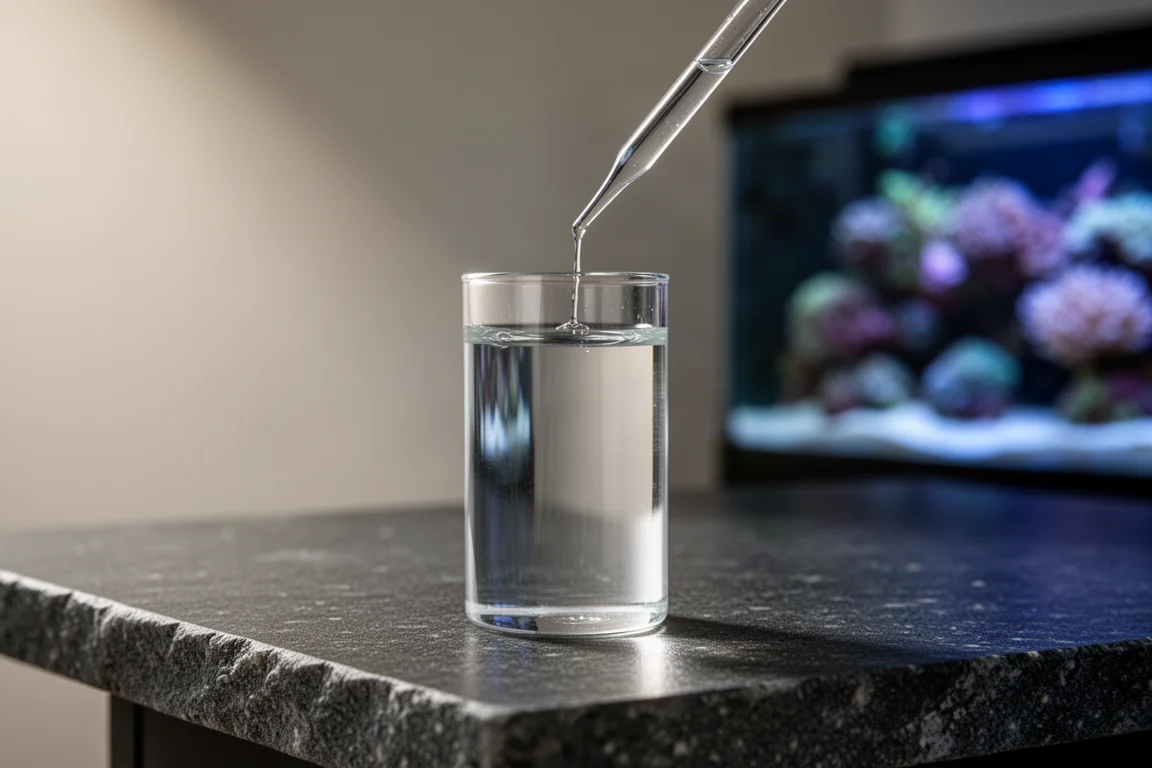
For anyone tracking coral growth, alkalinity is arguably the single most important number to follow. A kit that turns that measurement into a quick, repeatable habit is the one that actually gets used.
Best Calcium Test Kit: Red Sea Pro Calcium Test Kit
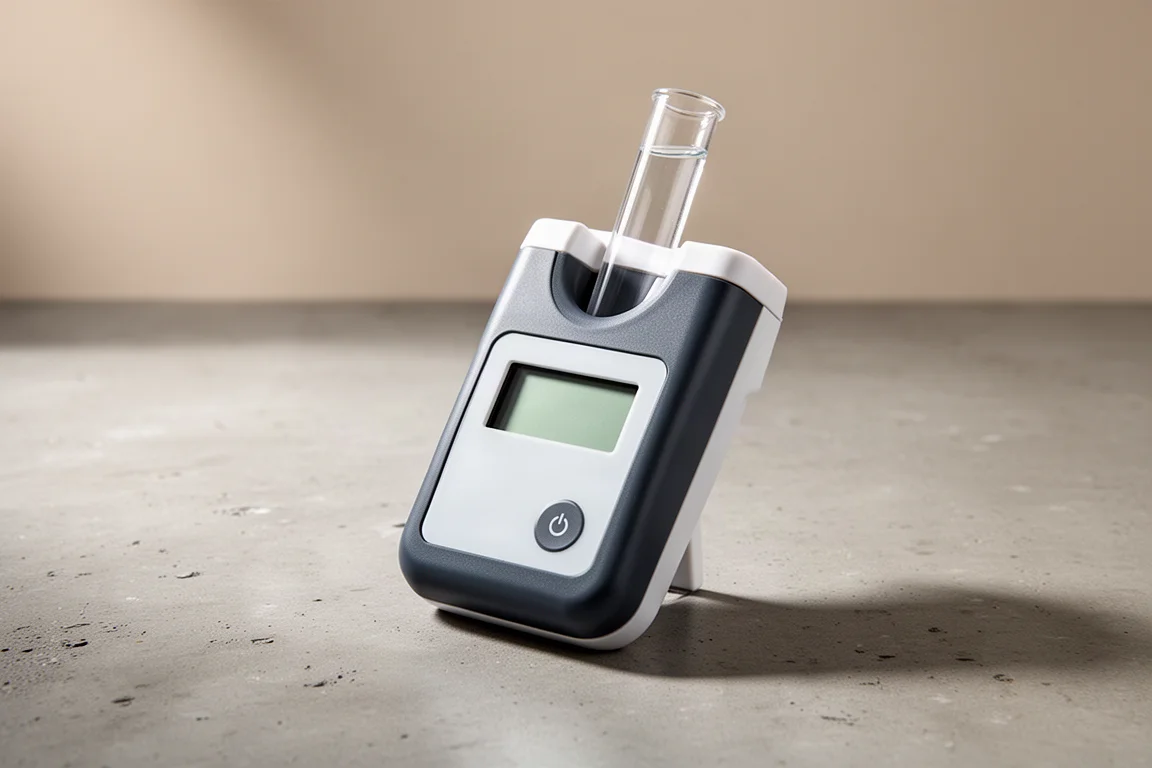
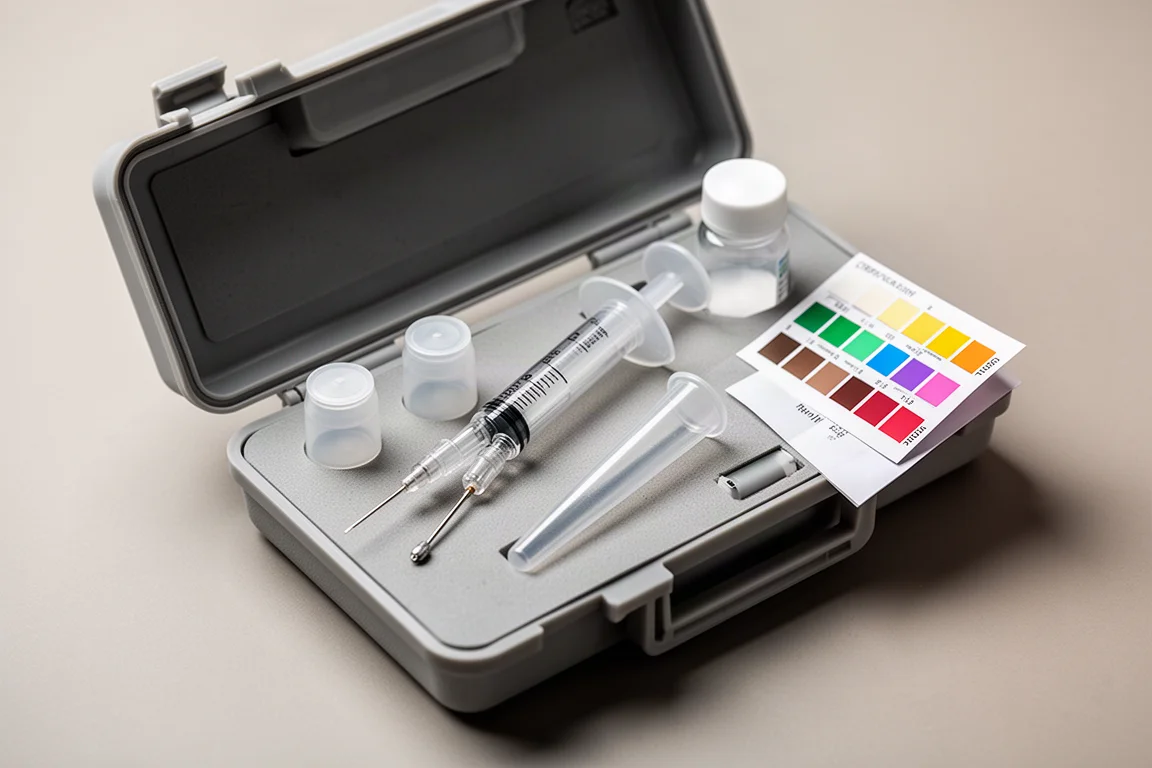
The Red Sea Pro calcium test kit is one of the easiest calcium kits to perform. It includes a titrator that makes the procedure comfortable to run one-handed, and the colour change at the endpoint is straightforward to read. The included test card is simple to follow, and the whole set packs into a hard storage case so nothing goes missing between tests.
It is not the least expensive calcium kit on the market. What justifies the price is the quality of the components, the accuracy of the results, and the ease of the procedure, all of which make it strong value for keepers who test calcium consistently. Reagent refills stay reasonable as well.
Best Nitrate Test Kit: Nyos Nitrate Test Kit
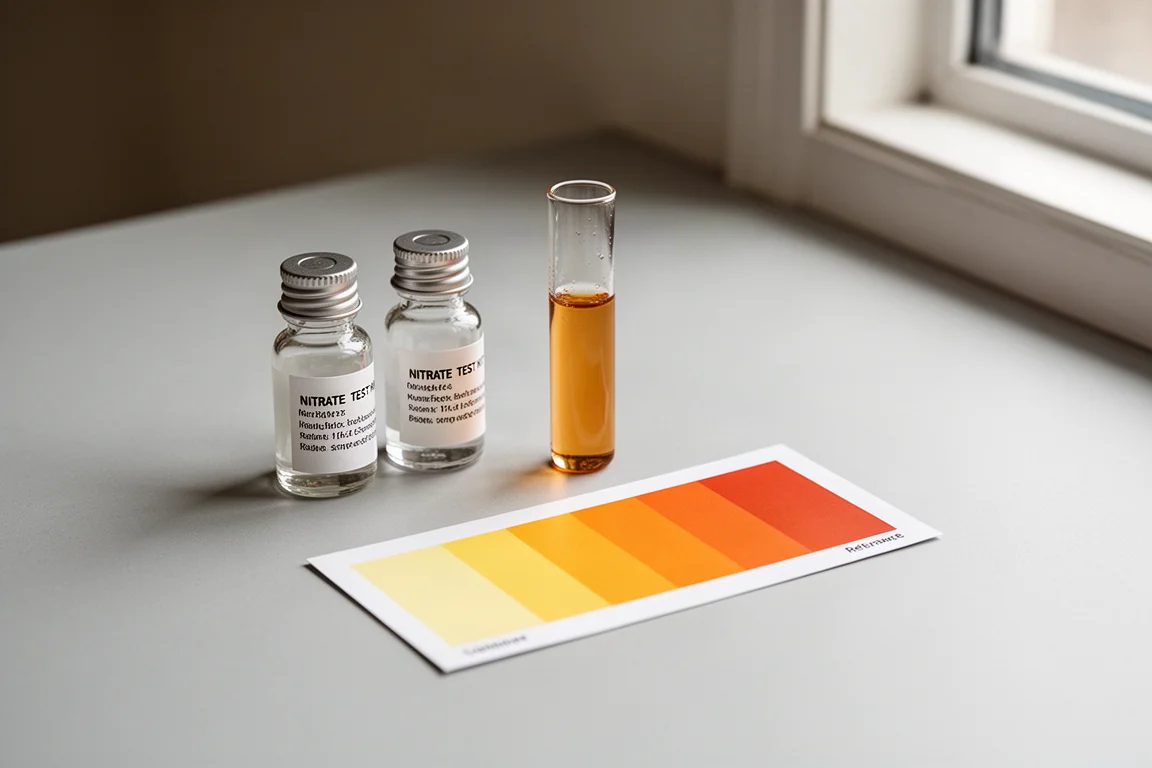
The Nyos nitrate kit takes a different approach to colour. It uses shades of yellow that shift toward orange rather than the tones used by many nitrate kits, and the resolution between steps is tight enough that matching the sample is easy while still producing an accurate reading. Being able to distinguish one shade from the next is the whole game in colour-based testing, and this kit makes that straightforward.
It is also quite affordable, which makes it an excellent value for keepers who monitor nitrate regularly as part of a nutrient control routine.
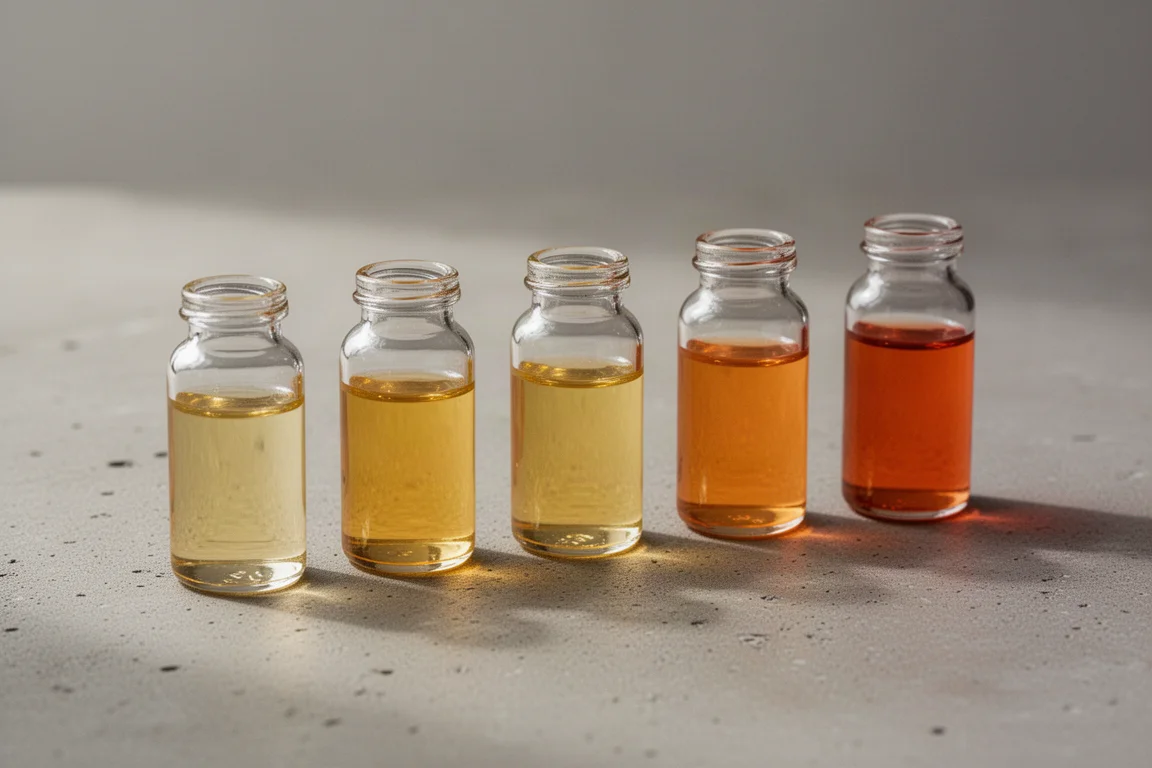
Nitrate sits at the centre of two jobs at once: feeding coral tissue and keeping algae in check. A kit that produces a reliable number without a struggle is one that stays in the rotation.
Best Phosphate Test Kit: Hanna Phosphate Checker
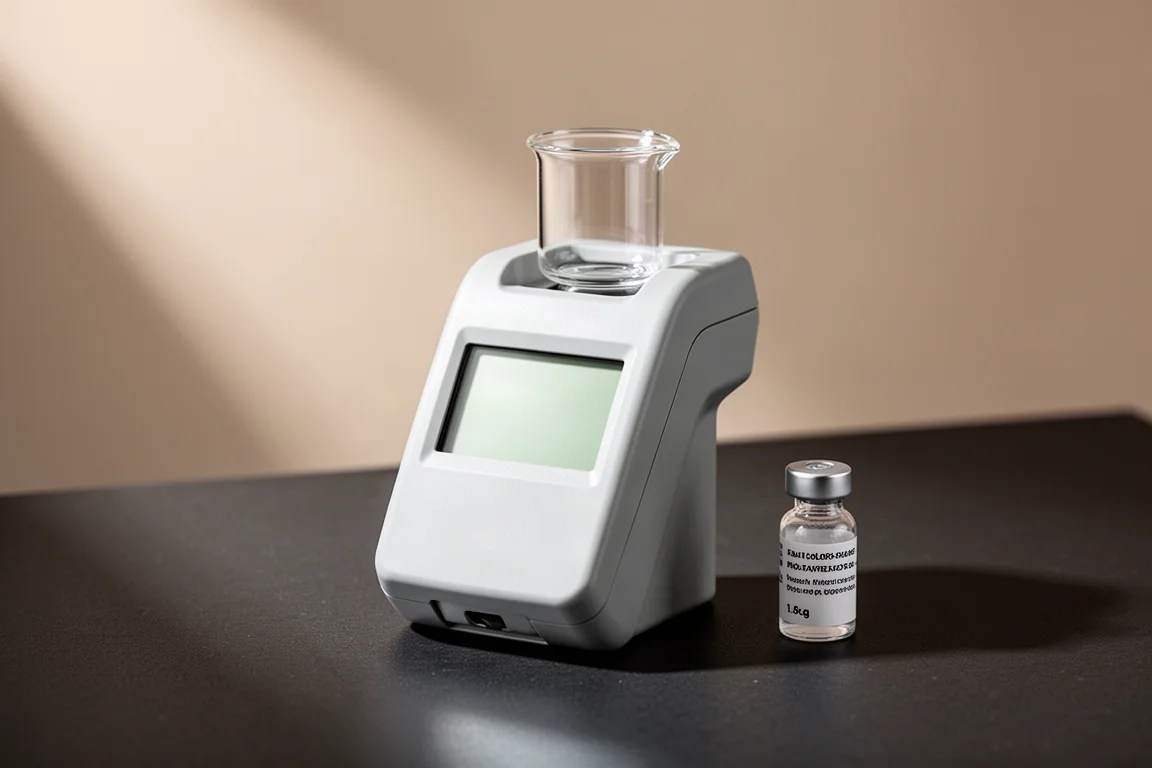
The Hanna Phosphate Checker follows the same formula as the alkalinity model: a single reagent, a quick procedure, and a digital readout. That last part matters most here, because phosphate kits usually rely on shades of blue that are notoriously difficult to match by eye. Removing the colour comparison removes the guesswork.
The checker costs more up front than a chart-based phosphate kit, but refills are inexpensive, and the ease of use makes it a strong value for anyone who tests phosphate on a schedule.
Buying Advice: Putting Together a Testing Routine
There is no need to buy everything from one brand. Alkalinity, calcium, nitrate, and phosphate cover the core of reef testing, while ammonia and nitrite kits earn their place during the initial cycle or when something seems off. Magnesium is worth adding for SPS-focused tanks, and trace element testing belongs to advanced setups.
Refill cost is the detail most buyers forget to check. A kit that is cheap to buy but expensive to keep running ends up costing more than a slightly pricier kit with low-cost reagents, especially for a parameter that gets tested weekly.
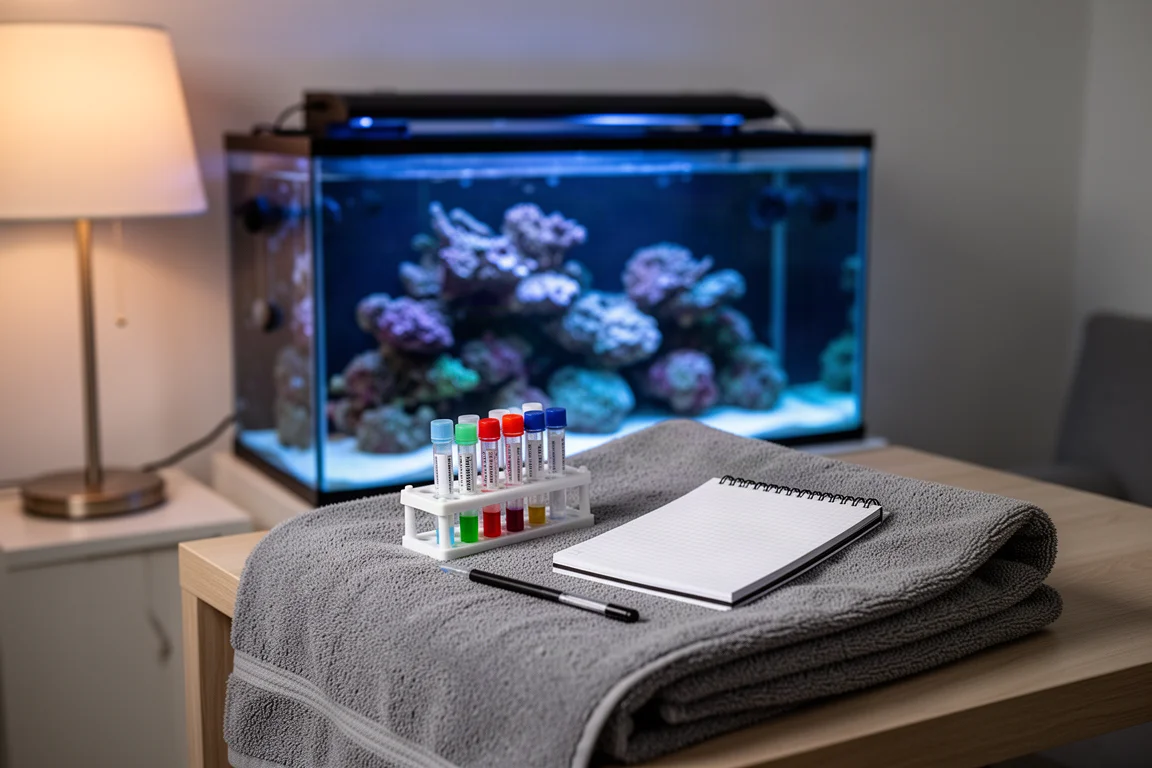
The most useful kit is the one that fits the routine. A quick procedure with an easy-to-read result gets done on schedule, and consistent testing over months reveals trends that a single reading never will.
Conclusion
Reef testing does not have to be complicated. Focus on alkalinity, calcium, nitrate, and phosphate, add ammonia and nitrite while a tank is cycling, and choose kits that are accurate, quick, and easy to read. The four kits above cover those core parameters, and each one earns its place on the shelf rather than in a drawer.
Further reading
Related Reviews
Aquarium Test Kits
Best Hanna Checkers for Reef Tanks: Five Digital Test Kits Explained
A practical look at five Hanna digital checkers for reef aquariums, which ones belong in every routine, and the habits that keep results reliable.
Aquarium Test Kits
Hanna High Range Copper Checker Review: Digital Copper Testing for Aquariums
A handheld digital photometer that measures aquarium copper from 0 to 5.00 ppm in under two minutes, so copper treatments stay measurable.
Aquarium Test Kits
Hanna vs NYOS Nitrate Test Kits: Choosing the Right Test for Your Reef Tank
A practical look at the Hanna Low Range Nitrate Checker and the NYOS Nitrate Test Kit, and how to choose the nitrate test that fits the way you maintain your reef tank.