Aquarium Test Kits
Best Hanna Checkers for Reef Tanks: Five Digital Test Kits Explained
A practical look at five Hanna digital checkers for reef aquariums, which ones belong in every routine, and the habits that keep results reliable.
Introduction
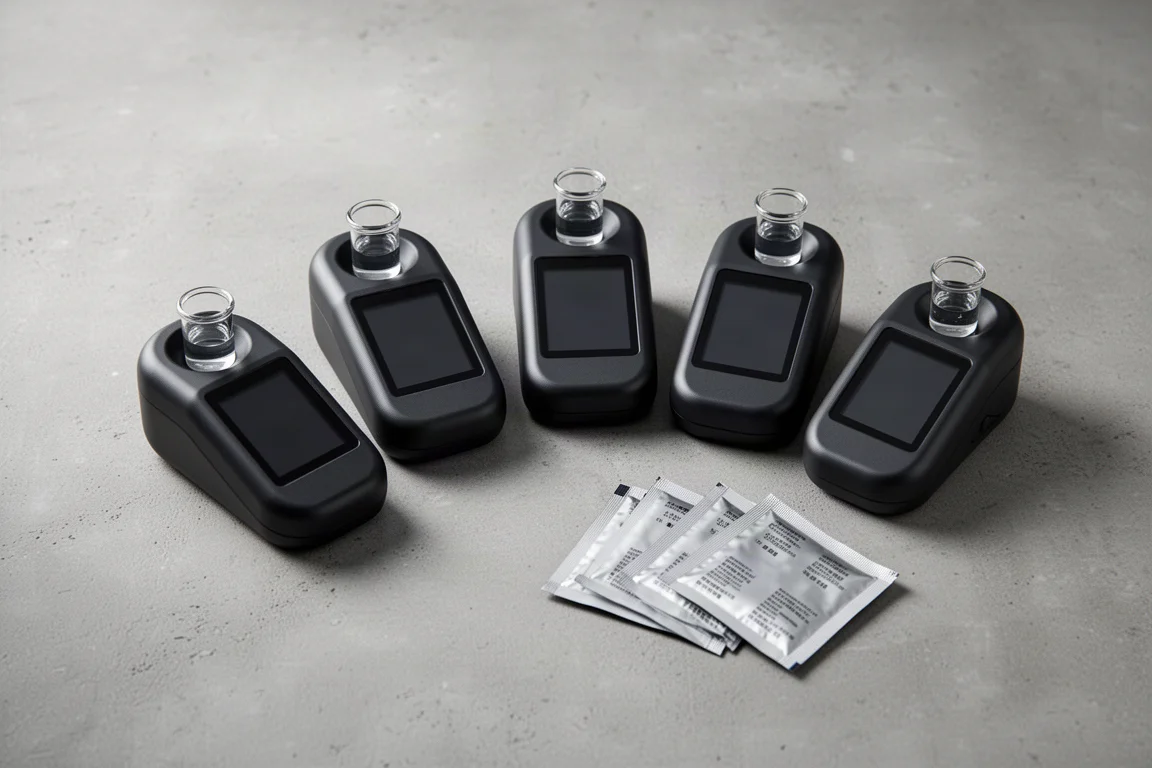
Water testing is where a reef tank is either understood or guessed at. Color-comparison kits work, but reading them at low levels takes practice, and a number on a small display is easier to trust week after week. The five Hanna checkers in this guide each answer a specific question, and each has a clear place in a testing routine. Alkalinity and phosphate cover the routine work most tanks need, calcium and nitrate add a digital alternative for tests that are harder to read by eye, and ammonia addresses a narrower water-supply problem. Below is what each one does well, plus the practical habits that keep results reliable.
How to Choose the Right Hanna Checker
Two decisions matter more than any others when you are picking a checker.
The first is range. If your goal is chasing a very low phosphate figure, an ultra low range checker is the tool that fits. If you mainly want to confirm you are not drifting past a few tenths of a part per million, a standard low range checker answers that question perfectly well. The two options are not far apart in capability, so this is hard to get catastrophically wrong, but matching the tool to the target keeps you from paying for precision you will not use.
The second decision is whether you want a digital readout at all. That matters most for calcium and nitrate, where a checker replaces a color comparison with a number. For anyone who finds low-level color charts difficult, or who is colorblind, the digital route removes the guesswork entirely.
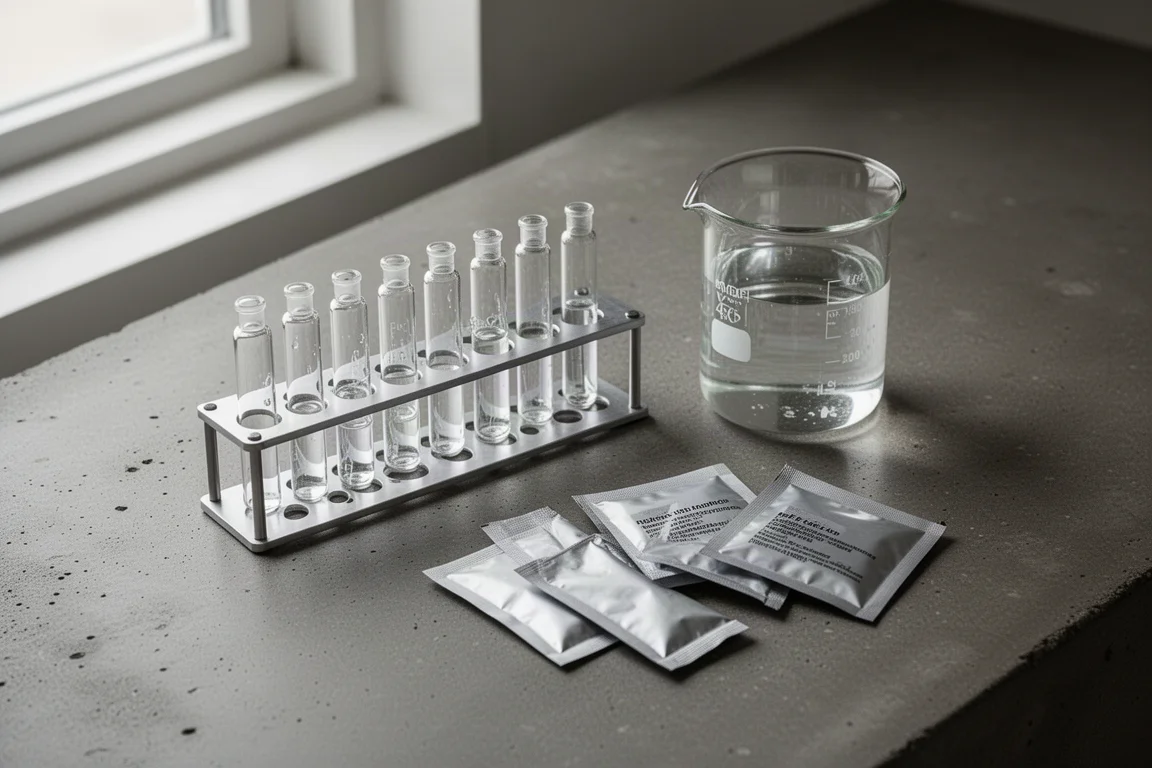
Beyond those two choices, the practical questions are the same across the range: how often you will test, how much reagent you will get through, and whether the procedure fits the time you are willing to spend.
Hanna Alkalinity Checker
Alkalinity is the parameter many reef keepers test most often, and it is also the one that gives the clearest signal about what the tank’s inhabitants are consuming. Tested daily, it tracks uptake closely. Tested weekly, it still shows whether calcium and alkalinity demand is stable or moving. A digital checker makes that cadence realistic, because the result appears as a number rather than a shade of pink or green. In repeated side-by-side comparisons, this checker has returned the same reading over and over, which is exactly what you want from a routine test.
The cost picture is worth thinking through. The initial purchase costs more than many alkalinity test kits, but if you test frequently, reagent cost becomes the larger expense over time, and that is where a checker can end up being the cheaper route. There is also a useful trick beyond routine testing: diluting the sample lets you measure the strength of calcium reactor effluent, and cutting the sample in half and doubling the result brings stronger concentrations back into the checker’s working range.
Hanna Phosphate Checker
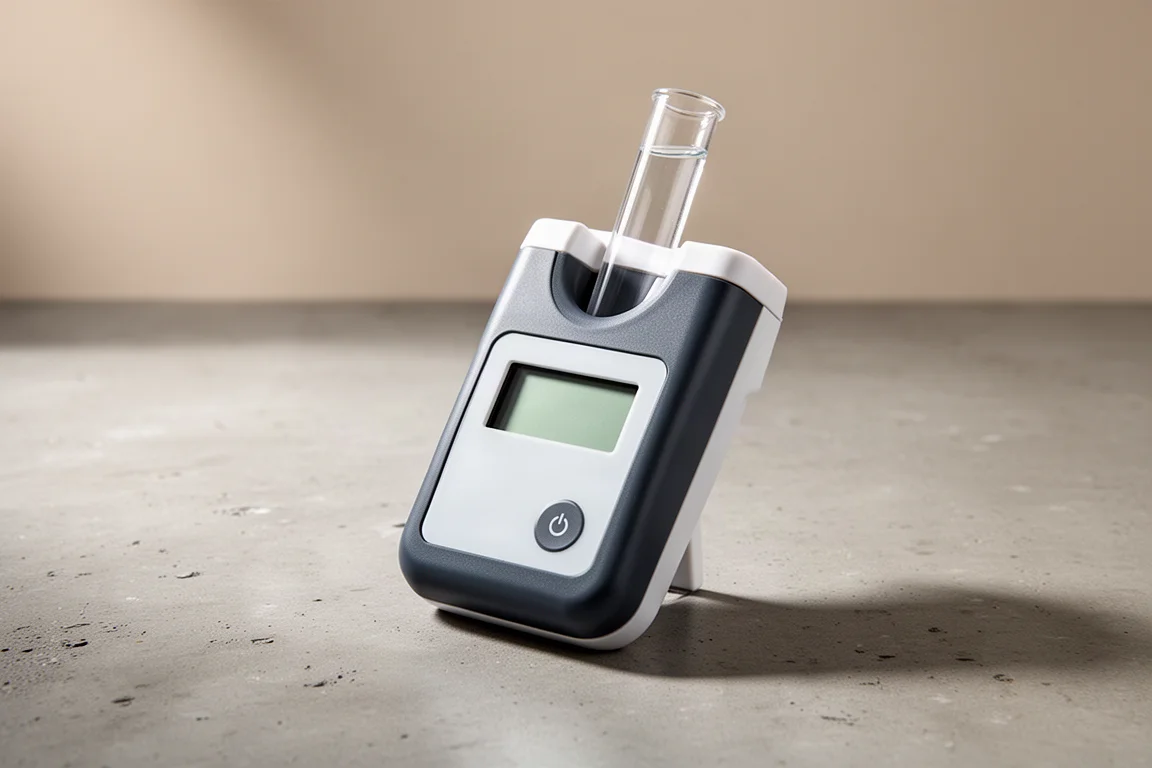
Phosphate is the parameter people most often skip, largely because low-range color comparisons are hard to read and the reason for testing is not always obvious. The reason is straightforward: phosphate is the pulse on whether the food going in matches the filtration and maintenance going out. If phosphate rises month after month, either water changes are not keeping up, feeding is heavier than the tank can process, or filtration is not doing its job. A monthly reading turns that into a clear answer.
For that monthly check, a phosphate checker is about as easy as testing gets, and it reads the result for you. Choosing between the low range and ultra low range version comes down to the same question as above: how low do you actually need to measure? One practical note before you buy. The checker ships with roughly ten tests of reagent, which is not much if you plan to test for years, so ordering a larger refill pack at the same time saves the frustration of running out mid-test.
Hanna Calcium Checker
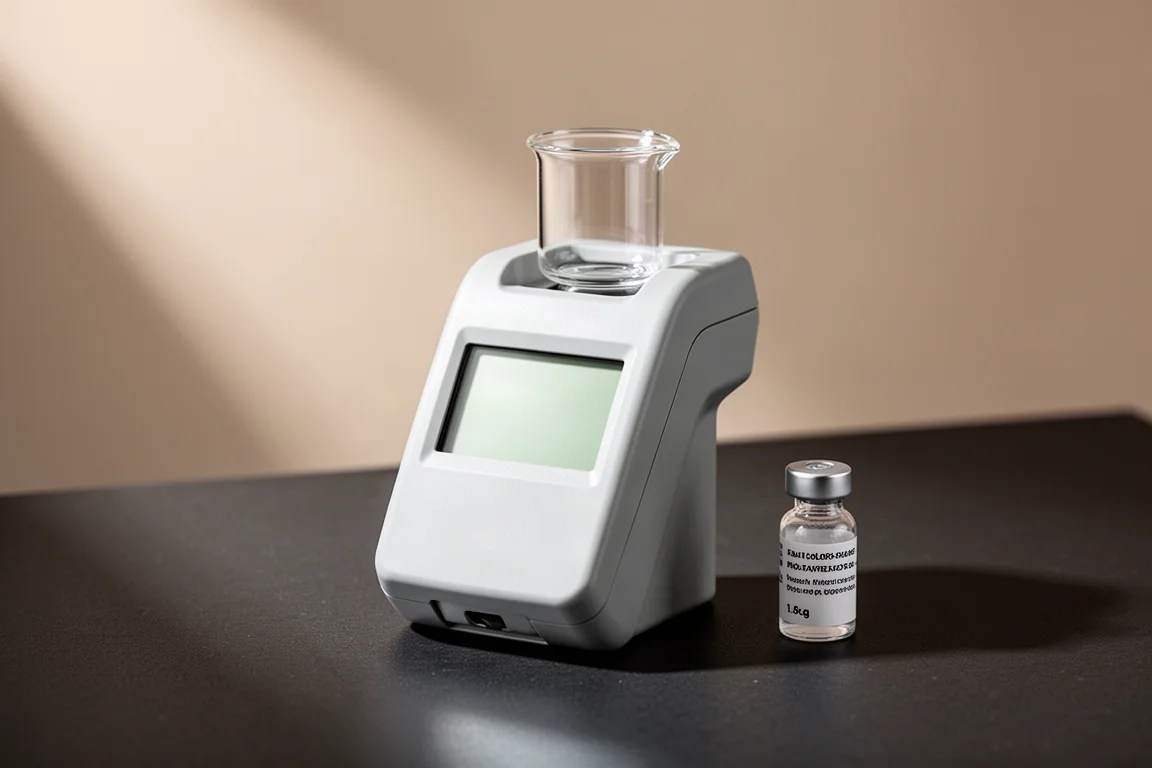
Calcium is one of the two tests where a checker asks more of you than a standard kit. The procedure has more steps, and attention to detail matters, so the payoff is a defined number rather than an interpretation. For reef keepers who want a digital result and do not want to judge a color change, that trade is usually worth it. It is also the obvious choice for anyone who is colorblind, where a visual titration is simply not a dependable option.
Understanding what you are buying helps here. This is the right tool for the right job, not a shortcut around testing. Read the procedure once, work through it slowly the first few times, and the extra steps become routine. If the requirement is a digital reading, this is the tool that meets it.
Hanna Nitrate Checker
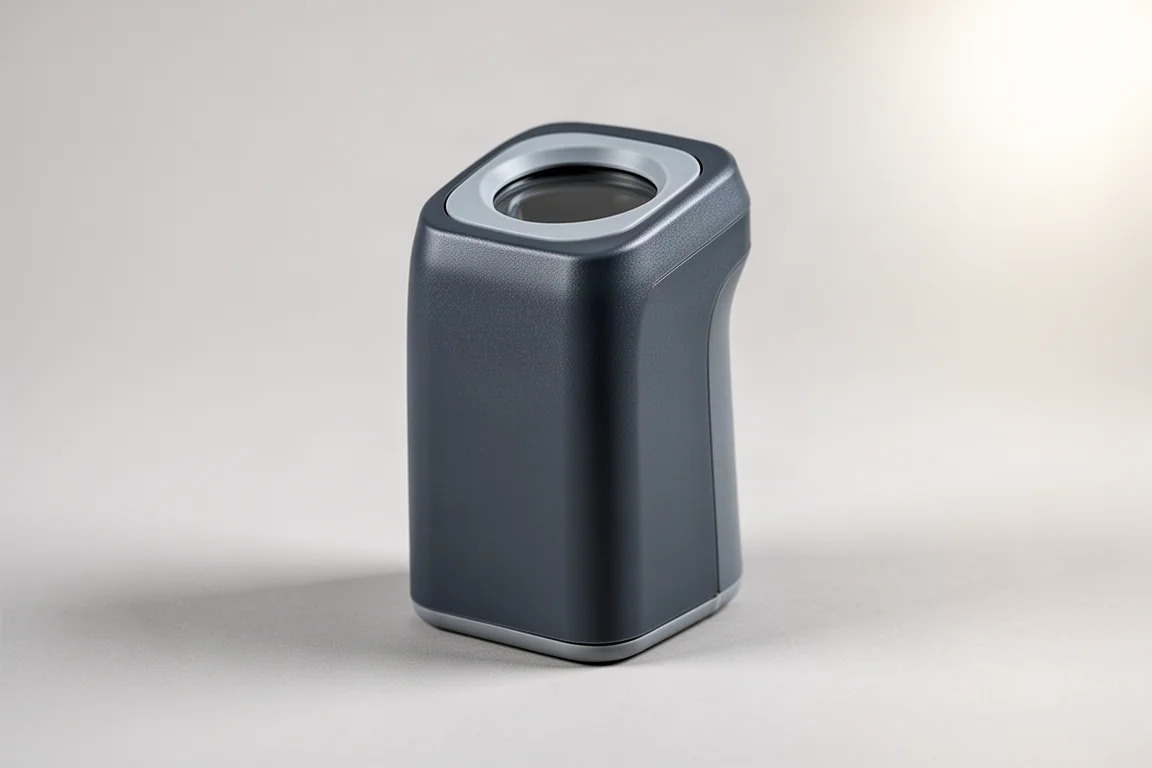
Nitrate follows the same logic as calcium. It is one of the more involved checker procedures, and it exists because the alternative is reading a color chart at levels where the differences are subtle. The same caveats apply: more steps than a standard test kit, and results that reward careful technique. The advantage is consistency. When the reading is a number, trends across weeks are easier to see, and you spend less time second-guessing whether two colors are actually different.
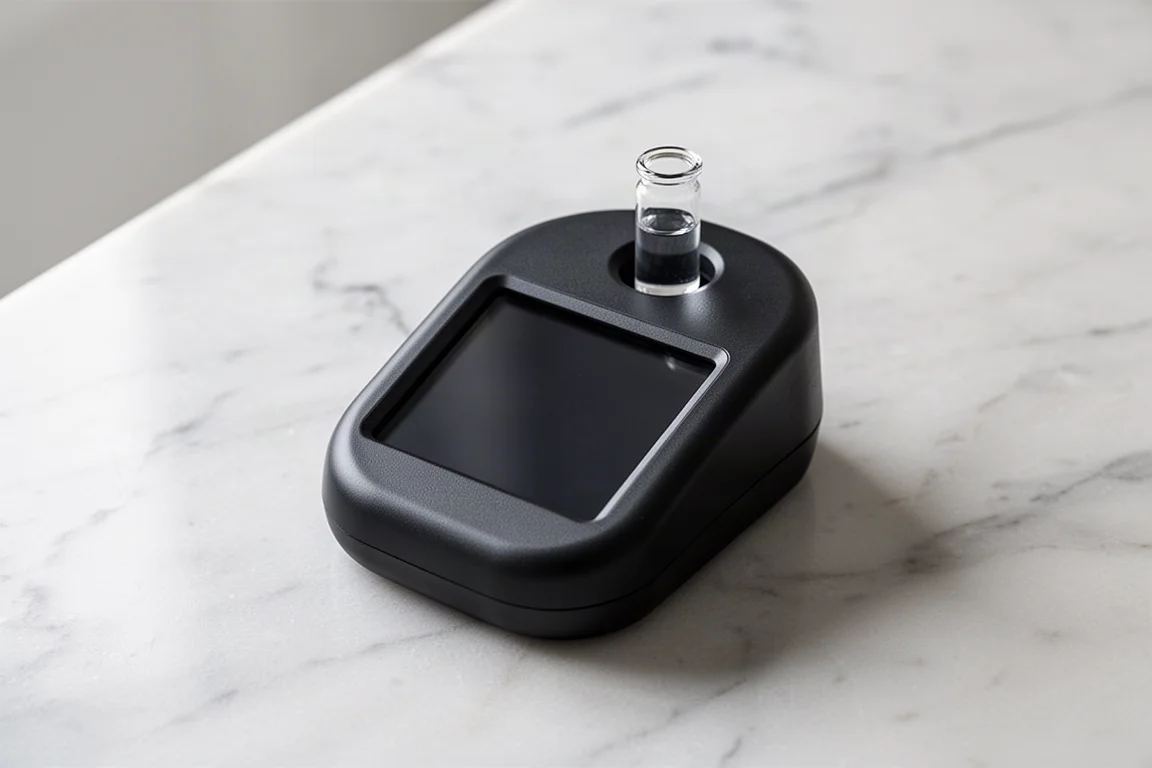
Hanna Ammonia Checker
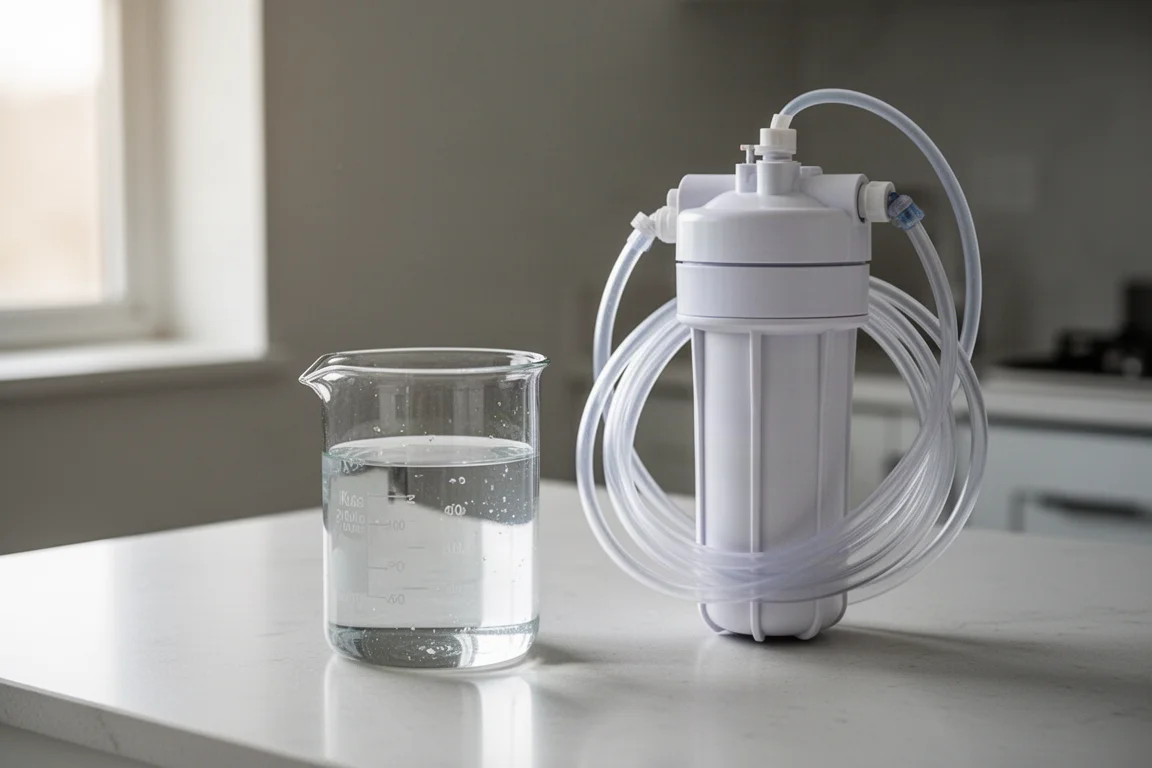
Ammonia is the specialist of the group, and it matters most for tanks supplied by chloramine-treated water. Ammonia gas carries no charge, so it can pass through a reverse osmosis membrane largely intact and continue through DI resin rather than being removed. That makes testing the product water, not just the waste water, the useful habit. If your source water is treated with chloramines, or if your water chemistry makes ammonia carry-over difficult to manage, this checker tells you how much ammonia is getting through.
For most reef keepers this is a situational tool rather than a daily one, and that is exactly the point. Buy it if it answers a question your water supply is actually asking, and leave it if it is not.
Getting More Reliable Readings From Any Checker
Good habits do as much for accuracy as the instrument itself.
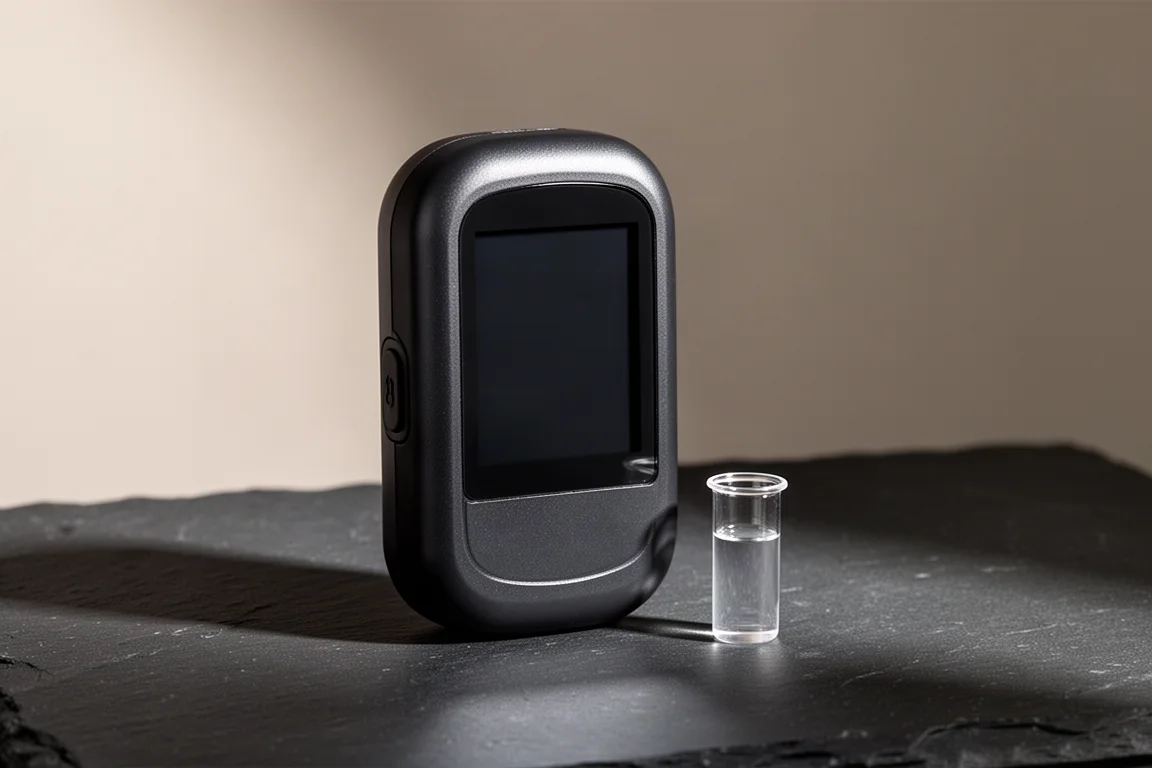
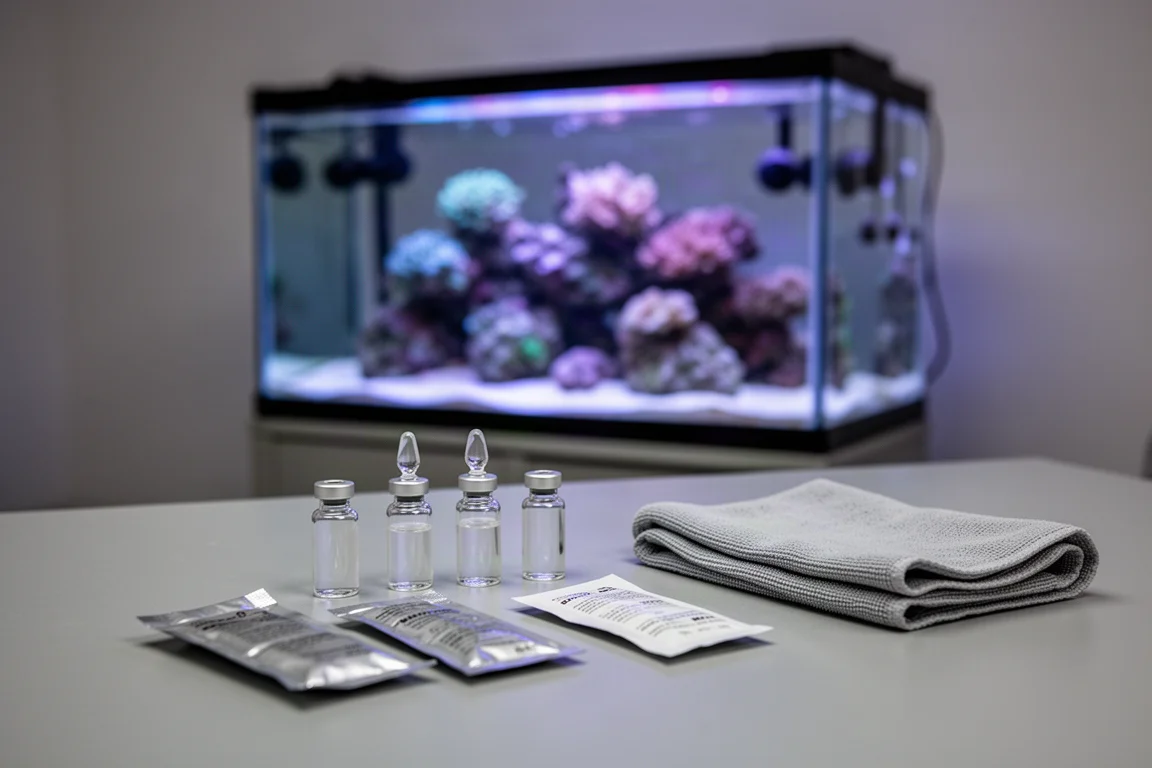
Store the testing vials full of RODI water. Rinsing alone leaves mineral deposits and calcium-type buildup, often visible as a ring near the top of the vial, and that residue can shift results. Filling the vial after each use and keeping it full between tests keeps the glass clean and ready.
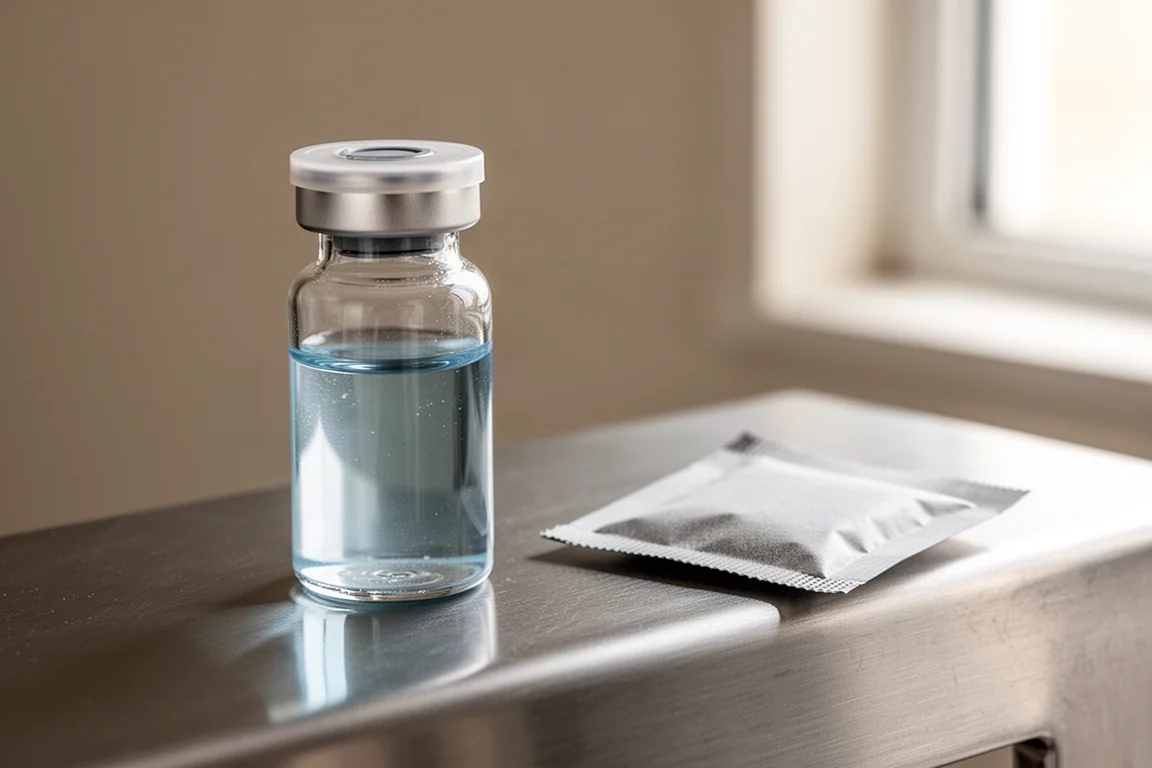
Open reagent pouches properly. There are dotted lines showing where to cut. Tapping the powder down, tearing along the line, and peeling both edges open turns the pouch into an open envelope you can pour from. Do not get hung up on capturing every last grain of powder. Getting most of it in is what matters.
Use a cleaning cloth. Cap the vial, dip it in RODI water, and wipe it dry with a microfiber cloth so there are no fingerprints or residue on the outside. Wiping on a shirt is not a method. Anything smeared on the vial can reduce accuracy, and a proper cloth costs a few dollars.
Keep spare reagent on hand. Running out mid-test is the fastest way to get frustrated with an otherwise simple tool, so buy refills when you buy the checker.
Finally, verify your temperature assumptions. Heaters and controllers are often off out of the box, by as much as six degrees in some cases, and two degrees is common. Checking the set point against a separate thermometer before trusting it is a cheap safeguard.
Buying Advice: Which Hanna Checkers Are Worth Owning
If you take one point from this guide, make it the alkalinity and phosphate checkers. Together they cover the two readings that most directly reflect how a tank is being fed and maintained, and both are quick enough that you will actually keep up with them. Everything else can be added as the need appears.
Calcium and nitrate checkers make the most sense for reef keepers who want digital results, who find color comparison difficult, or who are colorblind. Expect a longer procedure and give it your attention. The ammonia checker is the narrowest of the five but genuinely useful for chloramine-treated supply water, where testing product water tells you something no other test does. In each case, match the tool to the job and buy reagent before you need it.
Conclusion
The value of a digital checker is not precision for its own sake. It is repeatability you can act on. Alkalinity and phosphate belong in almost every routine, calcium and nitrate are the digital alternatives for harder-to-read tests, and ammonia answers a specific question about source water. Add clean vials, careful pouch handling, a microfiber cloth, and spare reagent, and these tools stay dependable for years.
Further reading
Related Reviews
Aquarium Test Kits
Best Saltwater Test Kits for Reef Tanks: Four Kits Worth Buying
A practical guide to the reef tank parameters worth testing, plus four kits that make alkalinity, calcium, nitrate, and phosphate testing faster and easier to read.
Aquarium Test Kits
Hanna High Range Copper Checker Review: Digital Copper Testing for Aquariums
A handheld digital photometer that measures aquarium copper from 0 to 5.00 ppm in under two minutes, so copper treatments stay measurable.
Aquarium Test Kits
Hanna vs NYOS Nitrate Test Kits: Choosing the Right Test for Your Reef Tank
A practical look at the Hanna Low Range Nitrate Checker and the NYOS Nitrate Test Kit, and how to choose the nitrate test that fits the way you maintain your reef tank.