Aquarium Test Kits
Salifert Alkalinity Test Kit Review: Affordable KH Testing for Reef Aquariums
A practical look at the Salifert alkalinity test kit, covering how the titration works, what it costs per test, and who it suits best.
Introduction
Corals with calcium carbonate skeletons need a steady supply of carbonate in the water to grow and stay healthy. As they build their skeletons, they consume carbonate and alkalinity levels drift downward. Dosing an alkalinity supplement without knowing what is already in the tank can push levels too low or too high, and both scenarios cause real problems. Keeping alkalinity stable is one of the most important parts of running a healthy reef aquarium, and testing is the only way to know where that stability stands.
The Salifert alkalinity test kit has been trusted by successful reef keepers for decades. It is inexpensive, straightforward to run, and reads alkalinity in 0.3 dKH increments. Because you titrate until the sample reaches its end color, the kit has no ceiling, so it can read low, in-range, or unusually high alkalinity values without trouble.
Who This Kit Is For
This kit suits reef keepers who need to track carbonate hardness, also called KH, on a regular basis. Alkalinity moves quickly in a stocked tank, so testing two to four times a week is a common routine, and an inexpensive kit makes that cadence realistic.
It also works well for newcomers, because the procedure is simple and the instructions include a quick reference guide. Newer reef keepers can start with the larger sample size, which makes it easier to land on an accurate result while building good habits.
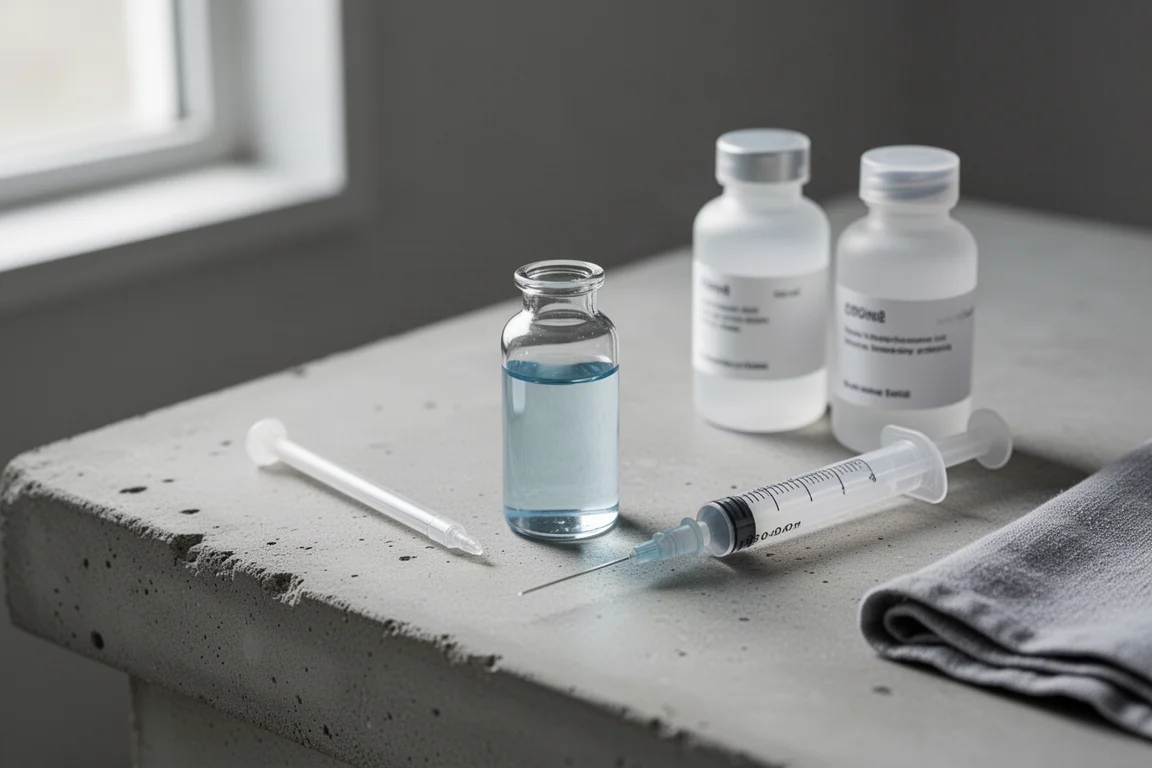
Anyone dosing an alkalinity supplement will get the most value here. Testing before and after dosing turns guesswork into a measurable routine, and the fine 0.3 dKH resolution means small shifts do not go unnoticed.
What Comes in the Box
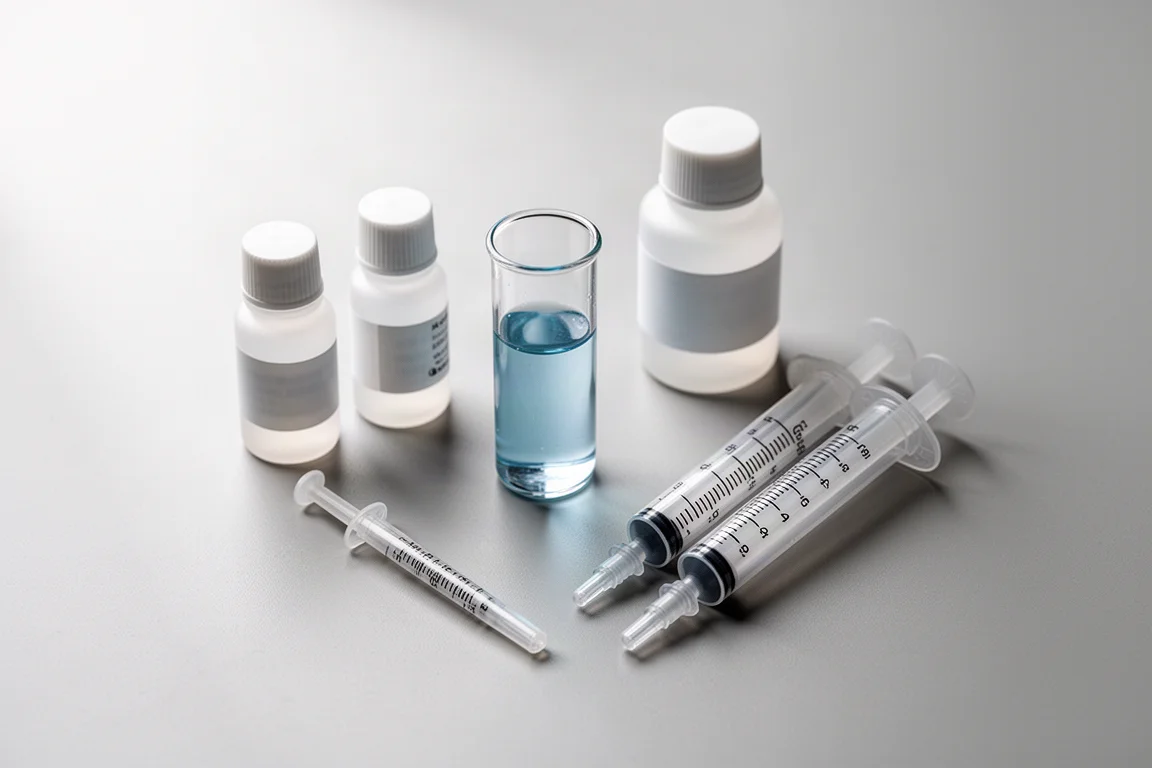
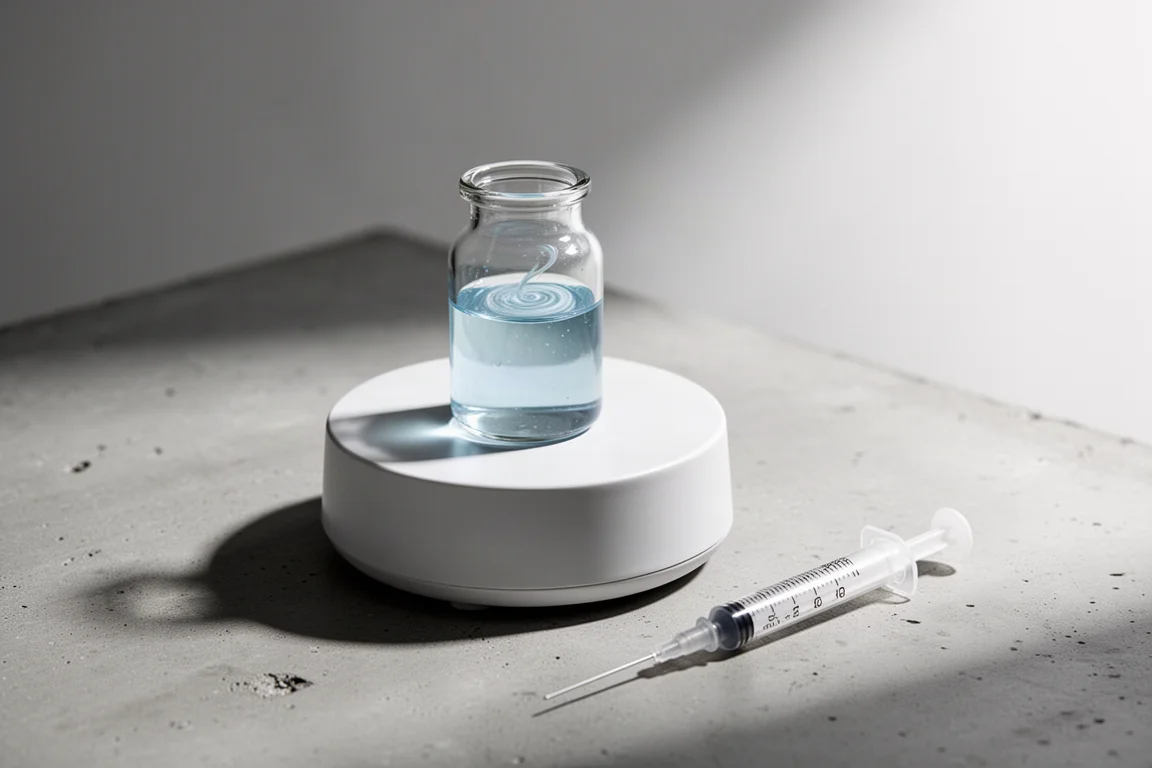
The kit arrives with everything needed to complete a test. Inside you will find reagent KH-IND, reagent KH as the titration solution, a one-millilitre syringe with a pink collection tip, a five-millilitre syringe, the test vial, and printed instructions with a quick reference guide.
Nothing else is required to get started, which keeps the workspace simple and the process repeatable.
How the Titration Test Works
Start by drawing four millilitres of aquarium water with the five-millilitre syringe and adding it to the test vial. Add four drops of reagent KH-IND, then swirl gently for five seconds to mix.
Next, draw one millilitre of reagent KH into the one-millilitre syringe with the pink collection tip. The end of the black plunger should sit exactly on the one-millilitre marking. A small pocket of air below the plunger is normal and does not affect accuracy, because the extra volume of the pink tip ensures you have drawn exactly one millilitre.
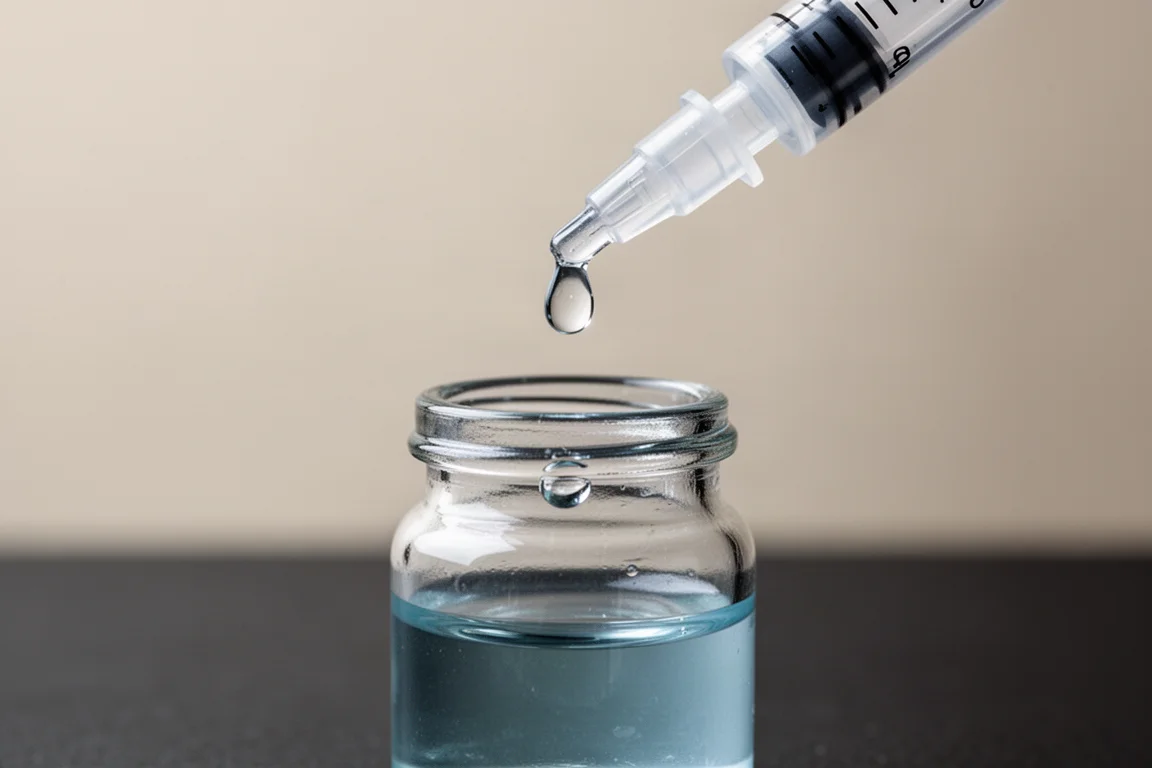
Now titrate. Add a single drop of reagent KH, swirl gently for one to two seconds, and repeat. Continue until the liquid changes from the blue start color to the pink end color shown on the quick reference guide. Once the change is complete, note the remaining liquid in the syringe and compare it with the chart. For example, 0.52 millilitres remaining corresponds to 7.3 dKH.
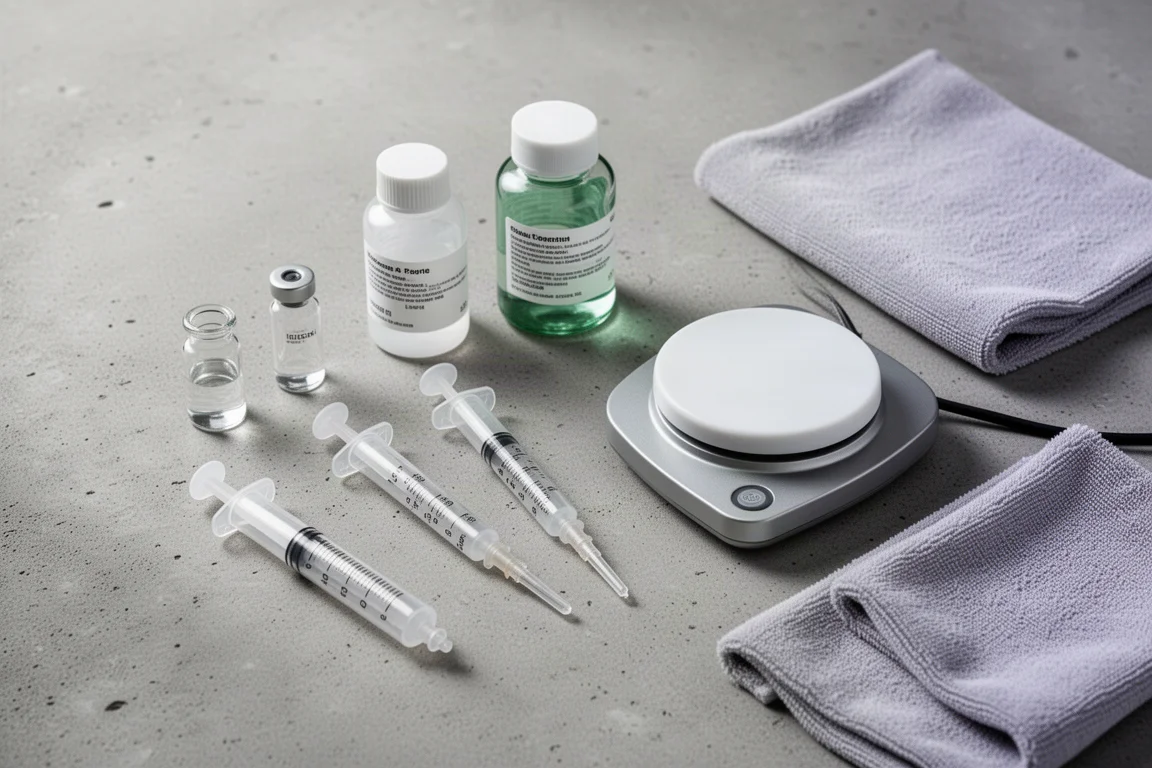
Sample size is the main variable to choose deliberately. The four-millilitre sample is the safer option if you are newer to reefing or to testing, since the larger volume gives more room to reach an accurate result. The two-millilitre sample takes the kit further for experienced reef keepers with solid technique. Keeping a small magnetic stirrer on the bench, such as the AutoAqua Smart Stir, can also make titration-based tests faster and more consistent, and these units are relatively inexpensive at around 30 dollars.
Reading the Result and Working Range
The reading comes directly from the chart in the instructions, using the amount of reagent left in the syringe after the color change. Results land in 0.3 dKH increments, which is fine enough to follow gradual movement over a week of dosing.
There is no upper limit to the range. Because you keep titrating until the sample reaches its end color, the kit can measure alkalinity that is low, sitting inside the expected range, or far higher than it should be.
Accuracy, Test Count, and Cost Per Test
Each kit is rated for up to 100 standard tests, or up to 200 tests when you use the smaller two-millilitre sample. That works out to roughly 14 cents per test at the high end and about 7 cents per test at the low end.
For an average reef keeper testing two to four times per week, one kit should last just over a year. That combination of resolution and running cost is what makes it a practical long-term choice rather than a one-off purchase.
The trade-off between sample sizes is worth understanding. The larger sample is more forgiving of small measuring errors, while the smaller sample stretches the kit further but asks more of your technique.
Things to Consider Before Buying
This is a manual titration test, so it rewards attention. Each drop needs a short swirl and a look at the vial, and the endpoint has to be judged when the liquid has fully changed color. Rushing that step is the most common way to get a reading you cannot trust.
Results also depend on consistent practice. Measuring the sample accurately, drawing exactly one millilitre of reagent, and testing at a similar time of day all help keep your numbers comparable from one session to the next. If you are new to testing, the four-millilitre sample size is the more comfortable starting point.
Buying Advice
If you want a dependable alkalinity reading without spending much, this kit is a strong match. It is inexpensive to buy, costs only a few cents per test to run, and covers the full range of values a reef tank is likely to produce.
Choose the four-millilitre sample if you are building confidence with testing, and step down to the two-millilitre sample once your technique is consistent and you want the kit to stretch closer to 200 tests. Either way, the routine stays the same, and the numbers stay easy to compare week to week.
Conclusion
Alkalinity stability is central to keeping a reef aquarium healthy, and that stability depends on knowing your numbers. The Salifert alkalinity test kit delivers that information at a low purchase price and a very low cost per test, with 0.3 dKH resolution and no ceiling on what it can read. For reef keepers who test regularly and want a simple, repeatable titration procedure, it remains an easy recommendation.
Product link
View more details for Salifert Alkalinity Test Kit
This product is mentioned in the review. Check the specifications, options, and compatibility before buying.
View more details for Salifert Alkalinity Test KitFurther reading
Related Reviews
Aquarium Test Kits
Best Hanna Checkers for Reef Tanks: Five Digital Test Kits Explained
A practical look at five Hanna digital checkers for reef aquariums, which ones belong in every routine, and the habits that keep results reliable.
Aquarium Test Kits
Best Saltwater Test Kits for Reef Tanks: Four Kits Worth Buying
A practical guide to the reef tank parameters worth testing, plus four kits that make alkalinity, calcium, nitrate, and phosphate testing faster and easier to read.
Aquarium Test Kits
Hanna High Range Copper Checker Review: Digital Copper Testing for Aquariums
A handheld digital photometer that measures aquarium copper from 0 to 5.00 ppm in under two minutes, so copper treatments stay measurable.