Stationery
Sailor Shikiori Dual Brush Pens Review: Muted, Earthy Colors With Two Usable Ends
A closer look at the Sailor Shikiori double-sided brush pens, covering nib performance, water-based ink behavior, and whether the 20-pen set is worth it.
Introduction
Some stationery products arrive quietly and stay underappreciated for far too long. The Sailor Shikiori dual brush pens fit that description. These double-sided pens combine a flexible brush nib on one end and a fine point on the other, and they come in a color range built around muted, earthy shades that stand apart from the usual bright marker palette. After a couple of months of doodling and writing with them, this review covers what they do well, where they fit next to more common options, and what to check before buying.
Sailor is a brand better known for its fountain pens and inks, and that background shows in the formulation. The ink applies evenly across the page without pooling in one area, a common weakness of water-based markers.
Design and Packaging
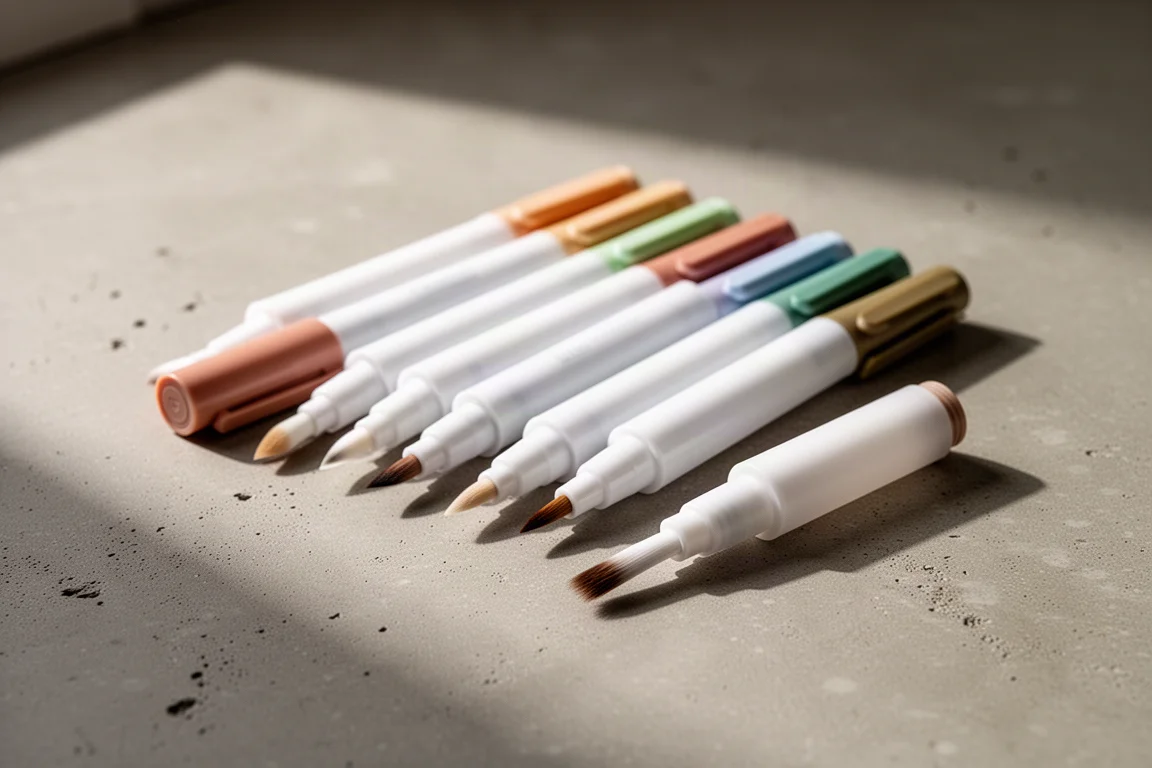
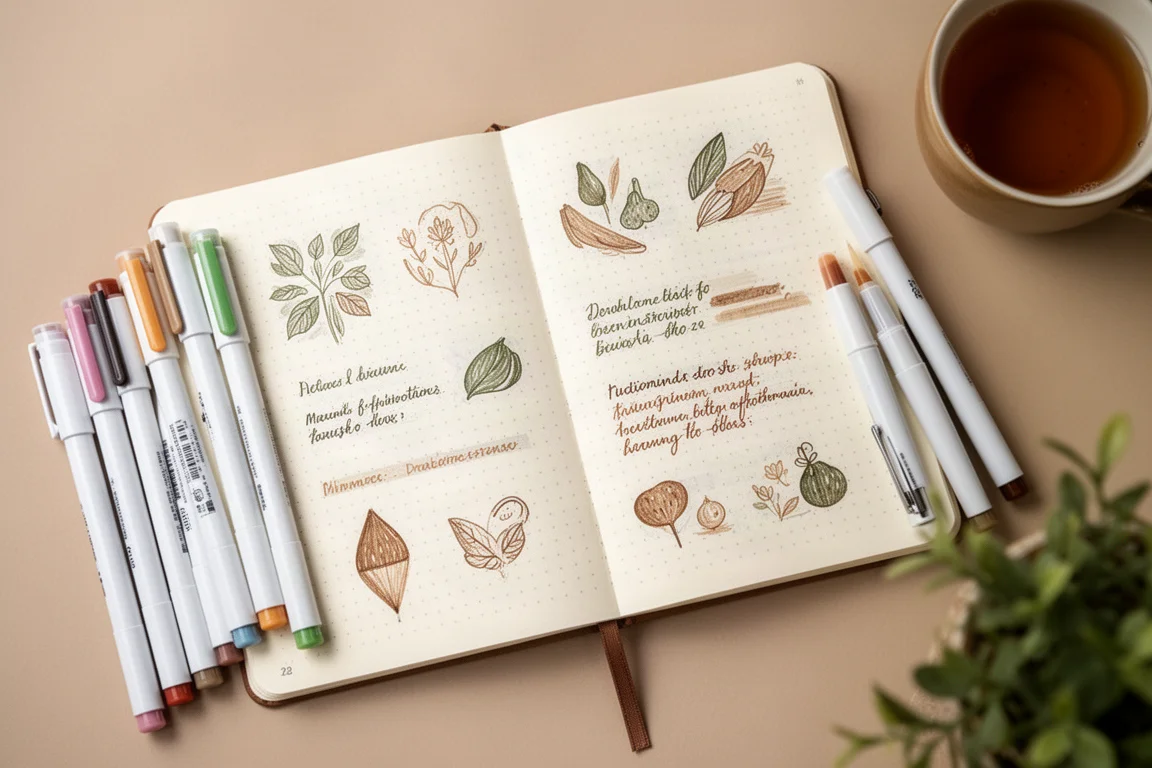
The pens use a white plastic body, and the caps for the brush end include a color indicator so you can tell which shade is which at a glance. The 20-pen set also includes small product stickers with the Japanese name for each shade, though the shade name does not appear to be printed on the packaging itself, and it is not certain that every set ships with these stickers. If shade names matter to your workflow, that is worth keeping in mind before purchasing.
Pricing is flexible. Individual pens sell for roughly $3 to $5 each, while the 20-pen set retails anywhere between $30 and $80 depending on the retailer. The 20-pack was purchased from Amazon for about $34, roughly half the price seen elsewhere, so it pays to compare sources before committing.
Nibs and Stroke Performance
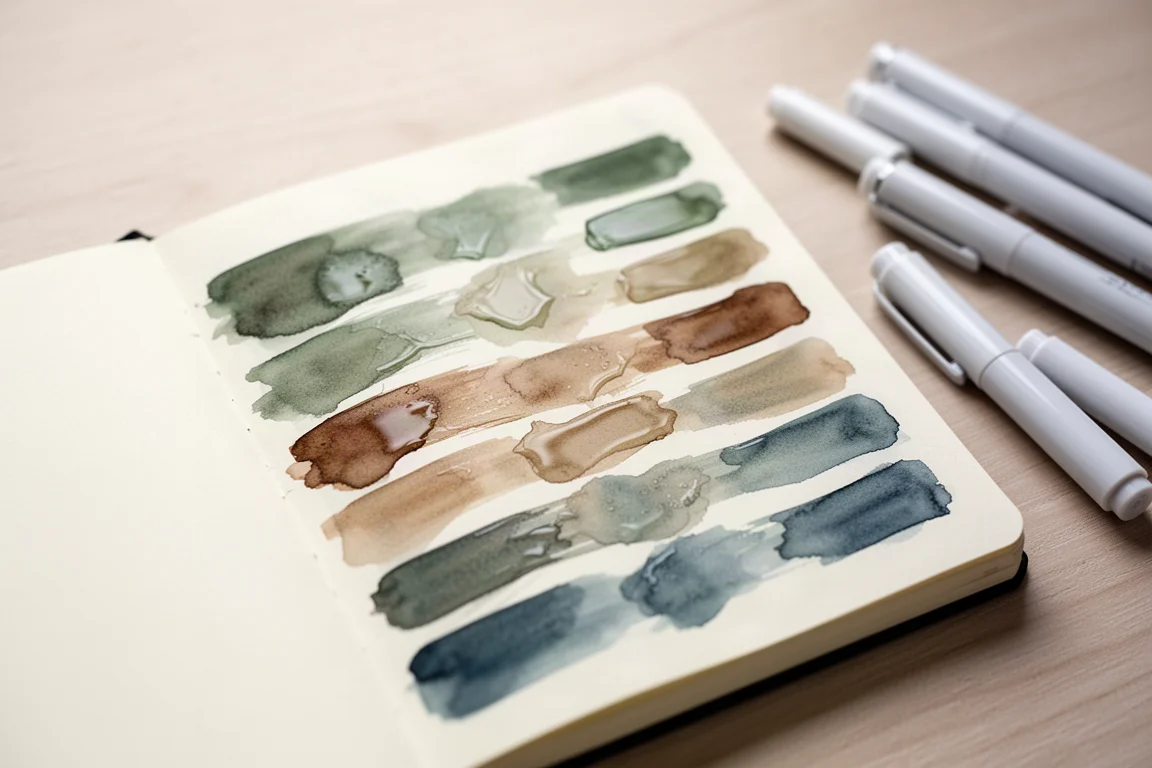
As the name suggests, each pen is dual-ended. The brush nib is made of flexible felt tip material and produces what most people would call medium-sized brush strokes. Compared to the more common Tombow Dual Brush Pens, the Sailor brush nibs are slightly smaller and shorter, which means these pens produce a slightly smaller written size than their Tombow counterparts.
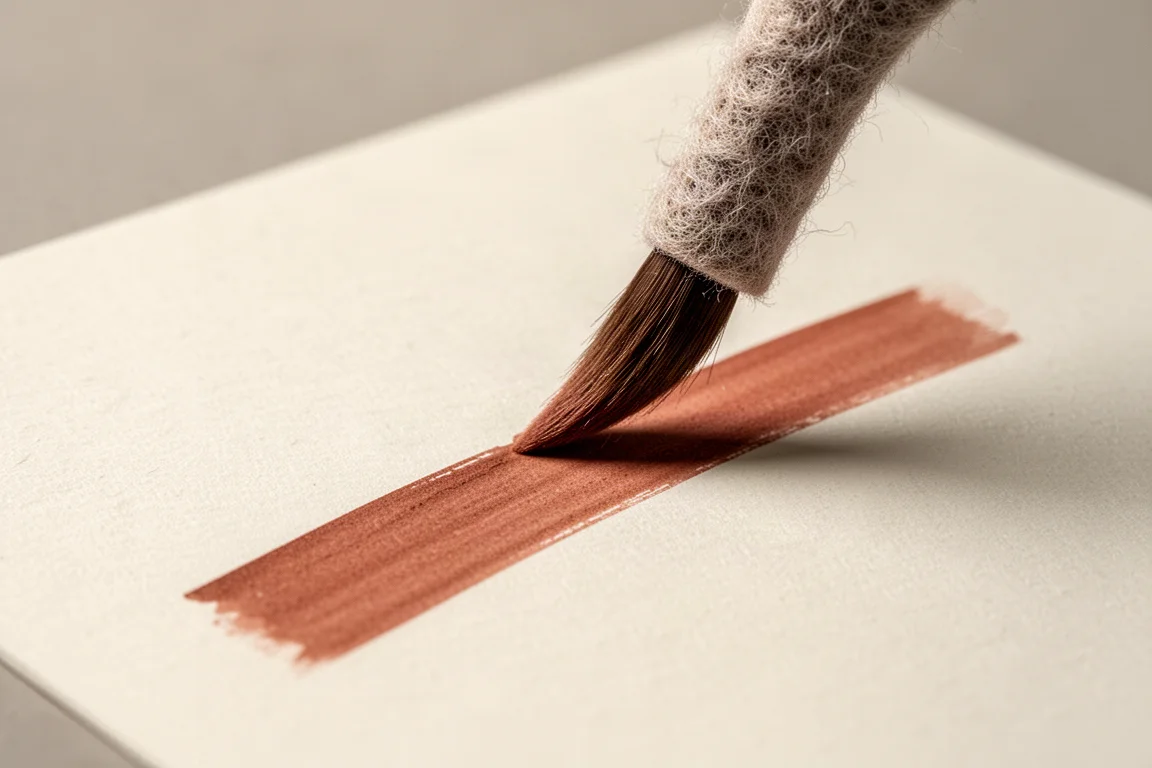
The fine point end uses a plastic nib that lays down a very thin line. This differs meaningfully from the Tombow bullet tip, which behaves more like a felt-tip marker and creates a slightly thicker line. If your lettering style leans toward finer detail work, the plastic nib gives you more precision than a marker-style bullet tip.
Ink Behavior and Paper Performance
The inks are dye-based and water-based, so on thick paper they behave well, and on watercolor paper they can be blended out with water much like watercolor paint. That opens up techniques beyond plain lettering, from soft gradients to watercolor-style washes.
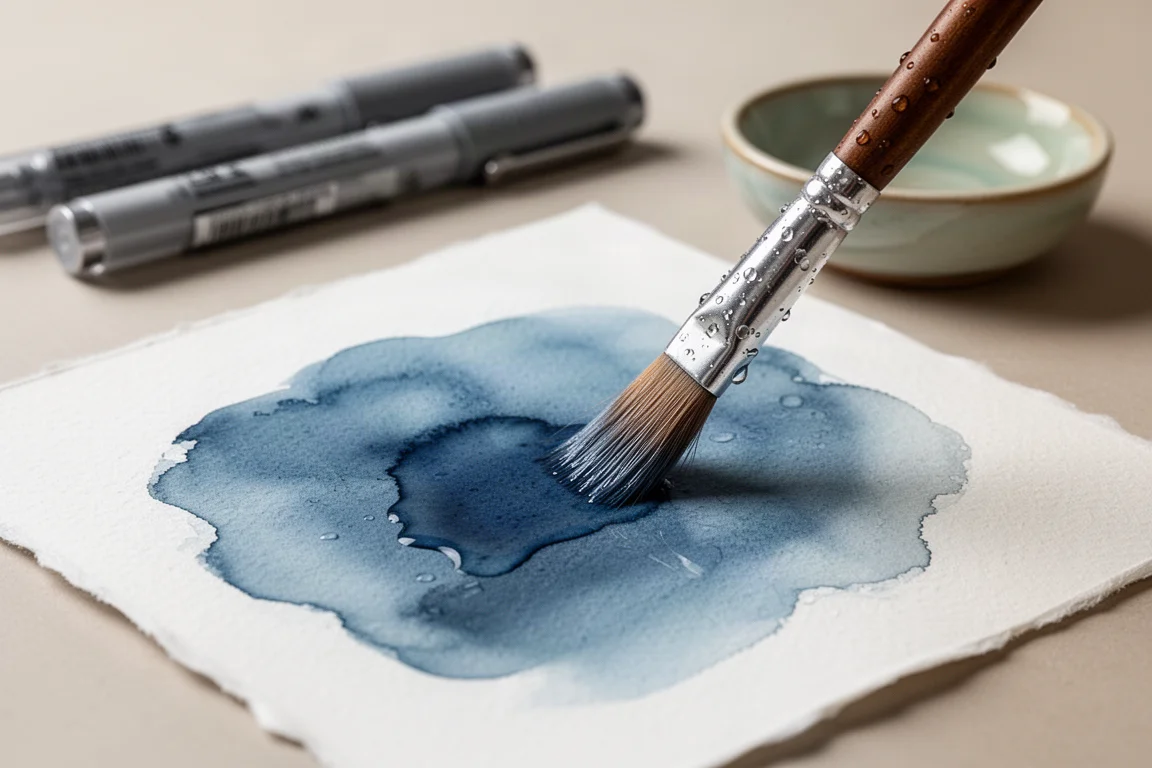
In swatch testing on B5 journals with thick 160 GSM paper, there was no feathering, bleedthrough, or ghosting. Thinner paper is a different story, and some bleedthrough may occur there, so paper choice matters if you plan to use both sides of a page.
Long-Term Durability Considerations
The honest caveat with these pens is longevity, not performance. The felt brush nib can be expected to wear down after significant use, which is typical of felt-based brush pens in general. The plastic fine nib is harder to predict, since it is less familiar territory for many users and its long-term behavior remains to be seen.
So far, several months of testing have turned up no cons. The color selection is gorgeous, the ink consistency is juicy, the shades are vibrant on the page, and the ink appears very evenly without pulling up in one area the way some water-based markers do. It would not be surprising to find these pens reaching for regular use in any journaling rotation.
Buying Advice
If the muted, earthy color range appeals to you and you want a high-quality brush pen that produces medium-sized brush strokes while doubling as a watercolor tool, these are easy to recommend. The main practical tip is price comparison: buying the 20-piece set from Amazon at around $34 instead of paying up to $80 elsewhere makes a substantial difference for the same product.
Conclusion
The Sailor Shikiori dual brush pens are an underrated option in a market dominated by a handful of familiar names. Two usable ends, a distinctive muted palette, even ink application, and watercolor-friendly ink make them a genuinely pleasant addition to any lettering or journaling kit. The only open question is long-term nib durability, and that is a reasonable trade-off given the overall experience.
Product link
View more details for Sailor Shikiori Dual Brush Pens
This product is mentioned in the review. Check the specifications, options, and compatibility before buying.
View more details for Sailor Shikiori Dual Brush PensFurther reading
Related Reviews
Stationery
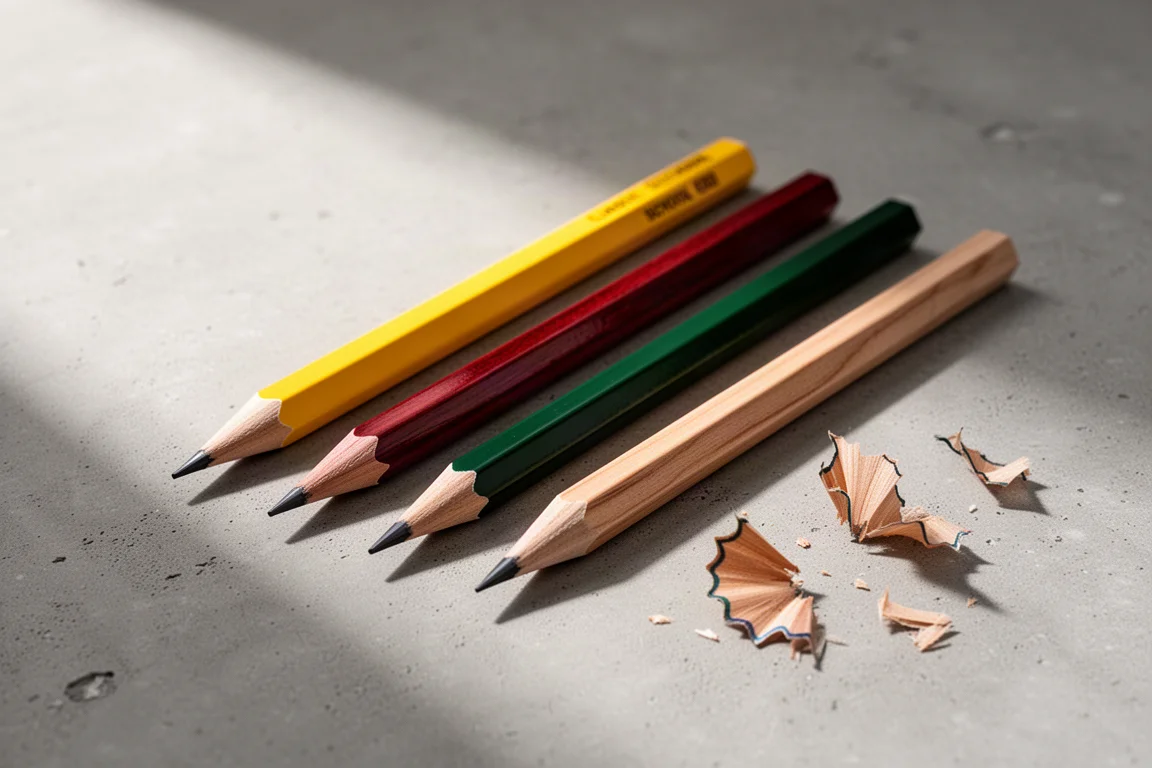
Musgrave Pencils Review: Four Classic Pencils from Tennessee's Last Pencil Factory
We put four Musgrave pencils to paper, from the classic Harvest to the Unigraph 1200 drawing pencil, to see what a century-old Tennessee workshop can still do.
Stationery
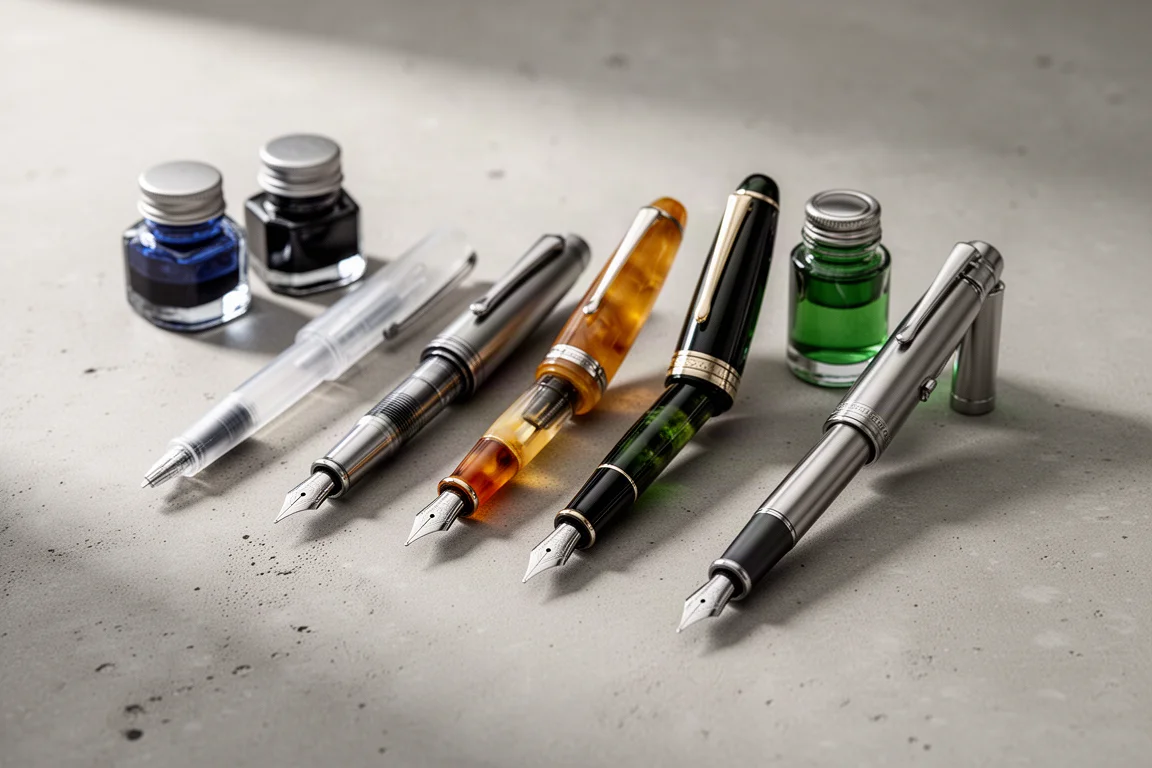
Fountain Pen Tiers Explained: From Starter Pens to Luxury Grails
A practical overview of the different levels of fountain pens and inks, from a sub-$20 starter setup to Italian piston fillers and retractable gold-nib everyday carries.
Stationery
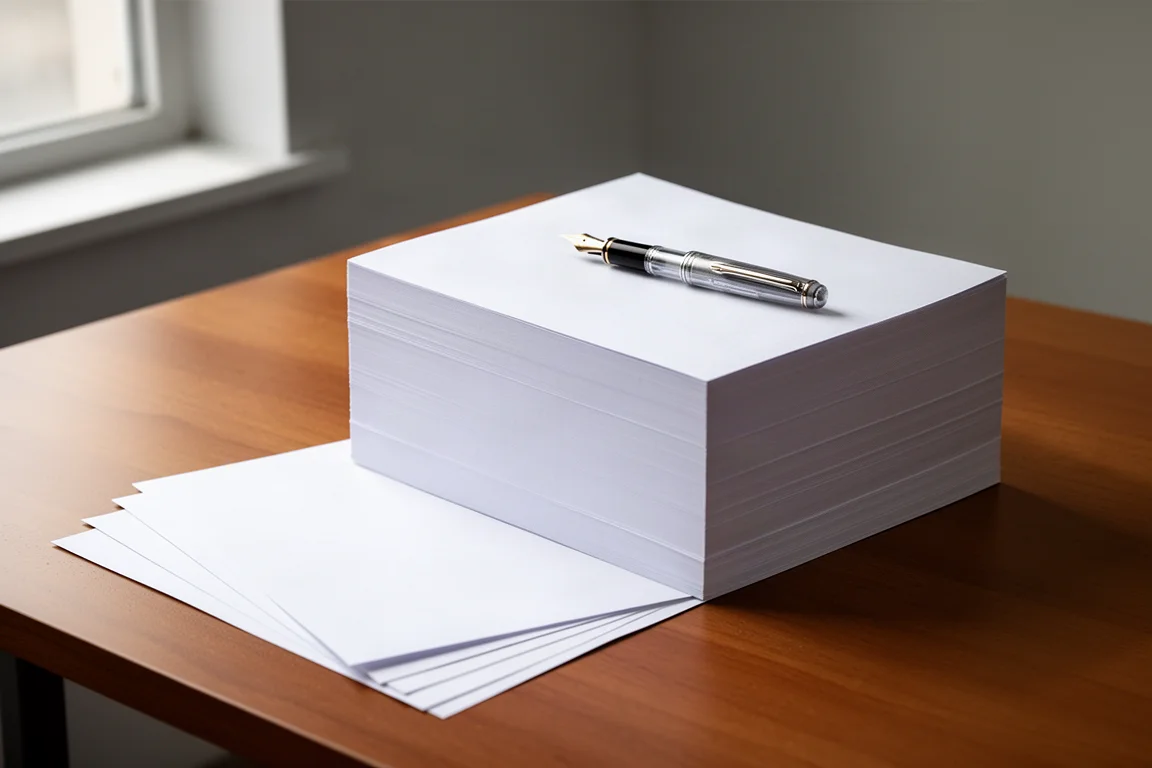
HP Premium 32 lb Copy Paper Review: A Fountain Pen Friendly Everyday Printer Paper
A heavy, smooth 120 GSM copy paper that handles fountain pens far better than standard printer stock, with only minor trade-offs in shading and sheen.