Overlanding & Recovery
SafeJack Bottle Jack Kit and Omega Lift 6-Ton Bottle Jack: A Serious Overlanding Recovery Setup
A closer look at the SafeJack bottle jack kit and the Omega Lift 6-ton jack behind it, and why two bottle jacks beat a hi-lift for most overlanding recovery work.
Introduction
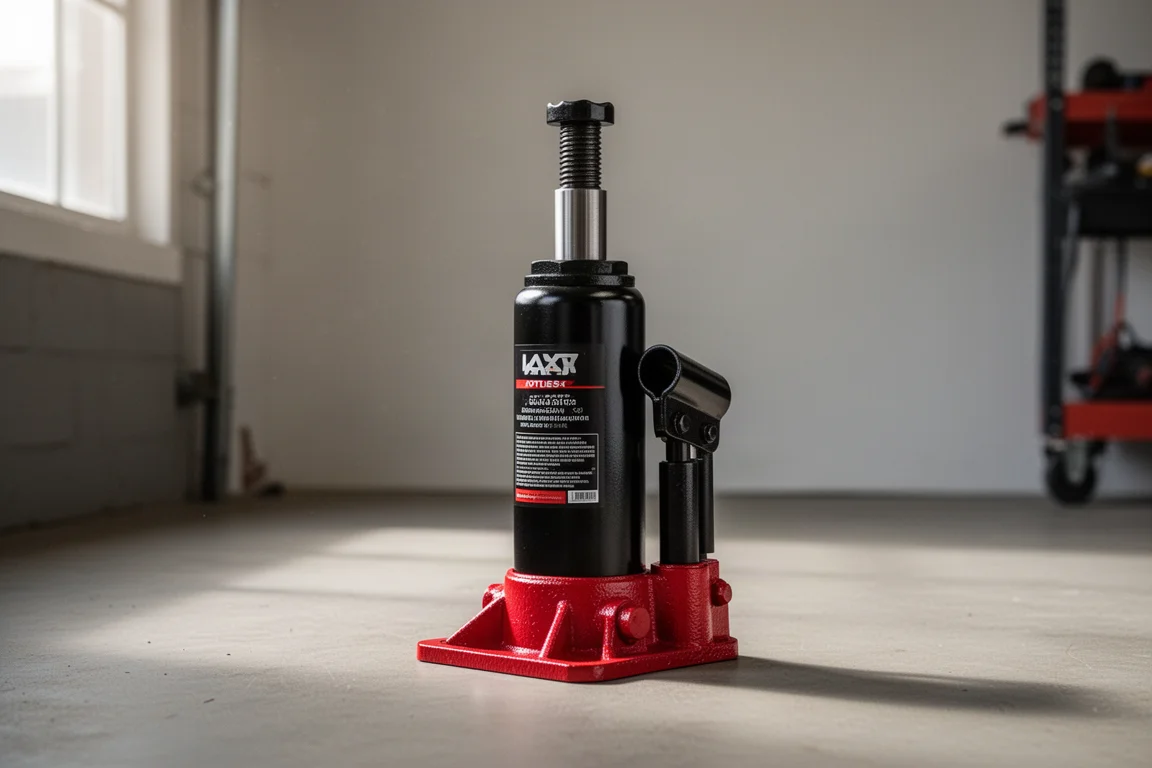
Most overlanding recovery conversations revolve around hi-lift jacks, scissor jacks, or whatever the factory gave you. There is a quieter case for something else entirely: a quality hydraulic bottle jack paired with purpose-built lifting accessories. This setup, sold as a SafeJack kit around the Omega Lift 6-ton bottle jack, typically costs over $400 new, and it is worth understanding what that money actually buys before deciding whether it fits your vehicle kit.
What Is in the SafeJack Kit
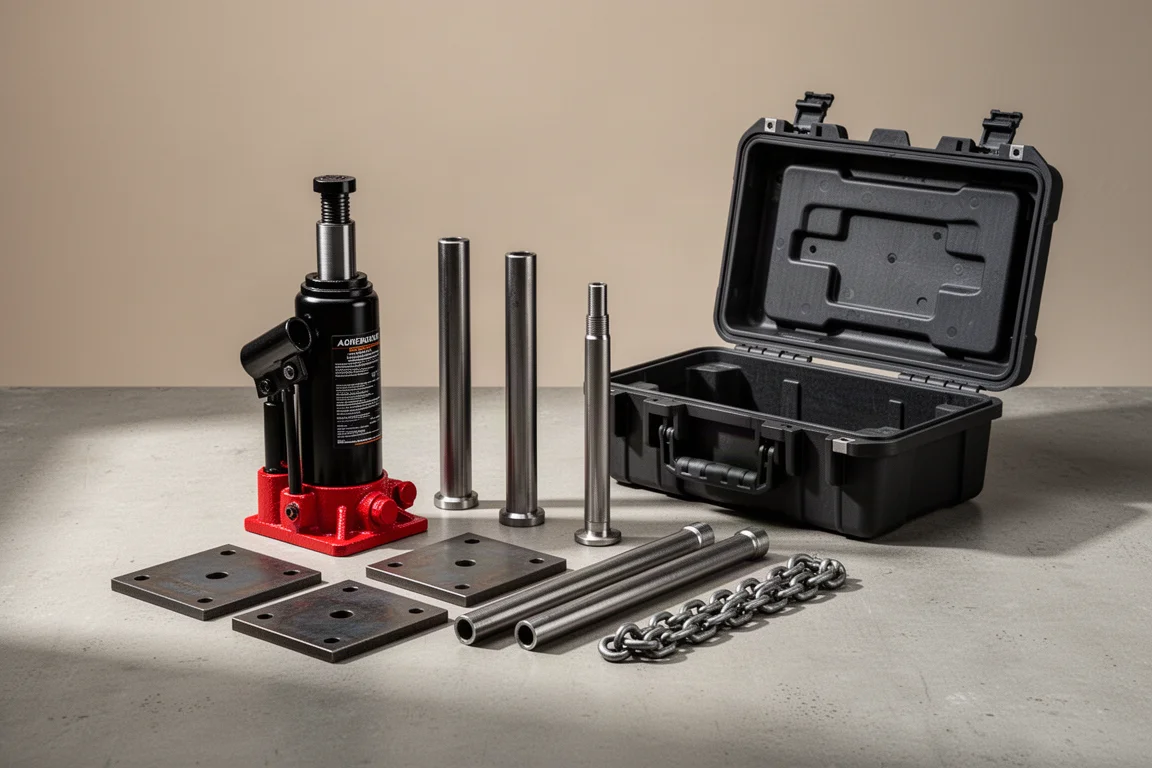
The price of a SafeJack kit is not for the jack itself. It is a set of gear. Inside the case you get instructions, a set of washers and threaded rods designed to bolt the jack onto a steel base plate, the plate itself, lifting plates, two extensions of different lengths, a jacking lever, a short extension that safely grabs another 6 inches or so, and a chain.
The steel plates are made in the USA and are built for raising a vehicle safely. One of the key plates drops onto the jack and grabs an axle or anything that fits down inside its trough. If you just want a flat lifting platform, there is a version for that too.
The Accessories Are the Real Value
Extensions matter more than they sound. Every jack has a point where you hit its maximum extension, and when that happens with a single jack you are stuck piling rocks or wood under the vehicle, dropping the jack, raising the base, and starting over.
The long extension changes that math. Drop it on at max height and you can begin lifting over a foot higher than the jack alone can manage. The short extension adds another safe 6 inches or so. Could you stack the two? Sure, but stacking is not the intended use, and stability should always come first.
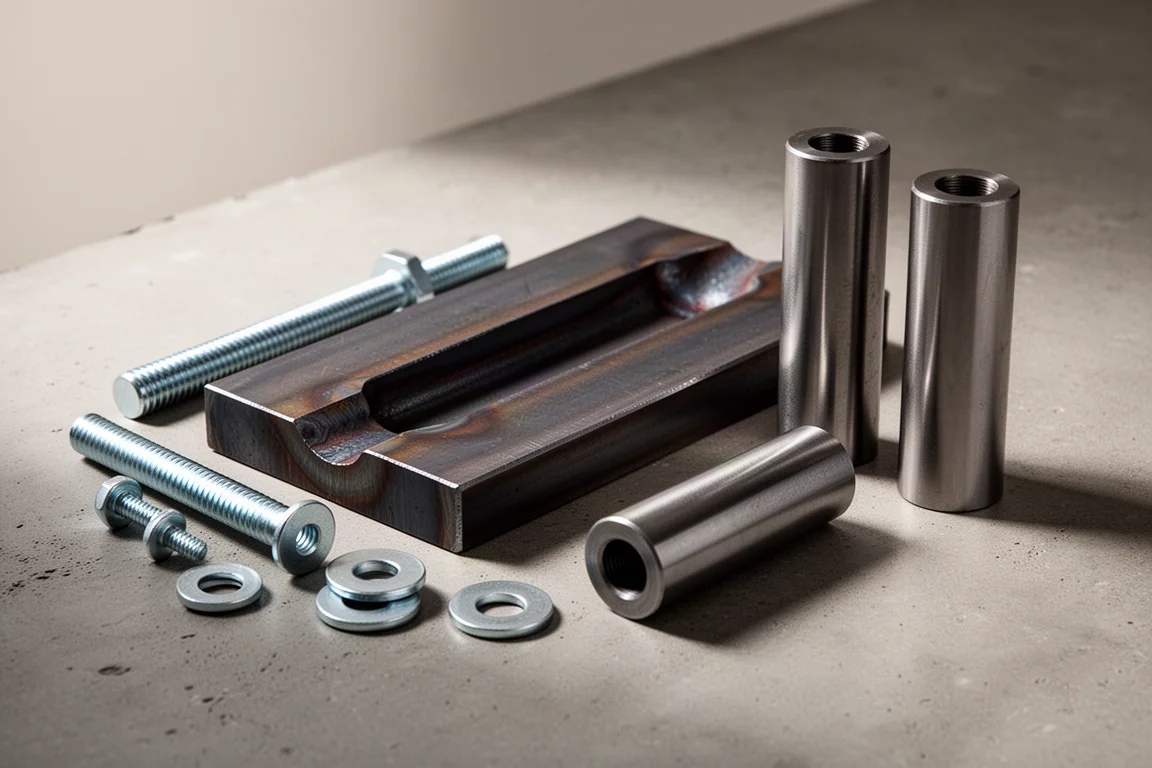
The kit is sold according to the size of the jack, and the jack inside this one is an Omega Lift 6-ton. SafeJack does not manufacture the jacks themselves; the Omega Lift units are rebranded. That is understandable, because the Omega Lift is a solid jack on its own. What you are paying extra for is accessories like the cradles and extensions, and those accessories have to safely fit on top of the jack. When you need this stuff, you really need it.
Why Two Bottle Jacks Beat One Hi-Lift
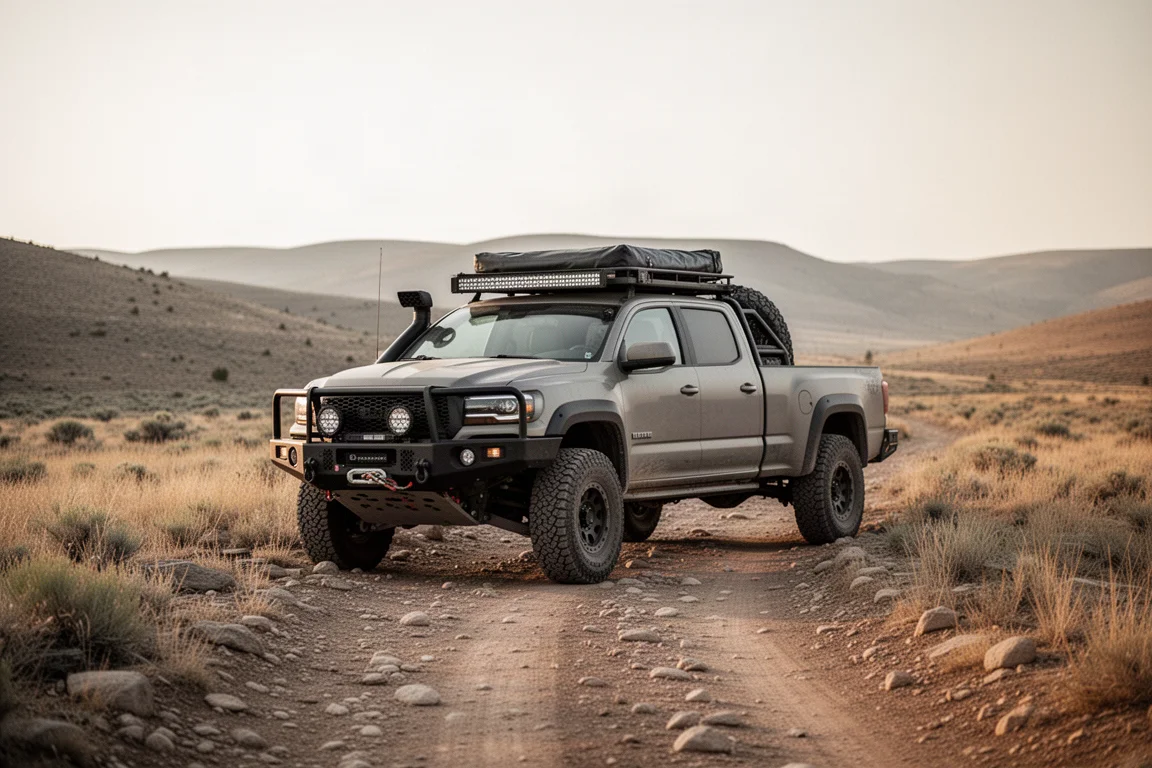
For overlanding, two bottle jacks with accessories are more useful than one hi-lift or any other kind of scissor or hydraulic jack. With two jacks you can teeter-totter between them: raise one, shift the load, raise the other, and work your way out of a stuck situation without rebuilding a crib base each time.
Obviously there are situations where a hi-lift is the only tool that will work. In practice you might run into that once in your life, unless you are knowingly heading into terrain that demands one and your vehicle can mount it in more than one or two spots. Hi-lifts also have a real downside: they can be more dangerous than the situation you are dealing with, and people have been hurt using them.
There is one trick the hi-lift wins at: you can jack things up and shove the whole jack and vehicle over sideways to move it onto a different platform. You cannot do that with bottle jacks, and bottle jacks usually have a lower lifting point. You get creative when you need to, but it is worth knowing the limitation. Larger floor-style jacks, even well-regarded ones, often simply will not fit under a lifted vehicle or work sideways in soft terrain. They are too big and too heavy for the job.
Is Six Tons Enough
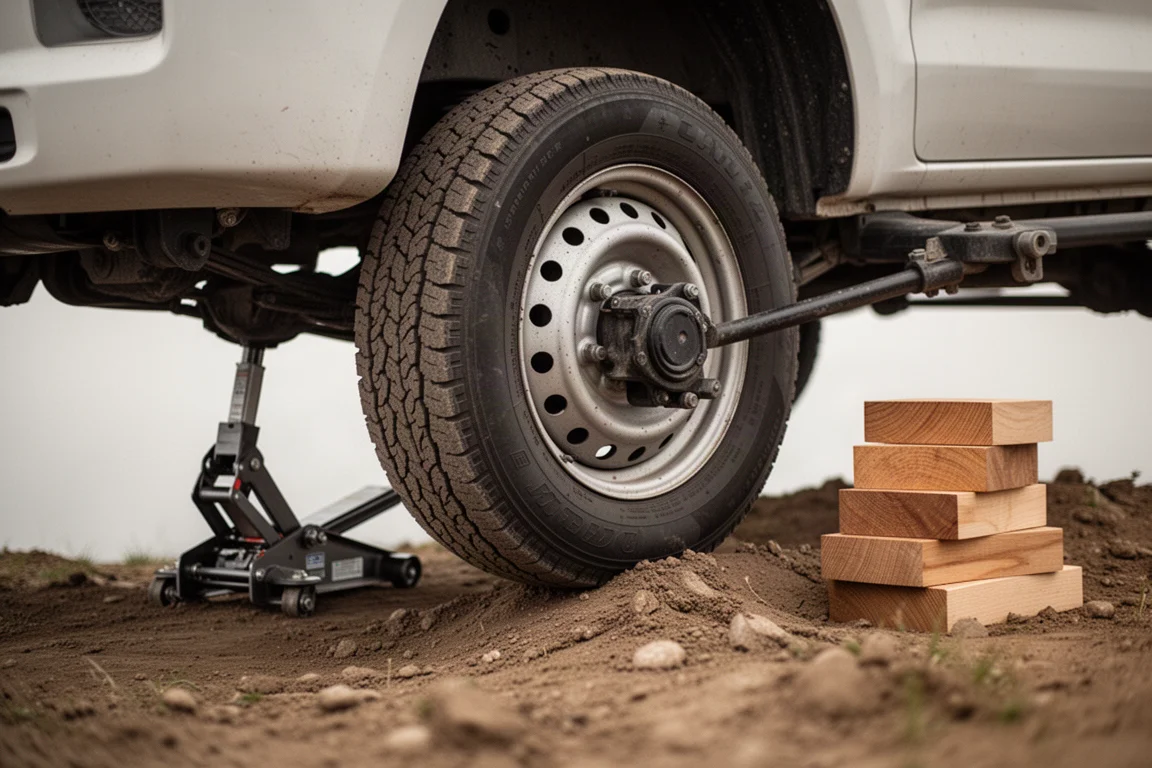
The 6-ton rating is plenty for what most people actually do with a recovery jack. You are never lifting more than half a vehicle at a time; typically a quarter, a third, or half of it. A 6-ton bottle jack could lift an entire lighter vehicle without a camper, but that is not how you use it in the field. You lift enough to get a wheel clear, get traction or a repair done, and move on.
Buying Advice
If you spot a SafeJack kit secondhand, look it up online first and confirm which jack size it is built around and what condition the accessories are in. New, the full kit runs over $400, and a second jack pushes that higher. The smarter route for some buyers is an Omega Lift bottle jack on its own plus the specific SafeJack accessories you actually need, rather than the complete set. Either way, the core philosophy holds: a quality bottle jack with the right plates and extensions covers the overwhelming majority of overlanding recovery situations, and a second jack makes the system genuinely versatile.
Conclusion
A bottle jack is not glamorous, but paired with well-made steel lifting plates and extensions it is arguably the most practical recovery setup for overlanding. The SafeJack kit is expensive because of the accessories, and the Omega Lift 6-ton jack underneath it is a solid, dependable base. If you spend real time off pavement, two bottle jacks with a good accessory kit will serve you better than a hi-lift that spends most of its life bolted to the roof, unused.
Product link
View more details for SafeJack Bottle Jack Kit
This product is mentioned in the review. Check the specifications, options, and compatibility before buying.
View more details for SafeJack Bottle Jack KitFurther reading
Related Reviews
Camping Tarps
Aqua Quest Defender vs Safari 20x13: Which Large Tarp Fits Your Setup?
A side-by-side look at Aqua Quest's two 20 ft by 13 ft tarps: the 9.2 lb, 20,000 mm Defender and the 4.5 lb, 5,000 mm Safari, plus sizing, setup, and warranty details worth knowing.
Overlanding Gear
Best Overland Camp Gear 2026: Six Essentials for Remote Basecamps
Six pieces of overland camp gear that turn a remote site into a comfortable basecamp, with honest notes on what each one asks of you.
Camping Gear
9 Camping Gadgets and Gear Picks Worth Considering for 2026
A practical roundup of camping gadgets and gear, from a tiny high-RPM fan to a portable propane fire pit, with the real strengths and trade-offs of each.