Overlanding Gear
Best Overland Camp Gear 2026: Six Essentials for Remote Basecamps
Six pieces of overland camp gear that turn a remote site into a comfortable basecamp, with honest notes on what each one asks of you.
Introduction
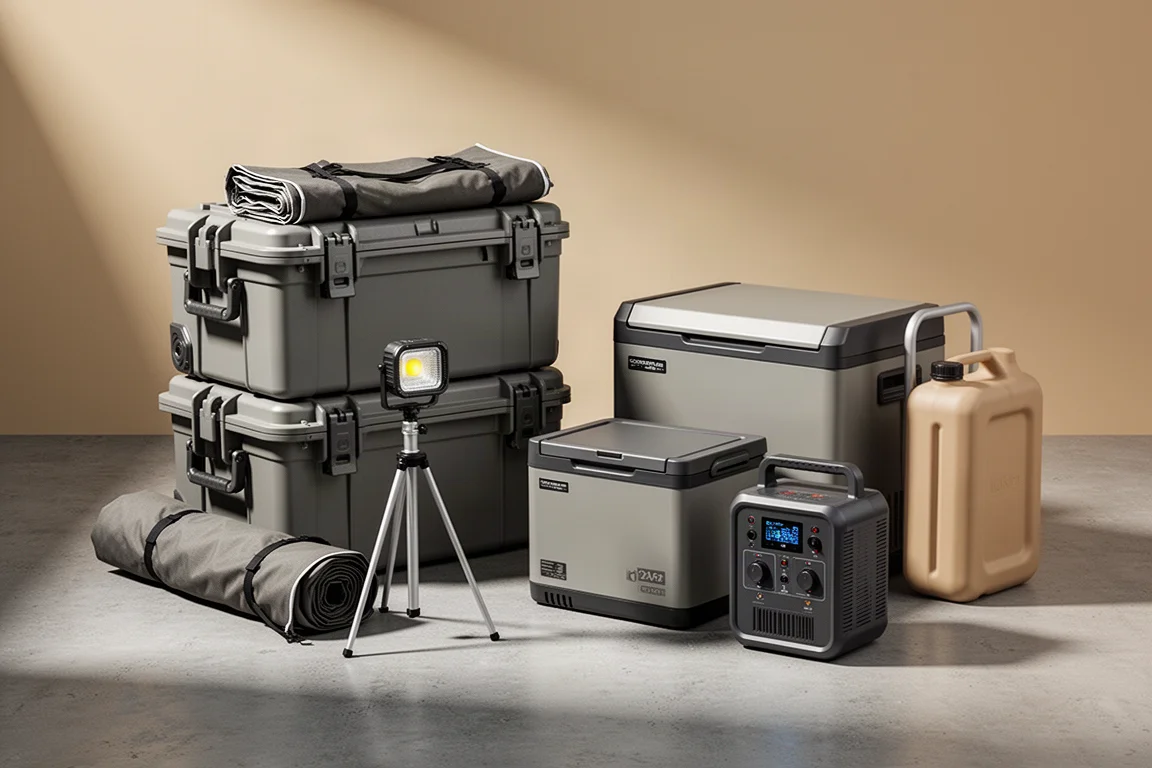
We were days from the nearest town, camped on ground no RV or camper would ever reach. And we were living well: cold drinks, real light after dark, and running water at a sink. That kind of camp does not happen by accident. It comes from a handful of decisions about how you store, shade, cool, power, and supply a basecamp.
This list covers the gear that made it work, with an honest look at what each piece does well and what it asks of you in return.
What a Serious Basecamp Setup Needs
Remote camping rewards gear that works on its own. Anything that only functions while attached to the vehicle, or that depends on a resupply run, turns into a liability once you are far enough out. Each item below solves one specific problem, and each one holds up when the road turns rough.
Three practical filters shaped the list. Storage has to stay organized on day four, not just day one. Anything that produces shade, light, cold, or water has to set up fast enough that you actually use it. And when you are running off a battery for days, power consumption matters more than peak output.
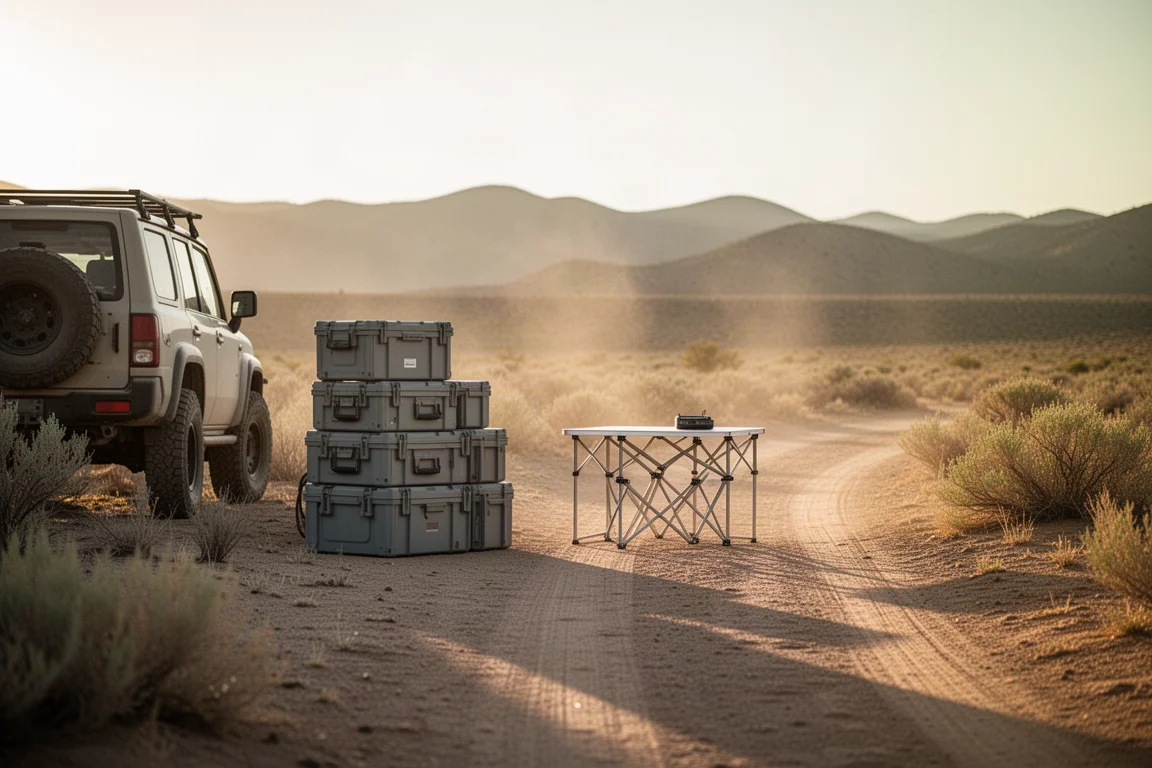
None of this is the cheapest way to camp. It is a setup that removes most of the small frustrations that make long trips tiring.
Front Runner Outfitters Wolf Pack Cases: Storage That Stays Organized
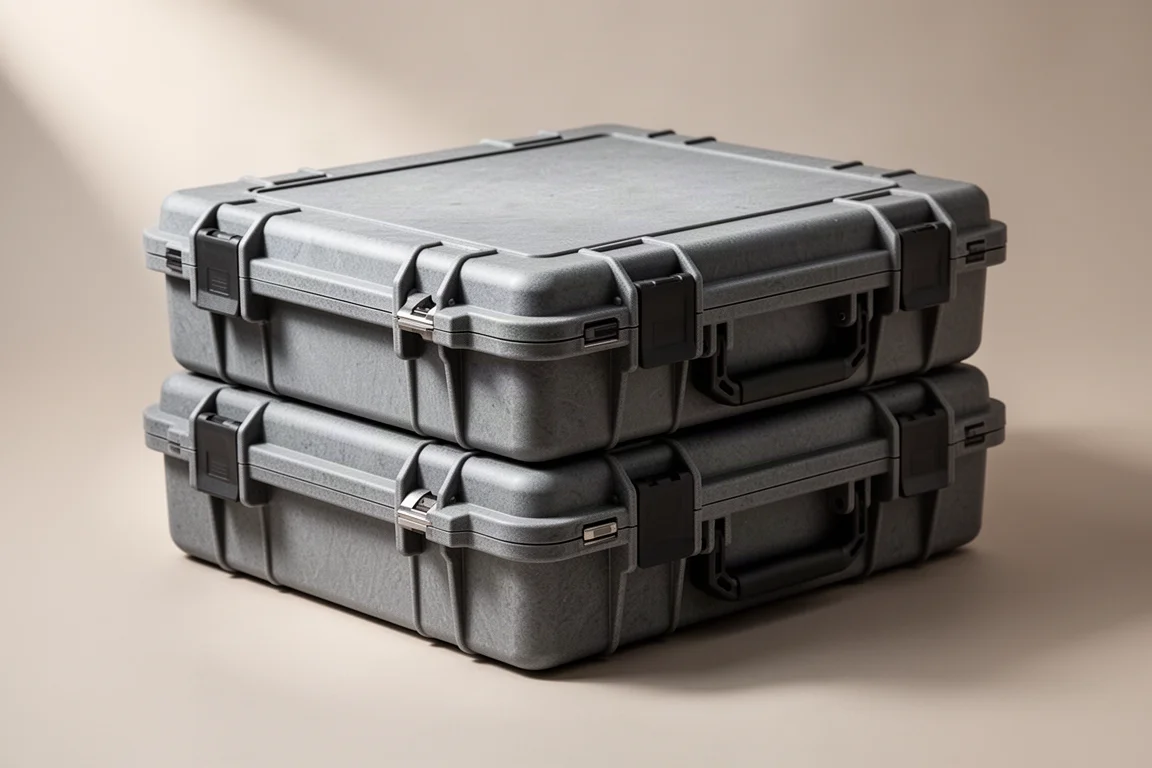
The old approach to car camping was simple: pile everything into the back and hope for the best. Once something came out, it rarely went back to the same place. The Wolf Pack cases from Front Runner Outfitters replace that with an actual system.
The cases are modular and stackable, and they fit three tall and two deep in the back of a 4Runner. Stacked that way, they stay stable through serious bumps and rocking on backcountry roads. At camp, the same stack becomes a cabinet. Build it to working height and you can reach your gear without digging through a bin.
Older versions use plastic clips, and newer ones use beefier metal clips at a slightly higher price. Either way, the organization gain is large enough to justify the spend.
Yakima Major Shady: 270 Degrees of Shade in Seconds
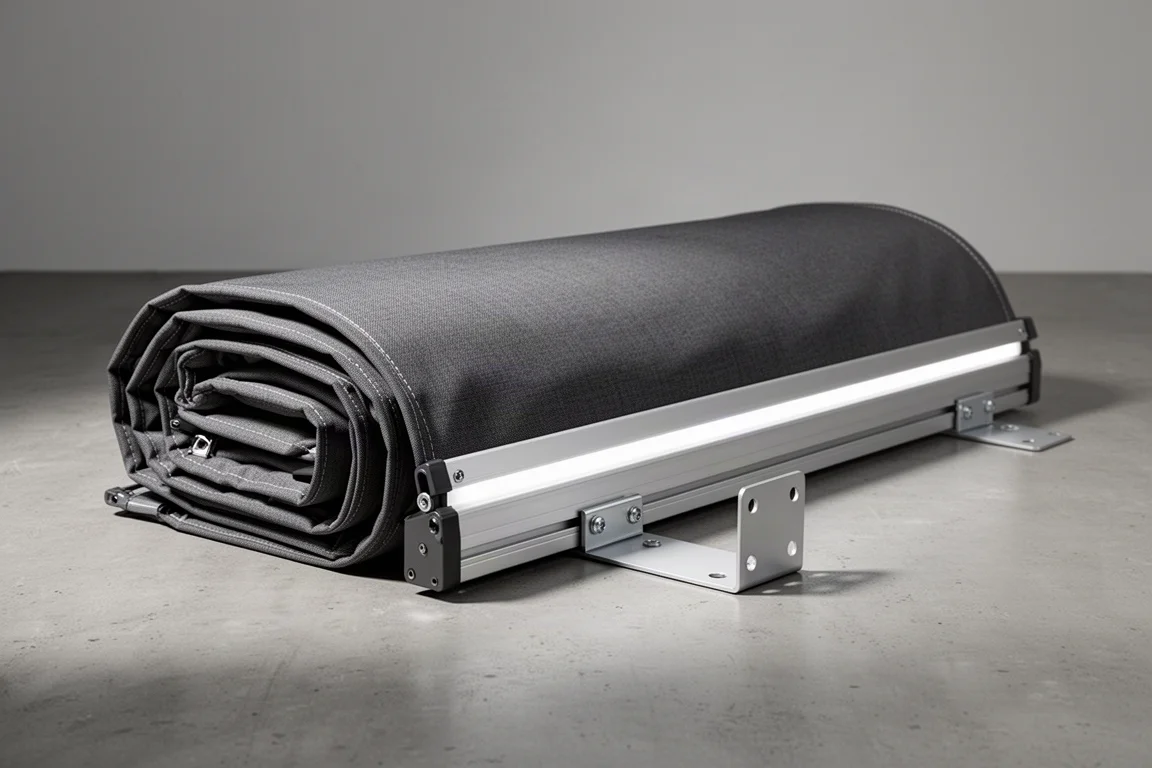
Vehicle-mounted awnings have a reputation problem. Anything that cannot stand on its own feels like an inconvenience waiting to happen. The Major Shady is the exception.
On an afternoon that climbed to around 85 F with relentless sun, a 270 degree awning was the difference between sitting outside and hiding inside. Setup is quick enough that you unzip, deploy, and have shade within seconds of pulling into camp. That speed is the whole point, because shade you avoid deploying is shade you never get.
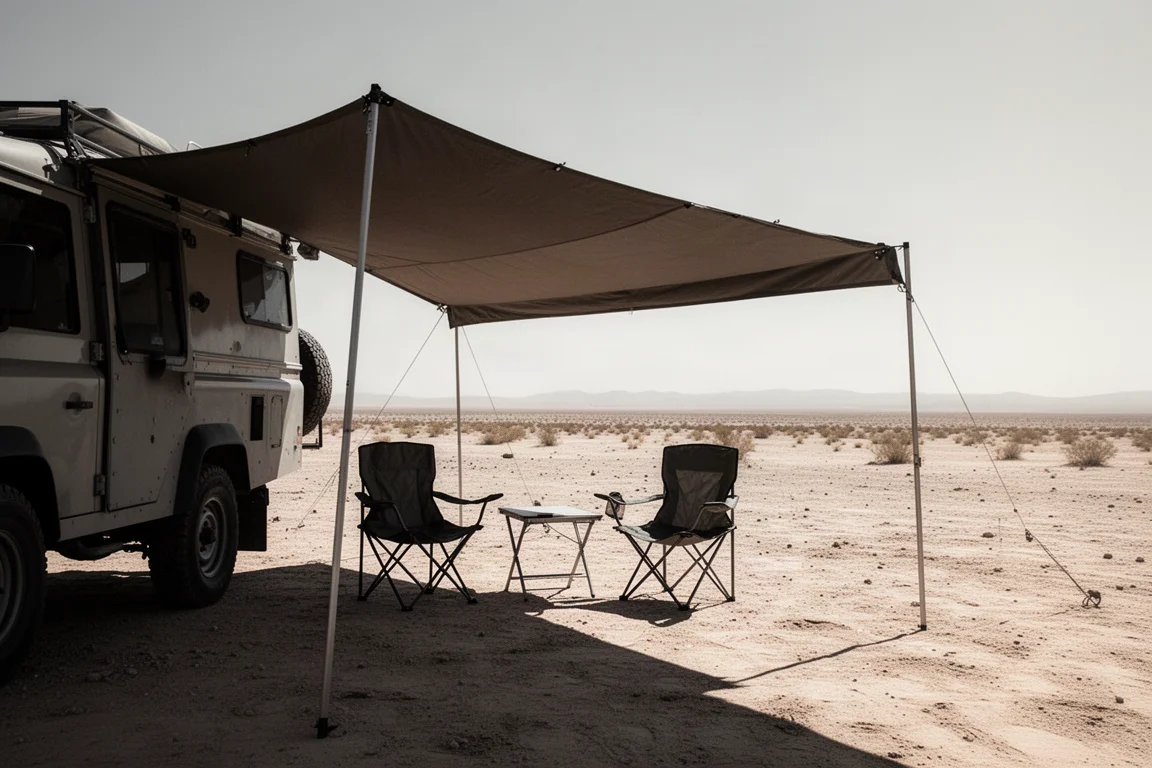
The trade-offs are worth knowing before you buy. It takes up a lot of roof rack space, it will not work on vehicles without a T-track roof system, and it stays with the vehicle. Camp a few dozen feet from the car and it offers nothing at all.
Goal Zero Skylight: Turning a Campsite Into a Lit Room
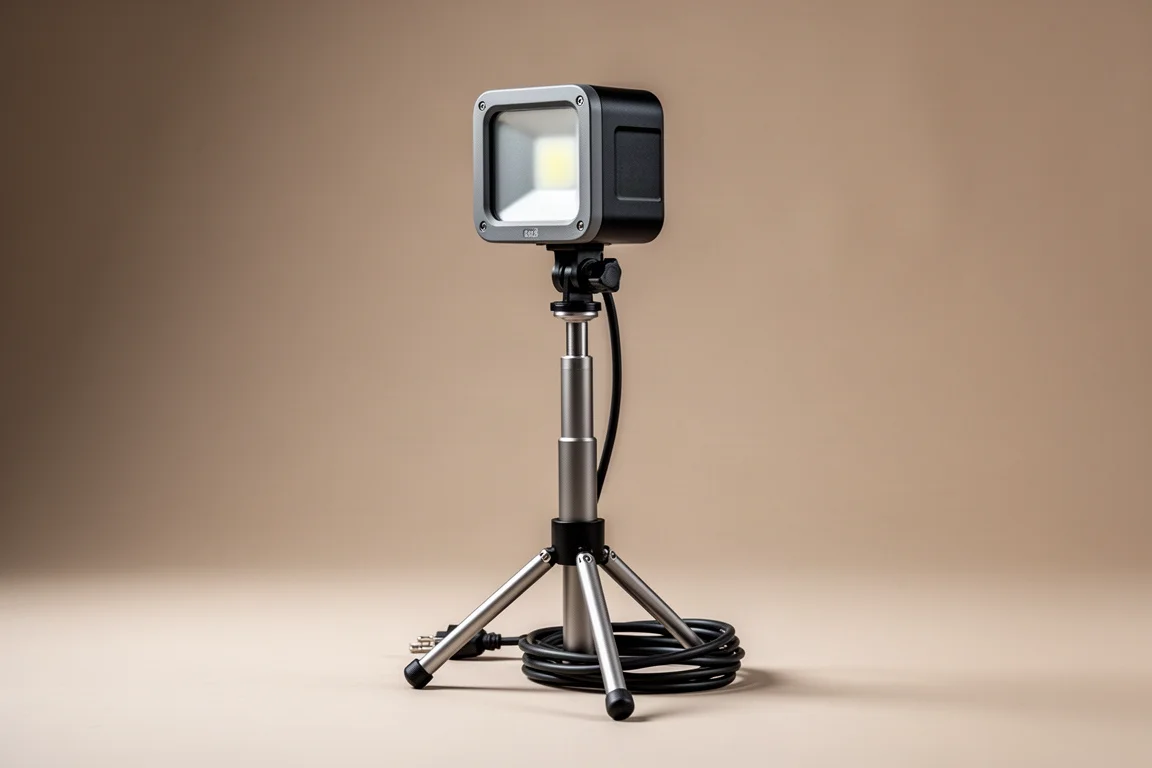
Of everything here, the Skylight was the biggest surprise. A light sounds unremarkable until you are somewhere genuinely dark and the evening ends early.
Mounted on a 12 foot tripod, the Skylight casts light across a very large area. The manufacturer claims coverage up to 300 feet. Treat that as a claim rather than a measurement, but the practical result is a campsite lit well enough to cook, read, or sort gear after dark.
Runtime depends on how you run it. On the small internal battery, expect up to 8 hours at the lowest setting and about 1 hour at the highest. Plugged into a power station, that stretches to roughly 125 hours on low and 8 hours on high. It is designed to be powered from a station, so treat it as part of a power plan rather than a standalone lantern.
Iceco APL 55: Refrigeration Without the Ice Runs
Extended trips usually fail at the cooler. Most coolers hold ice for three to four days before they need a resupply, which puts a hard limit on how far out you can go.
The Iceco APL 55 is a 12 volt fridge and freezer that removes that limit. Paired with a power station, it stays cold for days on end, and the thick insulated walls keep power draw low. Running the fridge from a station that recharges while you drive means the system tops itself up every time you move camp.
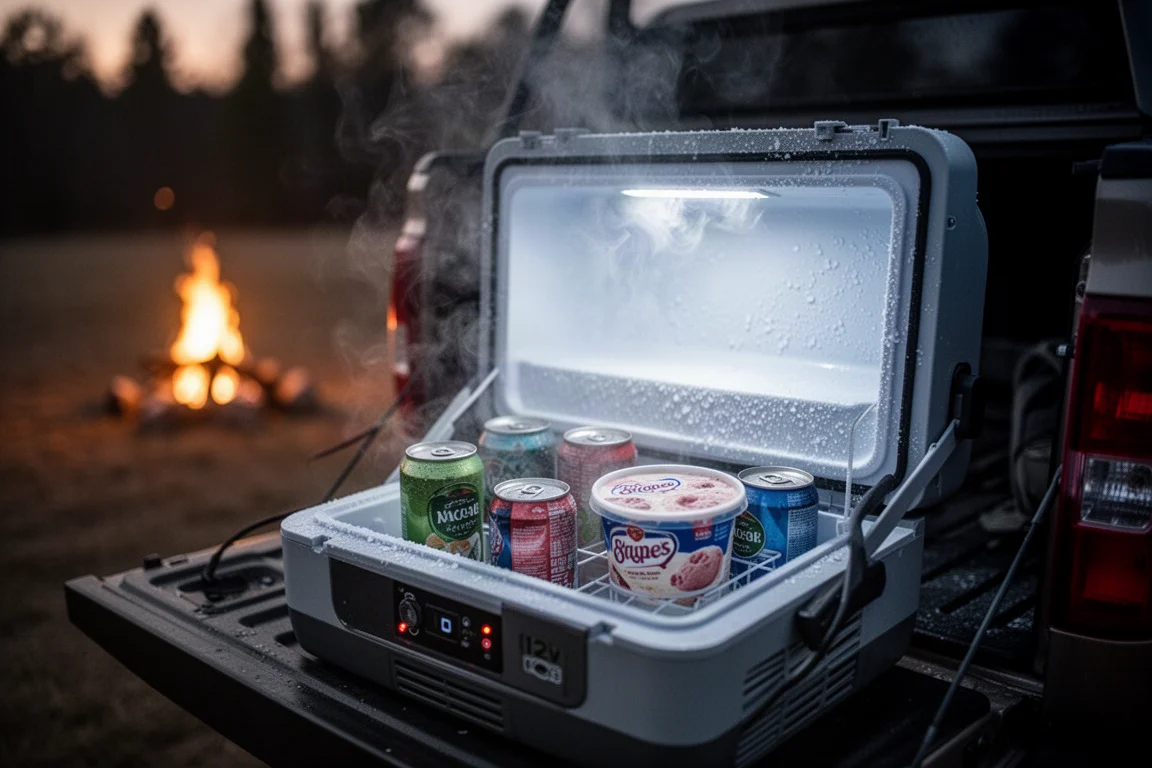
Flexibility is the other advantage. It is a dual zone unit, but the divider comes out, so you can run the whole box as a fridge or as a freezer depending on the trip. If power is ever lost for a stretch, the insulation lets it behave like a cooler in a pinch.
Goal Zero Yeti: The Power Hub That Makes the Rest Possible
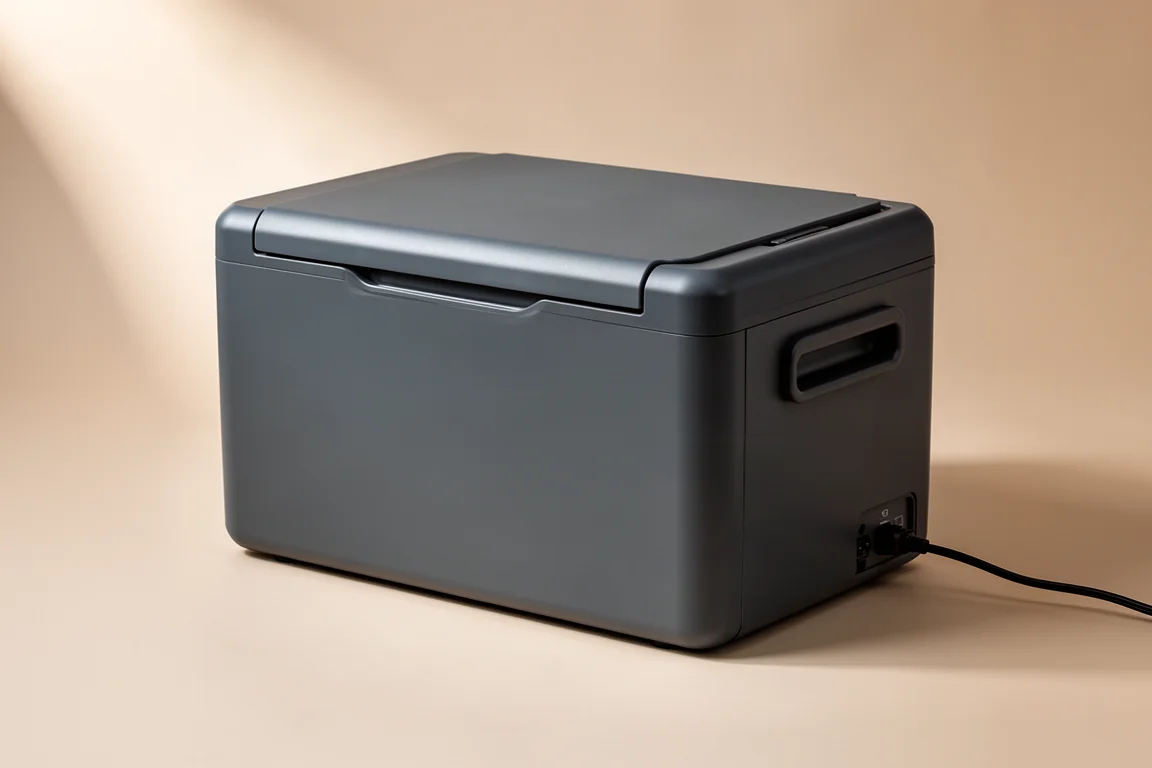
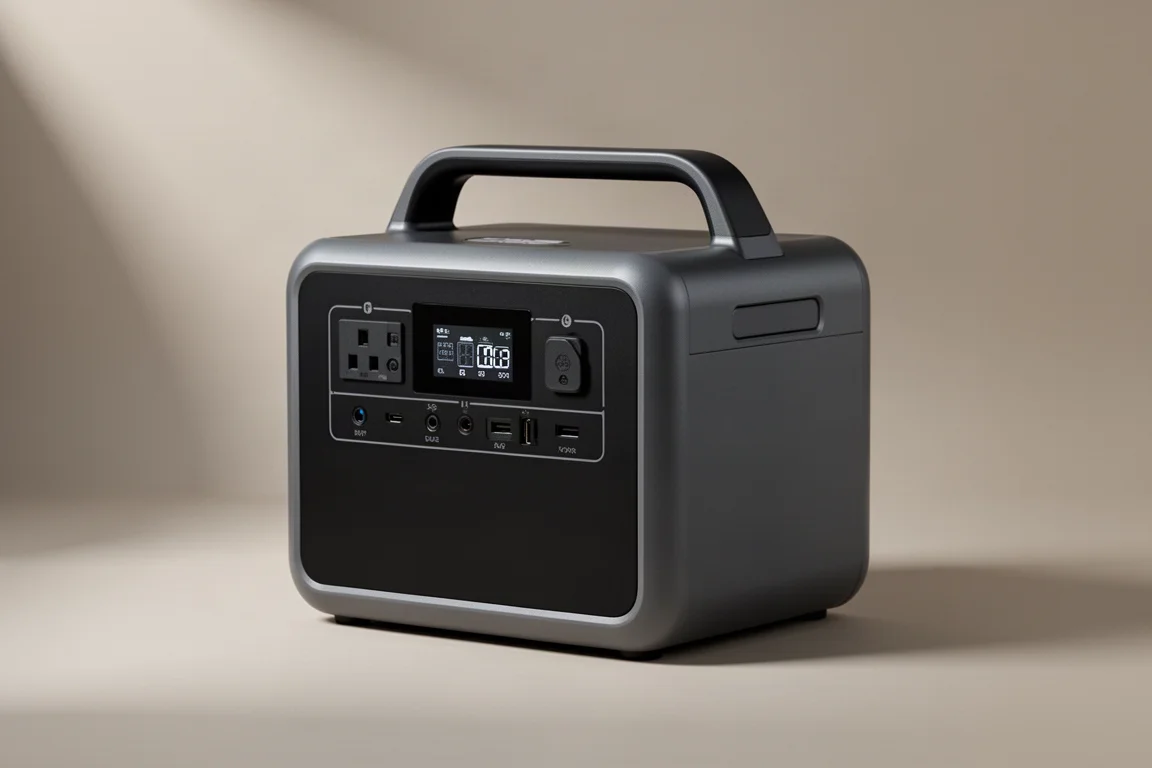
A 1,000 W power station is what turns the rest of this list into a working camp. The Yeti ran the Skylight after dark, kept phones charged, and powered a small projector for long winter evenings. The projector experiment did not go entirely to plan, though that was a playback limitation rather than a power problem.
What matters is that the station handled everything asked of it, and that it can recharge from the vehicle as you move between camps. Without a station in the middle, the lighting and cold storage here would not last more than a day.
Front Runner Outfitters 10-Gallon Footwell Water Tank and the DIY Sink
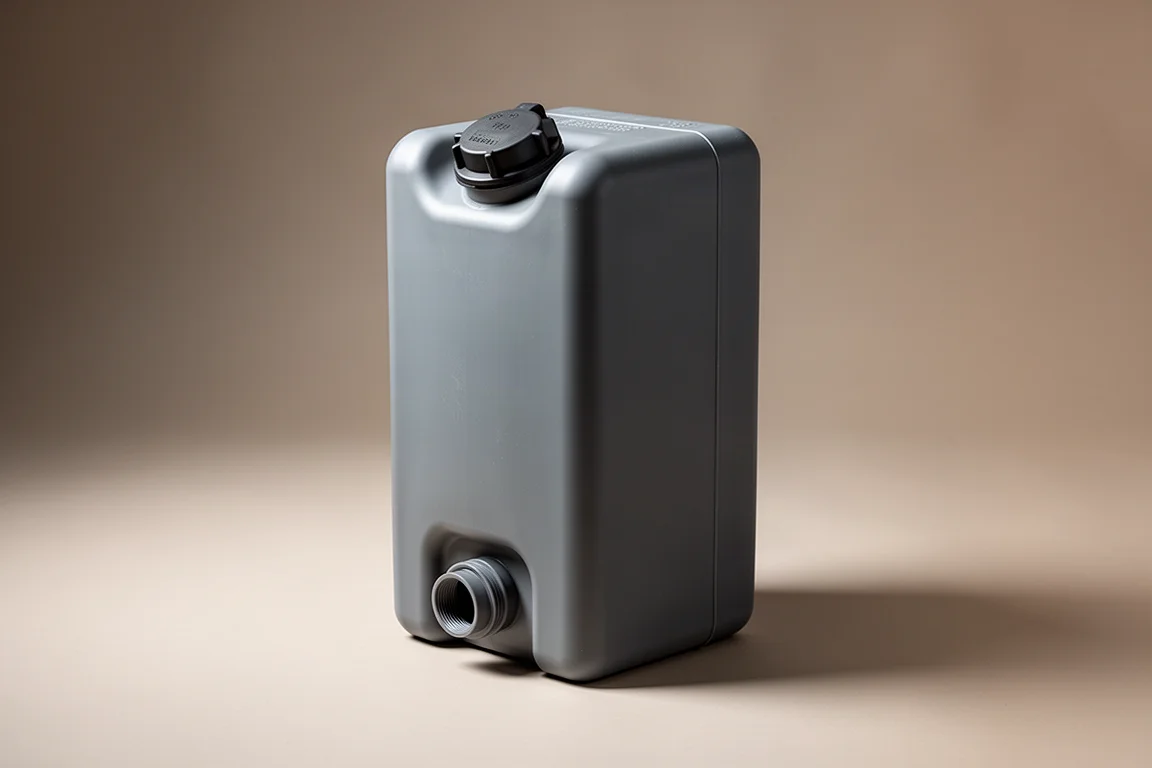
Running water at camp is a luxury until you have it, and then it is hard to give up. The 10 gallon footwell water tank from Front Runner Outfitters, the same company behind the Wolf Pack cases, is the supply side of that setup.
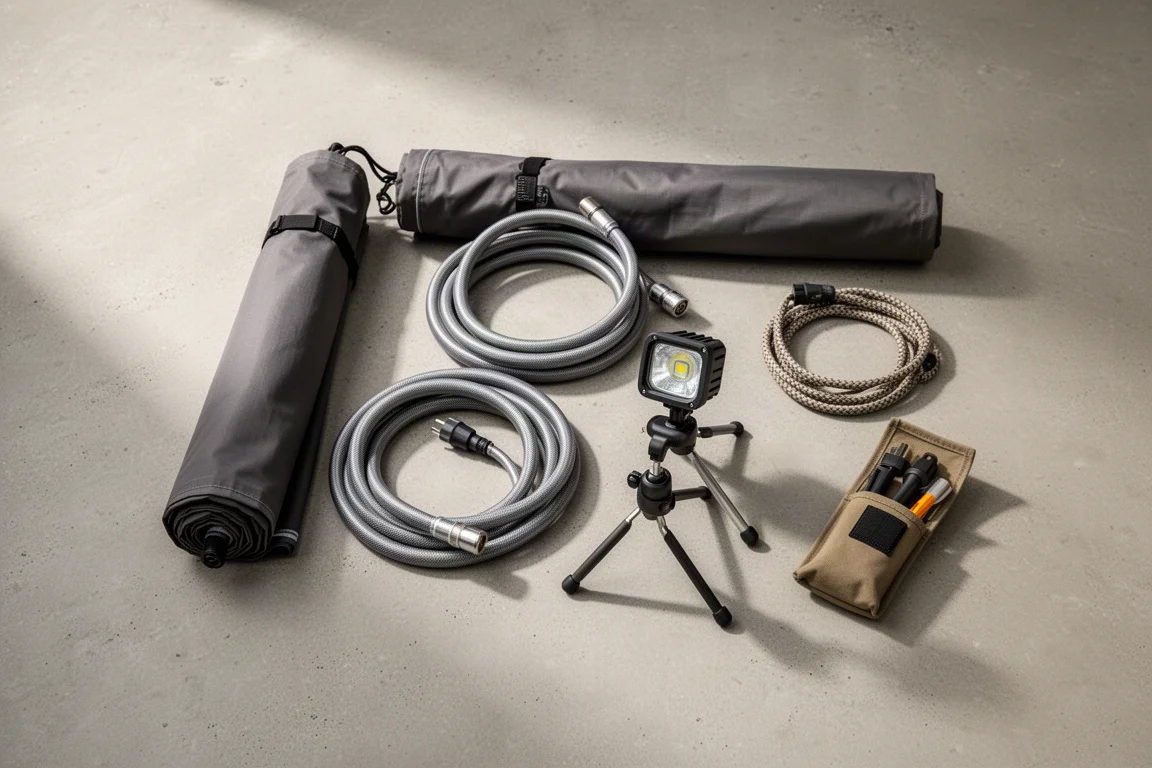
The chain is simple: the tank feeds a small on-demand pump installed in a toolbox, the pump plugs into the power station, and a hose carries water to a sink. Turn on the tap and the pump starts, delivering running water for washing hands, dishes, or anything else you need. Use biodegradable soap so nothing you would not want in the ground ends up there.
Overall Buying Advice
If you are building this kind of setup from scratch, start with storage and power. Storage comes first because it makes everything else usable, and power comes second because light and refrigeration both depend on it. Shade and water come next, and both are more situational.
Think about how you actually camp before you spend. If you camp at the vehicle in hot, exposed places, a large awning earns its roof space. If you hike or camp away from the car, that same awning will sit unused, and the money is better spent on light and refrigeration.
Buying in stages works well. Cases and a power station make the first trip noticeably easier, and the fridge, awning, and water tank can follow as your trips get longer. Match the gear to the trips you take rather than the trips you imagine.
Conclusion
Nothing here is essential in the strictest sense. You can camp with a cooler, a headlamp, and a jug of water. But if you want a basecamp that feels less like roughing it and more like living well far from anywhere, these six pieces do the heavy lifting: cases that keep gear organized, an awning that makes midday bearable, a light that turns night into usable hours, a fridge that ends the ice runs, a power station that ties it together, and a water tank that puts a working sink at camp.
Further reading
Related Reviews
Overlanding Gear
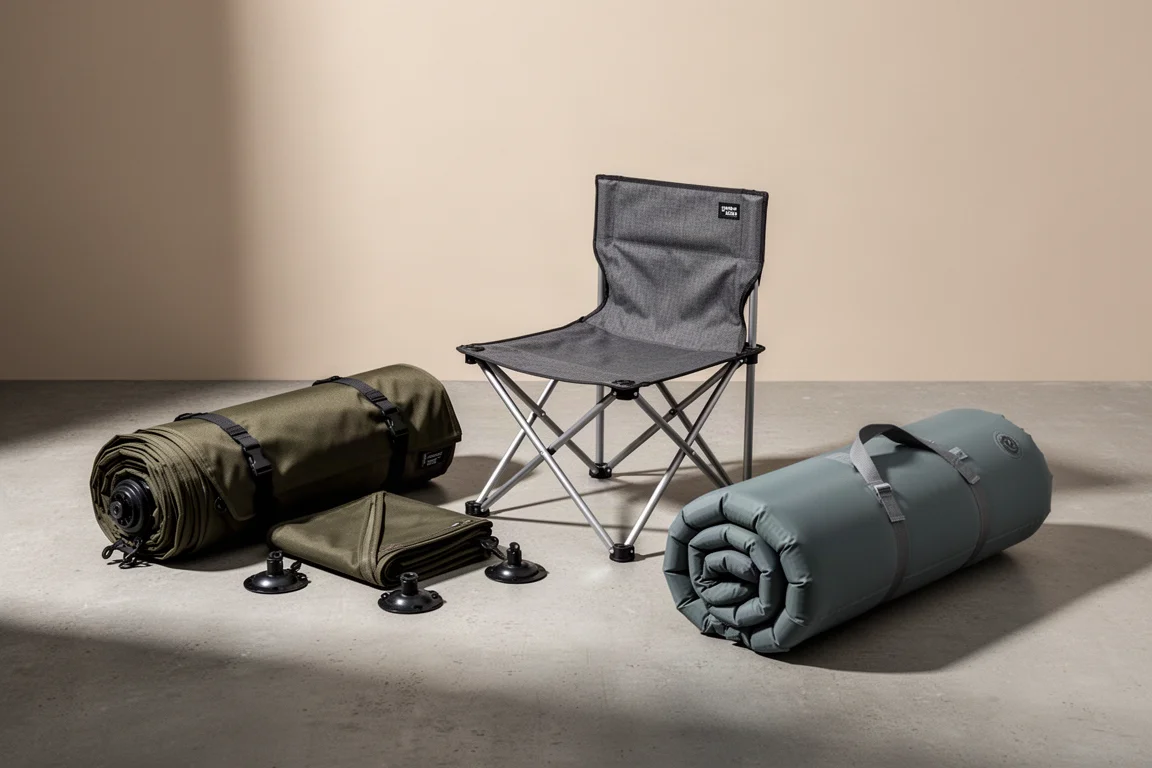
Best Overlanding Camp Gear 2026: MoonShade Awning, OneTigris Chair, and SkyMac Air Mattress
A practical look at three overlanding camp additions: a suction-cup vehicle awning, a redesigned folding chair, and an air mattress that fits the back of an SUV.

Backpacking Gear
Building a 10 lb Base Weight: An Ultralight Backpacking Gear List
A practical walkthrough of the ultralight pieces behind a 10 lb base weight, from a 765 g pack and a roomy one-person tent to a full camp chair and a dependable water filter.

Road Bikes
10 New Road Bikes Worth Watching: Aero, Titanium, Steel and Endurance Standouts
A practical roundup of 10 new road bikes, from aero flagships chasing single-watt gains to titanium, steel and endurance platforms built for real roads.