Road Bikes
S-Works Tarmac SL8 vs Seeka Spear RDC: Stock Benchmark or Custom Build?
A proven race-ready package and a direct-to-consumer custom build compared side by side, with the real strengths, quirks and costs of each route to a fast road bike.
Introduction
There are two routes to a fast road bike. One is to walk into a shop and buy the machine that has quietly set the benchmark for the past few years. The other is to spend months hunting down parts and assemble something that nobody else on the Sunday ride owns.
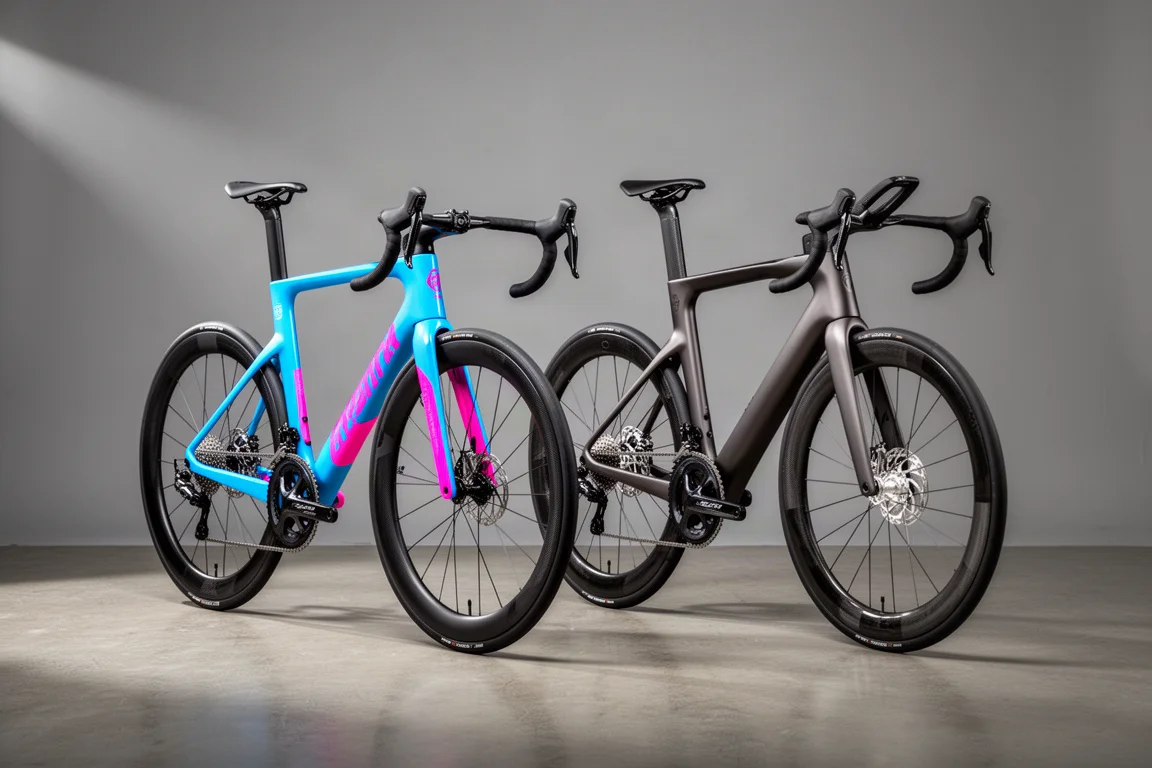
This article looks at both ends of that spectrum. On one side sits the Specialized S-Works Tarmac SL8, the bike that has become the reference point for road race performance. On the other sits the Seeka Spear RDC, a direct-to-consumer frameset built up into a complete bike with a deliberately personal specification.
They are not direct rivals on price or on heritage, but they answer the same question: what does it actually take to end up on the best bike you can own?
What Sets These Two Bikes Apart
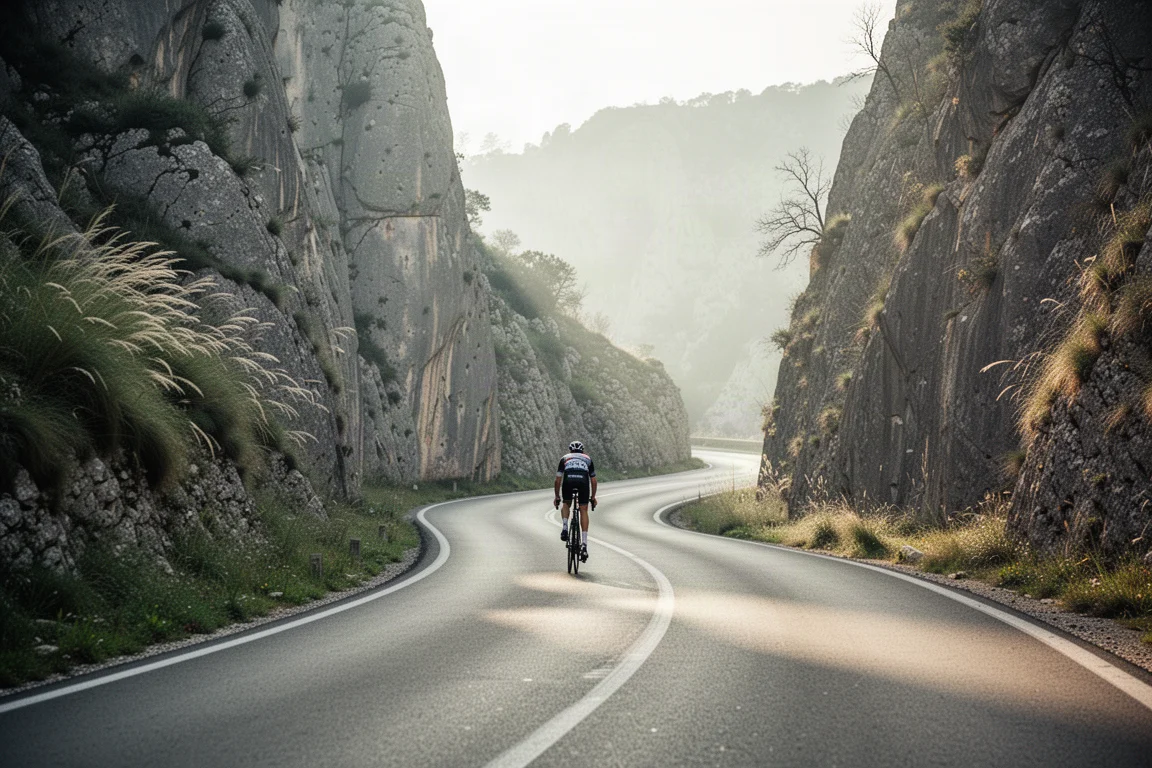
Both bikes belong to the all-rounder category. Neither is a dedicated aero machine and neither is a pure climbing bike. Instead, each is designed to be quick on flat roads, light enough for long climbs and comfortable enough to ride on a midweek loop. For riders who want a single bike for everything, that balance matters more than any one number.
Frame weight is where the two converge most obviously. The Seeka Spear RDC frame carries a claimed weight of 685 g, a figure that happens to match the S-Works Tarmac. In practice, that means neither platform should put you at a disadvantage when the road tilts upwards.
The real difference is not the frame alone but everything bolted to it. A stock bike arrives as a finished product with every part chosen to work together and to suit a wide range of riders. A custom build arrives as a set of decisions, and those decisions are where the character of the bike is created.
Specialized S-Works Tarmac SL8: The Stock Benchmark
The bike in question is a limited edition S-Works Tarmac SL8 finished in Red Bull Bora-Hansgrohe colours, closely matching the machines used at the Tour de France. It runs a SRAM RED eTap AXS groupset and Roval wheels, so it arrives at the top of the range straight out of the box.
What makes it a package rather than a collection of parts is the way the specification is assembled. Buy one from a shop and the SRAM groupset comes with a Roval handlebar, a Specialized Mirror saddle and, in normal circumstances, Specialized tyres. The whole bike is designed together, and that cohesion is a large part of why it works so well.
Nearly three years into its life, the SL8 remains the benchmark. It does not have an obvious weak point, and the brand invested heavily in rear compliance, which is why it continues to be such an easy bike to recommend. There are excellent alternatives, including the Cervélo S5 with Reserve wheels and the latest Cannondale SuperSix, but the Tarmac is still difficult to overlook.
Seeka Spear RDC: The Custom Build Route
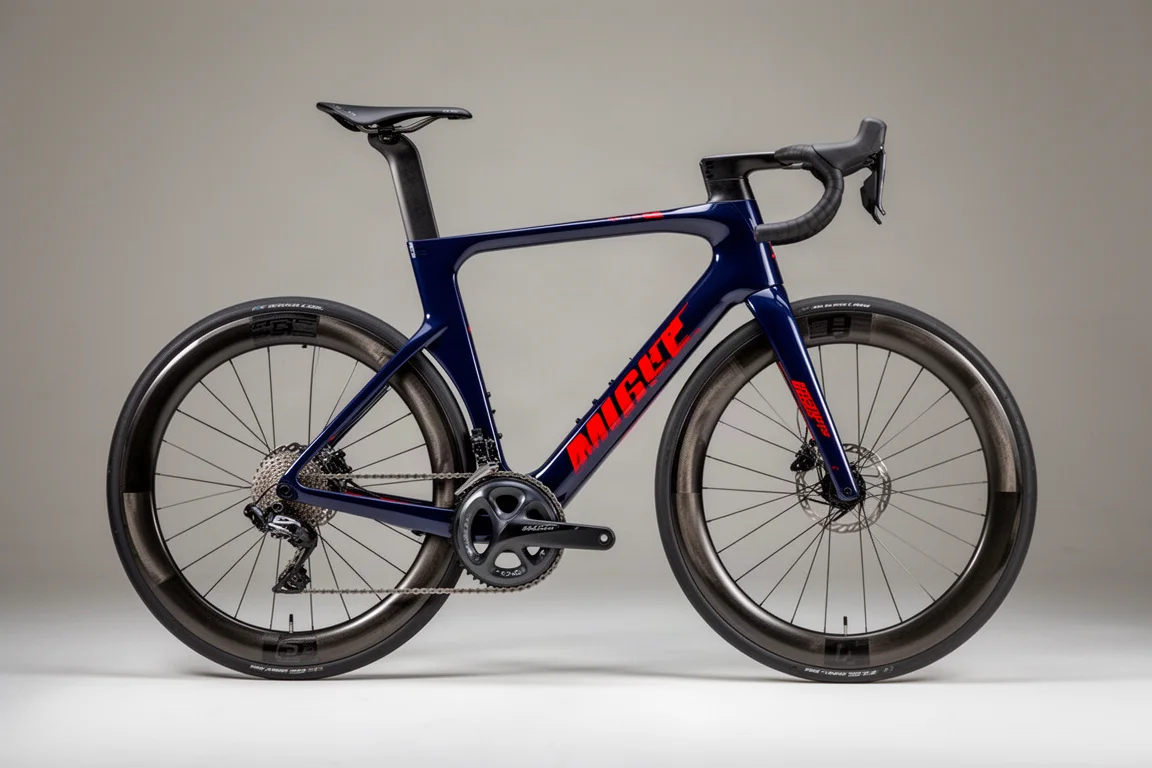
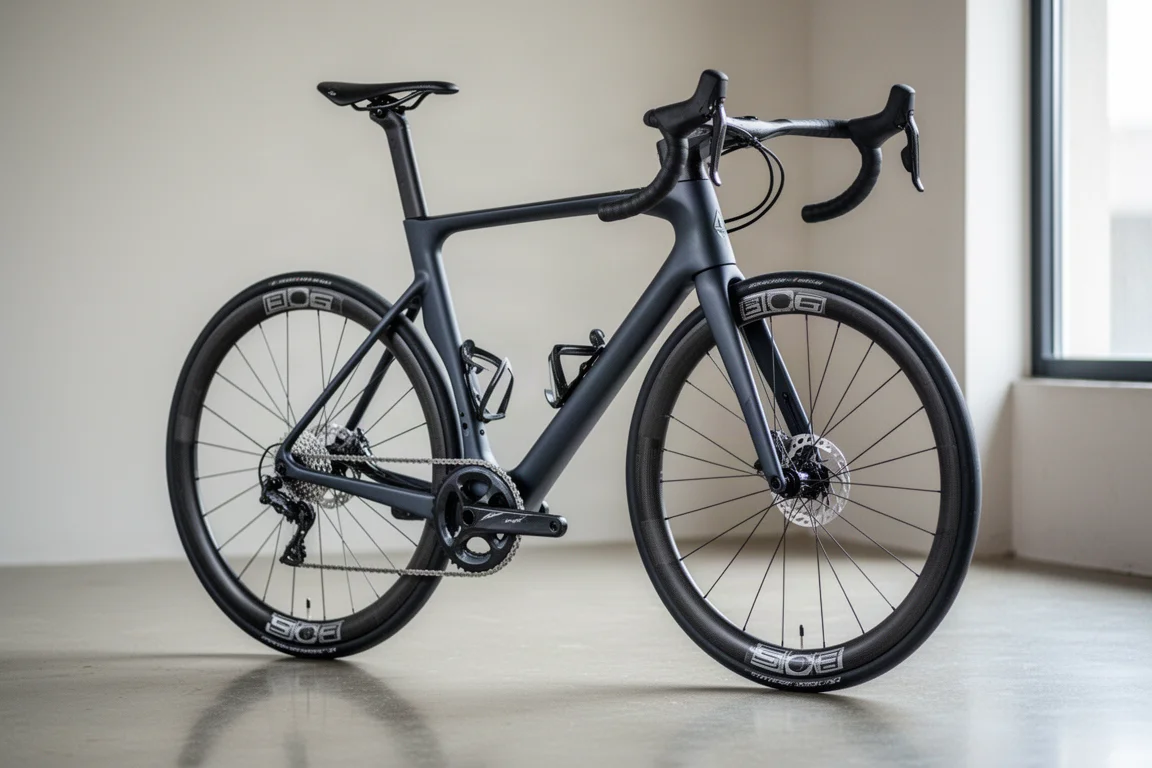
RDC stands for Racing Day Combatant, and in this case it signals the lightweight version of the frame. The claimed frame weight of 685 g puts it in the same territory as the S-Works Tarmac, which is remarkable for a smaller direct-to-consumer brand.
Seeka offers a range of sizes and, unusually, two different fit options. Alongside the regular geometry there is a more race-focused version with a considerably lower stack height. The regular option allows a cleaner front end with fewer spacers under the stem, which is the configuration used here.
Up front sits the Rapier handlebar, a slim, fully integrated one-piece unit with the brake hoses and electronic shifting routed internally. It uses a 130 mm stem and a 38 cm bar width with a little flare, and it remains UCI legal. The frame also comes with proprietary bottle cages that accept standard round bottles while sitting in an aero position, a similar concept to the integrated cages found on several modern aero frames.
The drivetrain is Shimano Dura-Ace throughout, with one deliberate exception. A Magene Teayo spider-based power meter with carbon crank arms handles measurement, paired with 53-39 chainrings, 165 mm crank arms and an 11-34 cassette. The wheels are No.6 Racing Works 50-58 carbon items with carbon spokes and, notably, silver hubs. This is the anniversary set with bolder silver decals, and quieter graphic options are also available.
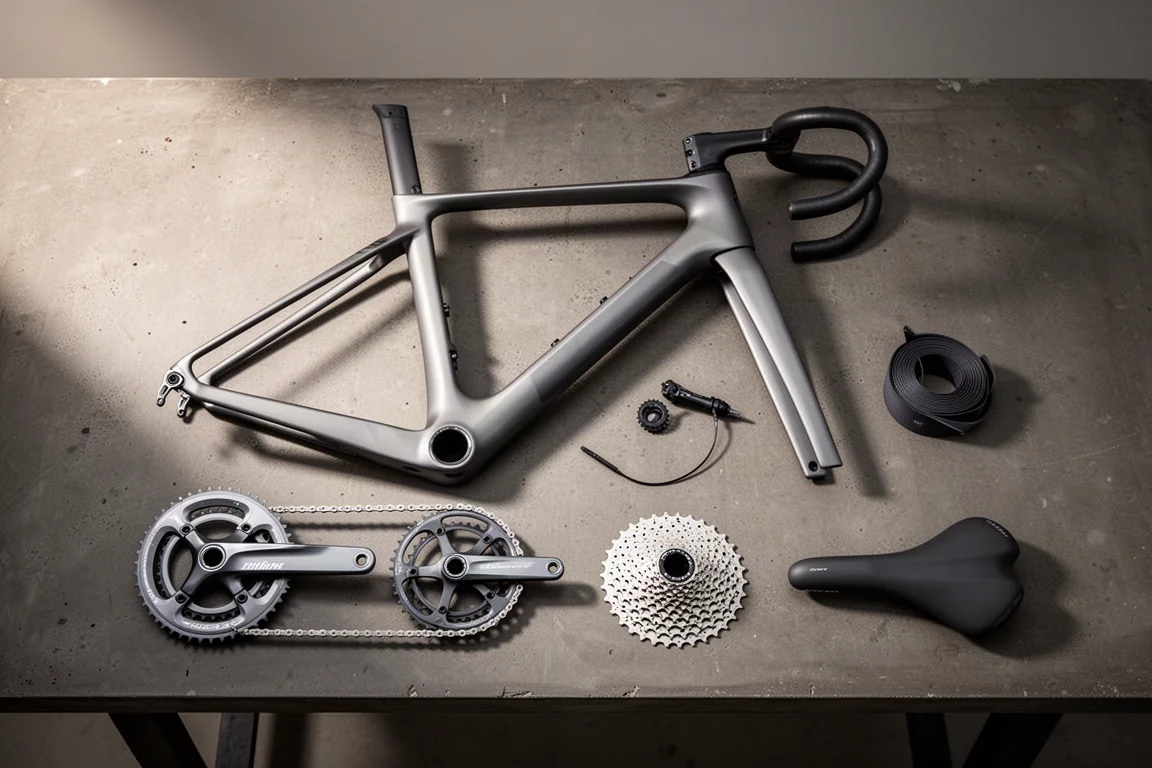
The finishing kit is where the build becomes genuinely individual. The bar tape comes from a budget online marketplace and feels very close to a discontinued knurled tape that many riders still miss, though its durability is an open question. The saddle is a Riot Ultimate with carbon rails, a carbon body and a 3D-printed upper. It is comfortable enough so far, but it has not been used long enough to earn a permanent place.
The appeal of this bike is straightforward. It is an all-rounder rather than a specialist, it is comfortable thanks to tube shapes that lend themselves to compliance, and aero testing suggests it is genuinely fast. An all-rounder like this does not appear to give much away to dedicated aero bikes.
Where the Seeka Spear RDC Falls Short
The first thing to be clear about is cost. Direct-to-consumer brands from the Far East are cheaper than the major labels, but they are no longer cheap. This build is slightly less expensive than an S-Works Tarmac, yet it still represents a serious investment, and the idea that it is a budget route needs to be set aside.
There are smaller frustrations too. The proprietary bottle cages have a sharp edge, and bottles catch when you try to slot them back in, which makes them fiddlier than they should be on the move.
Then there is the rear wheel. When the wheel is removed and refitted, the mech hanger shifts slightly, so the through axle does not always slide in first time. The fix is simple enough, involving a 4 mm Allen key to nudge the hanger back into position, but it is an irritation that does not appear on the Tarmac.
Finally, some components remain unproven. The budget bar tape and the Riot Ultimate saddle are both experiments at this stage, and either could be replaced by a more established option if they fail to last.
Comfort, Aero, and Ride Quality Compared
Aero performance is the area where the gap between all-rounders and dedicated aero bikes has narrowed most. Wind tunnel testing of this frame produced impressive results, and the data suggests that a well-designed all-rounder gives away very little to the pure aero machines.
Comfort is the other traditional advantage of the all-rounder, and here the picture is more nuanced. The Seeka has been genuinely impressive over long rides, but its rear end feels closer to the previous generation SL7 than to the SL8, which gained a meaningful improvement in rear compliance. It is not far off, but the difference is noticeable to anyone who has spent time on both.
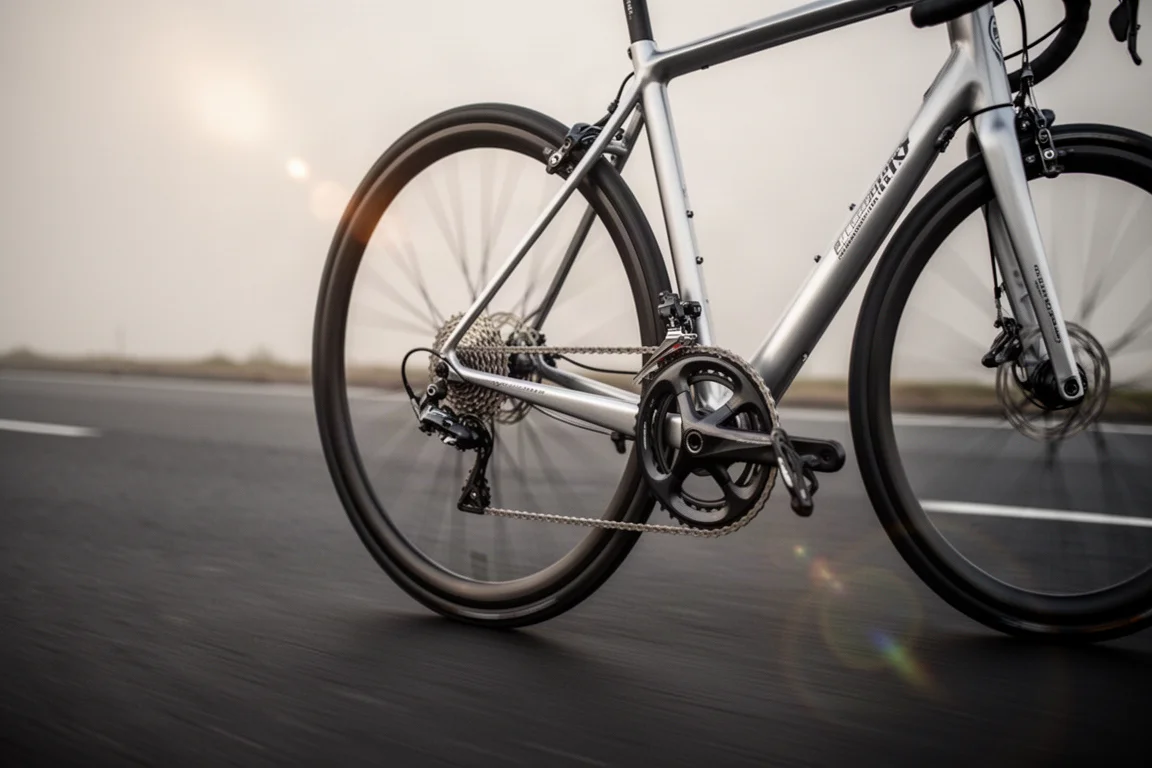
Taken together, the Seeka ticks the weight box, the aero box and most of the comfort box. That combination is exactly what makes an all-rounder such a sensible choice for riders who want one bike to do everything.
What a Custom Build Really Costs
The price of the parts is only part of the story. Someone has to build the bike, and that means checking that every component is compatible with every other component, which is a genuine minefield, before spending several hours on assembly. Labour is a real cost and it belongs in the budget from the start.
Sourcing is the other risk. Parts bought from less established sellers may not fit the way you expect, and compatibility problems can turn into expensive mistakes. Looking up forums, reading reviews and checking that a part has a reputation before buying is not optional when the stakes are this high.
The reward is a bike that is entirely your own. A custom build is a conversation starter, it draws attention at the cafe stop, and it delivers a kind of enjoyment that an off-the-shelf purchase rarely matches. It does help to be a confident home mechanic, or to have one on hand.
Buying Advice: Which Route Suits You?
Choose the S-Works Tarmac SL8 if you want a proven, race-ready bike with no assembly work, a specification that has been designed as a complete package, and the reassurance of a platform that has been at the top of the category for years. It is the simpler path to a very fast bike.
Choose the Seeka Spear RDC if you are comfortable with the build process, want to choose every component yourself, and would rather ride something that does not look like every other bike on the group ride. The frame is light, the aero numbers stand up, and the fit options are broader than most brands offer.
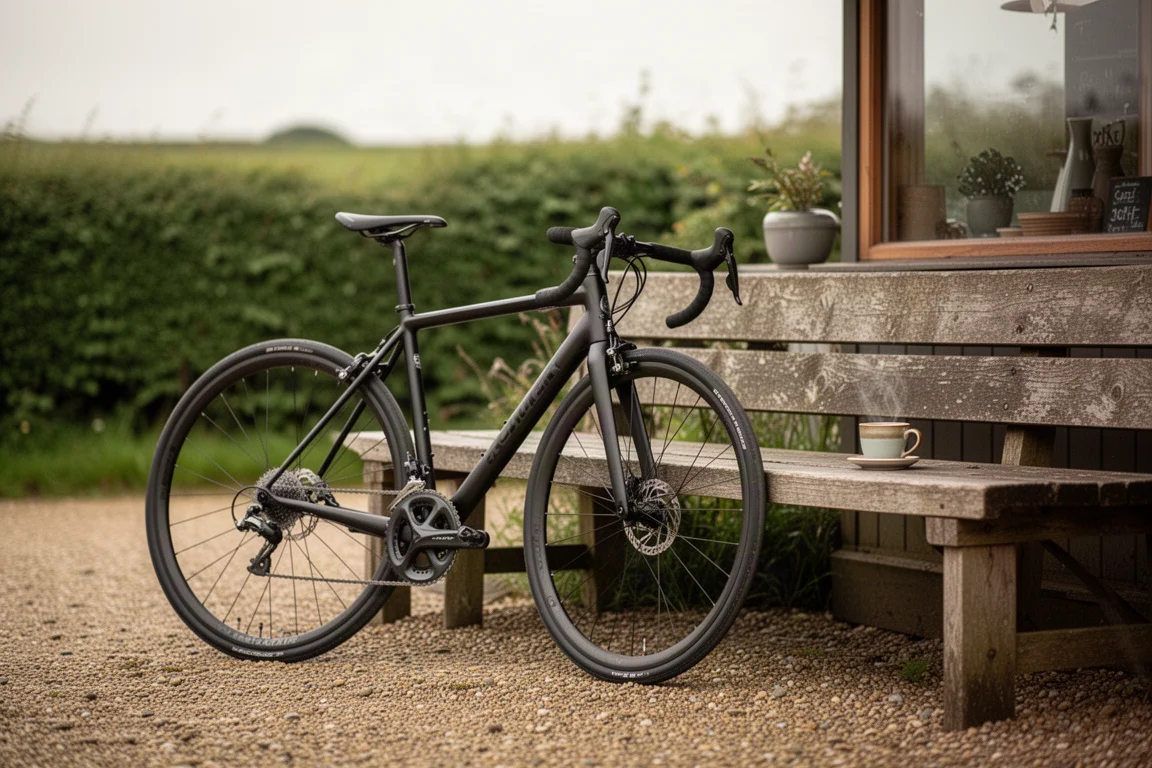
Both routes lead to an expensive bike. The honest question is whether you value convenience and a known quantity, or control over every detail and a machine that is unmistakably yours. Neither answer is wrong, but they suit different riders.
Conclusion
The S-Works Tarmac SL8 remains the reference point for a reason. It is a complete, cohesive, race-ready package that has no obvious weakness, and buying one removes almost all of the risk from the process.
The Seeka Spear RDC shows how far a carefully planned custom build can go. With a claimed frame weight that matches the benchmark, strong aero performance and a specification chosen piece by piece, it delivers a ride that feels personal in a way a stock bike cannot. The trade-offs are real, from the price to the small mechanical quirks, but for the right rider those trade-offs are part of the appeal.
Further reading
Related Reviews

Road Bikes
10 New Road Bikes Worth Watching: Aero, Titanium, Steel and Endurance Standouts
A practical roundup of 10 new road bikes, from aero flagships chasing single-watt gains to titanium, steel and endurance platforms built for real roads.
Road Bikes
2026 Tour de France Road Bikes: Six Race Machines Worth a Closer Look
Six race bikes from the 2026 Tour de France grid, reviewed for paint, silhouette, wheels and the specification details that matter to buyers.
Road Bikes
3T Strada Italia Review: A Radical Aero Road Bike That Rides Smooth
A made in Italy carbon aero road bike with a deep head tube, wide tire clearance and a genuinely comfortable ride. Here is what to know before buying.