Road Bikes
S-Works Tarmac SL8 vs Elves Vanyar Pro Disc: Does Spending More Buy Real Speed?
A top-tier carbon racer meets a value-focused road bike in climb and aero tests, plus a close look at where the extra money actually goes.
Introduction
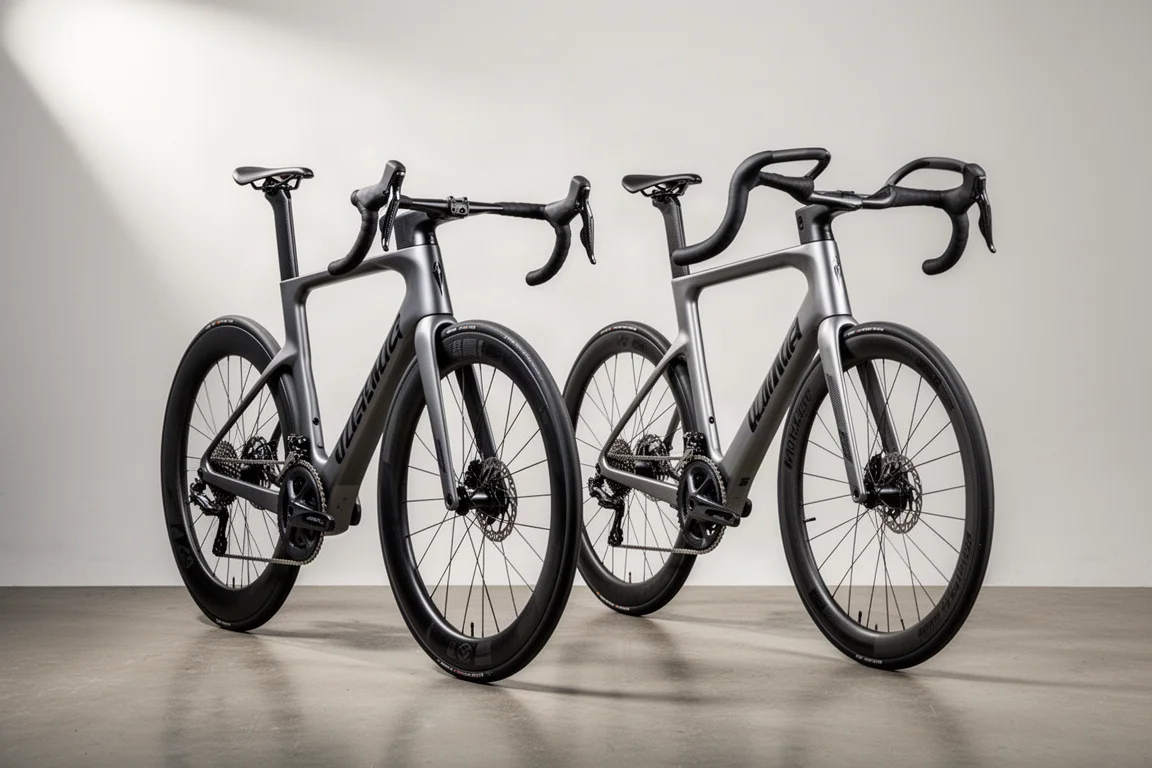
Two carbon road bikes sit at opposite ends of the price spectrum. One is a top-tier race machine with a wind-tunnel development history and a price tag around 12 grand. The other is a value-focused road bike from a much smaller brand, built with many of the same headline features, at around 4 grand.
That 8 grand gap raises an obvious question: does the extra money buy measurable speed, and if it does, is the difference large enough to matter? Both bikes were put through two simple tests, a 1.5 km climb ridden at 300 watts and a 2 km flat stretch ridden at 250 watts. Each test was a single run, so the numbers are directional rather than definitive. The pattern they reveal, however, is worth understanding before you spend.
Where the Two Bikes Match Up
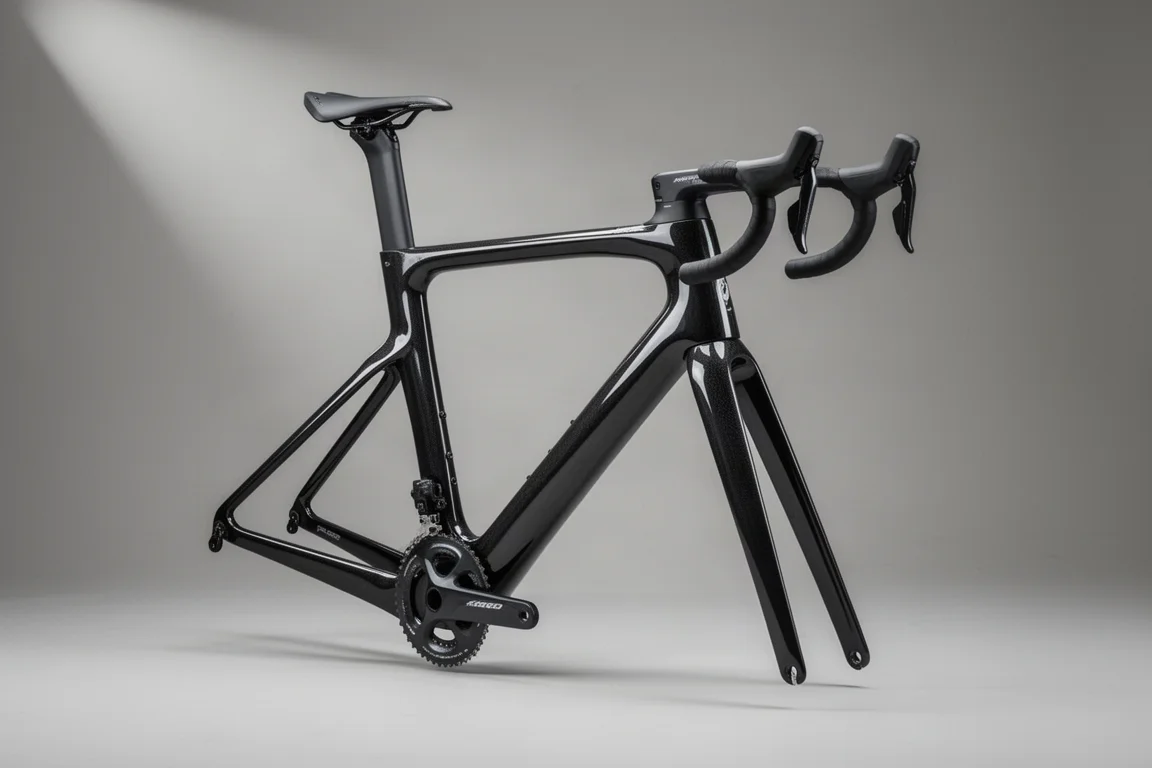
On paper these two bikes are closer than the price gap suggests. Both use full carbon frames and forks, both have fully integrated front ends with no exposed cables, both roll on carbon tubeless-ready wheels, and both are fitted with electronic groupsets and hydraulic disc brakes.
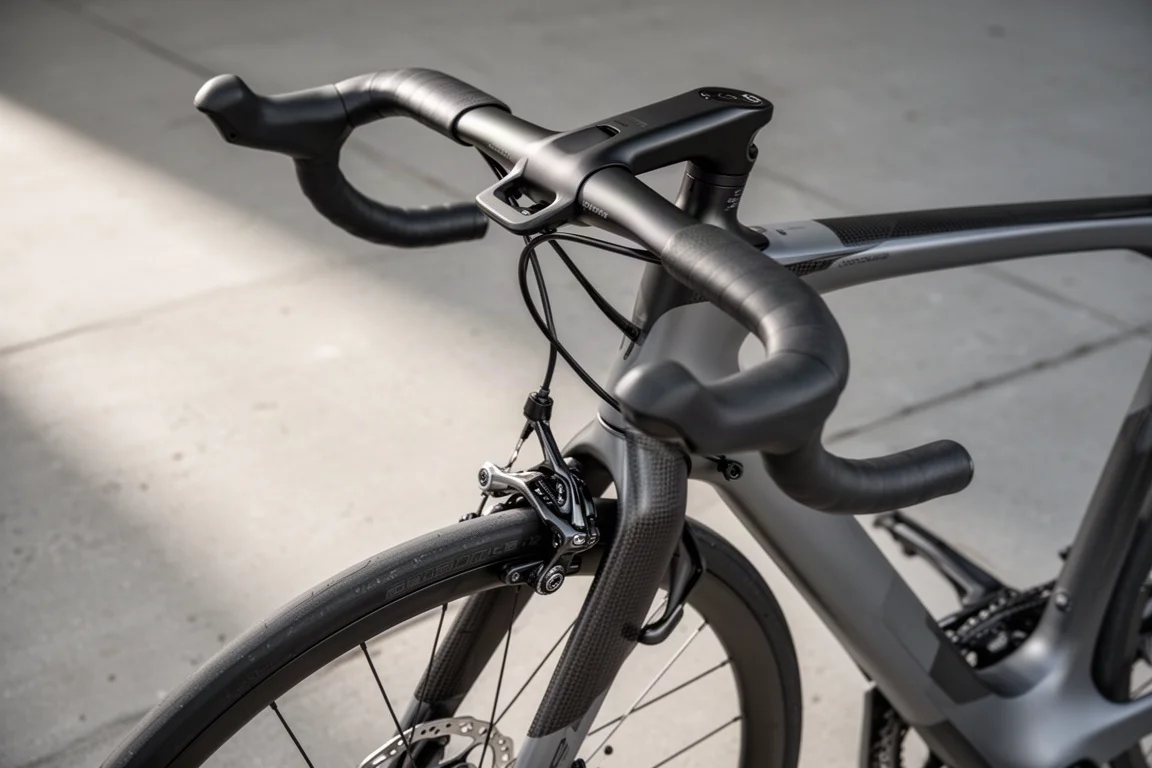
That shared foundation is exactly what makes the comparison interesting. Once frame material, cable routing, wheel material, shifting, and braking are ticked off on both sides, the remaining differences come down to weight, aerodynamic refinement, and the small details of the build.
Climbing: Where Weight Still Matters
Weight is the single biggest factor on steeper gradients, and here the Elves carries a little more of it than the Specialized. Over a 1.5 km climb ridden at a steady 300 watts, the Elves Vanyar Pro Disc completed the effort in 4 minutes 51 seconds, while the S-Works Tarmac SL8 finished 9 seconds faster.
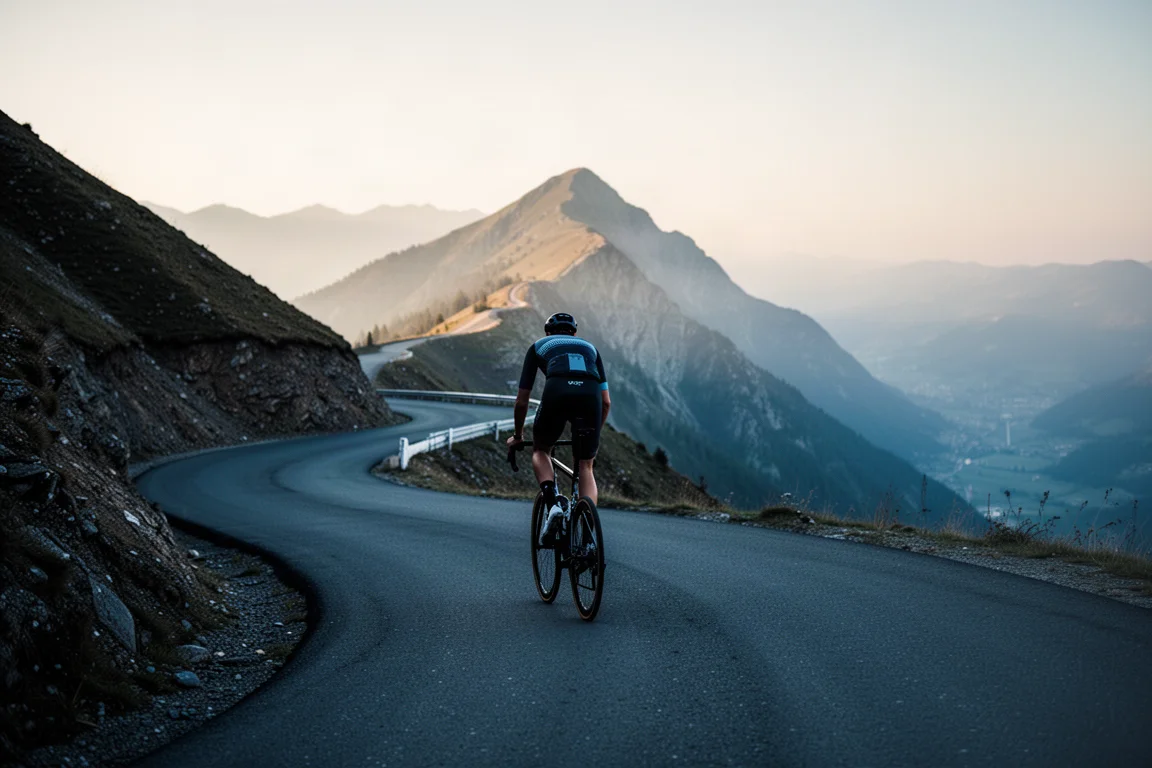
There are two fair ways to read that result. The first is that the Elves is only marginally slower over a climb of this length, which is a strong outcome for a bike costing a fraction of the price. The second is that 9 seconds is a real gap if you race, chase personal bests, or measure your season in marginal gains. Which reading matters depends entirely on how you ride.
Aerodynamics: Small Gaps, Big Budgets
This is where the two brands diverge most in resources. Elves is a relatively small brand without large wind tunnel budgets or supercomputer CFD work behind the Vanyar Pro Disc, and neither played a part in its design phase. Specialized, by contrast, is a very large company, and the Tarmac SL8 was developed in the wind tunnel from the outset.
On a 2 km stretch ridden at 250 watts, with bike positions matched as closely as possible, the Tarmac SL8 came out 2 seconds ahead. Average speeds were very close, and the difference was not something you would reliably feel out on the road. It is also worth remembering that aerodynamic drag is not the only variable in play. Rolling resistance, bearings, how the frame and wheels interact, and fit all shape the final number, and these two bikes run very different wheelsets.
Specialized S-Works Tarmac SL8: The Benchmark Racer
The S-Works Tarmac SL8 is the faster of the two in both tests, and it is also the bike that feels a little more comfortable to ride. Its build centres on a SRAM Red electronic groupset, hydraulic disc brakes, and a set of Roval Rapide CLX II wheels that are noticeably deeper and wider than the Elves rims, which makes them well suited to all-round speed. Up front sits a Roval one-piece cockpit, and the S-Works Power saddle uses a carbon base and carbon rails.
Elves Vanyar Pro Disc: The Value Contender
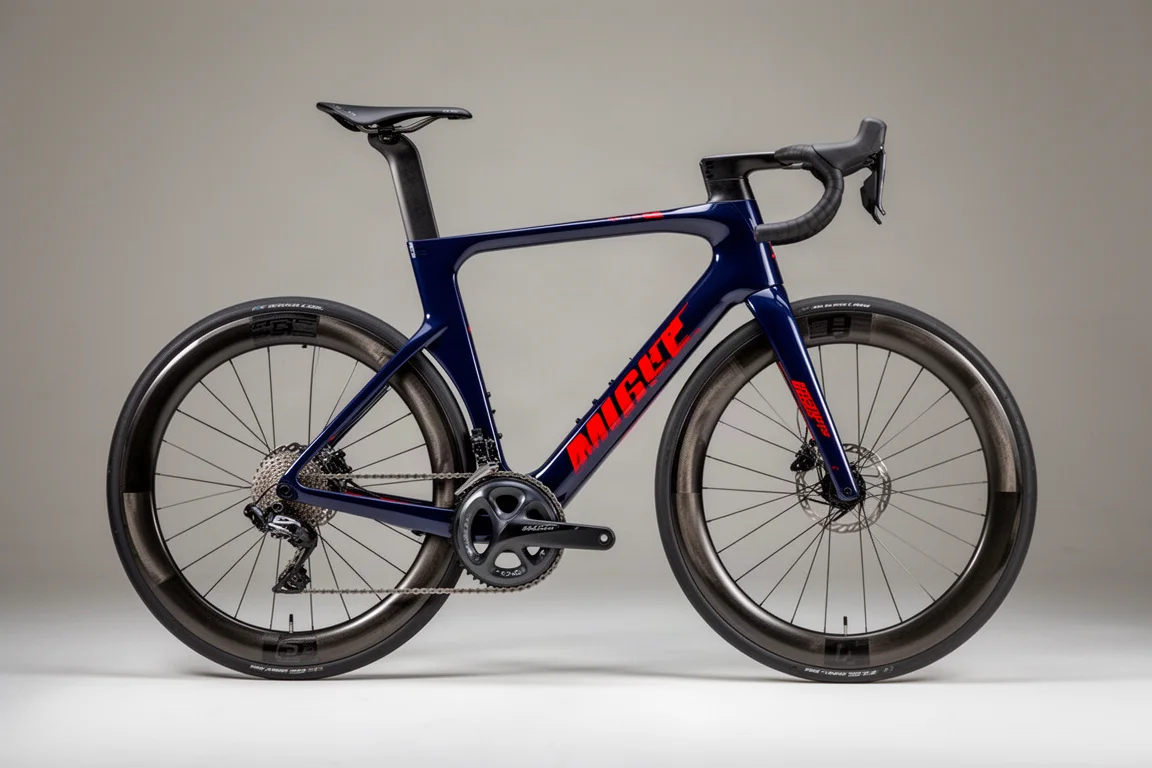
The Vanyar Pro Disc answers with Shimano Ultegra Di2, hydraulic disc brakes, and Orome Valor TH30 wheels that are shallower and narrower than the Roval set, which makes them feel more at home on hilly terrain. The one-piece cockpit is chunkier at the stem than the Roval system, though it still keeps the front end completely cable-free. The saddle deserves particular credit: a 3D printed upper on a carbon base with carbon rails for around £137. Elves also offers free custom painting, which is a genuine draw if you are tired of all-black bikes.
Build Details and Value
Look closely at the components and the trade-offs become clearer. Ultegra Di2 is heavier than SRAM Red, but it costs considerably less, and the weight advantage of Red is modest for the money it adds. The Roval Rapide CLX II wheelset is the stronger all-round option for flat and rolling speed, while the shallower Elves wheelset gives away less on climbs. The Roval cockpit is the more elegant piece of design, though the Elves unit is entirely functional.
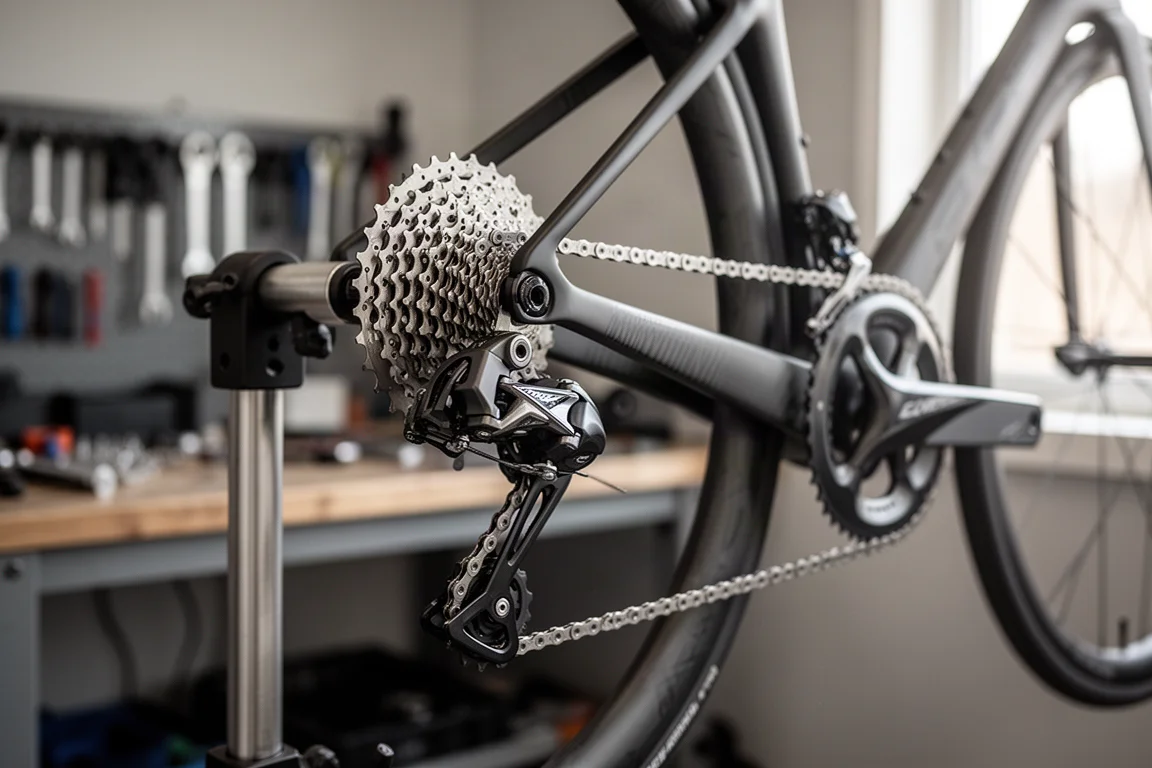
Saddles tell a similar story. The Elves saddle pairs a 3D printed upper with a carbon base and carbon rails at around £137, while the version of the S-Works Power saddle with a 3D printed upper runs to around £350. For recreational riders who simply enjoy going out for a ride, the Elves represents far better value: a carbon frame, disc brakes, tubeless-ready wheels, and a cable-free front end for around 4 grand is a reasonable price to pay.
Buying Advice: Which One Makes Sense for You
If going as fast as possible is the goal, the S-Works Tarmac SL8 will help, and the money is yours to spend as you see fit. The catch is the familiar problem of diminishing returns: the faster bike costs roughly three times as much and delivers seconds, not minutes.
For most riders, the Elves Vanyar Pro Disc is the more sensible purchase. It gives up very little in the tests and keeps the features that matter day to day. Before committing to either, it is also worth looking at a lower-priced Tarmac SL8 such as the Expert model at around 6 grand, which may offer a middle path between the two.
Conclusion
You can buy more speed, but the returns shrink quickly as the price climbs. The S-Works Tarmac SL8 is the quicker, more comfortable, more polished bike, and it justifies its position at the top of the range. The Elves Vanyar Pro Disc is the one most riders should think hardest about, because it delivers the core experience of a modern carbon road bike for a fraction of the outlay. Match the bike to how you actually ride, and either choice can be the right one.
Further reading
Related Reviews
Road Bikes
10 New Road Bikes Worth Watching: Aero, Titanium, Steel and Endurance Standouts
A practical roundup of 10 new road bikes, from aero flagships chasing single-watt gains to titanium, steel and endurance platforms built for real roads.
Road Bikes
2026 Tour de France Road Bikes: Six Race Machines Worth a Closer Look
Six race bikes from the 2026 Tour de France grid, reviewed for paint, silhouette, wheels and the specification details that matter to buyers.
Road Bikes
3T Strada Italia Review: A Radical Aero Road Bike That Rides Smooth
A made in Italy carbon aero road bike with a deep head tube, wide tire clearance and a genuinely comfortable ride. Here is what to know before buying.