Bike Groupsets
Rotor 1x Groupset Review: Hydraulic 12-Speed Shifting for Road and Gravel
A practical look at the Rotor 1x groupset after real road and bikepacking miles, covering shifting feel, braking power, gearing choices, and who should consider it.
Introduction
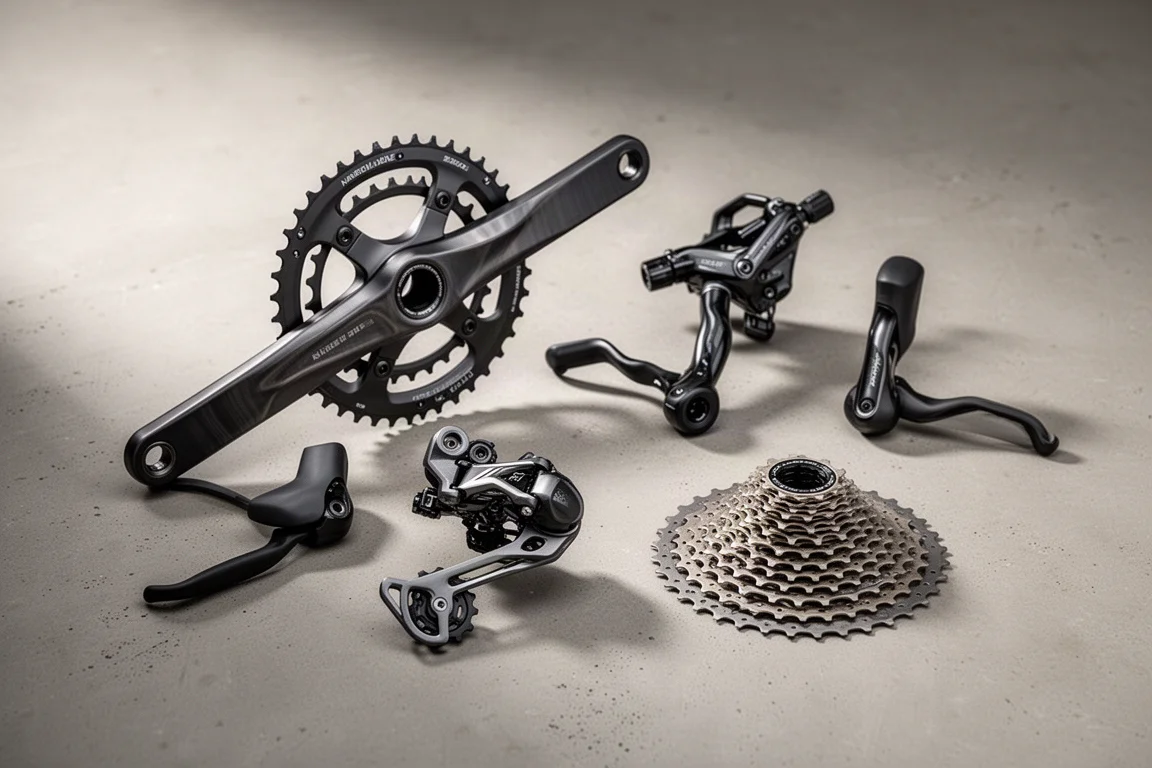
Single-ring drivetrains have moved well beyond gravel bikes, and the Rotor 1x groupset is one of the more unusual takes on the idea. Instead of a cable pulling a derailleur, the shifting here is operated hydraulically, which changes both the feel at the lever and the way the system is put together.
This is a 12-speed, 1x-only groupset. It has been ridden on flat open roads, on mixed surfaces, and prepared for a three-week bikepacking trip, so there is enough real-world mileage behind it to talk about what works, what needs adapting to, and what a rider should think about before choosing it.
What the Rotor 1x System Is
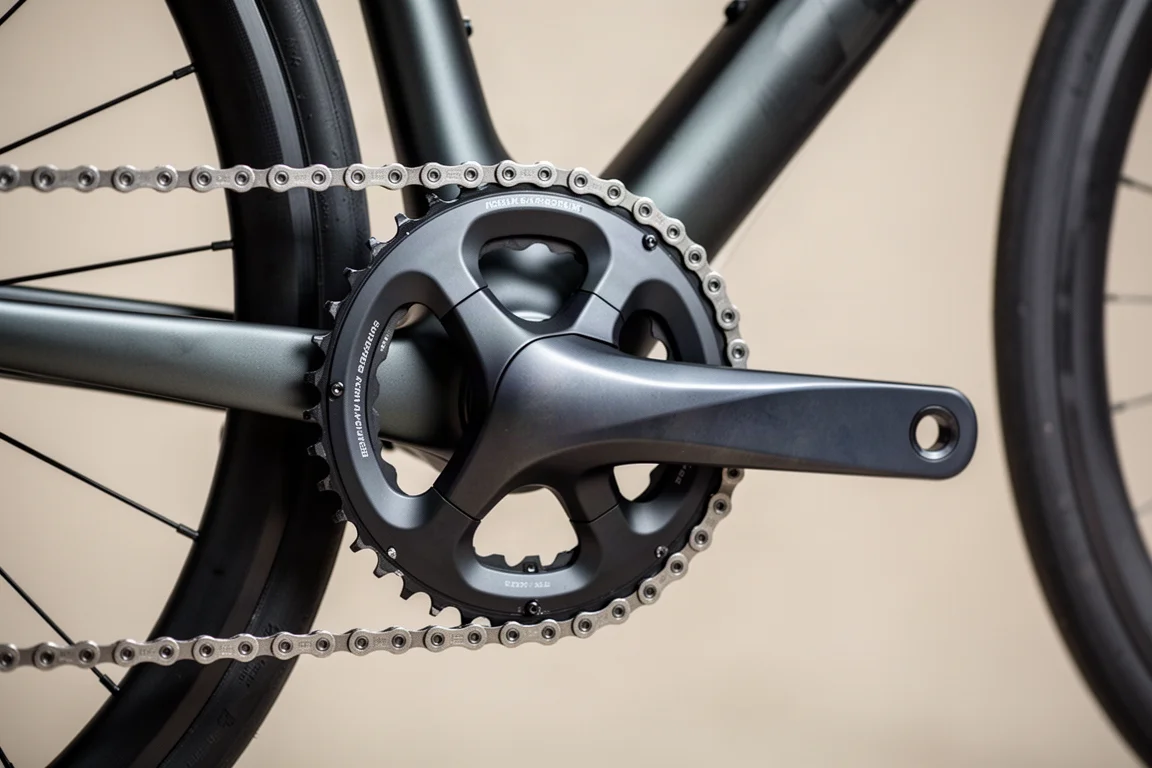
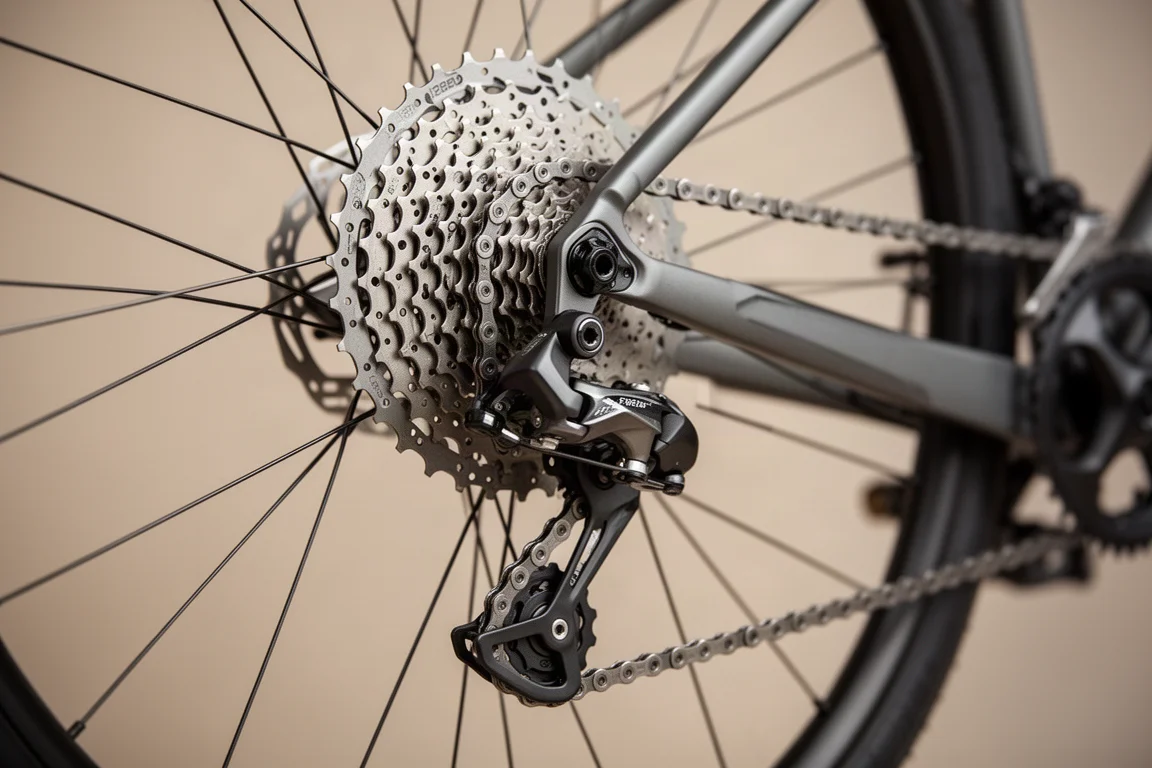
The core idea is a drivetrain built around a single front chainring, with no front derailleur and no front shifting to manage. That simplicity is the whole point. With 12 speeds at the rear, the cassette carries the entire gear range, and the shifting itself is driven by hydraulics rather than a mechanical cable.
The system pairs a single 42-tooth front ring with a 12-speed cassette in the setup tested here. The brake calipers carry Rotor branding but were developed in collaboration with Magura, and the build runs 160mm rotors front and rear.
Because there is no front mech and no second chainring, frame designers also gain freedom in how they shape the rear of the bike. Several road and gravel framesets are now drawn specifically around 1x, which is a sign the format has settled into something more than a trend.
Who This Groupset Is For
The clearest fit is the rider who wants fewer things to think about. One lever, one ring, and a gear range that covers most terrain without a front shift decision in the middle of a climb.
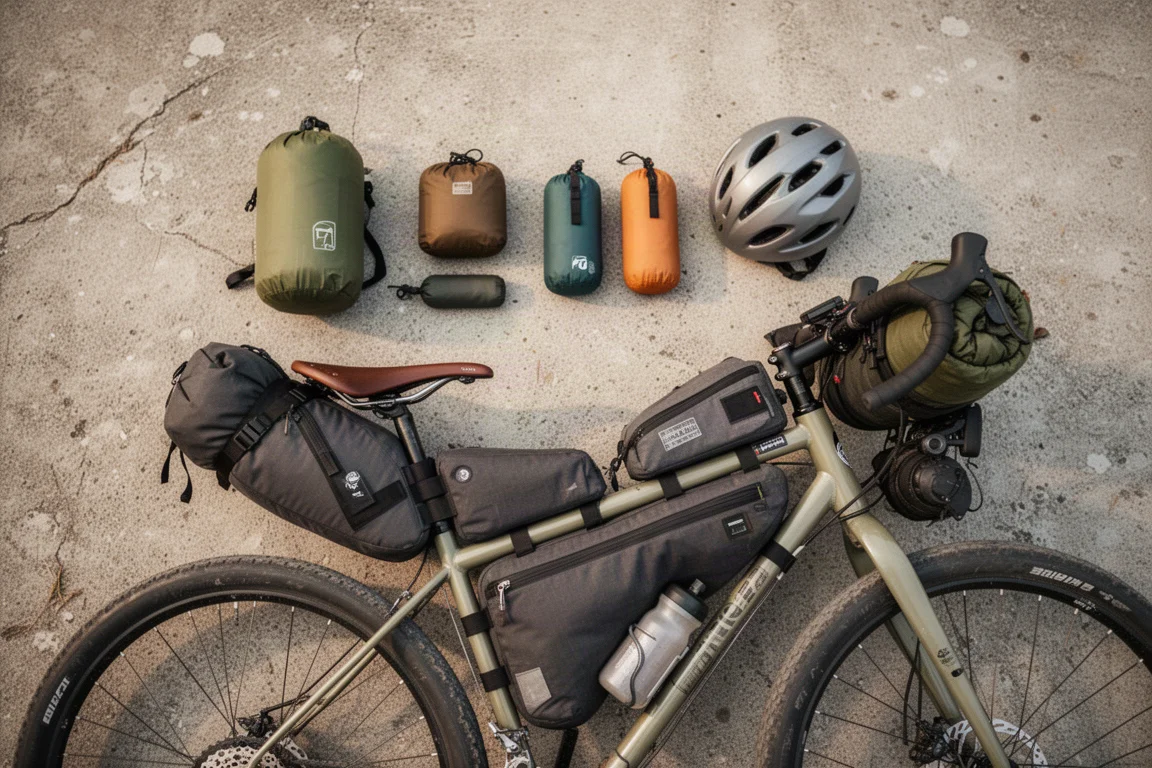
It also suits bikepacking and long-distance riding, where simplicity and reliability matter more than a marginal top-end gear. The setup tested here was chosen with a loaded multi-week trip in mind, including plenty of climbing and long days in the saddle.
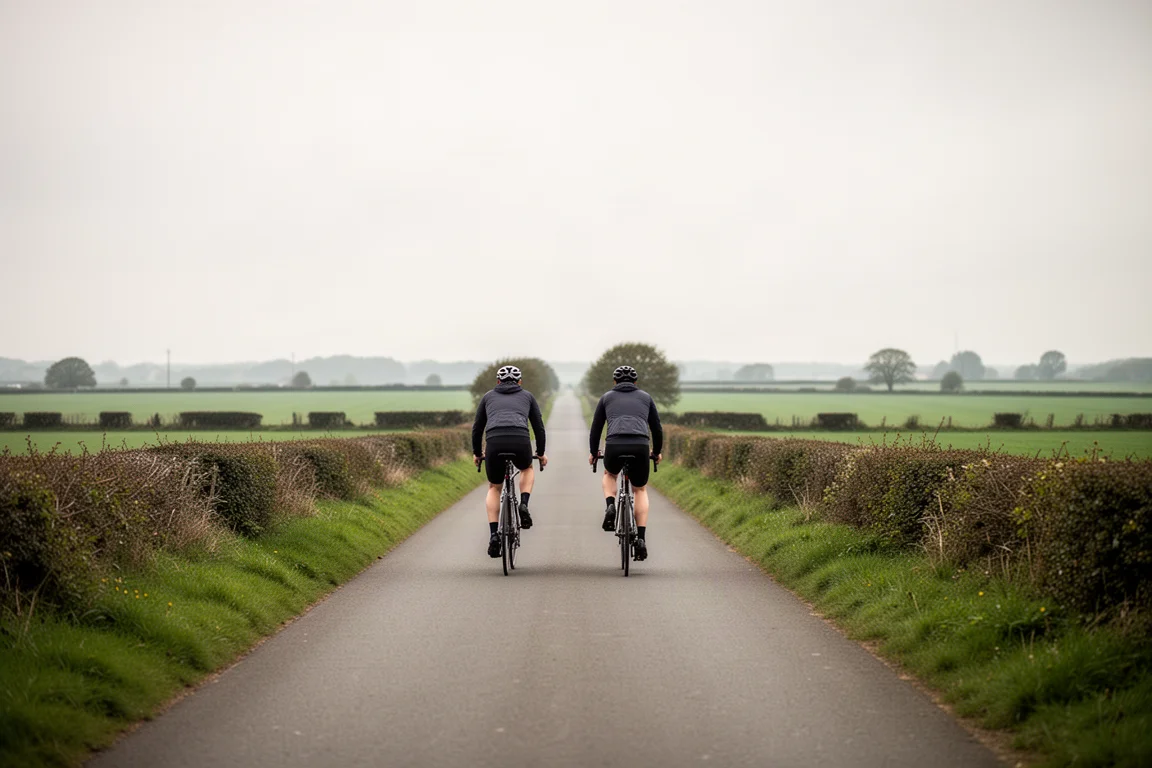
Road riders are squarely in scope too. The technology has matured to the point where a single-ring system is entirely usable on tarmac, and the range available on modern 12-speed cassettes removes much of the gear-range anxiety that older 10 and 11-speed 1x setups created.
Shifting and Braking Performance
The shift logic will feel familiar to anyone coming from a mechanical single-paddle system. A long push moves the chain into an easier gear, and a shorter click drops it into a harder one. The difference is in the actuation: because it is hydraulic, the lever does not deliver the same definite, mechanical click found on cable-operated systems.
What stands out over time is consistency. Shifts have landed cleanly without chain skip, and the system has not left the chain hanging between gears. Where a mechanical setup sometimes needs a small nudge to complete a shift, this one has aligned cleanly on its own.
Braking has been a genuine highlight. The calipers bedded in quickly and feel strong, with plenty of confidence on descents. With 160mm rotors at both ends, the power on tap is reassuring, particularly with the extra weight of loaded bikepacking bags to bring to a stop.
Main Strengths
Shift quality is the headline. Across repeated rides the drivetrain has shifted consistently, with no skipped gears and no half-completed shifts, which is exactly what a rider wants from a system with only one lever to manage.
Braking power is the second strength. Strong, well-bedded brakes with 160mm rotors give the kind of confidence that matters on long descents and heavy loaded bikes.
Simplicity is the third. A single ring removes a whole category of mechanical fuss and front-shift decisions, and the 12-speed cassette provides enough steps that the gaps between gears never feel awkward in normal riding.
Things to Consider Before Buying
The hydraulic lever feel takes adjustment. Riders used to a crisp mechanical click will notice the difference immediately, and it is worth spending time with the system before deciding whether the softer feedback suits you.
There is also a learning curve on lever travel. Pushing the lever slightly too far when reaching for a harder gear can result in no shift at all, because the system reads the input as a request in the other direction. It may simply be a matter of building the knack, but it is the kind of quirk worth knowing about before committing.
Gearing is the other consideration. A 42-tooth front ring with a 42x11 top gear is a deliberate choice, and riders who want a bigger top end will need to think about chainring size rather than assuming the stock setup will cover everything.
Gearing and Range for Road and Bikepacking
On the test build, the 42-tooth front ring gives a biggest gear of 42x11, and that has proven comfortable for mixed riding and loading up for a bikepacking trip. For general UK road riding, builds commonly run a 44-tooth ring with a 10-36 cassette, with 44 to 46 teeth covering most needs. Riders heading to the Alps or further afield may prefer a smaller chainring to open up more climbing range.
The 12-speed cassette layout helps here. The steps are single increments through the middle of the block, with the bigger jumps reserved for the climbing gears, so the range is spread where it is actually useful. Gear range anxiety is largely a legacy concern from 10 and 11-speed 1x systems.
Thirteen-speed systems are widely expected to arrive eventually, and there is a reasonable argument that 1x will keep moving in that direction. In the meantime, 12-speed offers enough steps for most riders. It is also worth being honest about how often the biggest gear is actually used: unless you are racing, time spent in that top ratio is typically short.
Buying Advice
Start by asking how you actually ride. If racing is not part of the picture and most of your miles are steady road or mixed-surface riding, a 42x11 top gear is very likely sufficient, and the single-ring simplicity pays off every ride.
If you ride in mountainous terrain or plan to tour with heavy loads, choose your chainring with the climbs in mind rather than the descents. A slightly smaller ring will make long ascents far more comfortable, and the wide-range cassette keeps the low end usable.
Finally, be prepared to adapt to hydraulic shifting. The consistency is real, and the braking is excellent, but the lever feel and travel take a few rides to internalise. Riders who value a mechanical click above all else should try before they commit.
Conclusion
The Rotor 1x groupset is a convincing argument that single-ring drivetrains belong on road bikes as well as gravel bikes. Shifting has been consistent and clean, the Magura-developed brakes are strong with 160mm rotors front and rear, and the 12-speed range removes the gear anxiety that once held 1x back.
The trade-offs are honest ones: a hydraulic lever feel that differs from mechanical systems, lever travel that takes practice, and a top gear that rewards the rider who is realistic about how they ride. For bikepacking, long-distance touring, and everyday road riding, it is a system that makes the bike simpler without making it less capable.
Product link
View more details for Rotor 1x Groupset
This product is mentioned in the review. Check the specifications, options, and compatibility before buying.
View more details for Rotor 1x GroupsetFurther reading
Related Reviews
Bike Groupsets
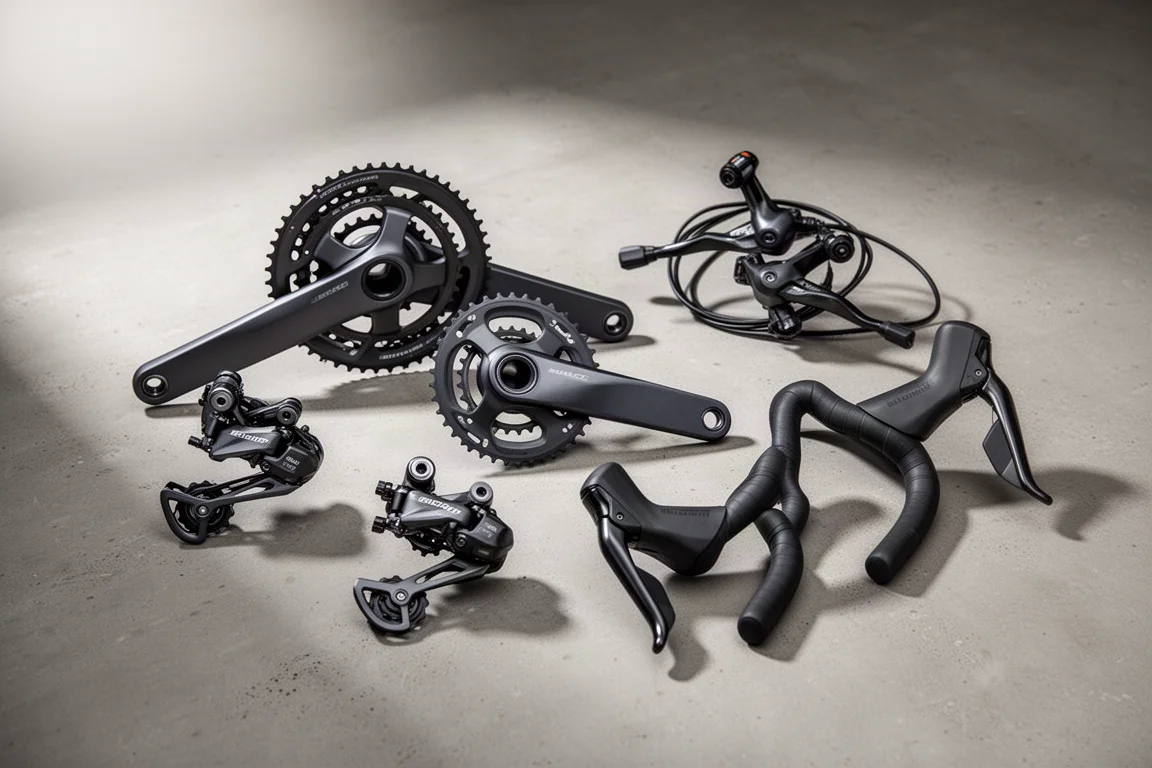
Best Value Road Bike Groupsets 2026: Shimano 105, SRAM Apex and Rival Compared
Affordable groupsets now deliver most of the performance of flagship tiers. Here is how Shimano 105, SRAM Apex and Rival AXS compare for real riders.
Bike Groupsets
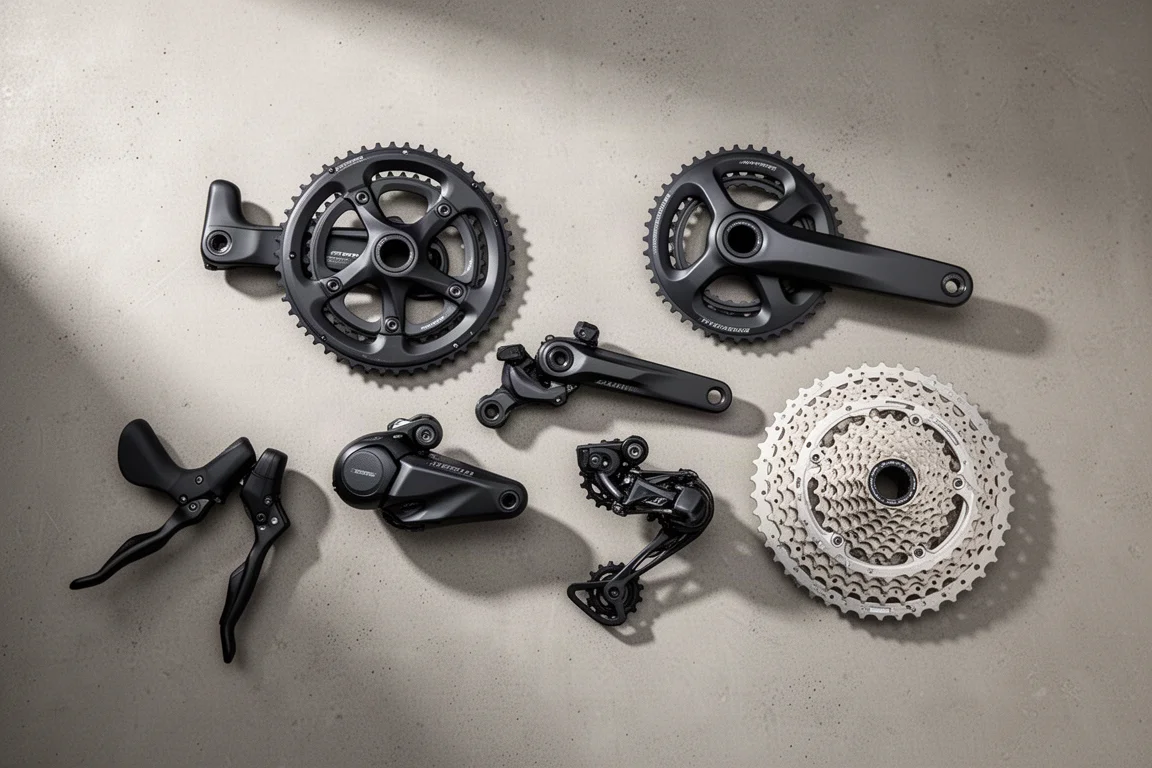
Gravel Bike Groupsets Compared: Shimano GRX 400, SRAM Red Eagle XX1 Mullet, and SRAM Rival GX
A roughly £600 mechanical groupset, a roughly £3,500 electronic mullet build, and the roughly £1,500 middle ground, compared on two identical gravel bikes.
Bike Groupsets
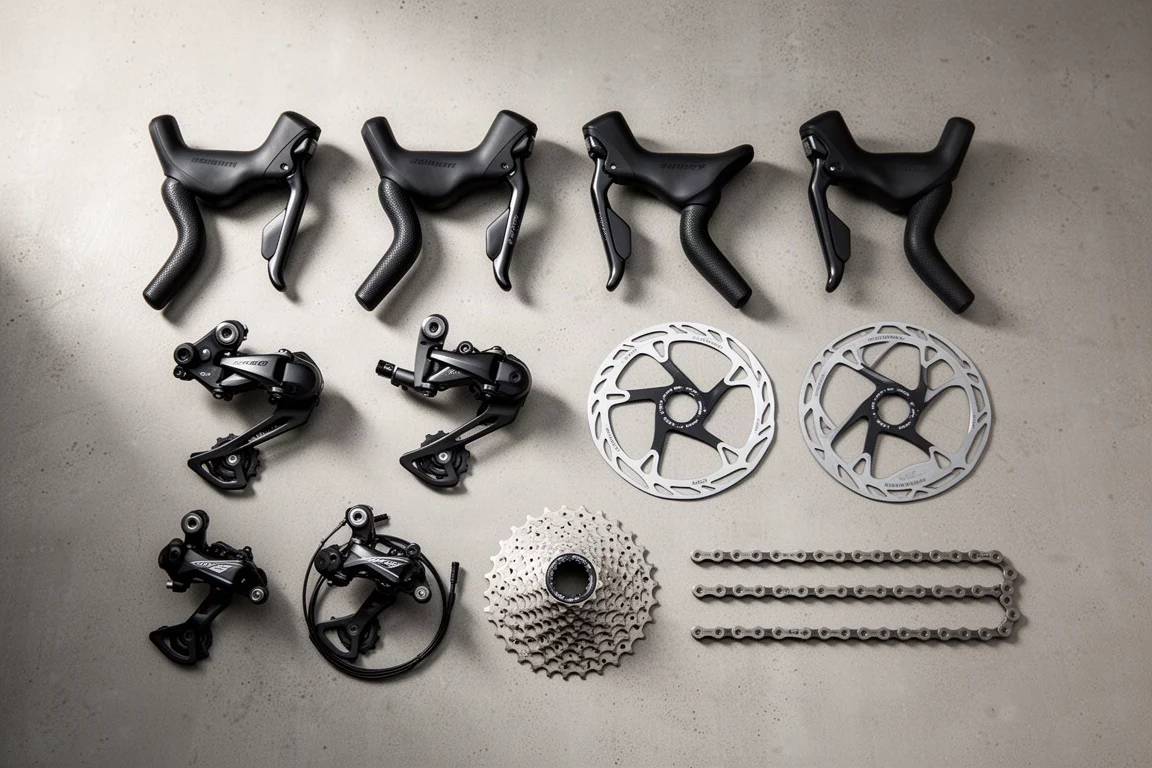
LTWOO RX Groupset Review: A Complete 12-Speed Package With Two Real Compromises
A complete 12-speed groupset package with premium-feeling shifters and smooth road shifting, plus two limitations worth checking against your own frame.