Ski Boots
Rossignol High Speed Pro 120 MV Review: A Tuning-Friendly 120-Flex All-Mountain Boot
A mid-volume, 120-flex alpine boot aimed at advanced and expert skiers, with adjustable flex, forward lean, and a heat-moldable liner.
Introduction
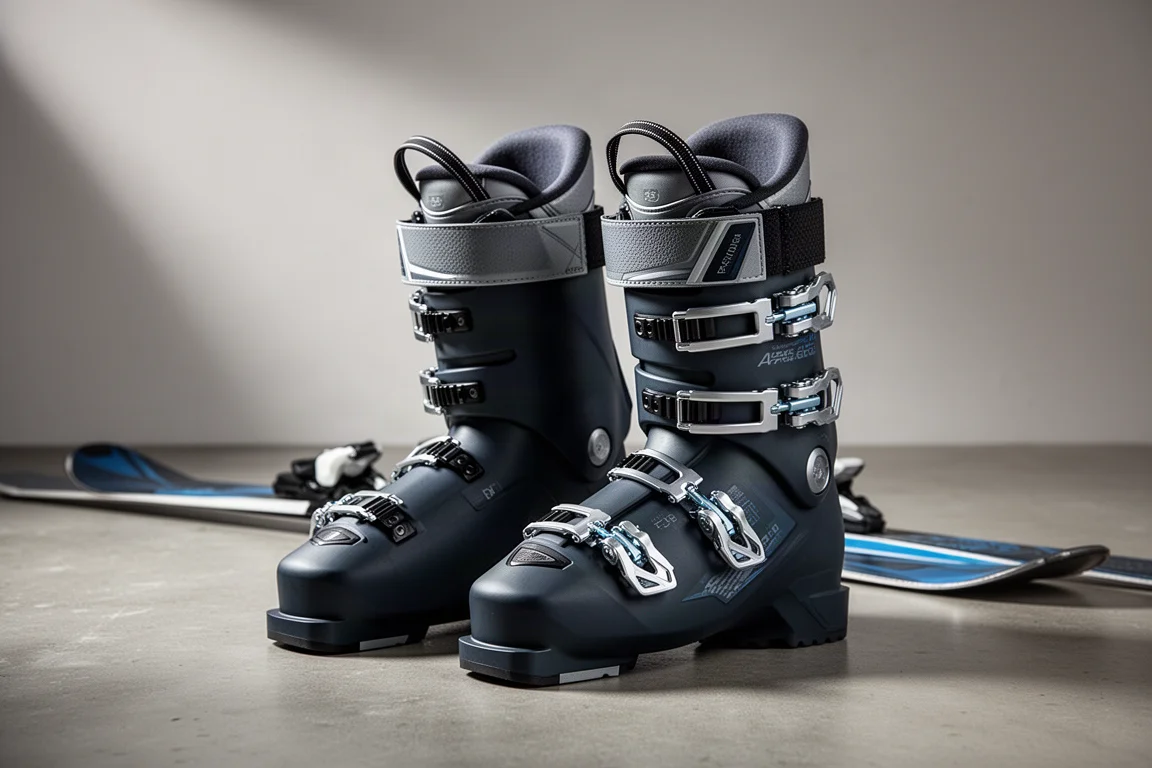
The Rossignol High Speed Pro 120 MV sits in the performance end of the all-mountain boot range: a 120 flex shell paired with a mid-volume fit and a 100 mm forefoot last. That combination tells you most of what matters before you ever step into it. It is stiff enough for aggressive skiing, roomy enough over the instep to avoid a race-tight feel, and engineered with several adjustment points that let a skier fine-tune how the boot behaves on snow.
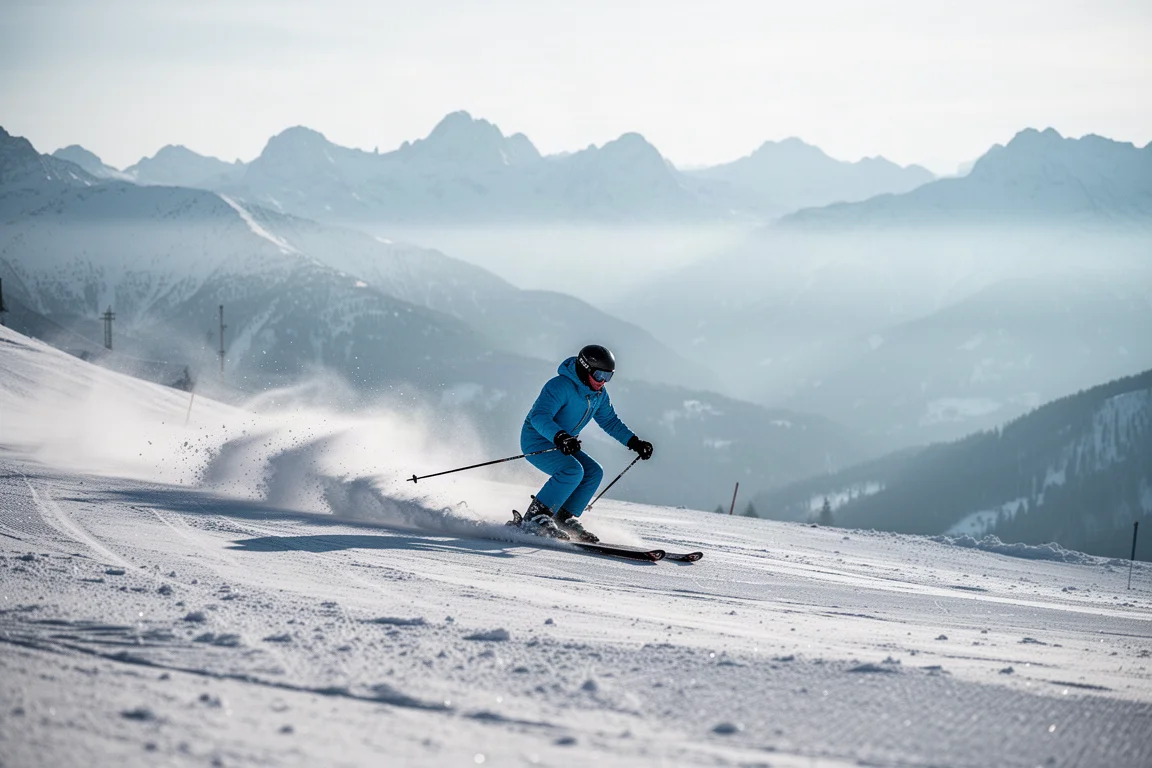
For advanced and expert skiers, the appeal is straightforward. This is a boot built to be skied hard across the whole mountain, and it carries the kind of tuning hardware that usually appears on more specialized models. Rossignol has also packed in a set of comfort-oriented features that broaden who can realistically wear it.
Who This Product Is For
The clearest fit is an advanced to expert skier with a mid-volume foot who wants one boot for all-mountain skiing at a high and aggressive level. If your foot measures around that 100 mm last, the High Speed Pro 120 MV is likely to feel close to right straight out of the box.
It is also a good match for skiers who care about adjustability. The shell offers flex tuning, forward lean tuning, and upper cuff alignment, which means the boot can be dialed in rather than simply accepted as it arrives.
It is not aimed at beginners or at skiers who prefer a soft, forgiving flex. The 120 rating and the performance-focused shell put it firmly in the stronger-skier category.
Main Strengths
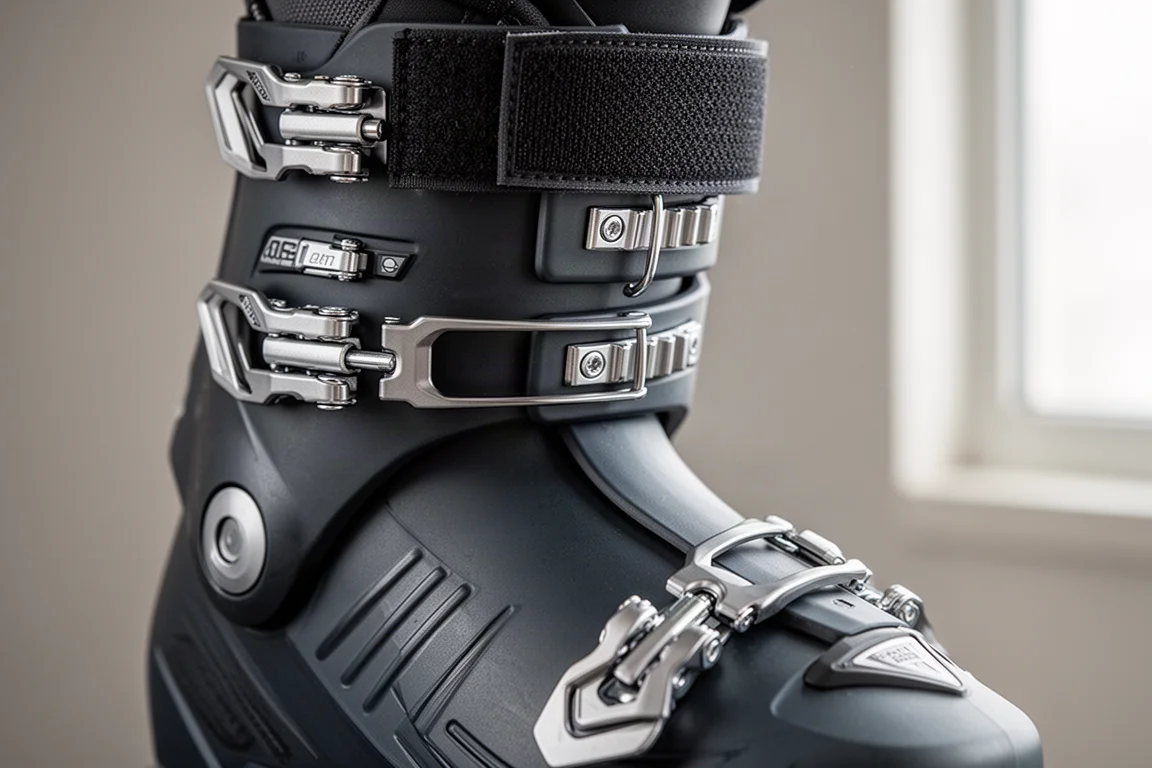
The hardware list is where this boot earns its keep. It uses four micro-adjustable buckles and a hook-and-loop power strap, so closure pressure can be spread precisely rather than approximated. Grip soles come pre-installed, which is a practical touch for anyone who walks across icy parking lots and lodge stairs.
Inside, the liner uses heat-moldable foam, the kind a boot shop can bake in an oven so it conforms to your foot, with noticeable benefit around the ankle area. Even in a mid-volume boot that fits well from the start, molding tends to improve overall fit and reduces the break-in period.
The shell also gives you meaningful tuning range. Upper cuff alignment is available, along with flex adjustment and forward lean adjustment. Three rivets can be repositioned to create different flex patterns, and the rear spoiler can be moved up or down and screwed back into place to change forward lean.
Shell Design and Weight Savings
Rossignol applies generative design to this boot, and the result is visible in the shell itself. The ridged areas on the upper cuff and the lower shell are thinned out, with plastic removed from those zones to reduce wall thickness.
The purpose is weight reduction without sacrificing flex performance. In practice, that means a lighter boot that still holds the stiff, progressive feel a 120 flex rating promises, which matters over a long day of lift-served laps and mixed terrain.
Fit and Customization Options
The 100 mm last and the extra room over the instep define the fit, and the boot’s adjustment features handle the rest. Upper cuff alignment lets a fitter correct stance and leg alignment, while the three-rivet setup and the repositionable rear spoiler change how the shell flexes and how far forward you stand.
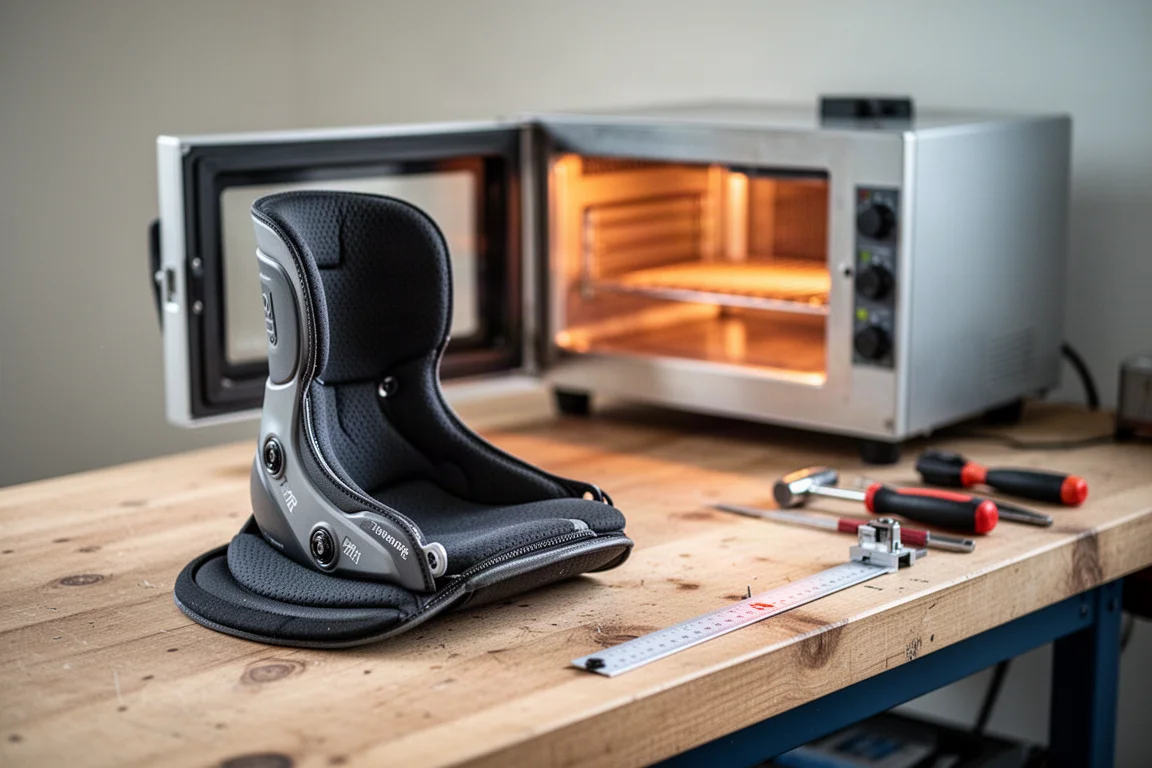
Because the liner foam is heat moldable, a visit to a boot shop is the most effective next step after purchase. Baking the liner and molding it to the foot, particularly around the ankle, is the single biggest improvement most skiers can make to an already well-matched boot.
Things to Consider Before Buying
The 120 flex is the main consideration. It rewards strong, aggressive skiing but can feel like too much boot for lighter or less experienced skiers who would be better served by a softer shell.
The mid-volume fit is the second consideration. A 100 mm forefoot last with added instep room suits a mid-volume foot, but it is not a wide-fit boot, and skiers with a broader foot should look at other options rather than force this one.
Finally, the tuning features are best treated as a shop task. Rivet positions and rear spoiler height are easy to change in principle, but getting them right for your stance and skiing style is work for an experienced fitter. Plan on the extra step rather than expecting a perfect setup straight from the box.
Buying Advice
Buy this boot if you are an advanced or expert skier with a mid-volume foot who wants a 120 flex all-mountain shell and values the ability to adjust flex, forward lean, and cuff alignment. The pre-installed grip soles, four micro-adjustable buckles, and heat-moldable liner round out a package that covers both performance and day-to-day comfort.
If your ability level or foot shape does not line up with those parameters, a different flex rating or a wider last will serve you better, regardless of how good the engineering is. Match the boot to the foot and the skiing first, then use the adjustment range to refine what you already have.
Conclusion
The Rossignol High Speed Pro 120 MV is a well-considered option for advanced and expert skiers who want a stiff, mid-volume, all-mountain boot with real tuning potential. The 100 mm last and extra instep room keep it livable, the generative-design shell trims weight without softening the flex, and the heat-moldable liner gives a fitter room to work. For the right skier, it is a confident, capable choice.
Product link
View more details for Rossignol High Speed Pro 120 MV
This product is mentioned in the review. Check the specifications, options, and compatibility before buying.
View more details for Rossignol High Speed Pro 120 MVFurther reading
Related Reviews

Ski Boots
2027 Ski Boot Roundup: Six 130-Flex Boots Worth Knowing
Six 130-flex ski boots for 2027, plus a low-volume liner upgrade, compared on weight, fit, flex feel, and ease of use.

Ski Boots
Armada AR One Ski Boot Review: A Three-Piece Cabrio That Finally Gets It Right
Armada's first ski boot blends three-piece Cabrio design with Atomic engineering, a heat-moldable shell, and a 100mm last that fits better than any Cabrio before it.

Ski Boots
Armada AR1 Ski Boot Review: A Cabrio and Overlap Hybrid for Park and Freeride Skiers
Armada's first ski boot pairs a three-piece cabrio shell with overlap-style buckles and a cable-driven slingshot buckle. Here is where it shines, and what to weigh before buying.