Ski Boots
Rossignol High Speed Elite 130 Review: Precision and Power for Aggressive Skiers
A close look at the Rossignol High Speed Elite 130, a low-volume 130 flex alpine boot built for advanced and expert skiers who want maximum precision and energy transfer.
Introduction
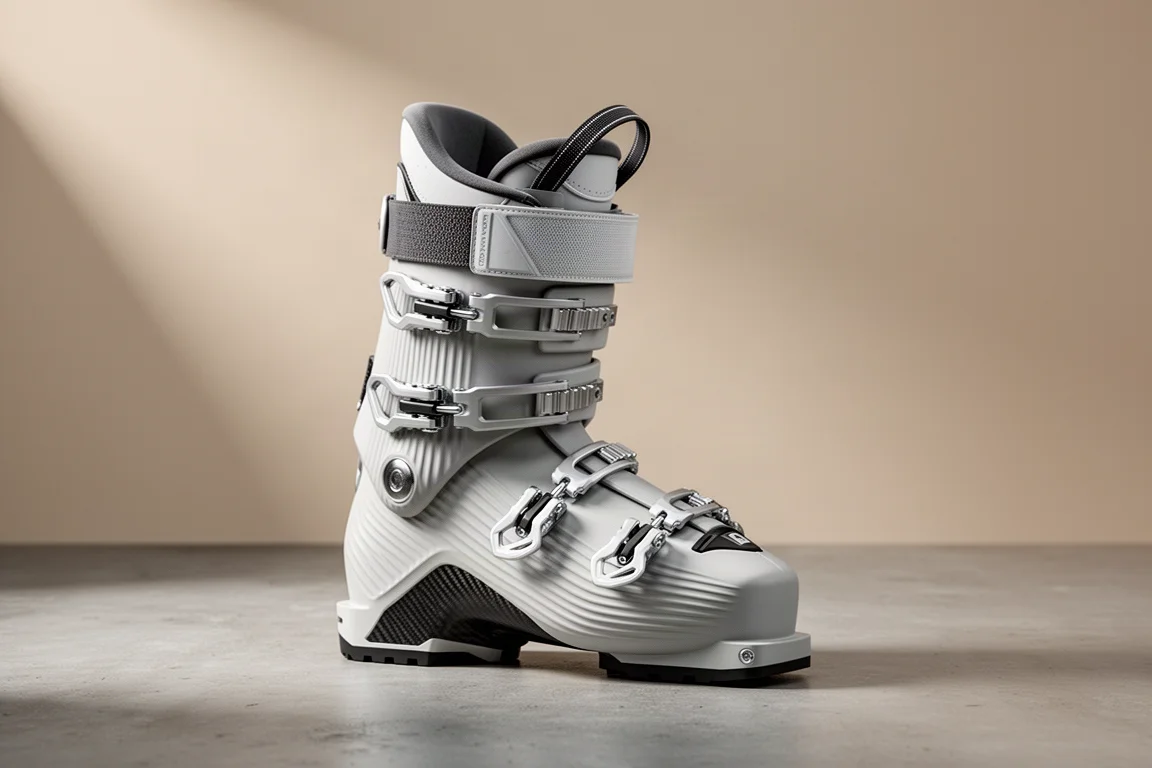
The Rossignol High Speed Elite 130 sits at the performance end of the alpine boot range. It pairs a 130 flex with a low-volume fit, and those two numbers tell you most of what you need to know before you ever click in: this is a boot designed for skiers who want a tight, precise connection to the ski and are willing to work for it.
Rossignol has also built in several structural details that matter. A Dual Core construction and generative design approach, carbon in the chassis, and a set of fit adjustments that let a boot fitter fine tune the boot to the foot.
Who This Boot Is For
This boot is aimed at advanced and expert skiers. If you ski aggressively, drive the tips of your skis, and want the most direct energy transfer possible from your foot to the edge, the High Speed Elite 130 is built around exactly that brief. Former racers and skiers who grew up chasing gates will recognise the intent immediately: a stiff, snug shell that rewards a strong, active stance.

It is not a forgiving boot, and that is the point. A 130 flex and a low-volume fit are the two variables that make a boot feel precise, and both are present here. Skiers stepping up from a softer, roomier boot should expect a noticeable change in how much input the boot asks for.
Main Strengths
The strengths of this boot come down to how it moves energy, and how much it can be adjusted.
Dual Core Construction and Generative Design
Rossignol’s Dual Core technology works alongside a generative design approach in the shell. The sides of the boot are ribbed, and material has been removed from the side wall. That reduction in plastic serves two purposes: it lowers weight, and it makes it easier to move your energy to the edge of the ski.
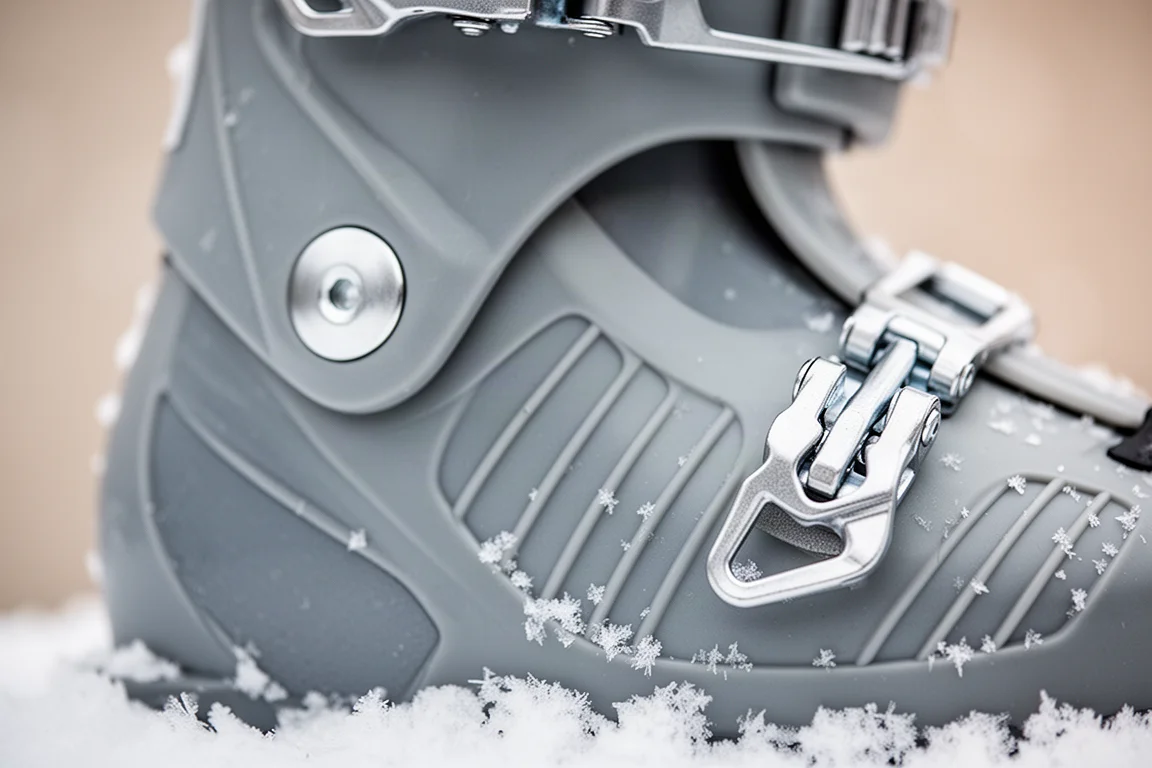
In practice, that means less material sitting between your input and the ski’s response. For a skier who is already strong on their edges, the shell is designed to feel quicker and more direct than a conventional build.
Carbon in the Chassis
Carbon is used in the chassis, running through the sole and up through the spine of the boot. This is where the High Speed Elite 130 pushes energy transfer further.
The combination of a carbon-reinforced chassis and a reduced side wall is what separates this boot from a standard performance shell, and it helps explain its position at the top of the range.
Liner and Fit Adjustability
The liner is heat moldable, with moldable foam placed in strategic zones, and a boot shop can bake it and mold it to your foot. It is a high quality liner that gives the boot a custom feel without giving up the tight, performance-oriented hold of the shell.
Around the shell, Rossignol includes micro adjustable buckles and a racer style power strap. The strap lets you cinch the top of the boot tight against your shin, which adds a noticeable boost when you are driving the front of the ski. There is flex adjustment through a pair of rivet positions, and a forward lean adjustment at the rear: unscrewing the back section and moving the spoiler up or down changes the forward lean of the boot.
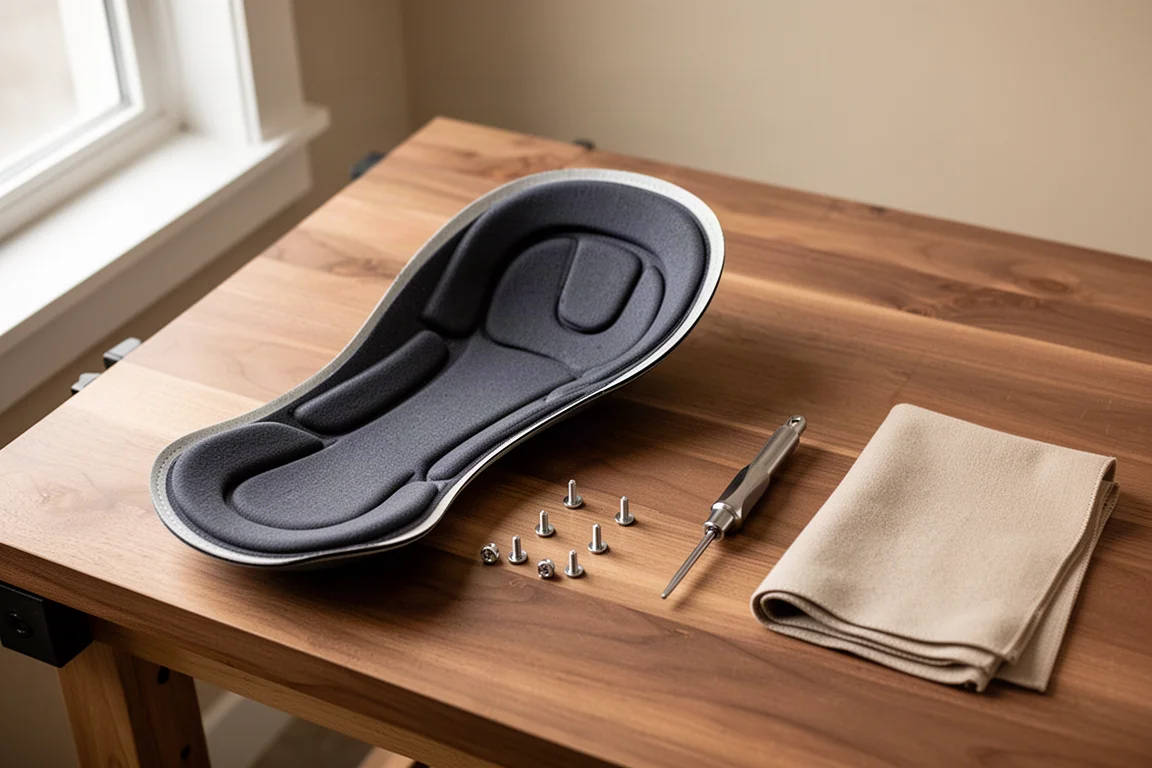
Between the moldable liner, the flex rivets, and the spoiler, there is a lot of room for a fitter to dial the boot in to your foot and your skiing style.
Things to Consider Before Buying
The most important consideration is fit volume. This is a low-volume boot and it is meant to be tight. Skiers with wider feet or a high instep may find it too narrow, so it is worth being honest with yourself about that before you commit. A boot fitter can confirm shell fit and whether the last works for your foot.
Second, the flex. A 130 flex is stiff and it is designed for skiers who can bend a boot and use it. Lighter skiers and less aggressive skiers may find it demanding rather than rewarding.
Third, expect a break-in process. The liner is heat moldable and benefits from being professionally molded, which is a normal part of buying a high performance boot but does add a step to the purchase.
Buying Advice
If you are an advanced or expert skier who wants a precise, stiff, low-volume boot with genuine adjustability, the Rossignol High Speed Elite 130 is a coherent package: Dual Core construction, a lighter side wall, carbon in the sole and spine, a moldable liner, and the hardware to tune flex and forward lean.

The deciding factors will be your foot shape and your skiing. Have the shell fit checked by a boot fitter, be realistic about whether a 130 flex matches your weight and style, and plan on having the liner molded. Do those three things and this boot is likely to feel like the precise, high-energy platform it was designed to be.
Conclusion
The High Speed Elite 130 is a specialist boot for a specific skier: advanced or expert, aggressive, and looking for maximum precision and energy transfer. Its low-volume fit and stiff flex are features rather than drawbacks for the right person, and the flex and forward lean adjustments plus a heat moldable liner give a fitter plenty of ways to make it yours. If you know what you are getting into, it is a serious piece of equipment.
Product link
View more details for Rossignol High Speed Elite 130
This product is mentioned in the review. Check the specifications, options, and compatibility before buying.
View more details for Rossignol High Speed Elite 130Further reading
Related Reviews

Ski Boots
2027 Ski Boot Roundup: Six 130-Flex Boots Worth Knowing
Six 130-flex ski boots for 2027, plus a low-volume liner upgrade, compared on weight, fit, flex feel, and ease of use.

Ski Boots
Armada AR One Ski Boot Review: A Three-Piece Cabrio That Finally Gets It Right
Armada's first ski boot blends three-piece Cabrio design with Atomic engineering, a heat-moldable shell, and a 100mm last that fits better than any Cabrio before it.

Ski Boots
Armada AR1 Ski Boot Review: A Cabrio and Overlap Hybrid for Park and Freeride Skiers
Armada's first ski boot pairs a three-piece cabrio shell with overlap-style buckles and a cable-driven slingshot buckle. Here is where it shines, and what to weigh before buying.