Cross Country Skis
Rossignol Evo XC 65 Review: A Skin Ski Built for Groomed Trails and Beyond
A practical look at the Rossignol Evo XC 65, a 65/52/61 mm skin ski with a wood core that favors glide and efficiency on groomed classic terrain.
Introduction
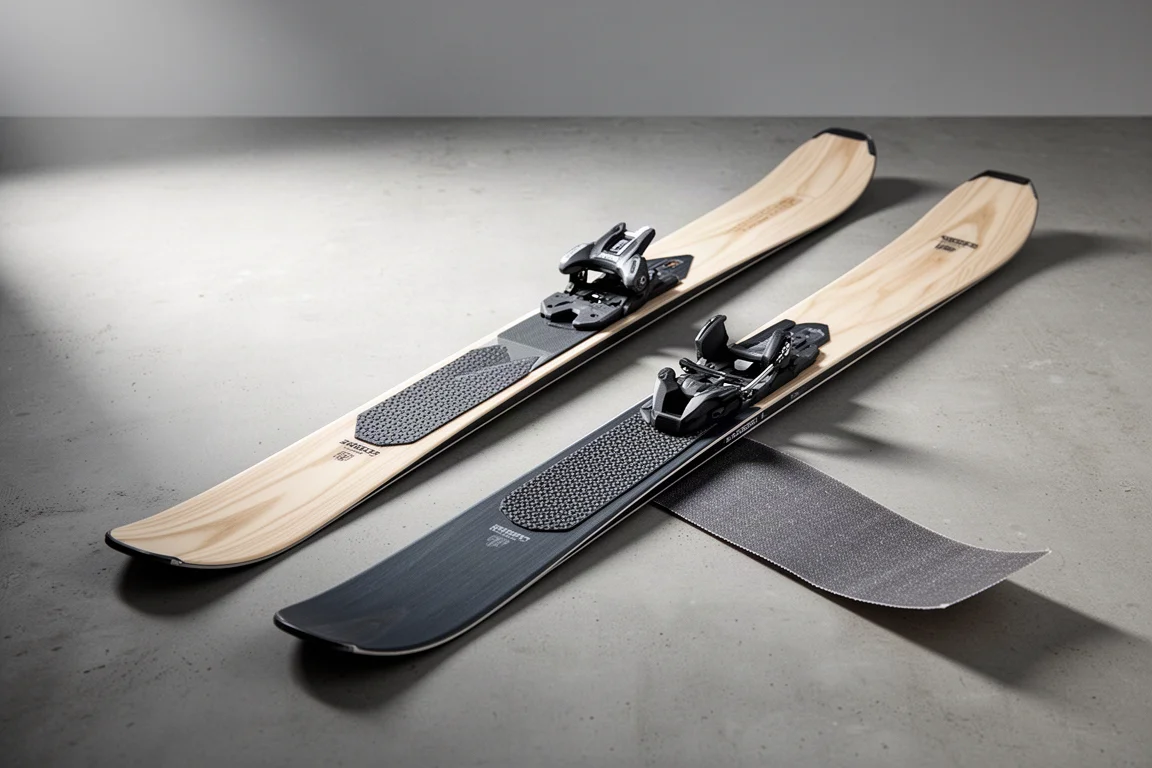
The Rossignol Evo XC 65 occupies a useful middle ground in cross country skiing. It shares a wood core and the same overall shape as the Evo OT 65, with a 65 millimeter tip, 52 millimeters underfoot, and a 61 millimeter tail. Where it diverges is underneath: the Evo XC 65 uses a skin system in the kick zone instead of a traditional fish scale pattern, and it is built without a metal edge.

That combination makes it a strong option for skiers who want more glide and efficiency out of their setup while keeping a shape that is stable and forgiving enough for relaxed touring.
Who the Rossignol Evo XC 65 Is For
This ski is aimed at the skier who spends a considerable amount of time at a groomed touring center. The narrower profile is narrow enough to sit comfortably in a set classic track, and the skin kick zone is designed to move efficiently over groomed snow, whether you are skiing in the track itself or on the flat terrain beside it.
It also works for skiers who like to head off the prepared trails now and then. Cruising a snow covered golf course or a local power line trail is well within its range, and it handles those outings without complaint.
The skier it suits least is the one who spends most of their time off trail, hunting for steeper climbs and ungroomed lines. That rider will find more to like in the Evo OT 65.
Main Strengths: Glide, Stability, and Versatility
The defining feature here is the skin kick zone. Because the skin does not come into contact with the snow surface as often as a fish scale design does, the ski delivers more glide and more speed. On groomed terrain, that translates into a noticeably more efficient stride, and it is the main reason this model feels quicker than its fish scale sibling.
The shape backs that up. At 52 millimeters underfoot, the ski is wide enough to add some float and extra stability compared with a pure track ski, so soft or slightly variable snow does not throw it off balance.
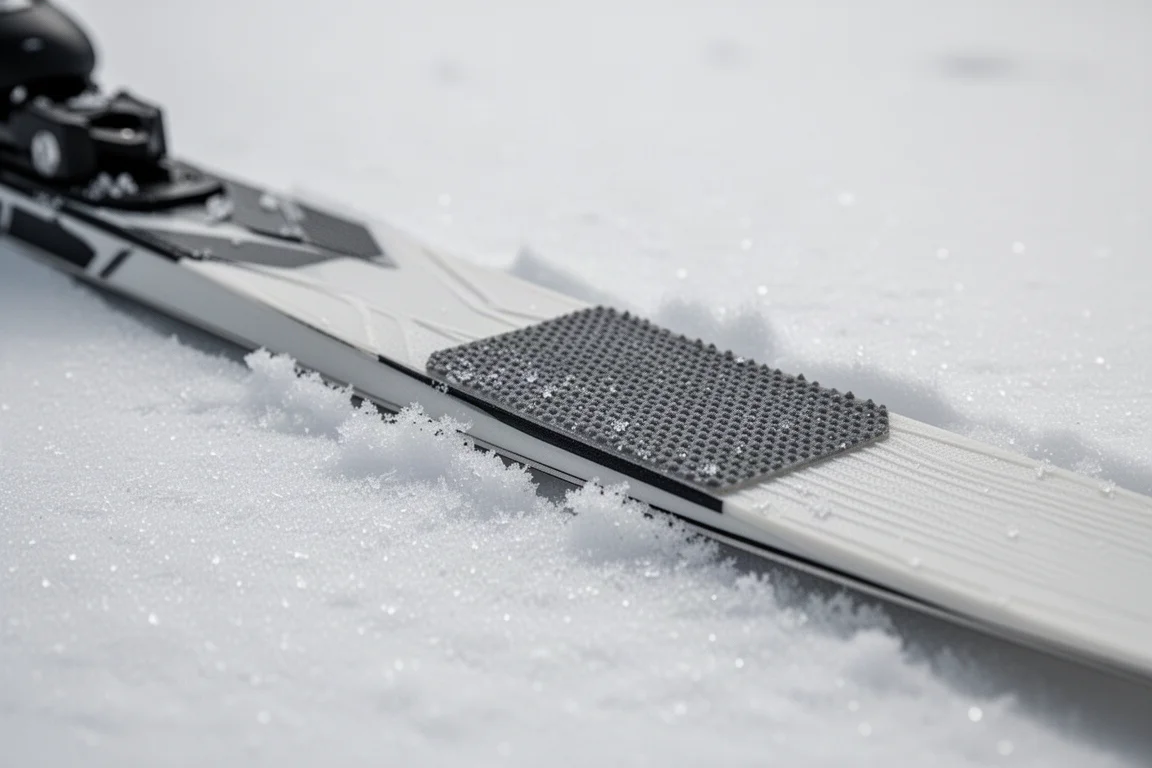
The wood core is the same one used in the Evo OT 65, and the binding system is shared as well. Anyone stepping across from that model will find the platform familiar, which keeps the decision between the two focused almost entirely on how the base behaves.
Dimensions and Construction at a Glance
- Tip: 65 millimeters
- Underfoot: 52 millimeters
- Tail: 61 millimeters
- Core: wood
- Kick zone: skin system
- Edge: no metal edge
- Binding system: shared with the Evo OT 65
That profile is deliberately versatile. It is narrow enough to run cleanly in a groomed classic track, yet wide enough that you are not punished when the surface softens or when you step off the prepared lane.
How the Evo XC 65 Compares to the Evo OT 65
The honest way to think about these two skis is as a trade between grip and stability on one side, and speed and efficiency on the other.
The Evo OT 65 uses a fish scale style base and includes a metal edge. That gives it more bite underfoot, which matters on steep climbs and on firmer, icier surfaces where edge hold is doing real work.

The Evo XC 65 goes the other direction. You give up some of that grip and some of that edge, and in return you get a faster, more efficient ski on groomed terrain. Neither approach is better in absolute terms. The right answer depends on where you actually ski.
If your weeks are mostly spent at a touring center, with occasional off trail adventures mixed in, the Evo XC 65 lines up well with that pattern. If the balance tilts toward golf courses, power line trails, and steeper terrain, the Evo OT 65 is the more natural pick.
Things to Consider Before Buying
Grip is the first thing to weigh. On a steep climb, this ski will not be as stable as the Evo OT 65, partly because the skin kick zone does not deliver the same level of grip and partly because there is no metal edge to lean on. That is a real difference, not a small one, and it is worth being honest with yourself about the terrain you ski most.
Off trail performance is the second consideration. The ski is perfectly appropriate for ungroomed outings, so this is not a limitation that keeps you on groomed snow. It simply means that when conditions get firm or steep, you will have less support than a fish scale ski with an edge would give you.
Finally, think about how often you actually ski in a groomed classic track. That is the environment where this ski’s strengths show up most clearly. The more of your season happens there, the more sense the Evo XC 65 makes.
Buying Advice: Ski, Binding, or Full Package
The Evo XC 65 can be purchased as a ski and binding on their own, or as a complete package that adds a boot selected to pair well with the ski along with poles. If you are fairly new to the sport, or if your existing gear needs a full refresh, the package route is the simpler path and it carries good value.
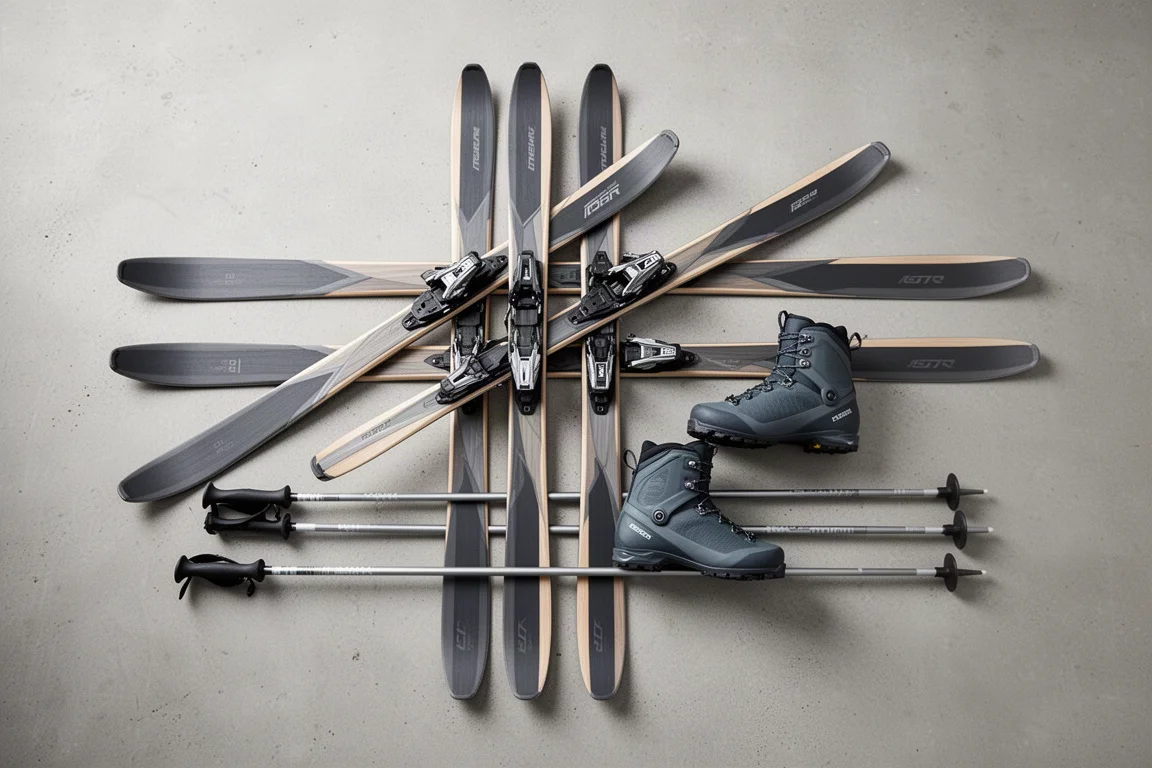
There is a straightforward financial argument for the package as well: buying everything together costs a little less than assembling the same items individually. If you already own boots and poles that you are happy with, buying the ski and binding separately is the more sensible route.
Either way, the decision comes back to the same question. If your skiing leans toward groomed touring centers and you want glide and efficiency out of your setup, this is a well matched choice.
Conclusion
The Rossignol Evo XC 65 is a versatile cross country ski built around a clear priority: speed and efficiency on groomed terrain, with enough width and stability to keep the door open for off trail wandering. Its skin kick zone, wood core, and 65/52/61 millimeter shape make it an easy ski to live with if your season is mostly spent on prepared trails.
The trade-off is grip. Steep climbs and firm, icy surfaces are where the lack of a metal edge and the skin kick zone are most noticeable, and skiers who spend most of their time off trail will likely be happier on the Evo OT 65. For everyone else, the Evo XC 65 is a confident, well rounded choice.
Product link
View more details for Rossignol Evo XC 65
This product is mentioned in the review. Check the specifications, options, and compatibility before buying.
View more details for Rossignol Evo XC 65Further reading
Related Reviews
Cross Country Skis
Fischer Twin Skin Pro Review: A Classic Ski That Skips the Waxing Routine
A closer look at the Fischer Twin Skin Pro, a lightweight classic cross country ski with a twin skin grip system built for racers and performance-focused fitness skiers.

Cross Country Skis
Rossignol Delta Sport R-Skin Classic Review: Skin Grip for Groomed Tracks
A lightweight classic ski with a premium wood core, durable cap construction, and an integrated skin kick zone, built for groomed tracks and value-focused skiers.
Backpacking Gear
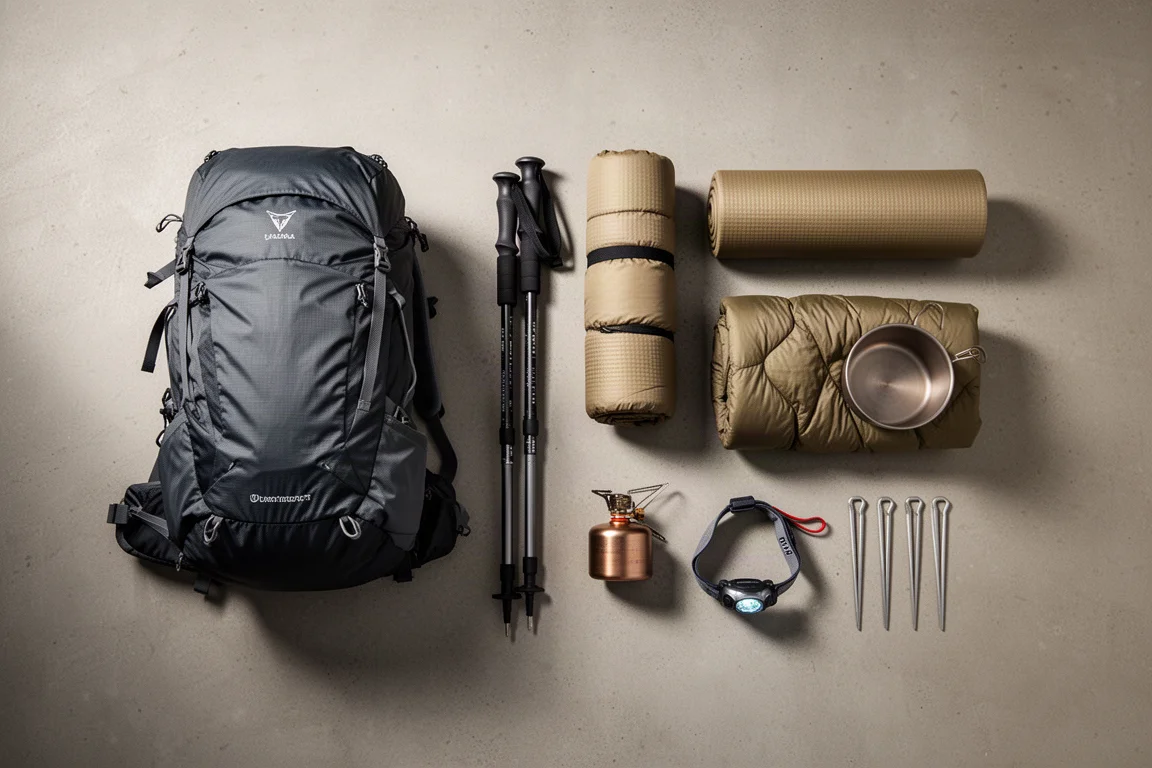
Building a 10 lb Base Weight: An Ultralight Backpacking Gear List
A practical walkthrough of the ultralight pieces behind a 10 lb base weight, from a 765 g pack and a roomy one-person tent to a full camp chair and a dependable water filter.