Cross Country Skis
Fischer Twin Skin Pro Review: A Classic Ski That Skips the Waxing Routine
A closer look at the Fischer Twin Skin Pro, a lightweight classic cross country ski with a twin skin grip system built for racers and performance-focused fitness skiers.
Introduction
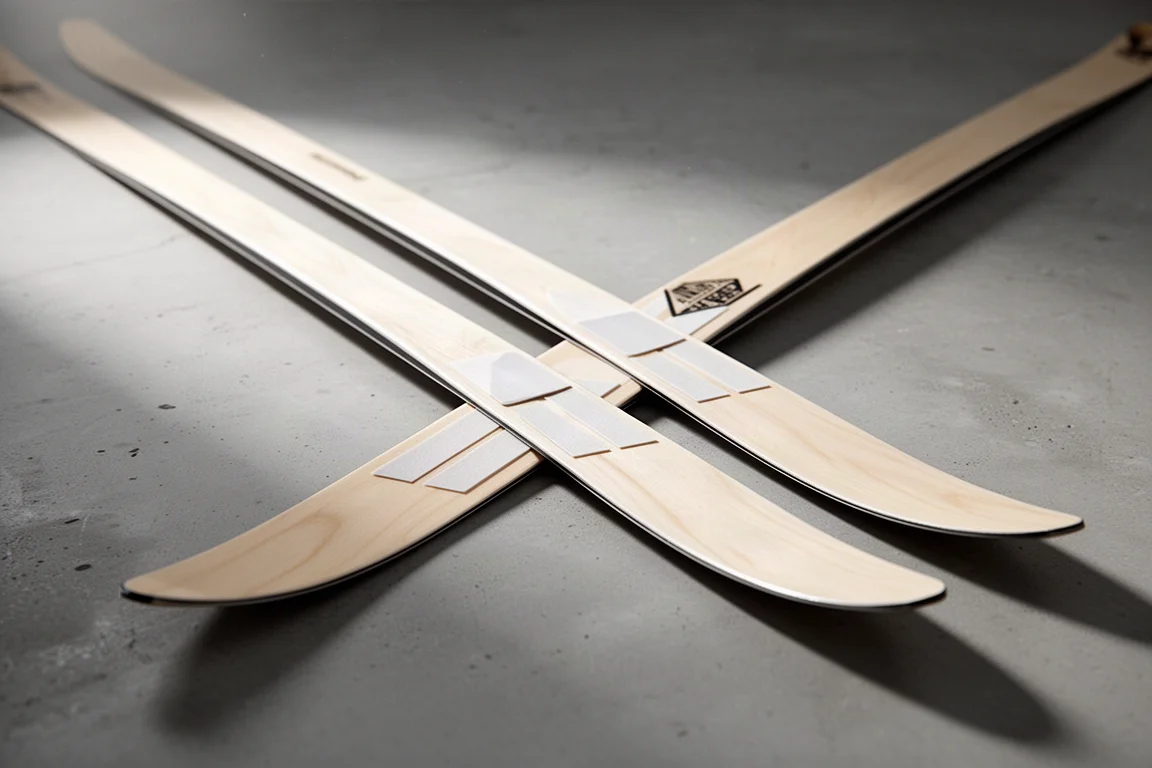
The Fischer Twin Skin Pro is a classic cross country ski for skiers who want something a step up from entry-level race skis, or a genuinely performance-oriented fitness ski for classic terrain. It is built around a lightweight construction and a skin-based grip system, and that combination shapes almost everything about how the ski behaves.
Fischer uses its Airtech Basolite construction here, the same lightweight build found in the brand’s SCS skate ski. The result is a ski that stays light underfoot while returning energy well, which is exactly what produces an efficient kick and glide. In practice, that means a ski that feels quick without feeling nervous, and one that rewards a steady, rhythmic classic technique rather than demanding perfect inputs.

Because the construction keeps weight down, the Twin Skin Pro is also fast enough to be used in a high school race league or a casual race league. It is not a World Cup-level race ski, and it is not positioned as one, but for the vast majority of skiers competing at a school, club, or local league level, that ceiling is not the limiting factor.
Who This Product Is For
The Twin Skin Pro sits in a useful middle ground, and it suits a fairly specific set of skiers.
High school racers are an obvious fit. Race days at that level are busy and unpredictable, and the ski removes an entire category of stress from the morning. Instead of chasing wax recommendations while the temperature moves around twenty minutes before a start, a skier can simply step into the bindings and warm up.
Performance-focused fitness skiers are the second group. Anyone driving to a local touring centre for a proper classic session will appreciate a ski that is ready the moment they get out of the car, with no half hour spent corking wax into a base before the first stride.
Finally, the ski suits skiers who value consistency across a whole session. A waxed base can feel excellent early on and then fade as conditions shift or the wax wears down, leaving a skier slipping on climbs that worked fine an hour earlier. The twin skin system is designed to avoid that specific frustration.
Main Strengths
The headline strength is the lightweight Airtech Basolite construction. Low weight matters in classic skiing because every kick and every glide is repeated thousands of times over a session, and a lighter ski is simply less work to move. Paired with good energy return, it gives the Twin Skin Pro a lively, efficient feel that is a clear step beyond basic recreational skis.
The second strength is how fast the ski actually is. It has enough performance on tap for high school race leagues and casual race leagues, which puts it well above the pace of a pure touring ski. Skiers stepping up from an entry-level classic ski will notice the difference most on rolling terrain, where the ski carries speed between kick zones.
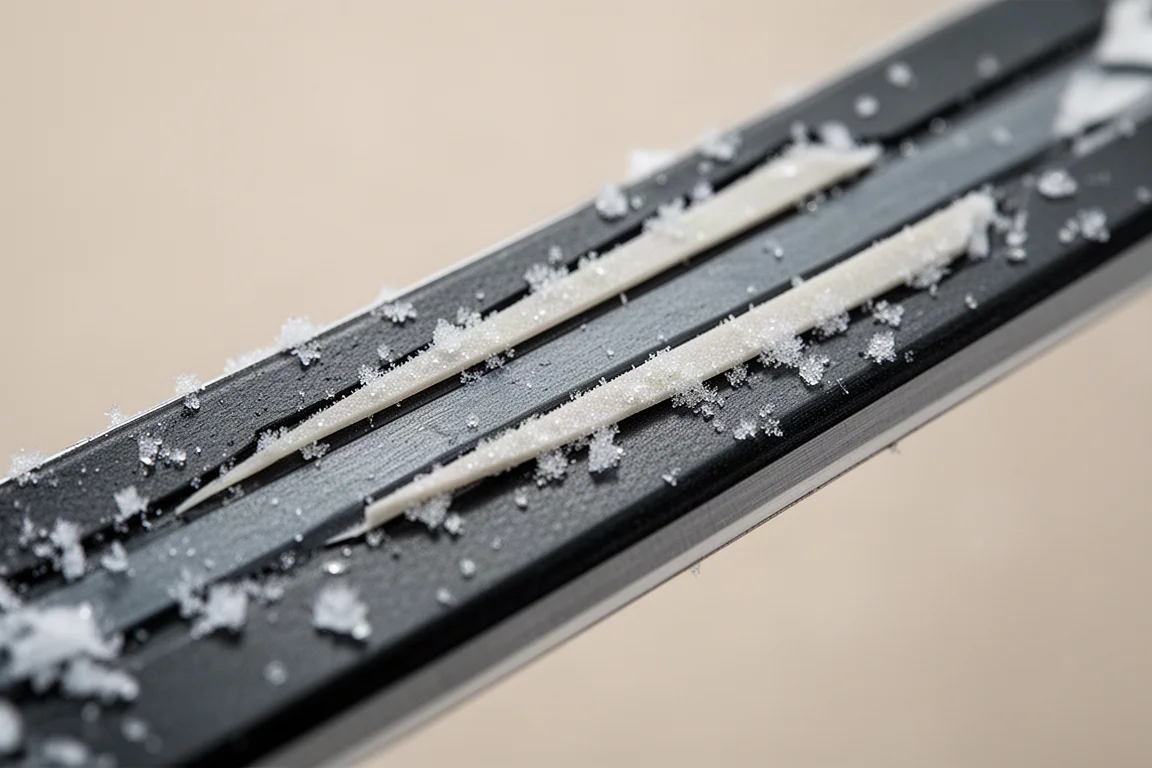
The third strength is the grip system itself, which is covered in more detail below. It is the reason this ski is so easy to live with, and it is the part that makes the biggest practical difference to a normal ski day.
How the Twin Skin System Works
Most classic skis fall into one of a few grip categories. There are flat waxable bases, which offer the best possible performance when the wax is right and require constant attention when conditions change. There are fish-scale or posi-track style grip patterns, which are simple but generally slower. The Twin Skin Pro takes a third route.
Under the kick zone, two narrow skin strips are inset into the base. The approach comes from back country skiing, and it has steadily migrated onto race-style classic skis because it works. The skins provide grip without any waxing, and the technology behind them has improved to the point where the gap to a well-waxed base keeps narrowing.
That does not make wax obsolete. There are still situations where applying kick wax by hand will be faster, or will provide better grip than a skin. For most skiers, though, those situations are becoming fewer and further between, and the trade is a good one: a ski that performs predictably on every outing instead of one that performs brilliantly on some.
Things to Consider Before Buying
The most important thing to understand is the level this ski is aimed at. It is a strong performer for school and casual league racing and for committed fitness skiing, but it is not a top-tier race ski, and skiers chasing the sharpest possible race-day edge may still prefer a waxable race platform.
The second consideration is the wax question. If you race in a category where hand-applied kick wax is common and you are comfortable reading snow conditions, there will be days when a waxed ski is the faster choice. The Twin Skin Pro trades a small amount of that peak performance for consistency and simplicity, which is a reasonable trade for most skiers but not an automatic one for everyone.
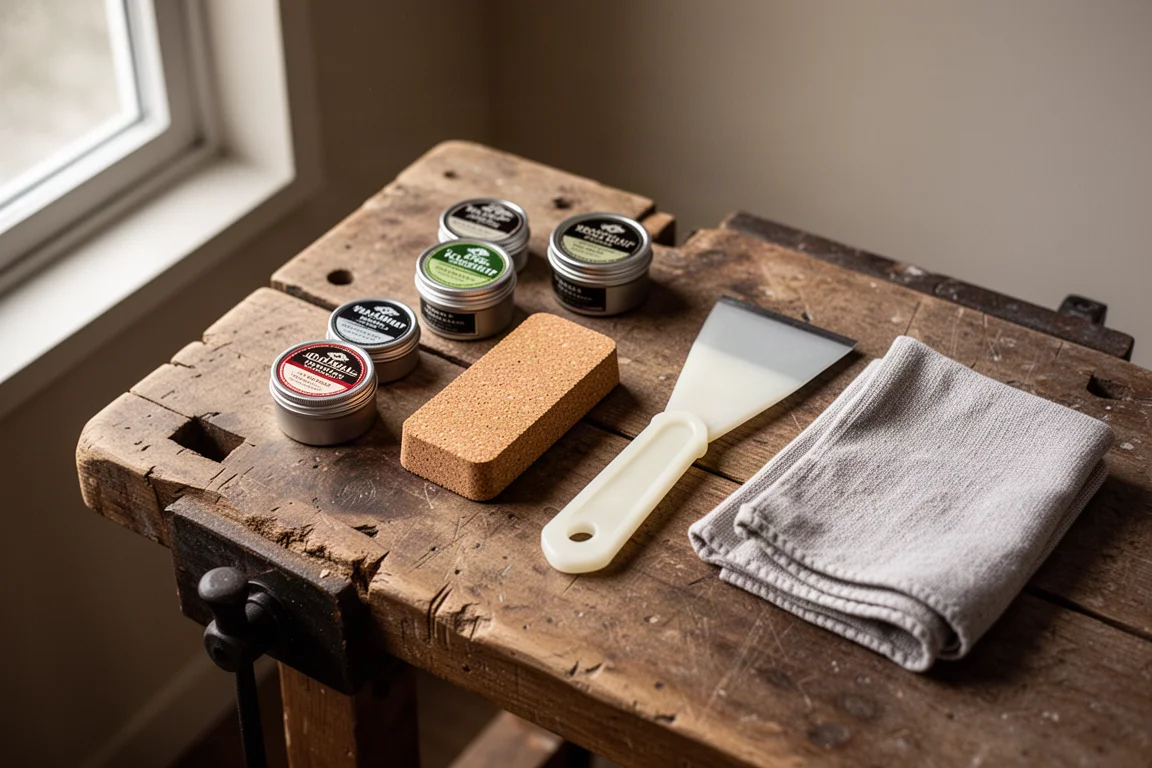
The third consideration is maintenance. A skin-based grip zone is low effort compared to waxing, but it is still a system that benefits from being kept clean and stored sensibly between seasons. Treat the kick zone with a little care and it will keep doing its job for a long time.
Ski Only or a Complete Package
The Twin Skin Pro can be bought as a ski on its own, paired with a binding, which is the sensible route if you already own boots and poles that suit this level of skiing.
If you are refreshing your whole setup, or you are relatively new to this level of classic skiing, the ski is also available as a complete package that includes boots and poles. The important detail is that the boots supplied in that package are chosen to match the performance of the ski, rather than being an entry-level boot that cannot drive it properly. A ski this capable deserves a boot that can transfer your weight effectively, and a package that respects that is worth considering.
Buying Advice
Match the ski to the skiing you actually do. If your classic days involve race starts, a busy waxing table, and a lot of standing around before you get on snow, the twin skin system is close to an ideal answer, and the performance ceiling is high enough that the ski will not hold you back at school or local league level.
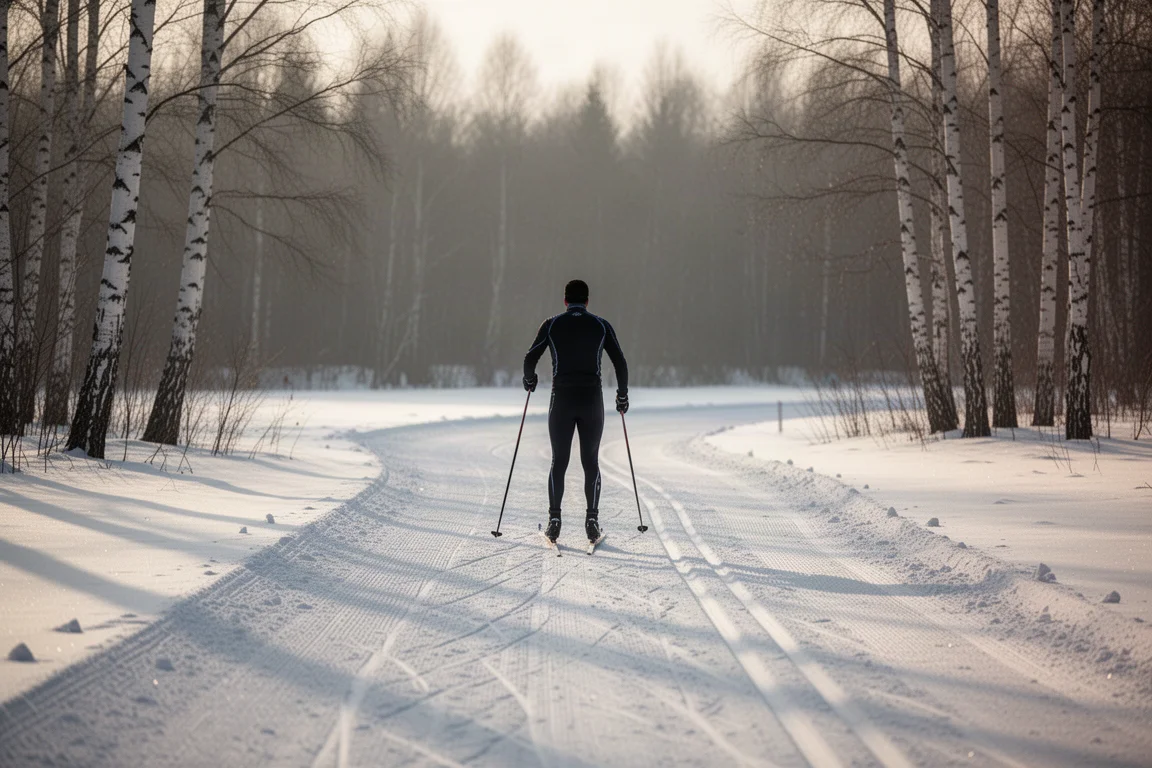
If your priority is the absolute sharpest race-day performance and you enjoy working with kick wax, a waxable race ski may still be the better fit. For everyone else, this is a ski that removes friction from the sport, both on the snow and in the parking lot.
Conclusion
The Fischer Twin Skin Pro earns its place as a step-up classic ski. The lightweight Airtech Basolite construction gives it an efficient, energetic feel, the twin skin grip system makes it genuinely user friendly, and it is fast enough for high school race leagues and casual race leagues alike. The main caveats are honest ones: it is not a top-tier race ski, and there will always be some conditions where carefully applied kick wax is quicker. For skiers who want a capable classic ski that is ready to go the moment they click in, it is a very compelling choice.
Product link
View more details for Fischer Twin Skin Pro
This product is mentioned in the review. Check the specifications, options, and compatibility before buying.
View more details for Fischer Twin Skin ProFurther reading
Related Reviews
Cross Country Skis
Rossignol Delta Sport R-Skin Classic Review: Skin Grip for Groomed Tracks
A lightweight classic ski with a premium wood core, durable cap construction, and an integrated skin kick zone, built for groomed tracks and value-focused skiers.
Cross Country Skis
Rossignol Evo XC 65 Review: A Skin Ski Built for Groomed Trails and Beyond
A practical look at the Rossignol Evo XC 65, a 65/52/61 mm skin ski with a wood core that favors glide and efficiency on groomed classic terrain.
Backpacking Gear
Building a 10 lb Base Weight: An Ultralight Backpacking Gear List
A practical walkthrough of the ultralight pieces behind a 10 lb base weight, from a 765 g pack and a roomy one-person tent to a full camp chair and a dependable water filter.