Road Bikes
Rose Shave vs Rose Shave FF: Two Aero Road Bikes, Two Geometries
Rose Bikes sells two aero road bikes under one name. Here is how the Shave and the Shave FF differ in geometry, build, weight, and price.
Introduction
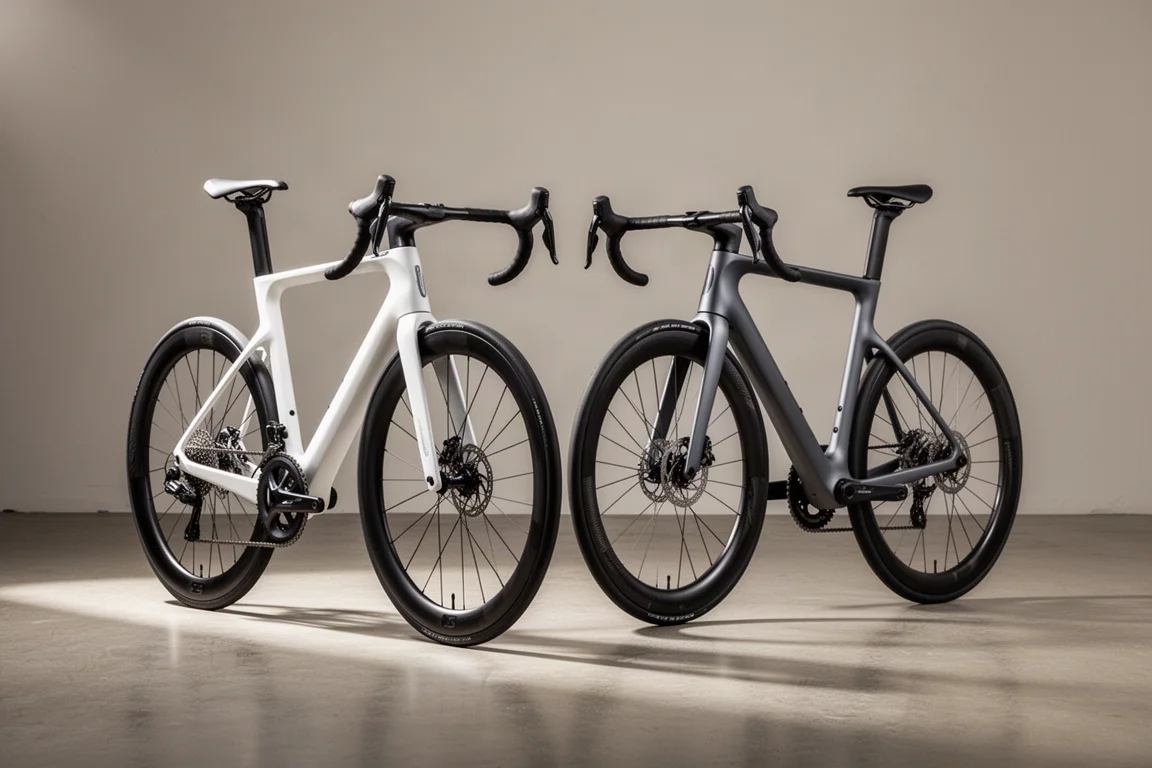
Rose Bikes has returned to the UK market with a new road range, and the most interesting part of the launch is that one model name covers two different machines. Both are called Shave. Both use the same aero frame concept and a one-piece aero cockpit. But the geometry splits in two directions, with a race-focused Shave FF and a more upright aero endurance Shave.
The pricing adds to the appeal. The standard Shave is listed at 3,600 euros with Shimano 105 Di2, while the Shave FF comes in at 5,600 euros with Shimano Ultegra Di2 and carbon wheels. For riders used to seeing similar specification at noticeably higher prices, that is worth a closer look.
Two Geometries, One Name
The Shave FF is the race bike. It uses a low stack and a long reach, and in a size ML it sits very close to a 56 cm race frame. The standard Shave keeps the aero tube shapes but raises the stack and shortens the reach, putting the rider in a more upright position that lines up closely with a well known endurance road benchmark.

The FF also runs a steeper 74.5 degree seat tube angle with an inline seat post, a forward position that has become common in professional racing and is increasingly copied by amateur riders. The standard Shave trades that aggression for a taller front end and a shorter reach, which suits longer days and less flexible riders.
A third model, the Shave FFx, sits above both as the range-topping maximum aero option built on the same platform.
Rose Shave: The Aero Endurance Option
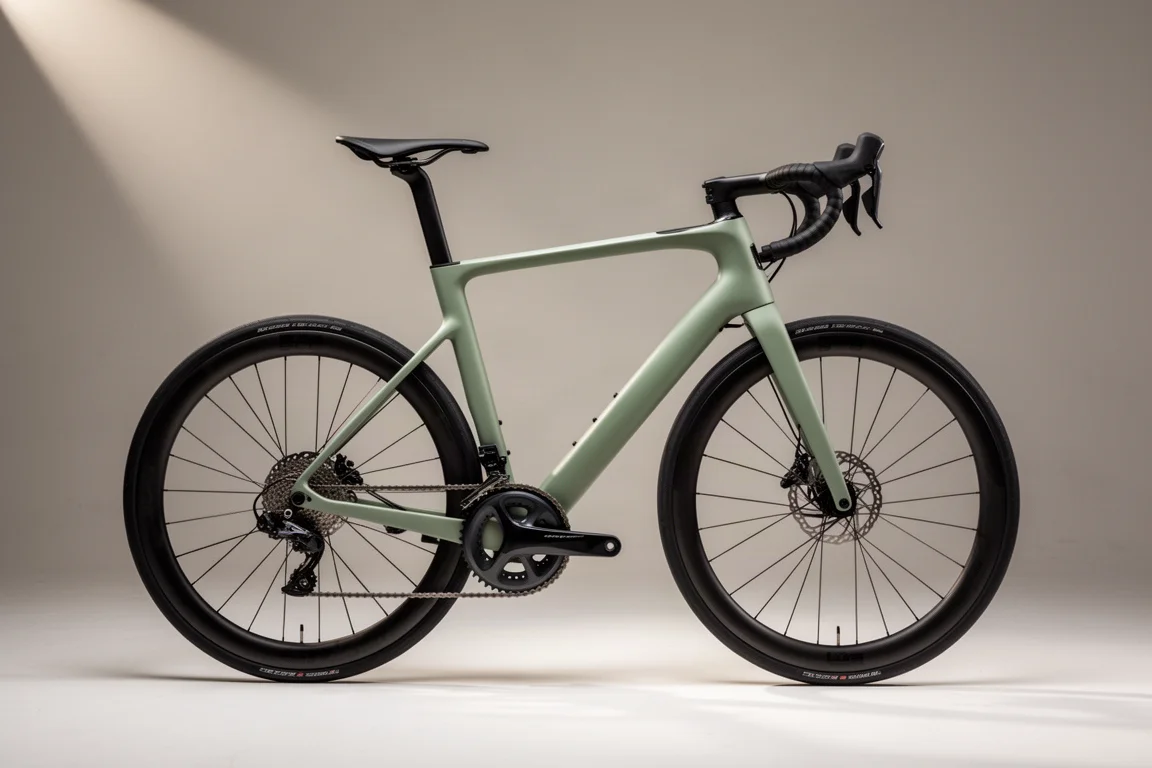
The standard Shave is the value play here. At 3,600 euros it pairs a Shimano 105 Di2 12-speed groupset with the same carbon frame and fork as the FF, plus the same one-piece carbon handlebar and stem with full internal routing. The wheels look like carbon at a glance but are aluminium with a 30 mm deep profile, a decision that keeps the price down and adds some weight. A size ML build weighs 8.5 kg without pedals, which is respectable for the parts on board.
Tire clearance is generous at up to 36 mm, and the bike ships with 32 mm tires. Two omissions are worth knowing about: the standard Shave has no mudguard mounts, and neither model offers down tube storage. For riders who want aero looks without a race position, this is the more approachable of the two.
Rose Shave FF: The Race Option
The Shave FF moves up to 5,600 euros and a Shimano Ultegra Di2 12-speed groupset, along with Rose’s own carbon rims. Those rims are 55 mm deep front and rear with a 23 mm internal width, and the spoke nipples are hidden inside the rim. Tires are 28 mm Schwalbe Pro One Aero, and the build includes a 4iiii power meter. The cockpit is a full carbon one-piece unit, 37 cm wide with a 110 mm stem in size ML.
On the scales, a size ML Shave FF weighs 7.5 kg without pedals, which is light for an Ultegra-level bike and a meaningful gap over the 8.5 kg of the standard Shave.
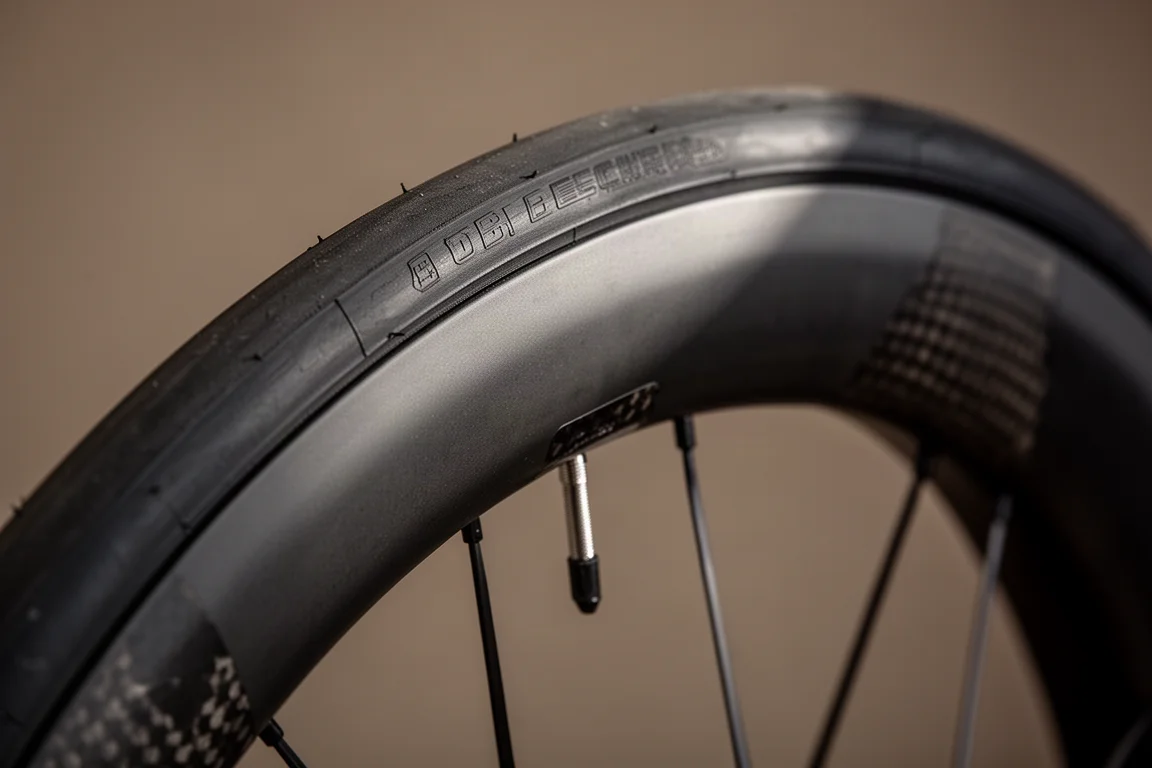
Tire clearance reaches 35 mm even though 28 mm rubber is fitted, so there is room to move to wider tires later. Combined with the steeper seat tube angle and the inline post, the FF reads as a modern race bike that has borrowed a few practical details from newer platforms.
Frame Details, Mounts, and Finishing Kit
Rose claims both frames are around 5% more aero than the previous X-Lite and lighter as well. The company also states that the range-topping FFx needs 205 W at 45 km/h in independent magazine testing, which gives some idea of where the platform sits.
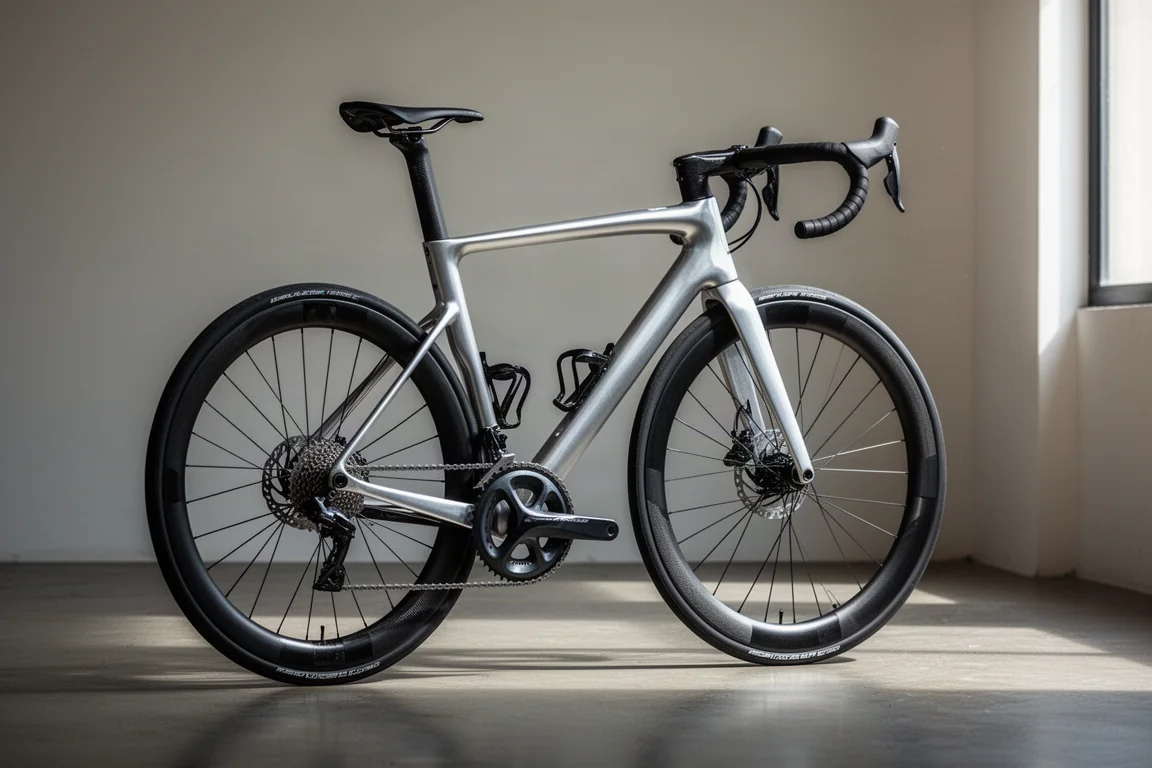
Finishing details are strong. The out-front computer mount is sturdy and includes a GoPro-style adapter underneath for a light or a camera, with Garmin and Wahoo compatibility. The aero bottle cages sit flush with the down tube, though they are not colour matched to the frame and stand out slightly. The handlebar shape is well judged, with the hoods swept forward, a little flare in the drops, and a textured finish on the tops for grip. A quality saddle is fitted, and the tires are high-end, although the Schwalbe Pro One Aero is a new design with less of a track record behind it.
One small oddity is the Shave logo on the top tube, which reads the right way up from the non-drive side and therefore appears inverted when you walk up to the bike from the drive side. It is a cosmetic point rather than a functional one, but it is noticeable on both models.
Assembly and Direct-Sale Ownership
Like several German brands, Rose sells direct. Bikes arrive boxed and well packaged, and assembly is straightforward: fit the front wheel, fit the handlebar, then the spacer wedge for the steerer tube and the seat post clamp. The process is quick and undemanding, and the savings from cutting out the dealer are passed on to the buyer.
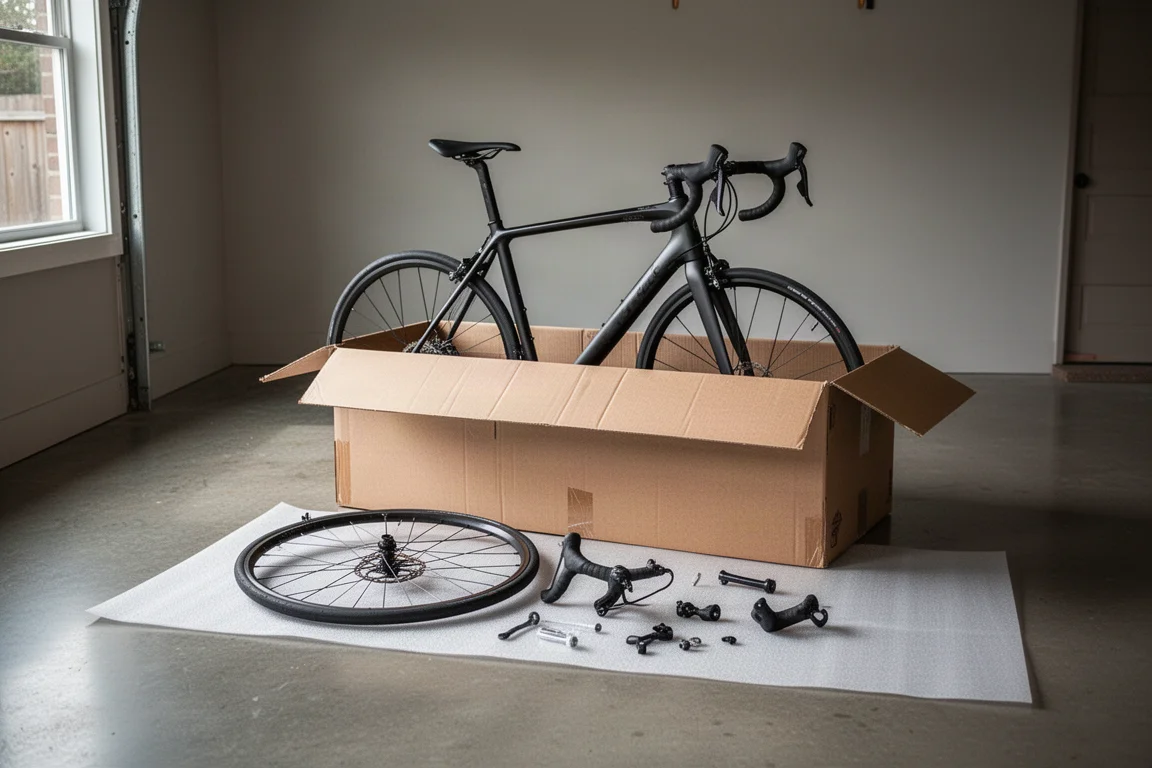
The trade-off is the same one that comes with any direct-sale brand. There is no shop to visit, no chance to handle the brake levers or sit on the bike, and no test ride before you commit. Riders who already know their fit numbers can work around that, but it does put more weight on getting the geometry choice right the first time.
First Ride Impressions
On the road, the Shave FF feels immediately like a race bike. The reach, the low front end, and the overall fit are close to a 56 cm race frame, and the short wheelbase makes for quick, calm turning. Steering is not razor sharp, which works in its favour: it holds a line easily through corners without feeling nervous.
The bigger surprise is stiffness. The FF is extremely stiff, closer to the firmest race frames on the market than to the smoother modern all-rounders. For racing and hard efforts that is a positive, but away from competition it can feel like too much, and ride quality is the one area that leaves a question mark. Wider tires, different wheels, and a tubeless setup may soften the picture, and the frame has the clearance to allow it. In the tested setup the tires were run with inner tubes at 55 PSI.
Component quality holds up well. The one-piece carbon handlebar has a shape that suits long days as easily as hard ones, and the finish around the frame spacers is clean.
Buying Advice
The choice between these two bikes comes down to position rather than performance. The standard Shave is the better match for riders who want aero tube shapes, a taller front end, and a friendlier price, and it still looks fast. The Shave FF is for riders who want genuine race geometry, a power meter as standard, deep carbon wheels, and a lighter build, and who are comfortable with a firmer ride.
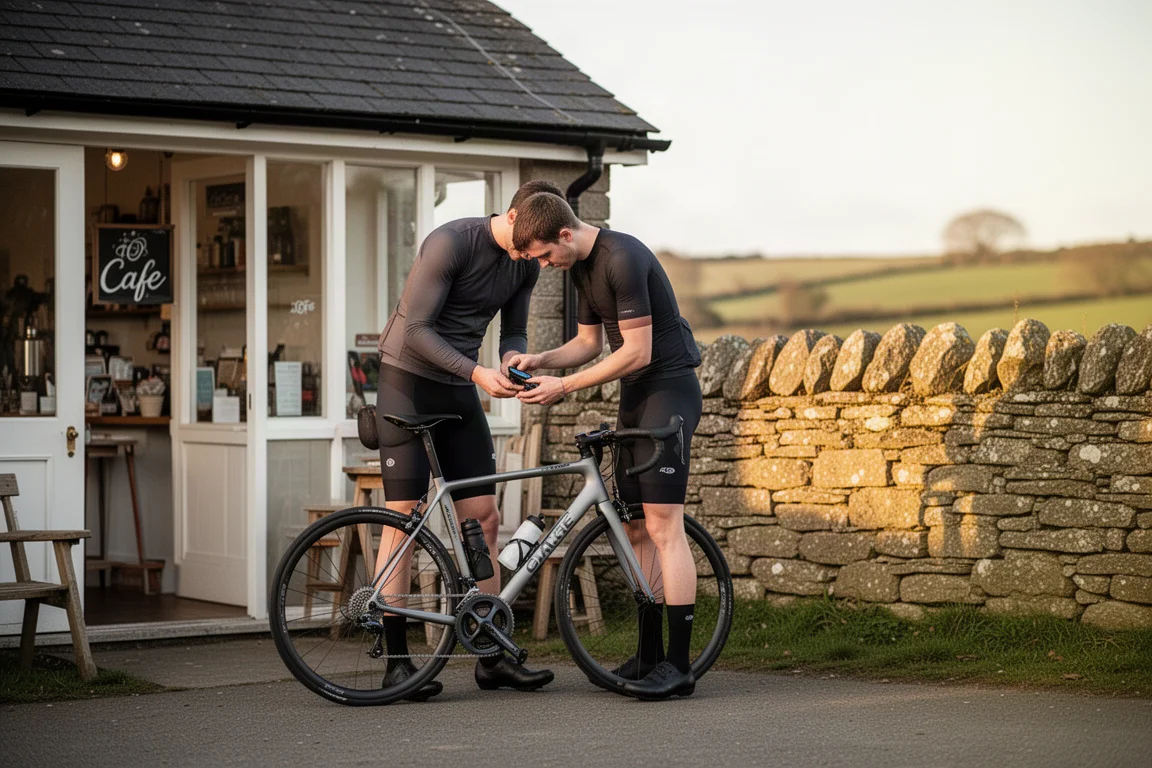
Because both bikes are sold direct, it is worth comparing the published geometry against a bike you already know and trust before ordering. The FF in size ML lines up closely with a 56 cm race frame, while the standard Shave sits closer to an endurance platform, so the numbers should make the decision fairly clear. Both arrive easy to assemble and represent strong value at their respective prices.
Conclusion
Rose has done something genuinely useful here. Instead of forcing one geometry on everyone, the Shave name covers a race bike and an aero endurance bike built around the same aero frame and cockpit. If you want speed with a more upright position, the standard Shave at 3,600 euros is the sensible pick. If you want a race bike with modern tire clearance and a power meter included, the Shave FF at 5,600 euros makes a compelling case, provided you are happy with a very stiff ride.
Further reading
Related Reviews

Road Bikes
10 New Road Bikes Worth Watching: Aero, Titanium, Steel and Endurance Standouts
A practical roundup of 10 new road bikes, from aero flagships chasing single-watt gains to titanium, steel and endurance platforms built for real roads.
Road Bikes
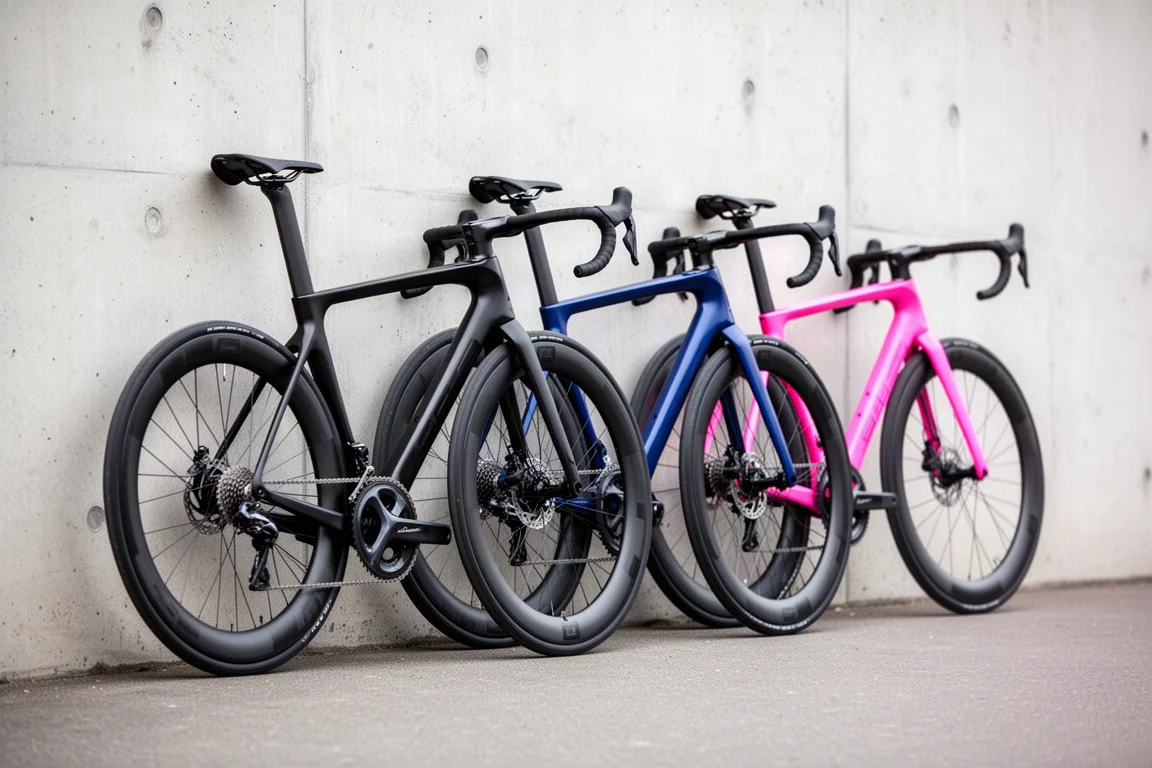
2026 Tour de France Road Bikes: Six Race Machines Worth a Closer Look
Six race bikes from the 2026 Tour de France grid, reviewed for paint, silhouette, wheels and the specification details that matter to buyers.
Road Bikes
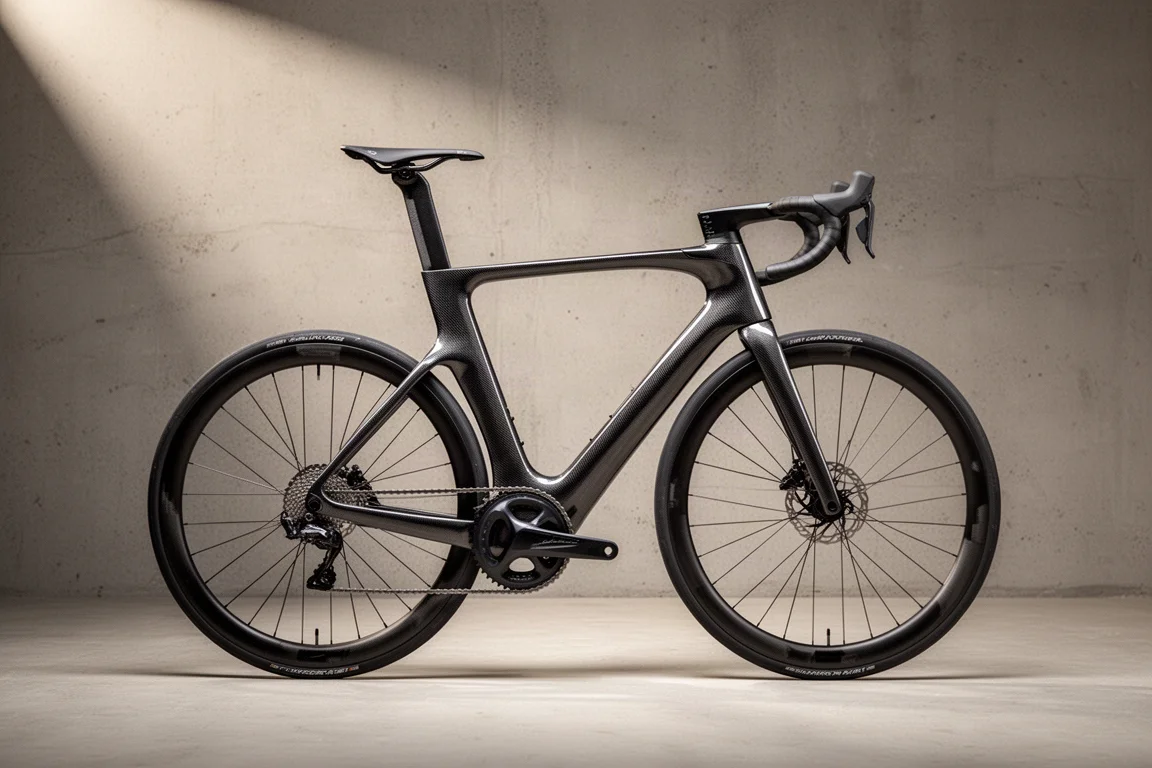
3T Strada Italia Review: A Radical Aero Road Bike That Rides Smooth
A made in Italy carbon aero road bike with a deep head tube, wide tire clearance and a genuinely comfortable ride. Here is what to know before buying.