Road Bikes
Rose Shave vs Rose Shave FF: Two Geometries, One Race Bike
Rose's Shave, Shave FF, and Shave FFX share race-bike DNA but differ in geometry, ride comfort, and price. Here is what matters before you buy.
Introduction
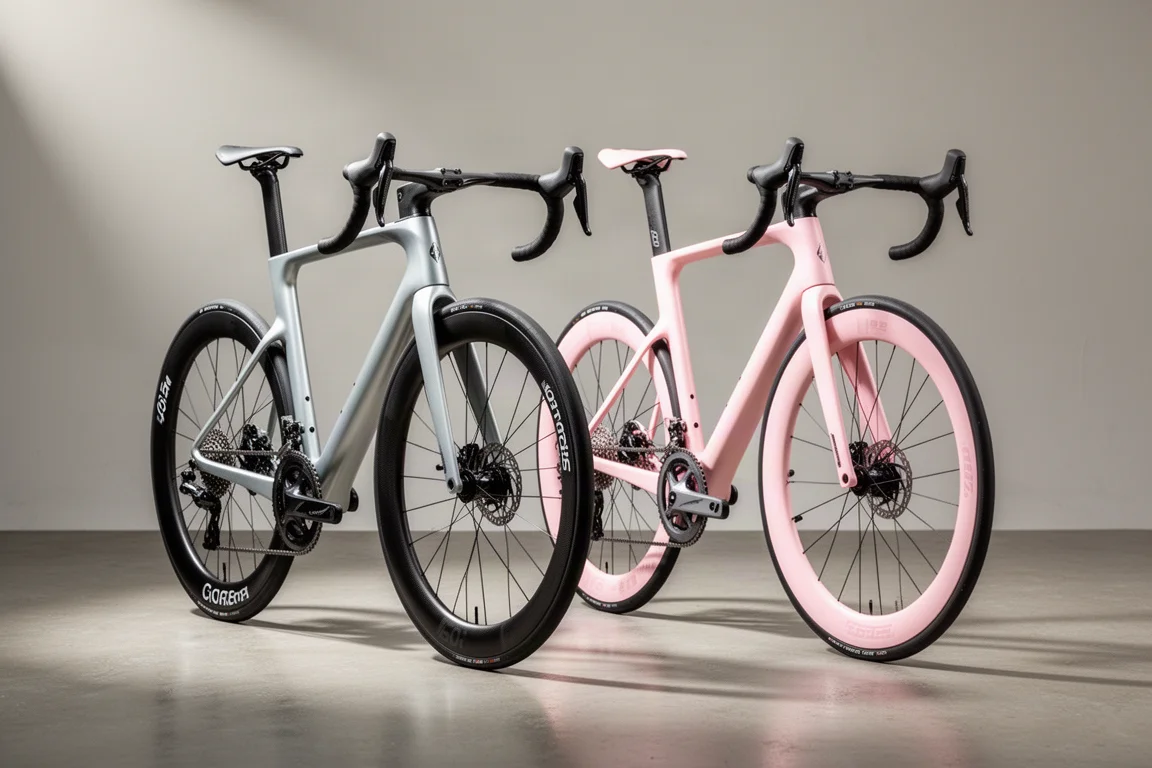
Rose has built bikes in Germany for a long time, and the Shave family shows what happens when a brand treats geometry as a genuine choice rather than a single template. There are three bikes in the range: the Shave, the Shave FF, and the Shave FFX. They share the same visual language, the same integrated cockpit, and the same performance intent, but each one changes the riding position, the carbon grade, and the asking price.
The core idea is simple: a cool-looking performance road bike should not only work for riders whose lives revolve around racing. The standard Shave uses a more relaxed geometry, the Shave FF drops the handlebars and sharpens the position, and the FFX adds aerospace-grade carbon for those who want the top of the range. This guide breaks down the differences, the ride feel, and the trade-offs to weigh before buying.
The Rose Shave: Relaxed Race Geometry
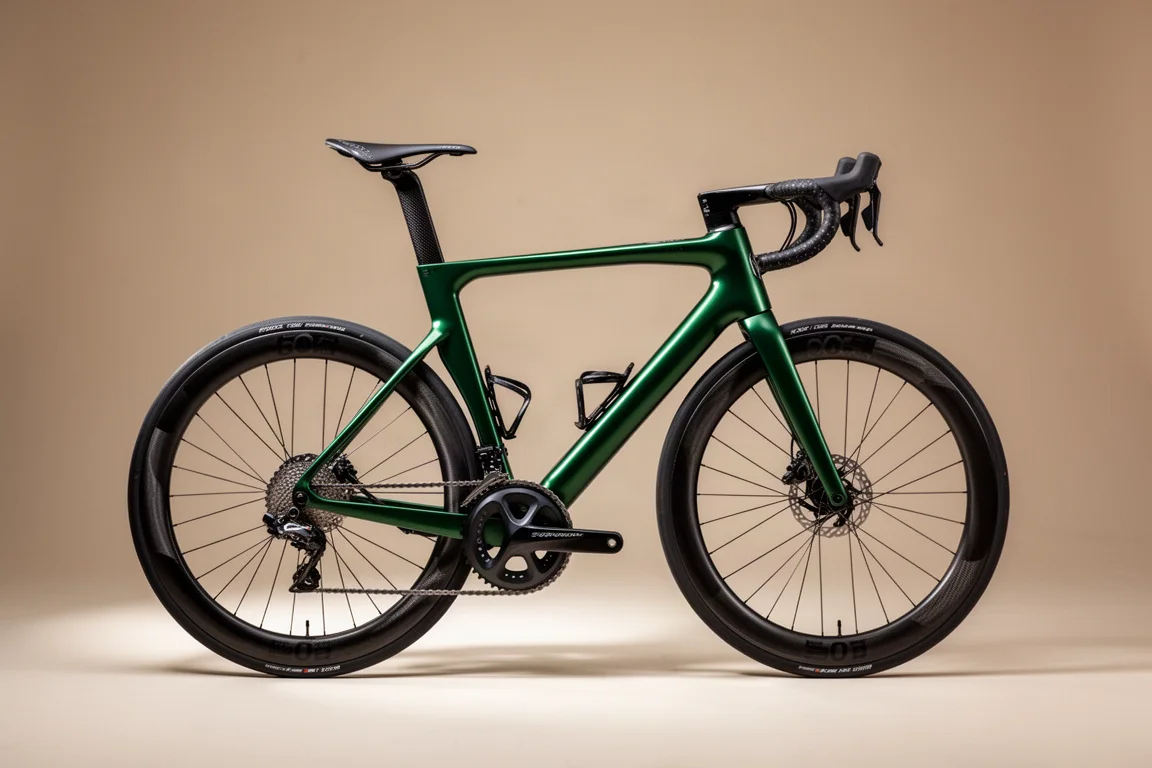
The standard Shave is a performance road bike with a more forgiving position. It uses a carbon frame and fork with 36 mm tire clearance, finished in a tone Rose calls supersonic gray, which reads almost white in most light. The reviewed build pairs Ultegra Di2 with Newman 50 mm deep carbon wheels, a Rose carbon one-piece handlebar, and a Rose seat post.
The key difference is geometry. On a size medium, the Shave’s head tube is just shy of 4 cm taller than the FF’s, which raises the handlebars and brings them closer to the rider. That is a meaningful change for anyone who wants a fast bike without the strain of a very low position. On the road, the Shave feels comfortable and dependable, the kind of bike that is easy to live with on a long ride while still being quick when you want to push. There is even room to add spacers if you want the bars higher still.
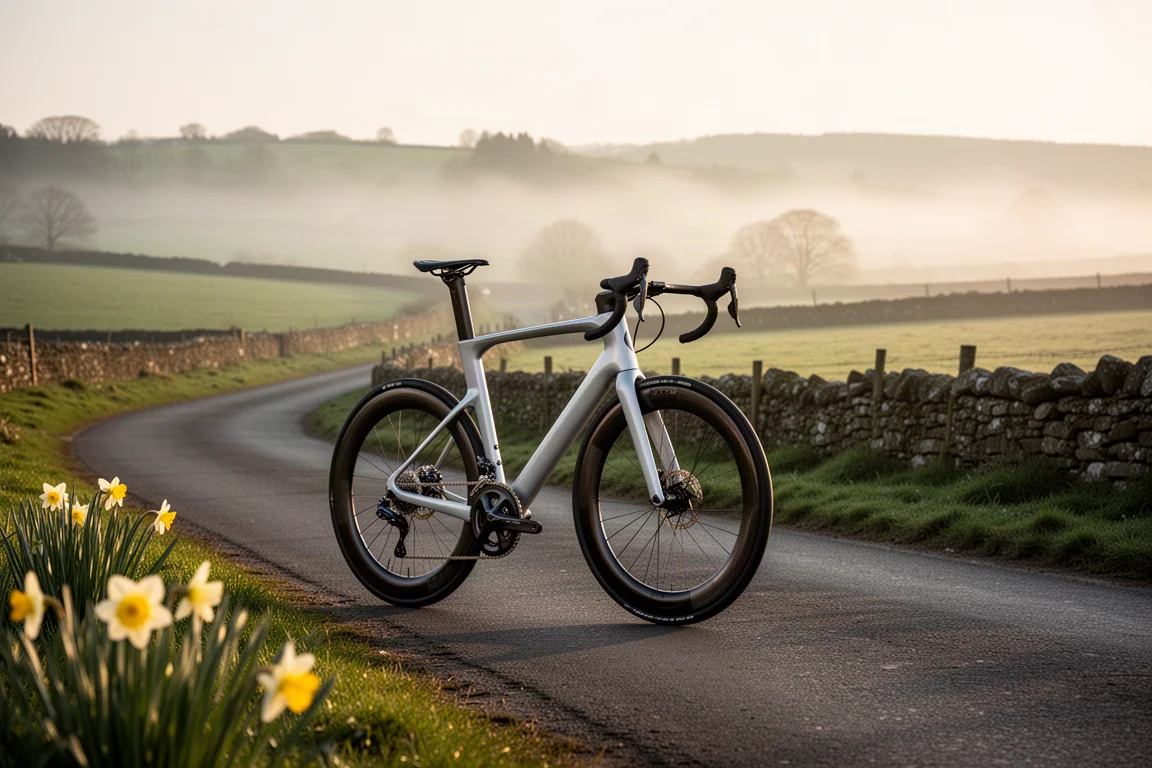
None of this makes the Shave a traditional endurance bike. The head tube angles of the Shave and the Shave FF are only marginally different, there are no comfort inserts or suspension linkages, and it still rides with the lively character of a performance machine. What Rose has done is offer a race bike that does not force you into the most aggressive position possible, and for a lot of riders that is the more sensible choice.
The Rose Shave FF: Racy But Balanced
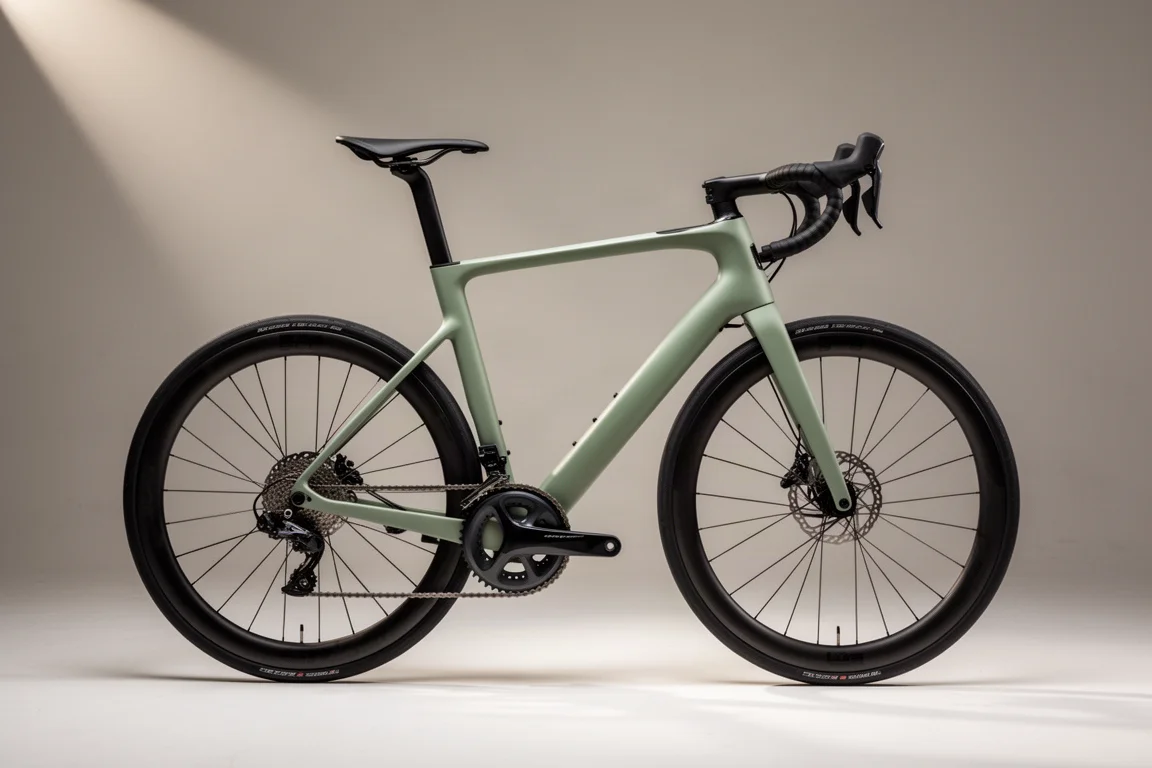
The Shave FF is the same idea with a lower, racier position. The stack is reduced, so the handlebars sit lower, and the geometry shifts the rider forward: the seat tube angle is steeper and the FF ships with an inline seat post instead of the 14 mm setback post used on the standard Shave. It is built from a higher-grade carbon frame and fork, with 35 mm tire clearance and a finish Rose calls bubblegum. The reviewed build again uses Ultegra Di2, paired with Rose 55 mm deep carbon wheels and the same one-piece Rose cockpit.
Out on the road, the FF strikes a strong balance between race intent and usability. It is agile, quick on climbs, and twitchy through corners in the good way, and the geometry is racy without being so aggressive that it becomes a chore to ride. That said, the stiffer carbon transmits noticeably more road buzz through the pedals, even on smooth tarmac. It is an exciting bike, but it asks a little more from the rider over rougher surfaces.
The Rose Shave FFX: The Top-Level Option
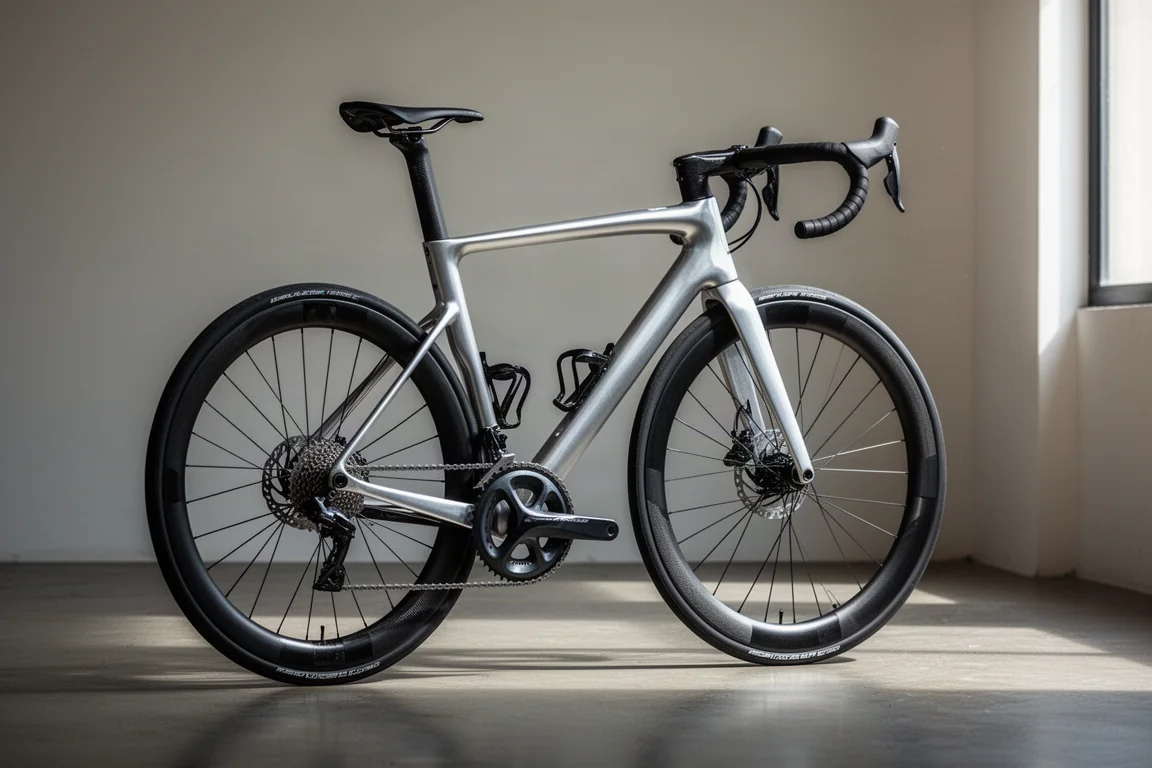
There is a third version in the range, the Shave FFX. Rose builds it from a more exotic aerospace-grade carbon fiber that is more expensive and slightly lighter than the material used in the other two frames. It is positioned at the top level of racing and is the most expensive way into the Shave family, with builds priced around 8,000 to 8,500 euros depending on specification. Rose bikes are raced at the top level of the sport, including the Giro d’Italia, which gives the range genuine racing credibility.
The FFX is not about everyday practicality. It exists for riders who want the highest-grade frame Rose offers and the lightest possible foundation for a race build. Full component details vary by build, and the price reflects a clear step up from the Ultegra models. If the standard Shave and the Shave FF are already premium purchases, the FFX sits firmly above them.
Fit, Sizing, and Component Choices
Both the Shave and the Shave FF come in six frame sizes, and the range runs small enough to suit riders around 5’7” comfortably; the two bikes examined here are both smalls. Components scale with frame size, but there is a catch: handlebar sizes are not consistent between the models. The FF ships with narrower bars and longer stems, which may not suit every rider regardless of height.
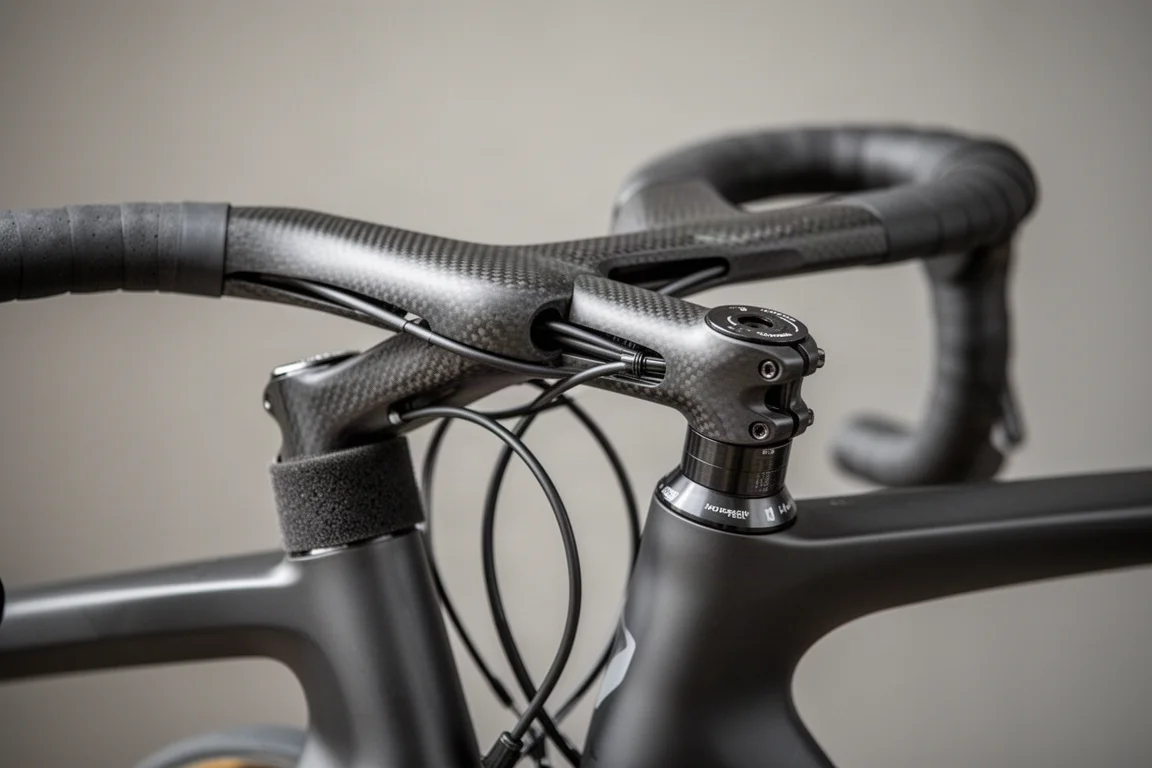
Rose does not currently offer component swaps at the point of ordering, and there are no frameset-only options. The integrated cockpit is available separately from the Rose web shop at 399 euros, but swapping it means dealing with fully internal cable routing and a mechanic’s labor on top of the part cost. That is worth factoring in if you know you will need a different bar width or stem length from day one.
Seat post choice is another detail worth thinking about. The standard Shave uses a 14 mm setback post, while the FF uses an inline post. Because the models are sold as complete bikes rather than customizable builds, riders who want an inline post with the more relaxed Shave geometry will not find that exact combination offered. It is a small but real limitation, and it shows how much difference a seat post and a few degrees of seat tube angle can make to overall fit.
Build Quality and Livability
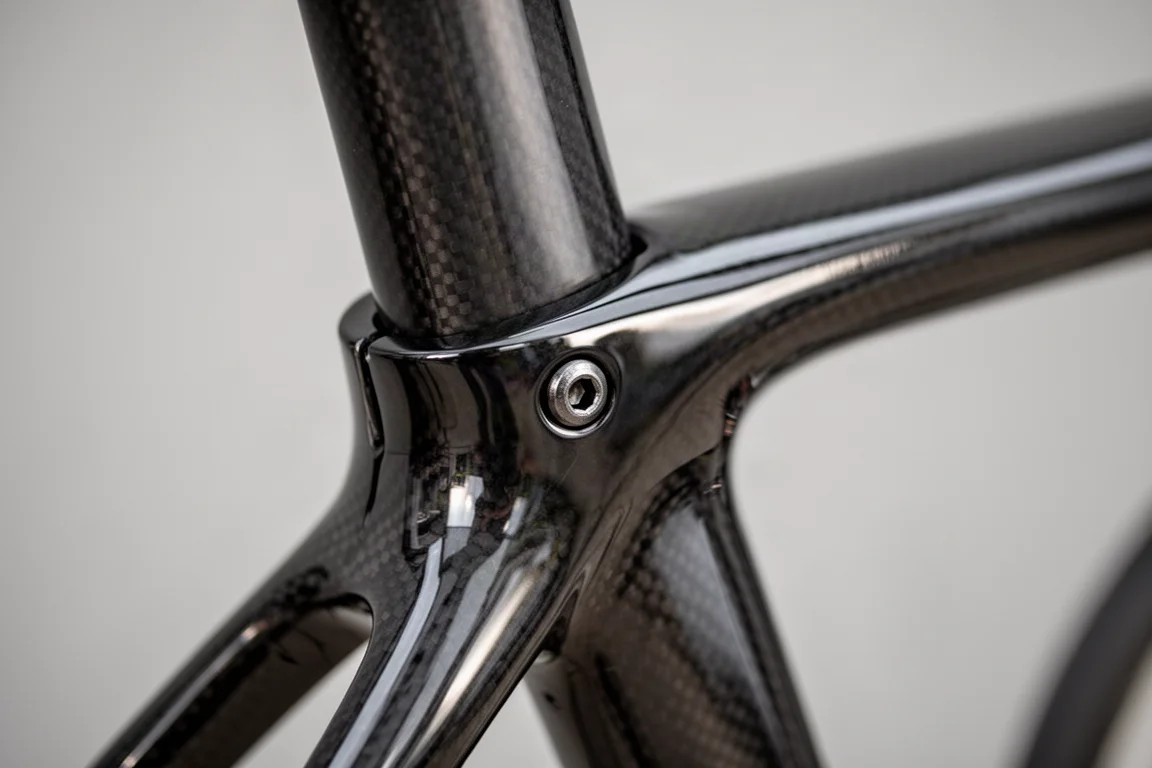
Fit and finish are genuine strengths across both bikes. The paint is glossy, deep, and well applied, and small touches such as soft pads around the headset stop the handlebar from chipping the frame if it is turned fully around. The axles thread smoothly, the bolts are good quality, and Rose specced a seat post clamp made by Ritchey, which is excellent even if it does require care during installation so it does not drop into the bottom bracket shell.
Modern integration has its downsides. Cables are fully internal, the brakes are hydraulic discs, and the cockpit is a one-piece bar and stem, so most maintenance will require a mechanic. The headset is the weakest point: the steerer is slightly oval to allow for internal routing, and a small metal wedge fills the gap. It works, but it is easy to lose during a service. None of this is unusual for a modern flagship bike, but it is worth knowing before you commit.
Ride Feel: Where the Two Bikes Diverge
The most interesting finding is how much the two bikes differ in ride comfort. On a set of standard house wheels, the Shave’s character is nearly unchanged: comfortable, dependable, and still fast. The Shave FF, on the same wheels, feels noticeably less harsh and more comfortable than it does on its stock Rose wheels. Two things appear to be at play. The FF’s higher-grade carbon frame is stiffer and transmits more vibration, and the stock Rose deep-section wheels add to that harshness.
For many riders, the standard Shave may therefore be the better bike overall. It is smoother, its stock wheels perform well, and its lower-grade carbon is, in practice, noticeably more comfortable. The FF remains the sharper and more exciting ride, but it asks a clear trade-off in comfort.

There is a wider point here about how the range is positioned. Rose has essentially offered the same race bike in two geometries, and the more relaxed version is the one most riders will actually enjoy day to day. That is a welcome idea. The frustration is that the relaxed option is limited in how it can be specced: the highest groupset available on the standard Shave is Ultegra, and it comes with the heavier carbon layup. A rider who wants a top-end build with more forgiving geometry has no obvious option in the range.
Specs and Value at a Glance
The Shave FF is the lighter of the two reviewed bikes at 7.18 kg, against 7.96 kg for the standard Shave. Both are complete Ultegra Di2 builds, and the weight difference comes down largely to the higher-grade carbon frame and stiffer wheels on the FF. The standard Shave’s carbon layup is the heavier of the two by around 55 g, yet it is also the more comfortable frame in practice.
| Model | Carbon grade | Tire clearance | Stock wheels | Groupset | Measured weight | Price (EUR) |
|---|---|---|---|---|---|---|
| Shave | Standard | 36 mm | Newman 50 mm deep | Ultegra Di2 | 7.96 kg | 5,000 |
| Shave FF | Higher grade | 35 mm | Rose 55 mm deep | Ultegra Di2 | 7.18 kg | 5,600 |
The Shave FFX sits above both, with its aerospace-grade carbon frame and builds priced around 8,000 to 8,500 euros.
On value, Rose sells direct to consumer, and both bikes are well specced for the money. They are not cheap, but against the direct-sales competition they hold up well, and it feels like the brand is deliberately competing with the likes of Canyon. Pricing was quoted in euros at the time of writing.
Buying Advice
Choosing between these bikes comes down to position and priorities. If you want a performance road bike you can ride for hours without discomfort, the standard Shave is the stronger pick. The taller head tube, setback seat post, and more compliant carbon make it the more sensible daily choice for most riders, and it does not give up much in speed or handling.
If you want the sharpest, most exciting ride and are comfortable in a lower position, the Shave FF delivers. It is lighter, stiffer, and more aggressive, and it suits riders who prioritize handling and speed over comfort. Just be prepared for more road buzz, especially on the stock Rose wheels.
For the FFX, the decision is simpler: it is for riders who want Rose’s top-grade aerospace carbon frame and are willing to pay for it. Fit and spec flexibility is the same across the range, so get the sizing right from the start.
Also factor in the cost of ownership. Integrated cable routing, one-piece cockpits, and hydraulic disc brakes mean you will likely rely on a mechanic for most work. The quality is high, but this is not a low-maintenance design. If that is acceptable, the Shave family is well worth a serious look.
Conclusion
The Shave range is a strong argument for offering geometry as a real choice. The standard Shave is close to the perfect bike for a large share of riders: comfortable, well balanced, and genuinely fast, with a quality finish and sensible spec. The Shave FF is the sharper alternative for those who want more aggression, and the FFX represents the top of the range for buyers chasing the highest-grade frame.
Rose gets most of the details right. A little more flexibility in how these bikes are specced and bought would make the range even more compelling, but as it stands, there is likely a Shave for almost every kind of rider.
Further reading
Related Reviews
Road Bikes
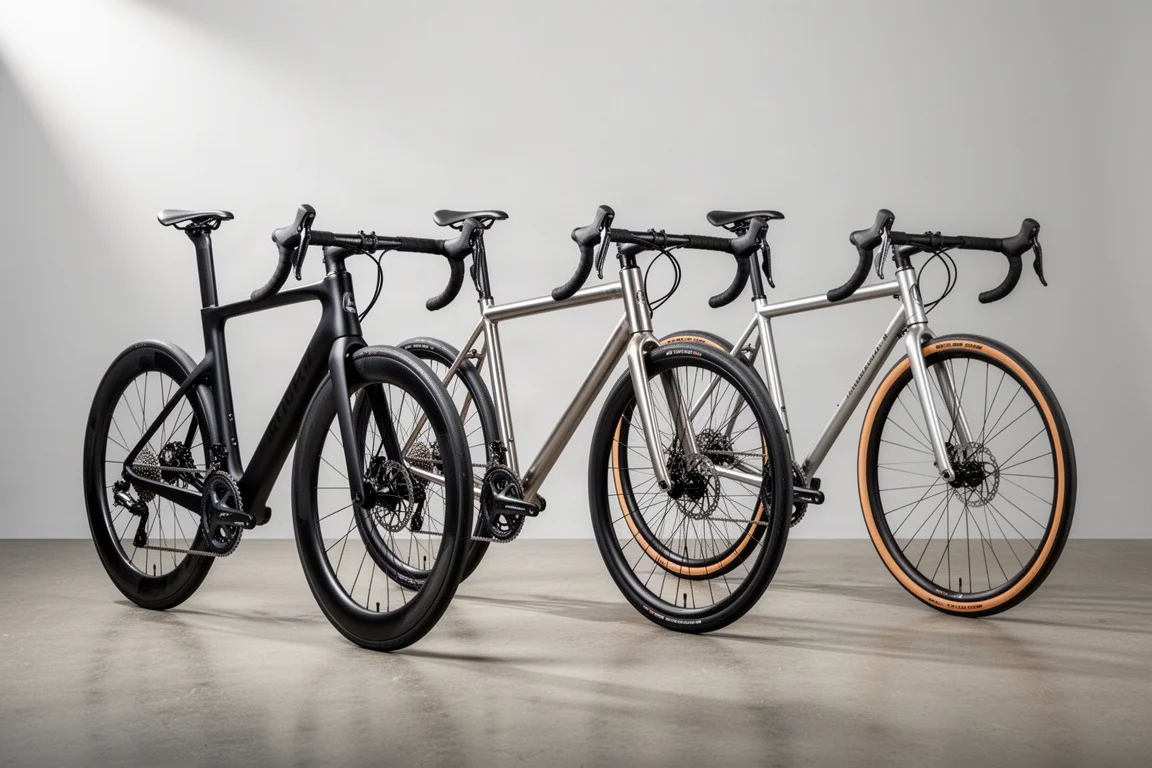
10 New Road Bikes Worth Watching: Aero, Titanium, Steel and Endurance Standouts
A practical roundup of 10 new road bikes, from aero flagships chasing single-watt gains to titanium, steel and endurance platforms built for real roads.
Road Bikes
2026 Tour de France Road Bikes: Six Race Machines Worth a Closer Look
Six race bikes from the 2026 Tour de France grid, reviewed for paint, silhouette, wheels and the specification details that matter to buyers.
Road Bikes
3T Strada Italia Review: A Radical Aero Road Bike That Rides Smooth
A made in Italy carbon aero road bike with a deep head tube, wide tire clearance and a genuinely comfortable ride. Here is what to know before buying.