Road Bikes
Rose Shave Range First Look: Aero Road Bikes With Two Very Different Personalities
Rose Bikes returns to the UK market with the Shave, Shave FF and Shave FFx, three aero road bikes built on one platform but split between race geometry and a more upright fit.

Introduction
Rose Bikes is back in the UK with a brand new road range, and the most interesting thing about it is not one bike but three: the Rose Shave, the Rose Shave FF and the range-topping Rose Shave FFx. All three share the same aero design language and the same integrated carbon cockpit, but they are not the same bike with different parts bolted on. They are built around two distinct approaches to fit and geometry.
At the centre of the range is the Rose Shave, an aero road bike with a taller head tube and shorter reach that puts the rider in a more upright position while keeping the fast-looking frame shape. The Rose Shave FF takes the same platform in a conventional race direction: low stack, long reach, a steeper seat tube angle and a rider position built for speed. The Rose Shave FFx sits at the top of the range as the maximum-aero, all-the-whistles version of the platform.
All three sell direct, which is how the range manages to look so strong on value, and all three share the same simple assembly process out of the box.
What Defines the Shave Range
Every bike in the range uses an aerodynamic frame that Rose claims is around 5 percent more aero than the previous X-Lite and lighter as well. The platform is shared, so the fundamentals you are paying for, the aero tube shapes and the carbon frame and fork, are consistent whether you choose the regular Shave, the FF or the FFx.
The cockpit is a genuine highlight. It is a one-piece carbon fibre handlebar and stem with full internal routing, and the interface between the bar and the frame spacers is clean. There is a sturdy out-front computer mount with a GoPro-style adapter underneath for a light or camera, and it accepts both Garmin and Wahoo computers. The range also ships with bottle cages that sit flush against the down tube for an aero profile, though they are not colour matched to the frame, so they stand out slightly against the paint.
One small oddity worth knowing about: the Shave logo on the top tube reads correctly from the non-drive side of the bike, so if you walk up to the bike from the drive side as most riders naturally do, the logo appears upside down. The same applies to the FF.
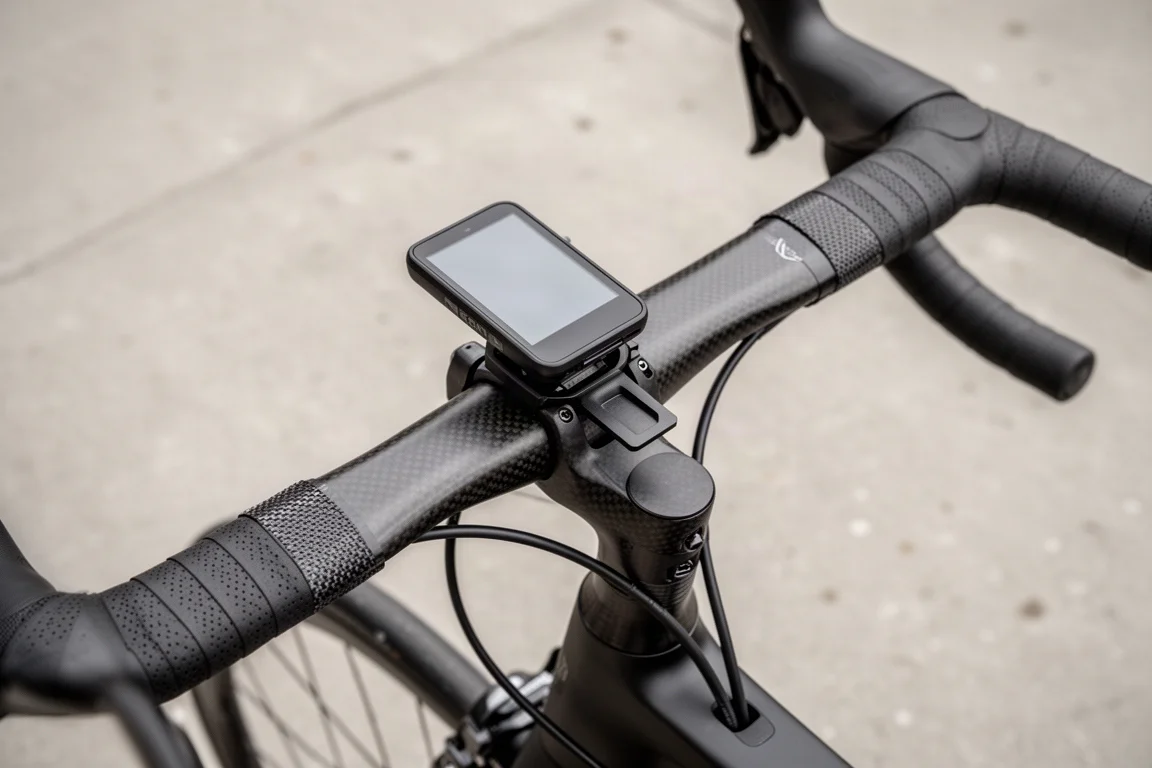
Fit and geometry are where the range splits, and that is the decision that matters most. The FF is built around classic race proportions, while the regular Shave raises the front end and shortens the reach. The FFx takes the platform in the most aero-focused direction of the three.
Rose Shave: The Endurance-Facing Aero Option
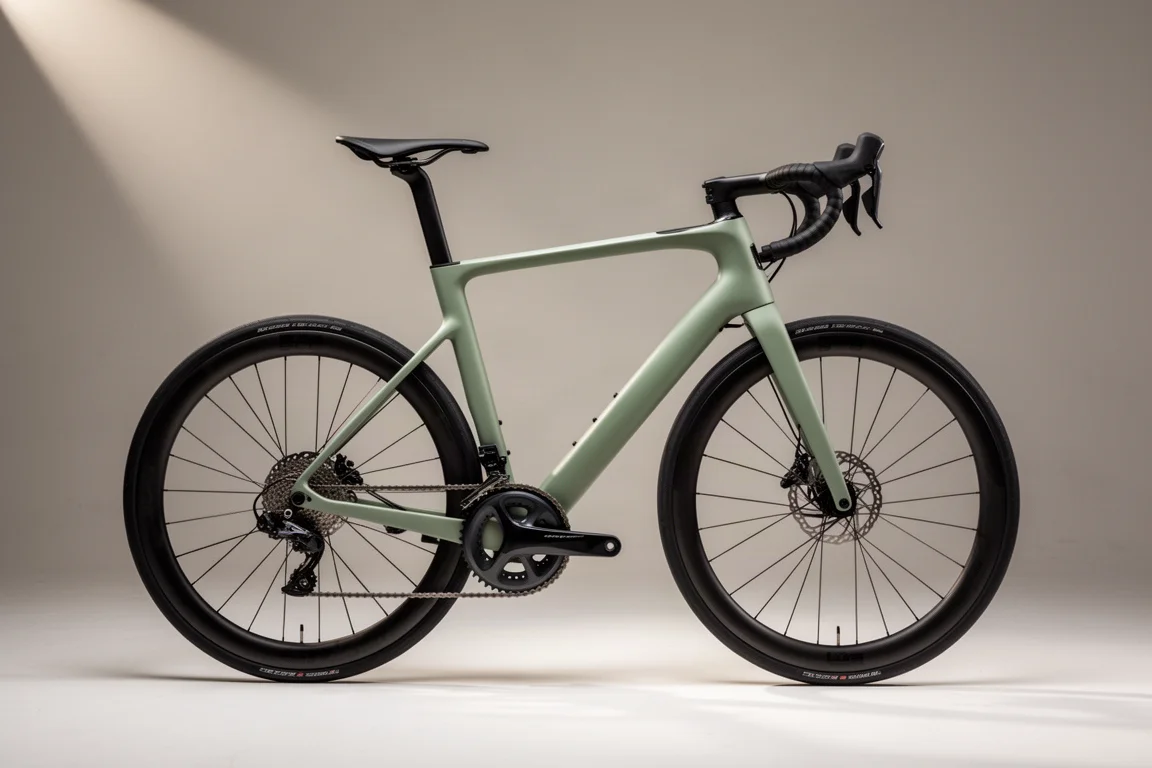
The Rose Shave is the value story of the range. It costs 3,600 euros with a Shimano 105 Di2 12-speed groupset, and it retains the same carbon frame and fork as the rest of the family along with the same one-piece carbon handlebar and stem with full internal routing.
Where the money is saved is in the wheels. They look like carbon at a glance but they are aluminium, which keeps the price down and adds weight, though they still carry a respectable 30 mm deep profile. On the scales, a size ML with no pedals fitted comes in at 8.5 kg, which is a solid figure for a bike with this level of equipment.
The ride position is the other headline. The Shave has a higher stack and a shorter reach than the FF, putting the rider into a more upright position, and the geometry compares closely to a Specialized Roubaix SL8. Tire clearance reaches up to 36 mm, and the bike is supplied with 32 mm tires.
Two trade-offs are worth flagging. There are no mudguard or fender mounts, and there is no down tube storage. Tire clearance is also narrower than some dedicated endurance bikes, so the Shave sits closer to the road race side of the category than the all-road end of it.
Rose Shave FF: Race Geometry With Modern Touches
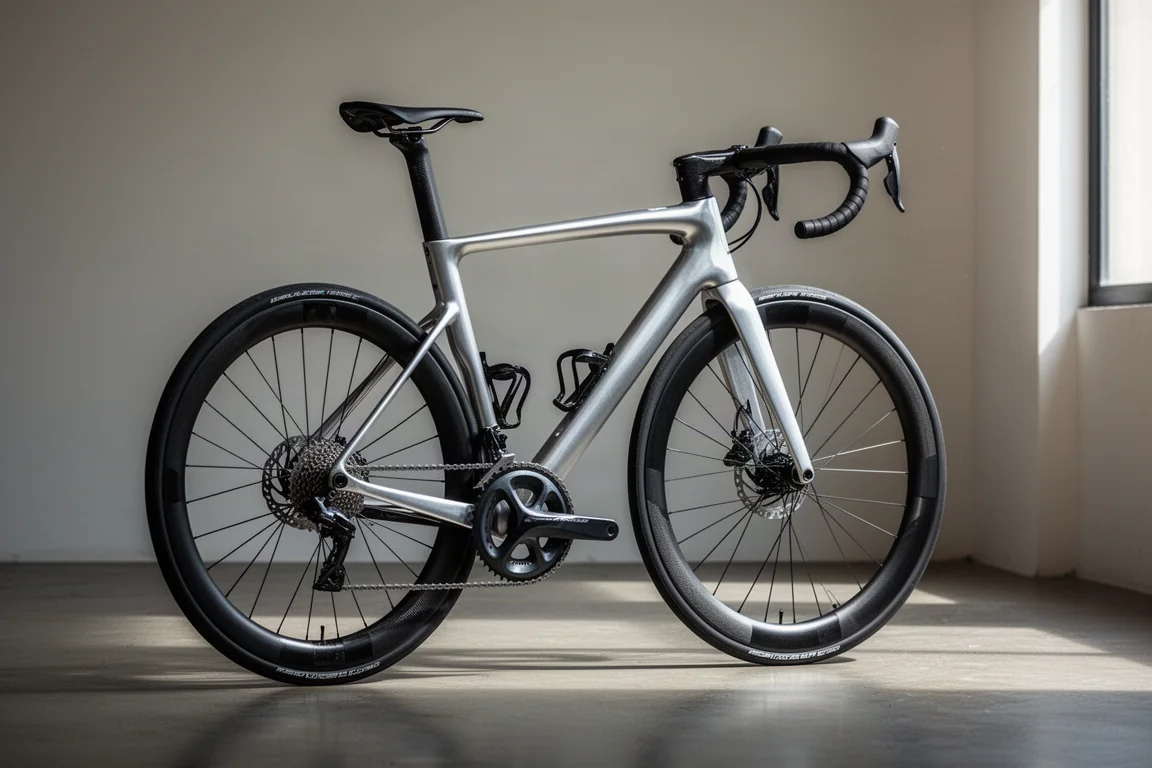
The Rose Shave FF is the sharper end of the two-bike split. It costs 5,600 euros with a Shimano Ultegra Di2 12-speed groupset, and it steps up to the company’s own carbon fibre rims: 55 mm deep front and rear for maximum aero benefit, with a 23 mm internal rim width and spoke nipples hidden inside the rim bed. The wheels are fitted with Schwalbe Pro One Aero tires measuring 28 mm.
The FF also includes a 4iiii power meter, a genuinely useful detail at this level. The handlebar is full carbon and one piece, and notably narrow at 37 cm with a 110 mm stem on a size ML. On the scales, a size ML with no pedals fitted weighs 7.5 kg, which is a decent figure for an Ultegra-level bike when many rivals sit closer to 8 kg.
The geometry is where the FF separates itself from the regular Shave. It uses a low stack and long reach, and a size ML sits very close to a 56 cm Tarmac, with a similar reach to the hoods and a low front end. The seat tube angle is steeper at 74.5 degrees, paired with an inline seat post to push the rider into a more forward, aggressive position. Tire clearance is a generous 35 mm, which is more than a Tarmac, a Propel or an Aethos, and the same as an Enve Melee.

Out on the road, the FF behaves like a race bike in the way it fits and the way it turns. The wheelbase is short and the handling is quick without being nervous, so it is easy to hold a line through corners without worrying about missing the apex or running wide. Steering is not razor sharp, which actually makes it easier to live with. The bigger surprise is stiffness. It is an extremely stiff bike, closest in character to a Pinarello Dogma F, which is excellent news if you are racing and less welcome if you are not. Stiffer race bikes from other brands show that you can combine sprint-ready rigidity with smoother ride quality, so it is worth experimenting with wider tires and different wheels to take the edge off.
Rose Shave FFx: The Range-Topping Platform
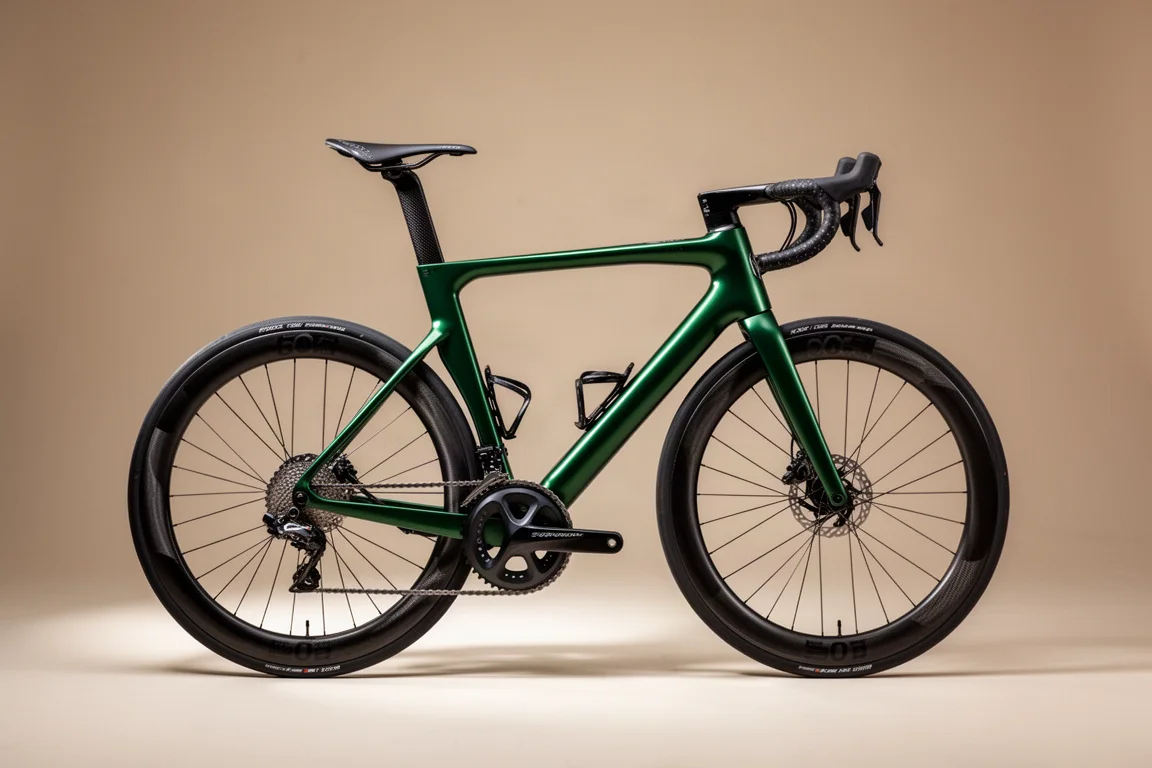
The Rose Shave FFx is the top end of the range and the most aero-focused bike built on this platform. It takes the same design foundations as the Shave and the Shave FF and pushes the aero brief furthest, arriving as the all-bells-and-whistles option for riders who want the maximum from the shape.
Rose claims that the FFx requires 205 W to hold 45 km/h in Tour magazine’s testing, which underlines how seriously the aero work is taken across the family. Independent testing against other bikes will be the real measure, but the claimed figure puts the platform in fast company.
Because the FFx shares its design language with the other two, the practical question is not whether it is the most aerodynamically efficient of the three, but whether that extra aero focus matches how and where you ride.
Ownership, Assembly and Direct Sales
The Shave range is sold direct, in the same way as Canyon and a number of other German brands, and that is the main reason the pricing looks as strong as it does for the specification on offer. There is no dealer margin to absorb, and the saving is passed on to the buyer.
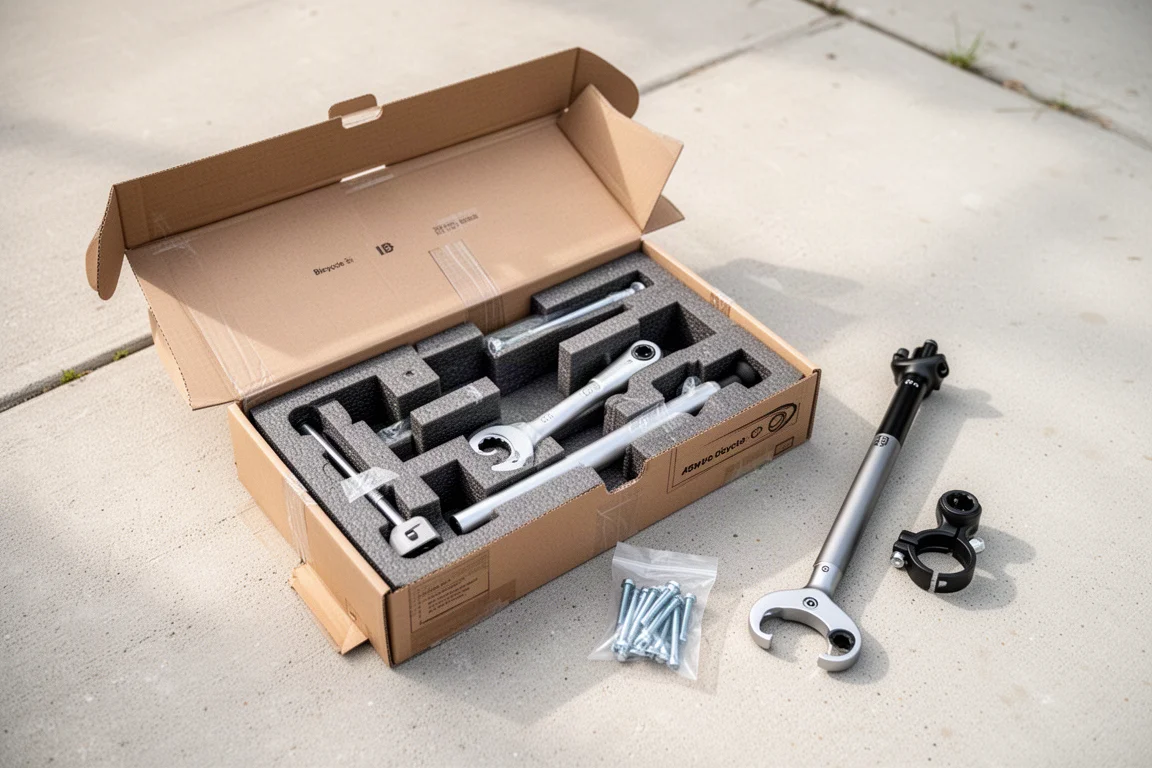
What arrives is a box, well packaged, with a straightforward build. The front wheel goes in, the handlebar goes on, and the special spacer wedge for the steerer tube and the seat post clamp need to be fitted. That is essentially the whole job, and the process is notably easier to complete than a typical direct-sales build, with everything ready to ride once those steps are done.
The trade-off is the obvious one. Without a dealer network there is no shop to visit, no chance to handle the bike before buying, no opportunity to squeeze the brake levers and no test ride. For riders who know their fit numbers and are confident in their sizing, that is a manageable compromise for the value on offer. For anyone unsure between the race position of the FF and the taller front end of the regular Shave, it is the single most important thing to think through before ordering.
What To Consider Before Buying
The first consideration is geometry, not specification. The FF puts you in a classic race position with a low front end and long reach, closely matching a 56 cm race bike. The regular Shave raises the front end and shortens the reach for a more upright posture, closer in shape to an endurance road bike. Choosing the wrong one of those two will matter far more than any component difference.
The second is tire clearance and practicality. The FF accepts up to 35 mm and the Shave up to 36 mm, which is generous for road racing but narrower than dedicated endurance bikes. Neither the Shave nor the rest of the range offers mudguard mounts or down tube storage, so riders who want year-round fenders or built-in tool storage will need to look elsewhere.
The third is stiffness. The FF is an exceptionally stiff bike, closest in feel to a hard-edged race machine. That is a strength for racing and hard efforts, but it is worth being honest about how much of your riding is actually racing.
The fourth is wheels and value. The regular Shave keeps costs down with aluminium wheels that are heavier than carbon, while the FF moves to the company’s own deep carbon rims with hidden nipples. The FF also includes a power meter, which changes the value calculation considerably.
Buying Advice
If you want the aero look and the shared carbon platform but prioritise a comfortable, sustainable position for long days, the Rose Shave is the sensible starting point. At 3,600 euros with a Shimano 105 Di2 12-speed groupset, the same frame and fork as the rest of the range and the same one-piece carbon cockpit, it delivers the core of the platform at the lowest price in the family. The upright geometry and 32 mm tires make it the most versatile of the three for mixed riding.
If your riding is race-oriented, or you want a position that matches a modern race bike, the Rose Shave FF is the one to look at. It brings a 56 cm Tarmac-like fit, a steeper seat tube angle, a 4iiii power meter, deep 55 mm carbon rims and a very narrow one-piece bar, at 7.5 kg in a size ML. The one caveat is the stiff ride, so factor in wider tires and the setup you plan to run.

If maximum aerodynamic performance is the priority and budget is secondary, the Rose Shave FFx is the top of the tree, with the most aero-focused build on the platform and the claimed efficiency to match. Whichever you choose, the shared frame, cockpit and direct-sales value are consistent, so the decision really comes down to the riding position you want.
Conclusion
The Rose Shave range is a refreshing proposition: one aero platform, three distinct answers to how a road bike should fit. The regular Shave leans upright and accessible, the FF leans fast and race-ready with a power meter and deep carbon wheels, and the FFx sits above both as the maximum-aero option. Direct sales keep the prices sharp, the assembly is genuinely easy, and the fit of the cockpit and frame finish is high quality throughout.
The things to weigh are equally clear. There is no dealer to test ride with, the ride on the FF is very stiff, tire clearance stops short of the all-road endurance class, and there are no mudguard mounts or down tube storage. For riders who know their geometry numbers and want aero speed without the premium brand markup, that is a very appealing set of compromises.
Further reading
Related Reviews

Road Bikes
10 New Road Bikes Worth Watching: Aero, Titanium, Steel and Endurance Standouts
A practical roundup of 10 new road bikes, from aero flagships chasing single-watt gains to titanium, steel and endurance platforms built for real roads.
Road Bikes
2026 Tour de France Road Bikes: Six Race Machines Worth a Closer Look
Six race bikes from the 2026 Tour de France grid, reviewed for paint, silhouette, wheels and the specification details that matter to buyers.
Road Bikes
3T Strada Italia Review: A Radical Aero Road Bike That Rides Smooth
A made in Italy carbon aero road bike with a deep head tube, wide tire clearance and a genuinely comfortable ride. Here is what to know before buying.