Road Bikes
Rose Shave, Shave FF, and Shave FFX: Three Performance Road Bikes Compared
A practical look at Rose's three-bike Shave family, from the more forgiving Shave to the lighter Shave FF and the aerospace-carbon Shave FFX.
Introduction
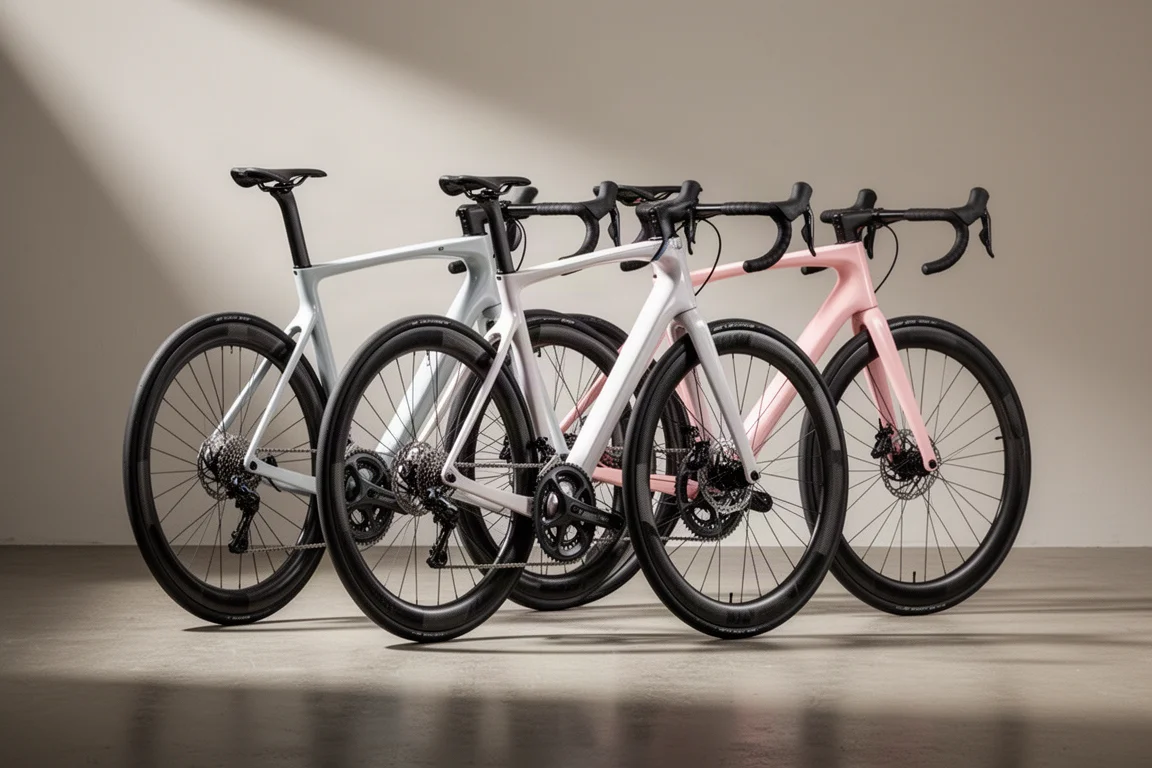
Rose is a German direct-to-consumer bike brand, and the Shave is its modern performance road platform. The interesting part is that Rose has taken one core design, a lightweight carbon frame with aero tube profiles, deep carbon wheels and a one-piece cockpit, and offered it in three versions with genuinely different geometry and carbon layups.
Rose is not present in the Tour de France, but its bikes are raced at the top level, including the Giro d’Italia. The Shave family borrows directly from that world while giving riders who do not want the lowest possible front end somewhere to go.

Prices are quoted in euros, and none of these bikes are cheap. Measured against other direct-to-consumer brands, the builds look competitive on paper, and there are many specification options across the range, with the Shave and the Shave FF built differently at each level.
What Sets the Shave Family Apart
Most bikes with shorter and taller geometry are labeled endurance bikes, and they usually arrive with comfort-first design choices: extra tire clearance, longer wheelbases, sometimes suspension inserts or linkages, and slacker head tube angles for stability. Those bikes are stable and comfortable, but they can feel less exciting to ride.
Rose has not gone down that road. The Shave and the Shave FF keep steep angles and aero detailing, so they still ride like race bikes. There are no suspension elements in either frame, and the head tube angles of the two models differ only marginally.
The real difference between them is rider weight distribution. On the more relaxed Shave you sit further back, with less weight over the front wheel and a slightly higher center of gravity. On the FF, the reduced stack and steeper seat tube angle move you forward and lower.
Rose Shave: Geometry That Suits More Riders
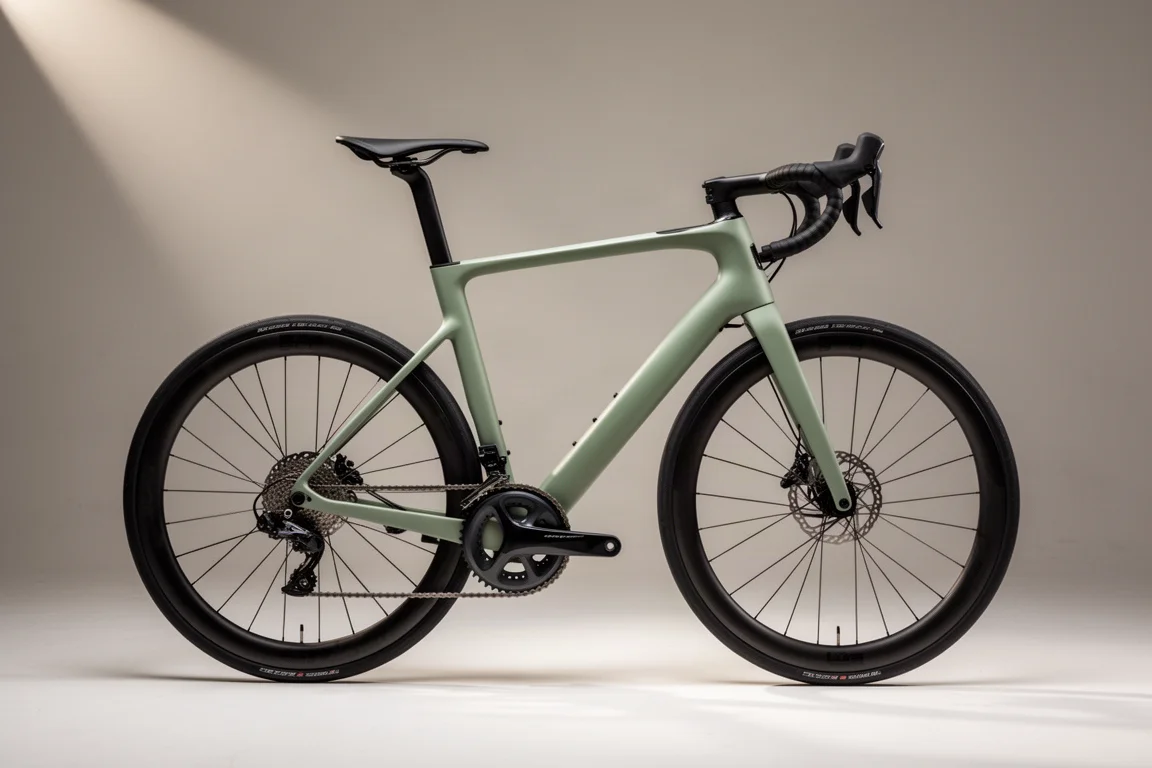
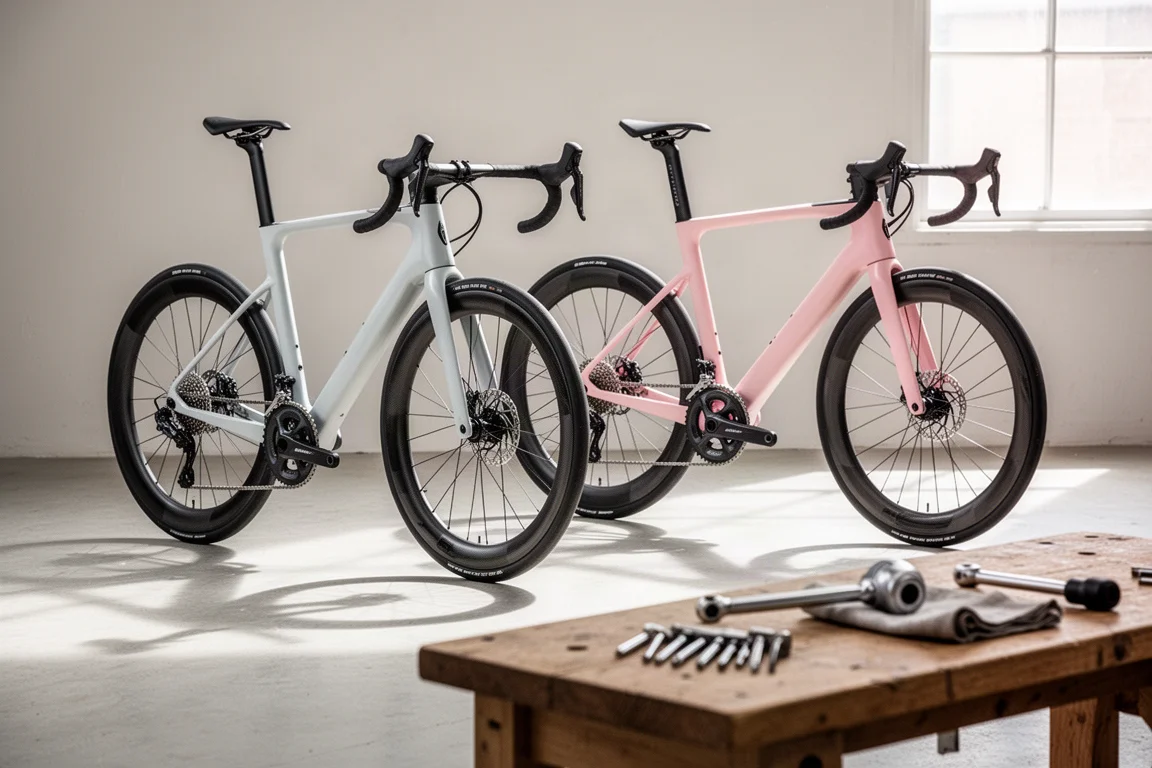
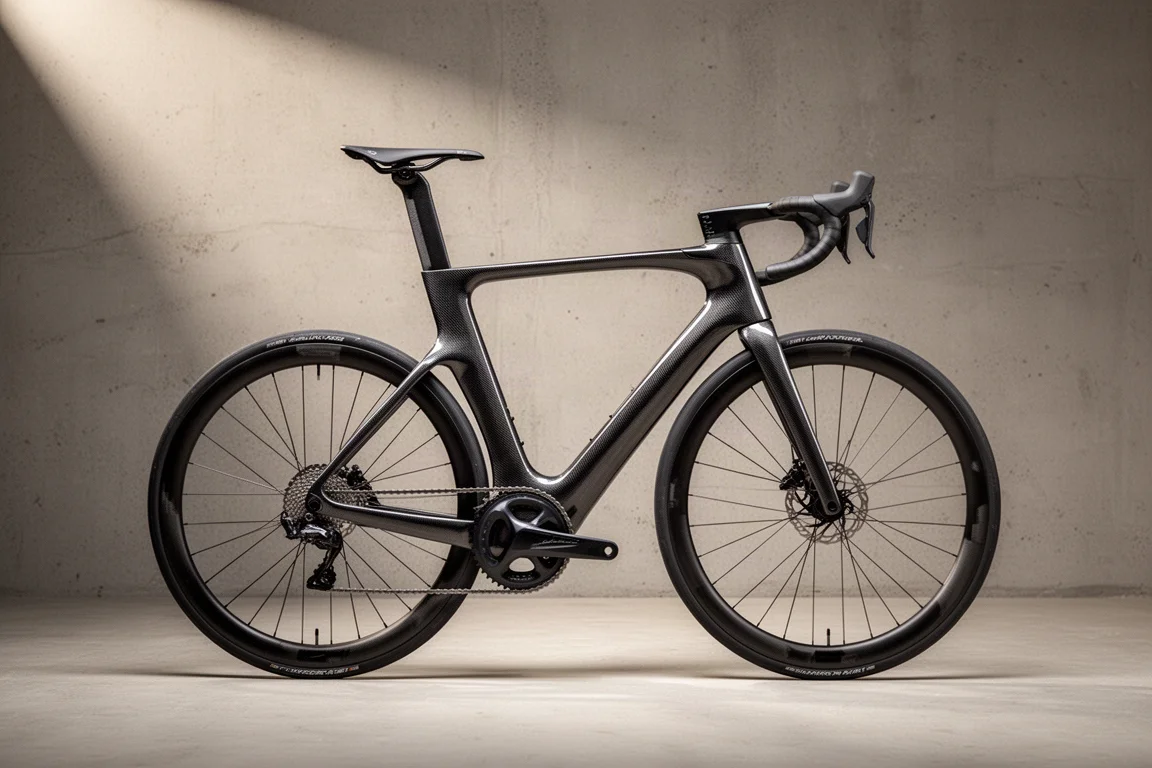
The Shave is the most broadly useful bike in the range. It pairs a carbon frame and fork with 36 mm of tire clearance, finished in Supersonic Gray, a color that reads much closer to white in person. The build uses Shimano Ultegra Di2, Newman 50 mm deep carbon wheels, a Rose carbon one-piece handlebar and a Rose seat post with 14 mm of setback.
The geometry is the headline. The head tube is taller, just under 4 cm on a size medium, which raises the handlebars and brings them closer. You get that position without stacking spacers under the stem, and you still have the option of adding spacers if you want the front end even higher.
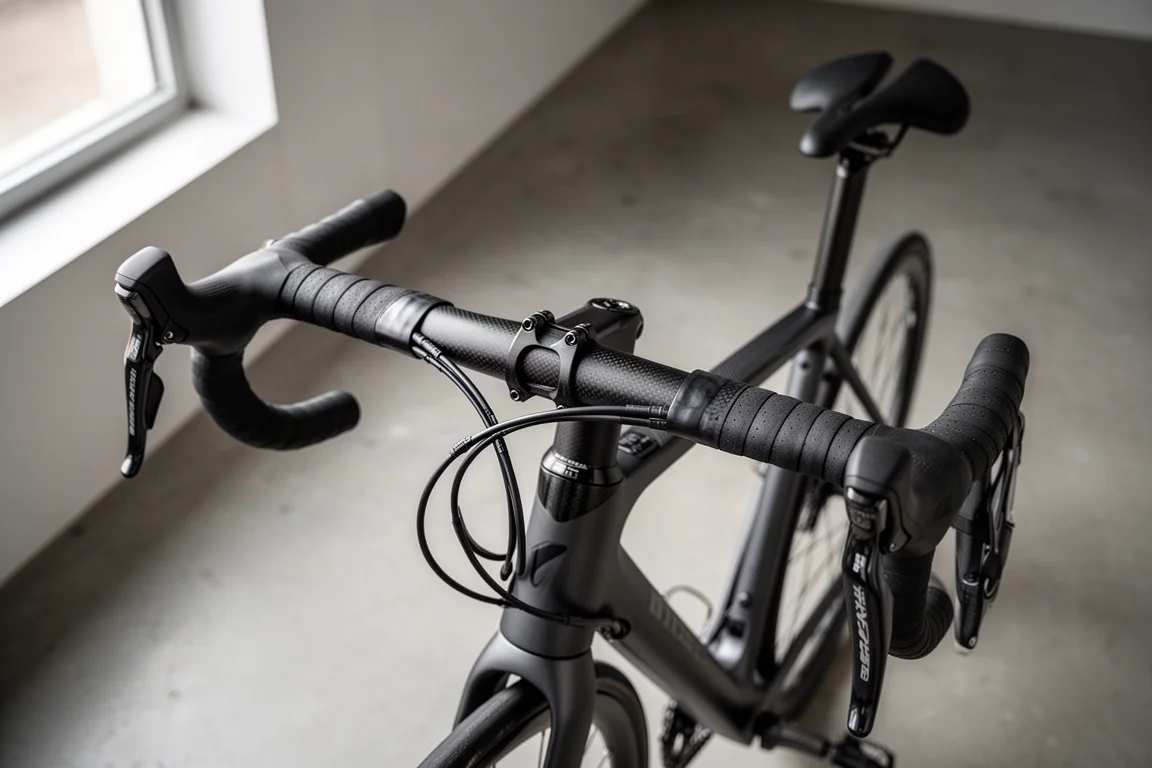
On the road the Shave feels comfortable and dependable, but it is not dull. It is agile and fast, climbs well and turns sharply. It weighed 7.96 kg in a size small. For most riders, this is the version of the platform that makes the most sense.
Rose Shave FF: Lower and Sharper
The Shave FF takes the same formula and drops the front end. Stack is reduced, so the handlebars sit lower, and the frame and fork use a higher-grade carbon layup. Tire clearance is 35 mm, one millimeter less than the Shave, and the finish is Bubblegum.
The build follows a similar path, with Shimano Ultegra Di2, a Rose carbon one-piece handlebar and a Rose seat post, but the wheels are 55 mm deep Rose carbon items and the tires are different. The seat tube angle is steeper, and the FF uses an inline seat post rather than the setback post on the standard Shave, which moves the rider further forward when everything else is set up the same. It also comes with narrower bars and longer stems.
At 7.18 kg in a size small, the FF is the lighter of the two. It is also the harsher of the two, and part of that comes from the stiffer carbon layup. Fitting a different wheelset makes a noticeable difference, with the ride becoming markedly less harsh and more comfortable, which suggests the standard Rose wheels contribute to the firmness. As a position, the FF lands in a good middle ground: racy, but balanced enough that you still want to ride it.
Rose Shave FFX: Aerospace Carbon at the Top
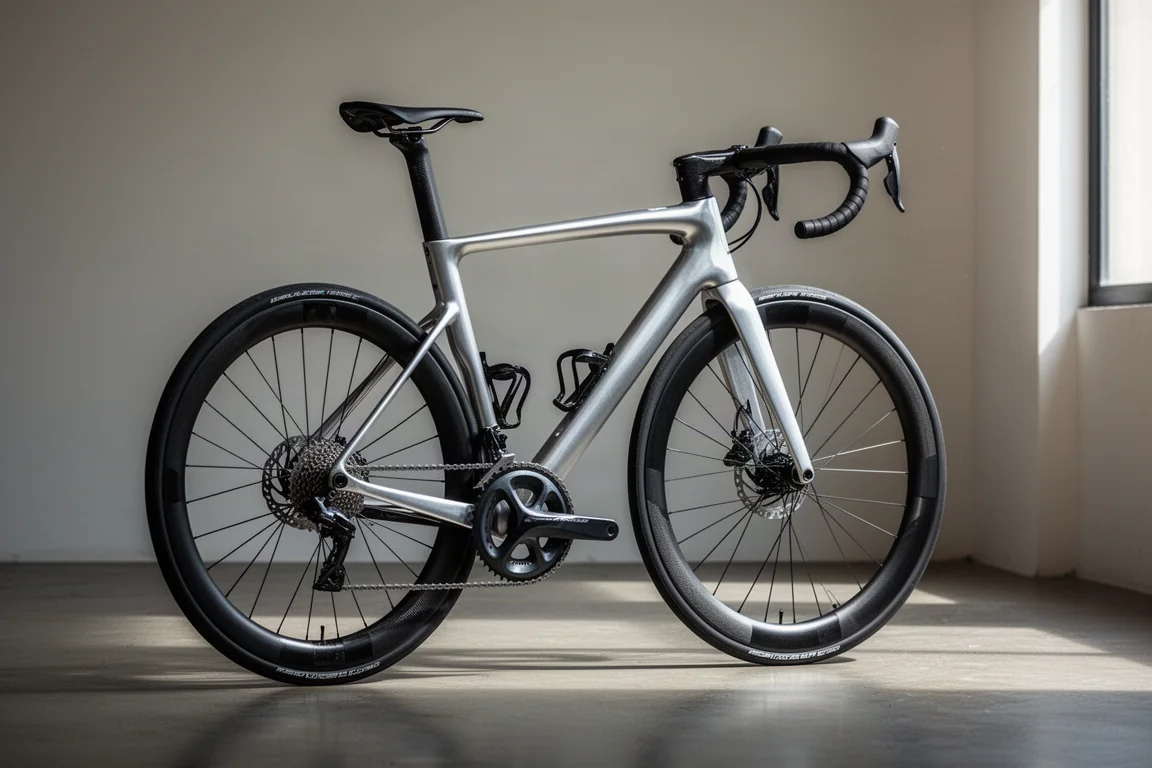
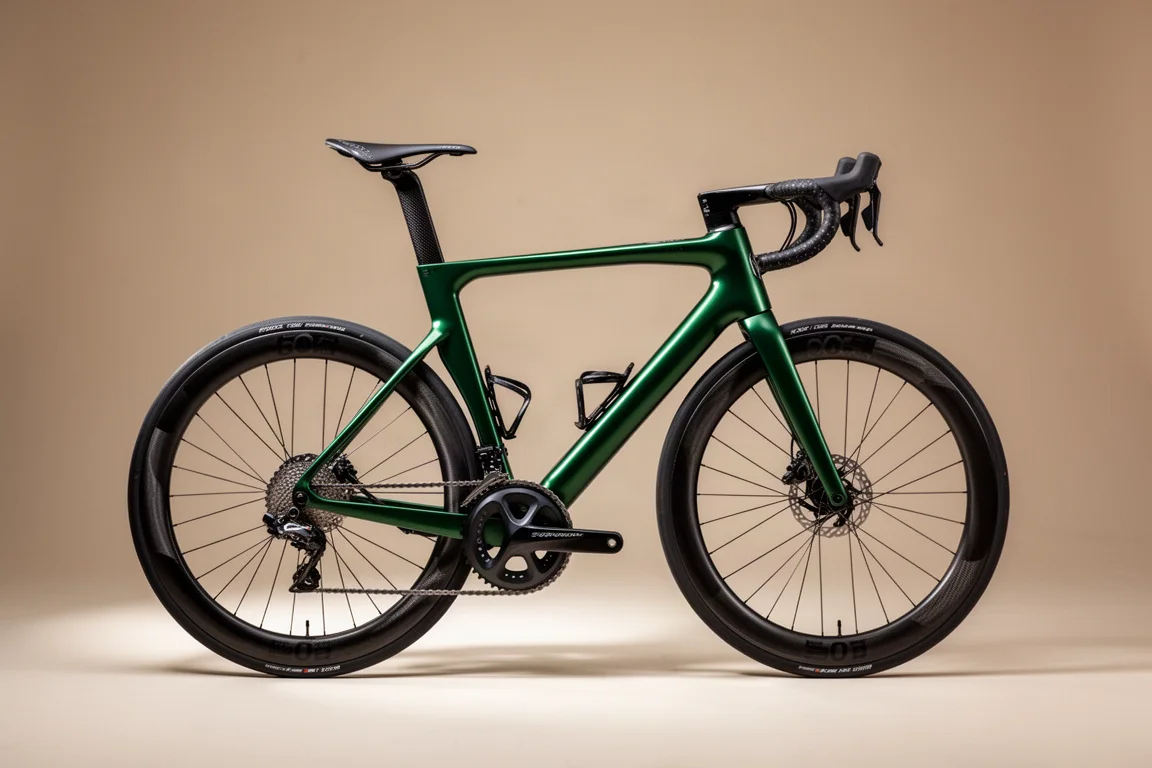
The Shave FFX is the third member of the family. It is built from a more expensive aerospace-grade carbon fiber that is slightly lighter than the layups used on the Shave and the Shave FF, and it is suited to the top level of bike racing.
That positioning is reflected in the price. The FFX is listed at 8,000 and 8,500 euros depending on build.
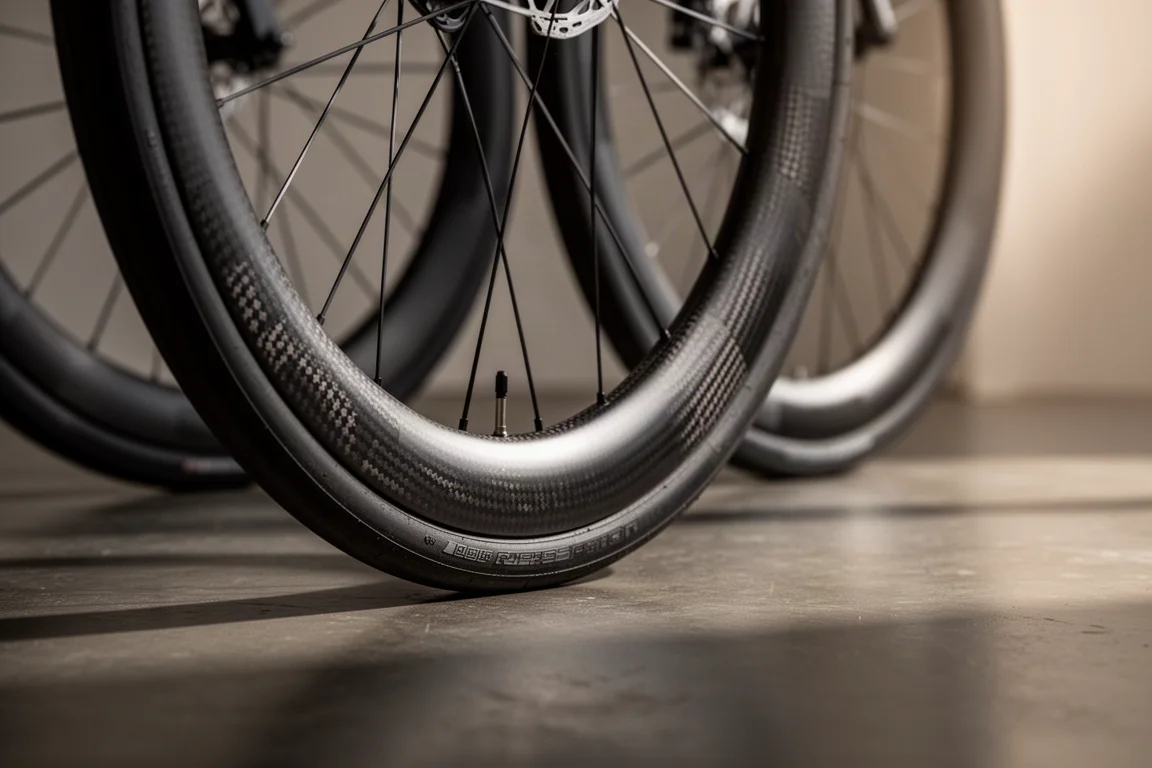
Beyond the frame material and the price, the FFX follows the same design language as the rest of the range. It is the option for riders who want the lightest version of this platform and are prepared to pay for it.
Sizing, Cockpit Swaps, and Living With These Bikes
Both the Shave and the Shave FF come in six sizes and go quite small. Component sizes scale with the frame, including handlebars, stem length and crank length, although handlebar dimensions are not consistent between the two models.
If you want a cockpit that differs from the stock specification, a swap is not currently possible at the point of purchase. Rose sells the cockpits separately in its web shop for 399 euros, and internal cable routing means fitting one involves labor that a bike shop will charge for. There is no frameset-only option either, and the Shave is limited to Ultegra as its top specification. Its frame also uses a heavier carbon layup than the FF, adding around 55 g.
Livability is typical of a modern integrated road bike. Cables run internally, the brakes are hydraulic disc, and the bar and stem are one piece, so most jobs will need a mechanic. Finish quality is high: the axles thread smoothly, the bolts are good quality, the paint is glossy and well applied, and the headset includes soft contact points that protect the paint if the bars swing around. Two details are worth knowing about. The oval steerer uses a metal wedge that is easy to lose, and the seat post clamp can drop into the bottom bracket if you are careless when adjusting it. The clamp itself is a Ritchey unit and is good quality.
Overall Buying Advice
The Shave is the standout. Its taller front end, 36 mm tire clearance and comfortable but still fast ride make it the version that will suit the largest number of riders. At 5,000 euros for the Ultegra Di2 build, it is also the most accessible way into the range.
The Shave FF is for riders who want a lower, more aggressive position and a lighter bike. At 7.18 kg it is the lighter of the two, but it is harsher over rough surfaces and costs more at 5,600 euros for the Ultegra Di2 build.
The Shave FFX is a different proposition: the same platform in aerospace-grade carbon at 8,000 to 8,500 euros. It makes sense for riders chasing the lightest build rather than the best value.
A few details are worth checking before ordering. If you need a specific handlebar width or a particular seat post offset, the current structure may not give you both: the Shave uses a setback post, the FF an inline one, and cockpit changes have to happen after purchase. Component sizing scales with frame size but not identically across the two models, so check the numbers for the size you are considering. None of these bikes are inexpensive, so it is worth being clear about which geometry and which build you actually want before you commit.
Conclusion
Rose has built three versions of one strong idea. The Shave brings race-bike pace and aero detailing to a position most riders can live with, the Shave FF sharpens that position and sheds weight at the cost of comfort, and the Shave FFX adds the lightest carbon and the highest price. For most riders, the standard Shave is the one to look at first.
Further reading
Related Reviews

Road Bikes
10 New Road Bikes Worth Watching: Aero, Titanium, Steel and Endurance Standouts
A practical roundup of 10 new road bikes, from aero flagships chasing single-watt gains to titanium, steel and endurance platforms built for real roads.
Road Bikes
2026 Tour de France Road Bikes: Six Race Machines Worth a Closer Look
Six race bikes from the 2026 Tour de France grid, reviewed for paint, silhouette, wheels and the specification details that matter to buyers.
Road Bikes
3T Strada Italia Review: A Radical Aero Road Bike That Rides Smooth
A made in Italy carbon aero road bike with a deep head tube, wide tire clearance and a genuinely comfortable ride. Here is what to know before buying.