Music Software
Roon Review: A Music Player Built for Collectors and Whole-Home Listening
Roon pairs deep library management and rich album metadata with multi-room playback and Tidal or Qobuz integration. Here is what to weigh before you subscribe.
Introduction
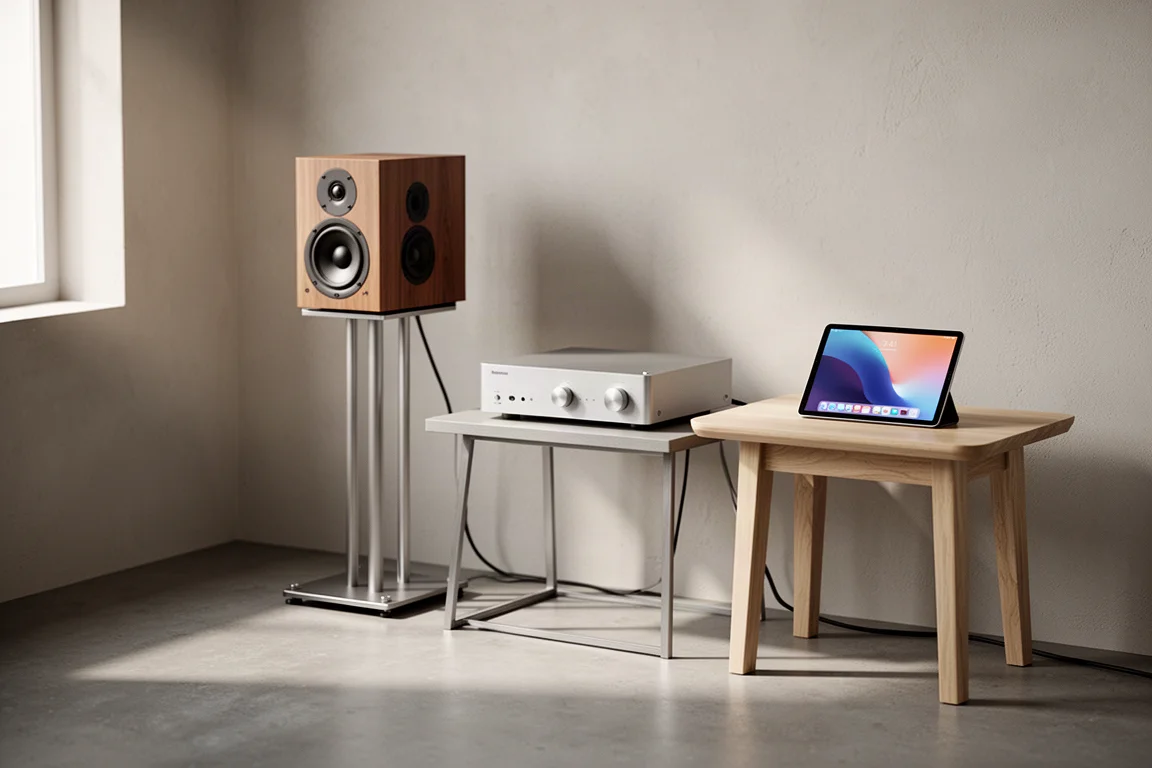
Roon is a music player that treats your listening setup as one connected system rather than a single app on a single device. The software runs as a core on a computer in your home, and you control it from a laptop, tablet, or phone. From there it plays your own files, folds in streaming catalogues, and sends audio to the rooms and devices you already own.
That combination is the part that is hard to appreciate until you use it. Roon is not only a playback app. It is a library manager, a metadata engine, and a whole-home audio system that tries to stay out of the way while you listen.
Who Roon Is For
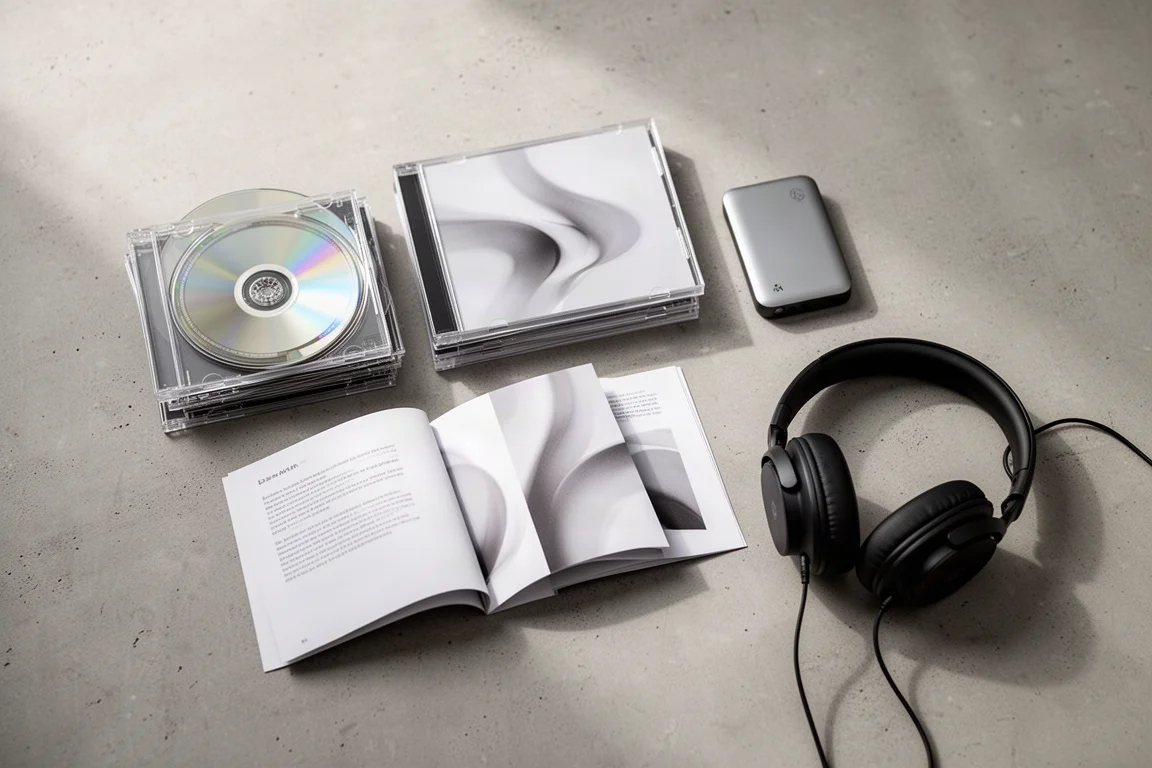
Roon makes the most sense for listeners who already have a collection. If you have ripped CDs, purchased downloads, an older iTunes library, or a drive full of files on a NAS, Roon scans that material, identifies it, and adds context that was never in your file tags.
It also suits households where music moves between rooms. Roon can play to devices all over the house, link them together, and keep them in sync, so a kitchen speaker and a living room system can share the same track.
Classical listeners get particular attention. Most players handle classical badly because the artist and album model does not fit the repertoire. Roon builds a separate view around composers, works, and forms such as symphonies, concertos, sonatas, and string quartets.
Main Strengths: Metadata and Library Management
The metadata layer is Roon’s signature. When the software recognises an album, it pulls together information from multiple licensed databases and presents it as one clean record. That includes release dates, album reviews, credits for everyone who worked on the release, lyrics, and in many cases track-level credits.

The design goal is to surface what matters instead of dumping everything on screen. If a well known guest artist appears on a single track, Roon can lift that name into the track listing. Artist pages add biographies, links to official sites and social profiles, band memberships, collaborators, influences, and similar artists.
Streaming catalogues extend the same view. A discography can show albums, singles, and EPs that exist on a connected service but are not in your local collection, including long lists of collaborations broken out by partner artist.
Streaming Integrations and Daily Mixes
Roon supports Tidal and Qobuz, and signing in to both is what unlocks the fullest experience. High resolution options appear alongside local files, including MQA streams that decode to higher sample rates and 24-bit FLAC.
Streaming albums can be added to your library with a single action, so a title from a service sits next to your own rips as though you owned it. The result is a collection that grows without a physical shelf.
Daily Mixes are generated every day, six at a time, based on your library and listening history. Each mix is built around a theme and filled with related material rather than the obvious hits. If a mix lands well, you can save it as a playlist and edit it before it disappears the next day.
Roon Radio takes a similar approach to continuous playback. It picks what plays next with attention to context, so a track from one era tends to lead into something stylistically adjacent rather than a random shuffle. The home screen adds personalised new releases, recently added albums, curated playlists, live radio stations, and upcoming concert listings for artists in your library.
Multi-Room Playback and Hardware Support
Roon is built to work with the gear you already have. During setup you can enable every compatible device on your network, and each one becomes a zone. Zones can play different music or be grouped and kept in sync. Devices need to be on the same local network, whether by Ethernet or Wi-Fi.
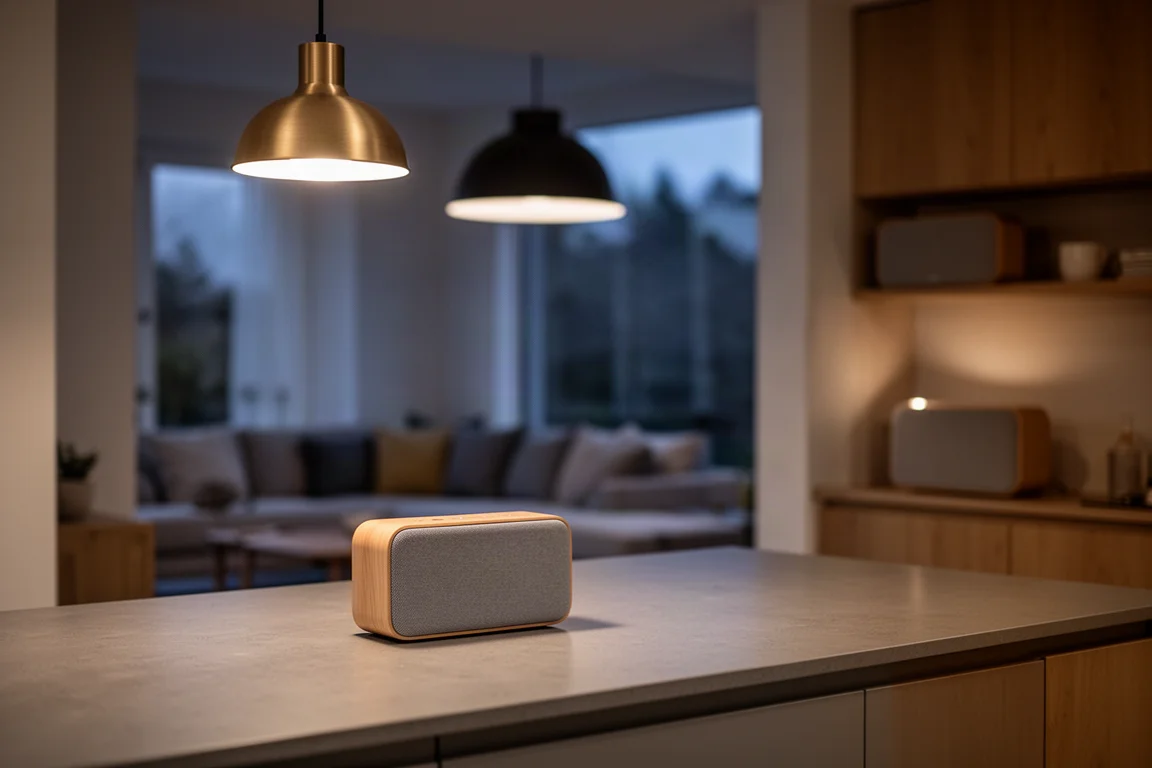
Compatibility is broad. Roon supports well over a thousand audio devices from around two hundred brands, and the list keeps growing. AirPlay and Chromecast hardware is covered, which means a lot of ordinary household equipment already qualifies. Older stereo gear can be brought in too, for example by running the remote app on a spare phone, connecting it with a simple cable, and treating that system as a zone.
Household sharing is handled with profiles. Each person gets their own favourites, playlists, and recommendations, and the subscription covers everyone in the home under a single account. Tags offer another way to organise things: albums, tracks, artists, or a mixture can be grouped into collections that make sense to you, such as a reading list of albums or a set of favourite artists.
Things to Consider Before Buying
Offline playback is the notable gap. Roon currently needs a network connection, so listening on a plane, in a car, or at a holiday house is not yet part of the experience. It is the most requested feature, and the company has said it is coming, but there is no firm date to plan around.
Roon is a subscription on top of any streaming subscription you already pay for, so the total monthly cost is higher than a single service. The core also needs a computer running in the home to serve the system.
Streaming support is currently limited to Tidal and Qobuz. Listeners who rely on other services may need to keep a second app around until more integrations arrive, and the company has said it is working on expanding that list over time.
Buying Advice
The practical starting point is to use the trial before committing. A 14-day free trial is available, which is enough time to scan a library, connect the rooms in your home, and see whether the metadata and discovery features change how you listen.

When you set up, enable every compatible device you can find, including ones you may have forgotten about. Roon treats them as zones, so the value grows with the equipment you already own. Sign in to Tidal or Qobuz as well if you have either, because local files plus a streaming catalogue is where the experience is at its strongest.
Conclusion
Roon is a considered purchase rather than an impulse one. It rewards listeners who care about their collection, want richer context around the music they own, and would like one system to handle playback across the whole house. If offline listening or a wider choice of streaming services is essential to you today, that is worth weighing carefully. If those points are not dealbreakers, the trial is the fairest way to judge it.
Product link
View more details for Roon
This product is mentioned in the review. Check the specifications, options, and compatibility before buying.
View more details for RoonFurther reading
Related Reviews
Music Software
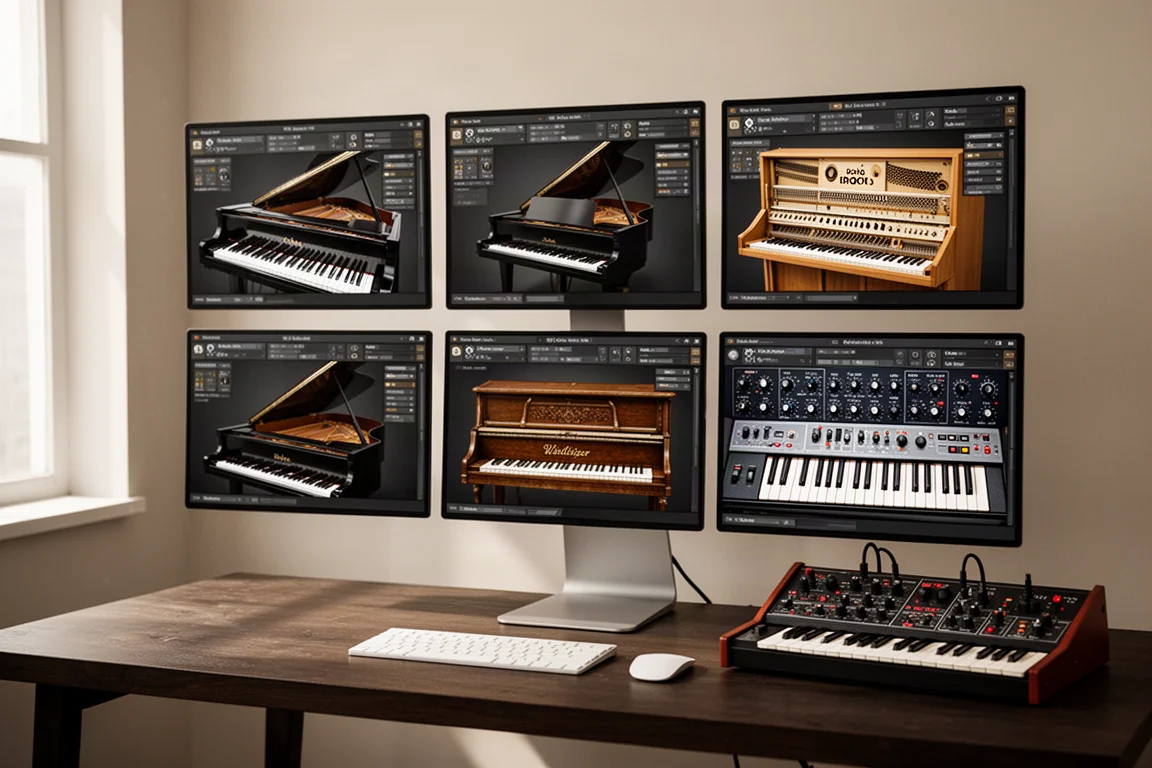
Rhodes Complete Keys Bundle: A Full Tour of Five Virtual Keyboard Plugins
A practical walkthrough of the Rhodes Complete Keys Bundle, covering five plugins that span electric pianos, acoustic pianos, and a vintage analog synth.

Backpacking Gear
Building a 10 lb Base Weight: An Ultralight Backpacking Gear List
A practical walkthrough of the ultralight pieces behind a 10 lb base weight, from a 765 g pack and a roomy one-person tent to a full camp chair and a dependable water filter.

Road Bikes
10 New Road Bikes Worth Watching: Aero, Titanium, Steel and Endurance Standouts
A practical roundup of 10 new road bikes, from aero flagships chasing single-watt gains to titanium, steel and endurance platforms built for real roads.