Tech Accessories
Rolling Square inCharge X vs inCharge 6: Which Keyring Cable Deserves a Spot on Your Keys?
Two six-in-one keyring charging cables compared: durability, power delivery, data transfer, and which one is worth the extra money.
Introduction
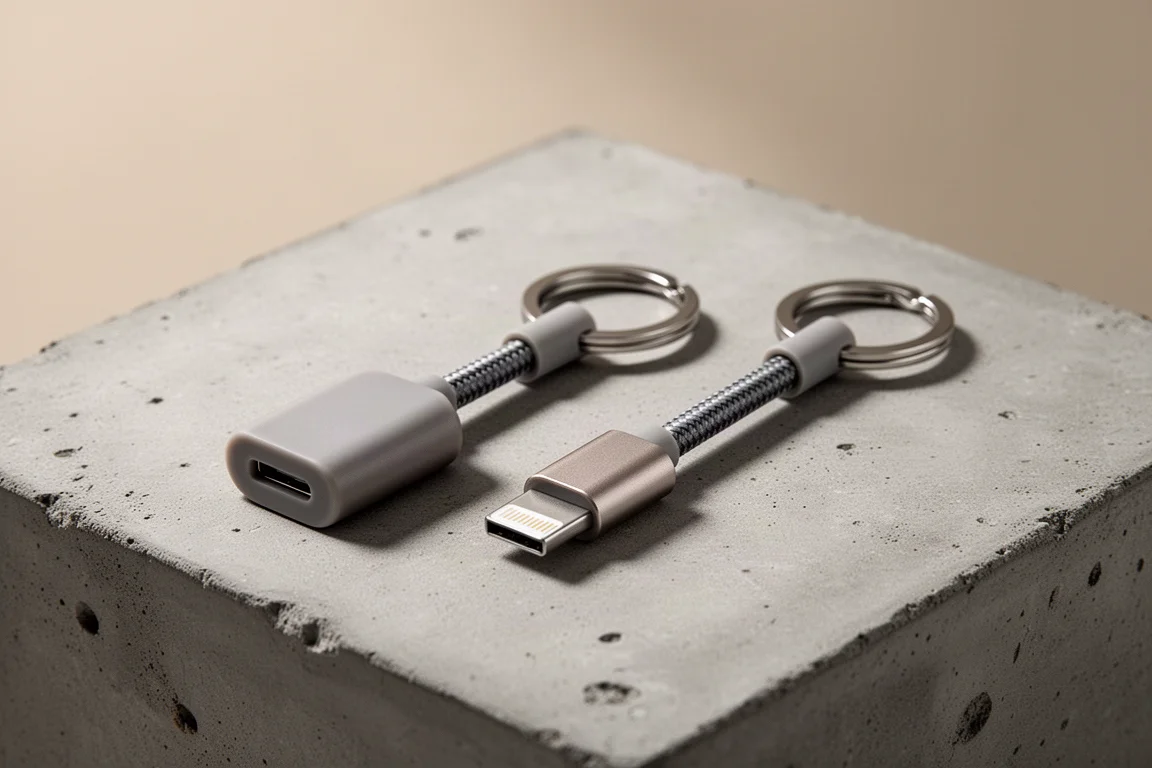
Emergency charging cables are one of those accessories you never think about until the moment you desperately need one. Rolling Square makes two of the most compact options around: the inCharge 6 and the newer, beefier inCharge X. Both are six-in-one keyring cables, and both weigh the same, but there are meaningful differences in design, durability, and charging power that can make one a better fit than the other.
Why a Keyring Cable Makes Sense
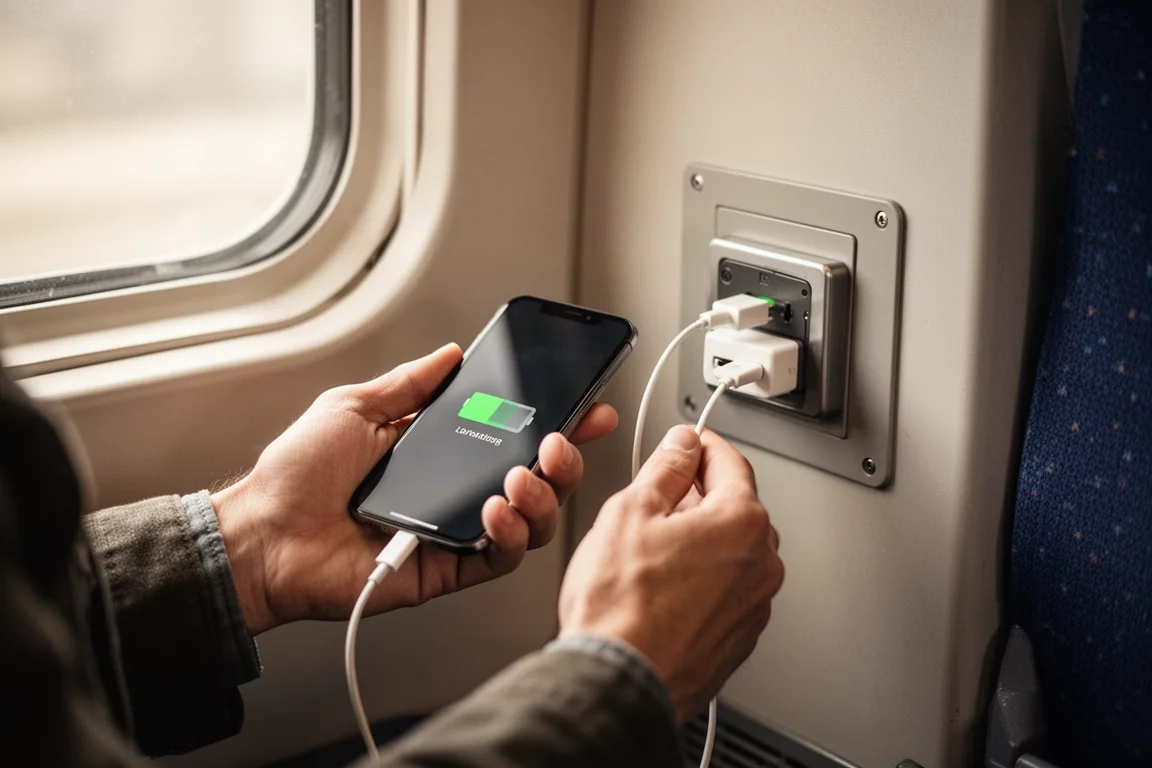
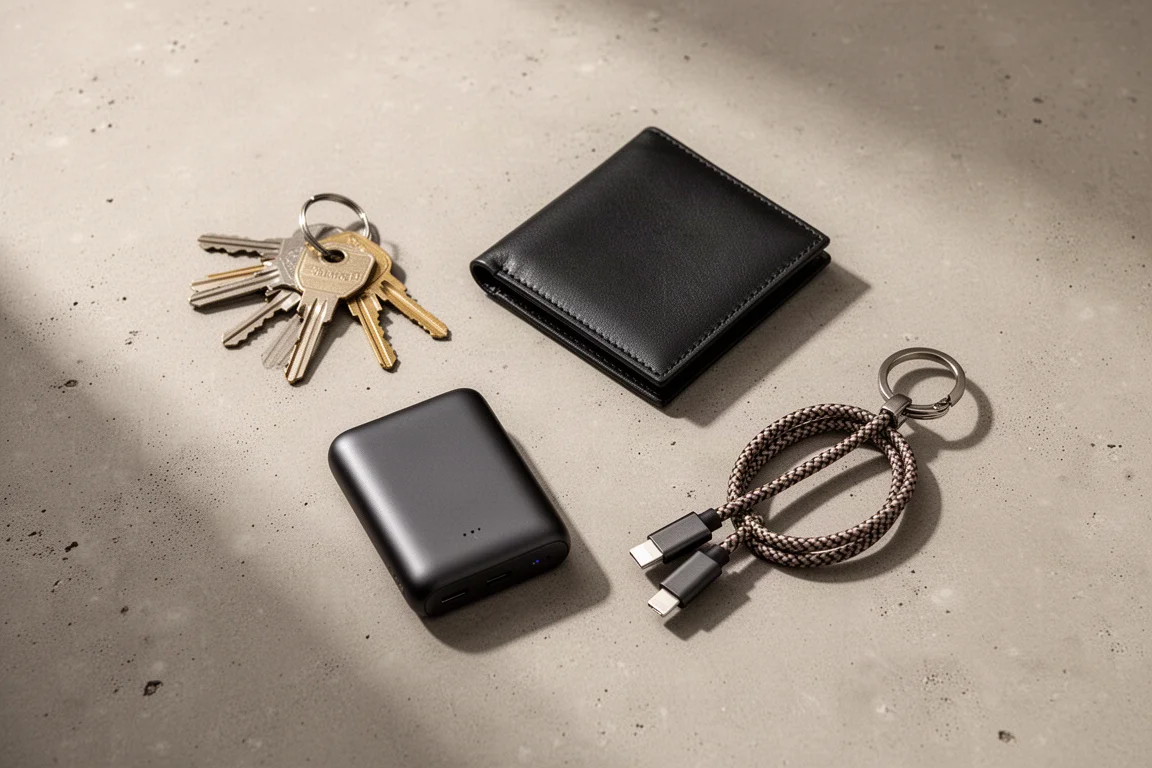
The idea behind both cables is simple: a very small, lightweight charging cable that lives on your keychain and gets you out of trouble. Picture a train that gets stuck, your phone at two percent, and your ticket, map, and contact list all living on that dying device. Trains often have USB outlets, but they are useless without a cable. With one of these on your keys, you always have one.
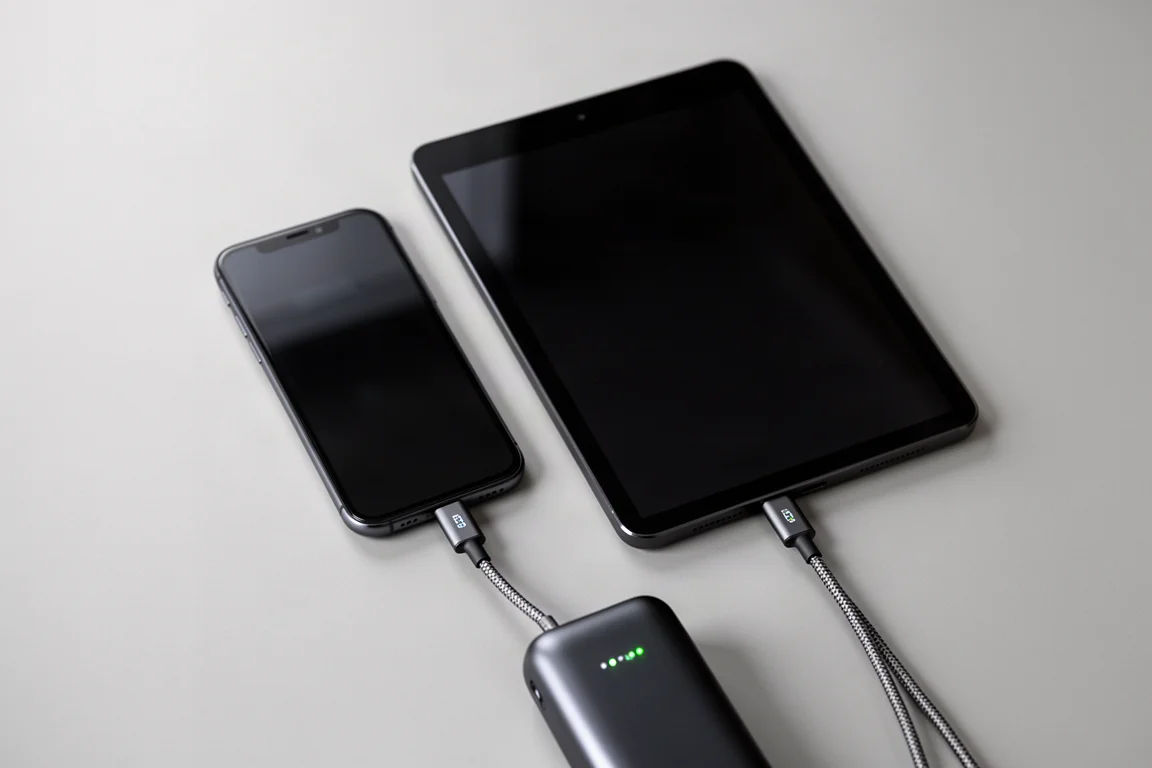
The short cable length is worth keeping in mind. It lends itself best to use with a power bank, or with devices that can sit close to a wall socket. In a genuine emergency it can charge practically anything, but its natural habitat is a power bank in the same pocket. If you already carry one, this pairing is a genuine everyday carry essential.
Build Quality and Durability
Side by side, the inCharge X is the more refined of the two. It has a more rounded shape with a flatter, neater profile and, in our view, a nicer overall finish. It is slightly longer but slightly thinner, and the width of the two is the same.
The most obvious addition is the plastic end cap. It serves two purposes: keeping dirt and dust out of the connectors, and holding the two halves of the cable together. Although the halves are held by a magnet, a cable rattling around in a pocket could conceivably come loose. With the end cap in place, it is held tightly and much less likely to detach.
The braiding on the inCharge X also looks heavier duty, and should stand up to more wear and tear. That said, the inCharge 6 has survived extended daily use while still holding up well. Inside, the X uses TPU reinforcement, nylon reinforcement, and an aramid fiber core in each wire, all designed to cope with repeated bending and the general abuse of keychain life. Micro USB connections are built into the lining plug, and while never the most reliable connection, the newer model clicks in firmly where the older one can sit loosely and drop out.
Power Delivery and Data Transfer
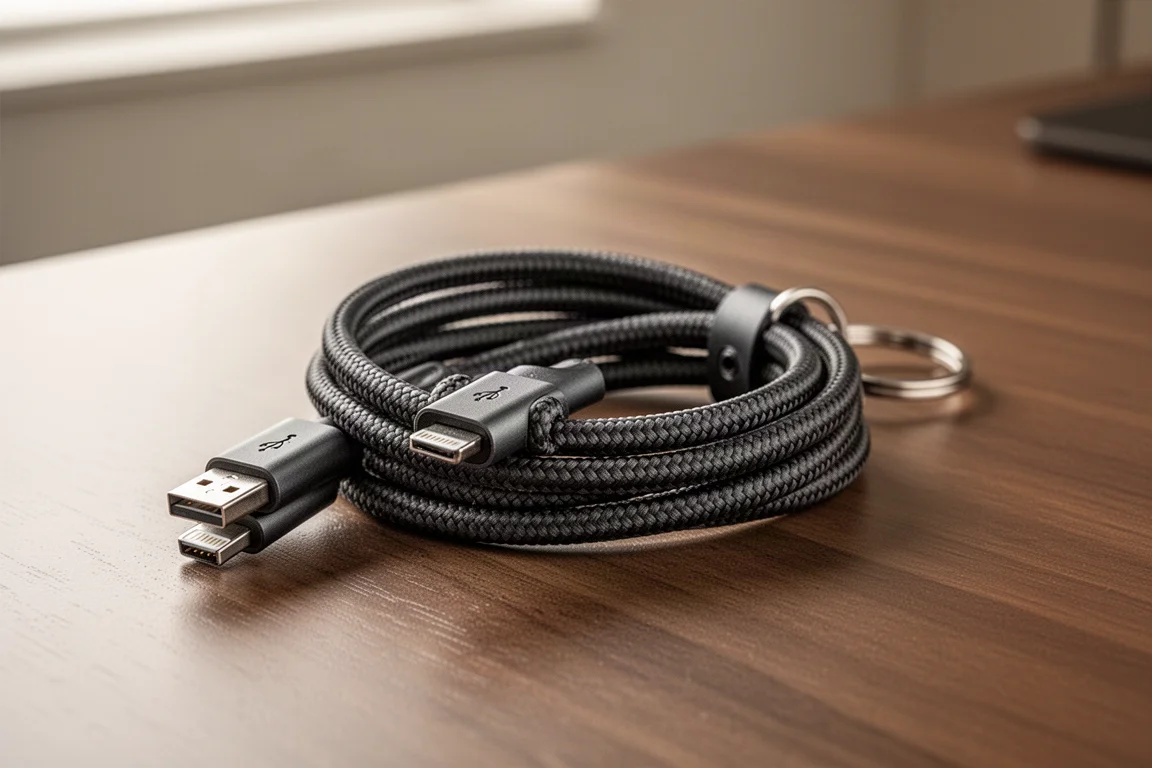
Both are six-in-one cables, replacing six standalone cables by combining USB-A and USB-C on one side with USB-C, Lightning, and micro USB on the other. The difference is in how they are arranged. The inCharge 6 starts with USB-C to Lightning and micro USB, then swaps plugs for USB-A. The inCharge X starts with USB-C to USB-C, and swaps around from there. The X arrangement is arguably the better design, because the most reliable connection is always the one without plugs attached, and USB-C to USB-C is where most portable electronics are heading.
The biggest practical difference is power. The inCharge X supports up to 100W charging, including USB-C Power Delivery at its maximum of 20 volts and 5 amps, covering essentially all your charging needs. The inCharge 6 is rated for up to 18W, which sounds like far less but still covers most people’s requirements, particularly for charging a phone.
Data transfer is also covered. The inCharge X supports data rates up to 480Mbps, while the inCharge 6 now offers syncing as well. Both weigh 27 grams, or 0.9 of an ounce.
Which One Should You Buy?
On price, the inCharge 6 costs $19 and the inCharge X costs $29, an extra $10. For that money you get a heavier-duty, more durable cable, a nicer design, charging at up to 100W, and the plastic end cap that keeps out dirt and holds the halves together. All of that added together makes the extra $10 easy to justify, and the inCharge X is our recommendation.
If you are on a really tight budget, the inCharge 6 does pretty much everything you need at $19. And if you like the concept but would prefer a longer, more practical cable instead of the compact keyring version, a five-foot cable length is available for an extra $10 on either option.
Conclusion
The inCharge X earns its place as a go-to emergency charging cable thanks to its tougher build, smarter connector layout, and far higher power ceiling, all for just $10 more than the original. For most people it is the better buy, while the inCharge 6 remains a capable budget fallback for anyone who wants the same six-in-one convenience for less.
Product link
View more details for Rolling Square inCharge X
This product is mentioned in the review. Check the specifications, options, and compatibility before buying.
View more details for Rolling Square inCharge XFurther reading
Related Reviews

Tech Accessories
Best Premium Tech Dupes 2026: Five Budget Alternatives That Actually Deliver
We compare five premium desk and streaming staples against their budget counterparts to see which dupes are genuinely worth the savings.
Tech Accessories
Best Thunderbolt 5 Docks 2026: Six Options Tested for Desktop Connectivity
A practical guide to six Thunderbolt 5 docking stations, covering their strengths, trade-offs, and which setup they suit best.
Tech Accessories
CalDigit Thunderbolt Docks: TS4 vs Element Hub
Two Thunderbolt docking solutions with different port counts and use cases. The TS4 offers 18 ports and 2.5 Gbps ethernet; the Element Hub provides a compact 8-port alternative.