Camping & Overlanding Gear
Roller Cam Straps Review: A Year of Real-World Use
After a full year of camping, overlanding, and travel use, Roller Cam straps have earned a permanent spot in the kit. Here is what holds up, what has changed, and why the CamGuard cover matters.
Introduction
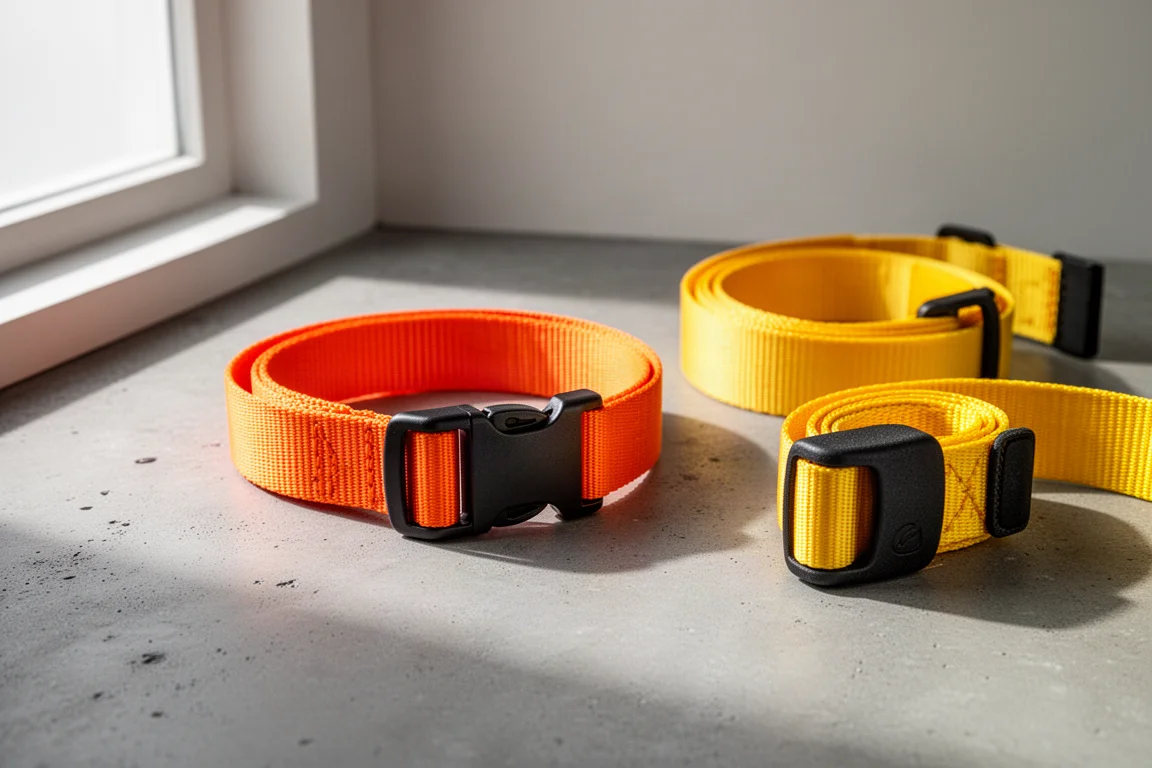
Some gear earns its place by being genuinely useful every single trip. After a full year of constant use, Roller Cam straps have done exactly that. These bright, well-made cam buckle straps started as a small experiment and ended up becoming one of the most-reached-for items in the kit, used for everything from awnings and tent guy lines to impromptu clotheslines and pack repairs.
Why Cam Straps Earn Their Spot
The core appeal comes down to how the camming mechanism works. Traditional cam straps, like the long-established NRS straps many outdoor people already own, use a cam that presses the webbing directly against a fixed bar. That design is known for producing a lot of friction. In practice, that sometimes means reaching for pliers to get a strap tight enough, and repeatedly biting into the same spot of nylon is hard on the webbing. It can also mislead you: a strap that is hard to pull is not necessarily tight, and some people never actually get their loads secured as firmly as they think.
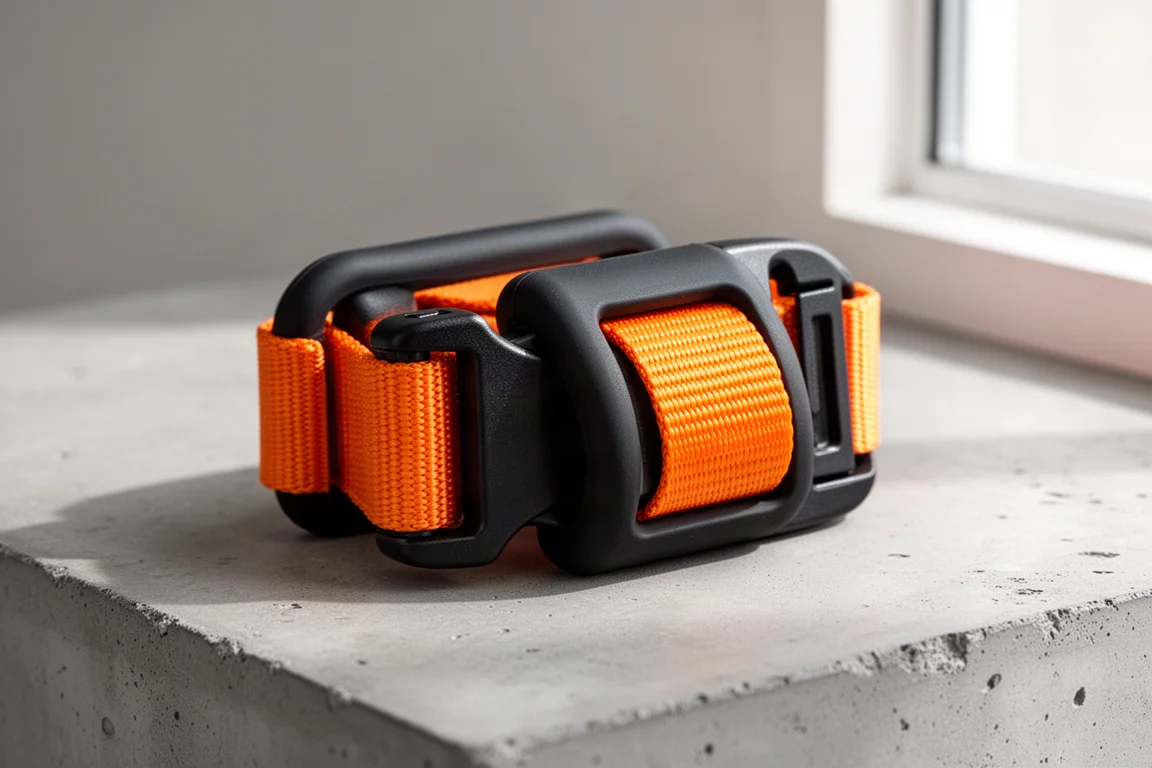
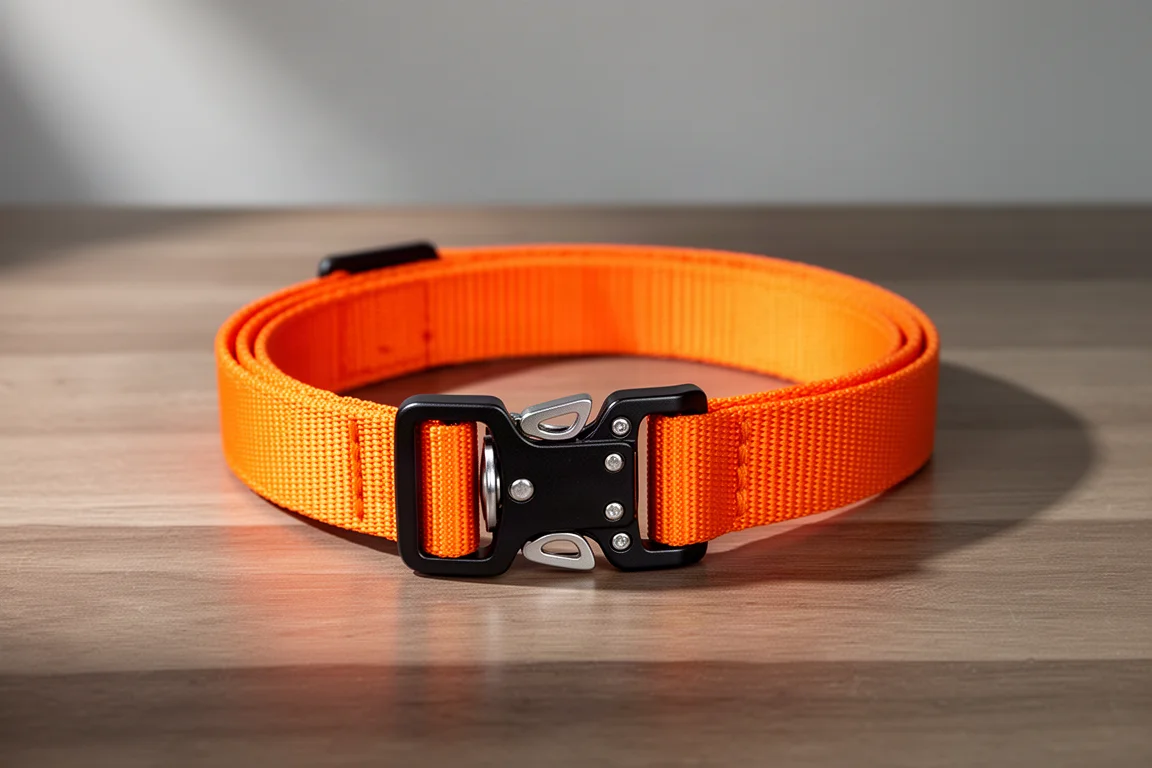
Roller Cam takes a different approach, engineering the camming mechanism to press against a roller instead, with stainless steel hardware throughout. The result is a strap that snugs down smoothly without fighting you, and after a year of hard use there have been no reliability problems at all. The stitching is beefy, with bar-tack over-stitching at the stress points, and the newer straps feel even more substantial than earlier ones.
Everyday Uses Around Camp and Travel
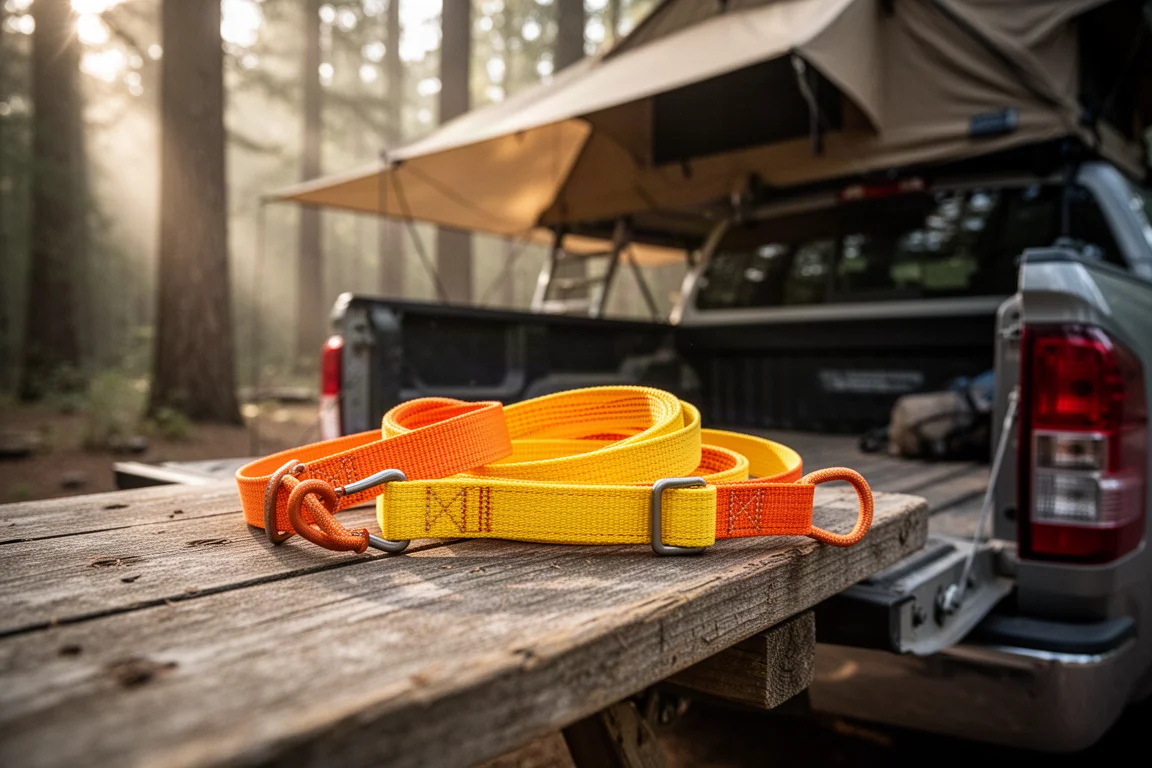
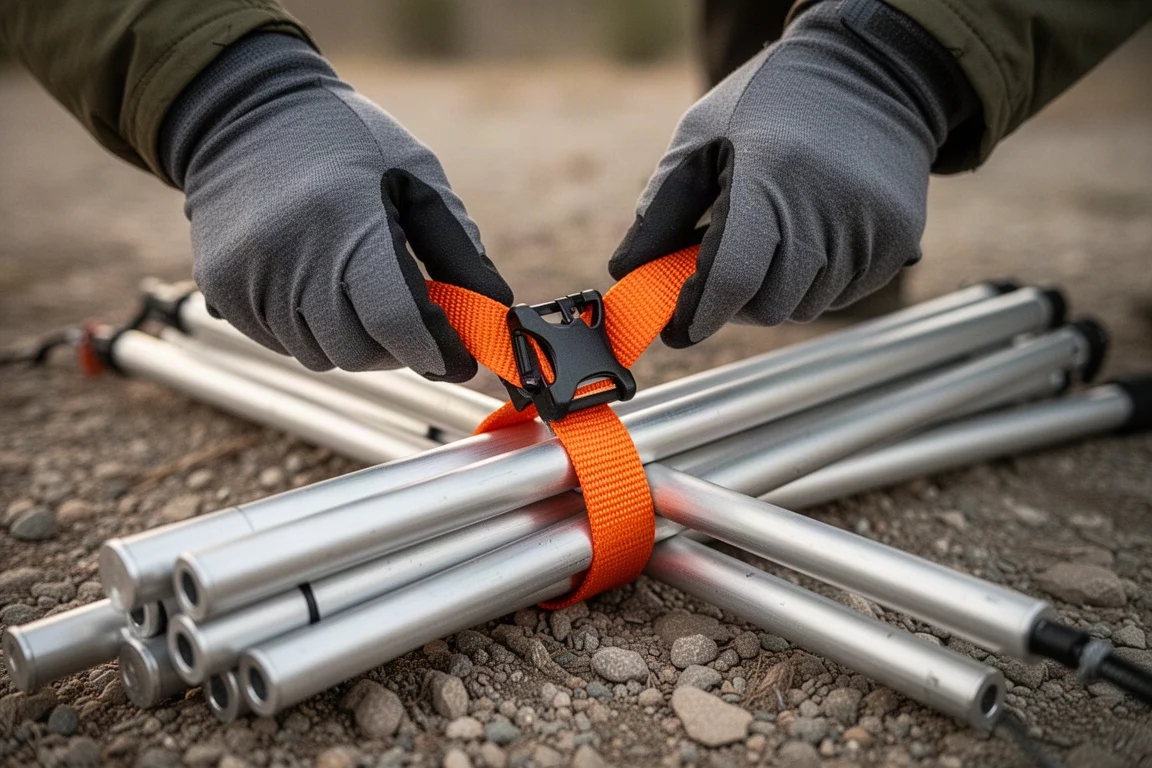
This is the kind of gear that quietly multiplies in usefulness. Around camp, they handle awnings, tie downs, tent and screen guy lines, portable bug nets, and clotheslines. On the road, they travel in the bag for repairs, securing loads, and storage, whether something on a pack needs fixing or gear needs strapping down for the drive.
That portability is the real test. These straps have been packed along on overseas trips to Nepal and Scotland, a big overlanding loop around the western United States, a drive up to Alaska, and plenty of shorter trips since. When something needs tying, strapping, or hanging, they are simply there.
Durability After a Year of Use
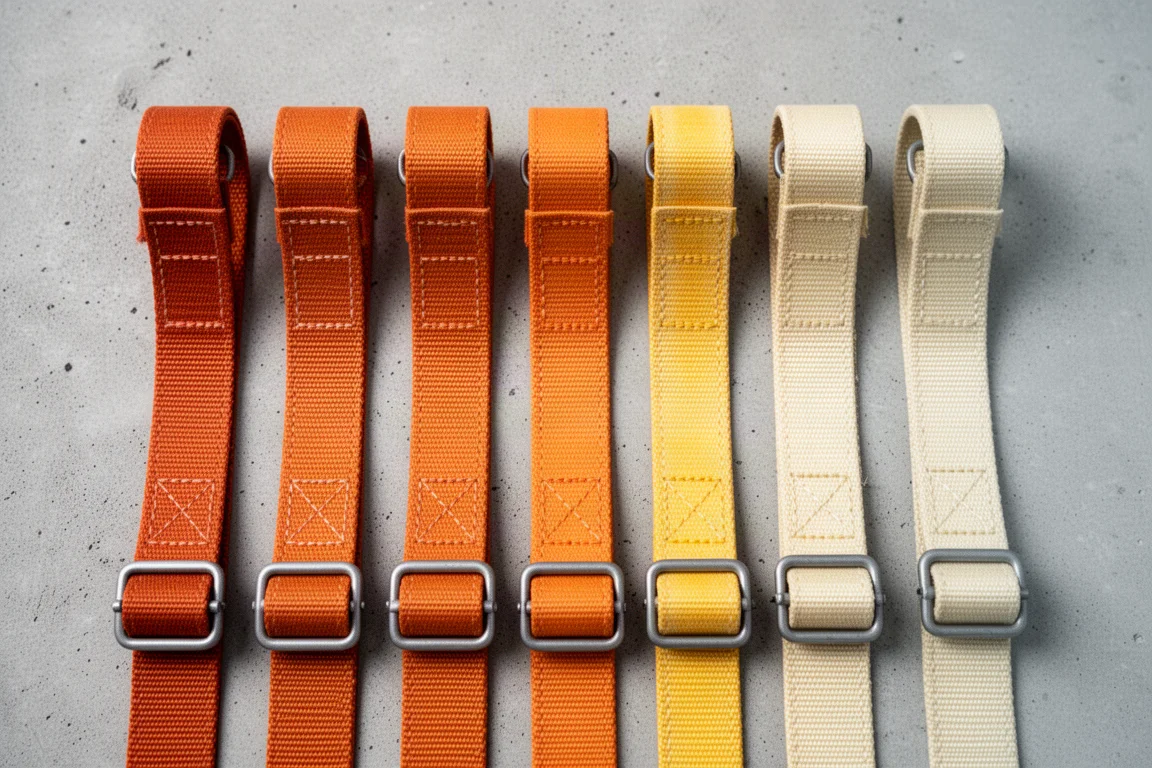
A year of constant use tells you things a first impression cannot. One strap used all winter shows a fascinating progression of sun fading, shifting from deep orange through lighter orange to yellow and eventually a pale, washed-out yellow, with an uneven bend mark where it wrapped around a corner and got less exposure. That kind of wear is cosmetic rather than structural, and the strap keeps working regardless.
The newer versions also show small refinements. The thread dye appears to have changed, giving the stitching a brighter look, and the overall construction feels more robust than earlier batches. Bright sizing on the straps is another welcome touch, because piles of unlabeled straps become impossible to sort quickly.
The CamGuard: Rubber Protection for the Buckle
The newer addition to the lineup is the CamGuard, a rubber cover that fits over the metal cam buckle. On paper it sounds like a minor accessory. In practice it solves a very specific problem: anyone who throws straps over a truck, car, or camper knows the moment when a bare metal buckle swings back and smacks into a hood, a window, or a person mid-load.
The rubber cover softens all of those impacts without impeding the buckle’s function at all. It also adds a layer of protection when strapping over softer materials. For anyone loading rafts, kayaks, or rooftop gear regularly, this is the kind of small idea that feels obvious once you have used it.
Buying Advice
Roller Cam straps suit anyone who ties things down often and wants a cam strap that pulls smoothly instead of fighting back. The roller design makes a genuine difference over traditional high-friction cams, particularly if you have ever struggled to get a load properly tight or worried about wearing out the same patch of webbing.
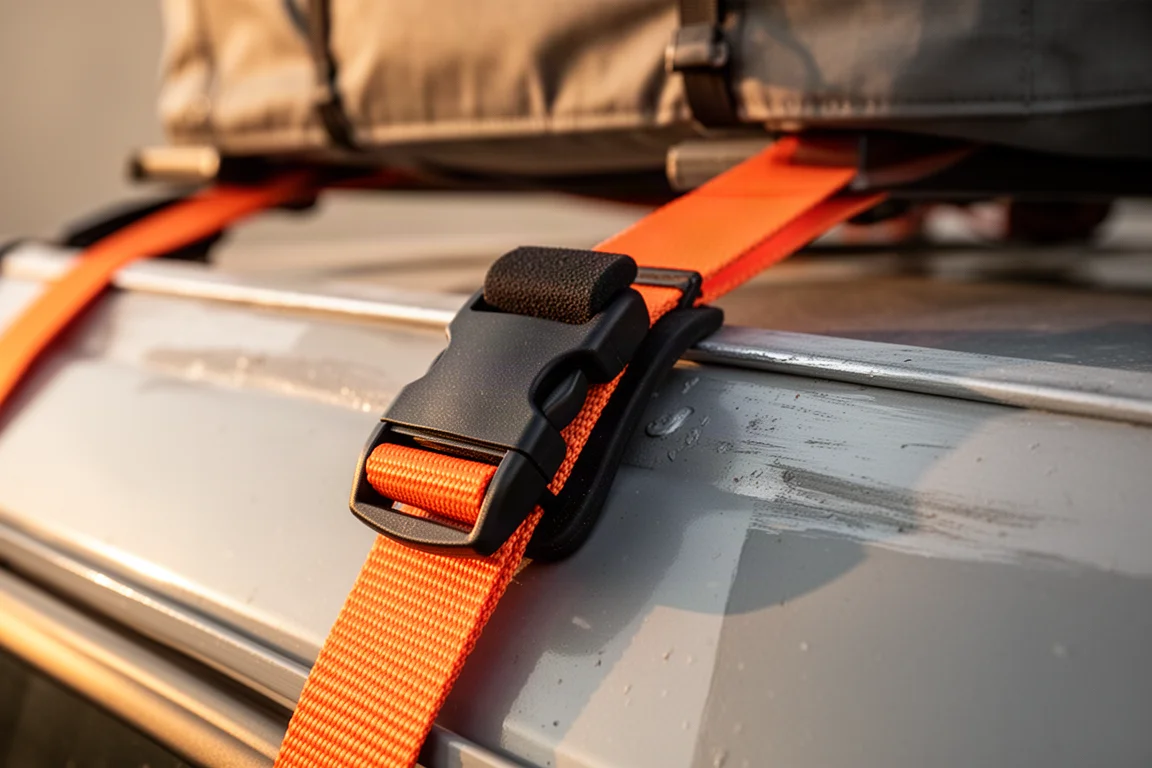
The core straps are the foundation, and they come in useful lengths for everything from guy lines to roof loads. The CamGuard version makes the most sense for people who regularly throw straps over vehicles, where the buckle is likely to contact paint, glass, or people during loading. If most of your strapping happens at ground level around camp, the standard straps cover it. There is still room for the design to evolve, and a built-in way to roll straps up neatly would be a welcome future addition, but as they stand these are easy to recommend.
Conclusion
After a year of use across multiple continents and countless camps, Roller Cam straps have proven themselves as smooth-pulling, well-built, endlessly versatile tie-downs, and the CamGuard adds a thoughtful layer of protection for vehicle-based users. For frequent campers, overlanders, and travelers, this is gear that earns its place quickly and keeps it.
Further reading
Related Reviews
Camping Tarps
Aqua Quest Defender vs Safari 20x13: Which Large Tarp Fits Your Setup?
A side-by-side look at Aqua Quest's two 20 ft by 13 ft tarps: the 9.2 lb, 20,000 mm Defender and the 4.5 lb, 5,000 mm Safari, plus sizing, setup, and warranty details worth knowing.
Backpacking Gear
Backpacking Gear Staples: 13 Pieces Worth Building a Kit Around
A practical look at thirteen backpacking essentials that earn a permanent place in the pack, from a minimal cook kit to a sub-two-pound framed backpack.
Backpacking Gear
Backpacking Gear That Earns Its Place: 8 Go-To Essentials for 2026
A field-tested look at the backpacking gear that keeps delivering, from pillows and filters to tents and lighting, plus what to skip.