Road Bikes
Road Race Bikes Explained: Trek Emonda SLR, Cannondale SuperSix Evo, CAAD12 and Specialized Tarmac SL7
A practical guide to what separates a road race bike from other categories, using four models to show how geometry, gearing, frame material and tire clearance shape the ride.
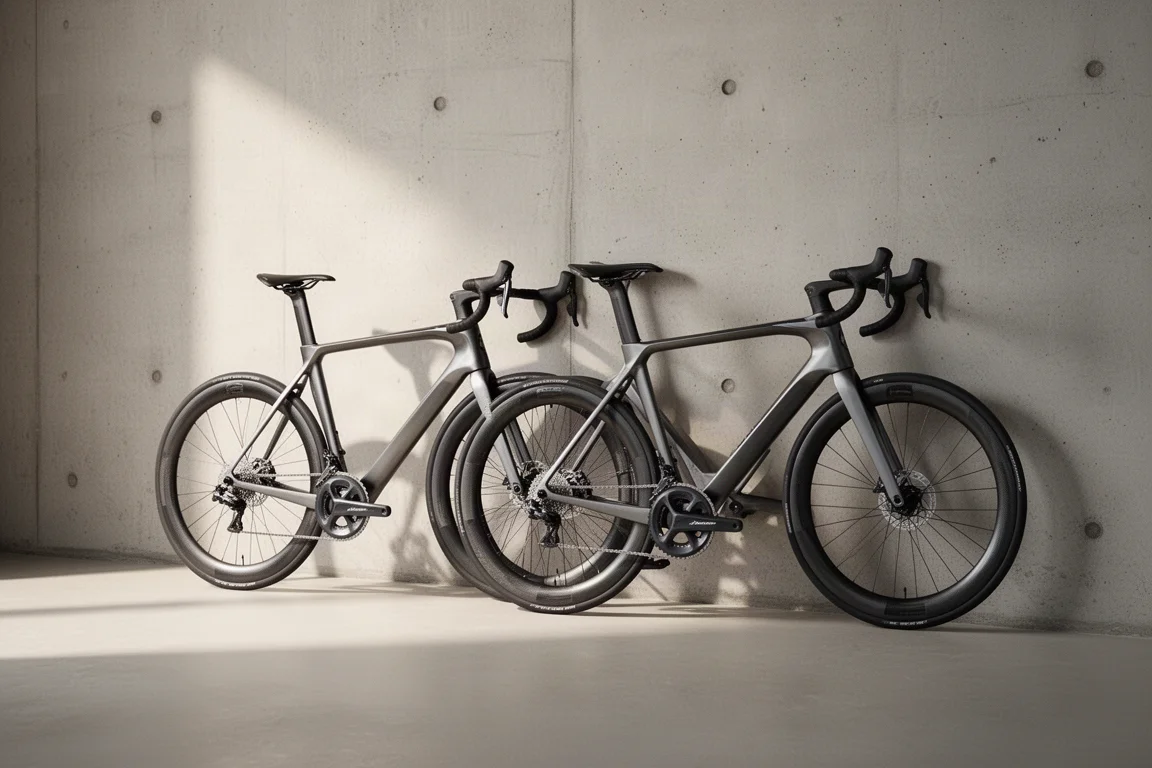
Introduction
Road race bikes are built around a single priority: speed. That focus shapes everything from frame angles to gear ratios, and understanding those choices makes it much easier to judge whether a race bike is the right purchase.
This guide covers what actually defines the category, then looks at four models that illustrate different routes into race performance: the Trek Emonda SLR, the Cannondale SuperSix Evo, the Cannondale CAAD12 and the Specialized Tarmac SL7.
What Defines a Road Race Bike
Geometry is the clearest dividing line. Race bikes are designed to be long and low, with a short stack and a long reach, which places the handlebars further forward and lower and increases the drop from saddle to bars. That produces the flatter back profile that helps in a racing position, and it is the main reason a race bike feels so different from an endurance or gravel bike.
Race bikes also tend to use a short wheelbase with steep head and seat tube angles. The result is a responsive, agile ride that changes direction quickly, which is valuable in a fast-moving group or on a twisting road. The trade-off is handling that can feel twitchy for riders coming from something more relaxed, particularly at high speed and on rough surfaces.
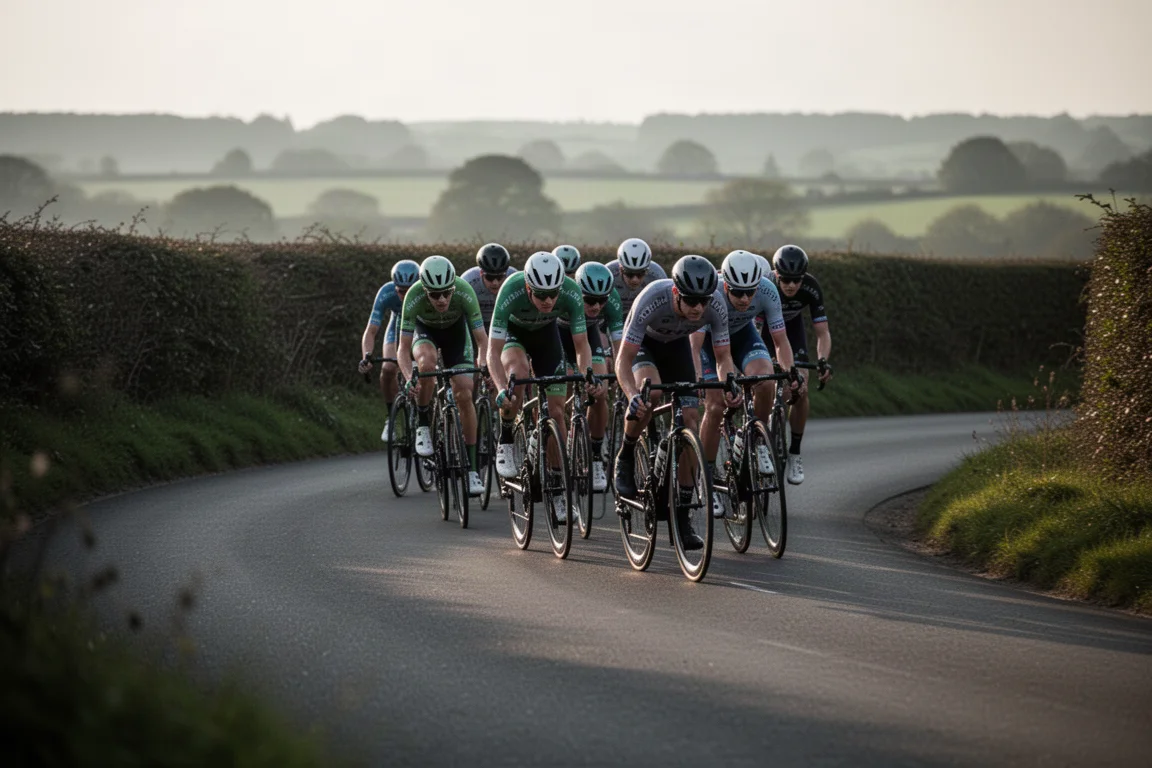
Stiffness is the other defining trait. Frames are built to maximise power transfer for sprinting and attacking, and top-end models generally use carbon fibre with large tube profiles. Historically that stiffness came at the cost of ride quality, but advances in carbon fibre and the move to wider tires have changed the balance considerably.
It is worth noting that not every race bike follows the same blueprint. Stack, reach and other measurements vary between models, so comparing geometry figures between bikes, and against the bike you currently ride, is the most reliable way to choose one that suits you and to get the right size.
Trek Emonda SLR: A Purpose-Built Race Machine
The Trek Emonda SLR is a lightweight race bike designed for one thing: going fast. It represents the modern top end of the category, where the frame is optimised around low weight and efficient power transfer.
One practical detail to understand is that most top-end race bikes at this level are now compatible only with disc brakes and electronic gearing. That shift has been driven by demand rather than by any technical limitation, which means buyers of new race bikes are generally committing to hydraulic disc brakes and electronic shifting from the outset.
Tire clearance is another area where the Emonda SLR shows how far race bikes have moved. It runs 28mm tires, and it has been ridden with 30mm tires, including on the cobbles of Belgium and northern France. Many of the latest race bikes will accept up to 32mm, and some will take slightly wider rubber still.
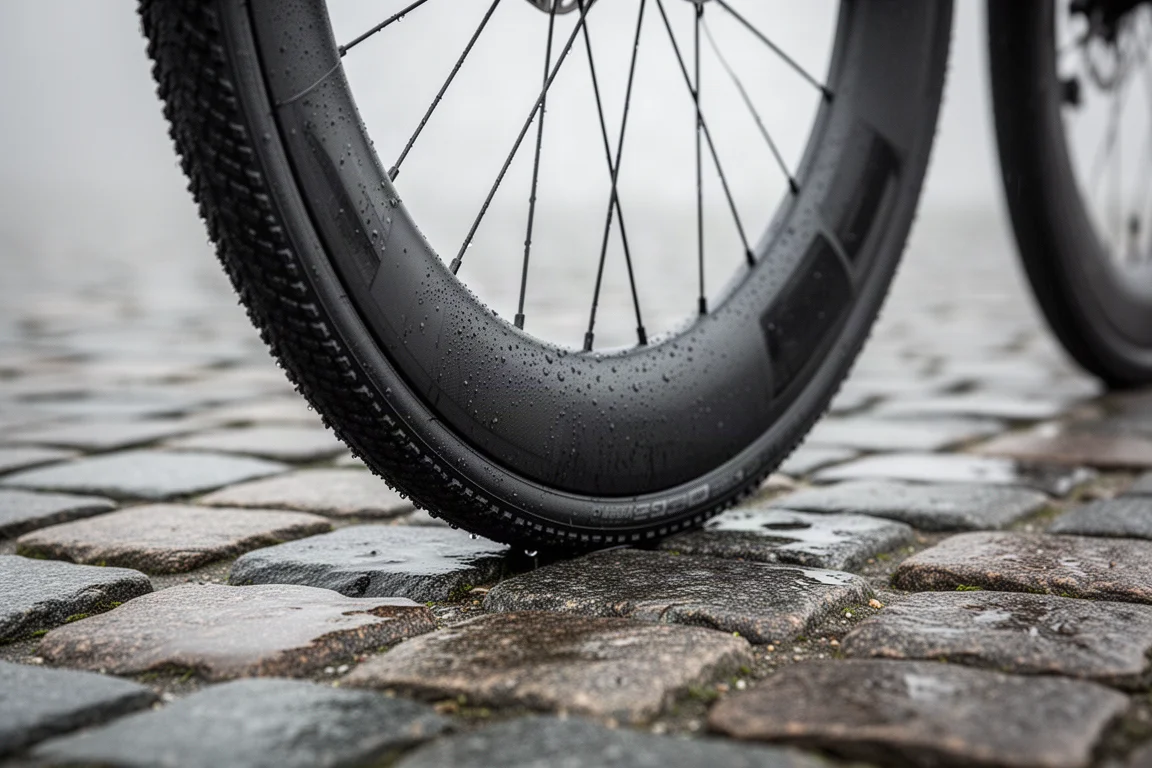
Wider tires are arguably the most significant improvement to road race bikes in recent years. Running 28mm or 30mm tires at lower pressure brings lower rolling resistance, more traction and control, and noticeably better comfort, without giving up speed.
Cannondale SuperSix Evo: How Tire Clearance Has Changed
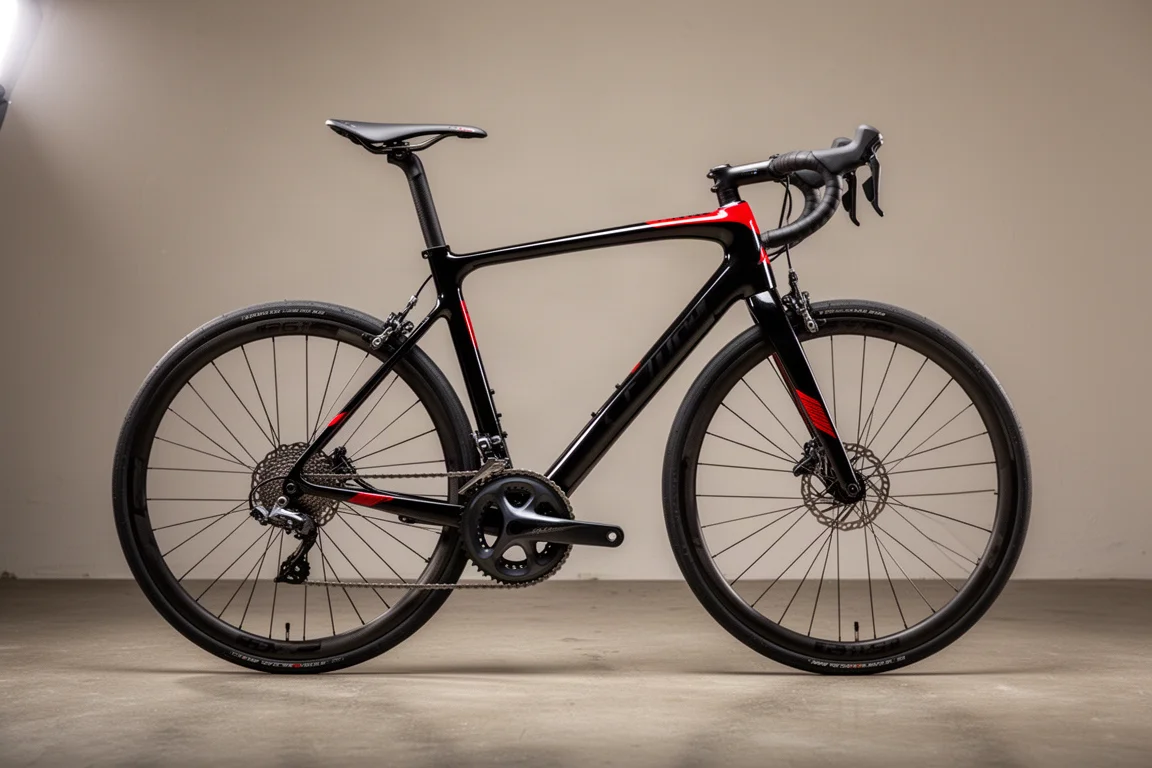
The Cannondale SuperSix Evo is a useful reference point for how quickly race bike design has evolved. An earlier generation of the SuperSix Evo maxes out at 25mm tires, from a period when 23mm was the standard choice and riders commonly ran very high pressures.
Riding that older generation back to back with a current race bike on 25mm tires highlights the difference newer frames and wider tires make. A modern race bike on wider tires at lower pressure can feel far more comfortable while still being faster against the clock. That is the real advance: stiffness, low weight, aerodynamic shaping and comfort are no longer mutually exclusive.
For anyone considering an older SuperSix Evo or a similar used race bike, tire clearance is one of the first specifications worth checking, because it sets the ceiling on how much of that comfort advantage the frame can deliver.
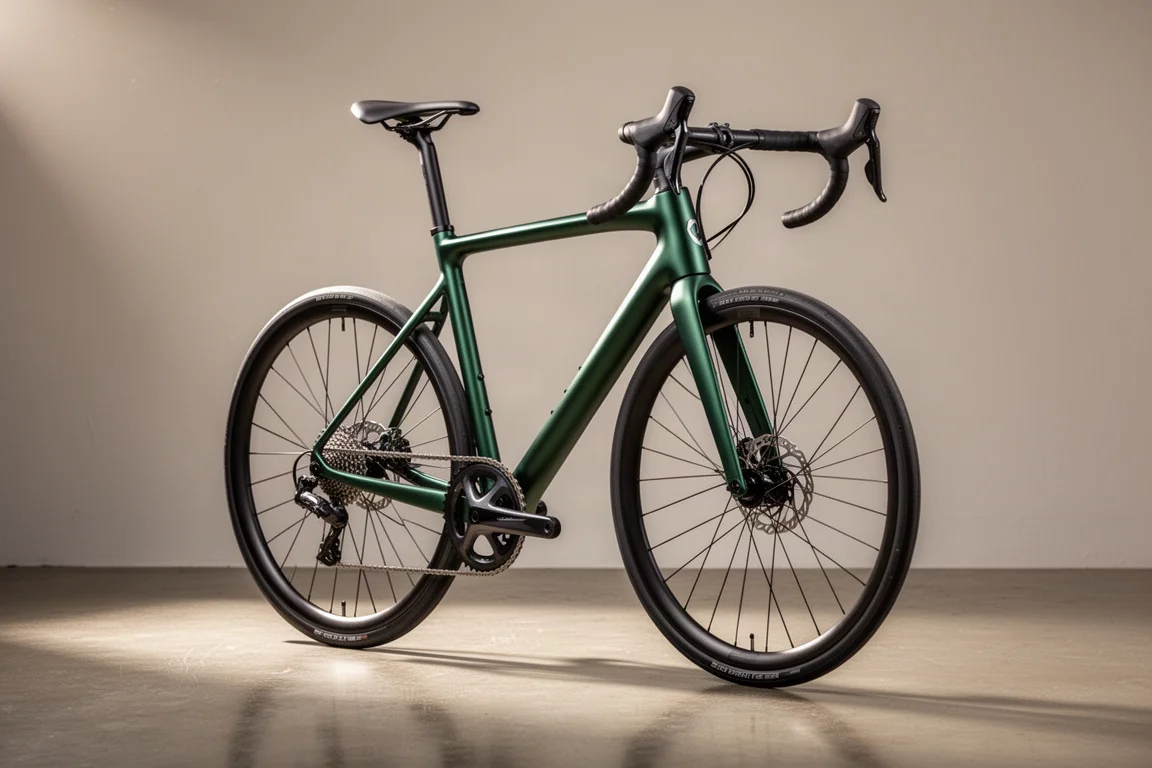
Cannondale CAAD12: Aluminum Value With Race Speed
The Cannondale CAAD12 shows that carbon fibre is not a requirement for race performance. A 2016 CAAD12 with an aluminium frame is almost as fast as a good carbon race bike, and second-hand examples can be a genuinely strong value proposition.
Aluminium frames are much easier and less expensive to manufacture than carbon, which means a bike at the same price can carry a better groupset, better wheels and better components. Older CAAD12 models also use rim brakes and mechanical gearing, and with a few upgrades such as a set of lightweight wheels they deliver the speed and performance of a race bike without the newer technology.
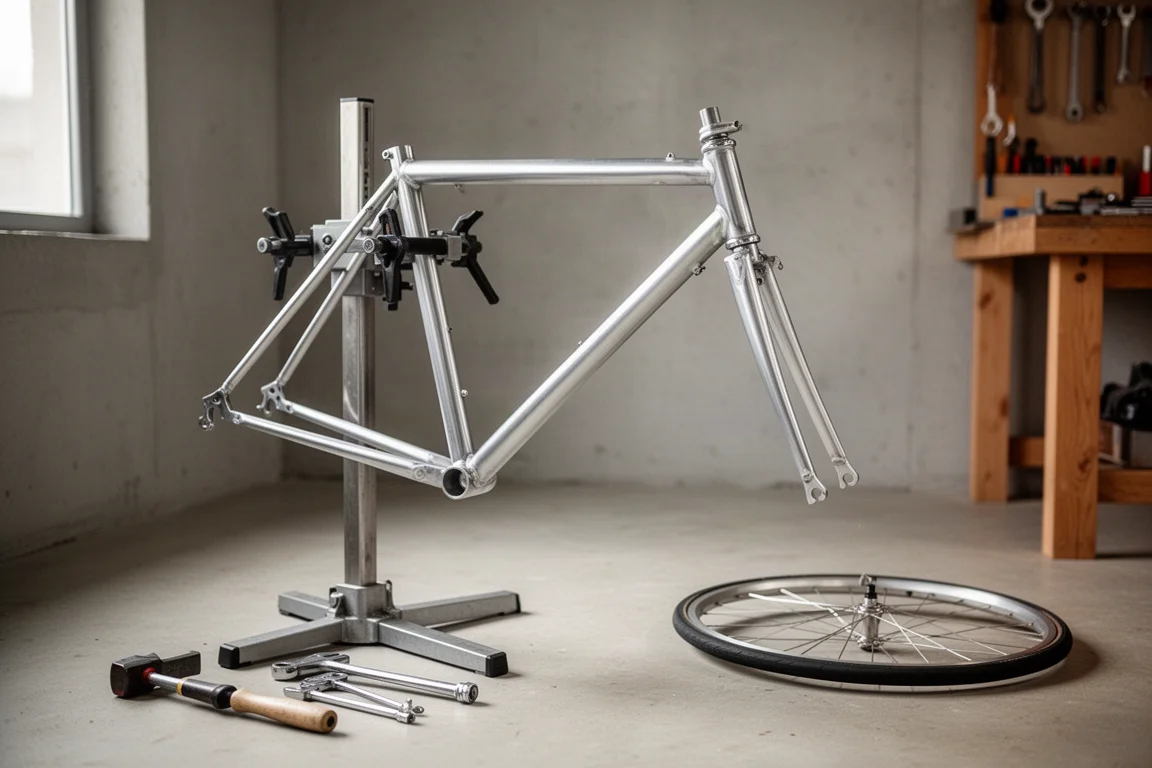
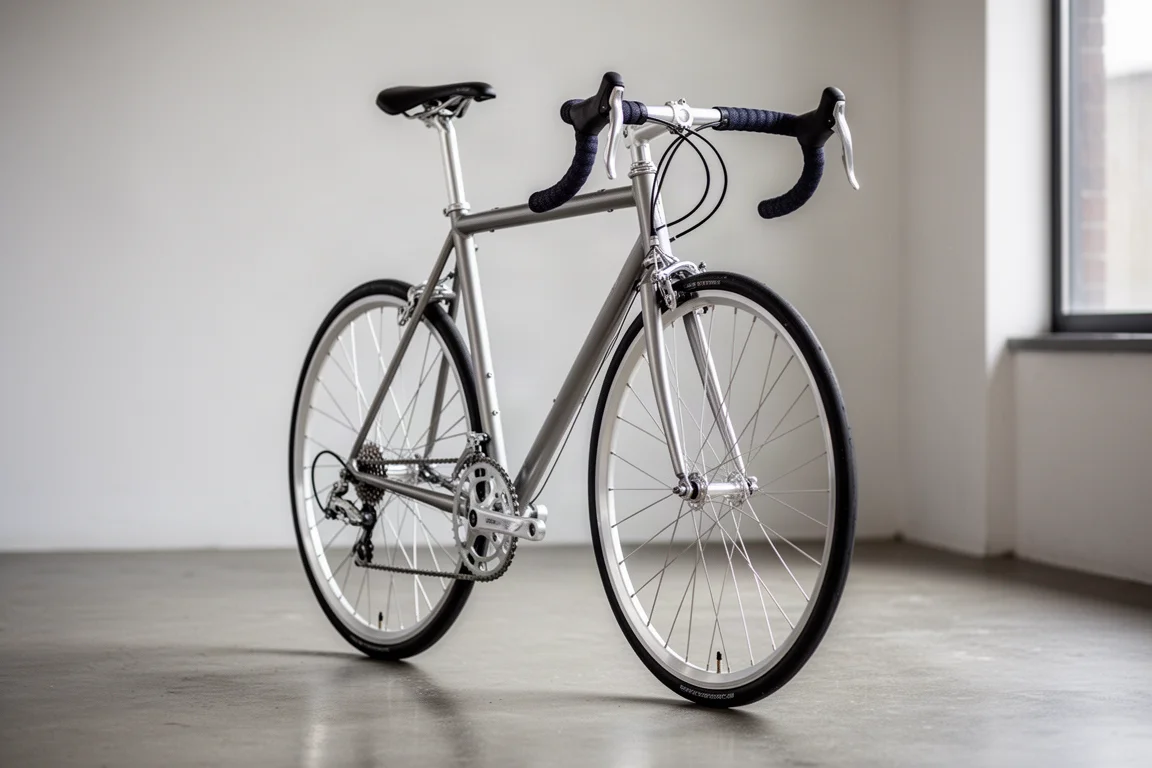
Frame material beyond carbon deserves consideration too. Steel and titanium built with race geometry can feel just as quick, and the reason professionals do not race them is weight rather than speed. For normal riding, both materials remain perfectly viable choices.
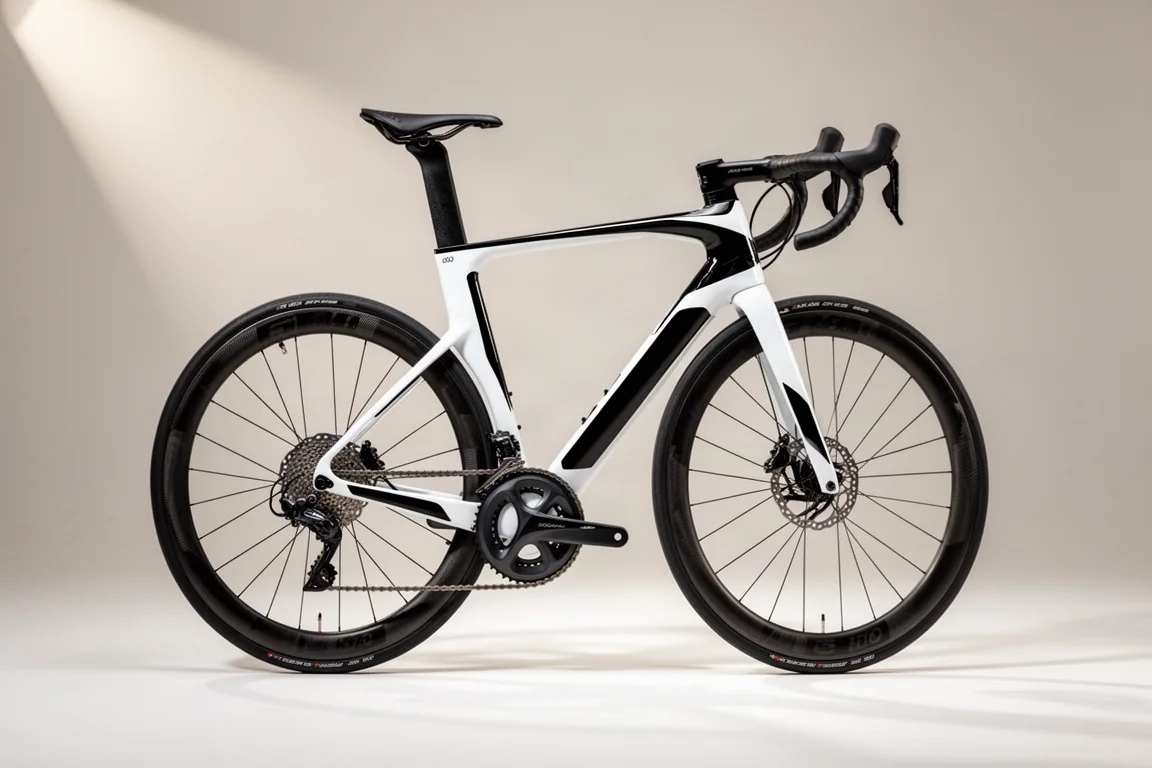
Specialized Tarmac SL7: Lightweight and Aero Combined
Race bikes have traditionally split into two camps: lightweight models built to be as light as possible, and aerodynamic models built to reduce drag. The Specialized Tarmac SL7 is a good example of brands merging those categories into one design.
It is not the lightest bike possible, and not the most aerodynamic bike possible, but it works as an all-round package. That makes the decision between a lightweight and an aero race bike much simpler, because a single model covers both priorities well.
Terrain still matters. On flat roads, outright aerodynamic speed brings the greater benefit, while on hilly routes and long mountain climbs, lower weight is the more useful advantage.
Gearing and Frame Materials to Check Before Buying
Gearing is one of the clearest separators between a race bike and other categories, because race bikes are geared for very high average and maximum speeds. A 53/39 chainset with a cassette ranging from 11-25 up to a more common 11-30 is typical, and two-by setups remain the norm because they offer a wide spread of gears with close ratios.
That gearing only works if you are strong enough to turn it. Away from racing, more modest options make sense: Shimano offers a 52-36 chainset as a middle ground, and some brands fit a compact 50/34 to race bikes because many riders want the performance and handling without the race-focused ratios. Cassettes have grown as well, with 11-28 and 11-30 now common even among professionals, and Shimano groupsets at Ultegra level and above starting at 11-30. SRAM takes a different approach with smaller chainsets and larger cassettes, which suits riders running moderate average speeds who still want to go fast from time to time.
Frame material is the other decision. Carbon fibre remains the top-end choice because it offers the best stiffness-to-weight ratio and can be shaped for aerodynamic benefit, but aluminium is often overlooked and delivers better value for money. Steel and titanium are not slow when built with race geometry.
Buying Advice
The most important step is matching geometry to your own riding rather than to a specification sheet. Comparing stack and reach between models, and against the bike you currently ride, is the most reliable way to choose a race bike that suits you and to land on the right size.
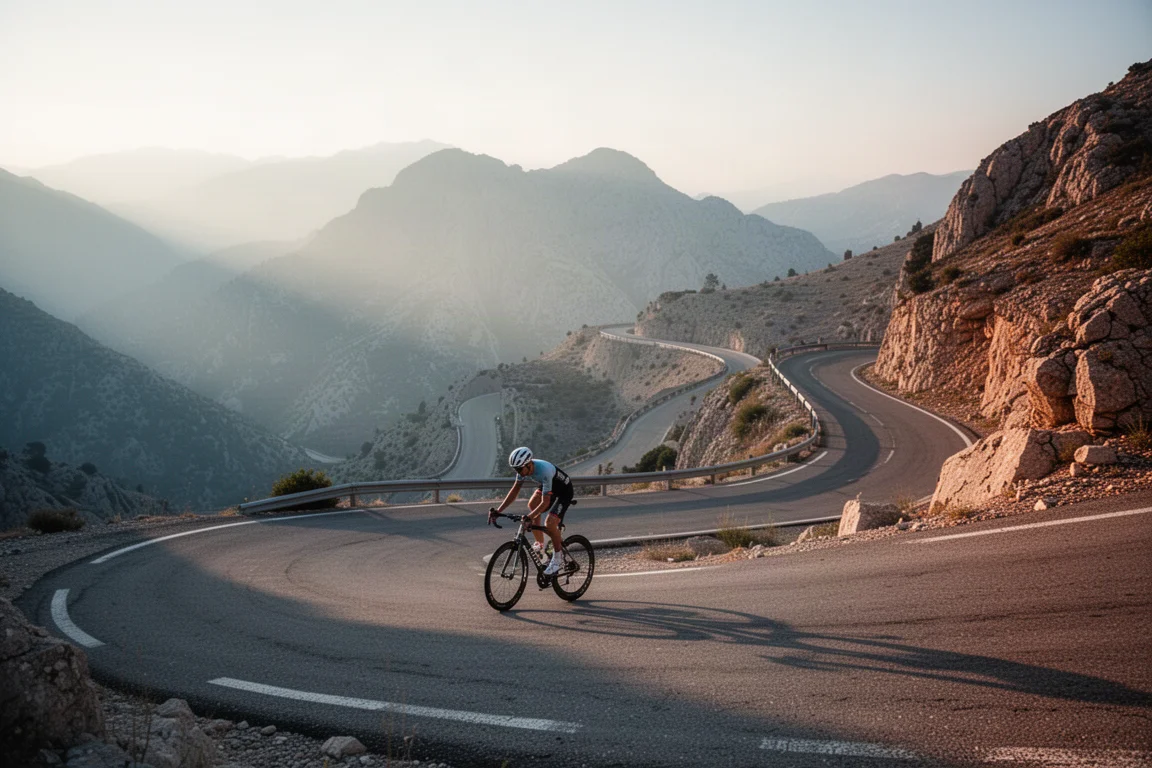
Riders who find race geometry too stiff, too aggressive or too demanding may be better served by an endurance bike. Those bikes use a taller head tube, a shorter top tube and a slightly longer wheelbase, which makes them easier to handle while remaining just as quick. A race bike rewards a rider who wants speed and accepts the handling demands that come with it; an endurance bike suits many casual riders better.
For buyers who want the latest technology, expect hydraulic disc brakes and electronic gearing on new top-end race bikes. For buyers who prefer rim brakes and mechanical shifting, the used market offers strong value, and a well-chosen second-hand race bike with a wheel upgrade can deliver everything the category promises.
Conclusion
A road race bike is defined by aggressive geometry, high stiffness and gearing built for speed, and modern versions add generous tire clearance and far better comfort than the category once offered. The Trek Emonda SLR, Cannondale SuperSix Evo, Cannondale CAAD12 and Specialized Tarmac SL7 each show a different route into that performance, whether through carbon, aluminium, aerodynamic shaping or a blend of lightweight and aero design. Match the geometry and gearing to how you actually ride, and a race bike can be a fast, rewarding and surprisingly usable choice.
Further reading
Related Reviews

Road Bikes
10 New Road Bikes Worth Watching: Aero, Titanium, Steel and Endurance Standouts
A practical roundup of 10 new road bikes, from aero flagships chasing single-watt gains to titanium, steel and endurance platforms built for real roads.
Road Bikes
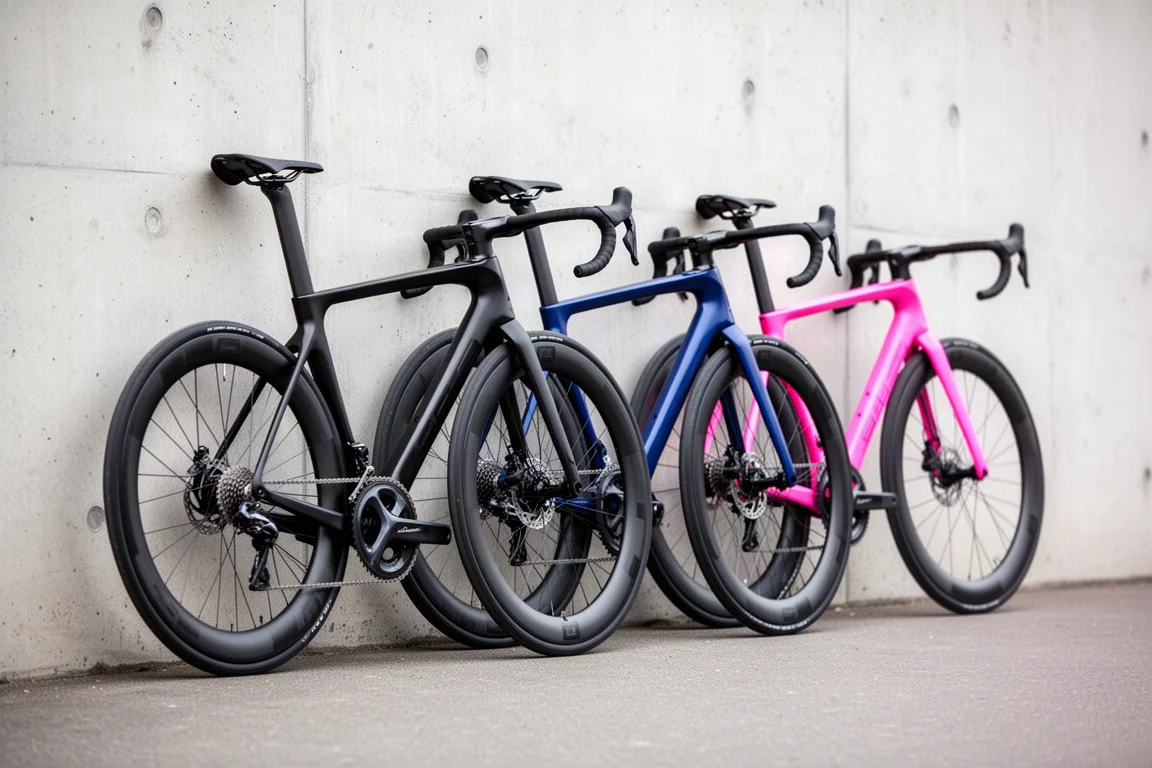
2026 Tour de France Road Bikes: Six Race Machines Worth a Closer Look
Six race bikes from the 2026 Tour de France grid, reviewed for paint, silhouette, wheels and the specification details that matter to buyers.
Road Bikes
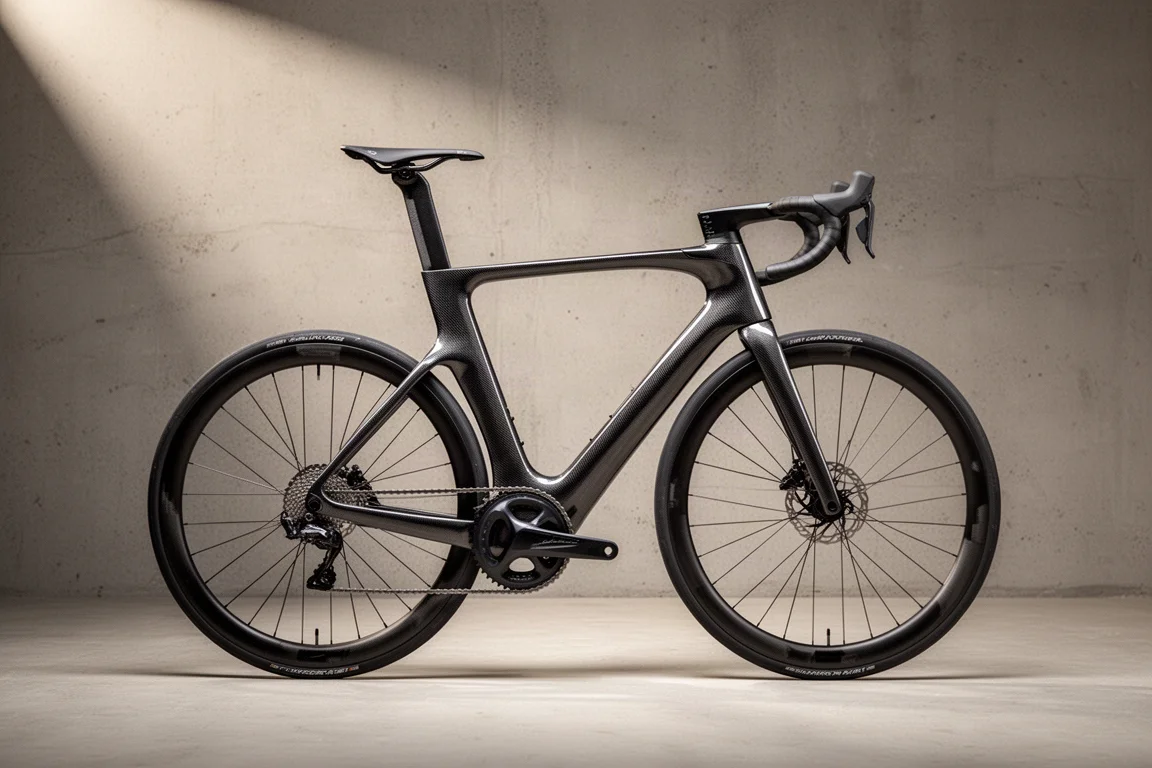
3T Strada Italia Review: A Radical Aero Road Bike That Rides Smooth
A made in Italy carbon aero road bike with a deep head tube, wide tire clearance and a genuinely comfortable ride. Here is what to know before buying.