Road Bikes
Five Road Bikes to Watch: Aero Racers and Endurance Machines
Five road bikes with distinct priorities, from lightweight aero race platforms to a simplified endurance machine, with the claimed numbers and practical details that matter.
Introduction
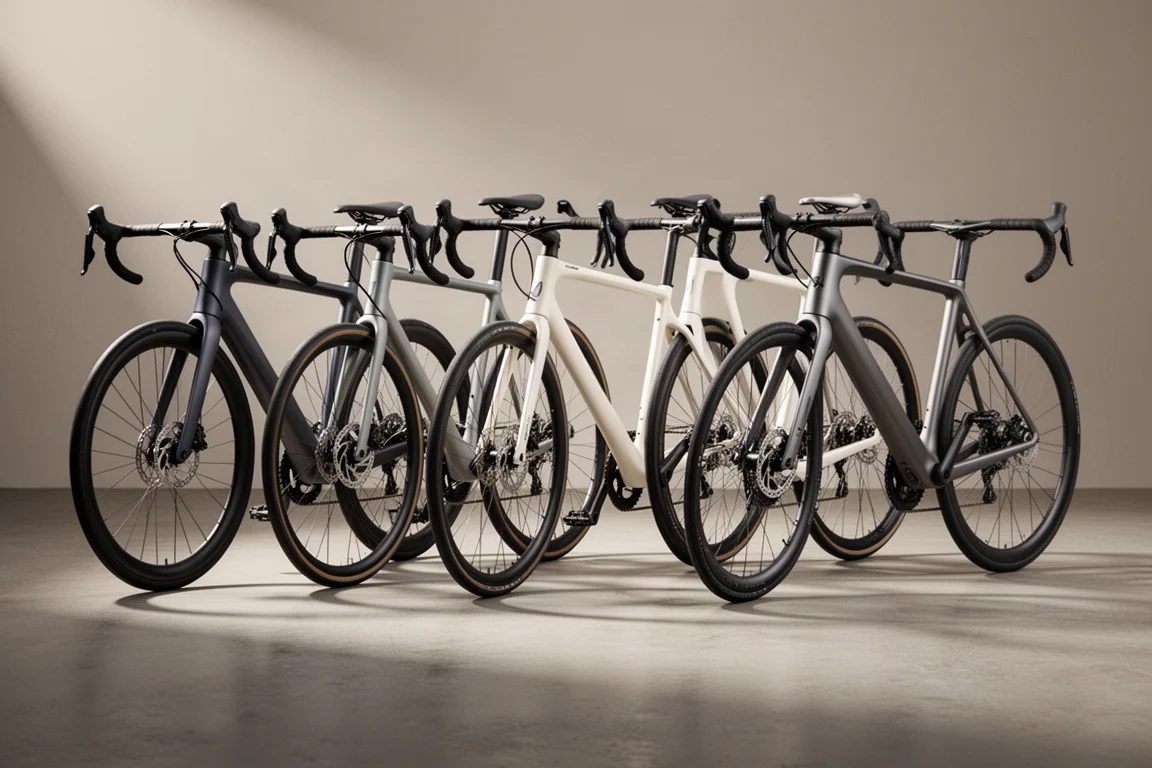
Five road bikes stand out for the coming season, and they cover very different priorities. Four are race-oriented machines, one of which is aimed at a noticeably lower price point, and one is a lightweight endurance bike that deliberately avoids complexity. Between them there is a sensible option whether you race, ride long distances, or simply want a fast bike that stays comfortable.
What follows is a closer look at each bike: what it is designed to do, the numbers the brands are claiming, and the practical details worth checking before you decide.
What Sets These Five Bikes Apart
The five bikes here differ most in how they balance three things: aerodynamic drag, frame weight and everyday usability.
Race-focused aero bikes chase lower drag through truncated tube profiles, dropped seat stays, one-piece cockpits and hidden cable routing. Endurance bikes take a different route, prioritising ride quality, lower frame weight and simpler hardware that is easier to live with over years of riding.
Weight claims deserve particular care. Brands quote frame weights in specific sizes, and a claimed frame weight is not the same as a complete bike weight. Where a complete build weight is quoted, it depends heavily on the components fitted. Comparing two claims directly only makes sense when the size and the build are equivalent.
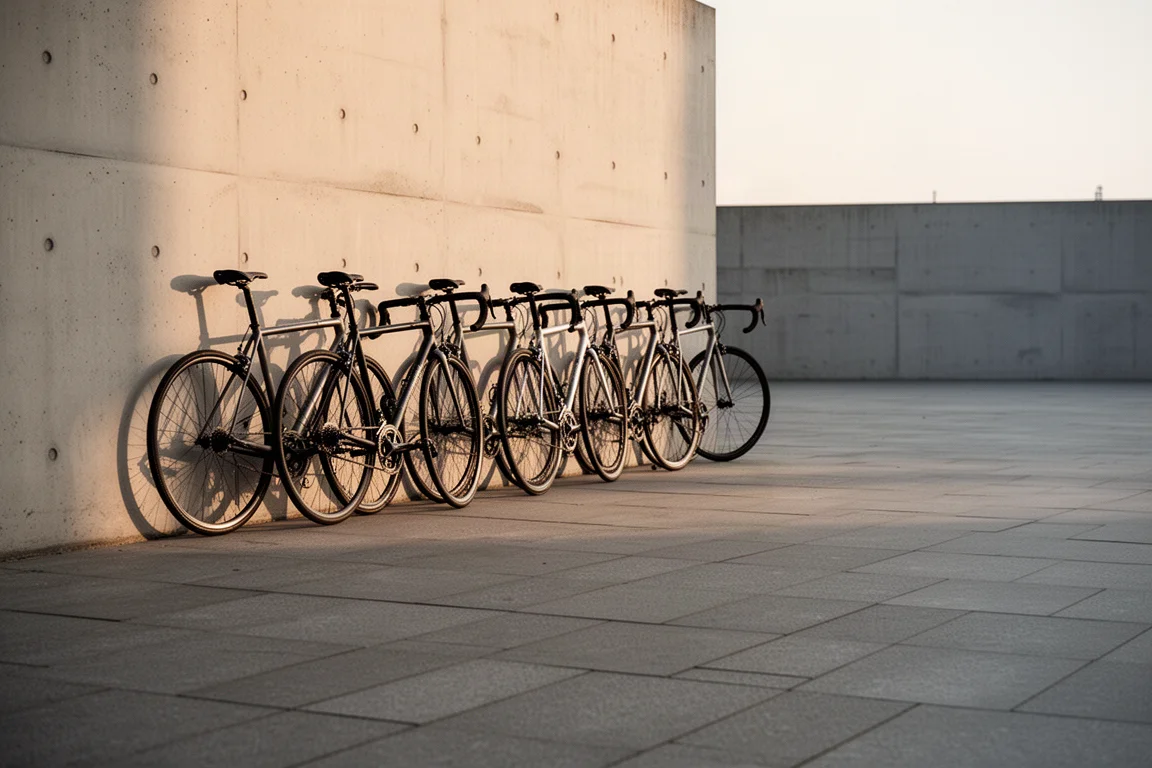
Two practical factors matter as much as the headline numbers. Tire clearance decides how much comfort and grip you can add later, and cockpit design decides how much you can adjust your position. A two-piece bar and stem is easier to fine-tune; a one-piece cockpit is cleaner through the air but offers less range.
Specialized Tarmac SL8: Aero and Lightweight Balance
The Tarmac SL8 arrived late in the season, so it has had limited race exposure so far. Specialized positions it as the perfect balance of aero and lightweight, and the company is keen to see how it handles sprint finishes, cobbled classics and high mountains.
Compared with the outgoing Tarmac SL7, the updates look minimal at first. The front end has received most of the attention, including an elongated head tube that Specialized calls the Speed Sniffer. The brand claims the SL8 is 16.6 seconds faster than the Venge at 45 km/h, and a new Roval Rapide one-piece front end supports that goal.
The bike also borrows thinking from the Aethos. Rather than using deep aero profiles throughout, the down tube, seat tube, seat post and seat stays are designed to improve speed in real-world conditions. Those tube profiles are marginally rounder than the SL7, which Specialized says helps make them lighter and allows them to carry rider load and pedalling forces more efficiently. The top-end S-Works frame is claimed at 685 g in a size 56, which the brand says makes it the lightest widely used frame in the professional peloton.
Van Rysel RCR: Aero Race Performance at a Lower Price
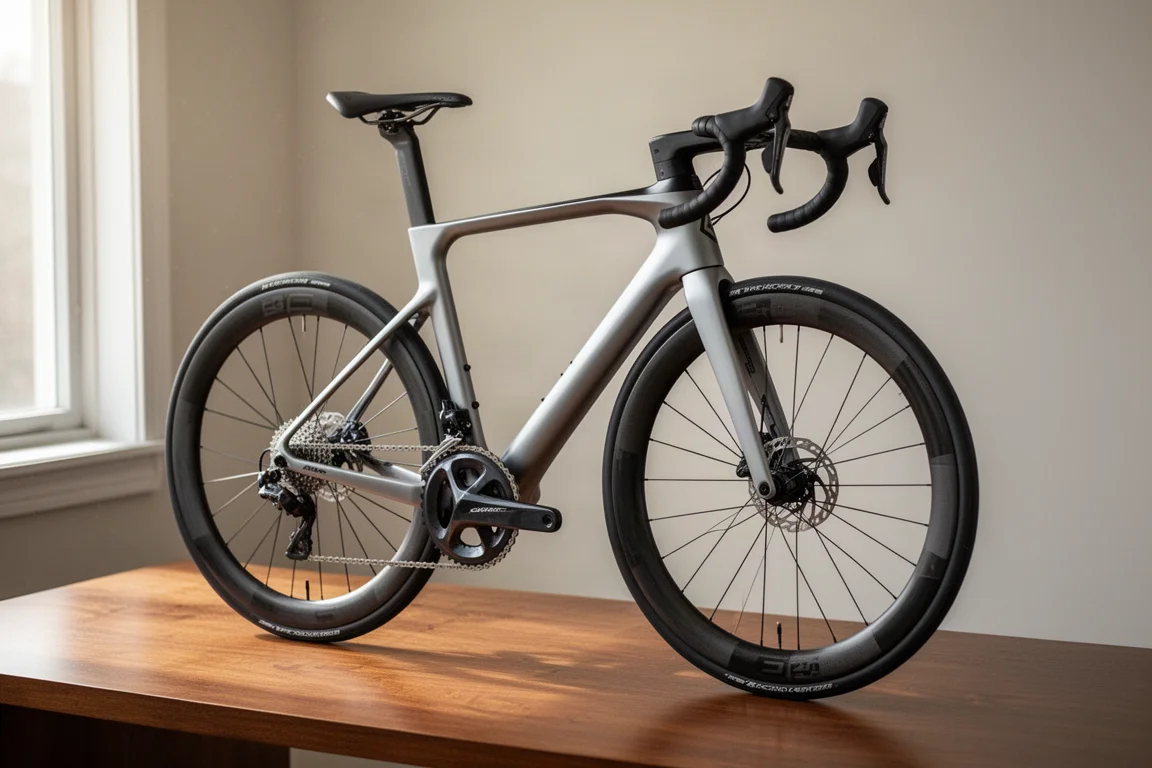
The RCR is Van Rysel’s new aero road bike, designed in-house together with ONERA, a French aerospace company. It uses a broadly familiar aero shape: truncated tube profiles, dropped seat stays, a rear wheel cutaway, an aero seat post and internal cable routing.
The silhouette has drawn comparisons with an earlier generation of aero race bikes, which suggests the design priorities behind it are well established. The claimed complete weight is 7.2 kg. The cockpit is a two-piece design that helps with adjustability and fit, with cables running from the handlebar, under the stem and into the headset. Tire clearance reaches 33 mm.
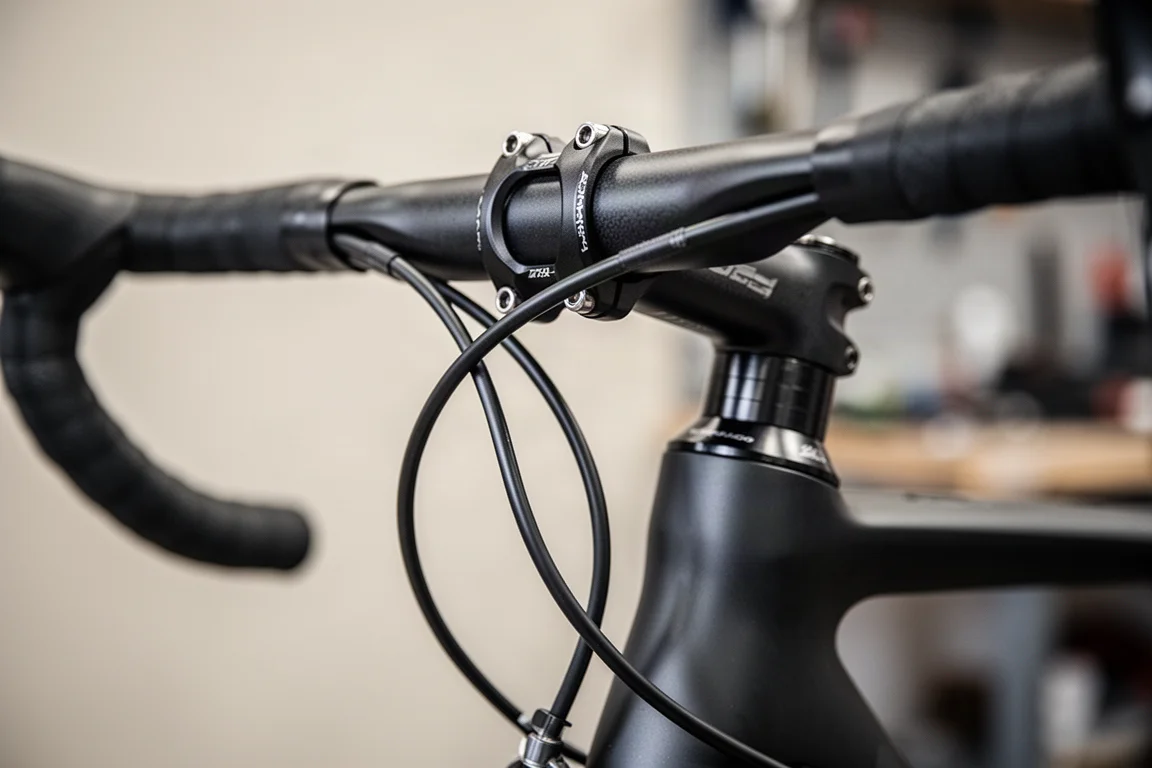
A World Tour version is also planned. It uses a different carbon layup aimed primarily at boosting stiffness around the head tube, with a claimed frame weight of 810 g and a claimed complete weight of 6.8 kg. That version adds a one-piece cockpit and is the build the AG2R Citroën team is expected to ride.
For most riders, the standard version’s two-piece cockpit is likely to be the more useful choice, since it leaves more room to dial in fit over time.
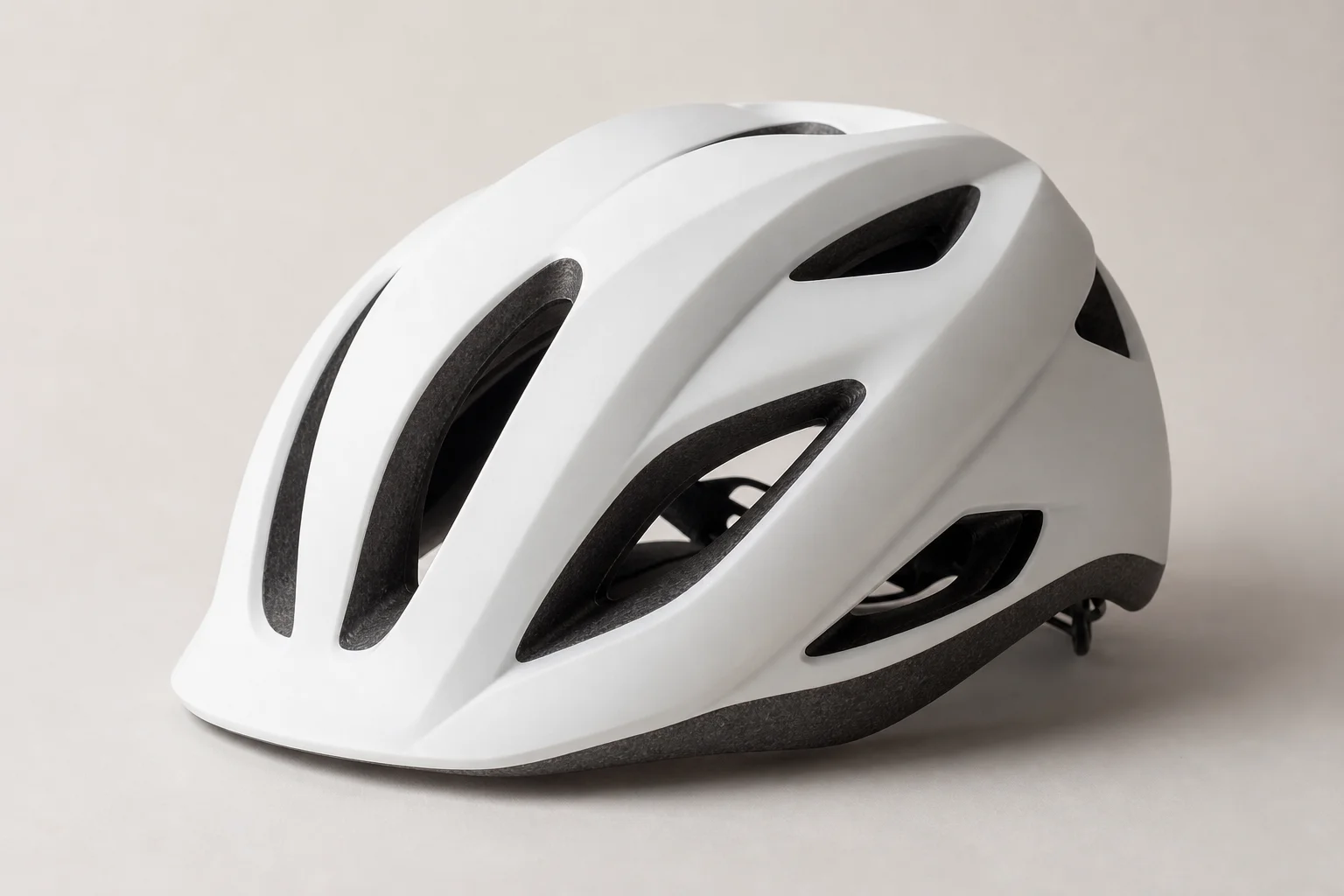
Bianchi Specialissima RC: Angular Aero With a Striking Weight Claim
Compare the current Specialissima with the version that won a bike of the year award seven years ago and you would barely recognise them as the same model. The sculpted tube shapes and rim brakes are gone. In their place is an angular design with disc brakes and a set of aero and weight claims.
Bianchi claims a 55 cm build weighs 6.6 kg, which is below the UCI weight limit. The brand is also specific about speed: it says the Specialissima is faster than an aero road bike on a 6 percent climb, where the previous generation reportedly needed an 8 percent gradient before it became more efficient than an aero bike.
The frame borrows shapes from Bianchi’s Oltre RC. The head tube area has been beefed up and the rear of the bike slimmed down, an approach that mirrors what Specialized did with the Tarmac SL8. A one-piece front end is included, and the bike has its own wheelset, the Reparto Corse 33R, claimed at 1,380 g. The rims are 33 mm deep with a 21 mm internal width, tubeless ready, and compatible with tires up to 32 mm.
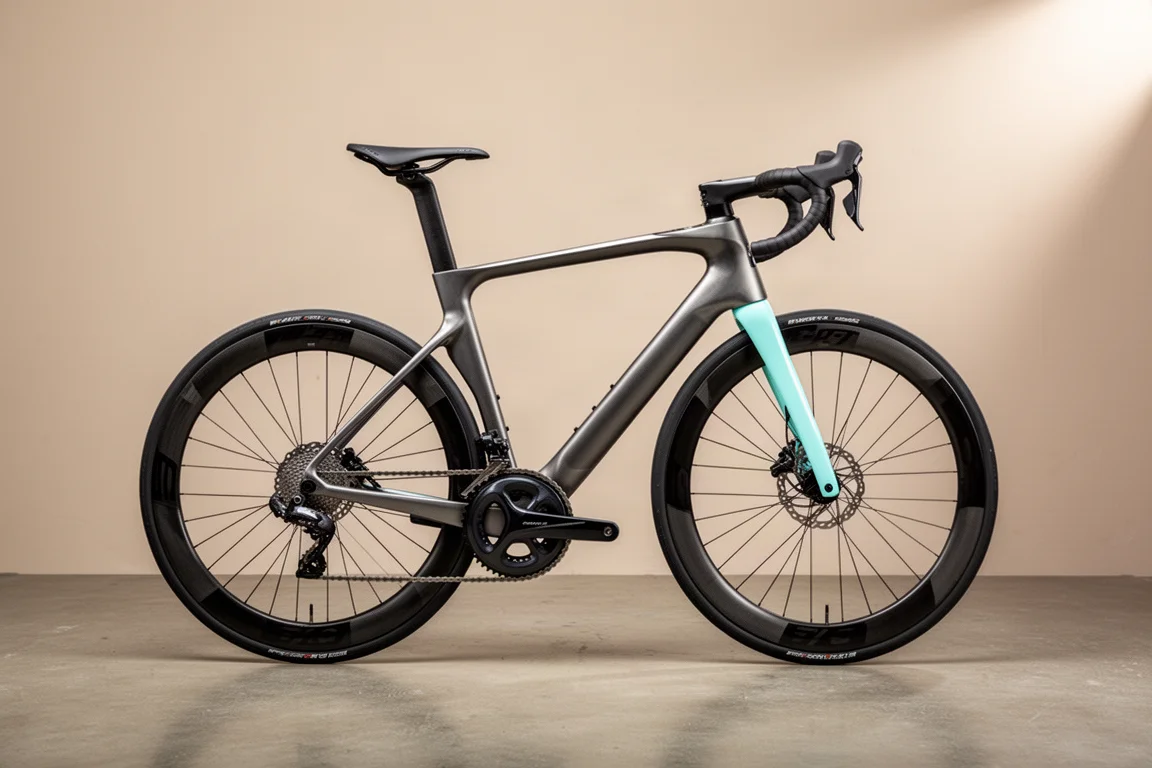
Giant Defy: Low Weight and Simplicity for Endurance Riders
The latest Defy takes a simplified approach to endurance bike design. There is no complex suspension and no frame storage. The focus instead is low weight and ride quality, and it will be interesting to see whether recreational riders prefer that approach to the trend for increasing complexity seen elsewhere.
The flagship frame drops to a claimed 785 g, which is 195 g less than the previous range-topping Defy Advanced Pro. By Giant’s reckoning that makes it one of the lightest endurance bike frames on the market, and it compares well with other light endurance platforms. The new Specialized Roubaix, for example, is claimed at 828 g in a size 56.

The new frame and fork are paired with the brand’s D-Fuse seat post and matching D-Fuse handlebar, which Giant says creates the right balance for going longer, climbing higher and riding faster with confidence and smooth control. There are aero touches as well: flattened trailing edges on the tubes and improved front end integration. Tire clearance grows from 35 mm to 38 mm, which opens the door to wider, more comfortable rubber. Prices start at £2,299 for the Defy Advanced 3.
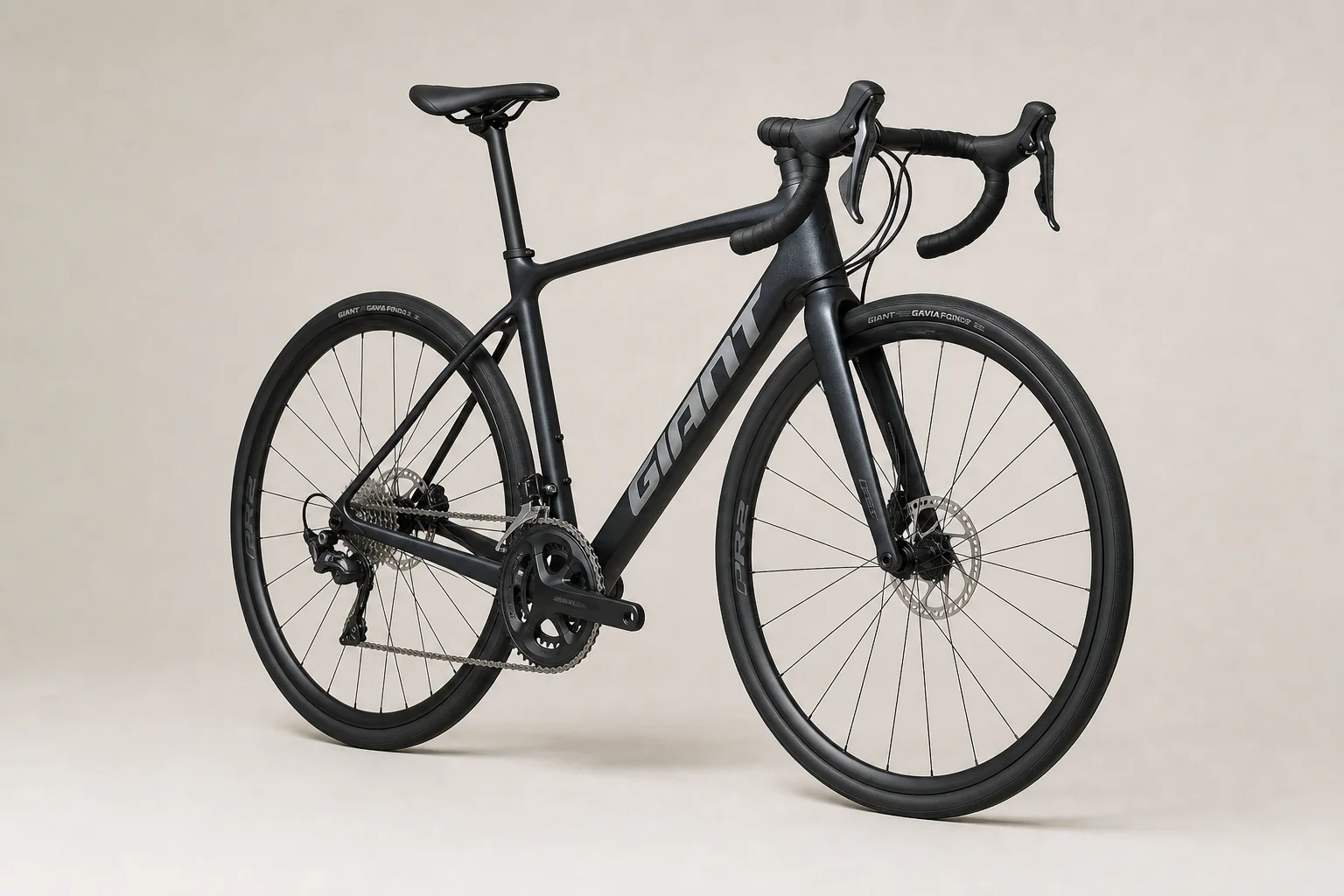
BMC Teammachine R: A Third Aero Option From Switzerland
BMC has added a third road platform to its lineup. Riders still have the lighter fourth-generation Teammachine SLR01 and the stiffer, more aero Timemachine Road, and the Teammachine R now sits alongside them. It will be worth watching how much the new bike is actually used in the professional peloton, particularly with speculation over which world team will be on BMC bikes, as AG2R Citroën switches to Van Rysel over the winter.
BMC says development of the Teammachine R started from a clean slate, and the frame’s tube profiles were decided with input from Red Bull Advanced Technologies, a collaboration that dates back to 2018.
The fork is the most distinctive element. BMC calls it the Halo fork, and says the wide inner spacing between the fork legs allows turbulent air to be shed away from the frame, reducing the aero stall that the front wheel would normally produce when rotating at speed. Cleaner air then hugs the frame for longer, which BMC says results in significant drag reduction. The bottom bracket junction has also been heavily optimised and given the name Mariana, with a larger surface area where the down tube transitions into the seat stays to encourage cleaner airflow. The bike uses the Aerocore integrated bottle cages that first appeared on the Timemachine Road. Prices start at around €9,100.
Buying Advice
The right choice here comes down to the riding you actually do rather than the specification sheet.
If you race or ride hard in groups and want the sharpest aero package, the Specialized Tarmac SL8, Bianchi Specialissima RC and BMC Teammachine R are the natural candidates. All three make strong aero claims, and two of them pair those claims with unusually low claimed frame and build weights.
If you want aero race performance without the top-tier price, the Van Rysel RCR is the one to watch. Its standard build keeps a two-piece cockpit, which is a genuine advantage if you are still refining your position, and the planned World Tour version shows the platform has room to grow.
If your priority is long days in the saddle, low weight and straightforward maintenance, the Giant Defy is the most obvious fit. It skips suspension and frame storage entirely, and its 38 mm tire clearance gives you more room to tune comfort than the race bikes here.
A few practical checks are worth making before you buy. Confirm that any frame weight claim relates to the size you need, because quoted figures are usually for a mid-range frame size. Check whether the cockpit can be adjusted to your reach and bar width without swapping parts, especially on one-piece designs. And look closely at tire clearance if you plan to run wider rubber later.
Budget also shapes the decision more than any single specification. Prices across these platforms start around £2,299 at the endurance end and around €9,100 at the premium aero end, and the mid-range builds usually carry most of the frame’s character for a fraction of the flagship cost.
Conclusion
These five bikes are all worth watching, but they are not competing for the same rider. The Tarmac SL8, Specialissima RC and Teammachine R push aero and weight claims to the front of the conversation. The Van Rysel RCR brings a similar aero silhouette to a more accessible position in the market. The Giant Defy makes the opposite argument, that low weight and simplicity are what most endurance riders actually need. Match the bike to your riding, check the practical details, and any of them can be a confident purchase.
Further reading
Related Reviews

Road Bikes
10 New Road Bikes Worth Watching: Aero, Titanium, Steel and Endurance Standouts
A practical roundup of 10 new road bikes, from aero flagships chasing single-watt gains to titanium, steel and endurance platforms built for real roads.
Road Bikes
2026 Tour de France Road Bikes: Six Race Machines Worth a Closer Look
Six race bikes from the 2026 Tour de France grid, reviewed for paint, silhouette, wheels and the specification details that matter to buyers.
Road Bikes
3T Strada Italia Review: A Radical Aero Road Bike That Rides Smooth
A made in Italy carbon aero road bike with a deep head tube, wide tire clearance and a genuinely comfortable ride. Here is what to know before buying.