Road Bikes
10 Road Bikes to Understand Before You Buy: Geometry and Fit Caveats
Ten well-known road bikes, the geometry decisions behind them, and the front-end hardware worth checking before you commit.
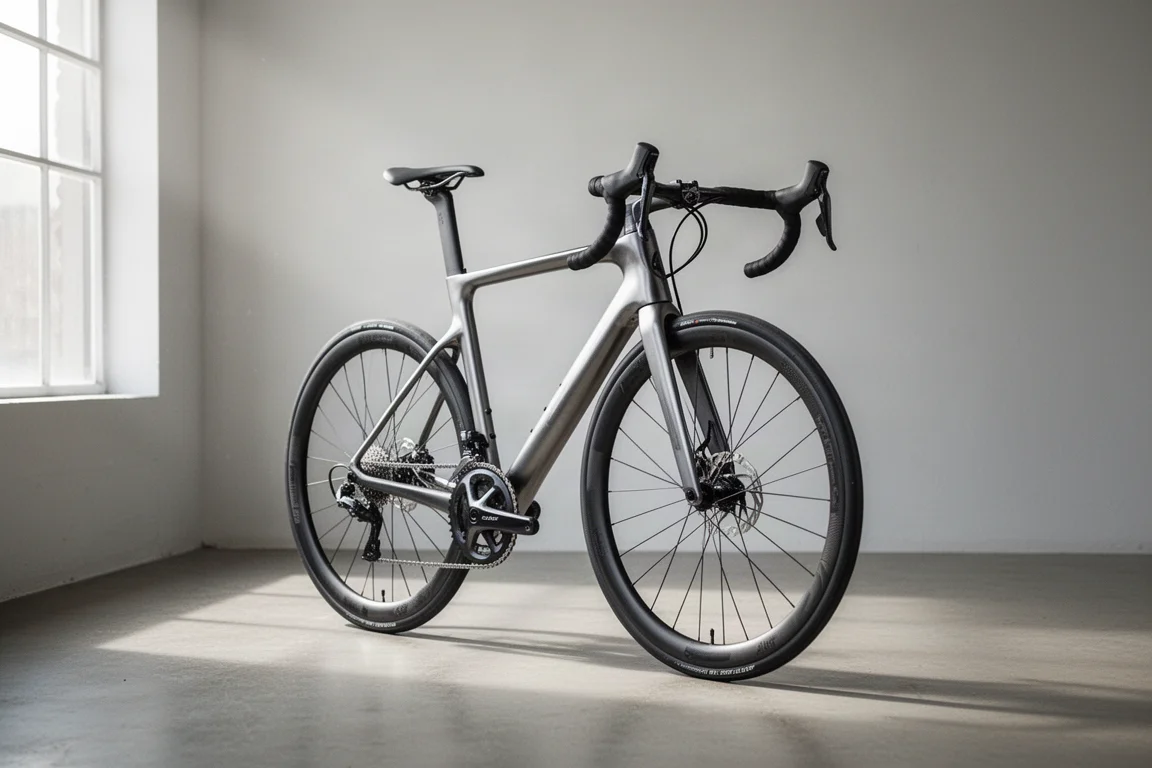
Introduction
Most road bikes are still designed around a rider who rarely walks into a bike shop. The numbers assume a light, flexible athlete with a very high power output and many hours of riding every week. The people who actually buy road bikes are usually older, often desk-bound, and producing far less power. That mismatch shows up in the same places over and over: reach that is too long, stack that is too low, handlebars that are too wide, and cockpits that cannot be adjusted without a workshop visit.
This guide covers ten well-known road models and the design decisions worth understanding before you spend money on one. None of them are bad bikes in absolute terms. The point is to know what you are buying, and whether the geometry and the hardware suit the way you ride.
What to Check Before You Buy
Reach and stack come first, because they decide whether a frame can be made to fit you at all. Excessive reach is a strong contributor to pain in cycling. Riders who are too stretched out tend to slide forward onto the nose of the saddle, or they end up on very short stems, which makes a bike feel erratic and unsettled at high speed. A stack that is too low forces a tall pile of headset spacers under the stem, which changes how the bike was meant to handle.
Handlebar width deserves the same attention as frame size. A bar that is too wide makes the brake levers hard to reach, which costs control and confidence, particularly on descents. Sizing ranges matter too: a model that only offers three sizes will not suit everyone, however good the frame is.
The typical road bike buyer is a man aged 35 to 60 who works at a desk, carries a few extra pounds, and produces somewhere between 150 and 250 watts. The bikes themselves are often drawn around a 60 kilogram athlete who can hold 350 watts all day. That is a very large difference between the person the frame was designed for and the person riding it.
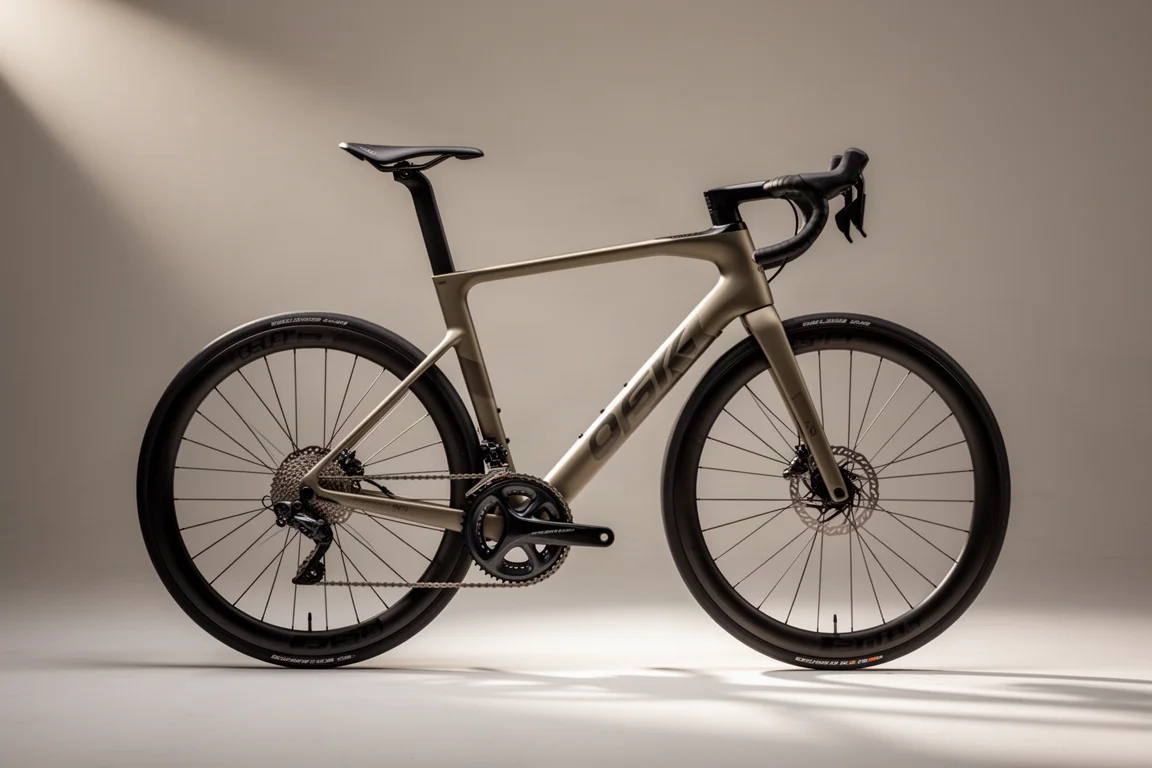
Specialized Aethos: Race Numbers in a Bike Meant for the People
On paper the Aethos gets a great deal right. It is light, stiff, comfortable and compliant, with slim seat stays that take the edge off rough surfaces. It is also refreshingly easy to live with: a threaded bottom bracket that will not creak and is cheap and quick to service, plus cable routing that is not fully integrated, so routine maintenance stays straightforward. The lines are clean and organic, and the frame is easy to adjust.
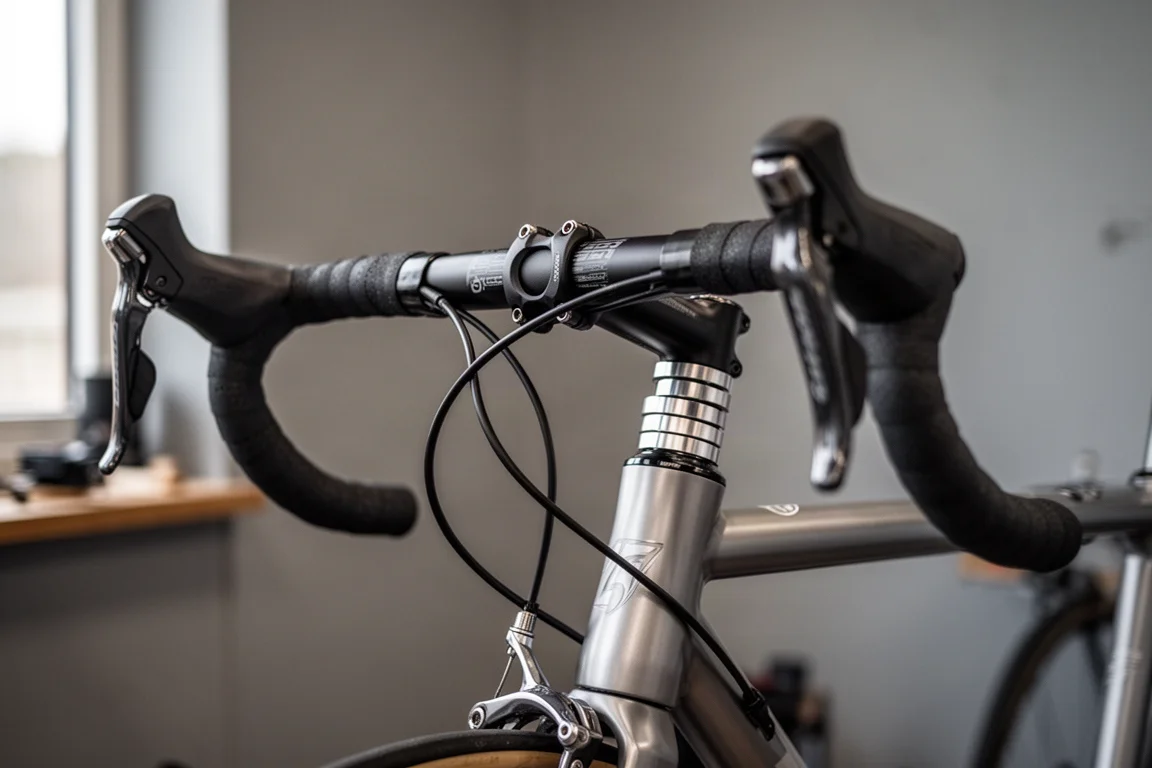
The problem is the geometry. Despite being presented as a bike for the people, the Aethos is built like a race bike: a short head tube, a long top tube, reach that is too long and stack that is too low for most riders. In practice, many owners end up running a tall stack of headset spacers and a very short stem to make the bike fit, which undermines the ride quality the frame was designed to deliver. The geometry is the same as the Tarmac’s. A bike with this concept would have made far more sense built around the Roubaix’s geometry.
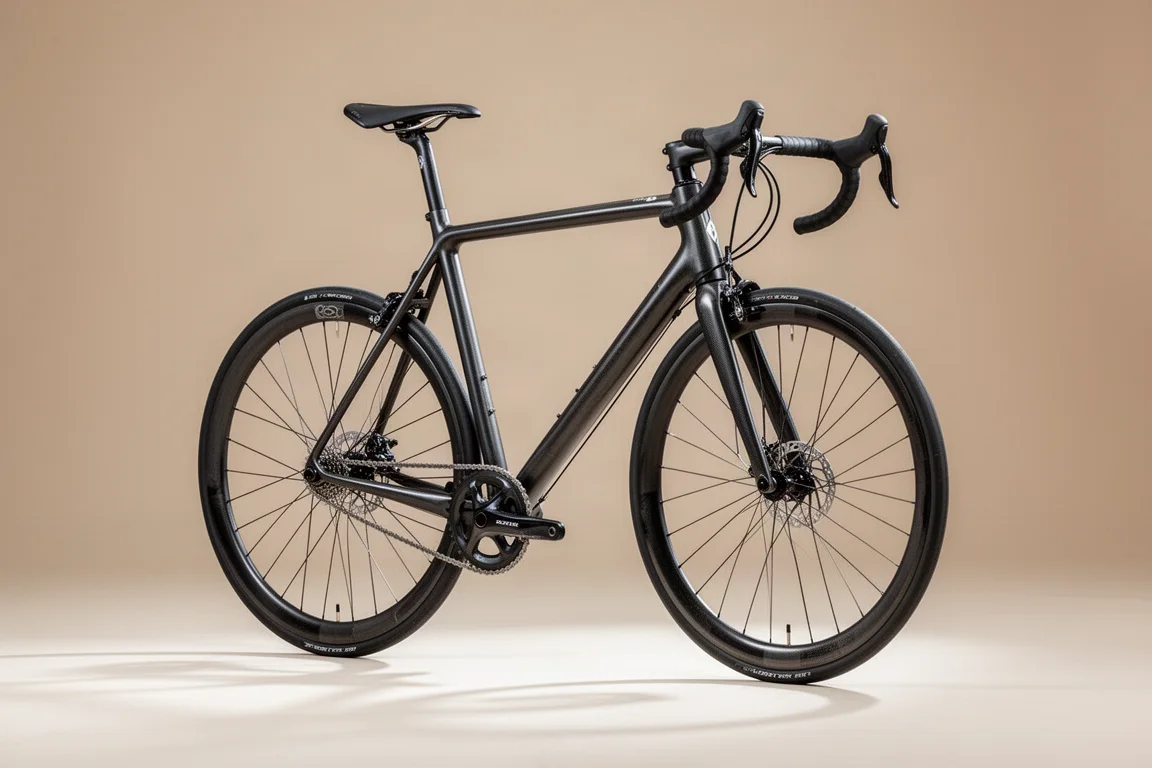
Ribble Endurance SL: A Racing Bike Wearing an Endurance Badge
There is nothing wrong with the Endurance SL as a machine. It is an aero road bike, and it behaves like one. The issue is the name. Compared with the equivalent size of a Tarmac, the Endurance SL is 6mm longer and 3mm lower, which places it firmly in racing territory rather than endurance territory.
That creates an awkward situation for buyers. Someone shopping for an endurance bike ends up with race geometry and a longer, lower position than they expected. Someone shopping for a race bike tends to look past it because of the endurance label. It is a long, low, aggressive road bike, and it is worth treating it as exactly that when you compare sizes.
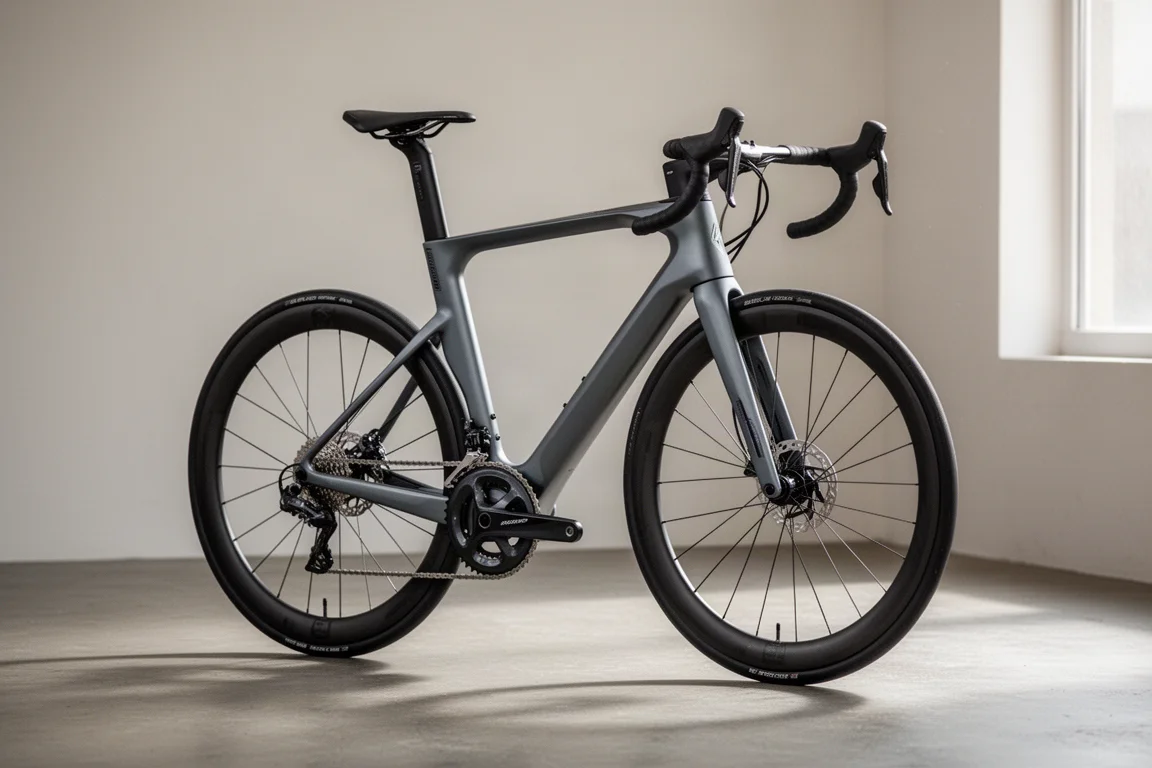
Liv EnviLiv: Sizing, Reach, and Women’s Bikes
Women’s-specific ranges are often more of a marketing exercise than an engineering one. The assumption behind them is usually that women have short torsos and long legs, which is true for some riders and not for others. What many riders actually need is not a different paint scheme but a wider spread of genuinely small sizes and narrower handlebars.
The EnviLiv illustrates the gap well. It is essentially a Giant with a different finish, and the smallest size has a reach of 370mm, which is roughly the same as a 52cm Tarmac. That is not a small bike. Against the equivalent Giant Propel it is only about 5mm shorter, and the range runs to three sizes that are only slightly staggered against the men’s equivalents, so realistically there is one size smaller than the men’s offering.
Handlebars matter here too. A medium women’s bike typically comes with a 40cm bar, while shoulder widths among women vary from around 38cm down to less than 32cm. A bar that is too wide makes the brake levers hard to reach, which costs control, and it is one of the reasons descending confidence suffers. Getting the width right is one of the most useful changes a rider can make.
Cervélo S5: Proprietary Front Ends and Fit
The S5’s front end is proprietary, and that has practical consequences. Changing the cockpit costs in the region of a thousand pounds before labour, and it requires the brake system to be re-bled. It also cannot be adjusted within a bike fit, which means the position you get is close to the position you keep.
For that reason, the S5 is a bike to fit before you buy rather than after. If the cockpit is wrong for you, correcting it is expensive and time-consuming, and it is not the sort of adjustment a shop can complete in an afternoon.
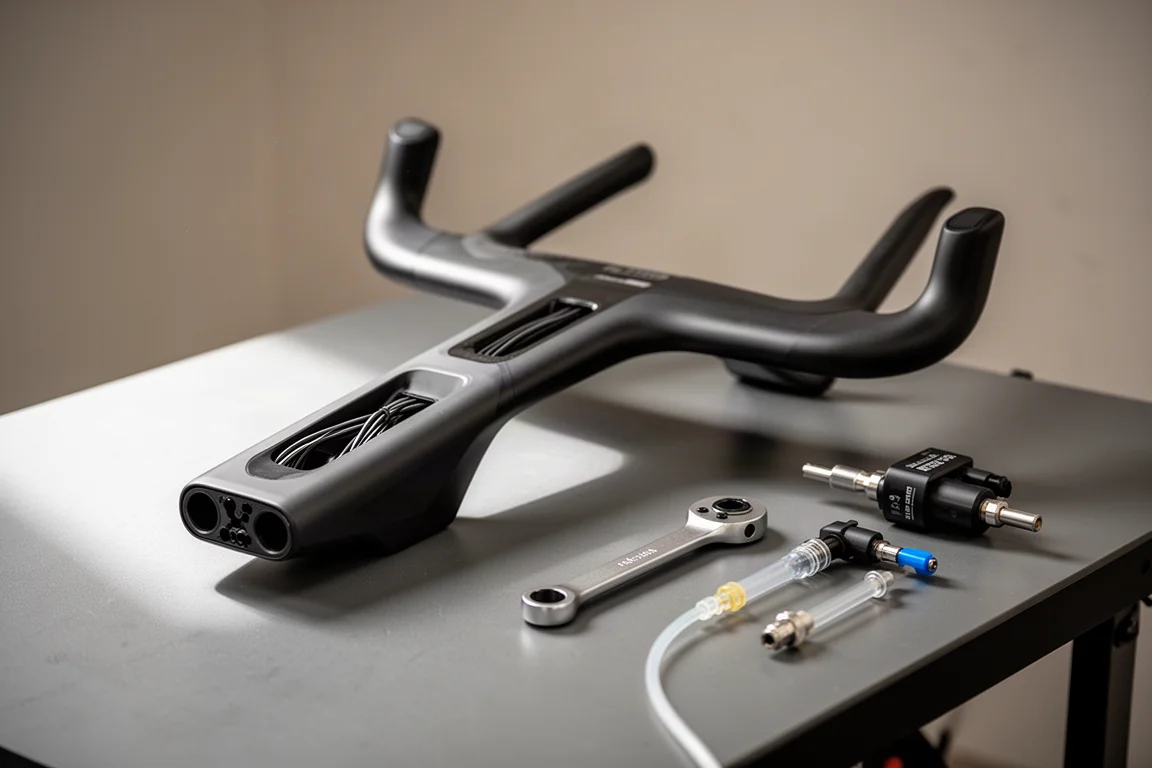
Look past the front end and the S5 is still a fast, striking aero bike, and the styling divides opinion in the usual way. The practical question is whether the integrated cockpit matches your position, because living with that front end is the whole story of owning one.
Giant Propel and the Conduct Braking System
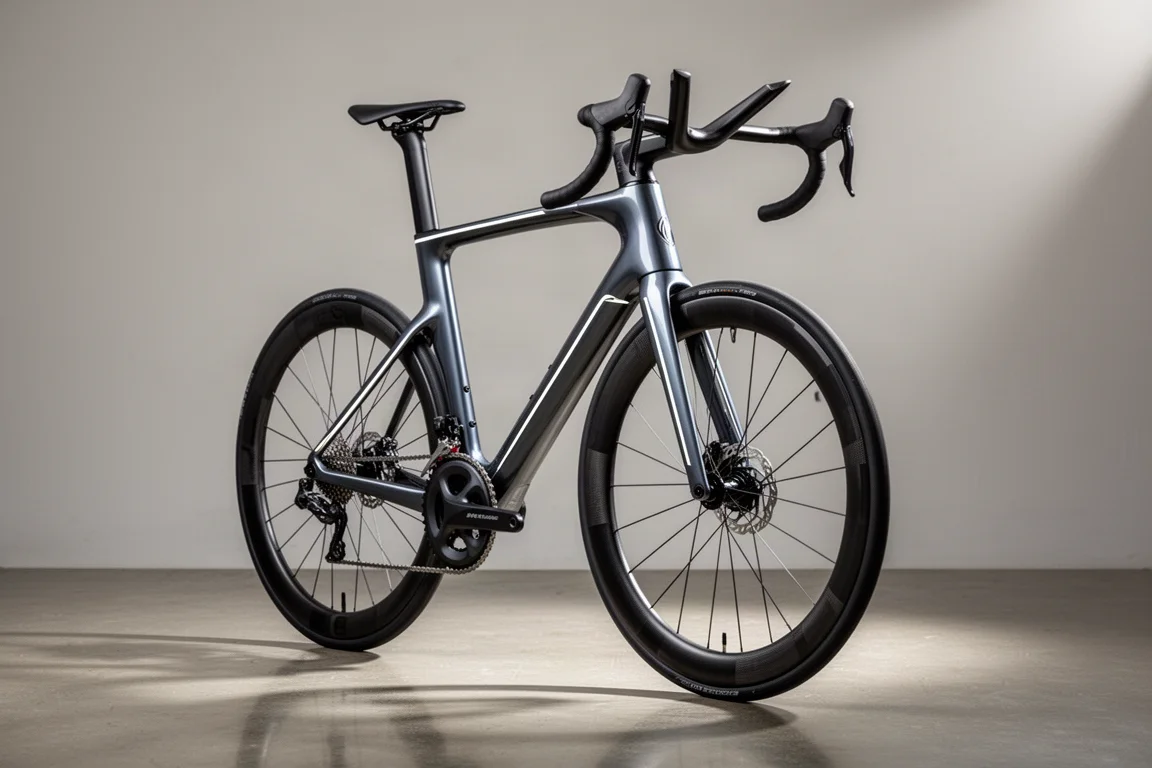
Earlier Giant models used the Conduct mechanical-to-hydraulic braking system, and it is worth knowing about if you are shopping for a used example. It took a mechanical shifter input and converted it to hydraulic braking, and it suffered badly from cable stretch, which made consistent braking hard to achieve. It dates from before hydraulic levers became common on groupsets such as Tiagra and 105, and it no longer appears on current bikes.
The Propel also serves as the reference point for the Liv EnviLiv, which is about 5mm shorter in reach. That is a small difference, and it is a useful reminder that a women’s-specific label does not automatically mean a meaningfully different fit.
Trek Madone: Rear Brakes, Cockpits, and Fit
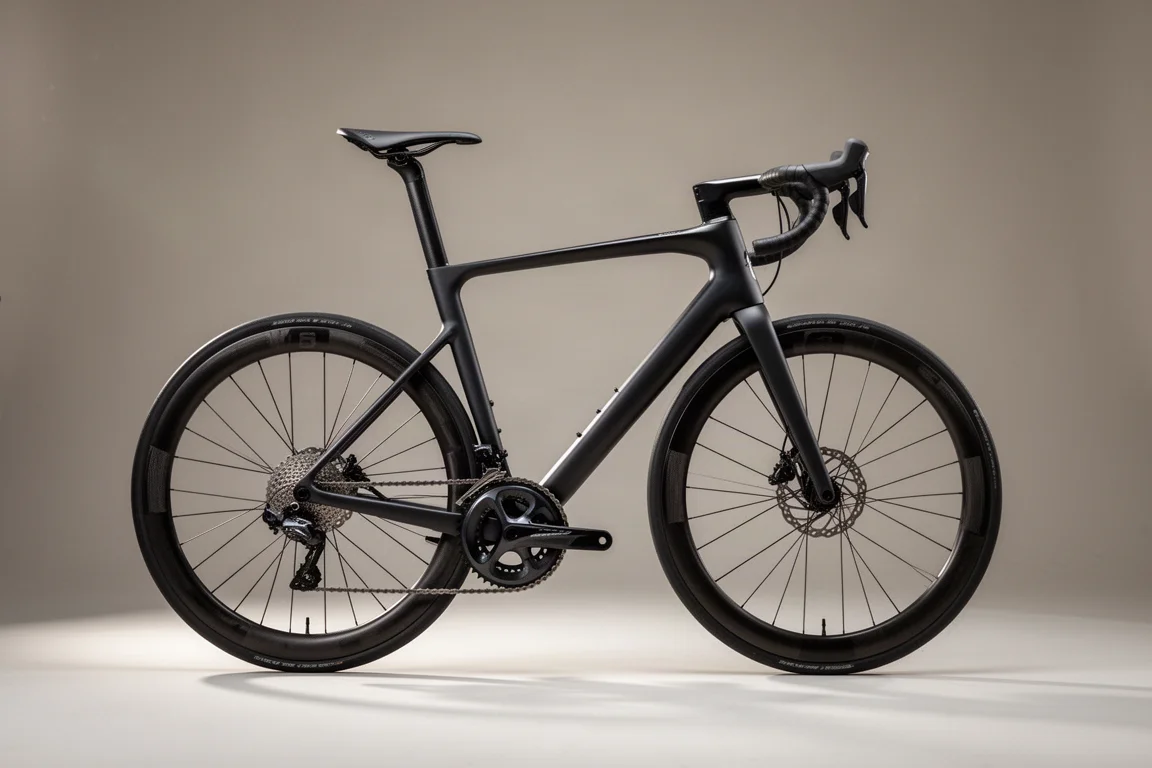
Earlier Madone generations are a useful lesson in what happens when aerodynamics is allowed to override practicality. Around 2008 and 2009, the rear brake was mounted underneath the bottom bracket. It clogged, seized and stopped working reliably. The caliper itself was flexible and short on power, and paired with cork pads and deep-section wheels, a lever pull produced an initial bite followed by very little braking at all.
That placement has long since been resolved by disc brakes, so it is mostly relevant to buyers of older used bikes. The more recent issue was the one-piece cockpit on the previous generation. Its claimed reach was around 80mm, but the actual figure was over 110mm, so a 100mm stem behaved like a 120mm stem on a bike that was already long. Replacing that cockpit was an expensive job, and the fit it produced suited very few riders.
The current generation has moved to a different handlebar setup, which addresses the worst of it. If you are buying secondhand, it is worth confirming which generation you are looking at and how the cockpit is configured.
Orbea Orca Aero: Convenience Undone
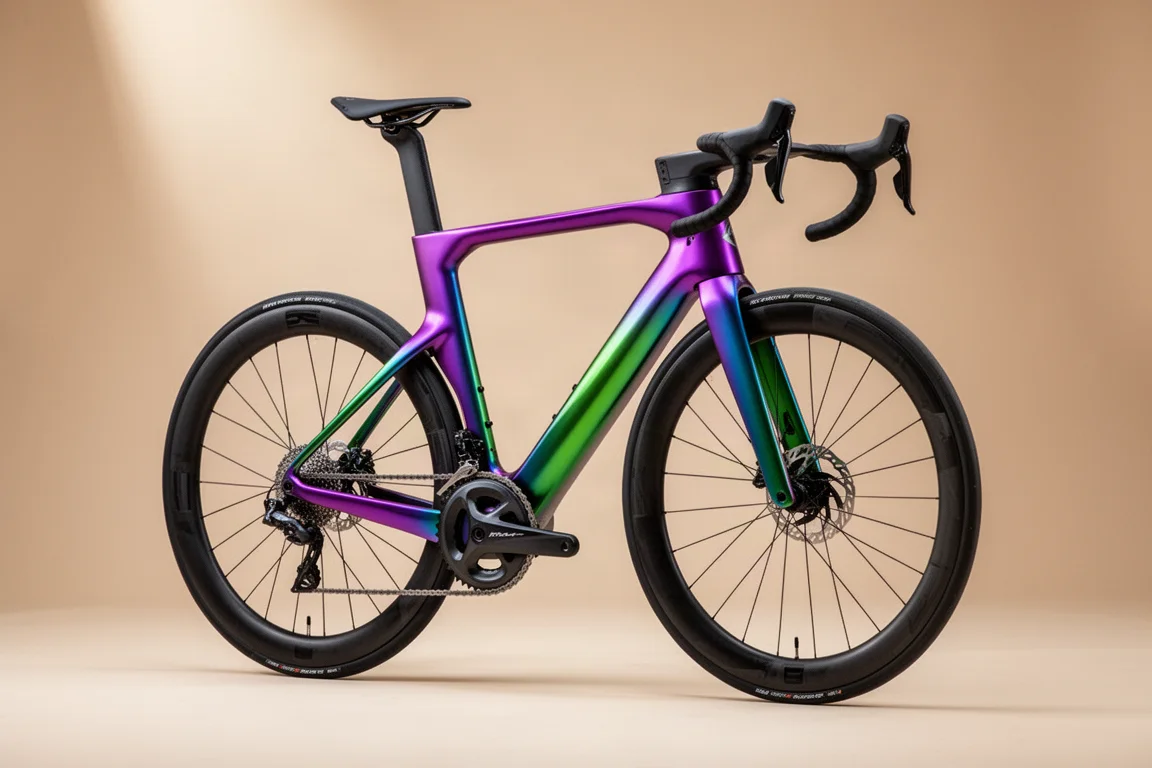
Orbea builds its own frames, and most of the range is genuinely good looking. The Orca Aero is a case of a good idea being undermined by a detail. The handlebar has a recessed channel for the brake lines, with small grub screws and a removable plate, which should make swapping handlebars a quick and straightforward job.
A plastic fairing at the stem junction cancels that out. With the fairing in place, the brakes still have to be bled to change the bar, so the convenience the recessed channel was meant to deliver disappears. It is a small detail with a real effect on how easy the bike is to own.
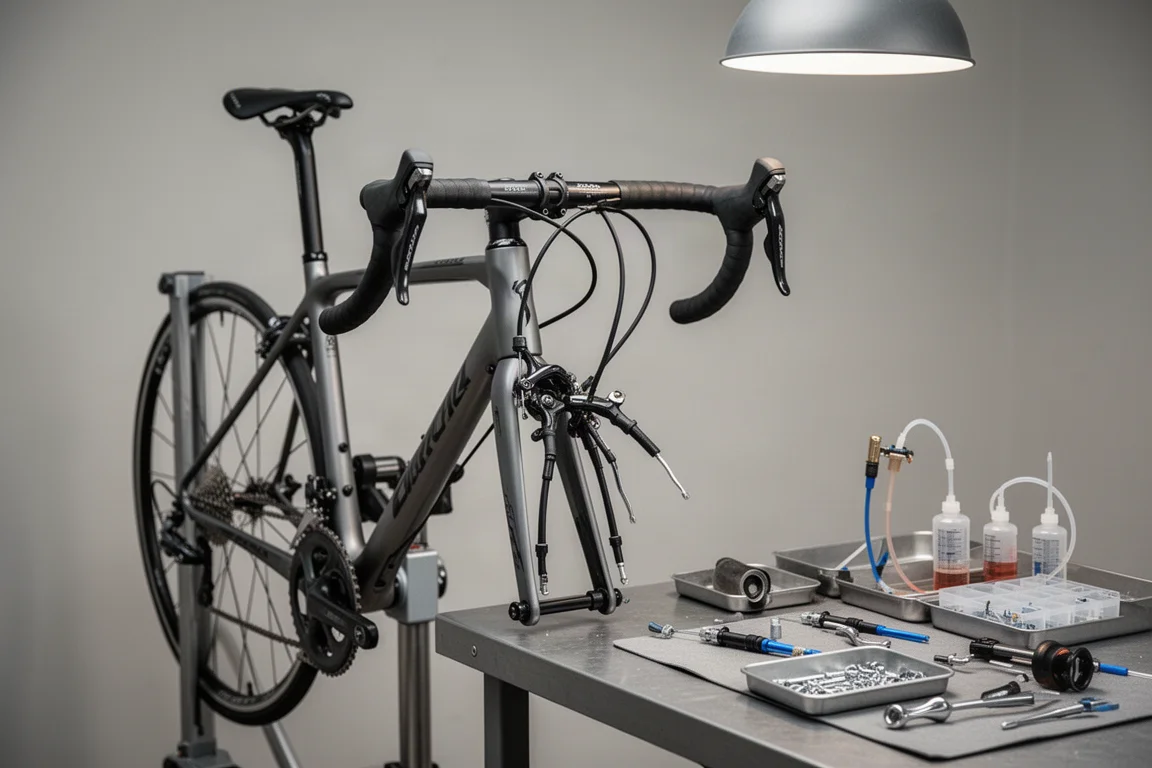
For a rider who has settled on their position and rarely changes anything, this is not a dealbreaker. For anyone still dialling in their fit, or expecting to swap bars at some point, it is worth factoring in before buying.
Canyon Grail: The Handlebar Question
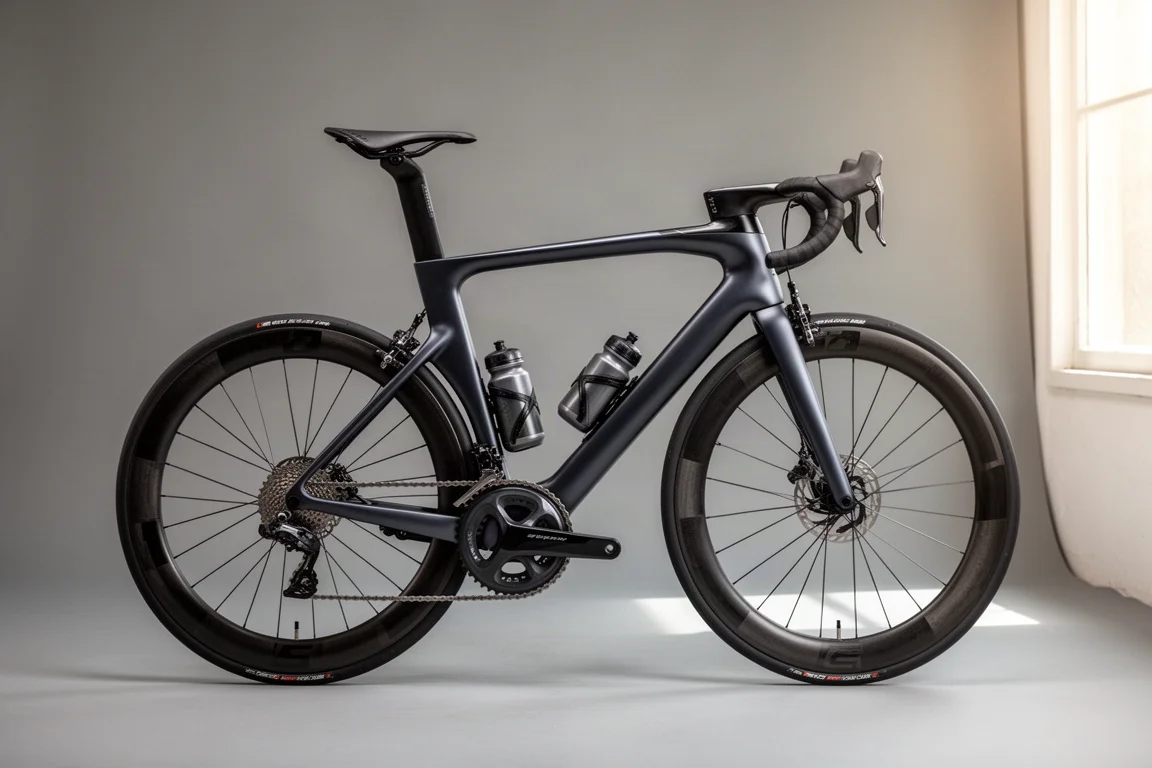
The Grail’s handlebar is one of the most recognisable front ends in cycling, and it does not suit everyone. With hands off the front of the bike, the front end can shake erratically, and wrapping the bar takes a considerable amount of tape. The shape also has a very distinct look, which some riders enjoy and others do not.
Whatever your view of it, the design has clearly done its job commercially, because it is memorable and it gets people talking. If you are considering one, ride it first and pay attention to how the front end feels when you are not holding the bar, because that is where the design divides riders most sharply.
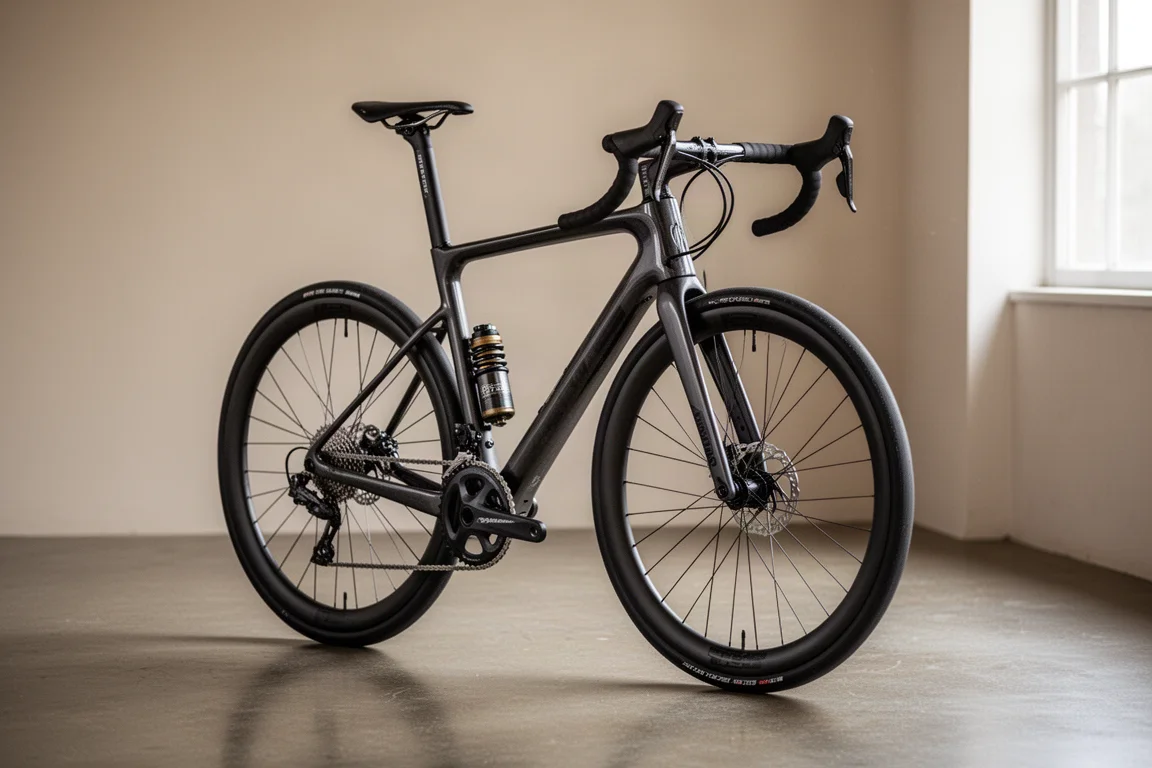
Specialized Roubaix: Suspension That Needs Servicing
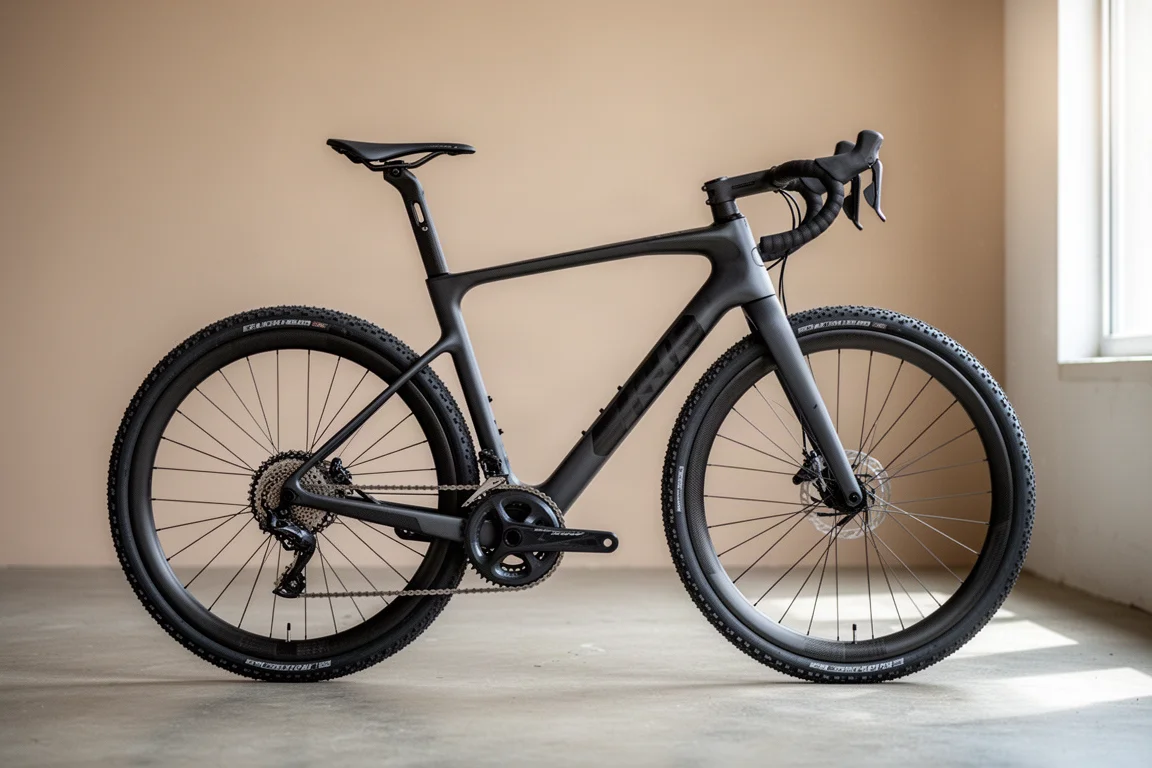
The Roubaix’s front suspension is intended to smooth rough surfaces, but it adds a component that needs looking after. An unserviced cartridge produced over a degree of lateral and rotational play at the front of the bike, which is enough to feel through the bars and enough to affect steering precision.
Suspension at the front of a road bike remains a niche idea, and other systems of the same kind have come and gone over the years. If you need that much suspension travel to stay comfortable, it is worth asking whether the frame and the riding position are doing their job, because a well-fitted bike rarely needs it.
For owners, the practical advice is simple: keep the cartridge serviced. It is not a complicated part, but it is a part that will make itself known if it is ignored.
Specialized Tarmac: The Racing Reference Point
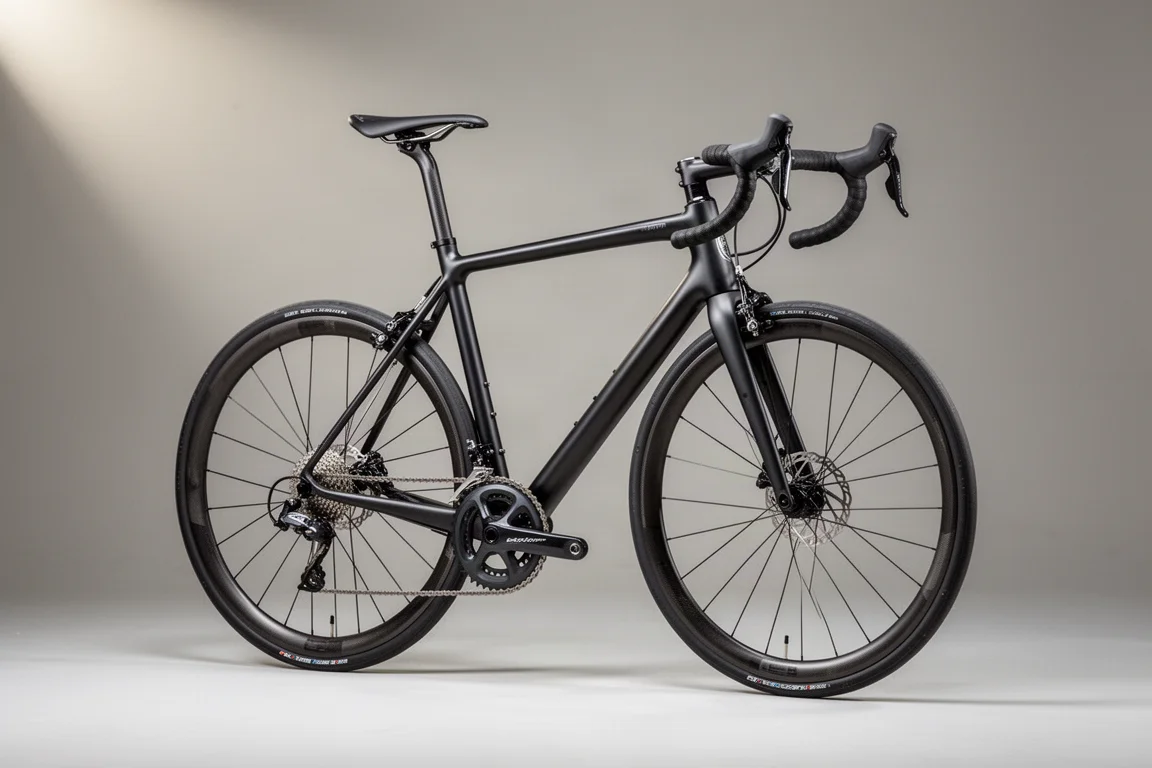
The Tarmac is the benchmark that several bikes on this list are measured against, and it is a genuine race bike. The Aethos shares its geometry, the Ribble Endurance SL is 6mm longer and 3mm lower than an equivalent size, and the Liv EnviLiv’s smallest size has a reach close to that of a 52cm Tarmac.
There is nothing wrong with race geometry. It suits riders who are flexible, strong and used to a long, low position. The problem is when race numbers turn up on a bike that is sold as something else, because the buyer ends up adapting to the bike rather than the bike adapting to the buyer.
Overall Buying Advice
Start with reach and stack, and treat everything else as secondary. If a frame needs a very short stem and a tall stack of spacers to fit you, that is a signal that the frame is too long and too low, and the ride will suffer for it. Reach that is too long pushes riders forward onto the nose of the saddle and puts more weight through the hands.
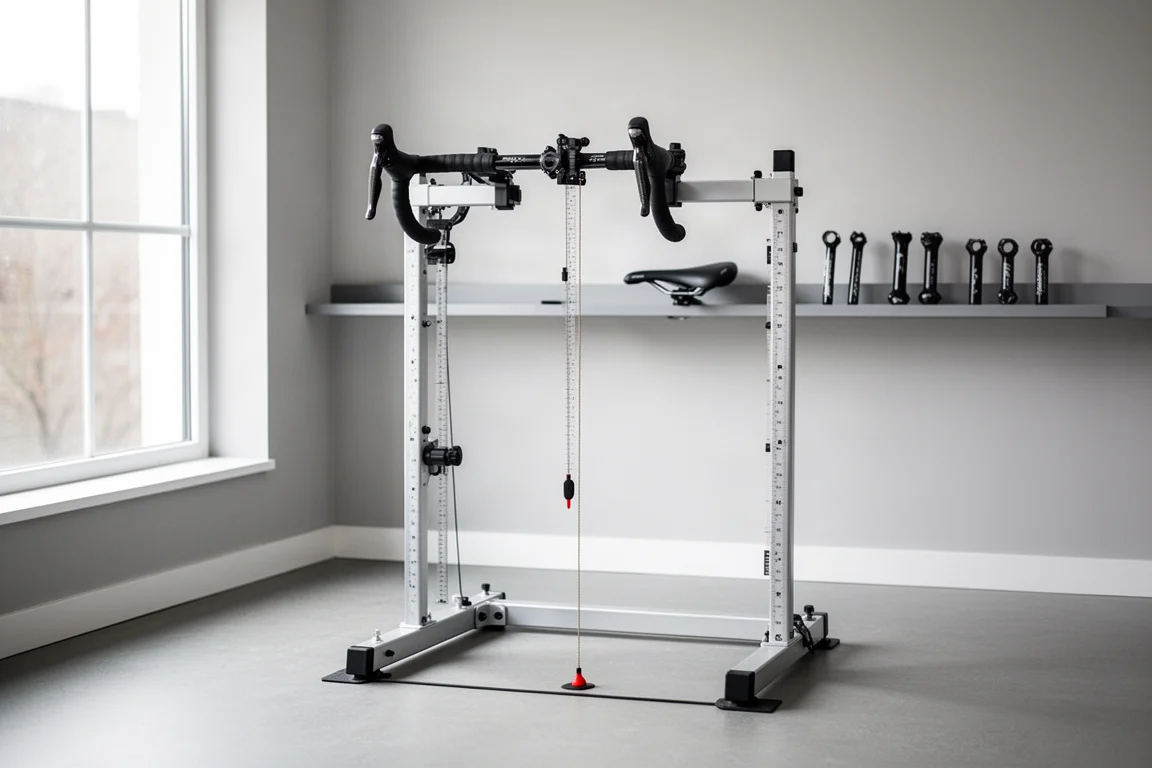
Then look at how adjustable the cockpit is. Fully integrated front ends look clean and are slow and expensive to change, and some cannot be adjusted within a bike fit at all. Threaded bottom brackets and external cable routing are easier to live with and cheaper to maintain. Handlebar width deserves the same attention as frame size, because a bar that is too wide limits how well you can reach the brake levers, and that affects control more than most riders expect.
Finally, be honest about the rider you are rather than the rider the bike was drawn for. A bike that fits well and is set up properly will be faster and more comfortable than a lighter, stiffer frame that has been forced to fit with spacers and a stubby stem. Buying on fit first and hardware second is the most reliable way to end up happy with a road bike.
Conclusion
All ten of these bikes have something to offer, and none of them should be dismissed on geometry alone. The useful exercise is to match the numbers and the hardware to the rider. If a bike’s reach, stack and cockpit suit you, it is a good bike for you regardless of its reputation. If they do not, no amount of careful frame building will fix the position.
Further reading
Related Reviews

Road Bikes
10 New Road Bikes Worth Watching: Aero, Titanium, Steel and Endurance Standouts
A practical roundup of 10 new road bikes, from aero flagships chasing single-watt gains to titanium, steel and endurance platforms built for real roads.
Road Bikes
2026 Tour de France Road Bikes: Six Race Machines Worth a Closer Look
Six race bikes from the 2026 Tour de France grid, reviewed for paint, silhouette, wheels and the specification details that matter to buyers.
Road Bikes
3T Strada Italia Review: A Radical Aero Road Bike That Rides Smooth
A made in Italy carbon aero road bike with a deep head tube, wide tire clearance and a genuinely comfortable ride. Here is what to know before buying.