Road Bikes
Road Bikes Due for a Refresh: Six Models Worth Waiting For
Six road bike platforms that look due for an update, the changes worth expecting, and how to decide whether to wait or buy a current model.
Introduction
Buying a road bike is rarely a purely rational decision, but timing is one part of it that can be managed. Several well-known platforms are now a few seasons into their life cycles, and updated versions look plausible within the next 12 months. Nobody enjoys paying full price for a bike only to watch a new model appear days later.
This guide looks at six road bikes that appear due for attention, what is likely to change, and how to think about the decision if one of them is on your shortlist. A few look close to certain, one is closer to a coin toss, and the rest sit somewhere in between.
What to Look For Before Buying a New Road Bike
Across these platforms, the same themes keep returning: frame weight, aerodynamic shaping, cable integration, tyre clearance, geometry, and how much of the price is tied up in the frame material itself.
Weight still matters most on climbs, and several of the bikes here carry noticeably more frame weight than the current benchmark in their category. Aerodynamics matters more than it once did, but the gain from any single frame feature is often smaller than the marketing suggests, with handlebar and stem design frequently contributing more than the frame. Cable integration divides riders: it looks cleaner and can be faster, while external routing remains far easier to live with at home.
Tyre clearance is the quiet upgrade that changes how a bike feels day to day. Frames that max out at 28mm feel limited next to rivals that accept 32mm or more, and clearance for mudguards can turn a summer bike into a year-round one. Geometry is the other variable, with endurance platforms increasingly sitting between relaxed and race positions.
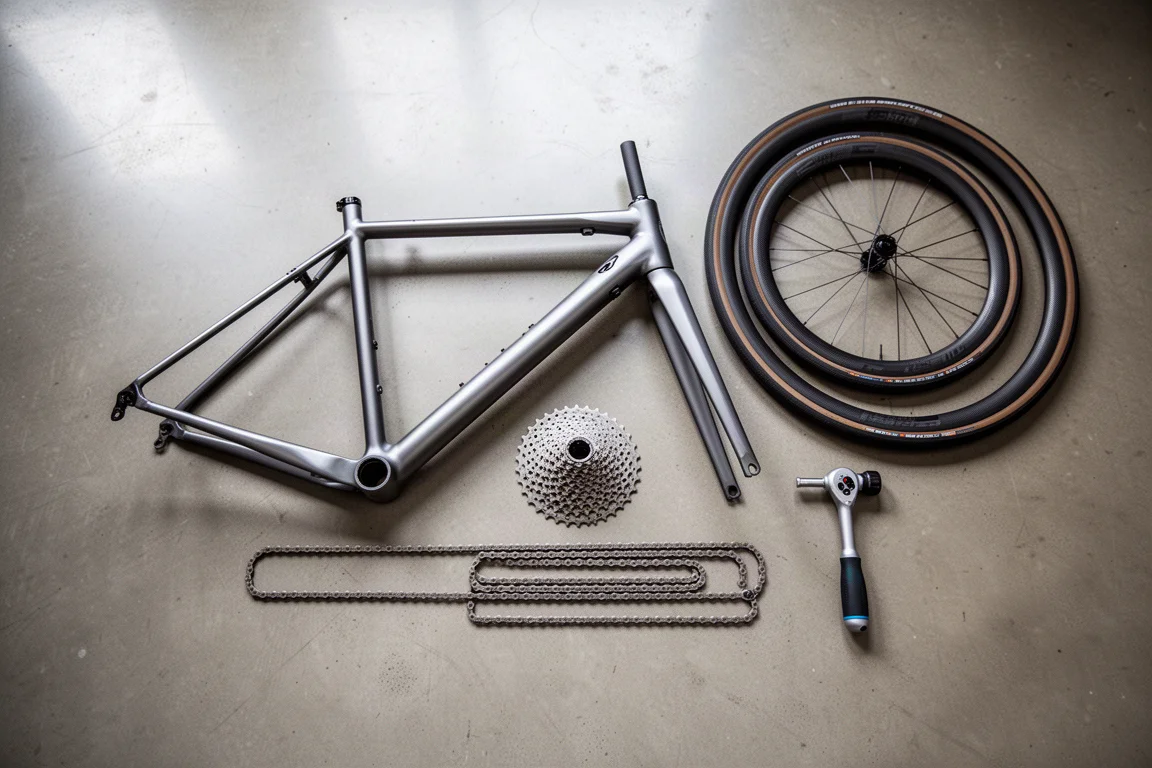
Frame material economics are worth a thought as well. Aluminium costs less to produce than carbon, so it takes up much less of a bike’s total price and leaves more room for wheels, groupset, and finishing kit. That matters if a well-specced race bike is the goal rather than a carbon frame at any cost.
Trek Emonda SLR
The Emonda SLR began as a pure lightweight climbing bike, but racing demands have pushed it steadily toward being a lighter aero all-rounder. The current generation arrived during the pandemic years, which makes it one of the older designs in the range and a strong candidate for replacement. Prototypes have already been seen in race action, which supports the idea that something new is on the way.
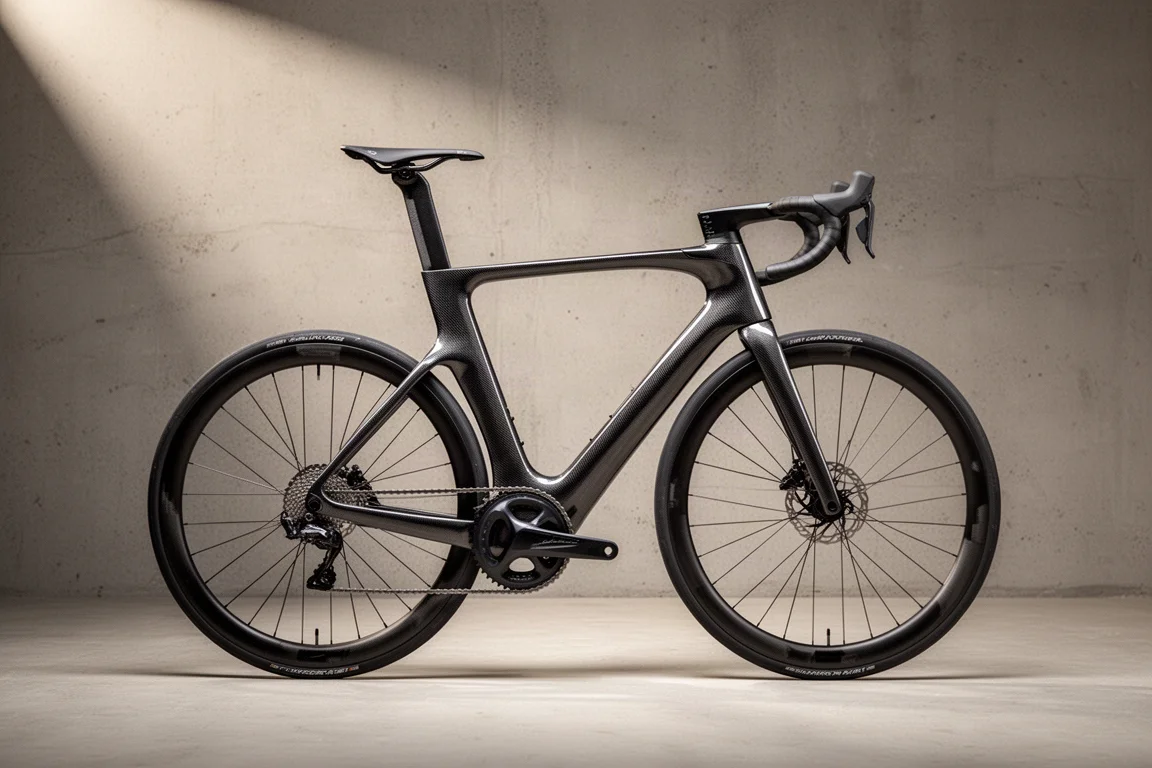
The detail attracting the most attention is the IsoFlow design carried over from the Madone: a shaped opening in the seat tube that gives the rear half of the frame a distinctive kink, scaled down for the Emonda. On the Madone, IsoFlow contributes only a few watts at best, and most of the aerodynamic gain there comes from the handlebar and stem rather than the seat tube. Its value on the Emonda may be as much about a recognisable silhouette as about speed, which is a reasonable goal when so many aero bikes share the same dropped stays, tube shapes, and one-piece cockpits.
The current Emonda SLR already runs internal routing, a one-piece handlebar and stem, and aero-shaped profiles while keeping frame weight low. The most welcome changes would be a lighter frame and, just as importantly, a lighter SL version. The SLR is genuinely light, but the more affordable SL sits above 1,000 grams, which is heavy for a mid-range bike and does not compare well with a mid-range Giant TCR or a Specialized Tarmac.
Giant TCR Advanced
The TCR is arguably the safest bet on this list. Giant has introduced a new Propel aero bike and a new Defy endurance bike over the past two years, and both carry features the current TCR does not. The TCR itself dates from 2020, so the platform is well into its cycle.
Internal routing is the most obvious change to expect, bringing it in line with the Defy and the Propel. A one-piece carbon handlebar and stem should follow on the range-topping SL model, ideally in a narrow width, with a more adjustable two-piece design on the mid-range and entry-level bikes.
Weight is the other clear target. The SL frame sits around 750 grams and the mid-range version around 860 grams, so trimming 50 to 100 grams from the SL would bring it in line with current benchmark race frames and create more separation from the Propel. There is also a chance the range-topping SL drops the integrated seat mast in favour of a regular seatpost, as used on the mid-range Pro and the entry-level TCR.
Beyond weight, integration, and that seatpost change, it is hard to see much else that needs fixing. For most riders the TCR is already a complete package, which is exactly why a modest update rather than a redesign seems the likely outcome.
Cannondale CAAD13
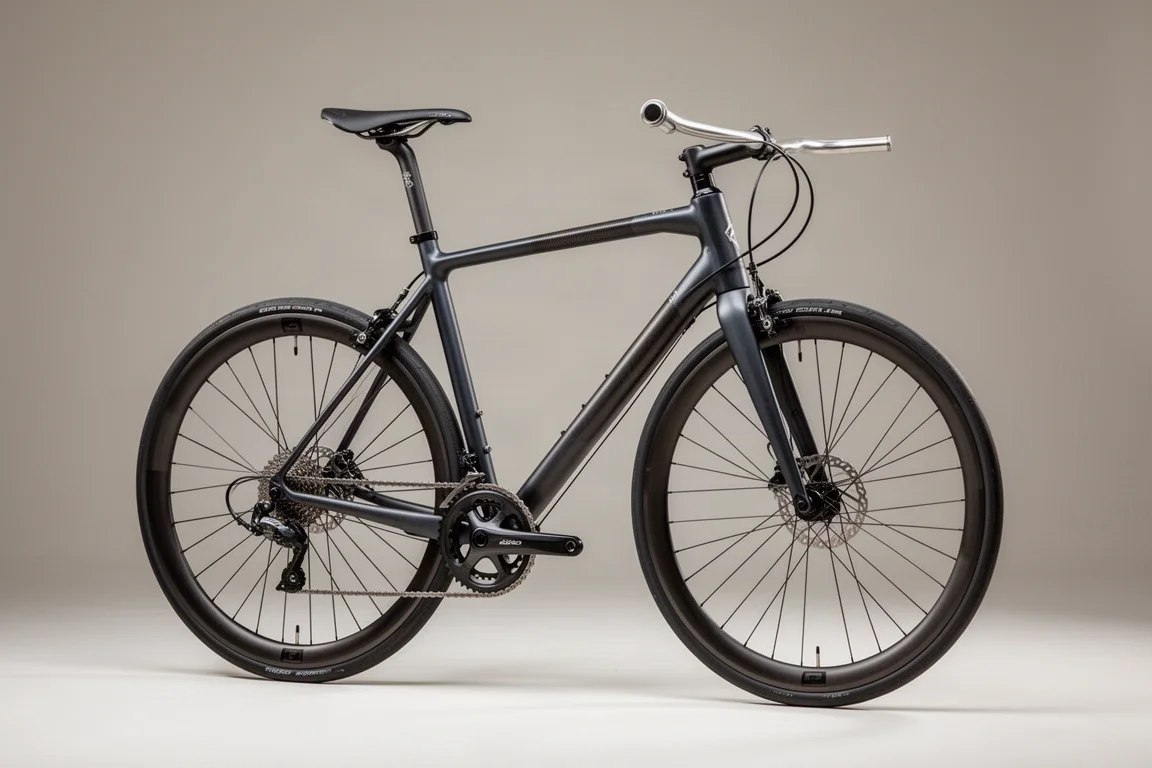
Aluminium frames rarely get the attention carbon does, but the CAAD line has a strong reputation built across the CAAD8, CAAD10, and CAAD12. The CAAD13 arrived in 2019 with aero influences borrowed from the SuperSix Evo, but it did not land with quite the same impact as its predecessors, whether because the market had moved on from aluminium or because the bike simply did not excite riders as much as it could have.
A CAAD14 would be worth getting excited about. Wider tyre clearance, up to 32 or 35mm, would give it road-to-all-road versatility; mudguard mounts would make it a sensible year-round option; and a lighter frame would help it stand out. The CAAD13 is around 1,200 grams, while the CAAD10 was closer to 1,000 grams, so returning to that figure while keeping some aero shaping would be a genuine step forward.
There is also a case for going all-in on low weight instead, an aluminium interpretation of the Aethos idea: as light as possible, elegantly finished, with careful details rather than compromise. Because aluminium takes up far less of a bike’s total price than carbon, a high-end build with top-tier groupset components becomes more attainable, with more affordable options further down the range instead of skimping on finishing kit.
Scott Addict RC
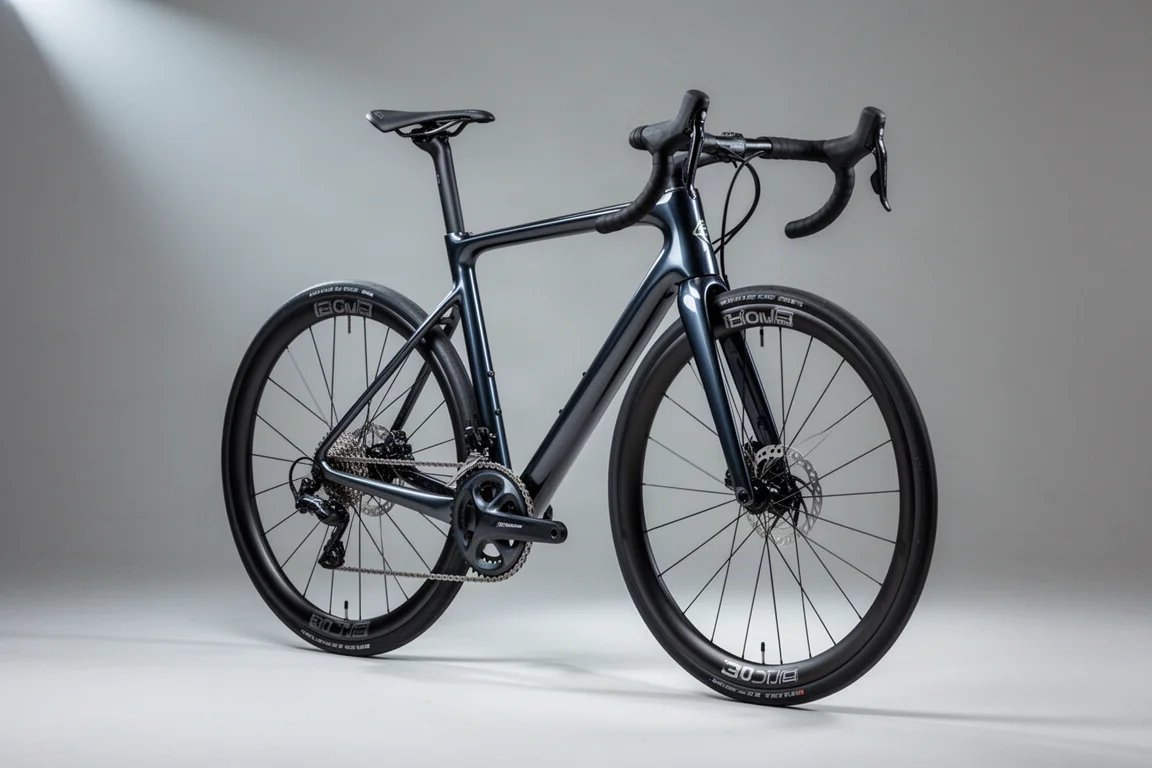
The Addict RC launched in 2019 for the 2020 model year, and while it remains a very good bike, aerodynamics and weight have both moved on. Anyone buying a race bike now is likely to want a platform that stays current for the next few seasons, and a design that has been on sale for several years is a harder proposition.
The Addict has genuine heritage. It was among the lightest bikes ever made in the late 2000s, and later generations added aerodynamic shaping while keeping weight low. The current frame sits around 850 grams, which is heavy next to a SuperSix Evo, a Tarmac, or even a TCR. Bringing it down to around 700 grams would be a meaningful improvement, and the expertise to do it clearly exists. Adding more aero shaping from the Foil platform, along with the UCI rule changes covering bottom bracket and head tube dimensions, could sharpen it further.
Bigger tyre clearance is the other obvious ask. The frame currently maxes out at 28mm, while plenty of riders now run 28, 30, or even 32mm on race bikes for the extra comfort with little penalty in speed.
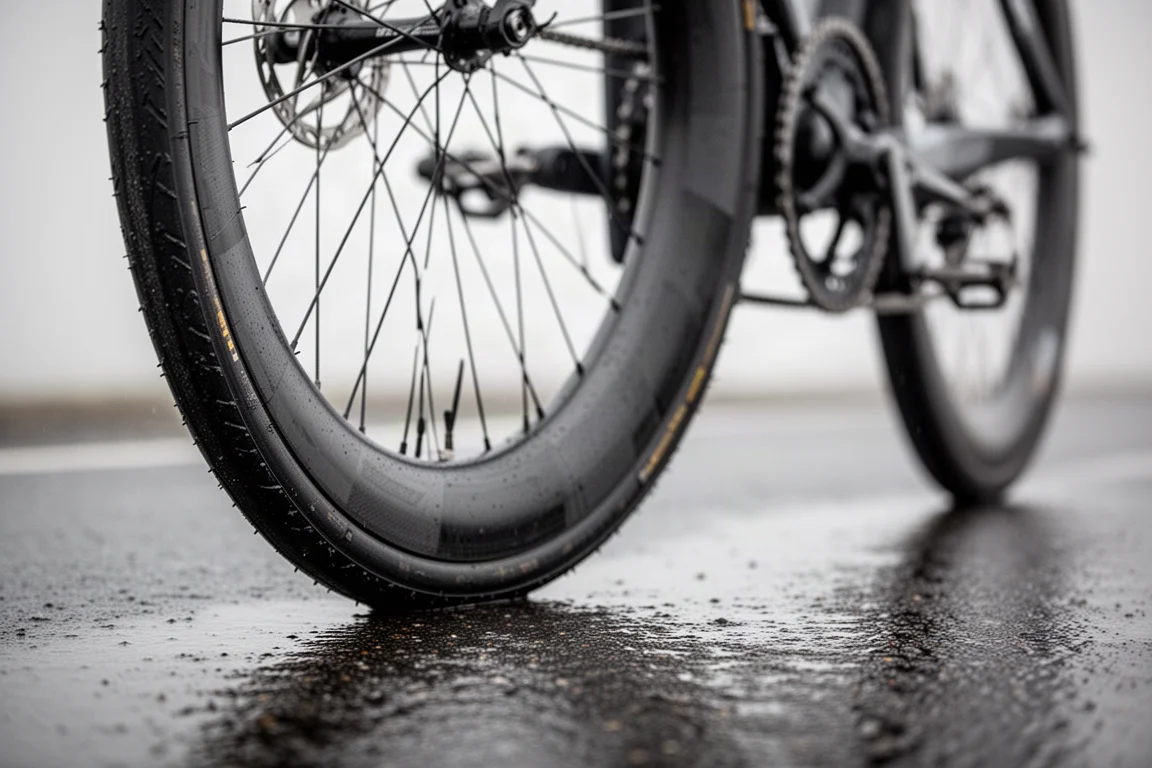
That combination of lower weight, more aero detail, and wider tyres would bring the Addict RC back to the front of the category.
Specialized Aethos
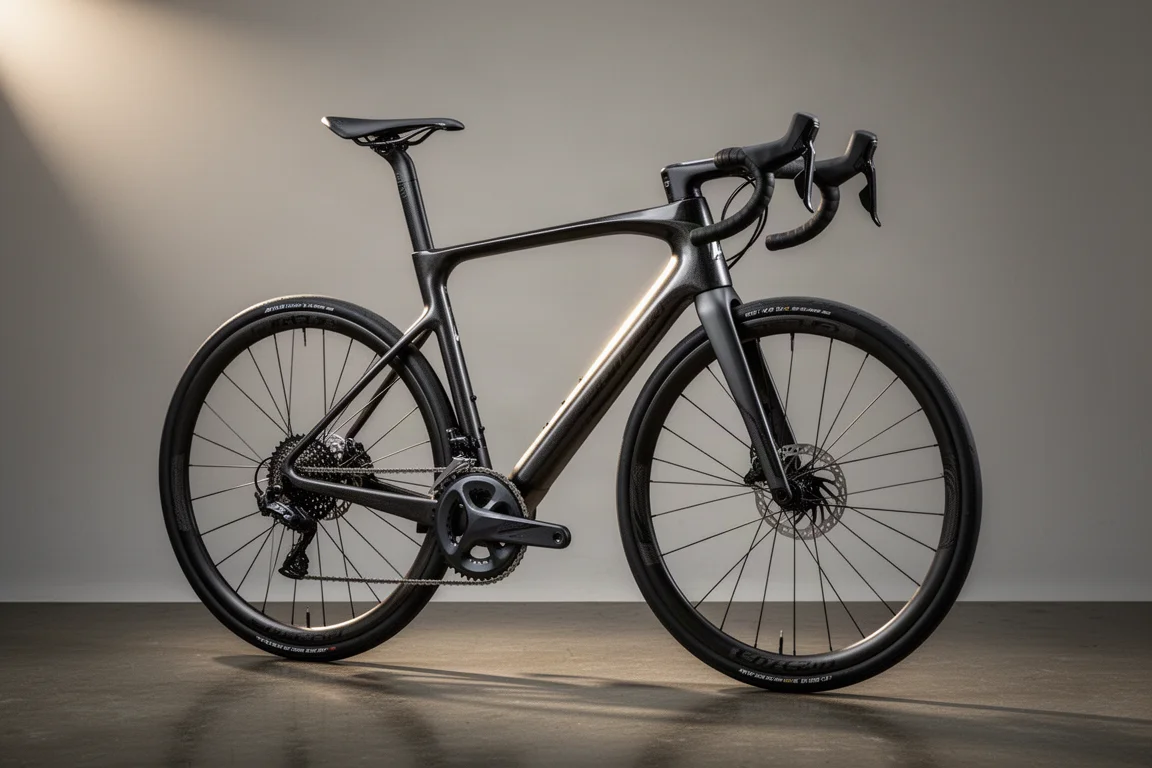
The Aethos is a different case. It launched in 2019 and remains exceptionally light, doing most of what riders want from a race bike without the racing focus. A new version is an outside chance rather than a certainty, but there are two directions it could take.
One is to go lighter still, down towards 500 grams, and see how far the concept can be pushed. The other, more commercially interesting option is to aim a version squarely at the people actually buying the bike: more endurance-oriented, with tyre clearance up to 35 or 38mm and slightly relaxed geometry. Not as relaxed as a Roubaix, but more relaxed than a Tarmac, sitting between the two in stack, reach, and wheelbase. That would make it a long-distance, lightweight climbing and sportive bike, much as the Crux sits alongside the Diverge as a lighter, simpler alternative.
A less likely route would be to add aero features, a one-piece bar and stem, and internal routing. That runs against the Aethos ethos, but it would modernise the look while keeping the platform light. External routing is easy to work on at home, yet it does look dated next to current bikes, so a simple internal solution is not impossible.
Cervélo Caledonia
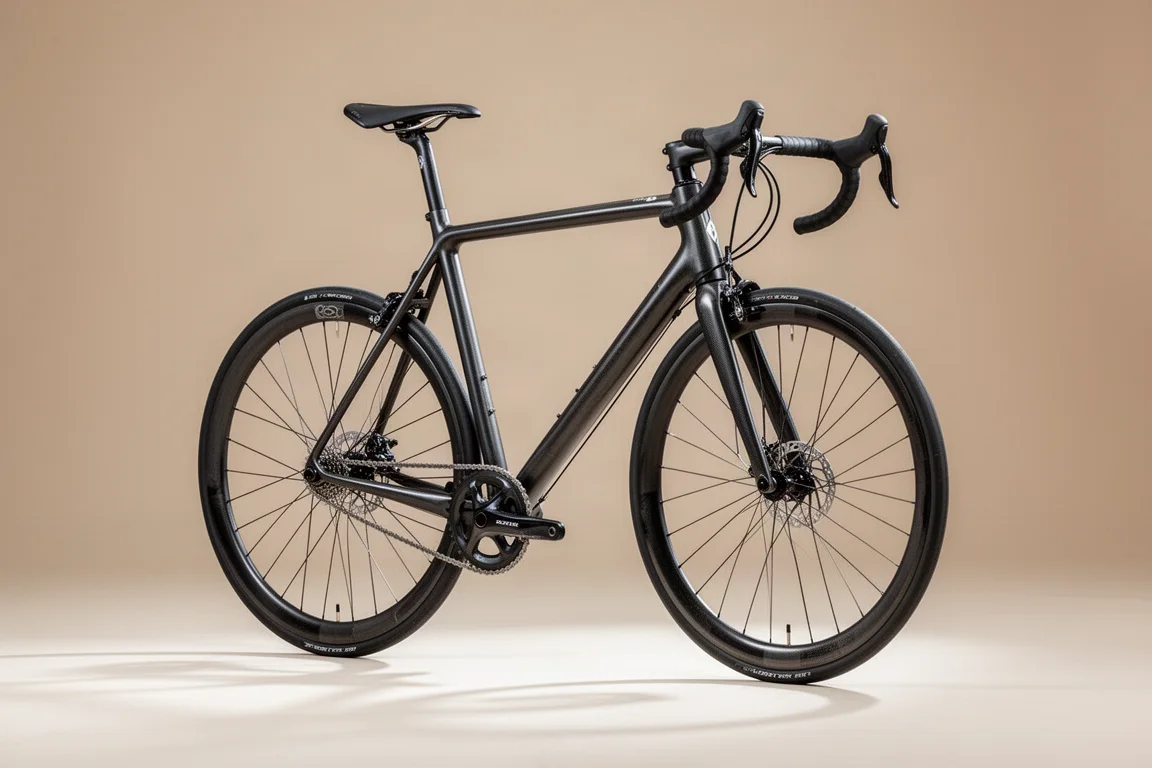
Endurance bikes have had a strong run recently, with new models from Giant, Specialized, and Canyon, which puts the Caledonia in line for attention. It launched in 2020, which is not especially old, but a new model is plausible.
Tyre clearance is the clearest area to address. The Roubaix and the Defy are generous, while the Caledonia currently tops out at 34mm. Moving to 38mm or more would open the door to wider tyres, mudguards, and light gravel use, and it would also let the Áspero move further into the bigger-tyre gravel space while keeping a clear distinction between the two models.
Weight is the second area. The top-end Defy build comes in around 7kg, lighter than many race bikes, while the Caledonia sits around 950 grams for the lighter frame and just over 1,000 grams for the lower model. Taking a few hundred grams out would make it noticeably sportier. Geometry is already more relaxed than a race bike but racier than some endurance platforms, so stretching out the stack, reach, and wheelbase slightly would add comfort on long sportives and gran fondos.
The chances of a new Caledonia are closer to even, and the Áspero gravel bike may well come first, so this is the least certain bike here.
Buying Advice
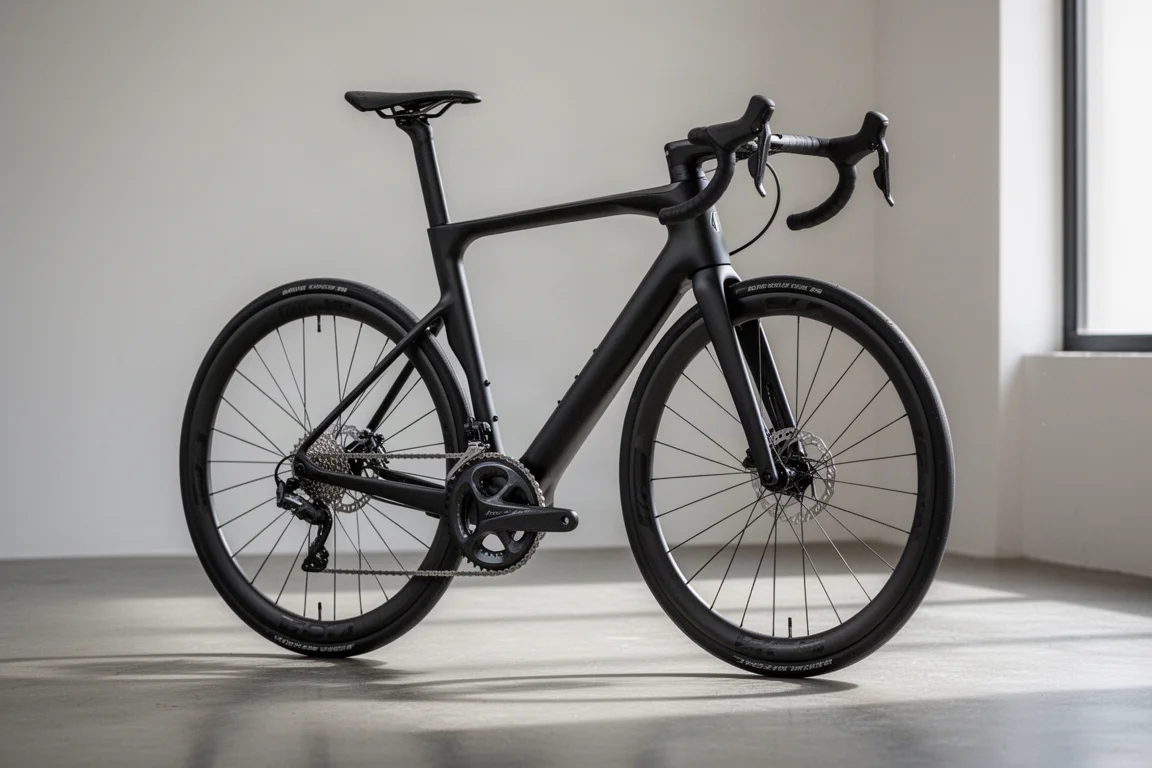
If one of these bikes is on your shortlist and an update looks likely, waiting a few months is a defensible choice, particularly if the changes you care about are the ones being addressed. Lower frame weight, wider tyre clearance, and internal routing are meaningful improvements rather than cosmetic ones.
Waiting is not always the better call, though. A current model is a known quantity, with real-world feedback and, often, better availability and pricing as shops clear stock. If the geometry suits you, the tyre clearance covers the surfaces you ride, and the weight is acceptable, the arrival of a new version does not make the existing bike slower or less enjoyable.
The practical approach is to separate what you need from what is new. Fit and geometry come first, because those cannot be upgraded later. Tyre clearance and mudguard mounts shape how versatile the bike will be. Weight and integration are refinements, worth paying for only if they genuinely affect your riding.
If a new model is confirmed and it addresses your priorities, waiting makes sense. If not, a well-priced current bike remains a strong purchase.
Conclusion
The Emonda SLR, the TCR Advanced, the CAAD13, and the Addict RC all look likely to be updated within the next 12 months, each for slightly different reasons: a new silhouette and lower weight on the Emonda, internal routing and a small weight saving on the TCR, a lighter and more versatile aluminium platform in the CAAD line, and a return to genuinely low frame weight on the Addict RC.
The Aethos is a longer shot, and the Caledonia is closer to even odds, with the gravel range possibly taking priority. If your shortlist is built around fit, tyre clearance, and the kind of riding you actually do, none of this timing uncertainty needs to stand in the way of a good purchase.
Further reading
Related Reviews

Road Bikes
10 New Road Bikes Worth Watching: Aero, Titanium, Steel and Endurance Standouts
A practical roundup of 10 new road bikes, from aero flagships chasing single-watt gains to titanium, steel and endurance platforms built for real roads.
Road Bikes
2026 Tour de France Road Bikes: Six Race Machines Worth a Closer Look
Six race bikes from the 2026 Tour de France grid, reviewed for paint, silhouette, wheels and the specification details that matter to buyers.
Road Bikes
3T Strada Italia Review: A Radical Aero Road Bike That Rides Smooth
A made in Italy carbon aero road bike with a deep head tube, wide tire clearance and a genuinely comfortable ride. Here is what to know before buying.