Cycling
Road Bike With Gravel Tires: Can a Road Race Bike Handle Gravel?
A 36 mm gravel tire will physically fit a modern road race bike, but tight clearance, road gearing and race geometry still make a dedicated gravel bike the better choice for most riders.
Introduction
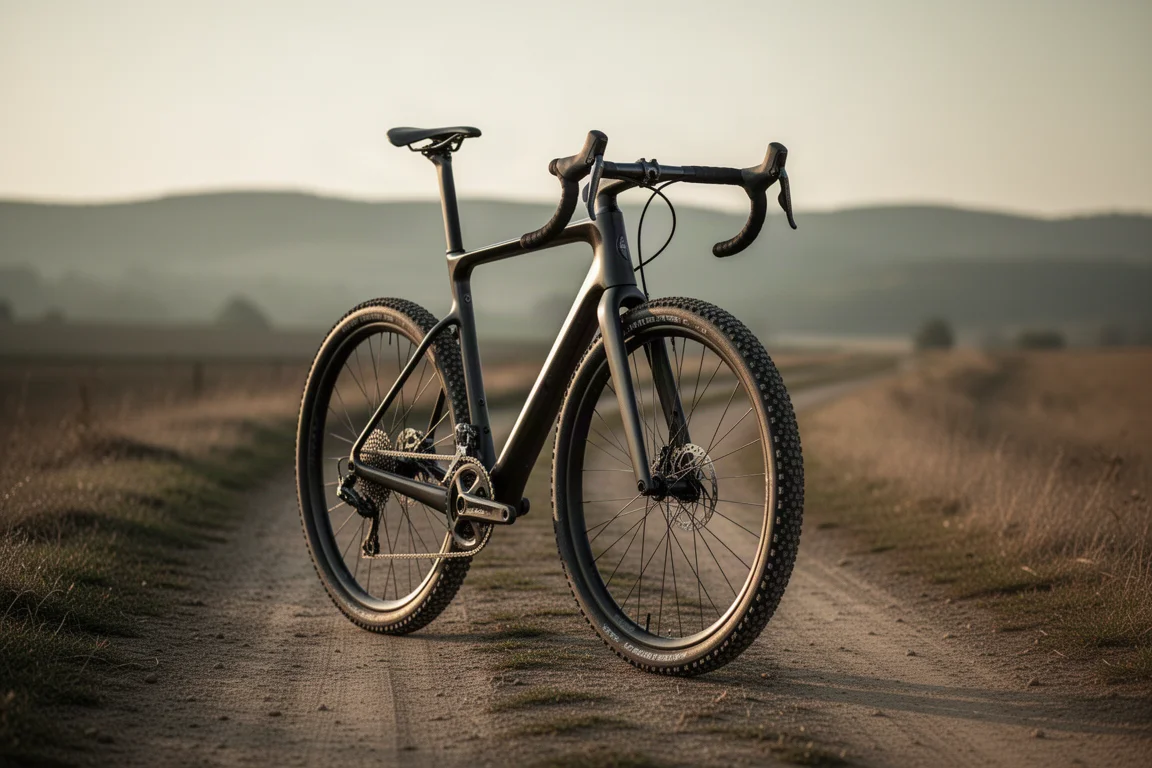
Modern road race bikes have quietly become far more versatile than their racing brief suggests. A current-generation Canyon Ultimate leaves the factory with 25 mm slick tires, yet a 36 mm WTB Vulpine gravel tire will physically fit the same frame. That tight fit is possible because manufacturers publish conservative maximum tire widths, and it raises a fair question. If a road race bike can swallow a gravel tire, does anyone still need a gravel bike?
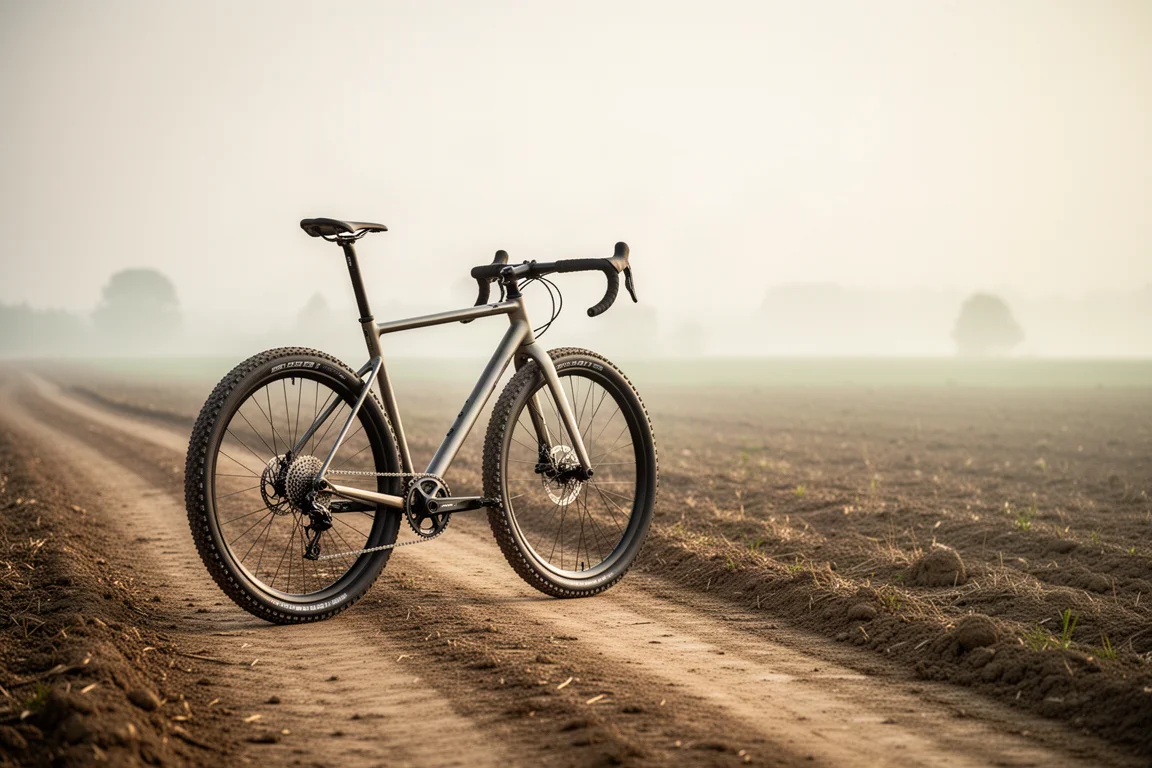
The honest answer is that it depends entirely on the gravel. On smooth, dry, hard-packed dirt roads, a road race bike with wide gravel tires is rideable and even enjoyable. On anything looser, wetter or steeper, the compromises stack up quickly.
How We Evaluated These Setups
Three things decide whether a road race bike can stand in for a gravel bike: tire clearance, geometry and gearing.
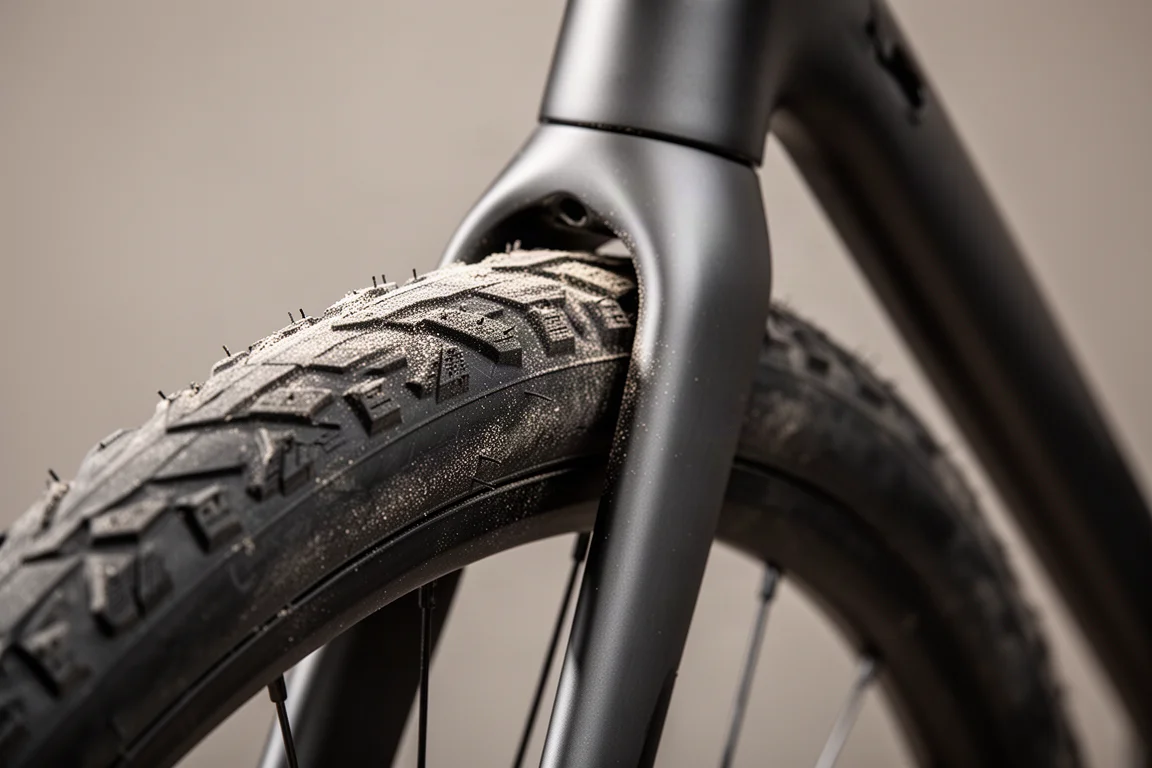
Clearance is the first hard limit. Canyon publishes a maximum tire width of 32 mm for the Ultimate, and an international safety standard requires a minimum of six millimeters of clearance between the frame and the tire. Most brands stay well inside those numbers, which is why the official maximum is usually narrower than what a frame will physically accept. Fitting a 36 mm tire therefore goes beyond the manufacturer’s recommendation and places the responsibility for clearance and safety on the rider.
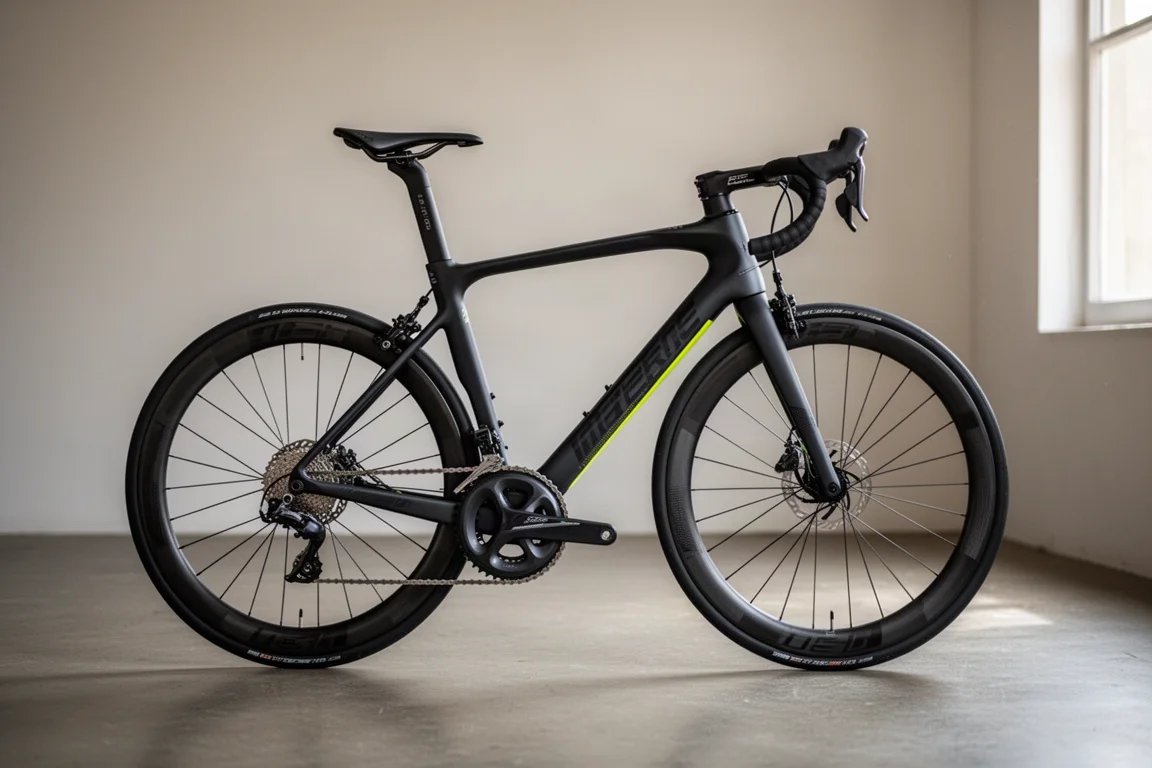
Geometry matters just as much. A road race bike is built around a short wheelbase, a steeper head angle and a low front end for quick steering at speed. A gravel bike moves in the opposite direction: a longer wheelbase for stability, a slacker head angle for control on steep descents and a taller stack that raises the handlebars for comfort over long days.
Gearing is the third variable. Road race bikes pair a large front chainring with a tight, close-ratio cassette for smooth steps at high speed. Gravel bikes favour a wider range, often with a smaller chainring at the front and single-ring drivetrains, which suits lower average speeds and steeper, looser climbs.
Canyon Ultimate: A Road Race Bike on Gravel Tires
The Canyon Ultimate is a road race bike first. Its stated maximum tire width is 32 mm, yet a 36 mm WTB Vulpine fits, with clearance that is workable but visibly tight around the fork crown and the front derailleur battery. It is a striking illustration of how much room modern road frames have gained. A road race bike of roughly a decade ago, such as the Cannondale SuperSix EVO of that era, would not accept anything wider than a 25 mm tire.
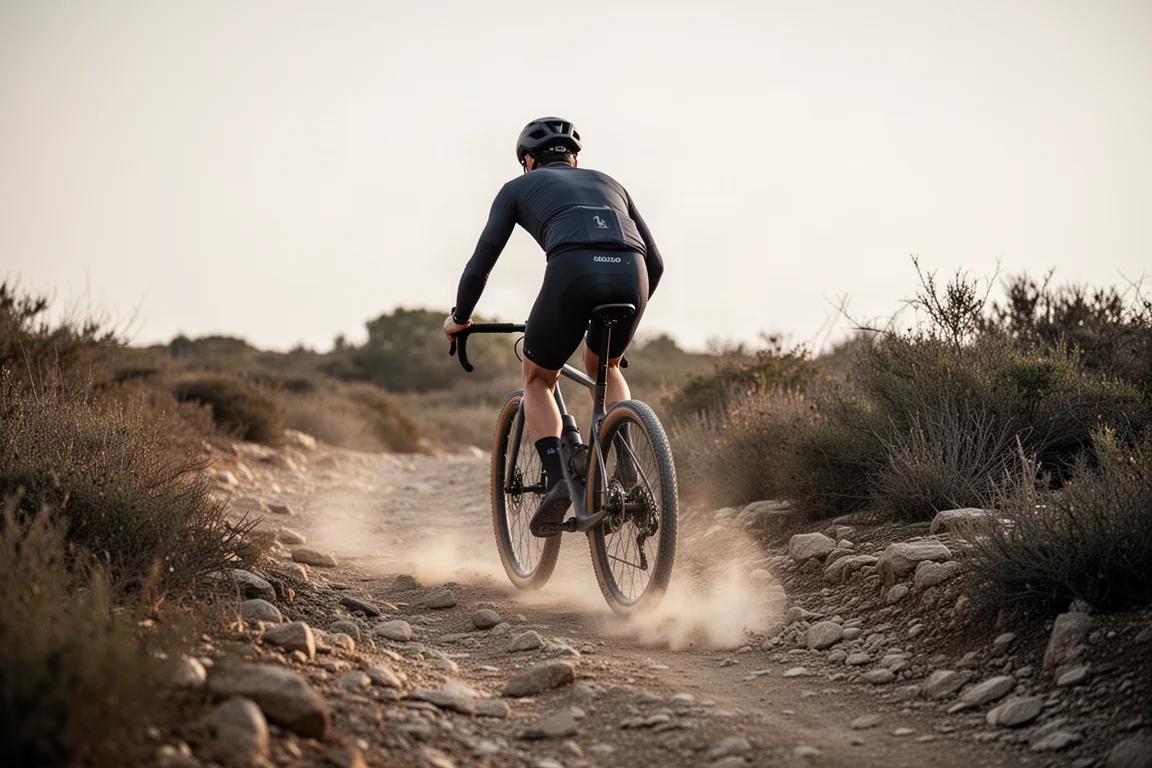
On smooth, hard-packed dirt the setup works, but the ride is firm. A 36 mm tire is narrow by gravel standards, and the frame transmits a great deal of feedback. Jarring impacts travel straight through the saddle and the one-piece carbon handlebar and stem. Lower pressures restore some comfort, traction and control, but they also raise the risk of a puncture on unpredictable countryside terrain. Running higher pressure to protect the tire simply makes the ride harder.
Handling is the other surprise. Compared with a dedicated gravel bike, the Ultimate feels skittish and less planted, closer to a cyclocross bike on a smooth course than to a machine built for loose surfaces. It works. It is simply not relaxing.
WTB Vulpine: The Tire That Makes It Possible
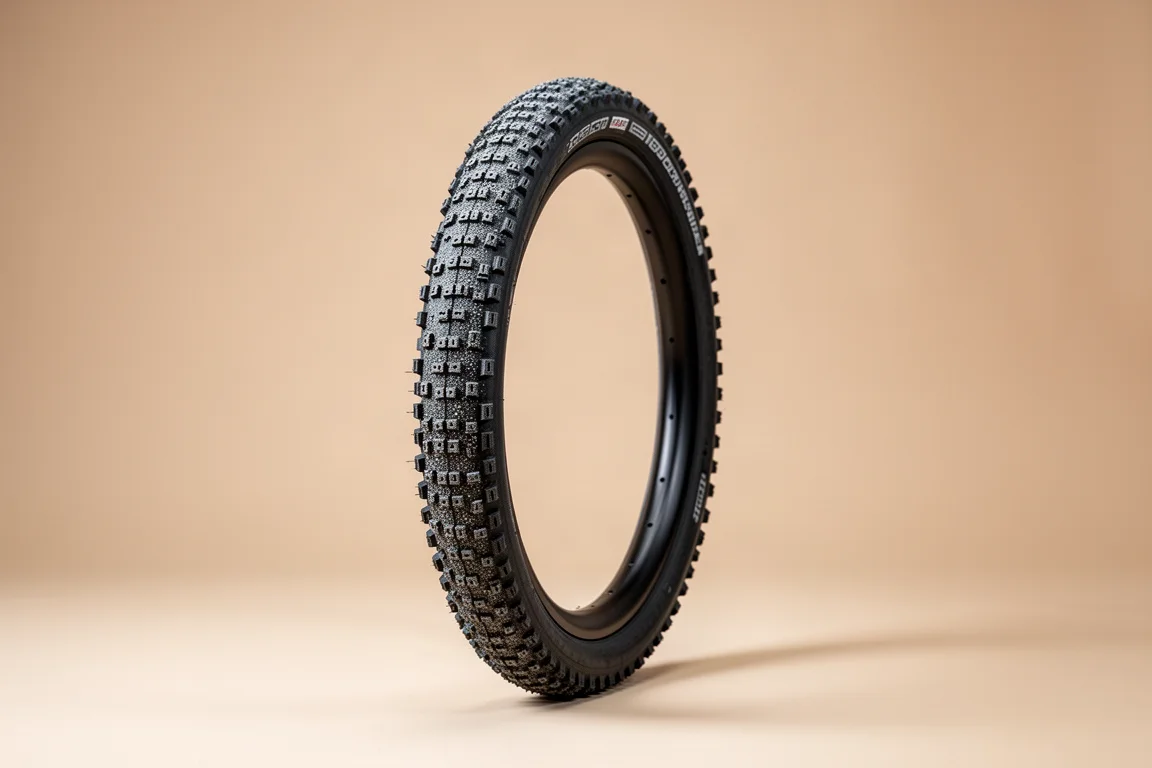
The WTB Vulpine is a 36 mm gravel tire, and that width is exactly what makes the experiment possible. It is narrow enough to squeeze into a road race frame while still offering tread and volume that a slick cannot match.
Width cuts both ways. Because the tire is skinny by gravel standards, the margin for error is small. On a rough stretch the rim can be struck on rocks, and the pressure dilemma never goes away. Low pressure brings comfort and grip but invites punctures. High pressure protects the tire but makes every bump felt.
For most riders on real countryside terrain, a 40, 42 or 45 mm gravel tire remains the better compromise between comfort, puncture resistance and speed. The Vulpine is the right tool for a specific job rather than a universal answer.
Canyon Grizl: The Dedicated Gravel Option
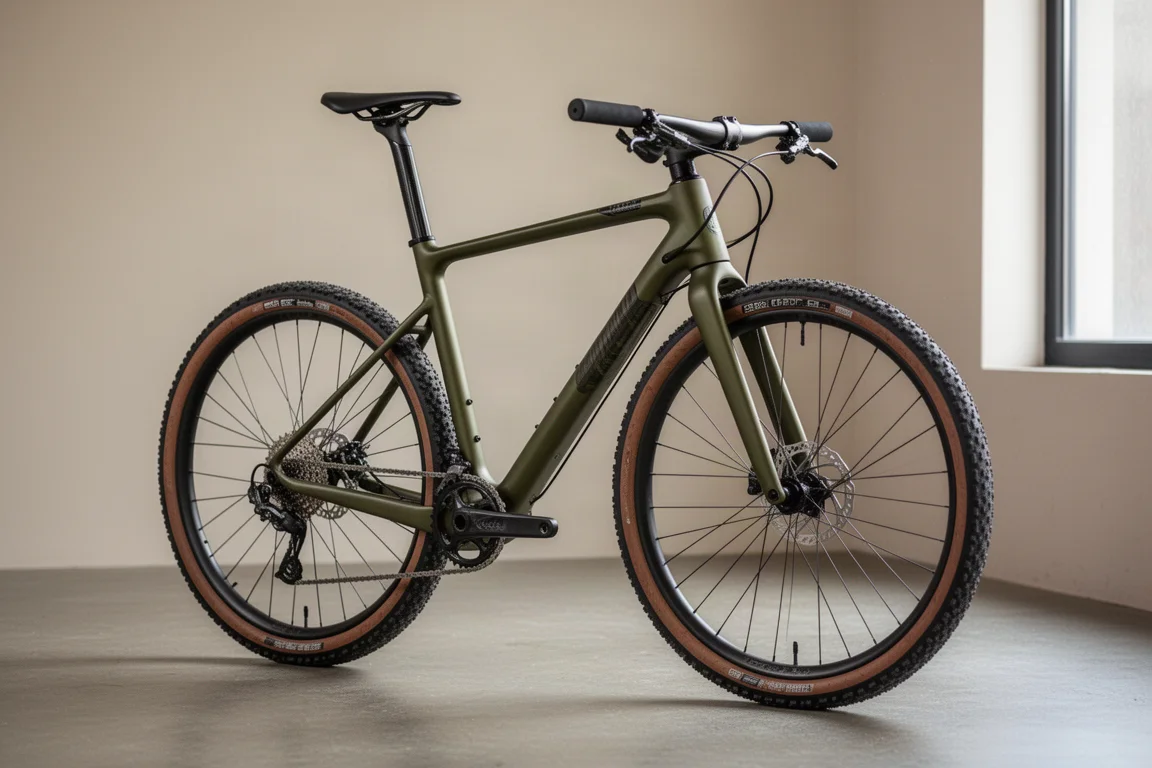
Canyon’s own Grizl shows what a frame designed for gravel does differently. The wheelbase is longer, which makes the bike noticeably more stable on loose surfaces and at speed. The head angle is slacker, adding control on steep descents and reducing the feeling that the front wheel is about to tuck.
The stack is taller as well, raising the handlebars for more comfort across long rides and changing terrain. Gearing follows the same logic: a wider range, a smaller chainring at the front and often a single-ring setup, all of which help on slower, steeper and more slippery climbs where a close-ratio road cassette runs out of gears.
Versatility is the final piece. A gravel frame like the Grizl can take mudguards, extra bottle cages and bikepacking luggage, none of which a road race frame was designed for. Just as importantly, gravel riding often means walking a muddy section or a steep ramp, which is why mountain bike shoes and pedals make far more sense than road cleats.
Where a Road Bike With Gravel Tires Falls Short
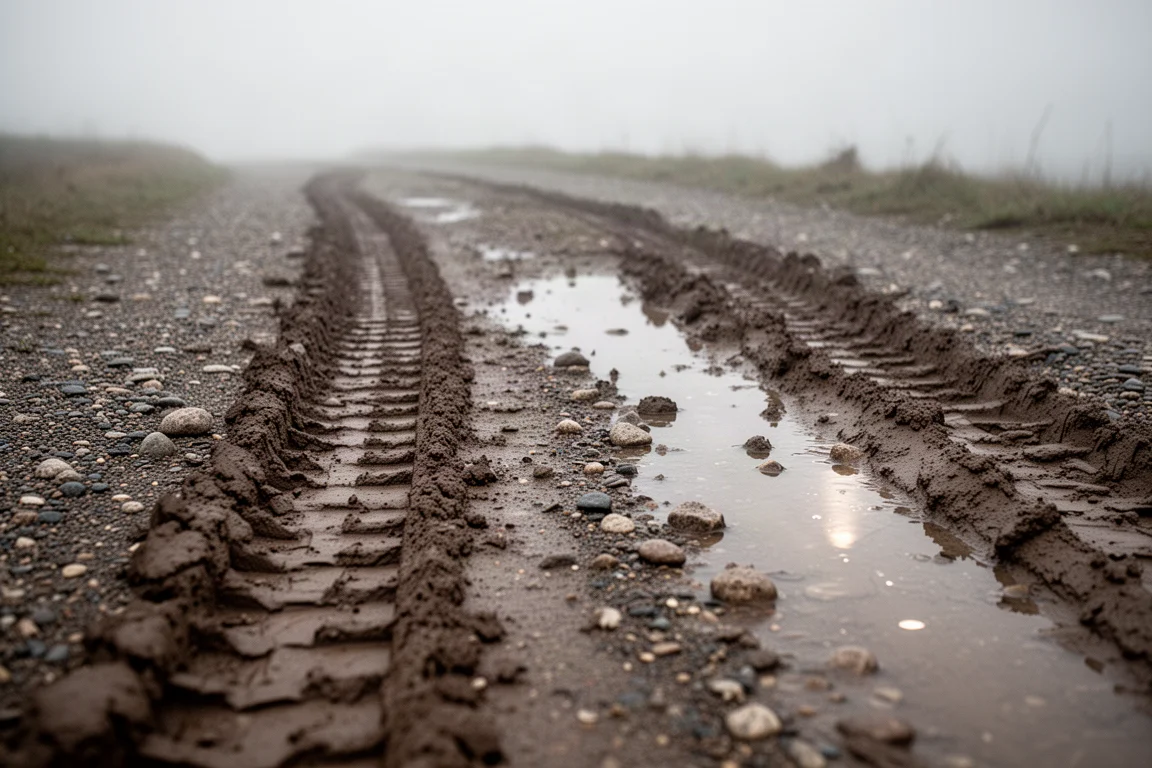
Mud is the clearest limit. Clearance that looks acceptable in dry, dusty conditions becomes a problem the moment the surface turns wet, because tight gaps clog quickly. Riders who have spent time on gravel bikes know that mud clearance is a real factor, and a road race frame with 36 mm tires sits at the worst end of that scale.
Stones and sticks are the second issue. Debris that lodges between the tire and the frame gets pushed around until it either jams the wheel or punctures the tire. Wide clearance exists so that mud, stones and sticks can pass through rather than get trapped, and it is one of the main reasons dedicated gravel bikes moved away from the cyclocross and road frames they were originally based on.
Elite racing is not a useful guide here. The first UCI Gravel World Championships in Italy were won on a road race bike fitted with gravel tires, but that course was tame and largely non-technical, exactly the kind of terrain where a road frame with wide tires is at its best. It says very little about rooty, rocky trails or long wet descents.
Buying Advice
If your riding is limited to smooth, dry, hard-packed dirt roads and you already own a road race bike, a 36 mm gravel tire is a simple way to explore them. Accept that you are exceeding the published clearance limit, keep an eye on debris, and treat the setup as a light-duty option rather than a conversion.
If your routes regularly include mud, loose descents, roots, rocks or long self-supported days, a dedicated gravel bike is the more sensible purchase. Clearance, gearing, comfort and mounting options all move in your favour, and you avoid modifying a race frame to do a job it was never designed for. A wider 40 to 45 mm tire on a gravel frame also keeps pressures low and puncture risk manageable, which matters more than outright speed once the surface turns rough.
Conclusion
Fitting gravel tires to a road race bike is a genuinely interesting experiment, and on the right surface it does work. It does not turn a road bike into a gravel bike. Clearance, geometry, gearing and versatility all still favour a purpose-built machine, and for most riders a dedicated gravel bike remains the better all-round package.
Further reading
Related Reviews
Cycling
2026 Bike of the Year and the Cycling Gear Worth Watching
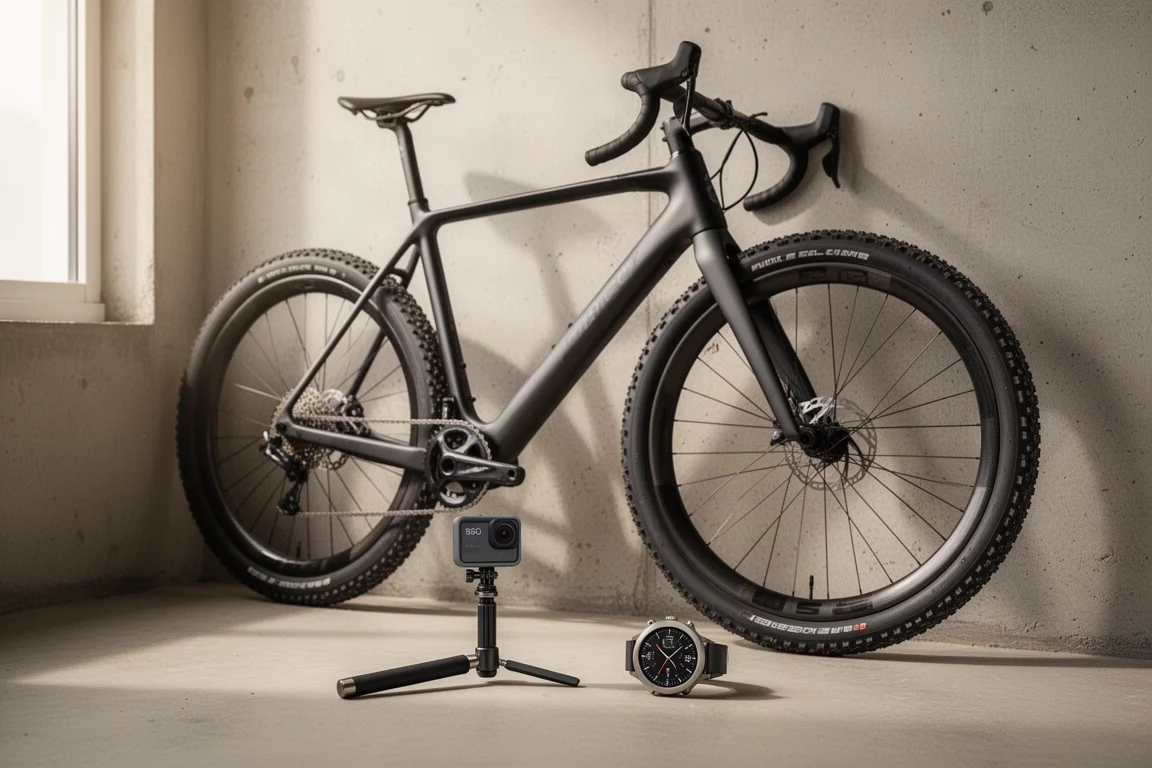
A drop bar roundup for 2026 covering the Ridley Kanzo Fast 2.0, Shimano Dura-Ace Di2 R9300, Trek Checkpoint ALR Gen 3, Specialized Tarmac SL9, Garmin Fenix 9 and Insta360 X6.
Cycling
Best All-Road Bikes 2026: Six Versatile Endurance Road Bikes Worth Considering
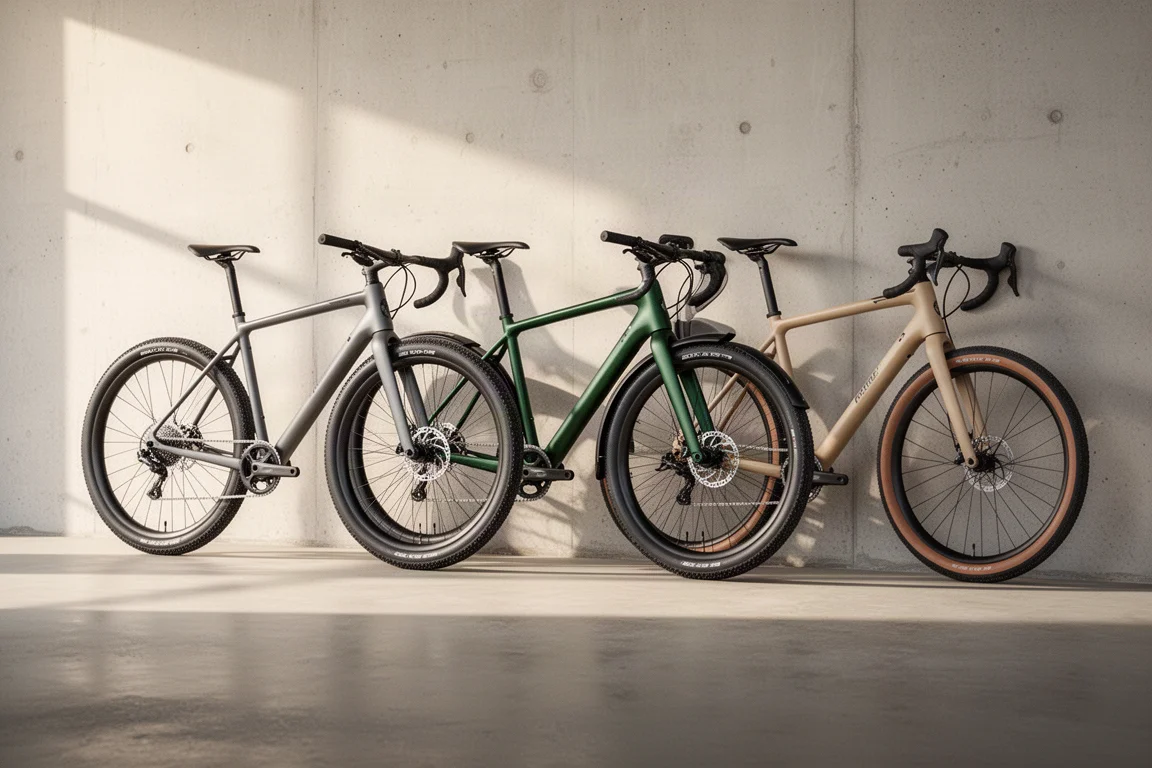
A practical look at six all-road and endurance road bikes, from lightweight carbon speed machines to steel all-rounders and comfort-focused mile eaters.
Cycling
Best All-Road Bikes 2026: 8 Endurance Bikes for Road and Light Gravel
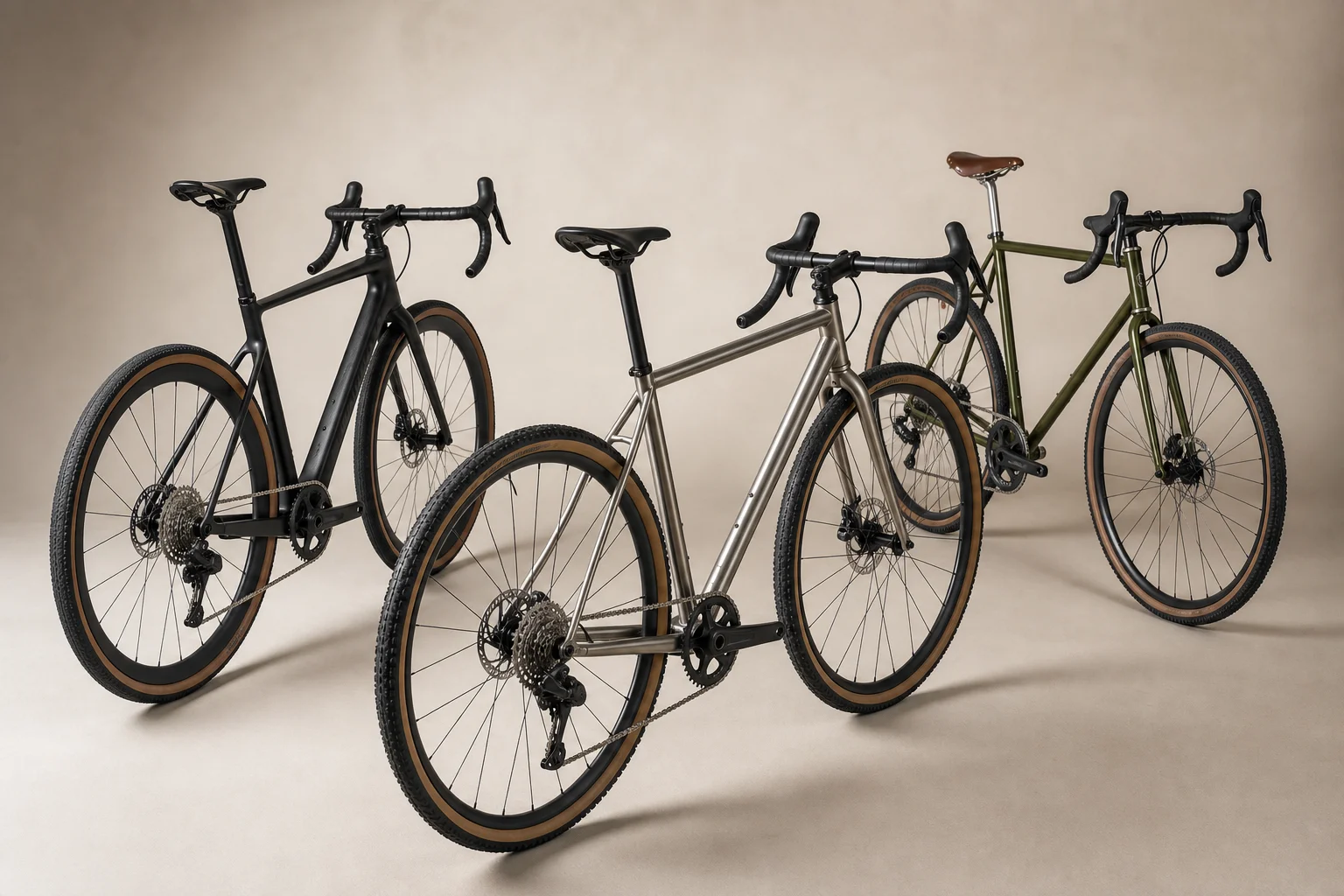
Eight all-road bikes that blur the line between endurance road and light gravel, compared on tire clearance, ride character, practicality, and value.