Cycling
Road Bike vs Triathlon Bike for Hilly Courses: Canyon Aeroad CFR and Speedmax CFR Compared
A direct comparison of an aero road bike and a dedicated triathlon bike over climbing, flat and descending terrain, and what the split times mean for your race.
Introduction
Ask most triathletes which bike belongs on a race course and the answer comes back quickly: the dedicated triathlon bike. Its aerodynamics are optimised, its storage is integrated, and on a flat course it is simply faster.
The problem is that many courses are not flat. Some have lumps and bumps, a few twists, and occasionally a genuine climb. That raises a fair question. If the course profile looks more like a mountain stage than a drag strip, which bike should be on the start line?
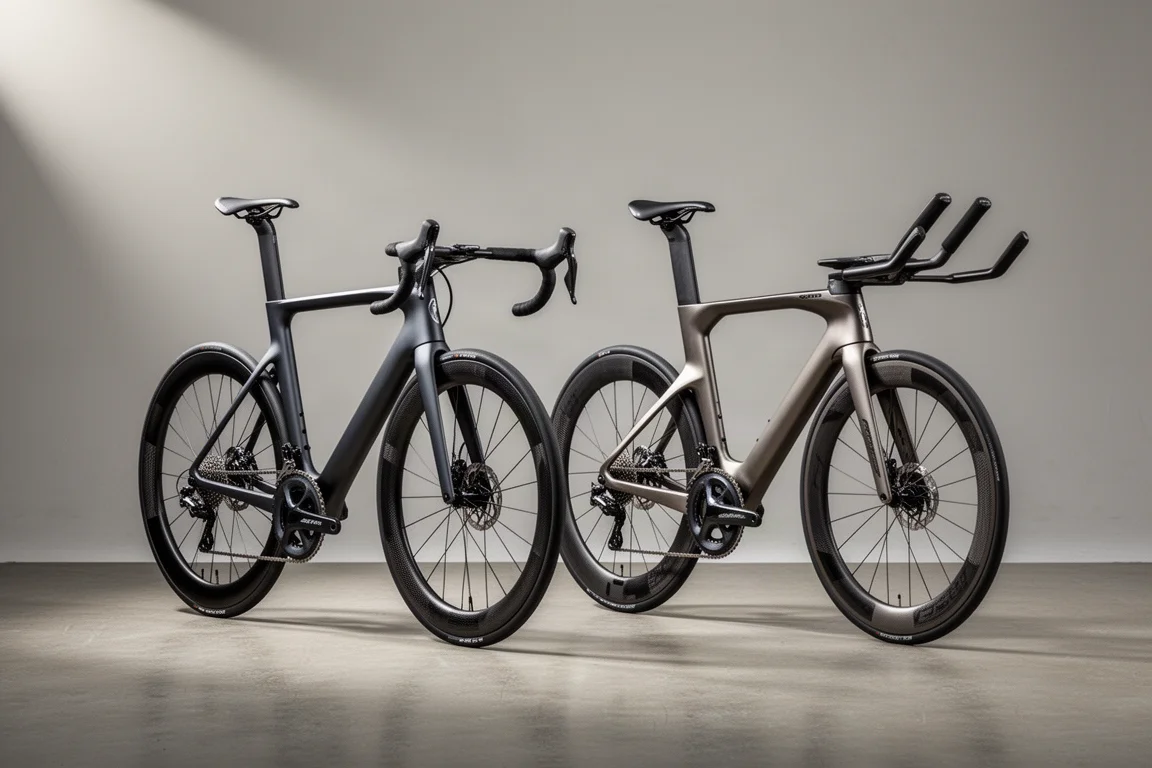
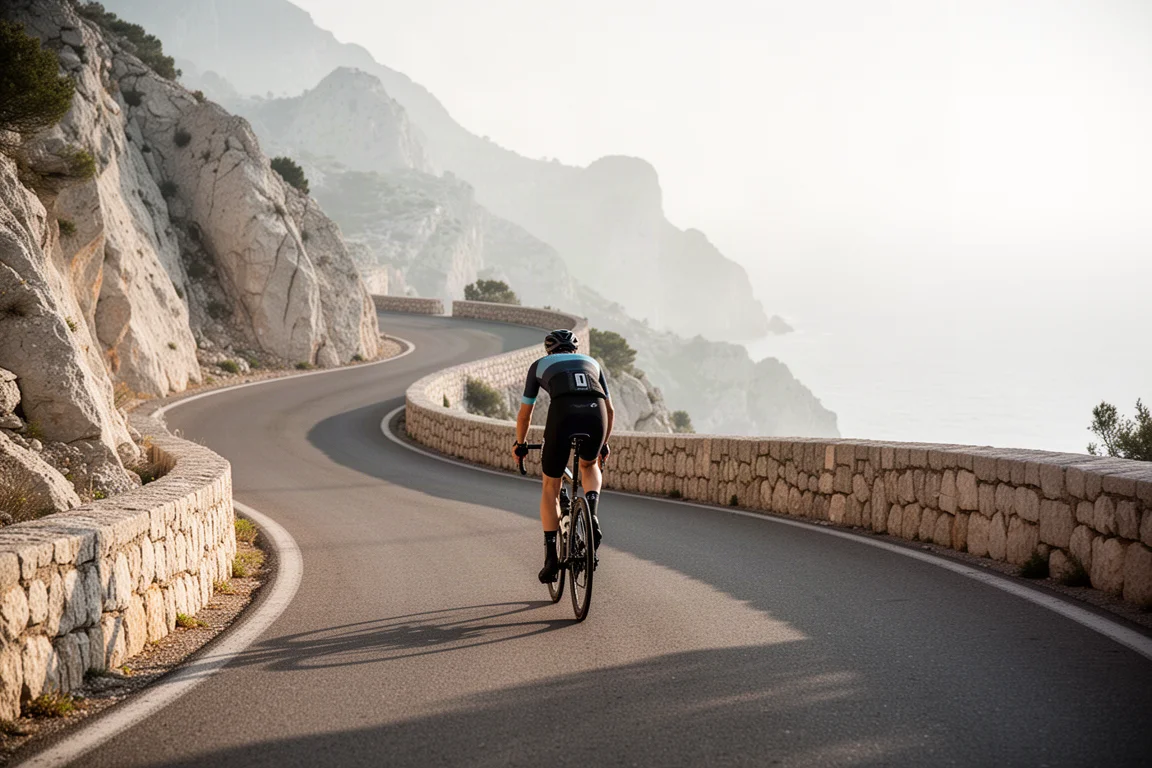
This comparison put that question to the test on a notoriously cheeky course in Nice, part of the Ironman World Championship route. A Canyon Aeroad CFR, an aero road bike, was measured against a Canyon Speedmax CFR, a dedicated triathlon machine, over roughly 20 km of climbing, flat road and descending. The road bike finished 11 seconds ahead. What follows is where that time came from, and what it means for your own race.
How This Comparison Was Set Up
Both bikes ran the same wheels, the same tyre choices and the same pressures, with bar setups matched as closely as possible. The route combined three sections into one continuous effort: a 4 km climb ridden against the direction of the course, a 5 km flat out-and-back, and a 4 km descent back to the finish.
The aim was to hold an average of around 220 watts across the whole run on both bikes. That meant pushing harder on the climb and the flat to compensate for the descent, and it also produced a split time for each of the three sections.
It is worth being upfront about the limits of a test like this. Not every variable outdoors can be controlled, and a single run over a single course is a snapshot rather than a laboratory result. Even so, the section-by-section splits give a useful picture of how each bike behaves when the terrain changes, which is exactly the situation most age-group athletes face on race day.
Canyon Aeroad CFR: The Aero Road Bike
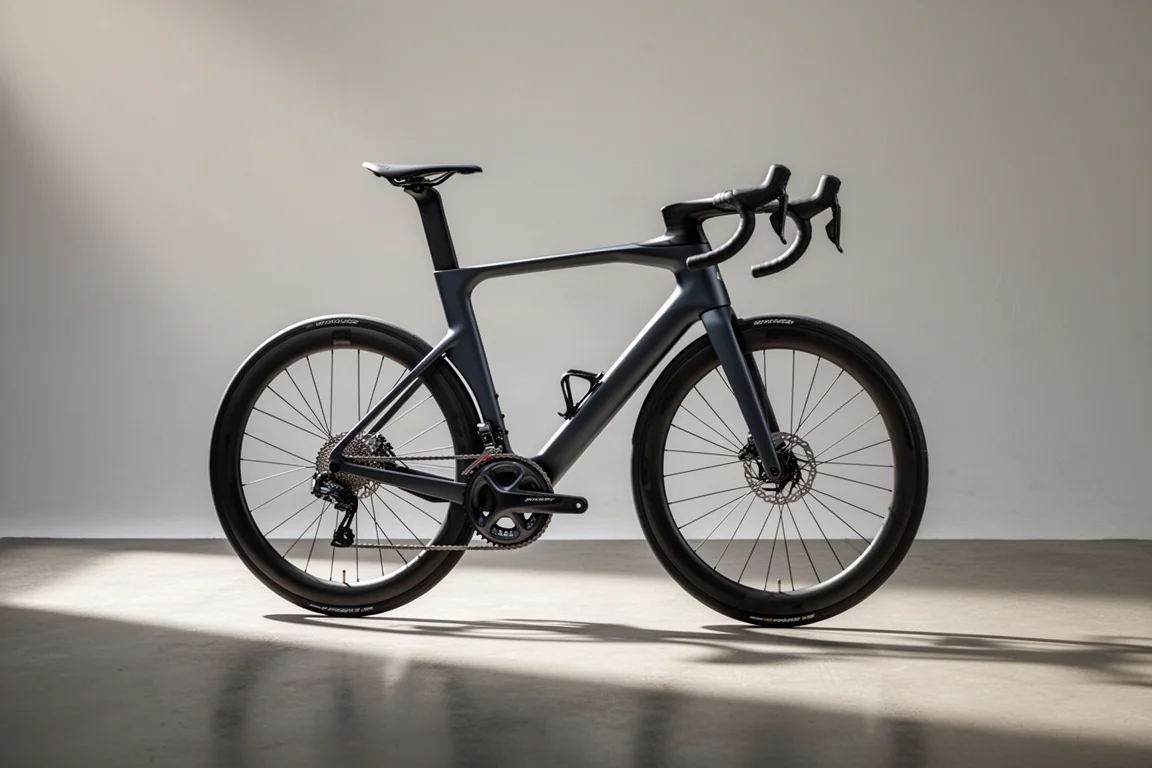
The Canyon Aeroad CFR is classified as an aero road bike, although modern road bikes blur the categories. At just over 7.2 kg it is light enough to be considered something of an allrounder.
The most relevant detail for triathlon is that the new Aeroad integrates aero bars, a feature that is becoming more commonly available and one of the biggest speed upgrades you can make to a road bike. With the saddle raised and pushed forward to optimise the position, the Aeroad was far closer to the triathlon bike on the flat than its silhouette would suggest.
Canyon Speedmax CFR: The Dedicated Triathlon Bike
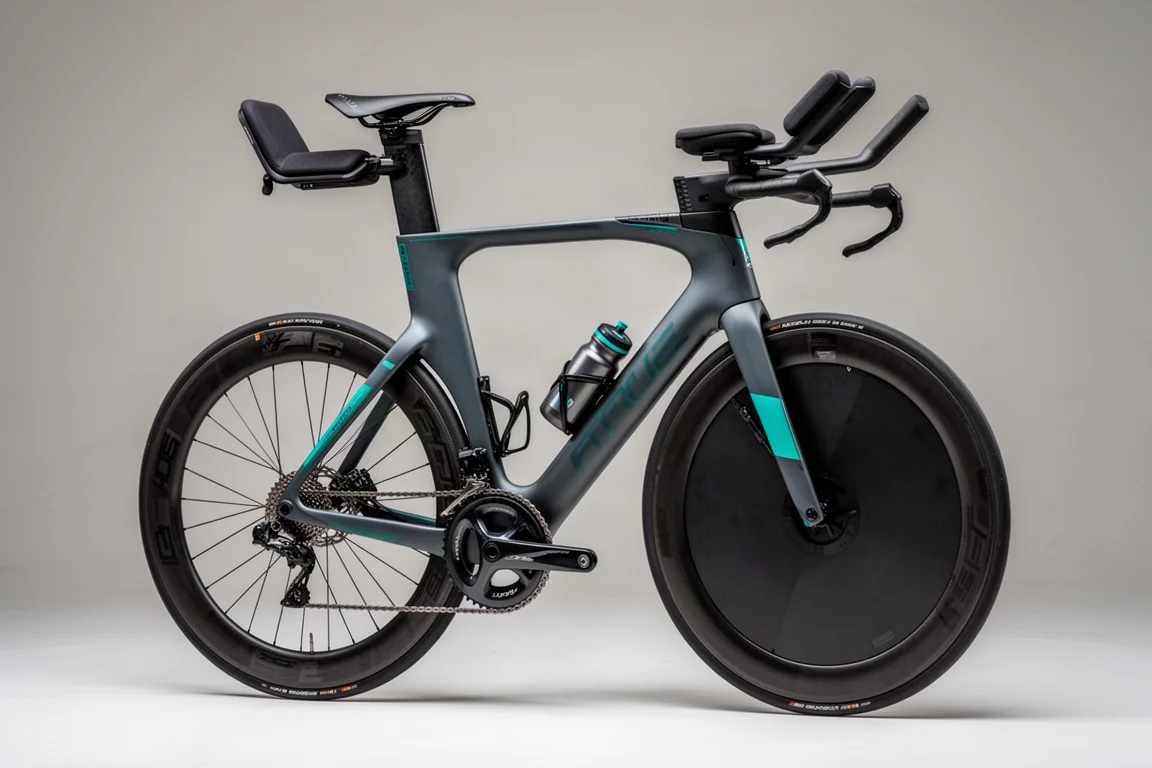
The Canyon Speedmax CFR is an out-and-out speed machine, and it carries the integration that dedicated triathlon bikes are known for. It weighs a little over 9.5 kg, roughly 2 kg more than the Aeroad.
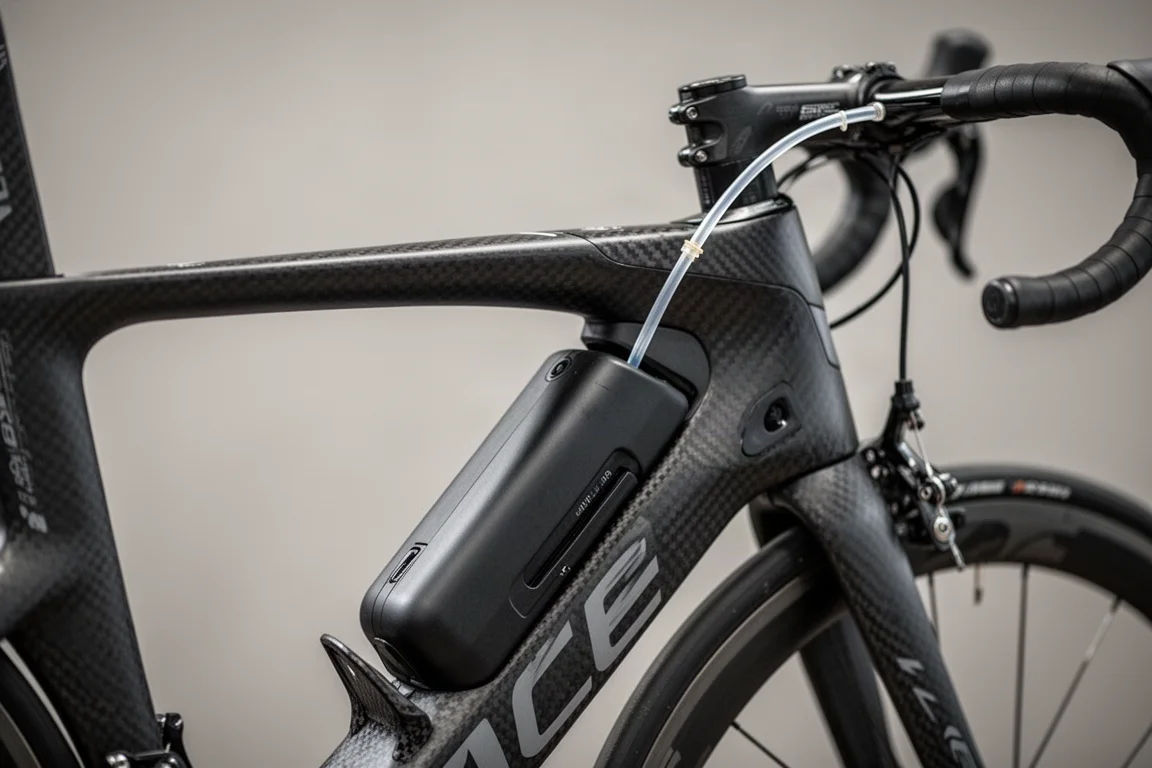
That extra weight is not wasted. The frame can carry an internal bladder with a straw poking out, there is an inbuilt bento box, an inbuilt storage compartment for spares, and the option for rear hydration mounted seamlessly to the seat post. These are the features that separate a triathlon bike from a road bike once you look past the frame shape.
On the flat section of the course the Speedmax was 11 seconds quicker, and it felt like a genuinely sustainable position to hold. That combination of aerodynamics and on-board practicality is the core argument for a triathlon bike, and it held up on the terrain where it was expected to.
Where the Time Actually Went
The overall result was close, but the individual sections tell a clearer story.
On the climb the road bike was 21 seconds quicker. Most of that gain came in the first 2.5 km, where the average gradient sat around 6%. The final 1.5 km of the climb, where the gradient eased, produced similar splits for both bikes.
On the flat the triathlon bike was 11 seconds quicker, which is a strong result for the Speedmax given how close the Aeroad ran it.
On the descent the road bike was quicker, but only by a single second. The Aeroad feels more agile, yet the Speedmax remained comfortable and controlled throughout.
Modelling of the same course before the ride favoured the triathlon bike by 11 seconds at 220 watts, by 13 seconds at 300 watts, and by 2 seconds at 120 watts. The real-world run flipped that at the tested effort, and the likely explanation is speed. Aerodynamics become a smaller factor below roughly 15 km/h, which for a strong rider tends to arrive at around a 7.5% gradient. On a 6% climb, the road bike was teetering near that threshold, and its 2 kg weight advantage started to matter more than its slightly higher drag.
Integration and Practicality on Race Day
There is a second, less measurable difference between the two bikes, and it shows up on race day.
To stay in the aero bars while drinking on the road bike, you would need to add a front hydration system. To carry bottles behind the saddle you would need cages. Gels would need a bento box, and spares would need to be attached somewhere on the frame. None of that is unusual, and plenty of riders do it well, but every addition is an extra purchase, an extra mounting point and an extra thing to get right before the start.
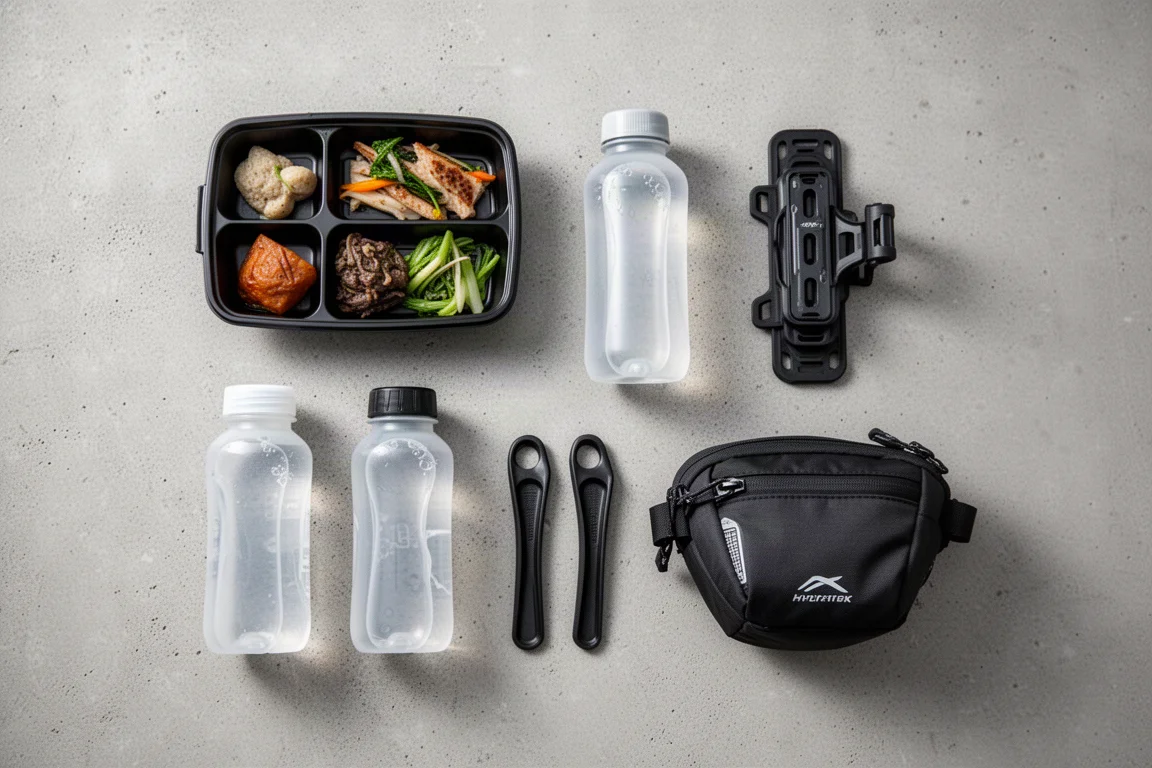
The Speedmax arrives with those solutions built in: internal hydration, integrated storage, a bento box and a clean rear hydration mount. On a long, flat course those details extend the aerodynamic advantage of the triathlon bike well beyond the frame itself, because a rider who is not stopping to reorganise bottles and gels is a rider who keeps moving.
Comfort, Confidence and Setup
Comfort deserves more weight than it usually gets in this debate.
The triathlon bike geometry is designed to place the rider in an aerodynamic position and, crucially, to sustain it for extended periods of time. That is not a small thing over a long race.
A road bike can get close, but it needs work. Raising the saddle and moving it forward for the aero bar position is the right move for anyone using aero bars on a road bike, and it made a real difference here. Even then, the position is a compromise compared with a bike built around the aero bars from the first sketch.
Buying Advice: Matching the Bike to Your Course
Course profile is the single most useful filter.
A course with long, flat sections plays directly into the hands of a triathlon bike. A course with lots of climbing, plenty of descending and almost no flat road plays into the hands of a road bike. Most real courses sit somewhere in between, which is why the decision comes back to the rider.

If you are weighing the two, be honest about three things: the gradient profile of your target race, how long you can comfortably hold an aero position, and how much you value integrated storage over a lighter, more agile frame. It is also worth noting that the Aeroad CFR used here is a top-of-the-line aero road bike, and a less aerodynamic road bike would likely show a larger gap to the Speedmax on flat terrain.
Conclusion
The conventional answer, that a triathlon bike is faster, is not wrong. It was faster on the flat, it carries integrated hydration and storage, and its geometry is built for sustained speed.
But the margin is smaller than many riders assume, and on a course with a real climb it can disappear entirely. A light, aerodynamic road bike with aero bars finished 11 seconds ahead over this route. The bike you are most confident and comfortable on is the one that will produce your best race, and if that is a road bike, the aero bars are the upgrade that keeps you honest.
Further reading
Related Reviews
Cycling
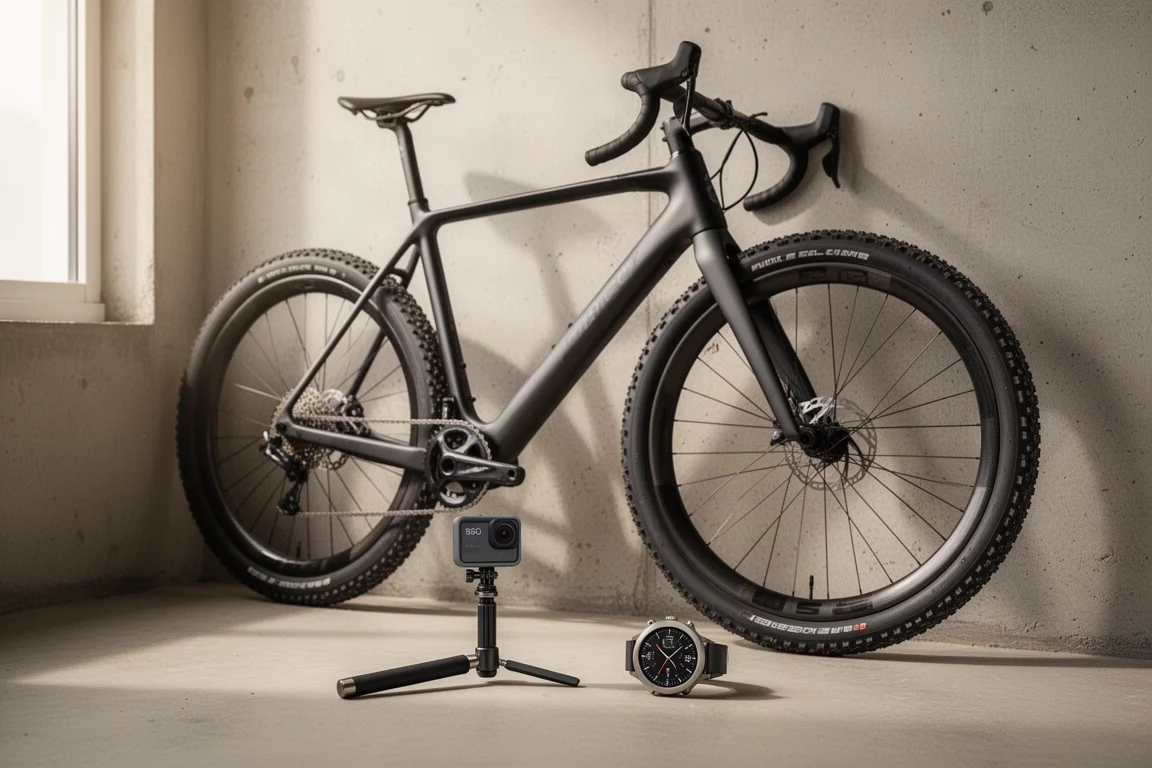
2026 Bike of the Year and the Cycling Gear Worth Watching
A drop bar roundup for 2026 covering the Ridley Kanzo Fast 2.0, Shimano Dura-Ace Di2 R9300, Trek Checkpoint ALR Gen 3, Specialized Tarmac SL9, Garmin Fenix 9 and Insta360 X6.
Cycling
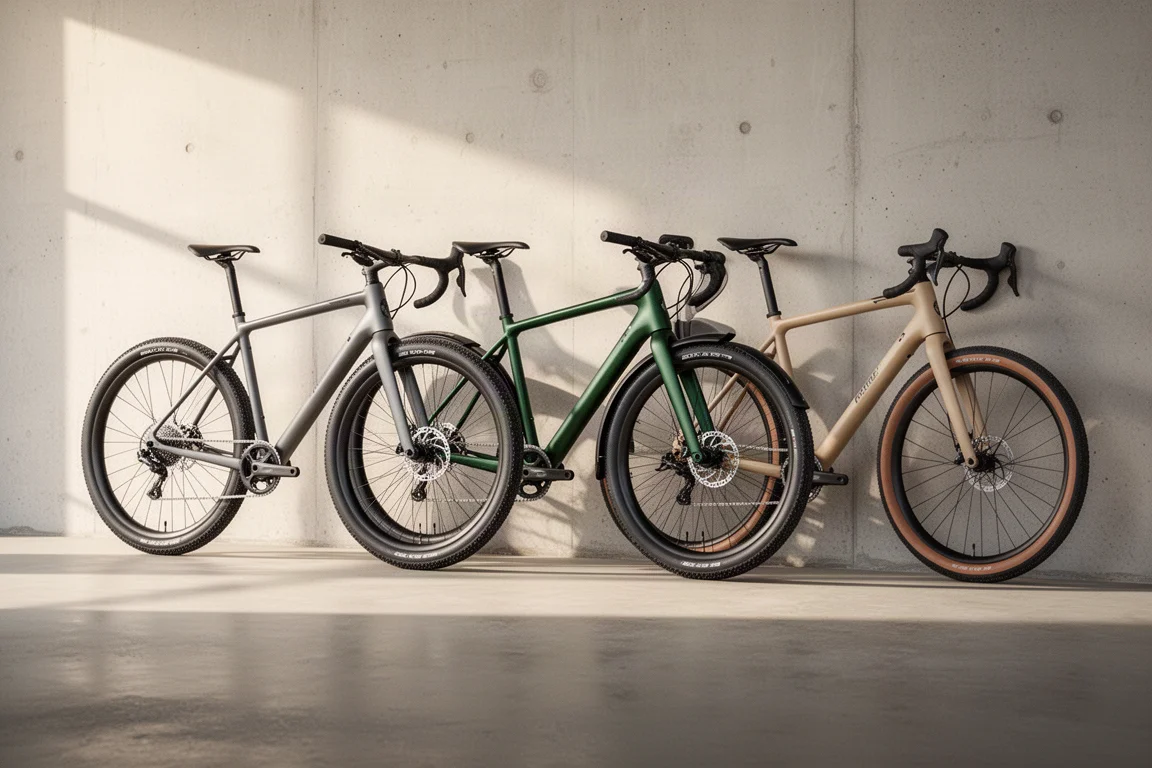
Best All-Road Bikes 2026: Six Versatile Endurance Road Bikes Worth Considering
A practical look at six all-road and endurance road bikes, from lightweight carbon speed machines to steel all-rounders and comfort-focused mile eaters.
Cycling
Best All-Road Bikes 2026: 8 Endurance Bikes for Road and Light Gravel
Eight all-road bikes that blur the line between endurance road and light gravel, compared on tire clearance, ride character, practicality, and value.