Cycling
Road Bike vs Gravel Bike on Strade Bianche: Wilier Filante, Wilier Rave and Pirelli Cinturato
A 184 km comparison of an aero road bike and a performance gravel bike across Tuscany's white gravel roads, and the tire choice that shapes the result.
Introduction
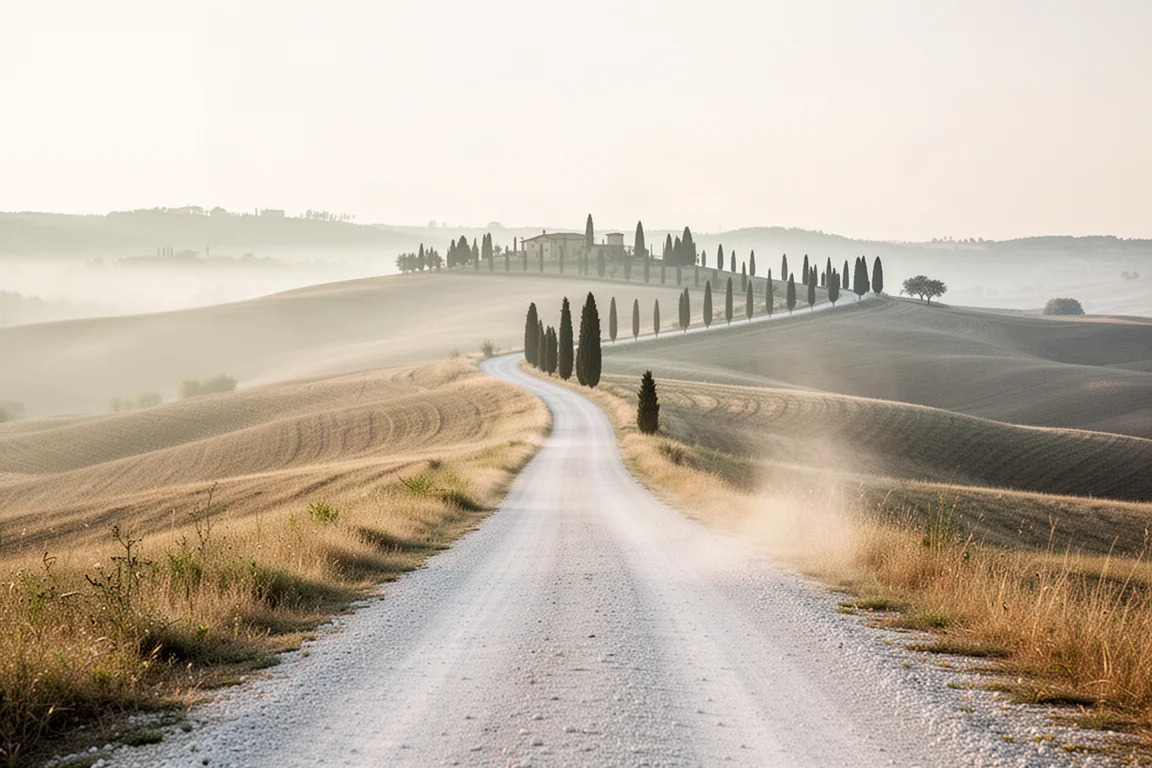
Strade Bianche is one of the most distinctive one-day races on the calendar. The route runs 184 km from Siena back to Siena, mixing modern tarmac with the traditional white gravel tracks that Tuscany is known for, and it has been part of the racing landscape since its first edition in 2007.
Around a third of the distance is raced on gravel, spread across 11 sectors, and those sectors are frequently where the race is decided. Professionals ride it on road bikes, which raises an obvious question: would a gravel bike be faster overall, or does the road bike still win on a course where the white roads matter most?
To find out, the full 184 km route was ridden on two bikes from the same Italian brand: a Wilier Filante aero road bike with 28 mm road tires, and a Wilier Rave gravel bike running 35 mm Pirelli Cinturato tires. Both bikes carried power meters so that effort could be compared directly on tarmac and on gravel. The short answer: in dry conditions the road bike and road tires came out ahead overall, but the gravel bike was considerably more comfortable and much quicker through the technical gravel.
What Strade Bianche Demands From a Bike
The 11 gravel sectors add up to more than 60 km of the route, and the terrain is relentless. The course is built from short, punchy climbs with gradients that reach double digits, roughly 3,000 m of climbing in total, and very few easy stretches. The first sector is a straight 2.1 km opener, while the longest and most technical is sector 8, the 11.5 km Monte Sante Marie, also known as the Cancellara sector and rated five stars.
That mix has allowed climbers, puncheurs, rouleurs and time trial specialists to do well here in the past. It also means a bike has to be fast on tarmac and still controllable on loose stone, which is exactly the trade-off this ride was set up to examine.
Wilier Filante: The Aero Road Option
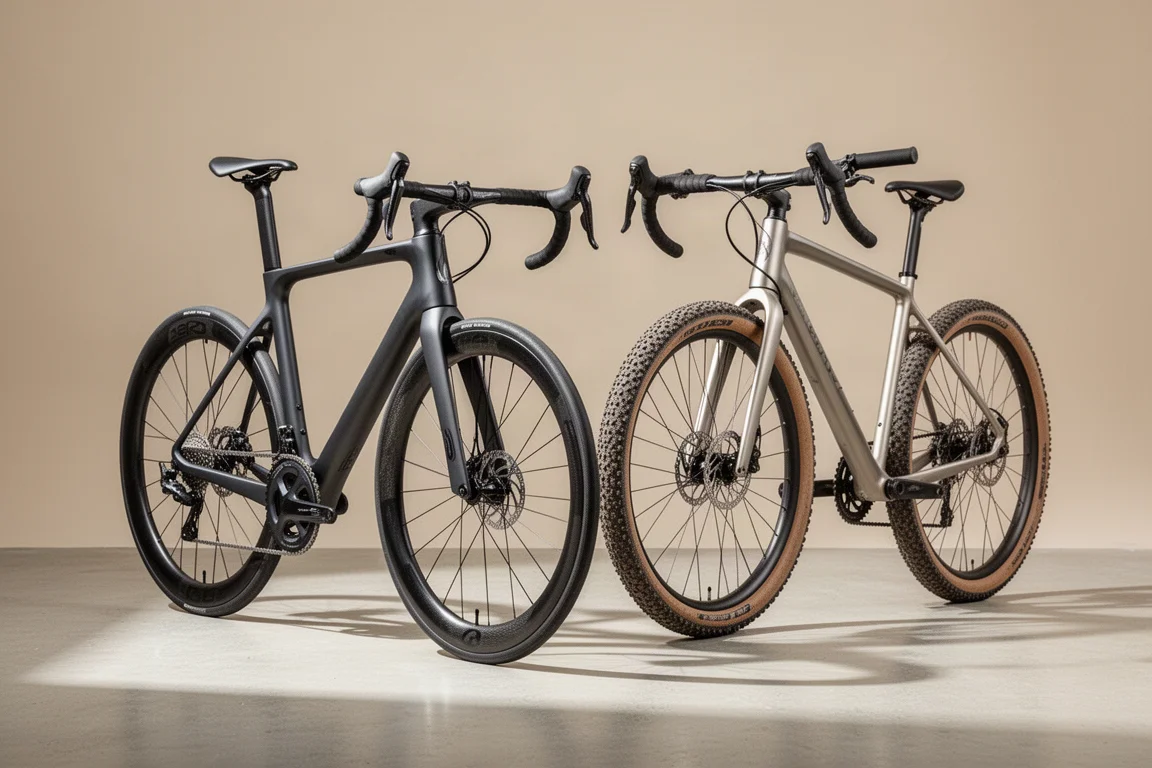
The Filante is an Italian aero road bike built for performance, drawing on more than a century of frame-building experience. The complete build sits at 7.2 kg, with a SRAM groupset and hydraulic disc brakes, and the frame itself weighs 870 g. Tire clearance runs up to 30 mm, although this ride used 28 mm rubber. It rolls on the brand’s own aero filament-wound carbon wheels, the same wheels used on the Rave.
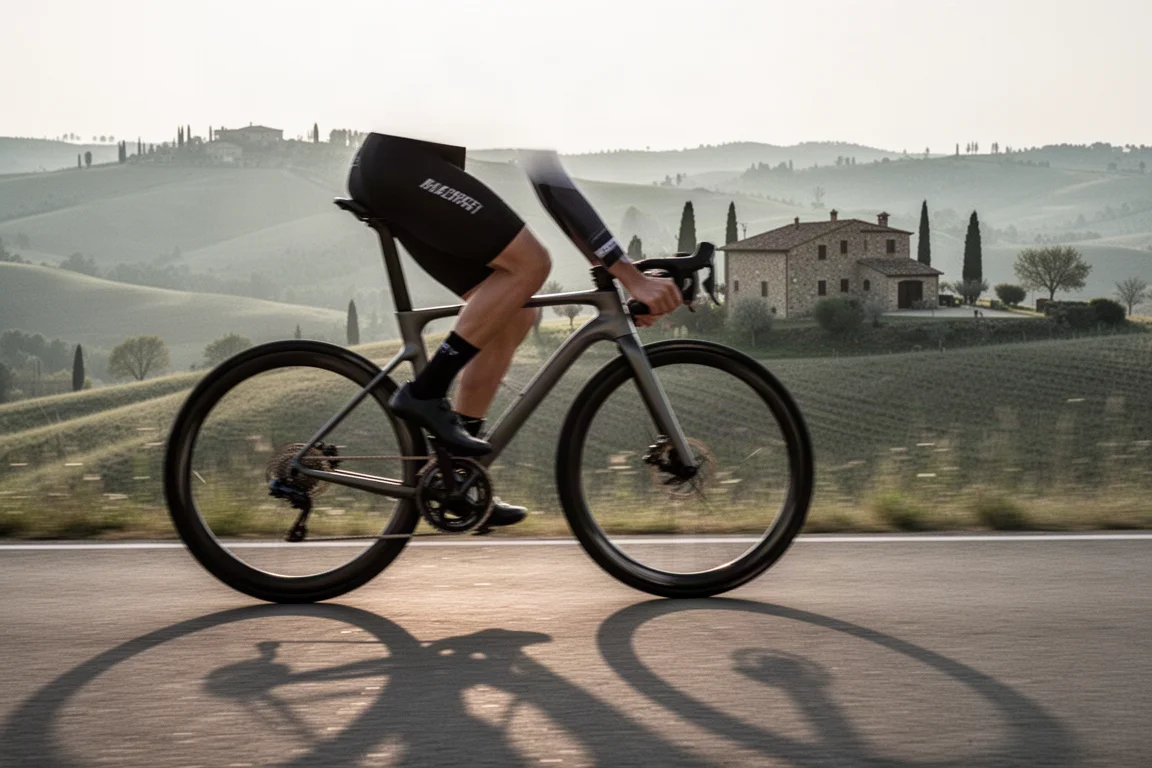
On tarmac the Filante is the faster machine. Aero tube shapes and narrow road tires keep rolling resistance low, and the power comparison showed a clear gap: holding 200 watts on a smooth section required noticeably more effort on the gravel bike, with the difference between the two tire setups put at around 20 watts of rolling resistance.
The trade-off appears as soon as the surface turns to stone. With less tire volume and less grip, the road setup is slower and more nervous through loose corners, and it takes more skill to carry speed through technical descents.
Wilier Rave: The Versatile Gravel Option
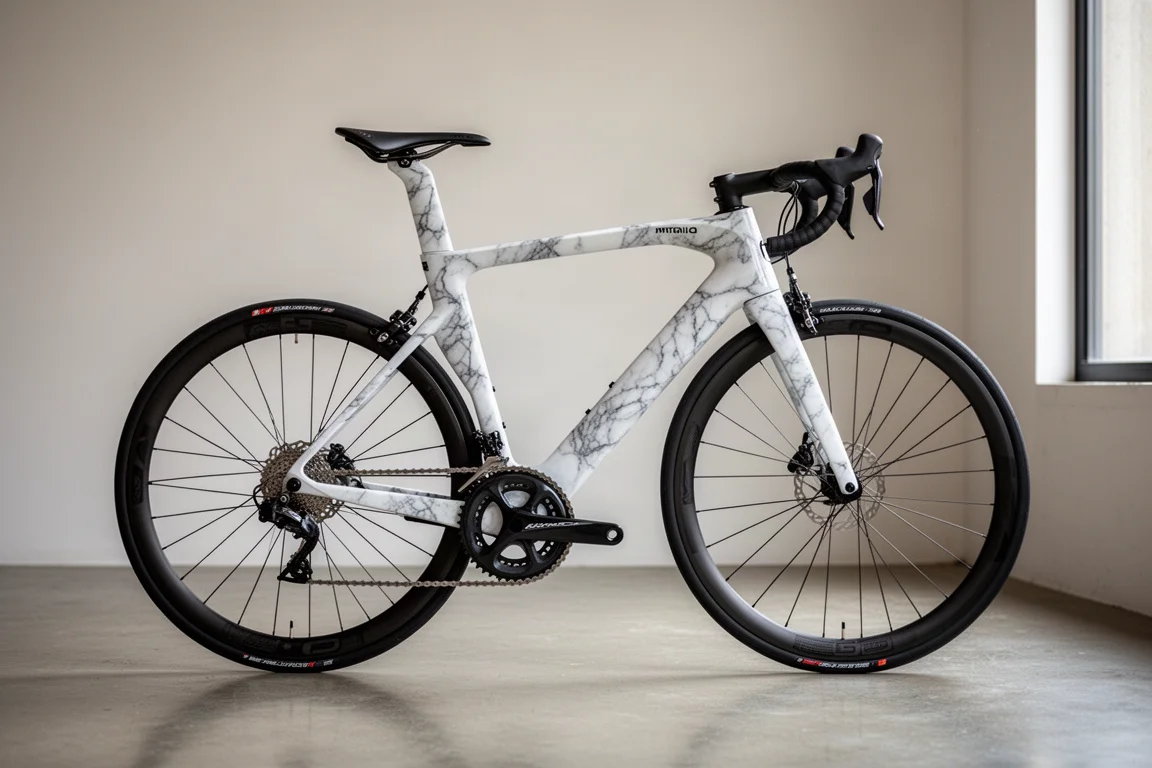
The Rave shares much of the Filante’s DNA but is a performance gravel bike built for racing, with clearance for tires up to 42 mm. This particular build is deliberately road-focused rather than fully gravel-oriented: a Dura-Ace Di2 groupset, a narrow aero cockpit and a racing double chainset, with 35 mm Pirelli Cinturato tires in place of road rubber. The frame weighs 950 g, only 80 g more than the Filante.
That 80 g gap matters less than it sounds. The larger tire volume delivers noticeably more comfort, allows lower pressures, and produces more grip through loose corners. On the long gravel sectors the Rave could corner far quicker and needed much less braking, which is where it clawed back the most time. It also has the flexibility to run skinny road tires or larger gravel tires depending on the day.
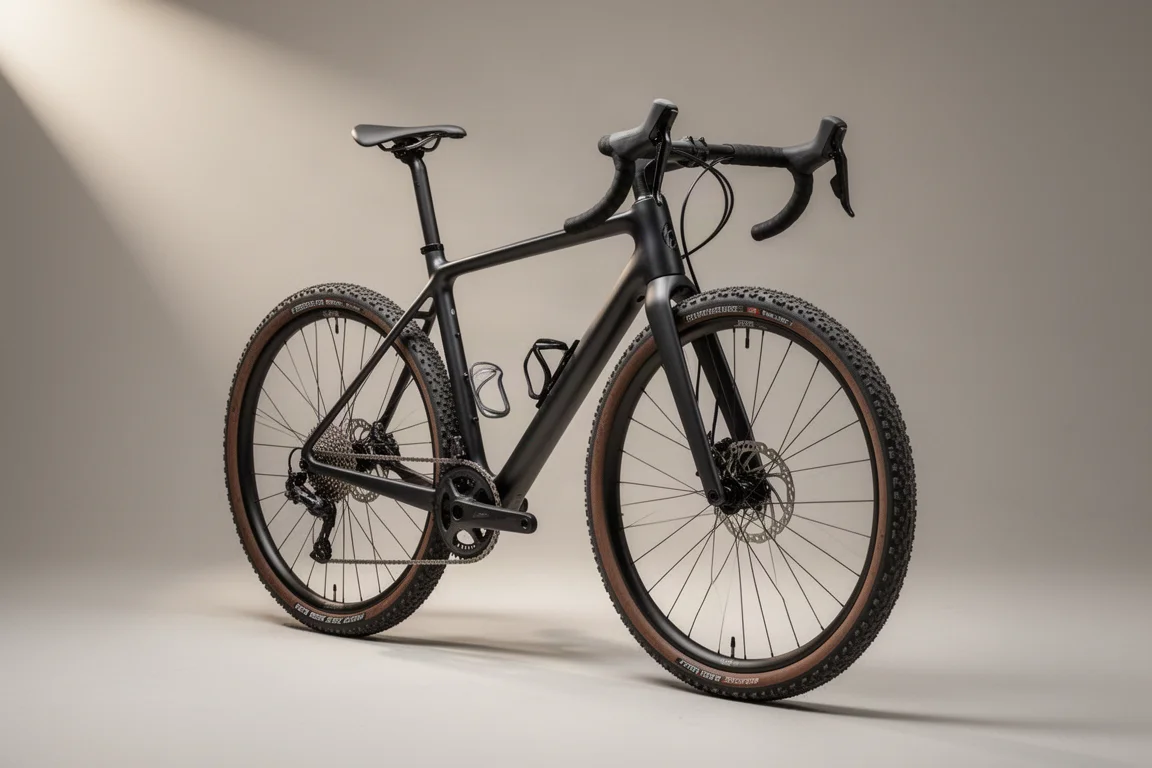
Pirelli Cinturato: The Gravel Tire Choice
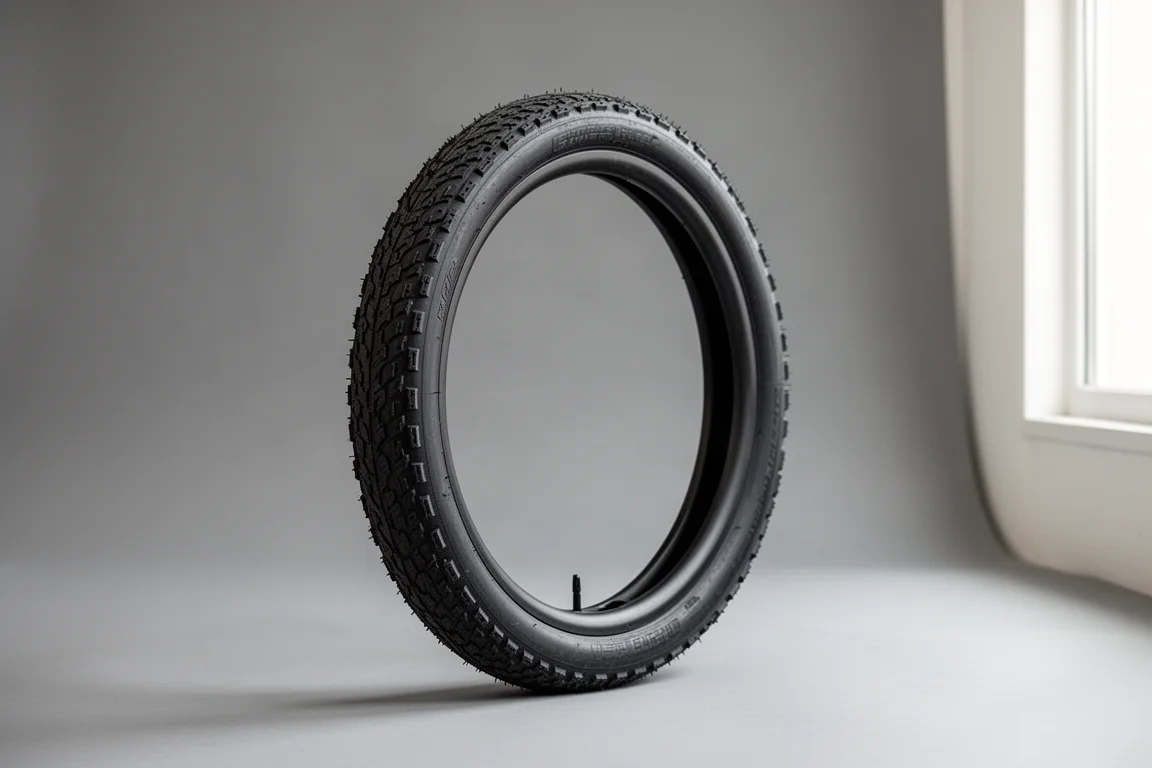
The 35 mm Pirelli Cinturato is the component that changes the character of the Rave. The extra volume cushions rough, washboard gravel, and the lower pressures it allows translate into grip on loose stone and speed through tight corners. On the longest sector of the route, that combination was worth minutes rather than seconds.
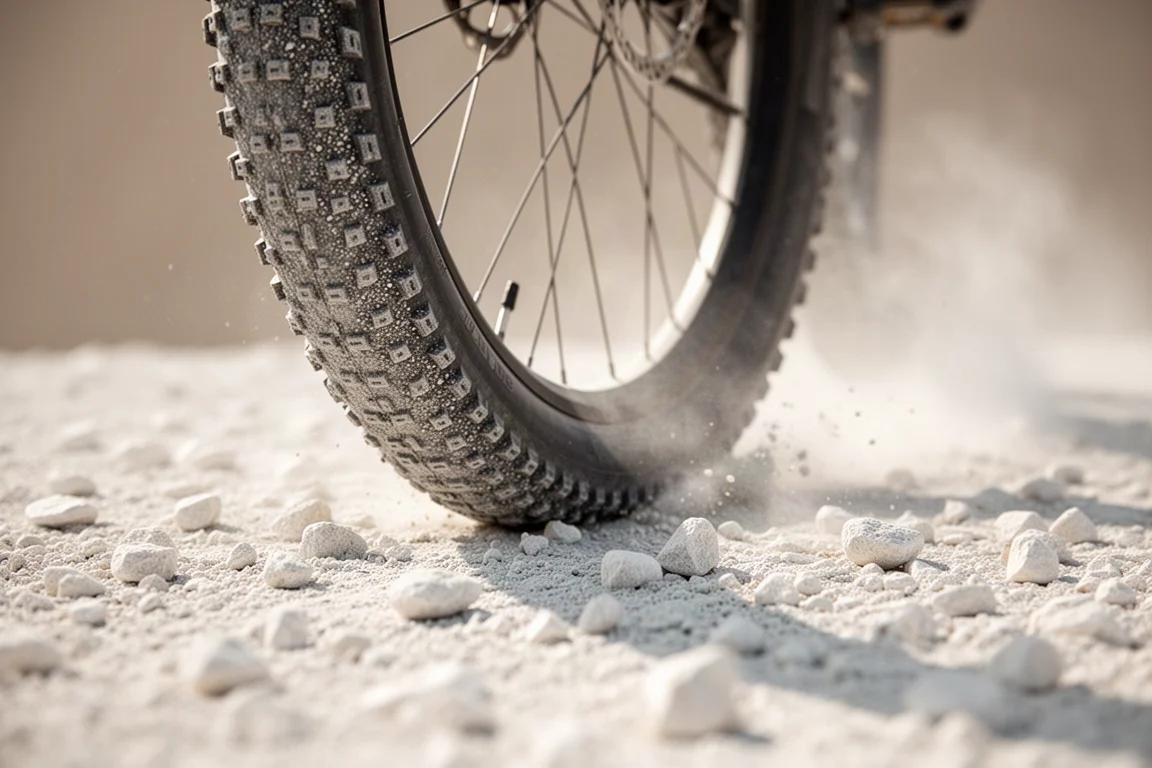
The cost shows up on smooth tarmac. The same tire that feels secure on gravel has higher rolling resistance and a slightly squirmy feel at speed on the road, and it is the main reason the gravel setup needed more power to hold the same pace. On tame, hard-packed gravel the road tire still rolled faster, so the Cinturato’s advantage is concentrated in the rougher, more technical sectors rather than the smooth ones.
Where Each Setup Gains and Loses Time
Comparing the two setups across the route makes the trade-off fairly clear. The gravel bike gained a significant margin on the 11.5 km Monte Sante Marie sector, mostly through faster cornering and less braking on the technical descent, and it stayed more comfortable over corrugated, stone-strewn surfaces. The road bike then pulled that time back on the tarmac, where its aerodynamics and lower rolling resistance were decisive.
Frame weight is a minor factor here. An 80 g difference between the two frames is marginal, and it is far smaller than the effect of tire choice. The deciding variables were grip, comfort and rolling resistance, not grams. The picture could also shift in wet weather, where extra grip on the white roads would likely count for more.
Buying Advice: Road Bike or Gravel Bike?
Over the full route, the road bike with road tires was the faster overall package in dry conditions, which is consistent with the fact that road bikes remain the standard choice for this style of racing. If your priority is outright speed on a course where tarmac still makes up most of the distance, the Filante is the logical pick, and its 30 mm clearance leaves a little room to move if you want a slightly softer ride.
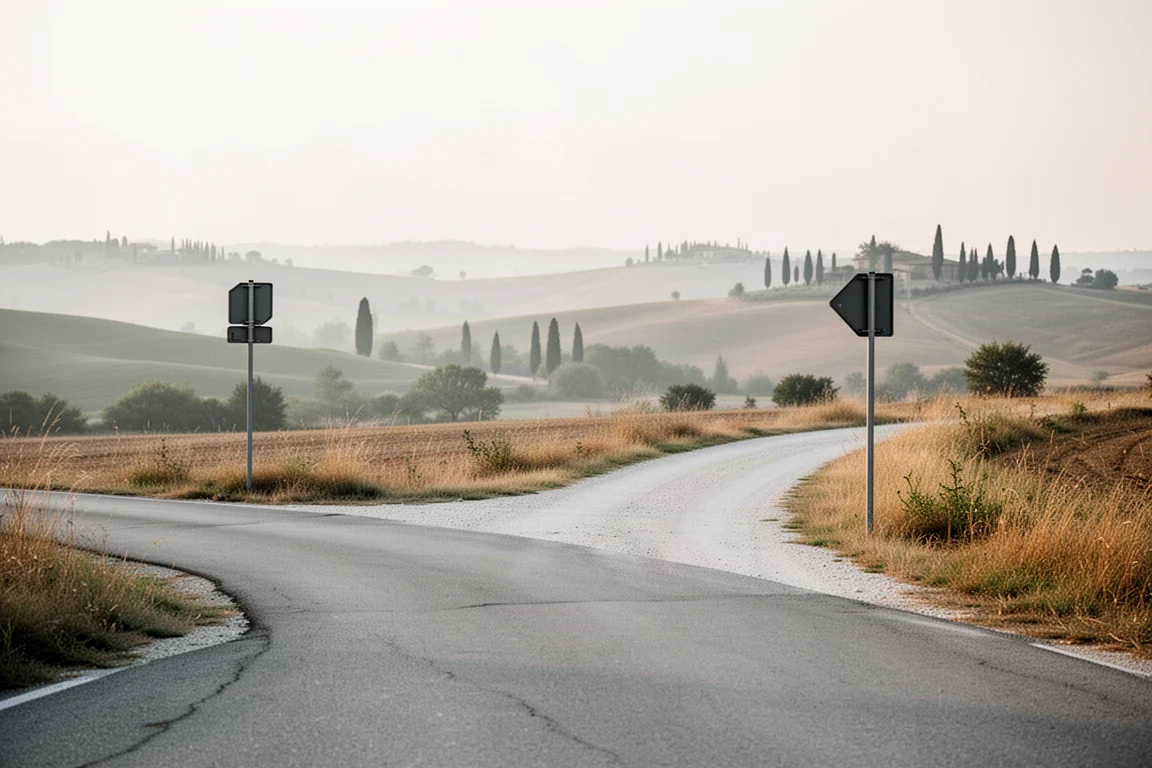
The Rave makes more sense if you want one bike that covers both worlds. Fit road tires and it is close to a road bike in efficiency, with a small aerodynamic penalty and only 80 g more frame weight; fit the 35 mm Cinturato tires and it becomes far more capable and enjoyable on gravel, particularly for riders who are less experienced off-road. For a long day over mixed surfaces, that versatility is worth more than a marginal weight difference.
Both bikes are quick, and neither choice is a mistake. The decision comes down to how much of your riding happens on smooth tarmac and how much happens on loose stone, and to how much you value comfort when the surface turns rough.
Conclusion
The two bikes are built for the same roads but answer different questions. The Wilier Filante is the specialist: light, aero and quick, with clearance up to 30 mm and 28 mm tires fitted for this route. The Wilier Rave is the generalist: 42 mm clearance, a road-focused build, and enough comfort to make rough gravel far less punishing. The Pirelli Cinturato tires were the single biggest variable in the comparison, trading tarmac speed for gravel grip and comfort.
For a dry mixed-surface course where most of the distance is on tarmac, the road setup came out ahead. For riders who value control, comfort and one bike that can handle both surfaces, the gravel route is the more forgiving choice.
Further reading
Related Reviews
Cycling
2026 Bike of the Year and the Cycling Gear Worth Watching
A drop bar roundup for 2026 covering the Ridley Kanzo Fast 2.0, Shimano Dura-Ace Di2 R9300, Trek Checkpoint ALR Gen 3, Specialized Tarmac SL9, Garmin Fenix 9 and Insta360 X6.
Cycling
Best All-Road Bikes 2026: Six Versatile Endurance Road Bikes Worth Considering
A practical look at six all-road and endurance road bikes, from lightweight carbon speed machines to steel all-rounders and comfort-focused mile eaters.
Cycling
Best All-Road Bikes 2026: 8 Endurance Bikes for Road and Light Gravel
Eight all-road bikes that blur the line between endurance road and light gravel, compared on tire clearance, ride character, practicality, and value.