Cycling Gear
Road Bike vs Gravel Bike: Pinarello Dogma X, Grevil F and Pirelli Cinturato Evo Compared
A 1,500 metre Alpine route mixing tarmac and gravel shows how an endurance road bike, a performance gravel bike and a slick gravel tire each change the ride.
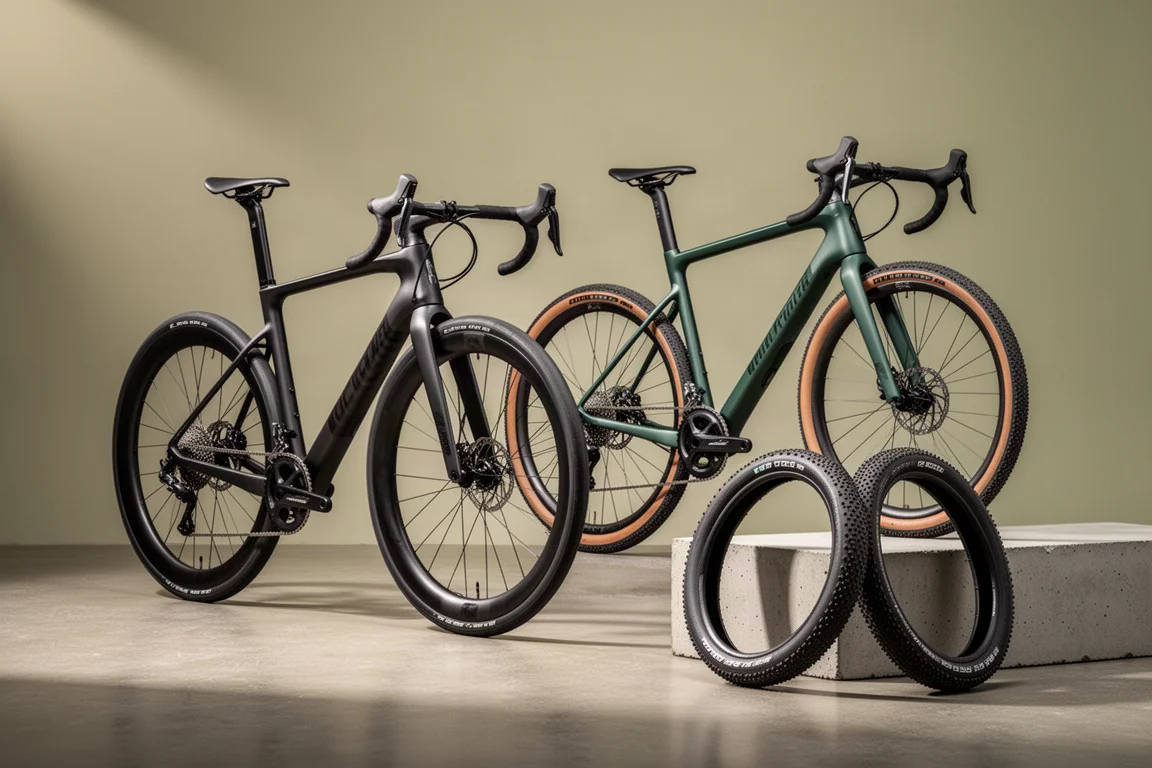
Introduction
The idea of one bike that genuinely does everything keeps resurfacing, and it usually arrives in the form of two questions. If you fit very wide tires to an endurance road bike, do you effectively end up with a gravel bike? And if you fit slick, fast-rolling tires to a gravel bike, do you effectively end up with a road bike?
Gravel bikes have been with us for around a decade now, and they have become genuinely popular rather than a niche experiment. In the same period, road bikes have grown more versatile, with more clearance and more forgiving geometry than the race machines of ten years ago. That overlap is exactly what makes the two questions worth asking again.
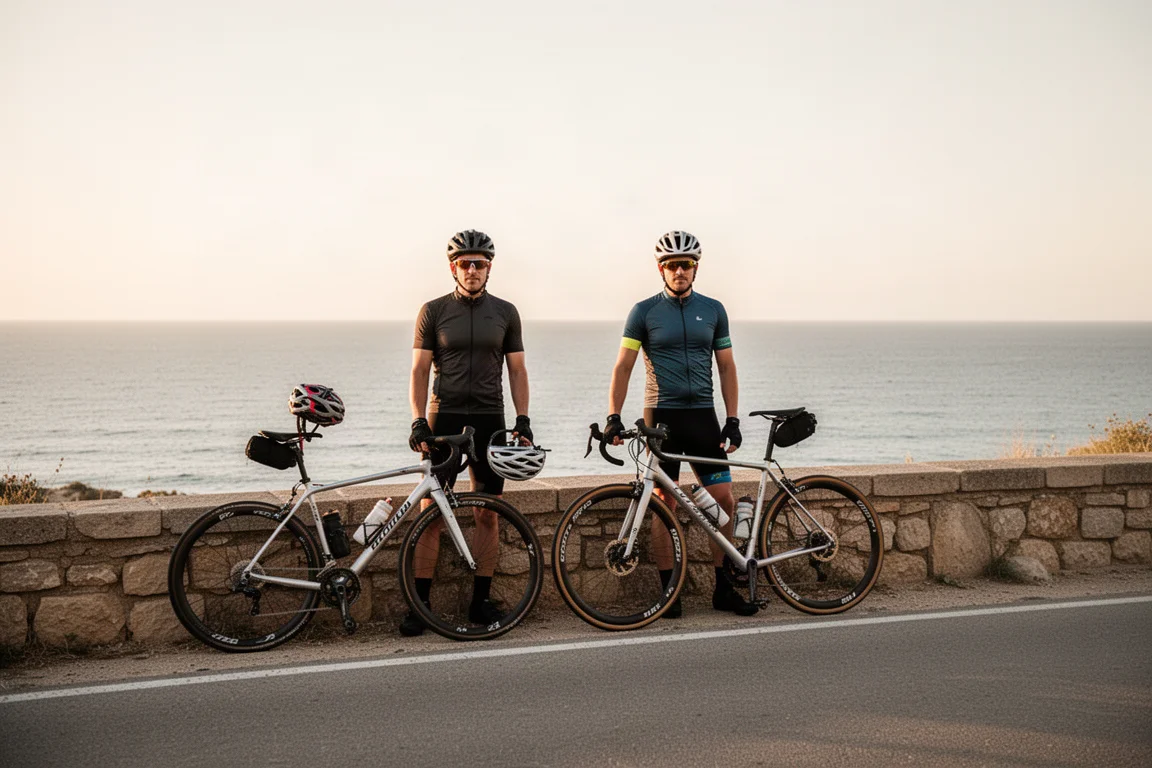
A ride of roughly 1,500 metres of climbing in the French Alps, mixing tarmac and deteriorating mountain roads, put both ideas to the test. Three pieces of equipment shaped the outcome: the Pinarello Dogma X, the Pinarello Grevil F and the Pirelli Cinturato Evo tire.
The Test Route: Coast, Col and Gravel
The route started on the coast and headed north, straight into the Alps. The roads grew steadily rougher as the elevation climbed, which is a useful way to find the point at which a bike or a tire stops being comfortable. From the coastal town the road rises onto the Col de Madone, a long and well known climb where a light, fast road bike feels like the natural choice. After the summit, the surface turns to gravel, and the day finishes with a long descent of around 15 kilometres back down into town.
That combination is the interesting part. A climb of that length rewards low weight and efficient pedalling, while the gravel section rewards tire volume, grip and puncture resistance. The final descent, on smooth tarmac, rewards confidence and stability at speed. Very few riders get all three from one setup, which is precisely why the equipment choices mattered so much on this ride.
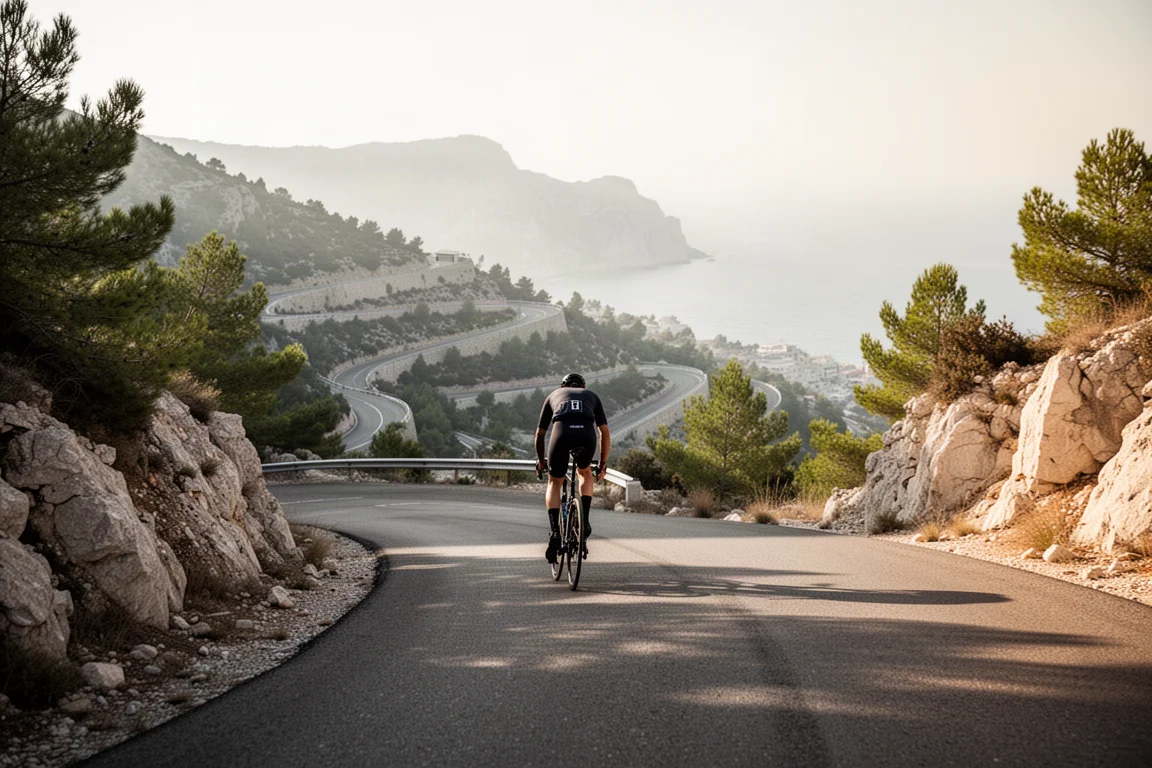
The mixed surface also changes how you read a bike. On tarmac, the gap between an endurance road frame and a performance gravel frame is smaller than most riders expect, particularly once both are wearing slick or lightly treaded tires. On loose stone, the same two bikes feel far more different, and the deciding factor is usually not the frame but the rubber underneath it.
Pinarello Dogma X: Endurance Road Bike With Room for Wide Tires
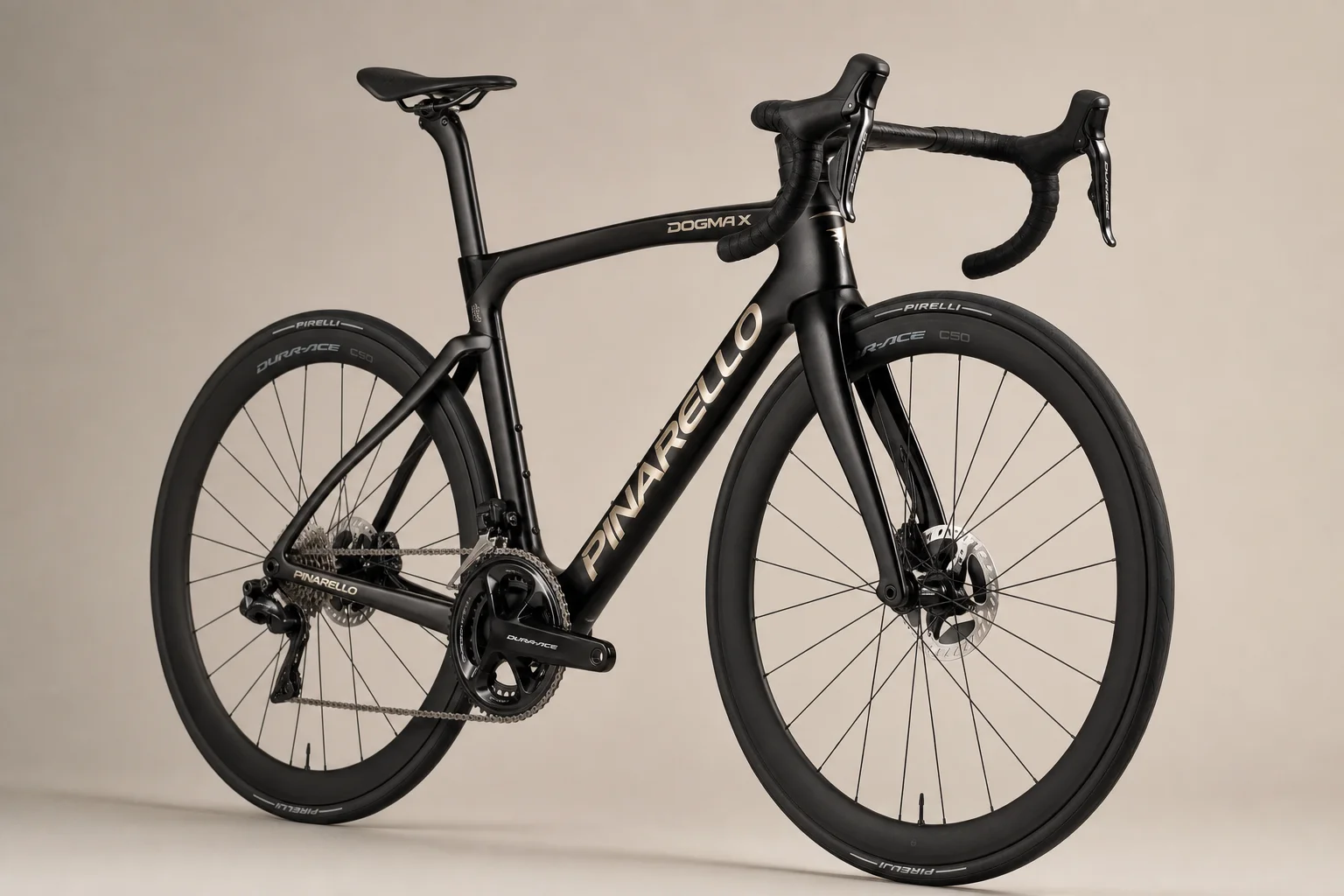
The Pinarello Dogma X is an endurance road bike, which means the priority is all-day comfort rather than an uncompromising racing position. It uses a higher than average front end and more compliance at the rear, so the rider can stay on it for long hours without the position becoming a limiting factor. For anyone who cannot or does not want to fit onto an out-and-out racing bike, that geometry is the whole point.
What makes it relevant to this discussion is tire clearance. The Dogma X was run with 35 mm Pirelli road tires and still had room to spare. That is a lot of volume for a road bike, and it is the main reason the bike stayed composed on broken tarmac and on the smoother gravel sections. Running slightly lower pressure in those tires made the fast road descent genuinely enjoyable, with good confidence through sweeping bends and hairpins.
The frame has also proved itself well beyond tarmac. A professional rider used a Dogma X at the gravel world championships, took a podium place on it, and was competitive again the following year, squeezing 40 mm knobbly tires into the frame. That is a useful reference point for how much surface a road bike with generous clearance can realistically handle.
Where the setup gave ground was on the loosest, rockiest gravel. Grip was acceptable for most of the ride, but the very loose sections were clearly a job for a treaded tire. There was also puncture concern, and that concern turned out to be justified later in the ride.
Pinarello Grevil F: A Performance Gravel Bike
The Pinarello Grevil F approaches gravel from the opposite direction. It is a performance gravel bike built to go as fast as possible, so it carries a lower front end than an endurance road frame, allowing a more aggressive riding position, and a stiffer rear end for maximum power transfer. It can take large tires, but that capability exists to support speed rather than to soften the ride.
The build here paired a set of Princeton Grit wheels with Pirelli Cinturato Evo tires. On paper that is an unusual combination for a gravel bike, because the Cinturato Evo is slick like a road tire while being designed with the durability and robustness of a gravel tire. The result is a bike that looks like a road bike at a glance. The giveaway is the gap between the down tube and the top of the tire, which shows how much larger a gravel tire could be fitted.
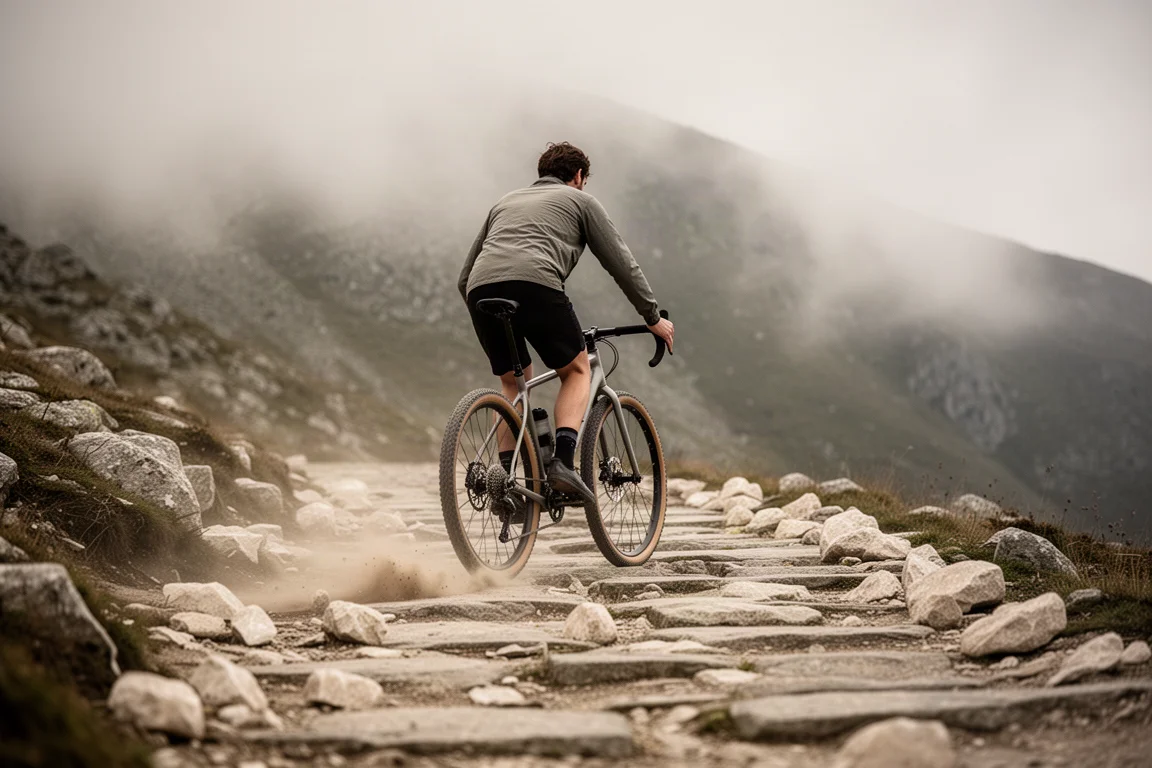
Riding that setup on tarmac was a highlight. A gravel bike on slick tires descends beautifully, and the rider noted that very little goes downhill quite like it. Tire choice is a significant part of that: rolling resistance is a noticeable thing, and on road rides the fastest available tires are always the sensible pick. For general use, 40 mm tires were the preferred width on this frame, with the option to go wider still when the surface demands it.
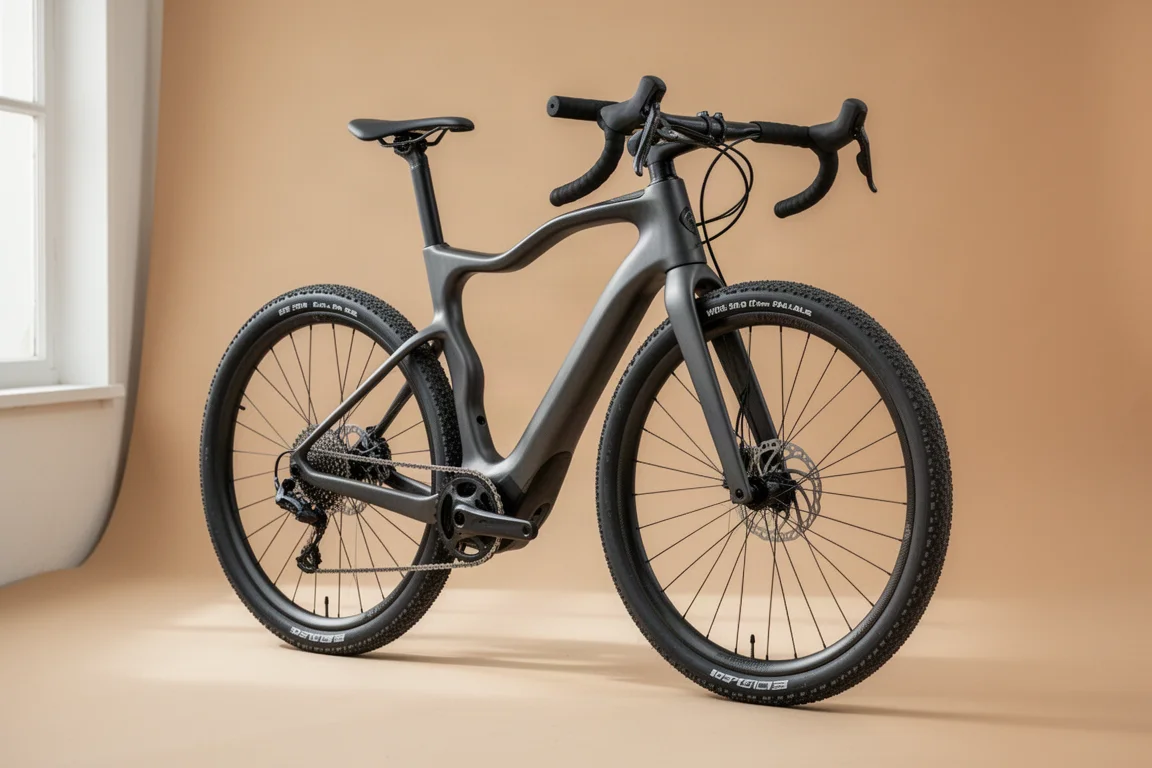
The trade-off is position. The lower front end and stiffer rear end reward a rider who wants to push hard, but they are less forgiving over a long day than the endurance geometry of the Dogma X. It is a bike that suits an aggressive rider on mixed terrain rather than someone looking for maximum comfort.
Pirelli Cinturato Evo: Slick Tread, Gravel Toughness
The Pirelli Cinturato Evo sits between two categories by design. It has a slick profile like a road tire, but it is built to carry the durability and robustness expected of a gravel tire. In rolling resistance terms it lands around the level of a mid-range tire, which is a meaningful consideration given how large the gap can be between budget, mid-range and premium tires.
That positioning explains a lot about how it rides. It rolls quickly on tarmac and provides a reassuring level of protection on rougher surfaces, which is exactly the confidence a rider wants when committing to a long descent on unknown ground. It also gave enough grip to ride loose gravel with reasonable composure, though the absence of tread blocks becomes apparent in the very loose, chunky sections. The range goes up to a 55 mm width, so the same model can be specced considerably wider for more demanding terrain.
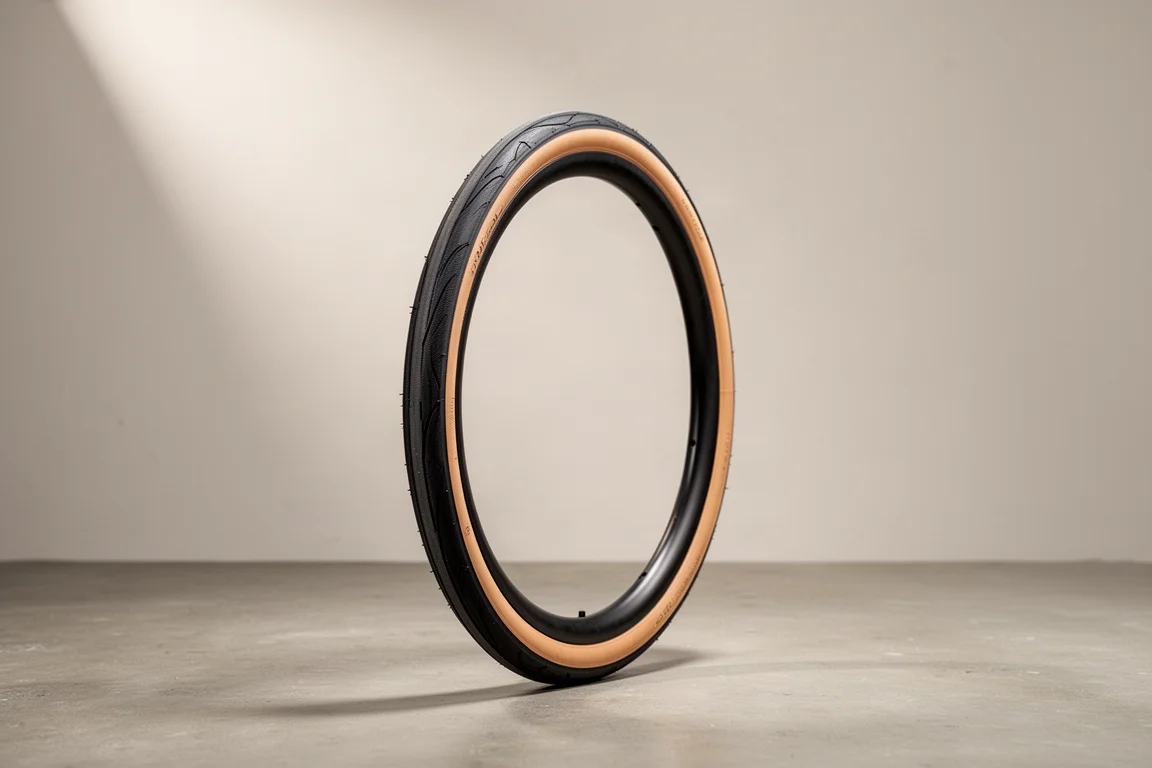
For riders who spend most of their time on tarmac with occasional gravel detours, this is a compelling middle ground. For riders who plan serious gravel regularly, a treaded gravel tire remains the safer choice.
The Tire Trade-Off: Puncture Resistance vs Rolling Speed
The puncture that ended part of this ride was a pinch flat, which is worth understanding properly. A pinch flat has nothing to do with whether a tire is designed for gravel or for road. It happens when the tire hits an obstacle too hard without enough air pressure inside it, and it is made more likely by running inner tubes rather than a tubeless setup.
That said, the underlying trade-off in tire design is real and simple. To make a tire more puncture resistant you can either add more rubber to the tread, which is why mountain bike tires tend to be so tough, or add puncture resistant layers into the carcass. Both approaches make a tire roll slower. A manufacturer building a road tire will therefore make it as light and fast as possible with just the right amount of protection for tarmac, accepting that a little gravel is possible but not the main event. A tire intended for gravel needs those extra layers, and it gives up some speed on tarmac in return.
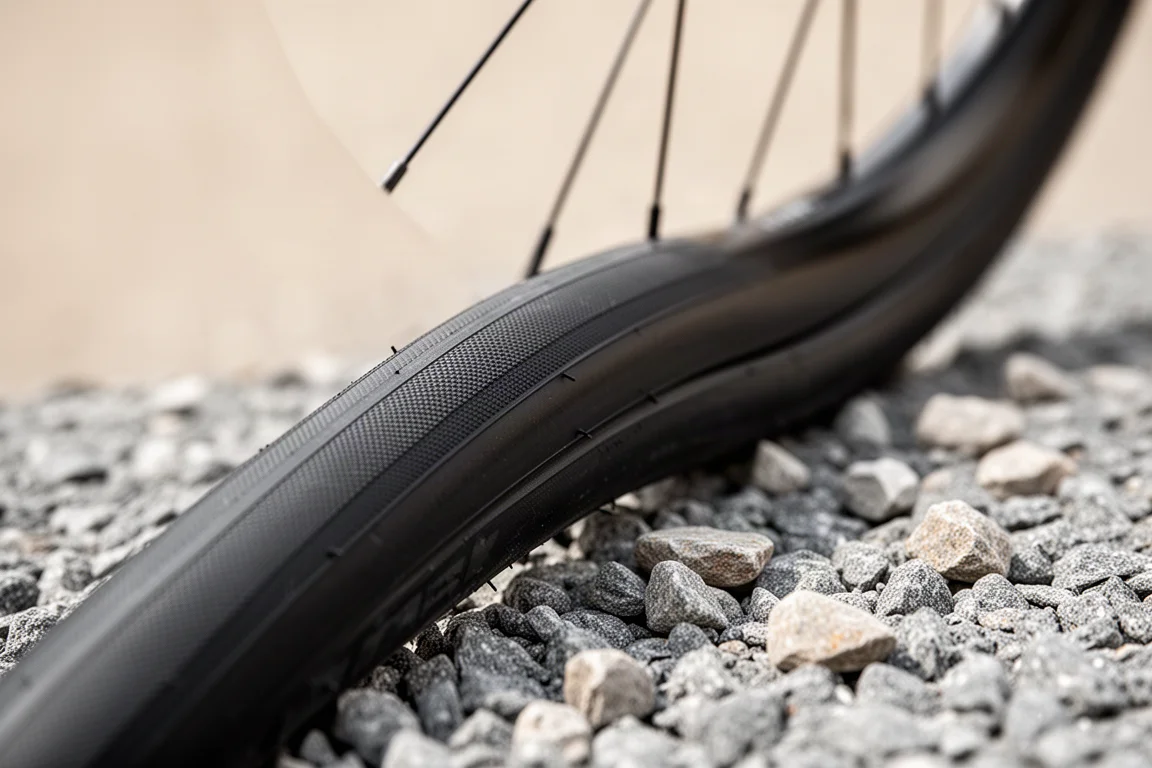
The practical question is therefore not which tire is better, but how much gravel you actually ride and how much puncture resistance you are willing to pay for in rolling speed. The anxiety matters too. Riding a road tire on loose stone is fine for bike handling in most cases, but the constant worry about puncturing changes how fast and how confidently you ride, particularly when you are on your own. That psychological margin is a legitimate reason to choose a tougher tire even when the numbers say otherwise.
Overall Buying Advice
The honest answer to the original question is that the categories have converged, and that is a good thing for buyers. A road bike with generous clearance and a gravel bike with slick tires can both cover a very similar range of riding, and the difference between them comes down to geometry and priority rather than capability.
Choose the Pinarello Dogma X if comfort over long distances is the priority and you want a bike that feels fast on tarmac while still accepting wide rubber. It suits riders who want a higher front end, more rear compliance and the flexibility to fit 35 mm tires, or wider, for rougher days.
Choose the Pinarello Grevil F if you want a lower, more aggressive position and a stiffer rear end for hard efforts, and if you are happy to accept a firmer ride in exchange. It is the more performance-oriented of the two, and it remains remarkably quick on tarmac when fitted with fast tires.
Choose the Pirelli Cinturato Evo if your riding is mostly tarmac with regular gravel mixed in and you want a single tire that handles both without drama, up to a 55 mm width if you want more volume. If your gravel is consistently loose and rocky, a treaded gravel tire will still be the more confident option.
Conclusion
Ten years ago it was reasonable to assume that a road bike and a gravel bike would remain clearly separate tools. That is no longer the case. On this route, an endurance road bike with 35 mm tires and a performance gravel bike with slick tires both handled tarmac and gravel, and both delivered a memorable descent at the end of the day.
The choice between them is now mostly about the position you want, the comfort you need and the surfaces you genuinely ride. Buy for the terrain you spend the most time on, fit the fastest tires you can get away with for that terrain, and you will get far more out of either bike than the category labels suggest.
Further reading
Related Reviews
Cycling Gear
8 Cycling Products Riders Keep Coming Back To
Eight cycling components and accessories with clear strengths, honest trade-offs and long-standing reputations among riders and mechanics.
Cycling Gear
Aero Helmets and Bottle Setups Tested: Six Options Ranked by Measured Watt Savings
Wind tunnel data on six aero helmets and bottle setups, with real watt savings, practical trade-offs, and guidance on what is worth buying first.
Cycling Gear
Aero Road Bikes and Fast Tires Worth Watching in 2026
Four aero road bikes and one fast road tire, with the real strengths, the open questions, and what to check before you buy.