Road Bikes
Road Bike Value Compared: Specialized Allez Sprint LTD, Canyon Ultimate CF SL 8 and Cannondale CAAD13
Three road bikes at three different price points, and an honest look at where the money actually goes when you buy a complete build.
Introduction
Road bikes have become noticeably more expensive, and that shift has made the idea of value harder to pin down. A bike that looked like good sense a few years ago can now sit well above what most riders expect to pay, and the gap between an aluminium race frame and a carbon one is not always as wide as the price difference suggests.
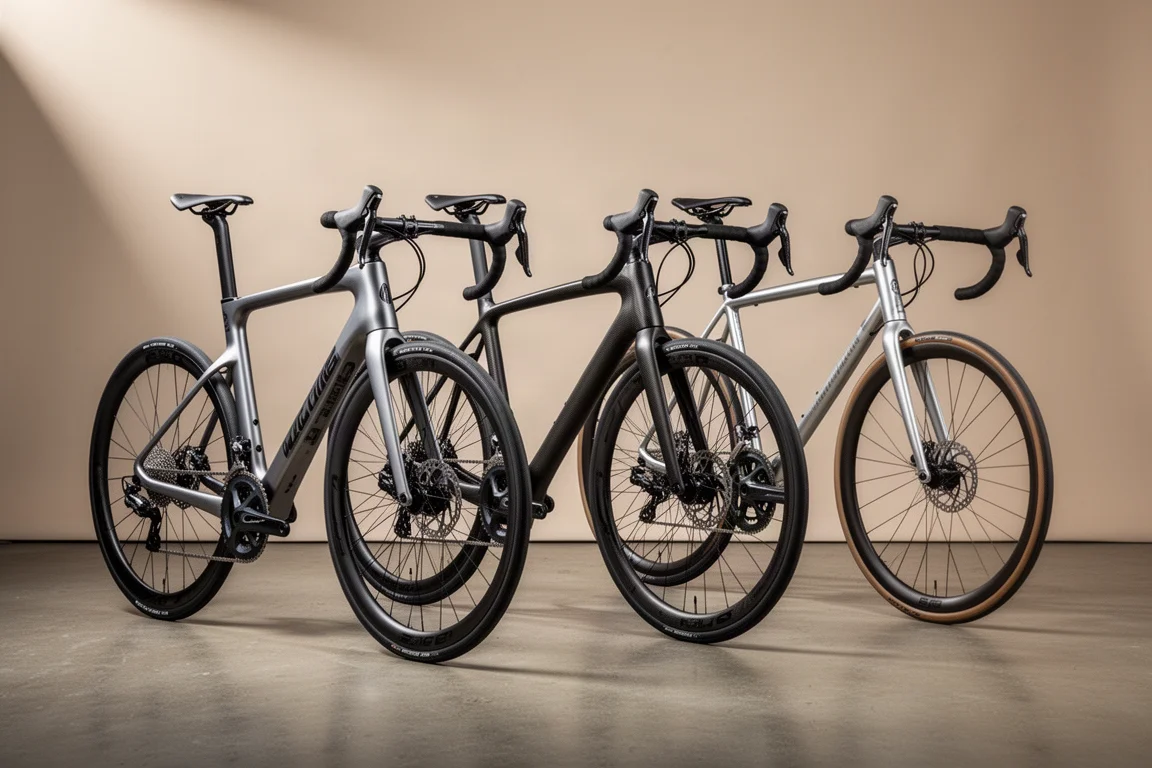
This comparison looks at three bikes that occupy different points on that spectrum: the Specialized Allez Sprint LTD, the Canyon Ultimate CF SL 8 and the Cannondale CAAD13. Each one approaches the same question from a different angle, and together they show where money genuinely buys performance and where it mostly buys convenience.
What Counts as Good Value in a Modern Road Bike
The starting point for any value discussion is what a complete bike actually includes. Across current off-the-shelf builds, the point at which you can expect a second-tier groupset, carbon wheels and a decent finishing kit is roughly the 4,000 to 5,000 mark. Below that, something usually has to give: either the groupset drops a tier, the wheels become heavier alloy items, or the cockpit and saddle are chosen to hit a price rather than a specification.

That threshold matters because it reframes the whole argument. Two bikes can carry very different price tags and still deliver a similar ride if one of them spends its budget on components that suit your riding and the other spends it on components you would replace anyway.
Value also depends on what you already own and what you intend to change. A rider who plans to swap wheels, bars and saddle in the first year is effectively paying twice for those parts, while a rider who is happy with the stock build gets the full benefit of the money spent. Neither approach is wrong, but they lead to different conclusions about the same bike.
Specialized Allez Sprint LTD: Purpose-Built for Crit Racing
The Allez Sprint LTD is the closest off-the-shelf aluminium comparison, and it is also the most expensive bike in this group at $6,800. Availability is limited to the US market, which makes it a harder proposition for riders elsewhere.
Its build centres on a previous-generation SRAM Force AXS groupset in a one-by configuration, paired with a quality wheelset. The bar, stem and saddle are standard items rather than upgraded ones, so the money goes into the drivetrain and the frame rather than the contact points.
The one-by gearing is the detail that defines who this bike is for. With a single chainring up front, the range suits criterium racing or riders who live somewhere genuinely flat. Anyone facing long climbs or mixed terrain will feel the compromise, and that alone makes the Allez Sprint LTD a specialist purchase rather than a general one.
Canyon Ultimate CF SL 8: The Closer Comparison
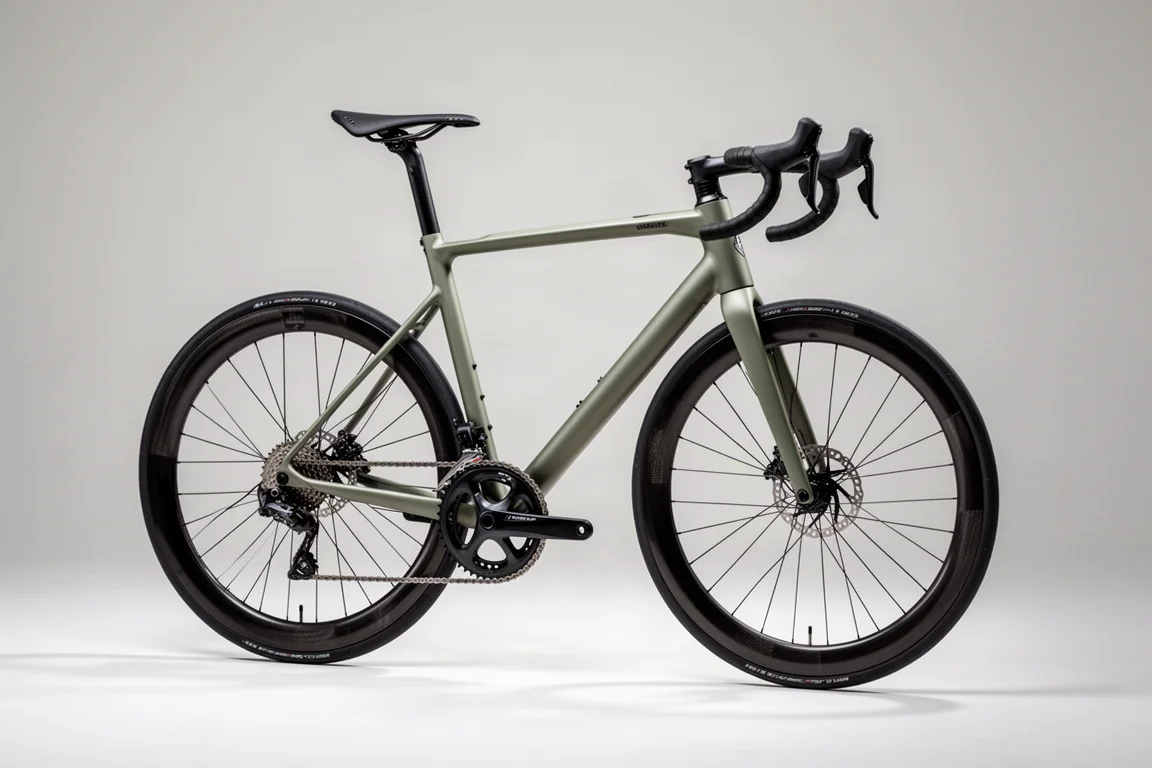
The Ultimate CF SL 8 is the more practical comparison, and for most riders it is the easier bike to live with. It arrives with carbon finishing kit apart from the saddle, good tires, capable wheels and a power meter, which means much of what a rider would otherwise add is already fitted.

This is the entry-level version of the Ultimate, so it uses the least sophisticated carbon layup in the Canyon range. That sounds like a meaningful limitation, but for the majority of riders the difference will be far less noticeable than the saving. It also comes in at a claimed 7.86 kg, which is a competitive figure for a complete bike in this bracket.
The real strength here is that the bike is finished. There is no parts hunting, no waiting on compatibility checks and no second round of spending to reach a sensible specification. In the sub-5,000 category, this is the bike that makes the strongest case for itself.
Cannondale CAAD13: Why It Is Harder to Recommend as a Full Build
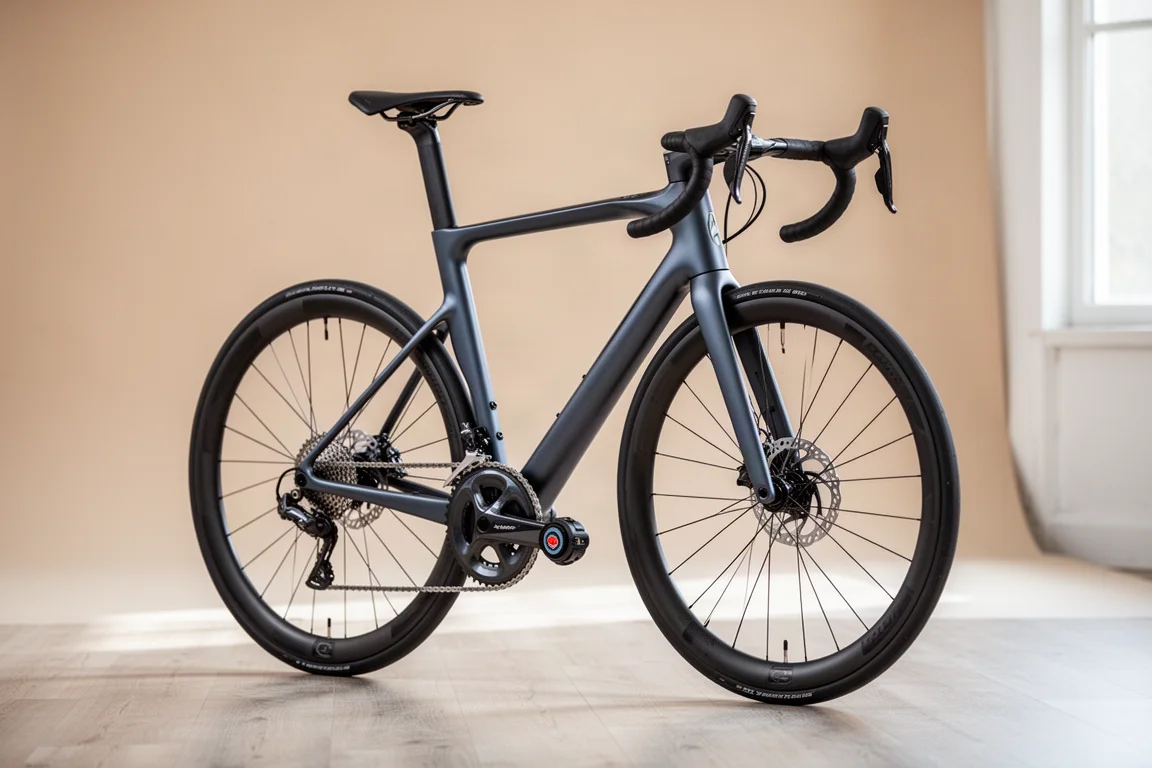
The CAAD13 is a well-established aluminium platform, and it is often suggested as the sensible alternative to a carbon frame. The difficulty is not the frame but the complete builds available around it.
The best full build you can get is a Shimano 105 Di2 version, which will not perform at the level a performance-focused rider is likely to want. Reaching that level means replacing components that you never wanted in the first place, and by the time the swaps are done the total cost is considerably higher than the original build suggested.
There is also a timing consideration. The CAAD13 has been on the market for a long time, so a successor is a reasonable expectation. Anyone buying now should go in with their eyes open about how the platform’s lifecycle might affect resale and parts availability.
Weight Savings, Seasonal Setups and Long-Term Cost
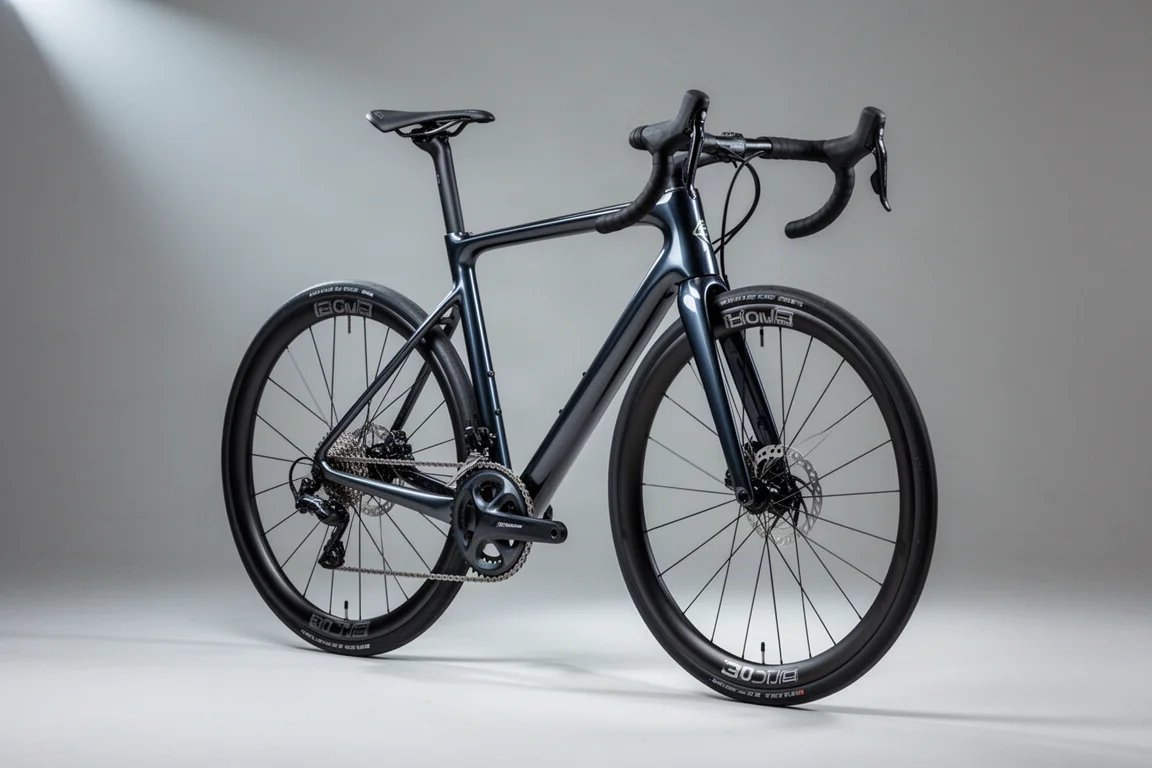
Weight is where the value argument becomes most concrete. A bike can be tuned for the season ahead, and the cheapest grams are usually the ones taken from the outer edge of the wheel. Swapping to lighter tires can remove a couple of hundred grams from the rotating mass, which changes how responsive a bike feels far more than the same weight saved anywhere else.
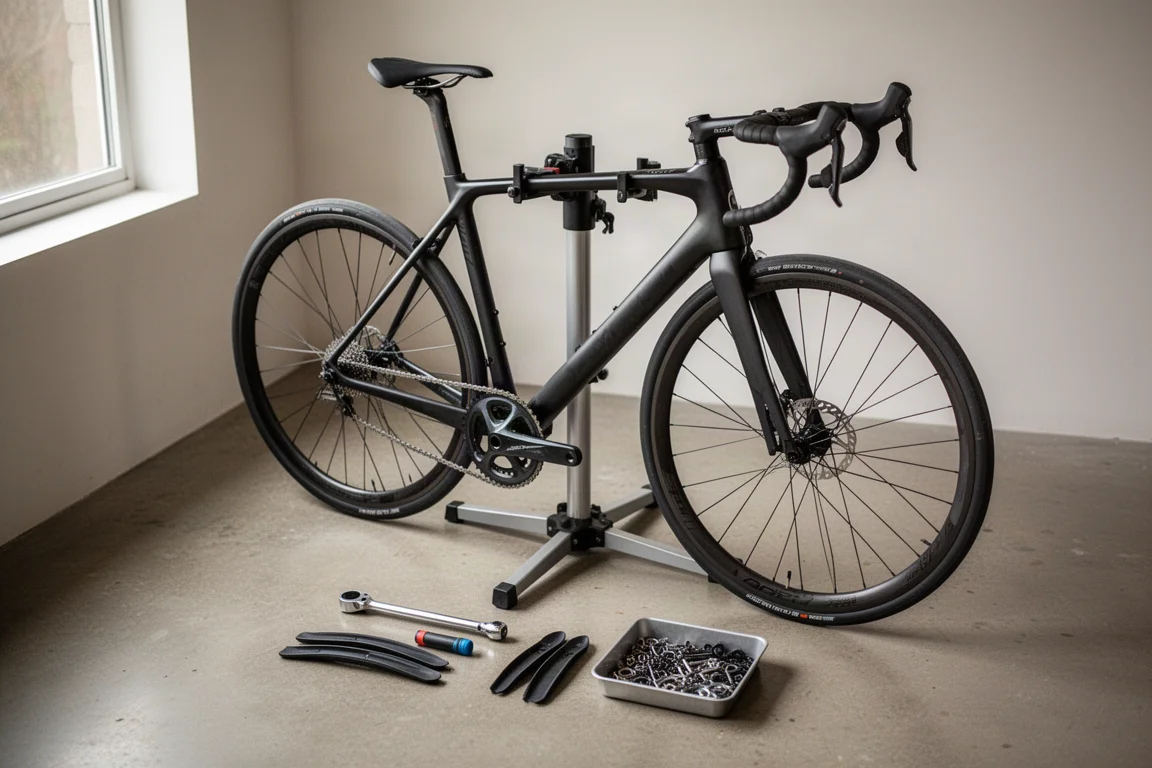
That kind of adjustment is straightforward on a build you control, and much harder on a fixed off-the-shelf bike. On a complete bike, saving the same weight in the same places usually means replacing wheels or components outright, which brings the cost back up. The Ultimate’s claimed 7.86 kg is a useful reference point, but a bike that starts heavier and is set up deliberately can end up lighter and better suited once the right parts are in place.
None of this changes the fact that bikes cost more than they used to. It does mean that the definition of good value has to shift with it, from the lowest sticker price to the lowest total cost of getting the bike you actually want.
Who Each Bike Suits Best
The Allez Sprint LTD suits a US-based criterium racer, or a rider on genuinely flat roads, who wants a sharp aluminium race frame with a one-by drivetrain and is comfortable paying a premium for it.
The Canyon Ultimate CF SL 8 suits the rider who wants a complete, well-specified bike without assembling it piece by piece. It is the most straightforward recommendation for the widest range of riders, particularly below the 5,000 mark.
The CAAD13 suits a rider who wants an aluminium frame as a long-term project and is prepared to upgrade it over time. As a stock purchase, though, it asks for more money and more patience than the alternatives here.
Buying Advice
If you want one answer, the Ultimate CF SL 8 is the bike that makes the fewest demands on its owner. It comes with the parts most riders would choose anyway, and it leaves the budget intact for tires, a saddle and the small changes that make a bike feel personal.

If you enjoy specifying a bike yourself, the calculation changes. A frame-up build lets you decide where the money goes and avoids paying for components you would replace regardless, which is where the strongest value case can be made, even if the headline price looks higher.
Whatever you choose, decide on your riding first and your specification second. Gearing, wheel weight and cockpit fit will shape your experience far more than the badge on the down tube, and those are the areas where spending is most likely to feel worthwhile.
Conclusion
The Allez Sprint LTD, the Ultimate CF SL 8 and the CAAD13 each make sense for a specific kind of rider. The Allez Sprint LTD is a specialist race machine with a price to match, the Ultimate CF SL 8 is the most complete and practical package in this group, and the CAAD13 is best treated as a platform to build on rather than a finished purchase. Value comes down to how closely a bike’s stock specification matches what you would have chosen yourself.
Further reading
Related Reviews

Road Bikes
10 New Road Bikes Worth Watching: Aero, Titanium, Steel and Endurance Standouts
A practical roundup of 10 new road bikes, from aero flagships chasing single-watt gains to titanium, steel and endurance platforms built for real roads.
Road Bikes
2026 Tour de France Road Bikes: Six Race Machines Worth a Closer Look
Six race bikes from the 2026 Tour de France grid, reviewed for paint, silhouette, wheels and the specification details that matter to buyers.
Road Bikes
3T Strada Italia Review: A Radical Aero Road Bike That Rides Smooth
A made in Italy carbon aero road bike with a deep head tube, wide tire clearance and a genuinely comfortable ride. Here is what to know before buying.