Cycling
Road Bike or Gravel Bike? Four Ways to Build One Bike for Tarmac and Gravel
An endurance road bike, a performance gravel frame, a slick gravel tire and a fast gravel wheelset, and what each one actually changes on a mixed tarmac and gravel route.
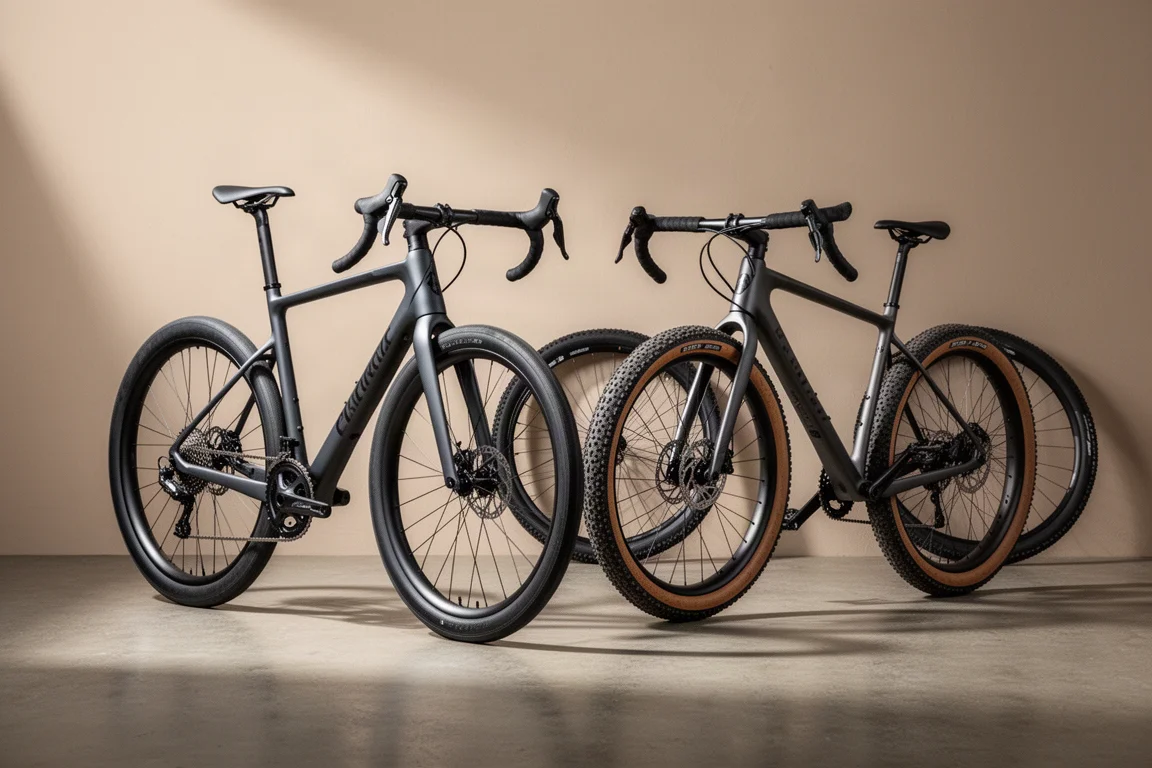
Introduction
The appeal of one bike that covers everything is easy to understand. The awkward part is working out where the line now sits between an endurance road bike and a gravel bike. Road frames keep gaining tire clearance, gravel frames keep getting faster, and the labels on the box tell you less than they used to.
A route that climbs 1,500 metres, starts on the Mediterranean coast, pushes north into the Alps and mixes tarmac with steadily deteriorating surfaces is a useful test. It exposes geometry, tire choice and puncture resistance in a single ride, and it shows that the equipment question is usually answered by two things: how high the front end sits, and what rubber is fitted.
This guide looks at four pieces that shape that answer. The Pinarello Dogma X is an endurance road bike with unusually generous clearance. The Pinarello Grevil F is a performance gravel bike built around speed. The Pirelli Cinturato Evo is a slick gravel tire, and the Princeton Grit is the wheelset fitted to the gravel build.
What Mattered on This Route
The ride profile set the priorities. Long tarmac climbs reward a light, efficient bike with a position you can hold for hours. Rougher surfaces reward tire volume, grip and the confidence that you are not about to puncture. The final descent back to the coast, on smooth tarmac, rewards everything that rolls quickly.
Four factors kept deciding the outcome. Front-end height determines how long you can stay comfortable. Rear-end compliance decides how fresh you feel after 1,500 metres of climbing. Tire clearance decides which surfaces are even possible. And tread and puncture protection decide how much of the ride you spend worrying.
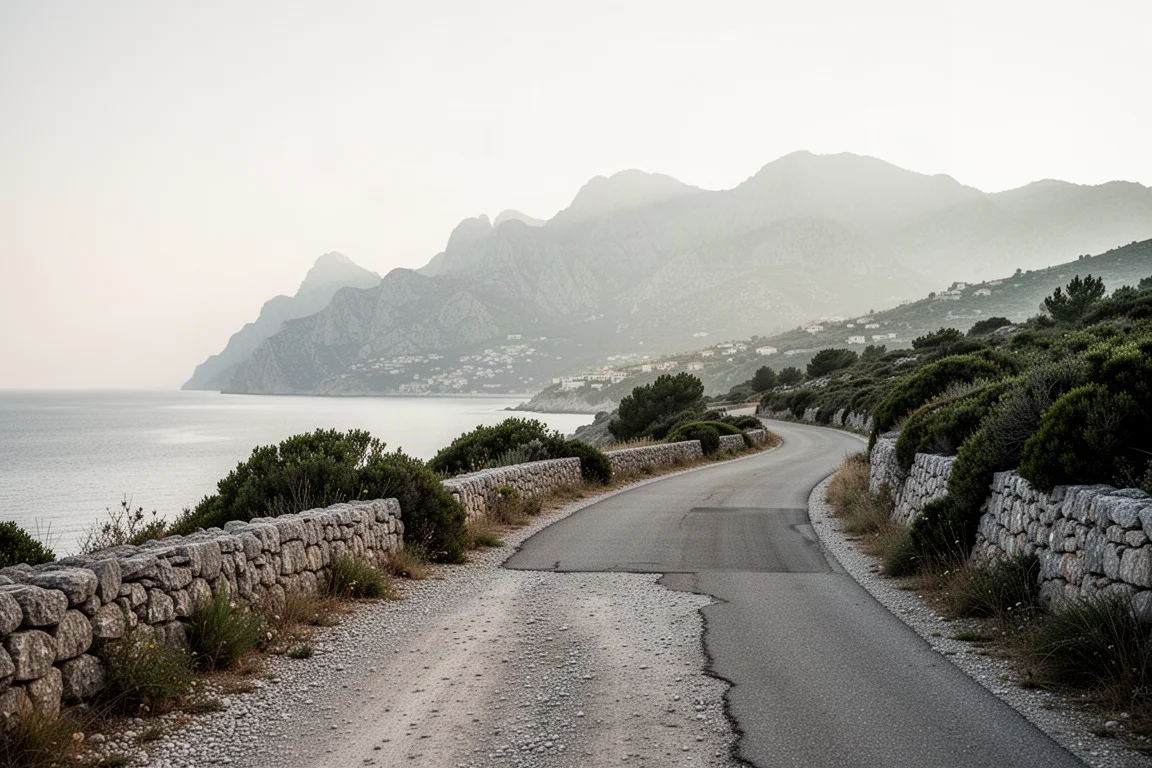
The route also made one thing obvious early: a bike that looks like a road bike can still handle gravel, and a bike that looks like a gravel bike can still be genuinely quick on tarmac. The differences show up in comfort and confidence, not in whether the ride is possible.
Pinarello Dogma X: An Endurance Road Bike With Big Tire Clearance
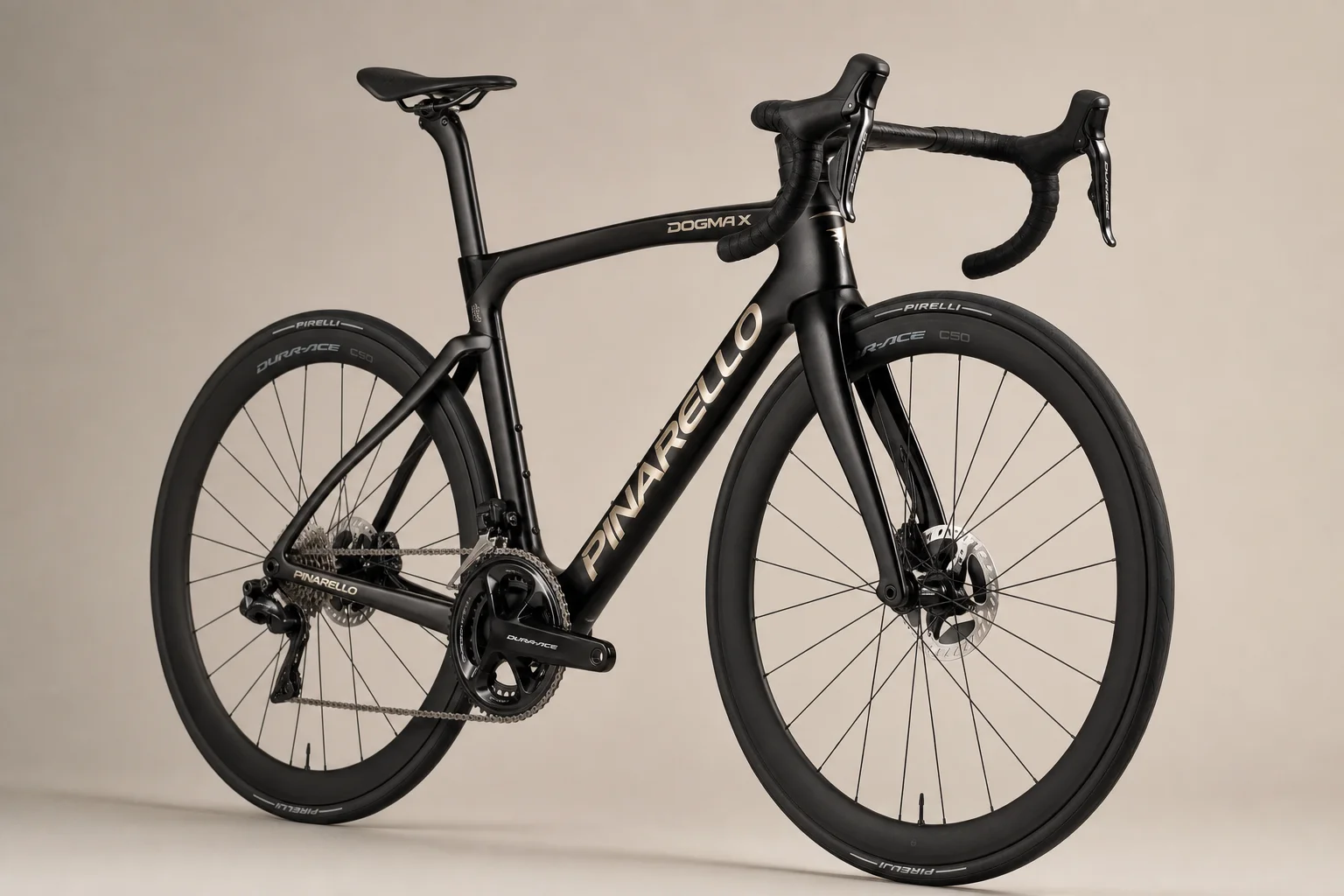
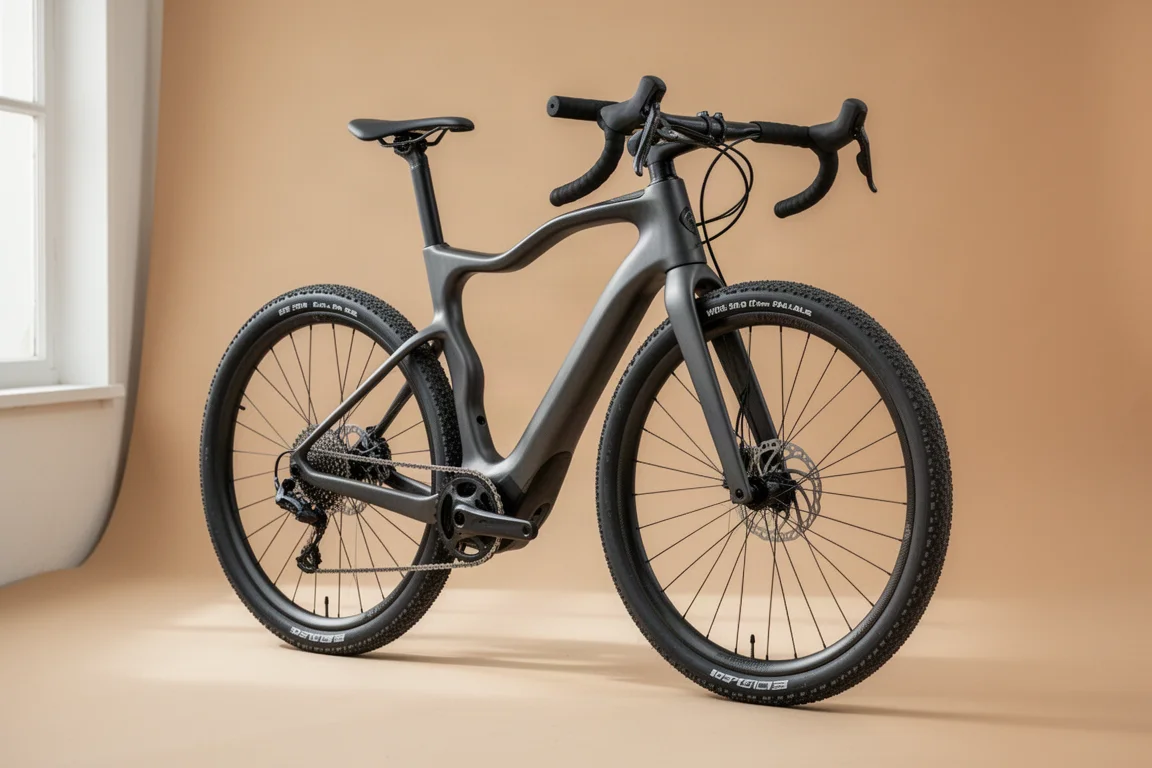
The Dogma X is an endurance road bike, which means it is designed to be ridden all day without demanding a race position. It has a higher than average front end and more compliance at the rear, so an efficient, comfortable posture is easier to hold without straining. For riders who cannot or do not want to fit onto an out-and-out racing frame, that geometry is the point.
What makes it interesting here is tire clearance. It took 35 mm road tires with room to spare, which is a large volume for a road bike and enough to open up light gravel. The same frame has been raced at the Gravel World Championships with 40 mm knobby tires fitted, so its mixed-surface potential is more than theoretical. It is also the most affordable model in the range.
Pinarello Grevil F: A Performance Gravel Bike
The Grevil F takes the opposite approach. It is a gravel bike, and a performance one, so its large tire clearance exists to help it go as fast as possible rather than simply to absorb rough surfaces. The front end is lower, allowing a more aggressive position, and the rear end is stiffer for efficient power transfer.
Built up with the Princeton Grit wheels and Pirelli Cinturato Evo tires, it does not look like a gravel bike at a glance. The main giveaway is the gap between the down tube and the top of the tire. With slick tires fitted, it is a fast, stable descender on tarmac, and one of the pleasures of the setup is how quickly a gravel frame with road-oriented rubber goes downhill.
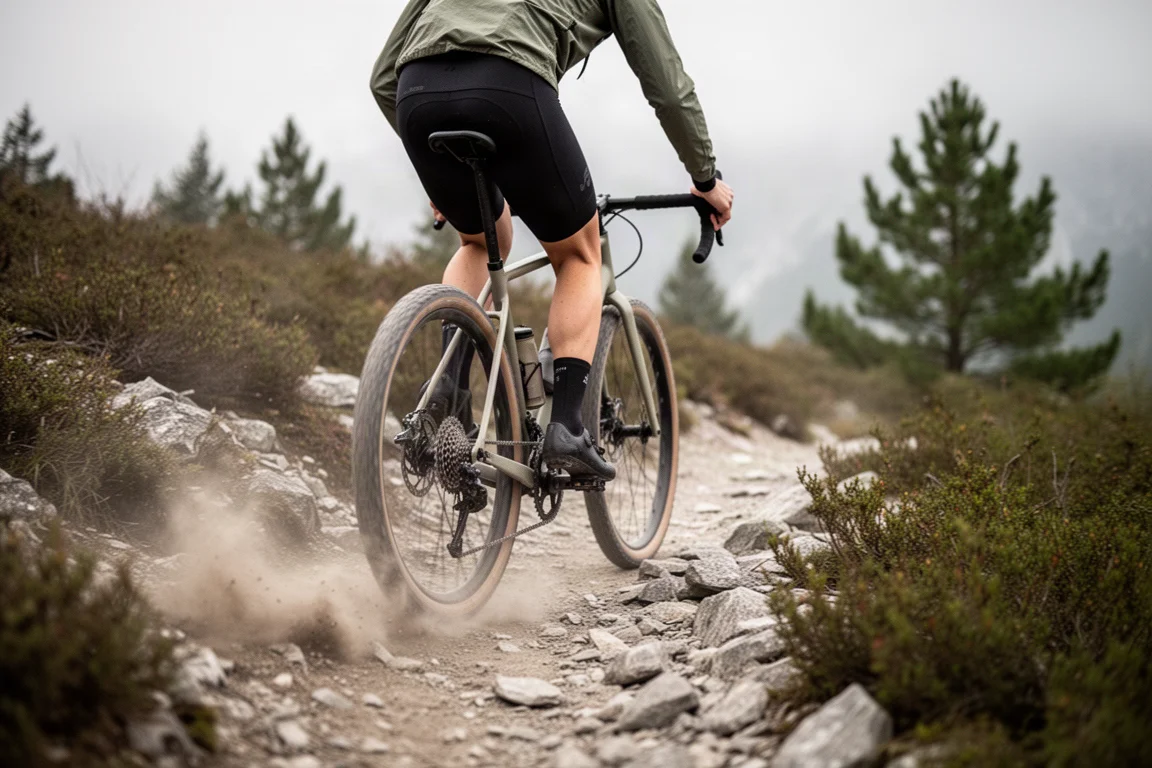
The trade-off is straightforward. A lower front end asks more of the rider over a long day, and the bike’s pace on tarmac depends almost entirely on which tires are fitted.
Pirelli Cinturato Evo: A Slick Tire With Gravel Durability
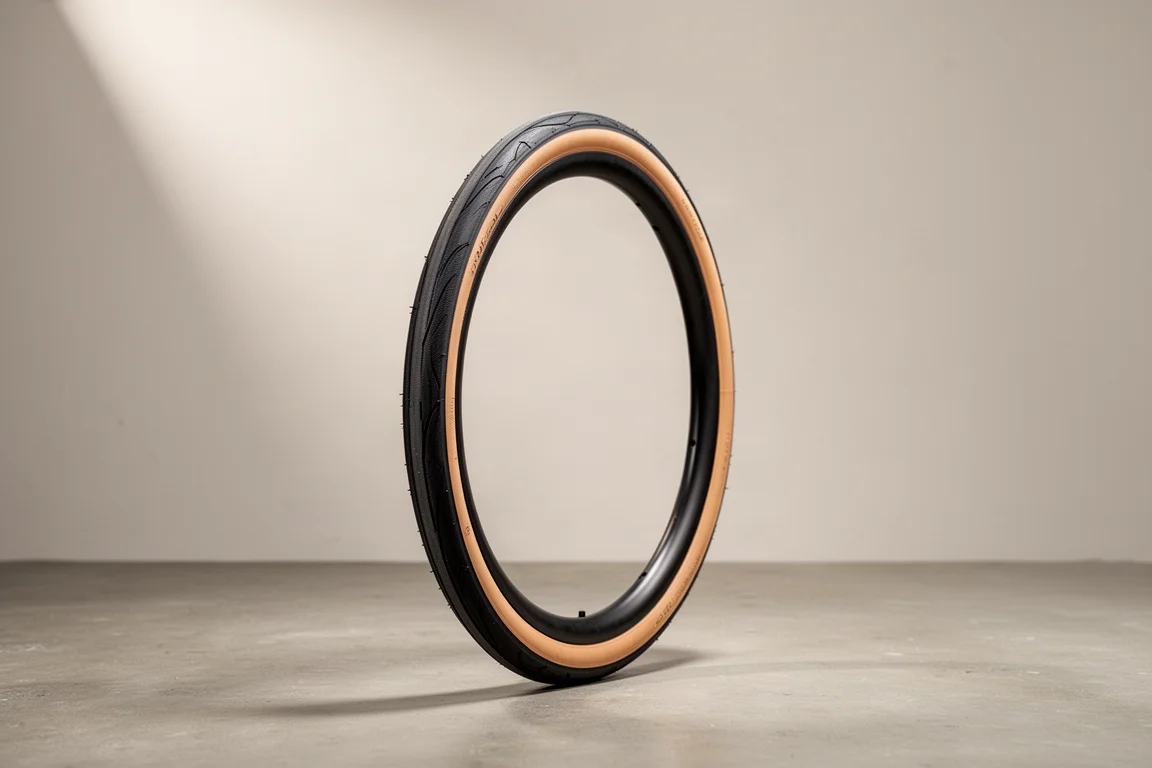
The Cinturato Evo sits in the middle of the road and gravel divide. It has a slick tread like a road tire, but it is designed with the durability and robustness of a gravel tire. Widths run up to 55 mm, which covers everything from a fast mixed-terrain setup to a genuinely voluminous gravel build.
On tarmac descents the tire is excellent. Because it can be run at lower pressure, it stays confident through sweeping bends and hairpins, and it was fine off road for the most part. The exception is loose, chunky gravel, where a knobbly tread would be the better choice, and where a slick asks for more care when banking into corners. Rolling resistance lands in the mid-range rather than at the fastest road-tire end of the scale, which is the honest cost of the extra robustness.
Princeton Grit: Carbon Wheels for Gravel Speed
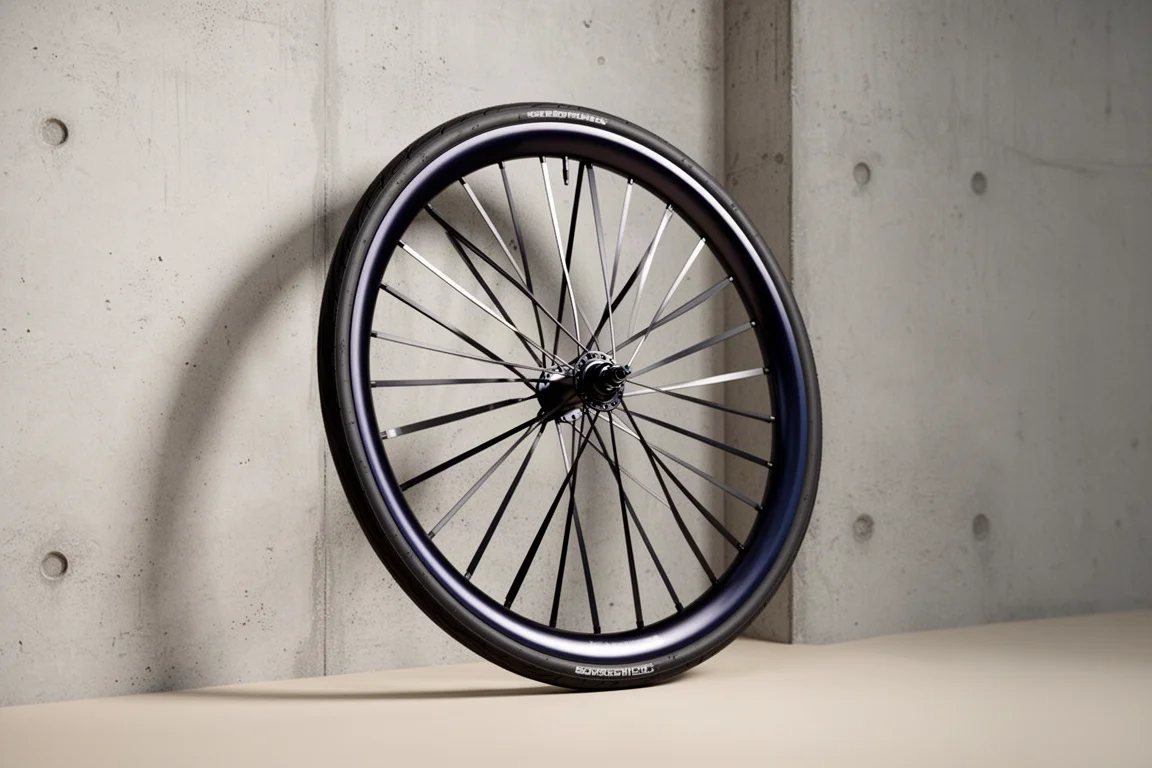
The Princeton Grit wheels were fitted to the Grevil F as part of a build intended to go as fast as possible, and they suit that brief. A performance gravel frame with fast wheels and slick tires is a quick machine on tarmac, and the stability of the gravel geometry comes into its own on long descents.
Wheel upgrades of this kind are usually chosen by riders who already have a clear idea of how they want the bike to feel, and who are willing to build around a frame rather than accept a stock specification. Paired with a tire like the Cinturato Evo, the wheels complete a setup that covers road and gravel without pretending the two are identical.
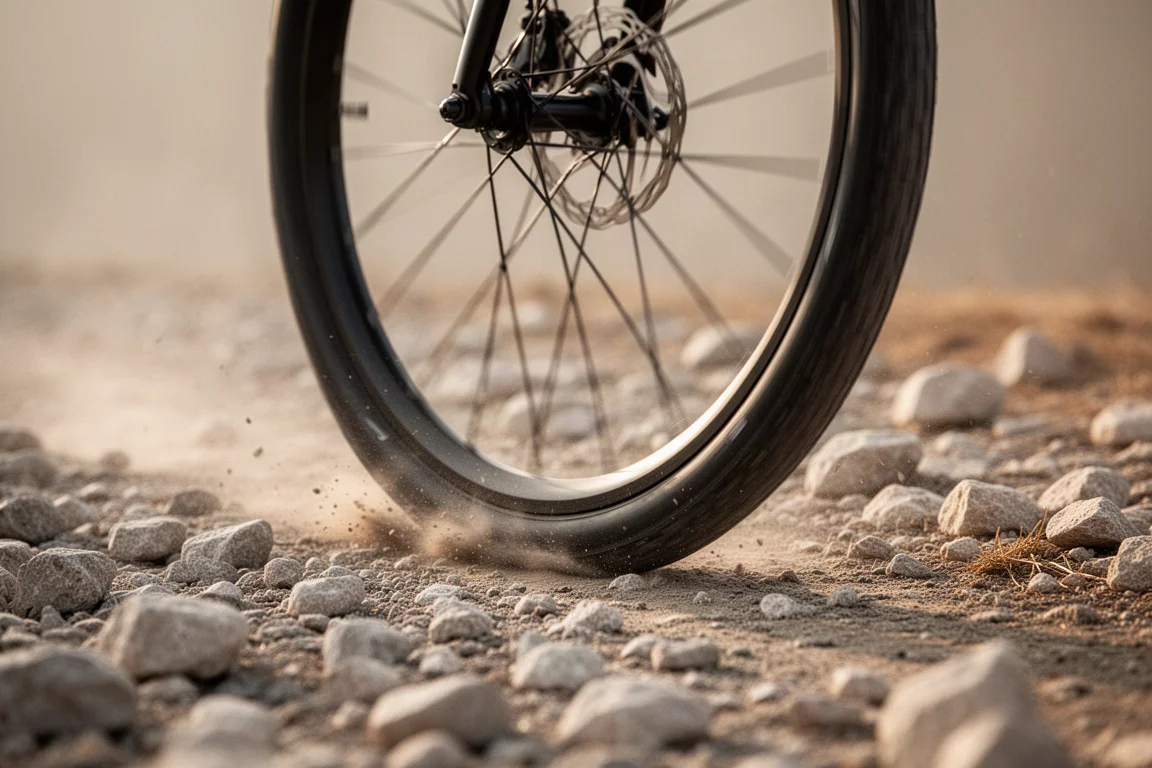
The practical point is that the wheels and the tires are doing most of the work in this build. Change either one and the character of the bike changes with it.
Tire Pressure and Puncture Resistance on Mixed Terrain
Puncture resistance is a matter of construction. A tire can be made tougher by adding more rubber to the tread, which is why mountain bike tires shrug off so much abuse, or by adding reinforced layers to the carcass. Both approaches make a tire roll more slowly. Tire makers therefore build in the protection appropriate to the surface the tire is meant for, and a tire designed primarily for tarmac rolls faster than one designed to survive rough gravel.
It is worth separating that from a pinch flat. A pinch flat has nothing to do with whether a tire is a road design or a gravel design. It happens when you hit an obstacle too hard with too little pressure in the tire, and running inner tubes rather than a tubeless setup makes it more likely. That distinction matters when choosing equipment, because it means the answer is often a pressure decision rather than a tire-category decision.
Choosing Between Road and Gravel Setups
The choice comes down to two honest questions. How much gravel will you actually ride, and how much do you value speed on tarmac? A slick tire that is robust enough for gravel will not roll quite as fast as a pure road tire, and a knobbly gravel tire will not roll as fast as a slick. There is no configuration that wins on every surface.
If most of your riding is tarmac with occasional easy gravel, an endurance road bike with wide road tires is a strong place to start, and the Dogma X shows how much clearance that category now offers. If your routes regularly include loose or rough surfaces, a gravel frame with slick gravel tires gives more confidence, and the Grevil F shows how close that can feel to a road bike.
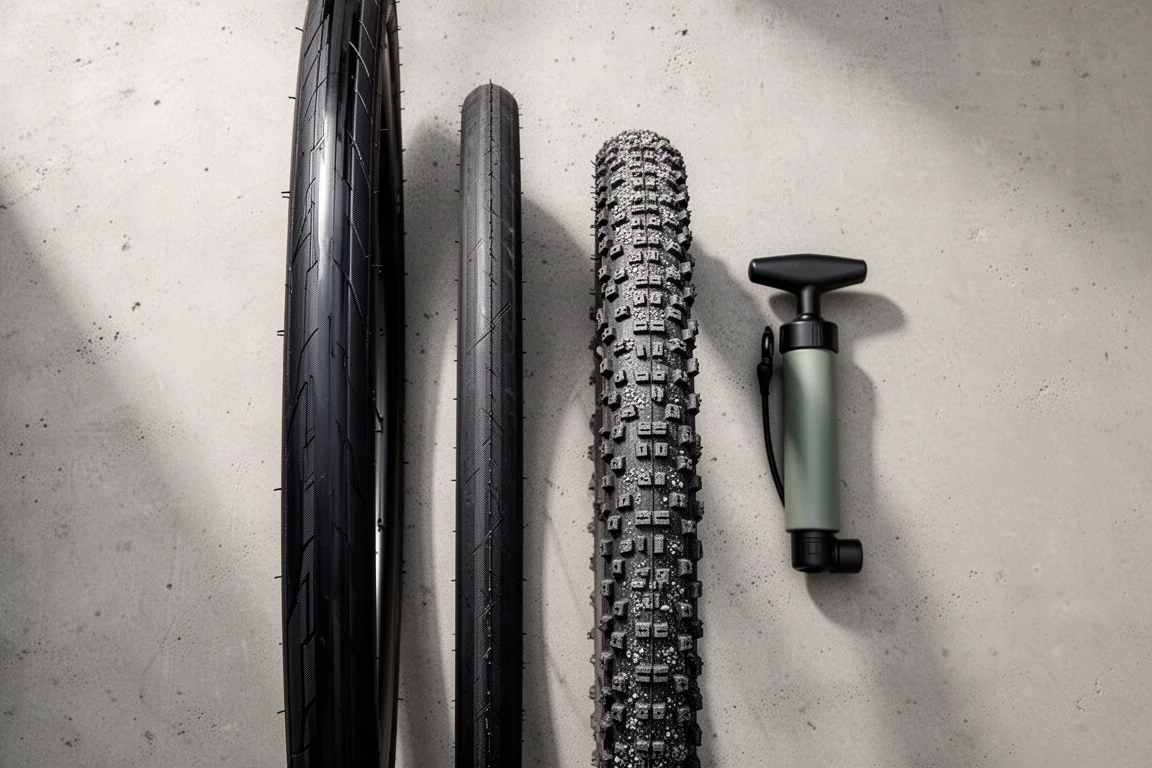
The reassuring part is that the two categories now overlap enough that you are not locked into a philosophy. A single frame can be set up with fast rubber for road-focused weeks and volume rubber for rougher ones, and both bikes here handle both surfaces.
Conclusion
Neither the road bike nor the gravel bike turned out to be strictly better. The endurance road bike with 35 mm tires handled tarmac beautifully and was fine on gravel until the surface got loose. The performance gravel bike with slick tires was a fast, confident machine on the road and could fit far bigger rubber when the terrain demanded it.
If you are buying, that overlap works in your favour. Decide how much of your riding is rough, choose the frame geometry that keeps you comfortable for the length of your longest rides, and let tire choice do the rest. On a route with 1,500 metres of climbing and a long descent at the end, both approaches delivered a good day out.
Further reading
Related Reviews
Cycling
2026 Bike of the Year and the Cycling Gear Worth Watching
A drop bar roundup for 2026 covering the Ridley Kanzo Fast 2.0, Shimano Dura-Ace Di2 R9300, Trek Checkpoint ALR Gen 3, Specialized Tarmac SL9, Garmin Fenix 9 and Insta360 X6.
Cycling
Best All-Road Bikes 2026: Six Versatile Endurance Road Bikes Worth Considering
A practical look at six all-road and endurance road bikes, from lightweight carbon speed machines to steel all-rounders and comfort-focused mile eaters.
Cycling
Best All-Road Bikes 2026: 8 Endurance Bikes for Road and Light Gravel
Eight all-road bikes that blur the line between endurance road and light gravel, compared on tire clearance, ride character, practicality, and value.