Cycling Gear
Five Standout Road and Gravel Gear Picks: Wheels, Shoes, a Rain Jacket, an Action Camera, and a Race Bike
A carbon gravel wheelset, a heat-moldable flagship road shoe, a PFC-free rain jacket, a compact action camera, and an aero race bike, with the strengths and trade-offs of each.
Introduction
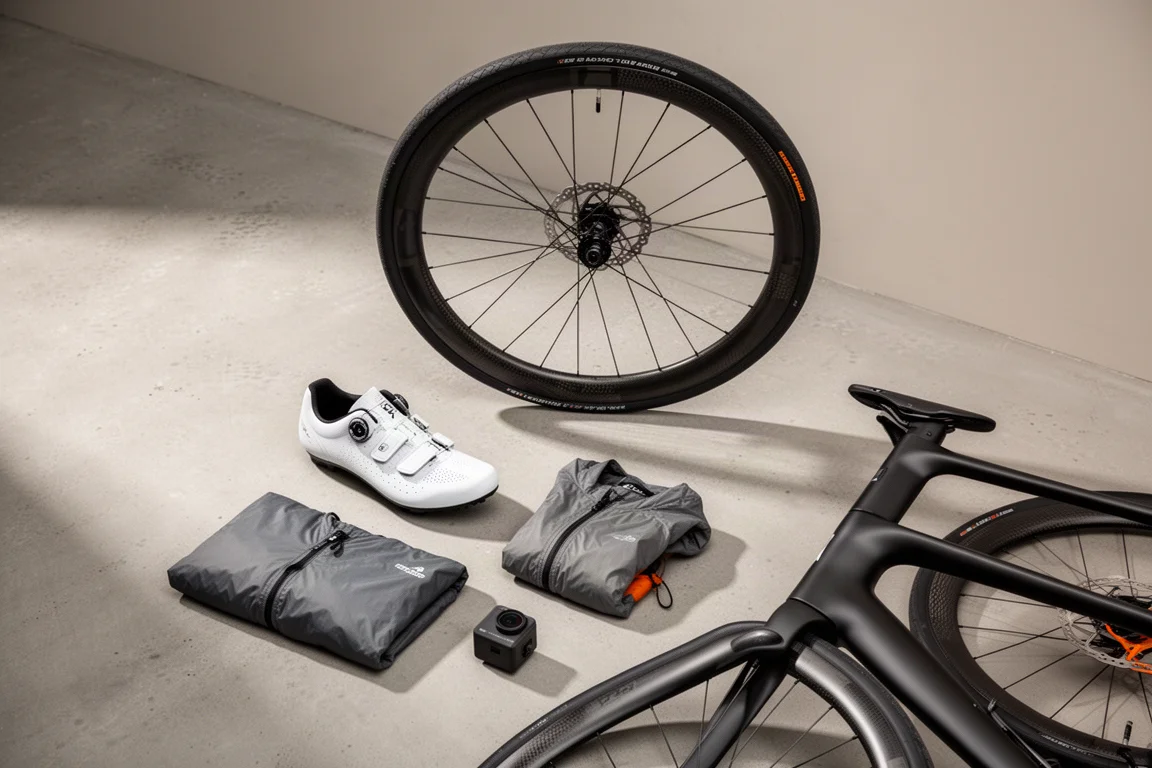
Five items, five different jobs. A carbon gravel wheelset for loaded riding over rough surfaces, a flagship road shoe that trades some of the traditional race-shoe harshness for comfort, a rain jacket built without fluorinated chemistry, a compact action camera with a sensor that is unusually large for its size, and an aero road bike with a redesigned front end.
None of these are impulse buys. Each one costs enough that the trade-offs matter, so the details below focus on what each product does well, what it gives up, and the kind of rider it suits.
The sections that follow cover performance claims, weights, pricing where it is known, and the practical compromises worth understanding before you commit.
WTB CZR i23: Lightweight Carbon Gravel Wheels
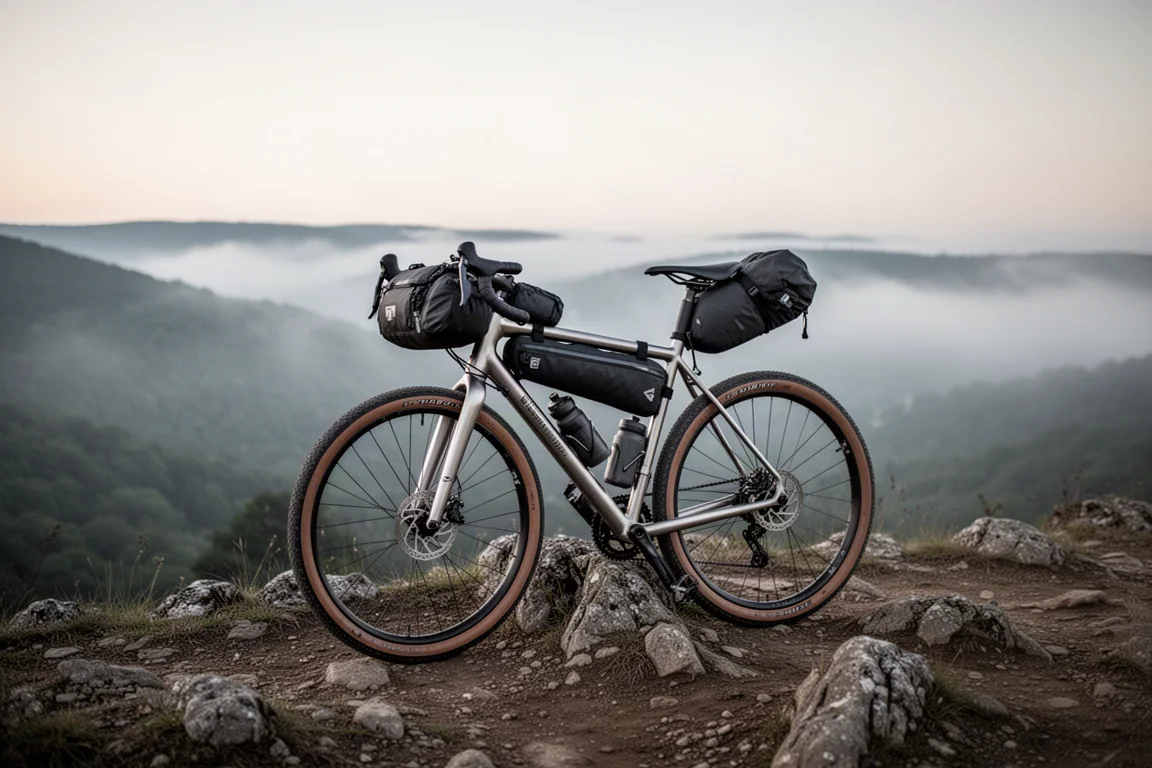
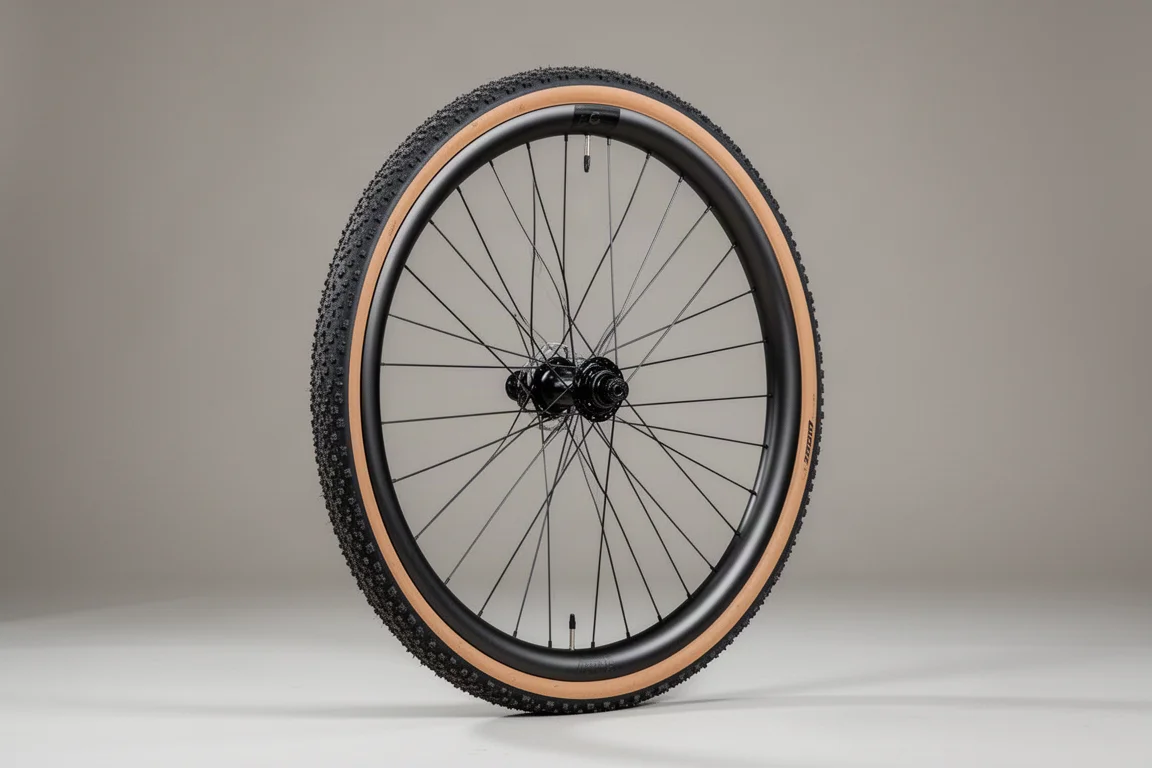
WTB’s CZR i23 is a carbon fibre gravel wheelset built around two goals that often pull against each other: low weight and compliance over rocky terrain. For loaded bikepacking, that balance matters. A wheel that transmits every rock straight into the frame is tiring over a long day, and a wheel that cannot take a hit is a problem in the middle of nowhere.
The rim carries additional carbon at each spoke bed to improve overall rim strength and durability, while material is removed from the areas that need less of it. The spokes are forged into a pillar shape, a design aimed at improving aerodynamic performance. That is a genuine advantage if the wheels end up on a fast day ride, even if fork packs cancel out much of the benefit on a loaded trip.
The freehub is a SRAM XD ratchet system with five poles of engagement, alternating between two groups of three poles each. The arrangement is intended to deliver quick engagement while improving freehub durability over long periods of use.
Weights come in at 650 g for the front wheel and 776 g for the rear, or 1,400 g for the set. That is not a class-leading figure, but it is far lighter than typical alloy wheels, which can sit around the 2 kg mark. The set costs $1,599, with pricing varying by freehub, through axle size, and spoke count.
Bont Vaypor 2023: A Softer Take on a Stiff Road Shoe
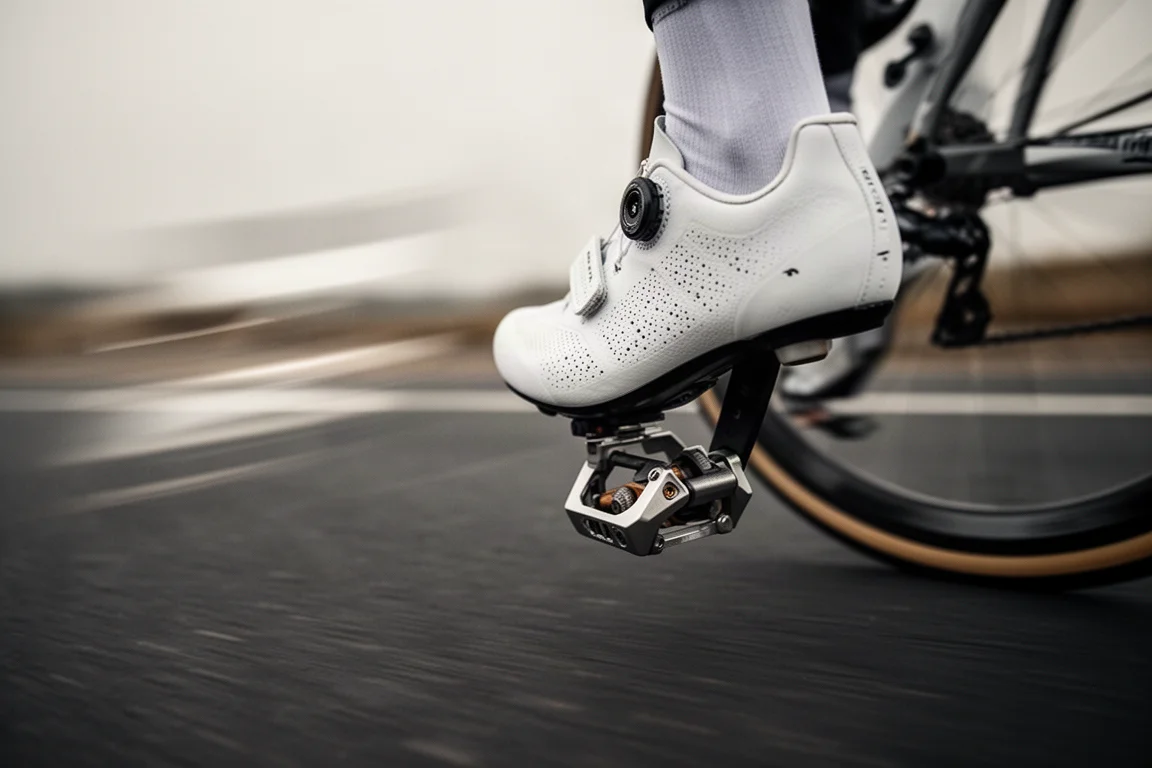
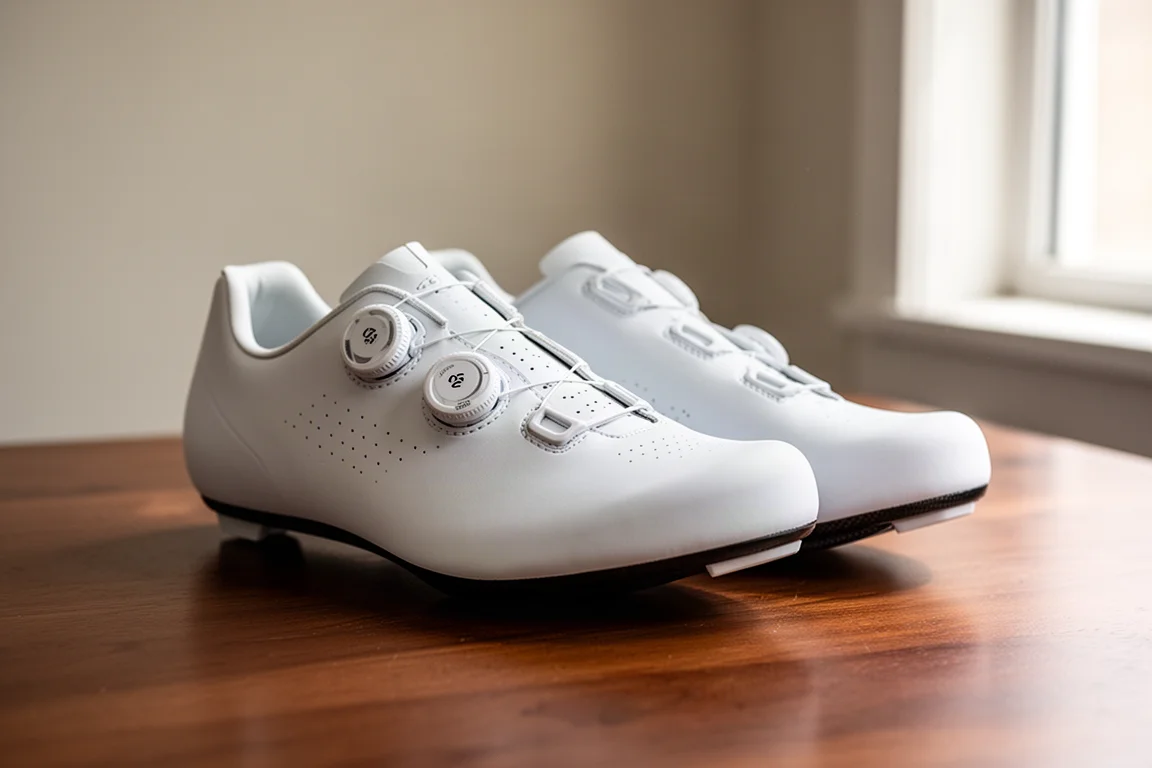
The Bont Vaypor 2023 is the Australian brand’s flagship road shoe, and it keeps the two features the range is known for: an anatomic shape and an ultra-stiff carbon sole that can be heat-molded to the rider’s foot. The change this time is comfort out of the box.
Older Bont models paired that very stiff sole with relatively spartan uppers, which kept weight low but left little margin for a fit that was anything less than perfect. The Vaypor 2023 refines the shape and adds softening and padding to the uppers, so the shoe feels noticeably more malleable on top than earlier generations. Heat molding is still available, and it works by warming the carbon sole in an oven to soften the resin so hot spots and pressure points can be worked out before it sets again. It has suited many riders well, though it has never suited everyone.
Closure is handled by two Boa LI2 dials, which offer dual-direction micro-adjustment while riding and pop up to release tension entirely for quick removal. A pair of EU 45 shoes weighs 442 g, just over 40 g less than the Vaypor S. Lighter road shoes exist, but that figure compares well with other high-end options.
Bont has also replaced its traditionally basic insoles. The new insoles, developed with Australian insole maker Cobra 9, pair a carbon core with dual-density EVA foam and are designed to improve arch support and comfort while keeping stack height low. Spare insoles in different arch profiles are available separately, and fully custom molded insoles can be ordered at extra cost.
The price is just under £370 or $450, which sits in line with the rest of the high-end road shoe market. The catch is colour: the Vaypor 2023 comes in all white or all black and nothing more expressive. Colour-matched Boa dials can be fitted, but they are sold in pairs, so a fully customised shoe means buying two sets.
Castelli Slicker Pro: Waterproof Without Fluorinated Chemistry
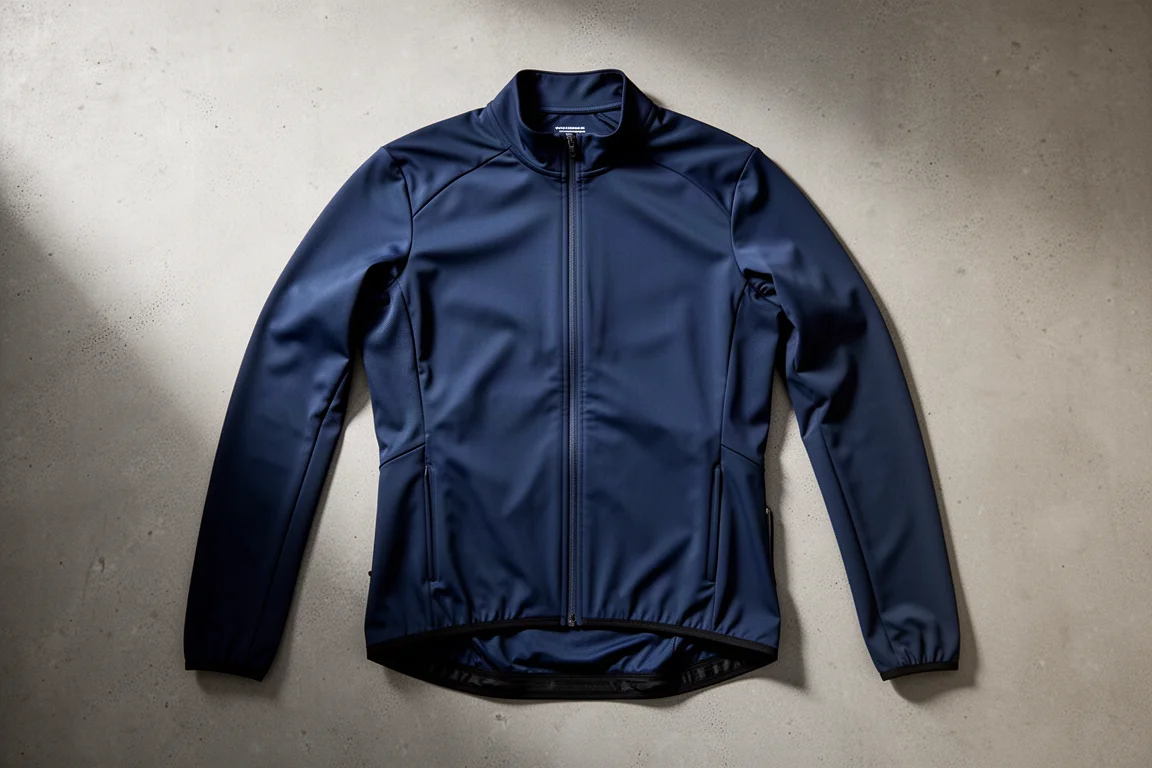
Gore’s decision to stop producing its ShakeDry material, driven by the ban on PFCs (per- and polyfluorinated compounds), forced jacket makers to look for alternatives. Castelli’s answer is the Slicker Pro, built from a PFC-free two-layer microshell fabric at 50 g per square metre.
The material is similar to ShakeDry, though not identical. It is properly waterproof and very breathable, which matters when rain arrives in bursts and the jacket stays on between showers rather than being taken off and stowed. Castelli uses a PU coating that it describes as environmentally friendly.
The trade-off is that the fabric is thicker. The difference is marginal, but it makes the jacket slightly heavier and a little harder to roll up and fit into a jersey pocket.
Where the Slicker Pro stands out is pocket access. Two large pockets sit on the back, so you can reach what is underneath without hitching the jacket up, and they have drainage holes so they do not fill with water. Taped seams, a waterproof zipper, and stretch panels down the sides complete the package.
DJI Action 4: A Bigger Sensor in a Small Camera
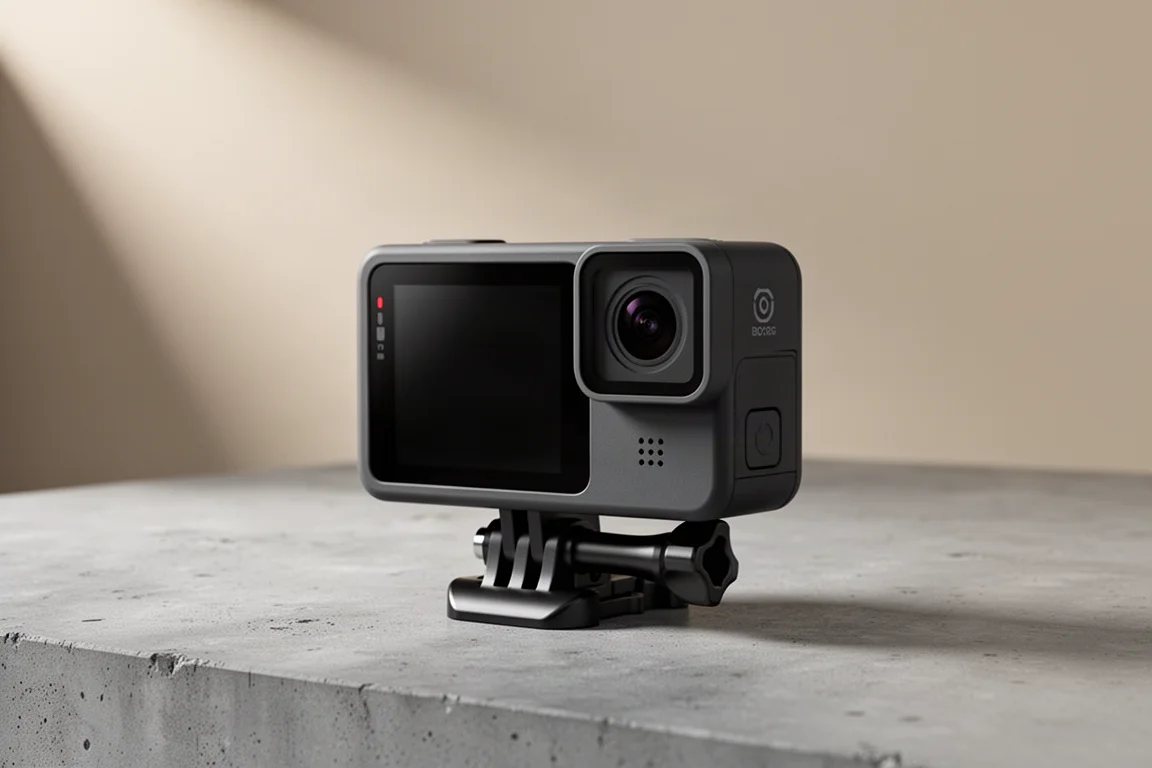
DJI entered the action camera market in 2019, and the Action 4 is the latest step in that line. Its 1 by 1.3 inch sensor is large for the category, and larger than the sensors in DJI’s own Action 3 and in the GoPro Hero 11, both of which use 1 by 1.7 inch sensors. A bigger sensor generally means better image quality, particularly in low light.
Recording reaches 4K at up to 120 fps, but the more interesting option is 10-bit colour in D-Log M mode, which leaves more room to adjust colour during editing. DJI claims 2.5 hours of battery life and a charge to 80 percent in 18 minutes with the included charger. The battery is also described as freeze-resistant, which should help in cold conditions such as skiing or snowboarding, where older action cameras lost runtime quickly.
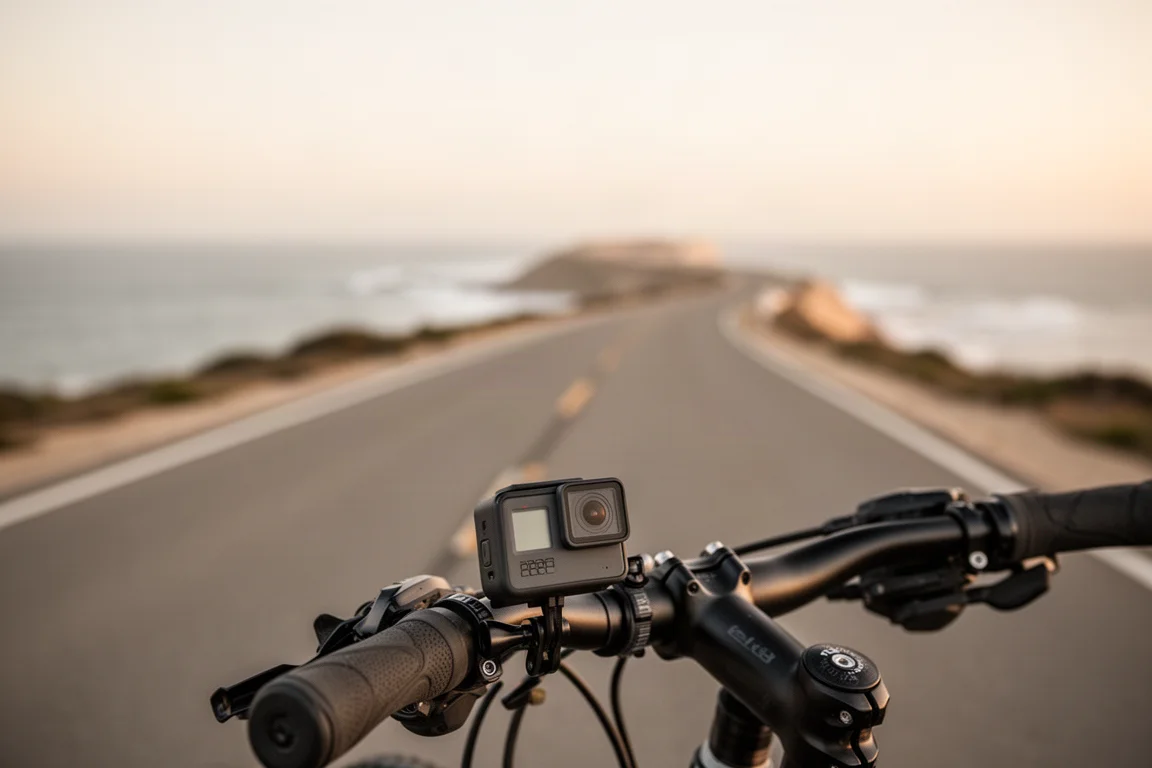
Externally there are two screens: a larger touchscreen on the back and a smaller one on the front. The power button can be used to switch quickly between custom recording modes, and there is an SD card slot. Mounting uses a magnetic system with a wide range of accessories, including a handlebar mount, a wrist strap, and a bike seat mount. Audio comes from three built-in microphones for omnidirectional sound, and the camera is compatible with DJI microphones for a wider set of audio options.
The camera costs £379, $399, or €429, with a range of bundles available at additional cost.
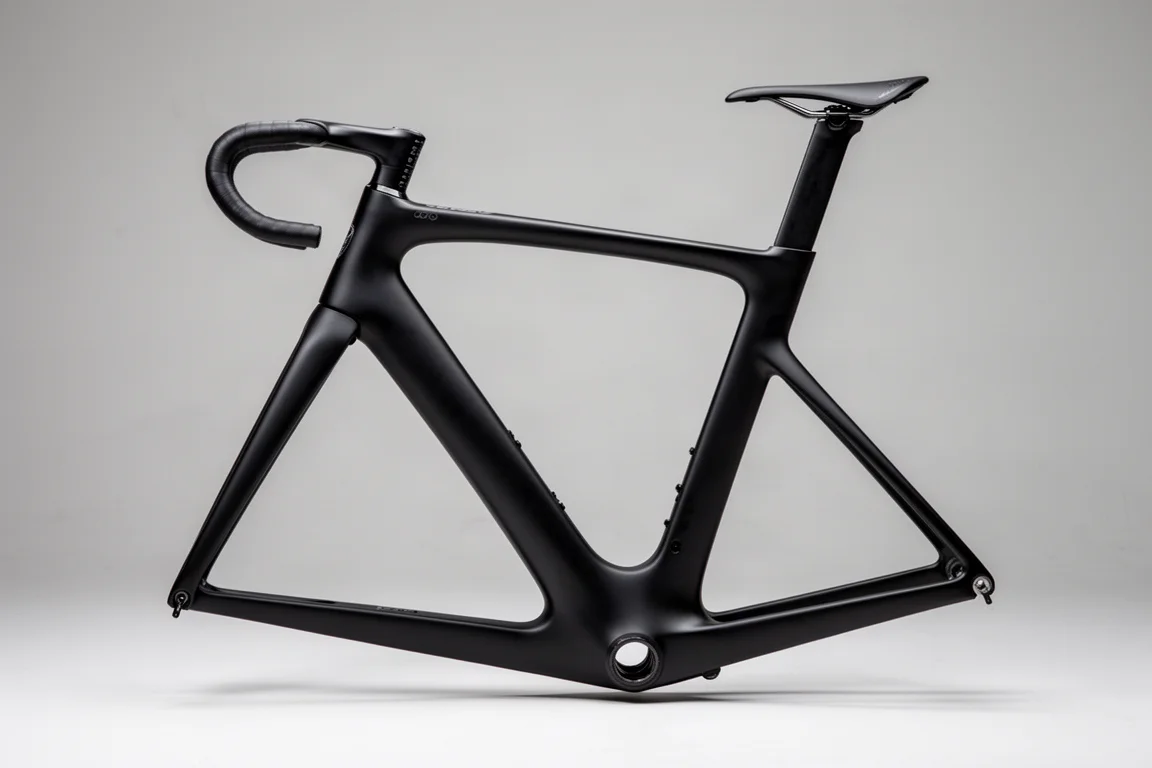
Specialized SL8: Aero Gains and a Lighter Frameset
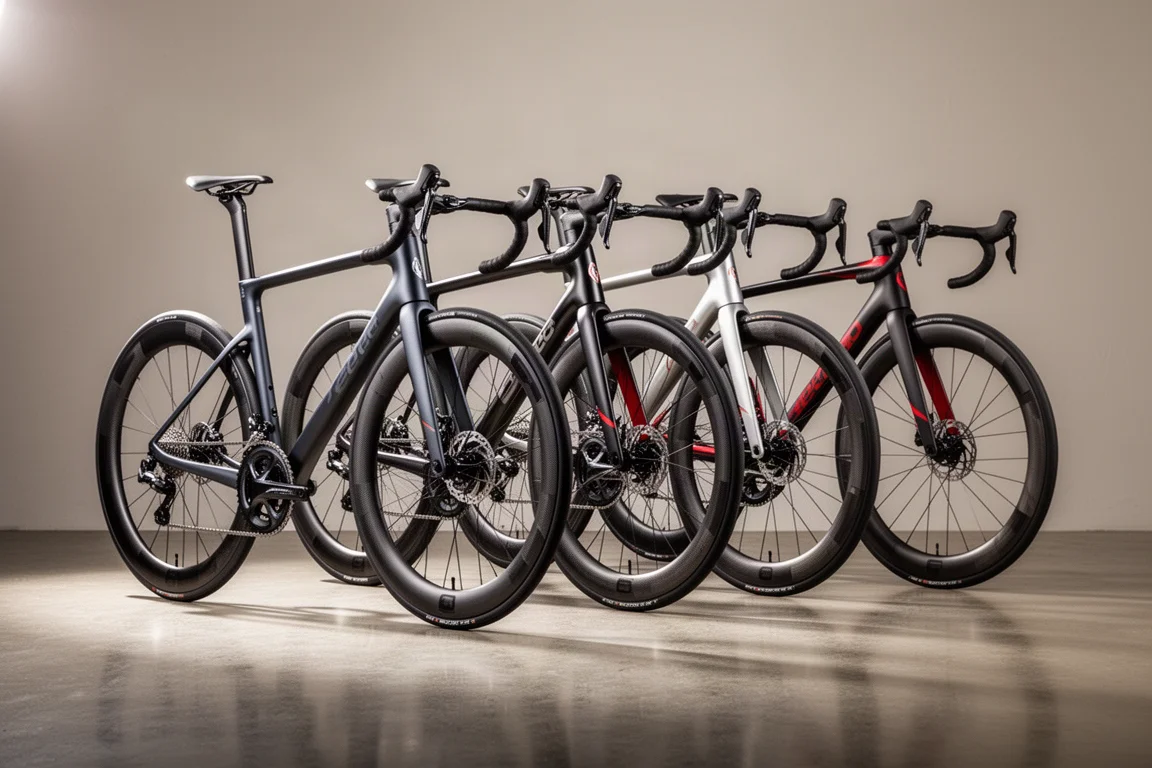
The Specialized SL8 arrived with a set of performance claims attached. The most eye-catching is that the bike is 16.6 watts faster at 45 km/h than the Venge, which the brand had described as its fastest bike. Much of that is credited to the elongated head tube, a design that presents a sharper profile to the wind while keeping the steerer in the same position relative to the previous bike.
The head tube is topped by the Roval Rapide Integrated Cockpit, said to save around 4 watts compared with the two-piece design used on the SL7. That integrated cockpit comes with the S-Works build, while other models use the older two-piece system, which can still be fitted to the SL8.
The rest of the frame takes a different approach. The down tube, seat tube, seat post, and seat stays are more rounded, a shape Specialized says makes them lighter and better able to bear rider load and pedalling forces efficiently, with the aim of improving speed in real-world conditions rather than only in controlled testing. The frameset weight is claimed at 685 g.
Tyre clearance remains at 32 mm, and the bike keeps a BSA threaded bottom bracket. The as-tested bike is a 56 cm Dura-Ace build, one of the lighter configurations, at around $12,000.
Buying Advice: Matching Gear to the Way You Ride
Start with the problem you are actually trying to solve. If your gravel bike carries luggage over rough ground, rim durability and a sensible weight saving matter more than chasing the lightest rim on the market. The CZR i23 sits in that space: a clear step down from heavy alloy wheels, with reinforcement where a loaded bike needs it.
Shoes are a fit question first. The Vaypor 2023 is easier to live with out of the box than earlier Bont models, but the heat-moldable sole still rewards riders willing to fine-tune it, and the two colourways are worth accepting before you commit.
For wet-weather riding, the Slicker Pro’s case rests on breathability and pocket access rather than the thinnest possible fabric. Riders who prioritise the smallest packed size should note that the thicker material is a compromise.
The Action 4 makes sense for anyone who wants a large sensor and 10-bit colour in a small body, and the fast charging helps on multi-day trips. Budget for accessories if you plan to use several mounting options.
The SL8 is the biggest commitment here. The aero claims are specific and the frameset is light, but the integrated cockpit arrives with the S-Works build, so it is worth checking exactly which specification you are buying.
Conclusion
Five products, five different priorities. The WTB CZR i23 delivers a meaningful weight saving with durability built in for loaded gravel riding. The Bont Vaypor 2023 keeps the stiff, heat-moldable sole that defines the range while making the shoe easier to wear straight out of the box. The Castelli Slicker Pro shows that a waterproof, breathable jacket does not need fluorinated chemistry, even if the fabric is a touch thicker. The DJI Action 4 brings a larger sensor, 10-bit colour, and fast charging to a compact body. And the Specialized SL8 pairs specific aero claims with a lighter frameset, 32 mm clearance, and a threaded bottom bracket.
Match any of them to a real riding need and the value is much easier to justify.
Further reading
Related Reviews
Cycling Gear
8 Cycling Products Riders Keep Coming Back To
Eight cycling components and accessories with clear strengths, honest trade-offs and long-standing reputations among riders and mechanics.
Cycling Gear
Aero Helmets and Bottle Setups Tested: Six Options Ranked by Measured Watt Savings
Wind tunnel data on six aero helmets and bottle setups, with real watt savings, practical trade-offs, and guidance on what is worth buying first.
Cycling Gear
Aero Road Bikes and Fast Tires Worth Watching in 2026
Four aero road bikes and one fast road tire, with the real strengths, the open questions, and what to check before you buy.