Cycling
Road and Gravel Bikes Worth Watching: 12 Standout Models to Consider
Twelve road and gravel bikes worth watching, from a French aero race machine to a titanium gravel frame with cast lugs, with notes on who each one suits.
Introduction
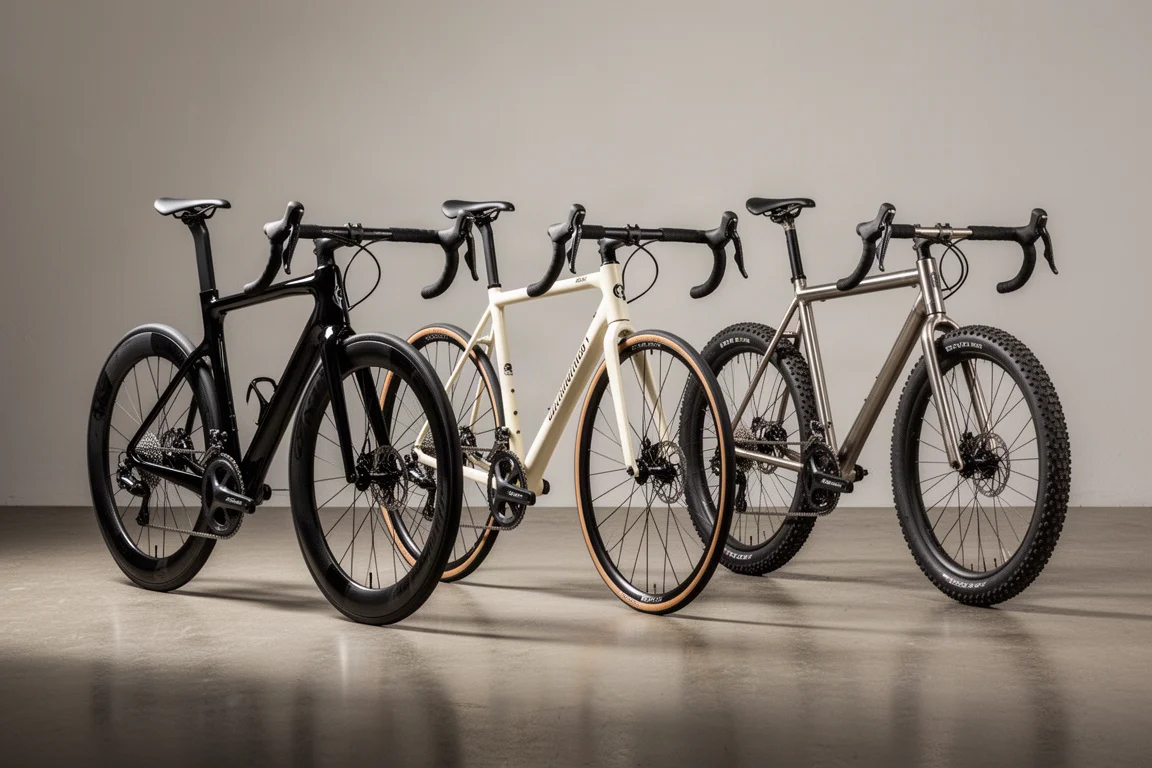
Road and gravel bikes are heading in several directions at once. Some brands are chasing every last watt of aerodynamic efficiency, others are stripping weight back to the minimum, and a growing number are borrowing ideas from mountain bikes to make drop-bar bikes calmer and more capable away from smooth tarmac.
The twelve models below are worth watching for exactly those reasons. They include a French aero race bike developed with input from an aerospace laboratory, a British titanium gravel frame with cast lugs, a road bike that has turned away from aerodynamics in favour of low weight, and several direct-to-rider options that undercut mainstream brands on price.
Each entry covers what makes the bike distinctive, where it sits in its category, and who it is likely to suit.
Van Rysel RCR: Aero Racing at a Sharper Price
The Van Rysel RCR is the French brand’s new aero race bike, and it arrives at a moment when the company is backing a WorldTour team. That mix of racing exposure and an aero silhouette puts it in direct conversation with the established leaders in the category.
What sets the RCR apart is less the shape than the process behind it. The frame was developed in collaboration with a French aerospace laboratory and a university, which suggests the design brief leaned on outside engineering expertise rather than styling alone. Real-world aerodynamic validation is still the open question, but the intent is clear.

Pricing is the other headline. Builds start at roughly £4,000 with a SRAM Rival groupset, which is significantly less than several larger brands ask for a comparable level of specification. For riders who want aero race performance without flagship pricing, that gap is difficult to overlook.
Time ADHX 45: In-House Carbon Goes Gravel
Time is a French brand that has been building frames in-house for years using a carbon process that differs from the usual layup-in-a-mould approach. The ADHX 45 is its first fully fledged gravel bike, which makes it a genuinely new direction for the company rather than an existing road platform with wider tyres bolted on.
That in-house manufacturing is the main draw. Small European producers who control their own carbon production tend to build in smaller batches, and the result is a bike that sits apart from the mainstream gravel offerings of the largest brands.
How it rides relative to those more familiar gravel bikes is the interesting question, and it is worth following if you are shopping in this part of the market.
Santa Cruz Stigmata: Mountain Bike Thinking for Drop Bars
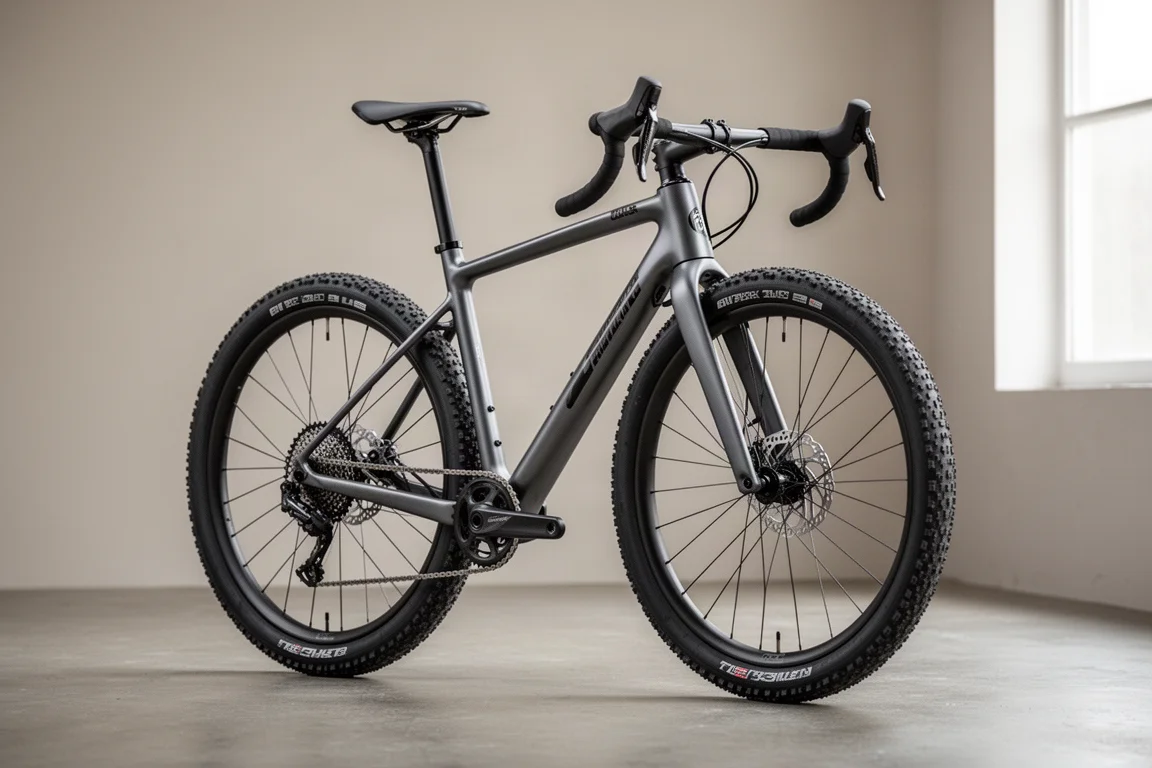
The Stigmata is a gravel bike with a long list of practical details, and most of them come straight from mountain bike design. Clearance for 50mm tyres puts it among the most generous bikes in its class, and the frame takes a regular round seatpost rather than a proprietary aero mast.
Maintenance has clearly been a priority. There is no internal routing, so cables run externally through a conventional headset and bearing replacement stays simple. A threaded bottom bracket and a SRAM UDH rear dropout round out the sensible choices, the latter making the frame compatible with newer SRAM drivetrains.

The head tube is shorter than before, which means a suspension fork can be fitted without upsetting the geometry. That is a meaningful option for riders who want to soften rough descents, and it reinforces how much of this bike’s thinking comes from off-road racing.
Bianchi Impulso: A Gravel Race Bike Built for Speed
Bianchi arrived at the gravel race category later than some rivals, and the Impulso is the model that brings the brand up to date with what competitive gravel riders now expect. The frame is aero-optimised, with shaped head tube and seat tube junctions that give it the look of a road bike built for rougher surfaces.
The geometry follows current thinking: a longer reach paired with a shorter stem, similar in approach to other modern gravel race bikes. Tyre clearance tops out at 42mm, which is enough for racing but behind the most generous adventure-focused frames.
Internal routing keeps the front end tidy, although the one-piece carbon handlebar and stem is reserved for the top model. Bianchi claims 8.1 kg for that top build, which is light for a gravel race bike and competitive with plenty of road bikes.
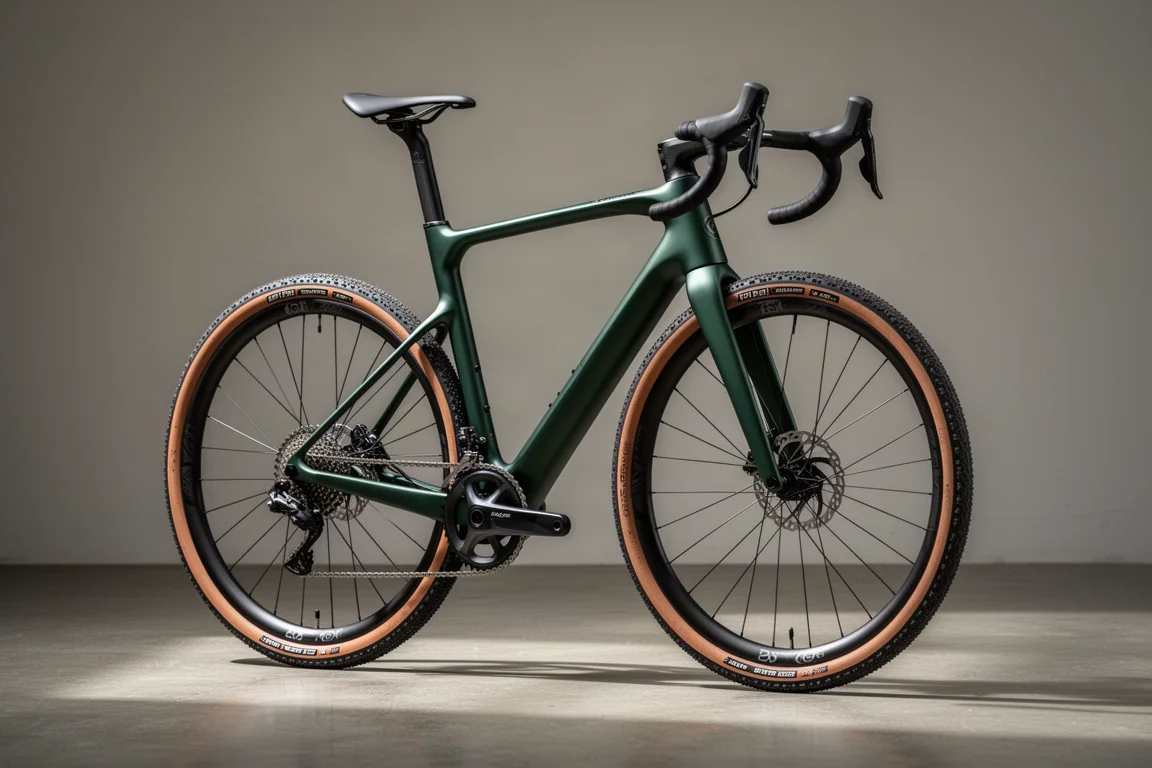
Orbea Orca: A Return to Lightweight Climbing
The Orca has changed character several times over the past decade and a half. It began as a lightweight bike, evolved into an aero all-rounder, and has now swung back toward low weight with many of its aerodynamic features removed. That is a deliberate and slightly contrarian position at a time when most road ranges push aerodynamics first.
The numbers back up the intent. Orbea claims a 750g frame, and a top-end build comes in at around 6.6 kg. Even so, it is not the lightest option on the market, which makes the balance between weight and aero efficiency the central question for anyone considering it.
Riders who spend their time on long climbs will understand the appeal. On flatter terrain, the missing aero features are the part you would notice.
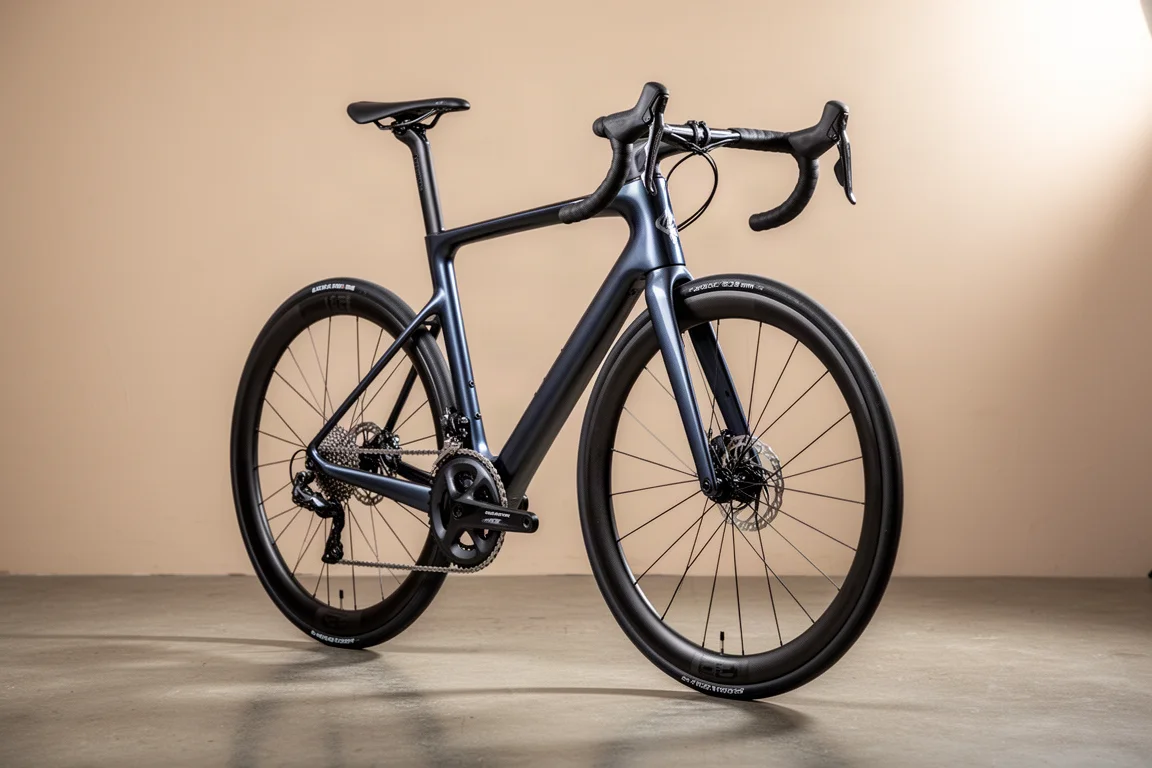
BMC Teammachine R: Formula 1 Aerodynamics on Two Wheels
BMC developed the Teammachine R with input from a Formula 1 engineering team, and the result is one of the more distinctive aero road bikes around. The collaboration shows up in details that would not come from a conventional bicycle design brief.
The fork is the clearest example. Its wide-stance shape is intended to manage airflow between the fork blades and the front wheel, a concept that has appeared on track bikes but rarely in this form on a road bike. Elsewhere the frame pairs a very deep down tube and a substantial bottom bracket junction with a notably slender top tube.
All of that aero work comes at a price, and the range sits at the expensive end of the market. Whether the package outperforms the established leaders in the category is the question that matters most.
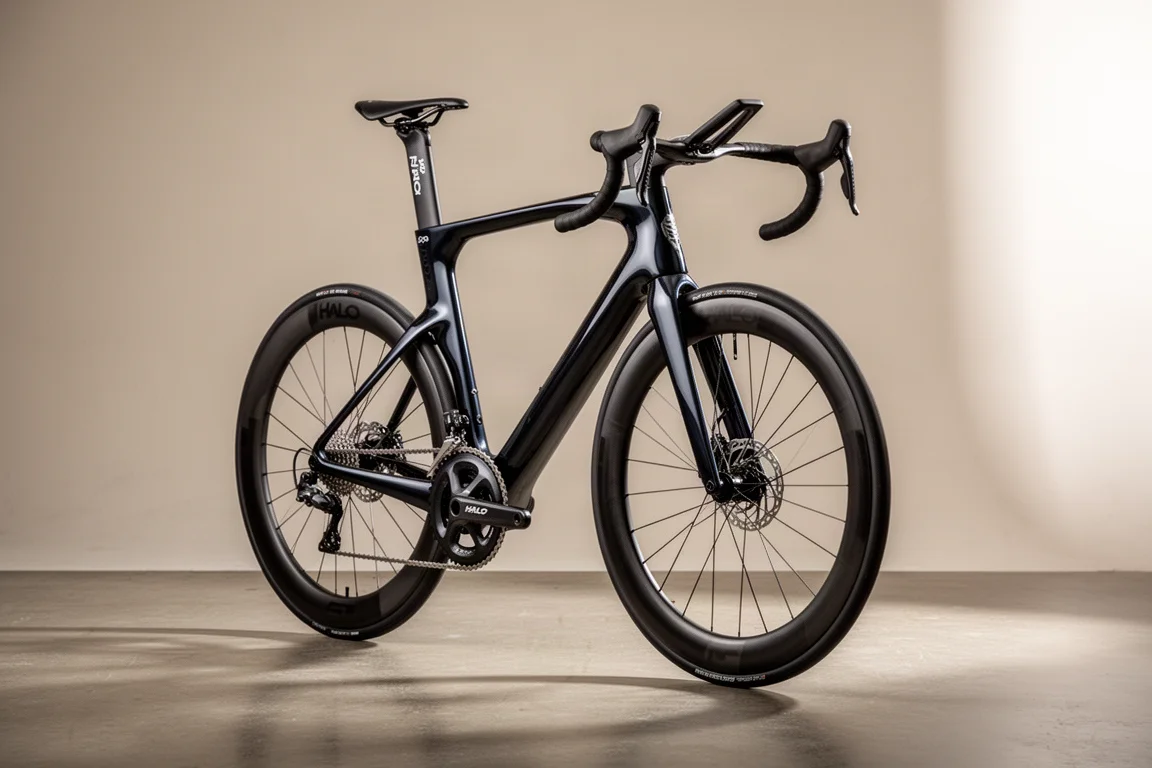
Focus Izalco Max: Aero Speed With Fit-Friendly Details
The Izalco Max has been through a complete transformation. When it launched in 2018 it was one of the lightest production disc brake road bikes available, with a sub-6.8 kg build. The current version is thoroughly aero, and Focus claims savings of up to 6.6 watts over the previous generation.
One detail stands out for practical reasons. Rather than a one-piece cockpit, the bike uses a two-piece handlebar and stem, so riders can change stem length or bar width without replacing the whole front end. That keeps fit adjustments straightforward, which is not always true of aero race bikes.
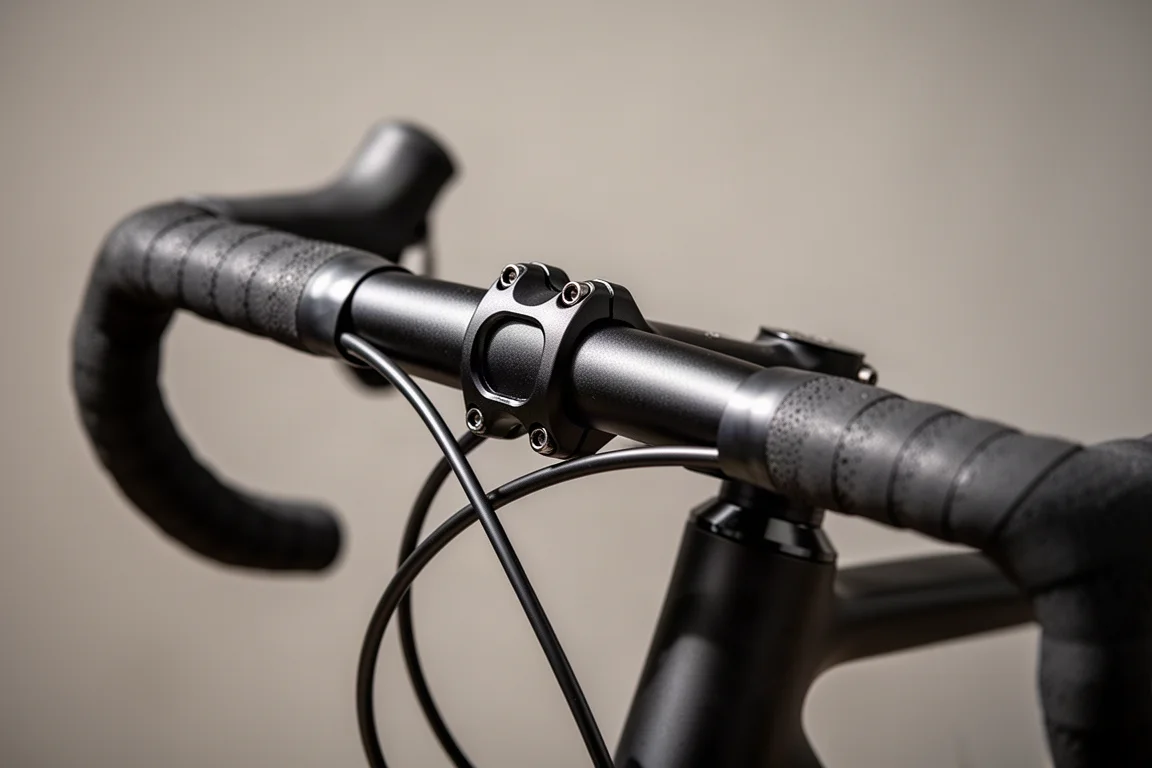
Cables and hoses still run inside the frame, front end and head tube, so the clean look is preserved. The trade-off is that the Izalco Max is no longer the featherweight it once was, which is the price of chasing aerodynamic efficiency.
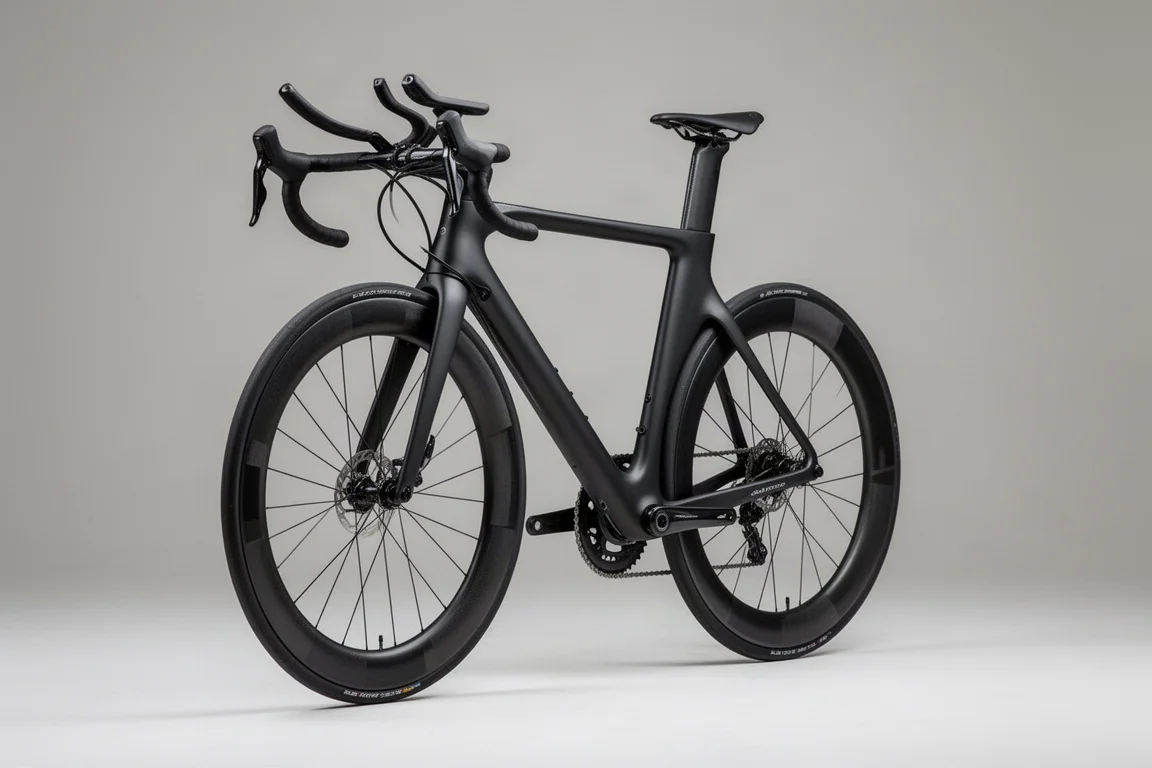
Focus Paralane: Endurance Comfort With a Faster Face
The Paralane is Focus’s endurance road bike, and the current version has been given an aero makeover that borrows design cues from the Izalco Max. The result is a sleeker, faster-looking machine than the original version from 2018.
Comfort has not been abandoned, but this is not a sit-up-and-beg endurance bike. The numbers and the stance are fairly aggressive, closer to a fast road bike with a little more composure than a pure race machine.
Tyre clearance reaches 35mm, which matches some well-known endurance models but trails the most generous options in the category. Riders who want a quick-feeling bike for long days rather than maximum tyre volume will find the balance appealing.
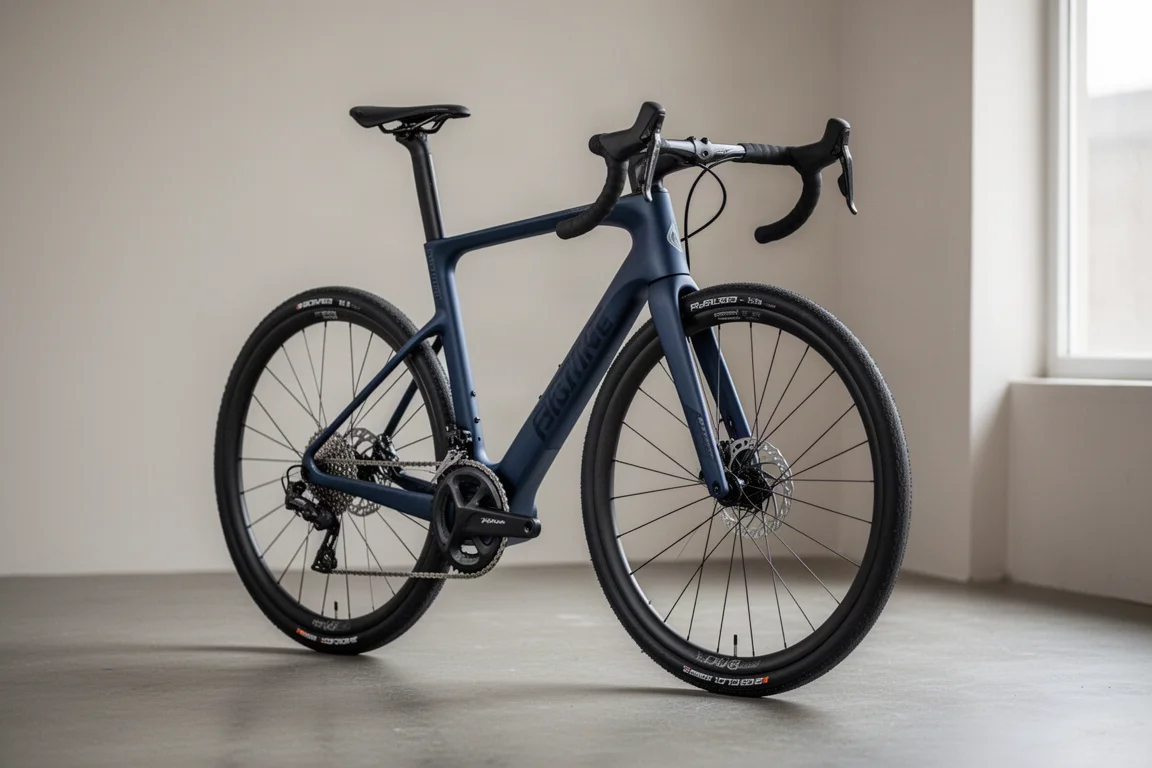
Fezzari Veyo: Direct-to-Rider Value
Fezzari sells direct, with no dealer network in between, and passes those savings on to the customer. The Veyo is the brand’s aero road platform, and the pricing is the most striking thing about it.
A build with Shimano 105 Di2 comes in at just over $3,000, while a Shimano Ultegra Di2 model lands at around $5,000. Both figures sit well below what many mainstream brands ask for equivalent groupsets, which makes the Veyo one of the more interesting value propositions in the aero road category.
Buying direct does mean there is no local shop to lean on for fit advice or servicing, so riders considering this route should be comfortable handling that side of ownership themselves.
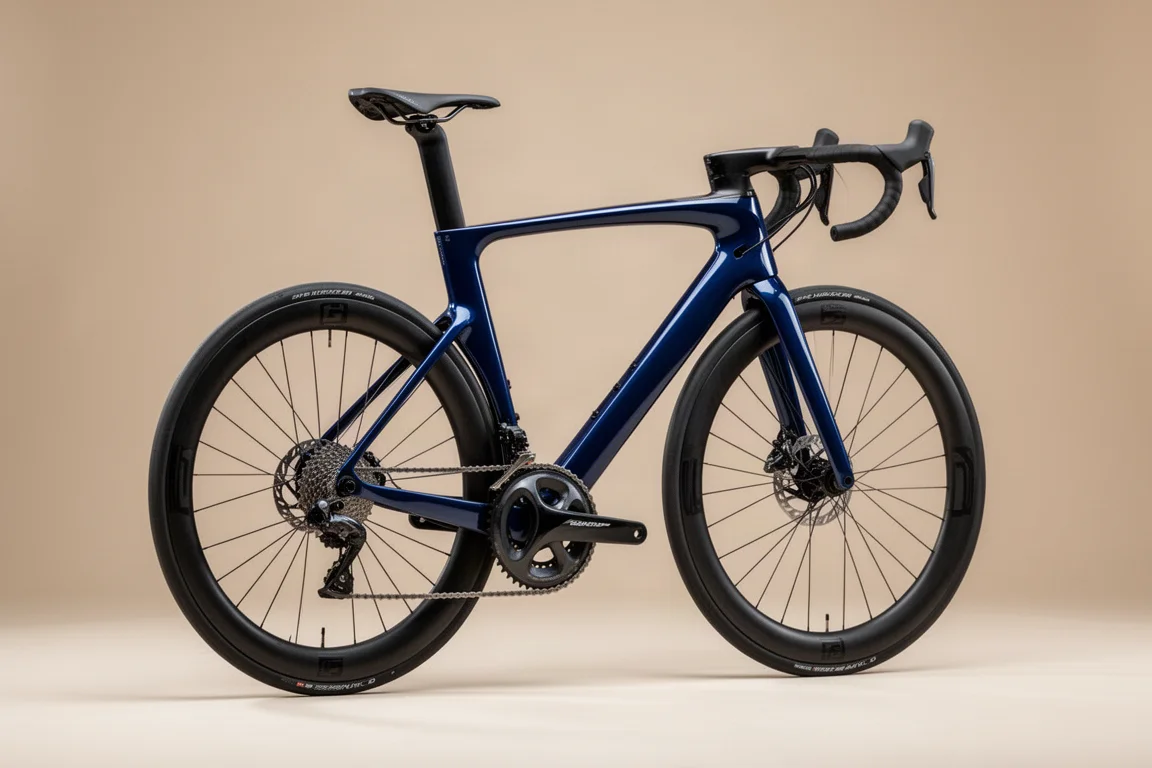
Pinarello Dogma X: Comfort With a Distinctive Rear End
The Dogma X takes the endurance formula in a slightly different direction. Compared with the Dogma F it offers a shorter reach, clearance for wider tyres and a clear emphasis on comfort over outright racing aggression.
The most talked-about feature is at the rear. Instead of the seat stays running straight into the seat tube, they meet through a cluster of small tubes designed to let the back end flex more and take the edge off rough surfaces. It is a divisive piece of design, and opinions on the look will vary.
If the arrangement delivers the smoother ride it is intended to provide, the aesthetic question becomes much easier to answer.
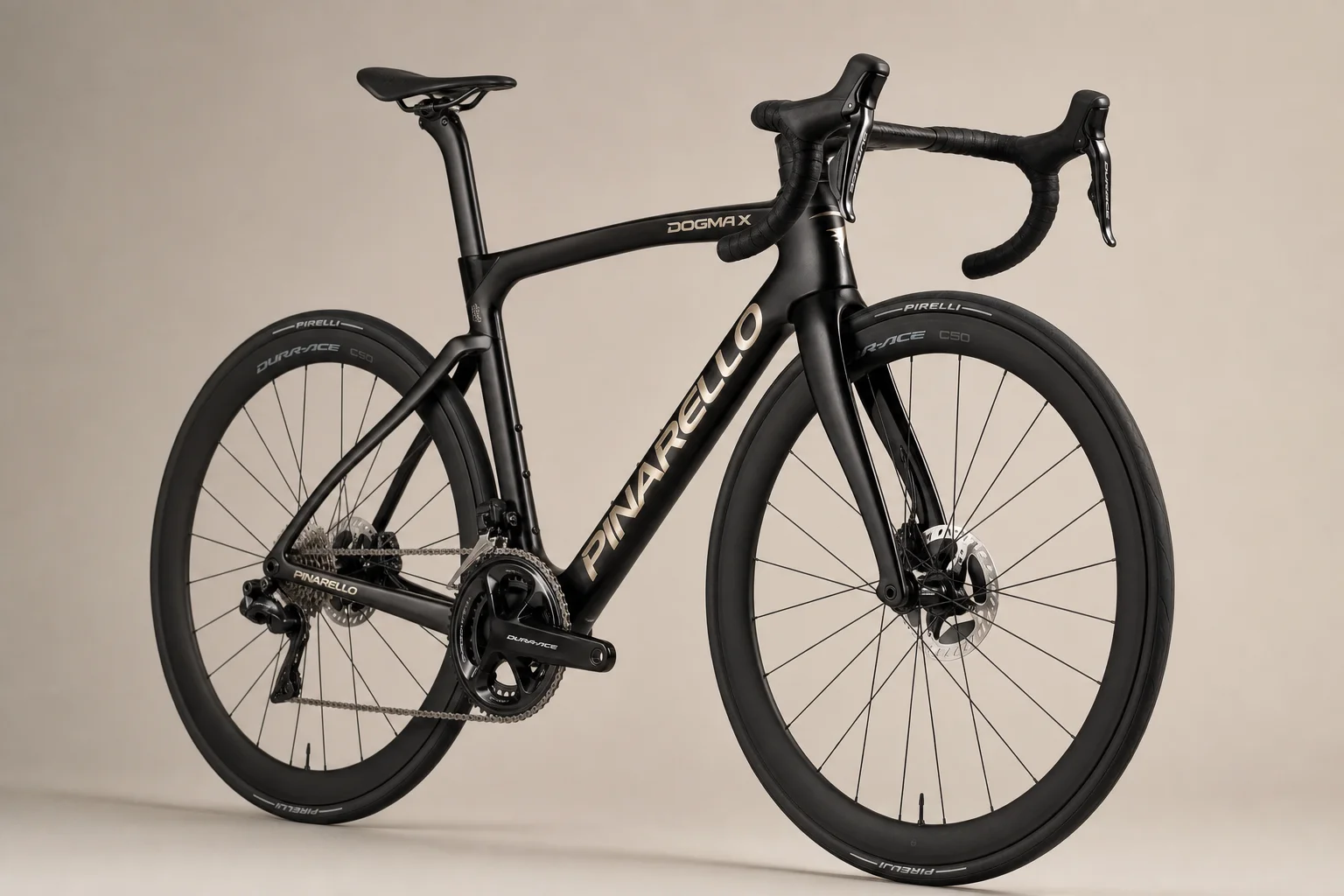
Lauf Uthald: Road Riding With Gravel DNA
Lauf built its reputation on a suspension fork that used carbon leaf springs, then moved into complete frames and bikes. The Uthald is the Icelandic brand’s first proper road bike, and it carries a good deal of gravel bike character into the endurance category.
The geometry is the giveaway. Angles are noticeably slacker than most road bikes, producing a bike that feels stable and relaxed at speed on rough roads rather than sharp and agile. For long sportives and tired legs, that calmness is exactly the point.
Tyre clearance reaches 35mm, matching some established endurance bikes but falling short of the most accommodating frames. The rear half of the frame is designed to add compliance in the saddle, a concept that has appeared on other comfort-focused bikes.
Reilly Fusion: Titanium Craftsmanship Without Visible Welds
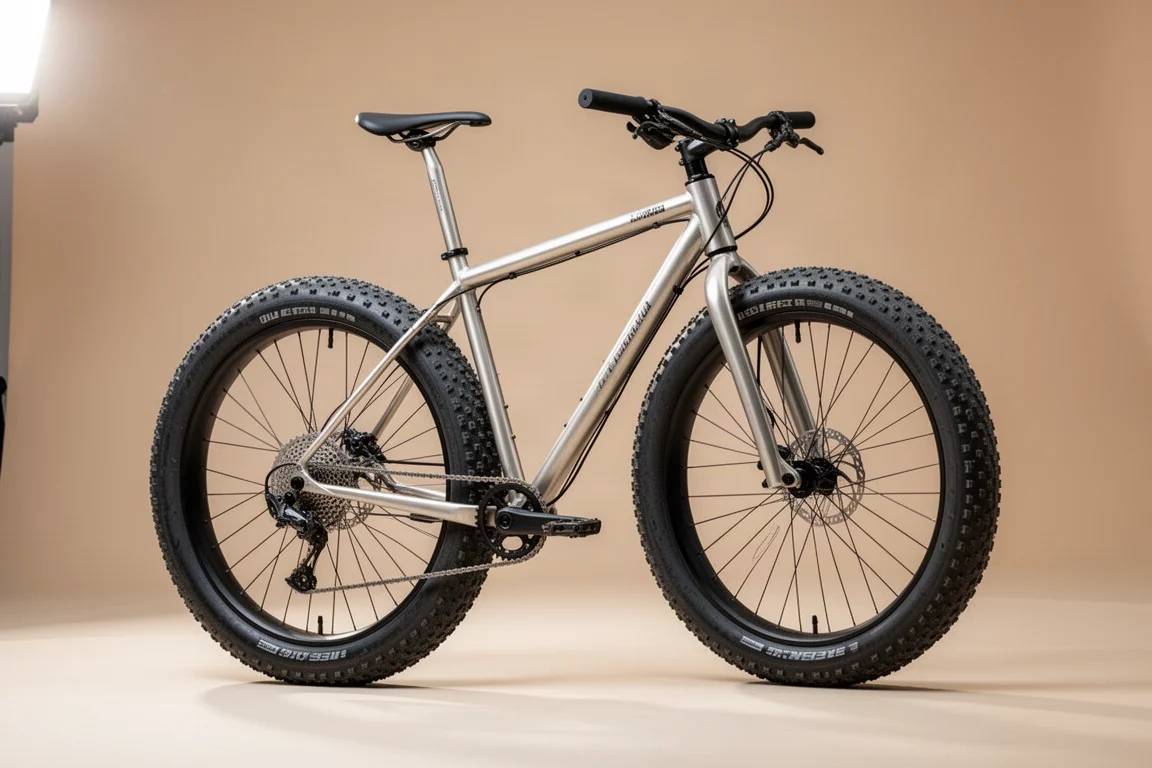
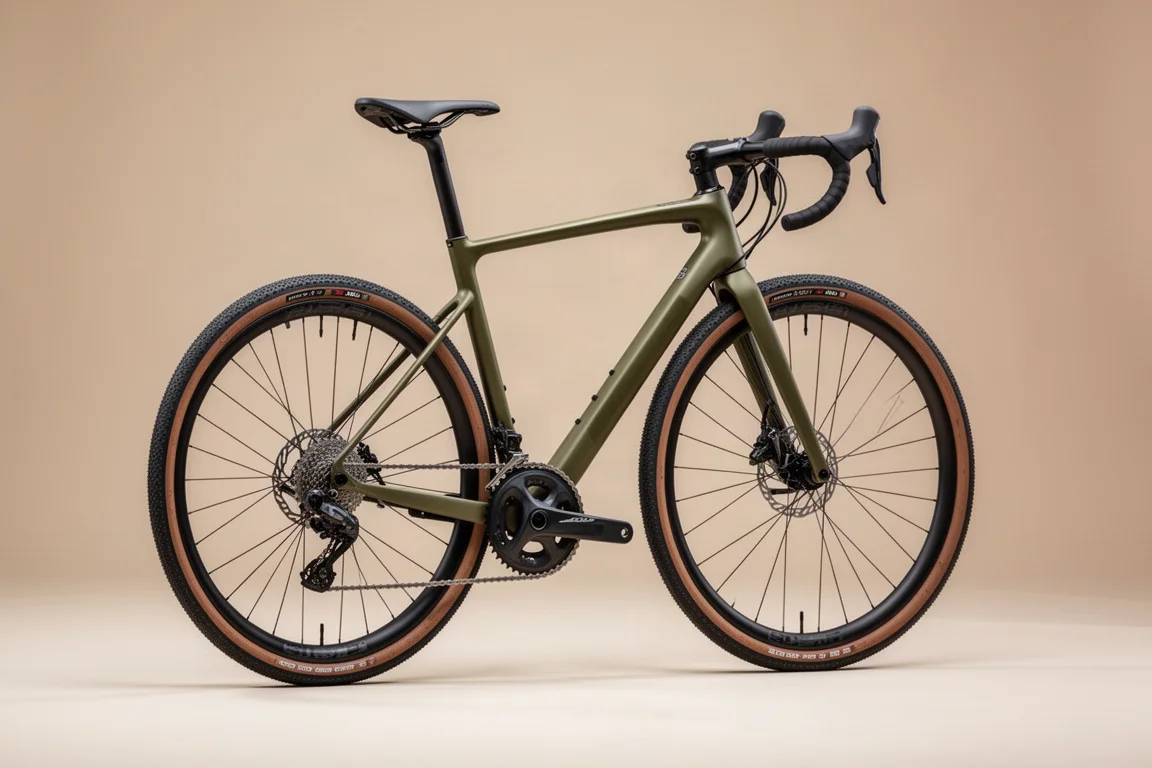
Reilly is a small British builder that works mostly in titanium, and the Fusion has moved from prototype to a finished development model over the past year. It stands out for reasons that have as much to do with how it is made as how it performs.
Most titanium frames are welded from tubes, and the quality of those welds varies widely. The Fusion uses cast lugs instead, which produces smooth, seamless junctions at the head tube, bottom bracket, rear stays and seat tube. The effect is a frame that looks as though it was formed in one piece.
It also covers the practical ground expected of a modern gravel bike, with mounts for racks, mudguards and bikepacking luggage. For riders who want something built in small batches rather than mass-produced, that combination is the appeal.
How to Choose the Right Bike for You
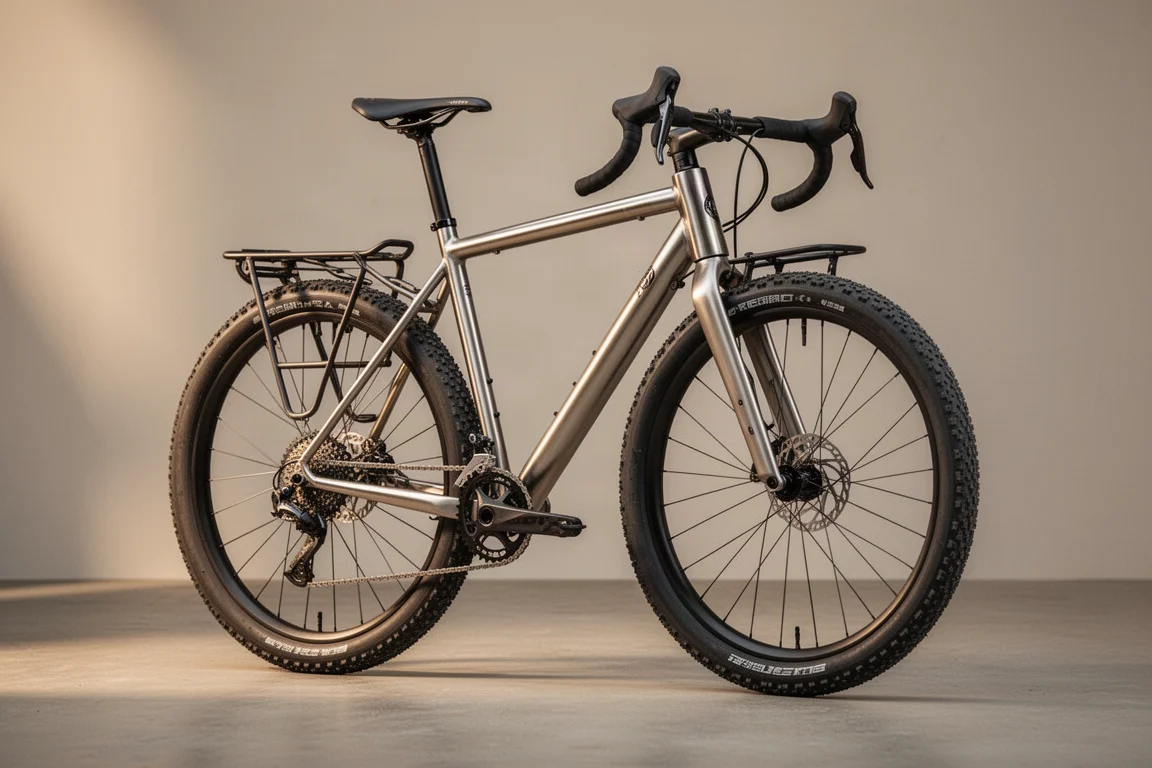
The right choice depends far more on where and how you ride than on any single specification. Riders who race or chase personal bests on smooth roads will get the most from an aero platform, whether that is the Van Rysel RCR, the BMC Teammachine R, the Focus Izalco Max or the Fezzari Veyo.
If long climbs are the priority, a lighter frame such as the Orbea Orca makes more sense than an aero one. Riders who value stability and comfort over the course of a long day should look at endurance models like the Focus Paralane, the Pinarello Dogma X or the Lauf Uthald, all of which trade some sharpness for composure.
Gravel riders have the widest spread of options here. The Santa Cruz Stigmata prioritises tyre clearance and easy maintenance, the Bianchi Impulso leans toward racing speed, the Time ADHX 45 offers small-batch in-house carbon, and the Reilly Fusion delivers titanium construction with a distinctive finish.
It is also worth thinking about ownership rather than just the first ride. Direct-to-rider brands such as Fezzari keep costs down but leave servicing and fit in your hands, while bikes with external routing and threaded bottom brackets are simpler to live with over several seasons.
Conclusion
These twelve bikes show how broad the road and gravel market has become. There are aero race bikes built with outside engineering expertise, lightweight climbers that deliberately step away from aerodynamic trends, endurance models designed for comfort over long distances, and gravel bikes that borrow freely from mountain bike design.
None of them is a universal recommendation. The most useful next step is to decide which of those priorities matches your riding, then compare the specific models that fit. Whichever direction you take, there is more genuine variety in this category than there has been for some time.
Further reading
Related Reviews
Cycling
2026 Bike of the Year and the Cycling Gear Worth Watching
A drop bar roundup for 2026 covering the Ridley Kanzo Fast 2.0, Shimano Dura-Ace Di2 R9300, Trek Checkpoint ALR Gen 3, Specialized Tarmac SL9, Garmin Fenix 9 and Insta360 X6.
Cycling
Best All-Road Bikes 2026: Six Versatile Endurance Road Bikes Worth Considering
A practical look at six all-road and endurance road bikes, from lightweight carbon speed machines to steel all-rounders and comfort-focused mile eaters.
Cycling
Best All-Road Bikes 2026: 8 Endurance Bikes for Road and Light Gravel
Eight all-road bikes that blur the line between endurance road and light gravel, compared on tire clearance, ride character, practicality, and value.