Cycling
11 Road and Gravel Bikes Worth Knowing: A Craft-Focused Roundup
Eleven road and gravel bikes chosen for craftsmanship, ride quality and long-term ownership, spanning stainless steel, titanium, aluminium, steel and carbon.
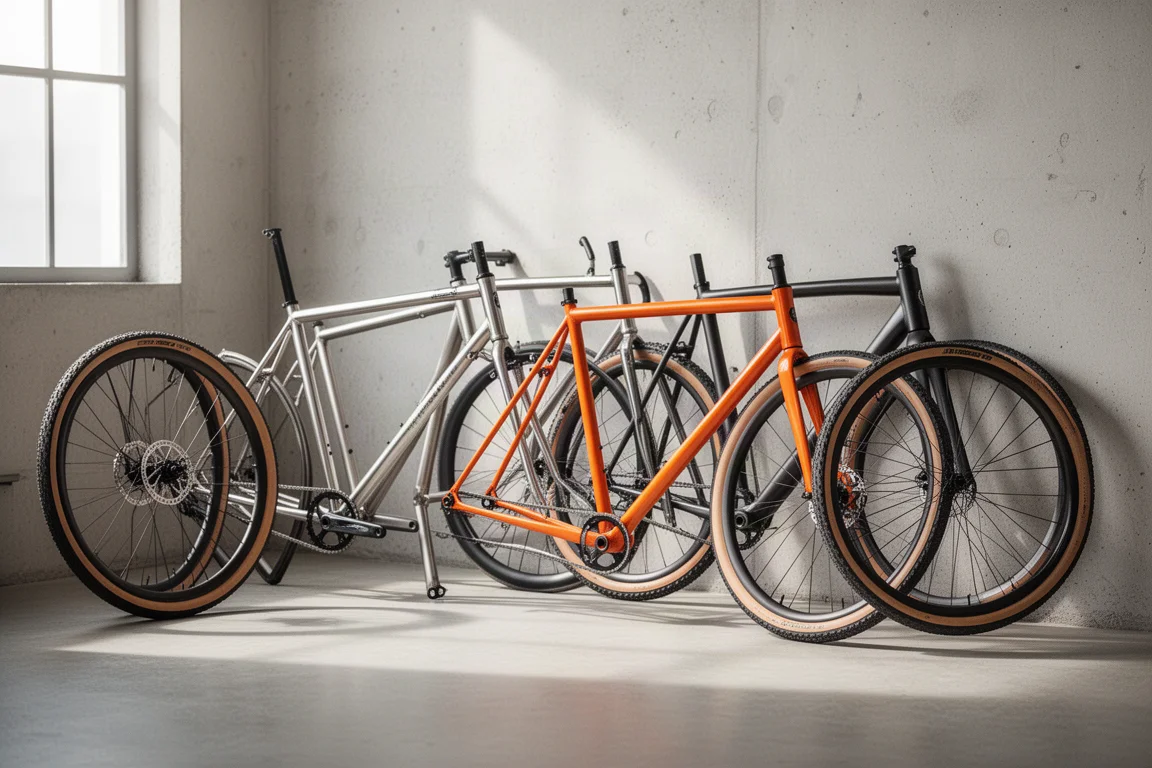
Introduction
Some bikes earn their reputation slowly. They are the ones owners keep, rebuild and ride for a decade or more, and they tend to share a few traits: honest frame materials, well-judged geometry, and details that make life easier once the novelty of a new paint job wears off.
The eleven bikes below are a mix of current production models and discontinued classics that still circulate through workshops and classifieds. Between them they cover stainless steel, titanium, aluminium, steel and carbon, with price points that range from sensible to genuinely aspirational.
What These Bikes Have in Common
Frame material matters less than how it is used. A well-built aluminium frame can be as rewarding as a titanium one, and a steel frame with the right tubing and the right geometry can do almost everything. What separates the bikes here is the quality of the execution: tube shapes drawn for a purpose, bottom bracket standards chosen for serviceability, tyre clearance that reflects how people actually ride, and finishes that still look good after a few seasons.
Availability is the other thread running through the list. Several of these frames are no longer in production, which makes them used-market purchases rather than something you can order. Others are current models that can be specced exactly as you want, which is a meaningful advantage if you plan to keep the bike for years.
Price is only part of the story, too. A frameset that costs a little more up front but uses standard, serviceable parts often works out cheaper over a long ownership period than a bargain frame with proprietary hardware.
Tommasini XFire
Tommasini builds the XFire from Columbus XCr stainless steel, and not from an off-the-shelf tube set: the tubing is drawn to a shape made specifically for the brand. Stainless steel frames are already a niche interest, and a proprietary profile on top of that makes the XFire one of the more distinctive road frames currently available.
It is a current production model, which matters if you want a frame you can order rather than hunt for.
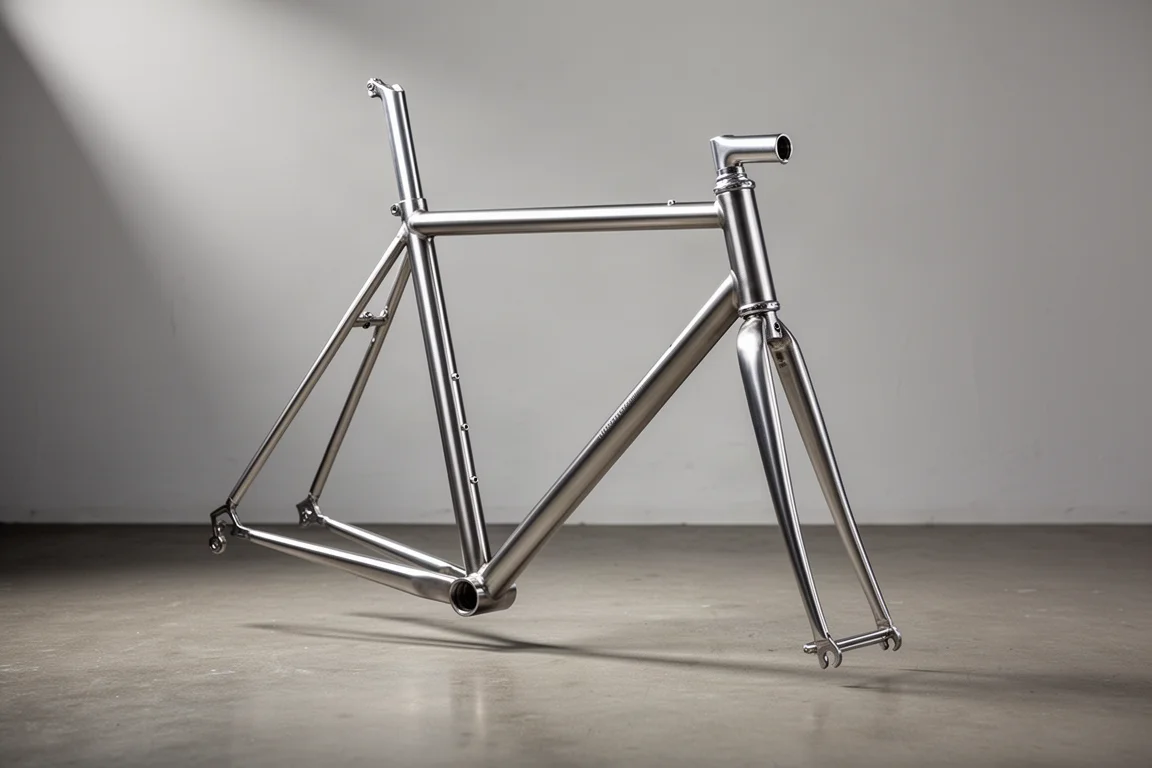
Tommasini Fusion
The Fusion was an early-2000s alloy frame built from Columbus Starship tubing, and it could credibly claim a frame weight under a kilo at a time when that was extraordinary. Only a handful of frame builders could work with the material at all, which is a large part of why it retains the reputation it does.
It is no longer obtainable new. Ownership today means buying used, or holding on to the one you already have.
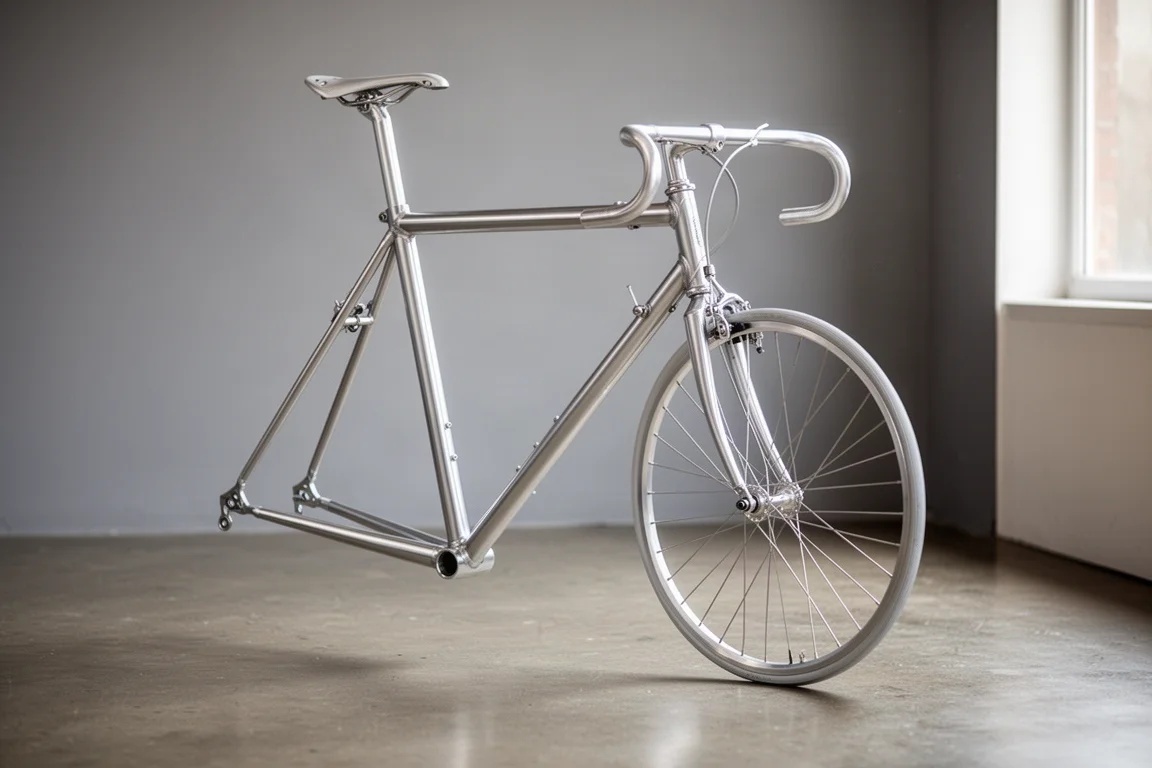
Cannondale CAAD4 R600
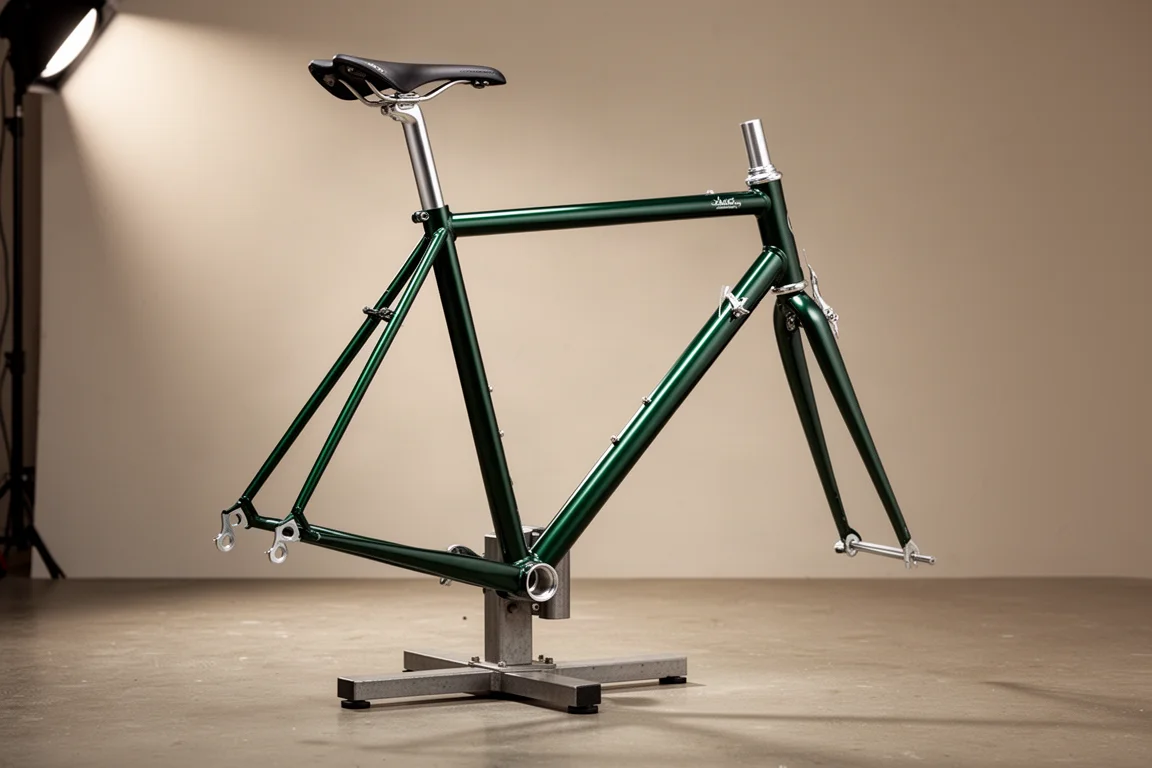
Aluminium race frames from this era have come back into fashion, and the CAAD4 R600 shows why. Finished with a silver groupset and silver finishing kit, and offered in a handful of colours including a dark green that has been turning up in recent rebuilds, it is a bike that looks right from every angle.
Cannondale’s engineering of the period was genuinely inventive: removable dropouts, seat stays reshaped for compliance, and tubing profiles adjusted to add stiffness without making the ride harsh. That thinking is what still makes these frames worth building up today.
J.Guillem Atalaya
The Atalaya is a titanium gravel frameset from a small, deliberately niche brand that also offers road frames and a mountain bike frameset. Titanium is the whole appeal: it shrugs off the kind of cosmetic damage that would leave a permanent mark on a painted frame, and a scuff can usually be polished out with a bit of effort.
That durability is why the Atalaya has become one of the most popular framesets in its class, and why it keeps surviving years of hard use without drama. It is a long-term purchase rather than a short-term experiment.
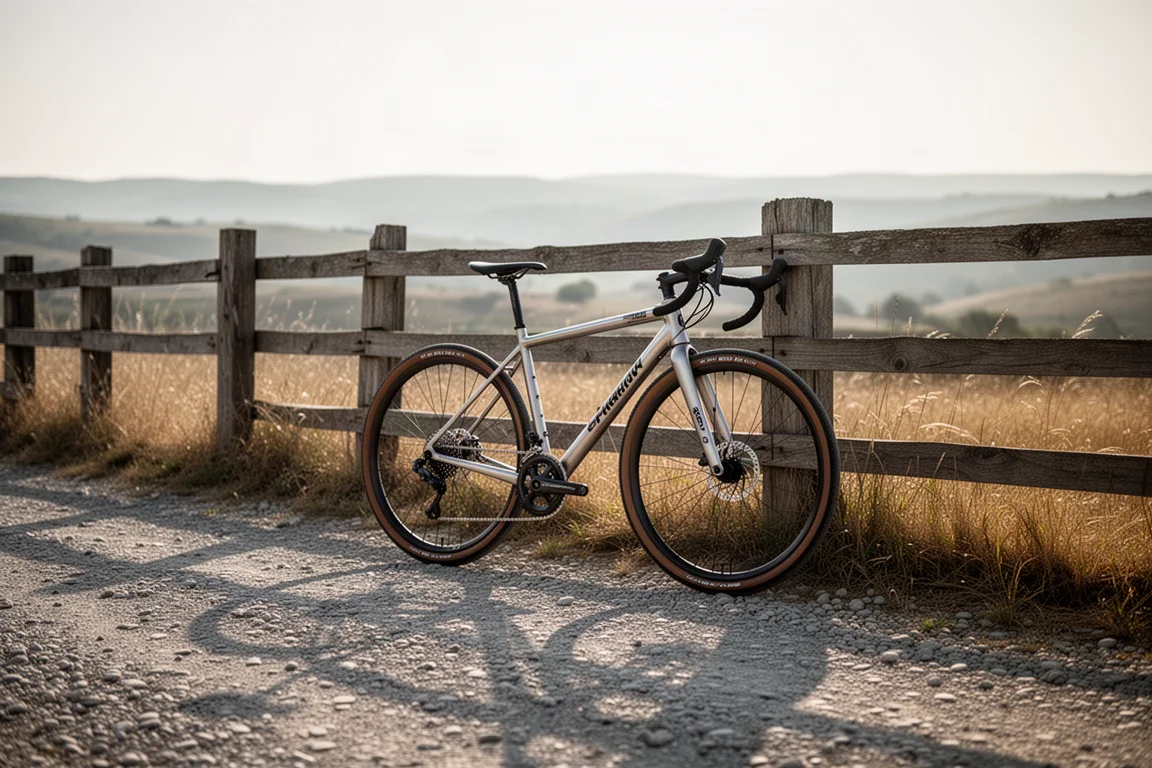
Riders who want one bike to cover gravel, mixed surfaces and long days in the saddle tend to settle on titanium for exactly this reason. The frame rewards patience, because it will not need replacing.
Reilly Reflex
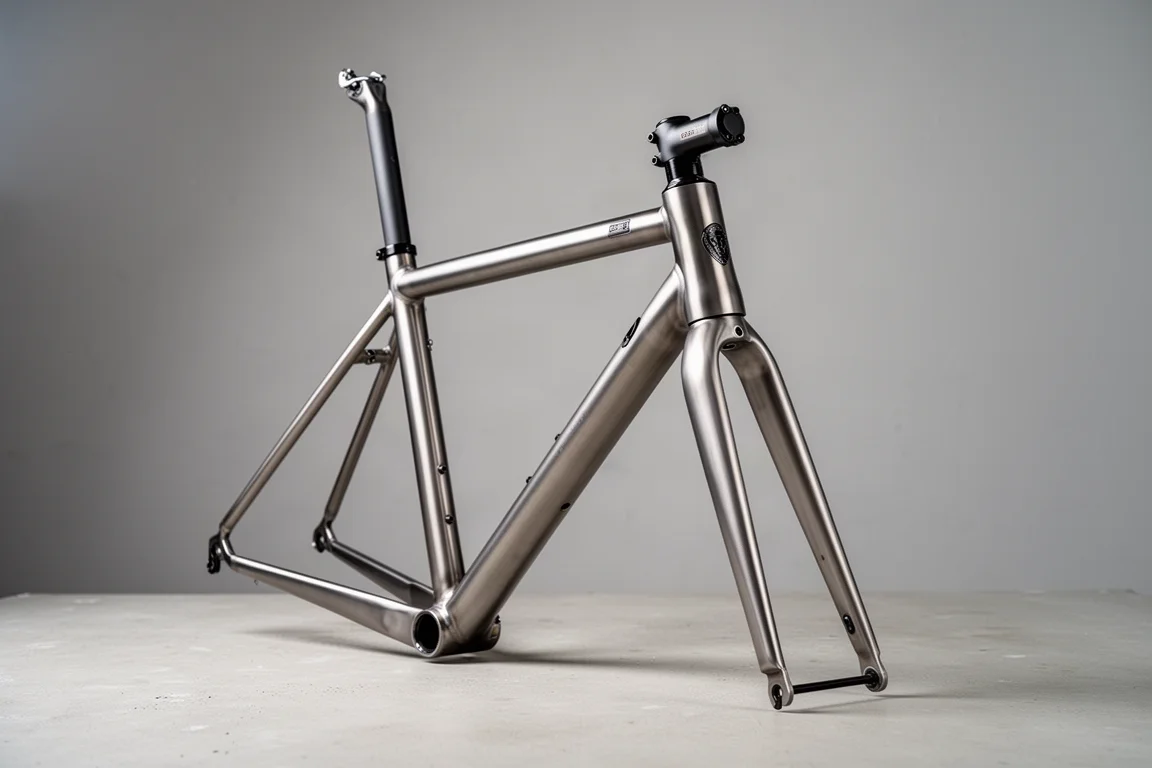
The Reflex is a titanium gravel frameset with unusually generous tyre clearance. It takes 650b wheels up to 2.4in, and 700c or 29er wheels up to 2.1in, which covers everything from fast gravel to genuinely rough terrain. Cables can be run integrated or externally, so you can choose between a clean front end and easy maintenance.
It uses a T47 threaded bottom bracket rather than a press-fit shell, a detail that matters to anyone who services their own bikes. Custom anodisation is also available, which answers the usual complaint that titanium frames all look the same.
Sarto Seta Plus
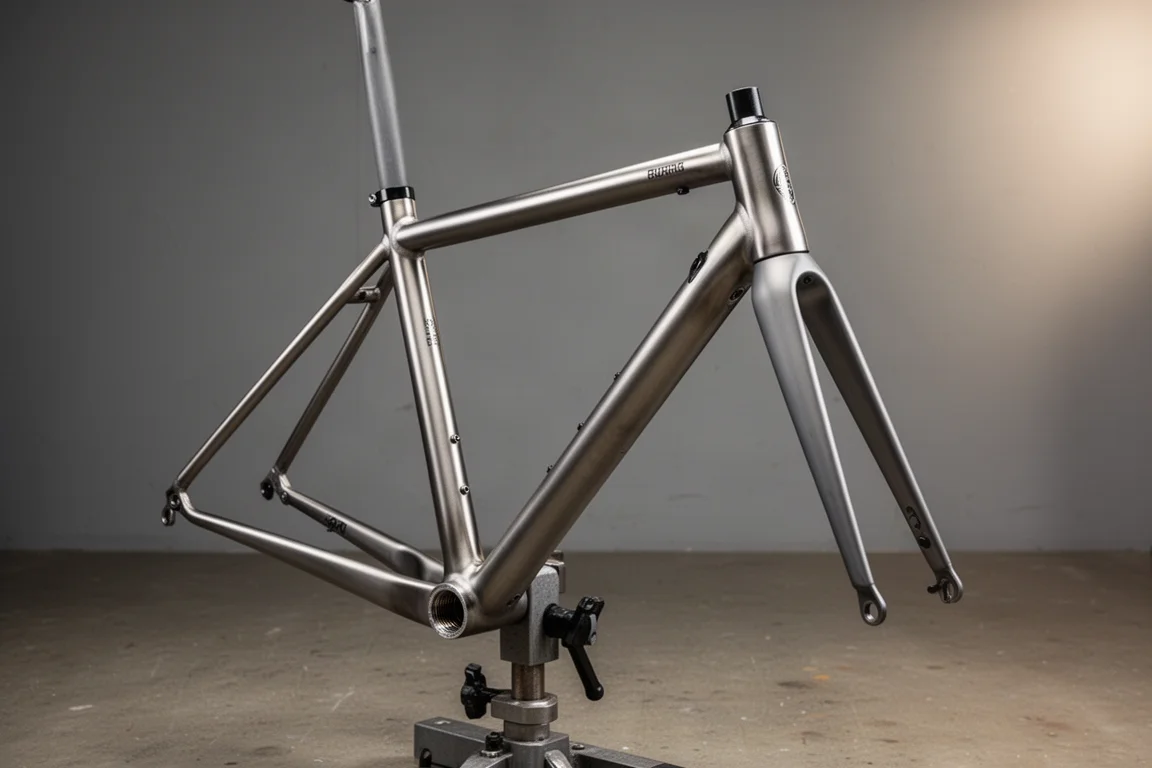
The Seta Plus is a carbon road bike that makes a strong case for wider tyres on the road. With 32mm rubber fitted, it stays comfortable over broken surfaces while still braking late and hard into descents, which changes how confidently you ride a fast group.
It is the kind of frame that resets expectations: comfort and speed do not have to be a trade-off, and going back to narrow tyres afterwards feels like a step backwards. It is not an inexpensive frame, and it is positioned accordingly.
Cinelli Experience
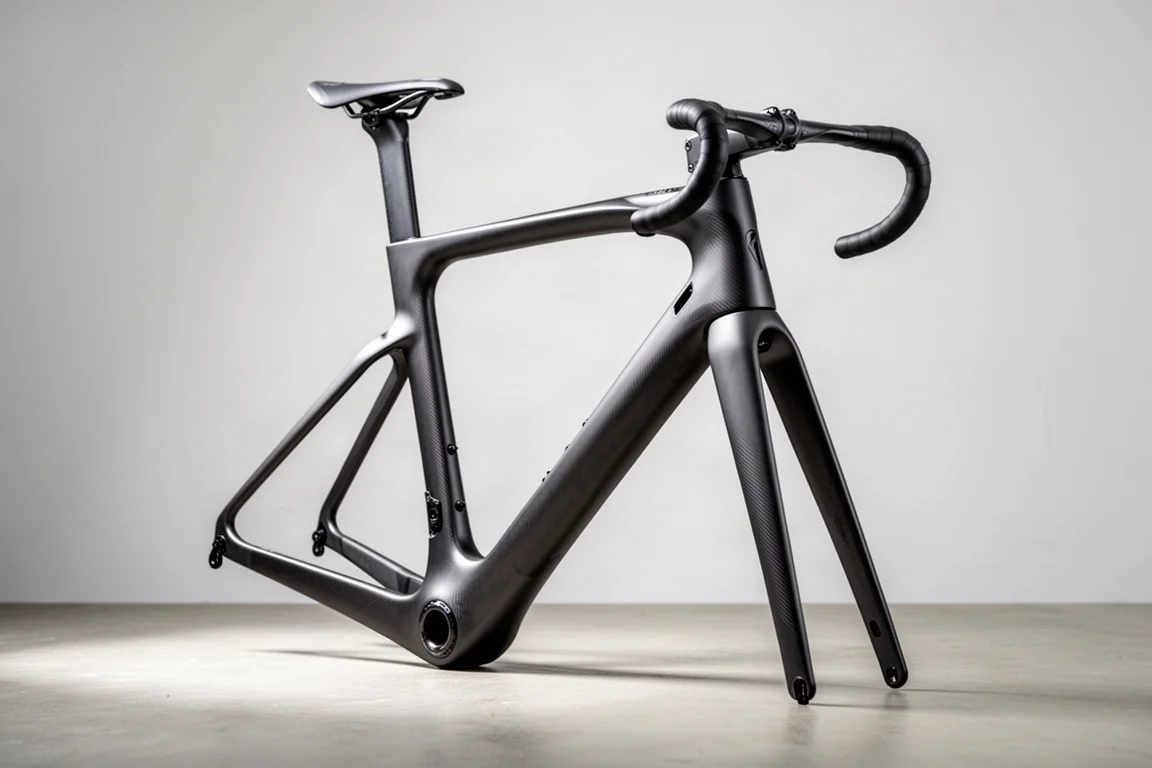
The Experience is an aluminium frameset built from Columbus Airplane tubing, a highly regarded alloy from the era when aluminium was the default race material. It was sold as a frameset with a groupset positioned between 105 and Ultegra level for around £800, and it was a lovely looking bike with plenty of scope for custom paint.
It was discontinued at the start of the pandemic, so it is a used-market find now. The people behind Cinelli also own Columbus, which is why Columbus tubing appears across the range.
Kinesis Tripster
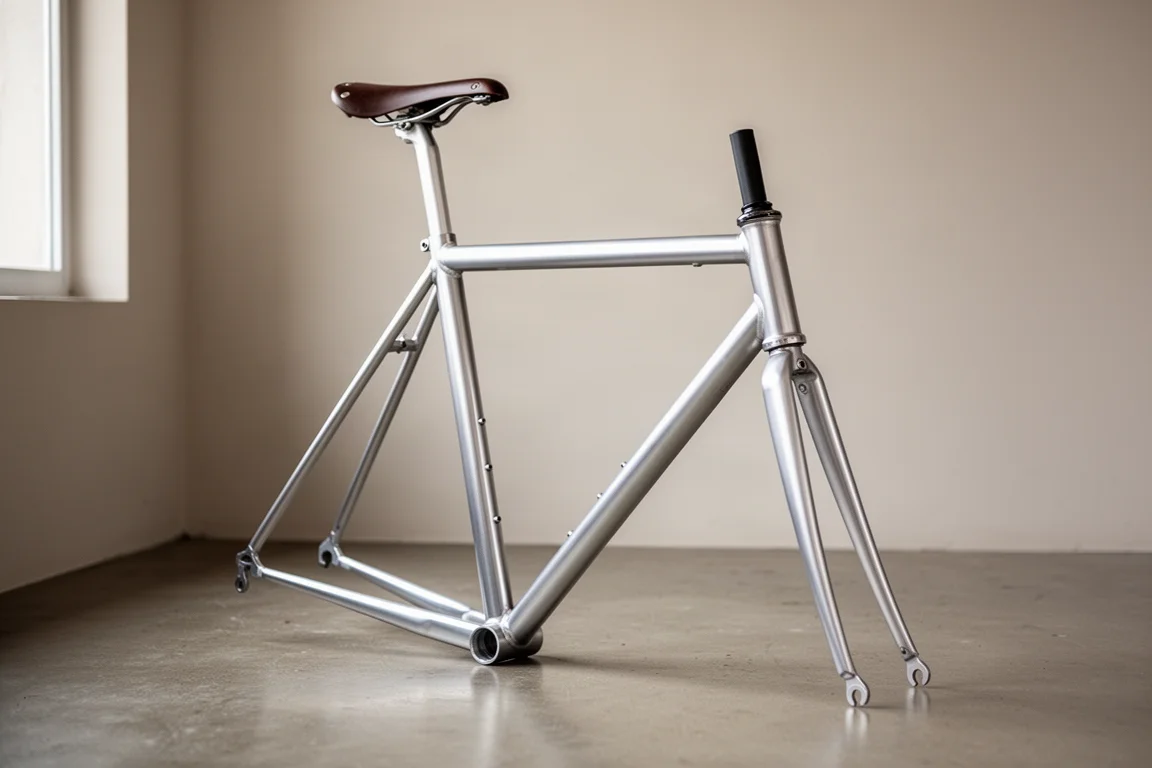
The Tripster is an aluminium gravel frameset from a company with a long history in cyclocross. It costs around £750 as a frameset, offers plenty of bottle mounts, and came in a choice of green or a very loud orange.
A newer version has since been released with clearance for even bigger tyres, which keeps the platform relevant for riders who want one bike for mixed surfaces.
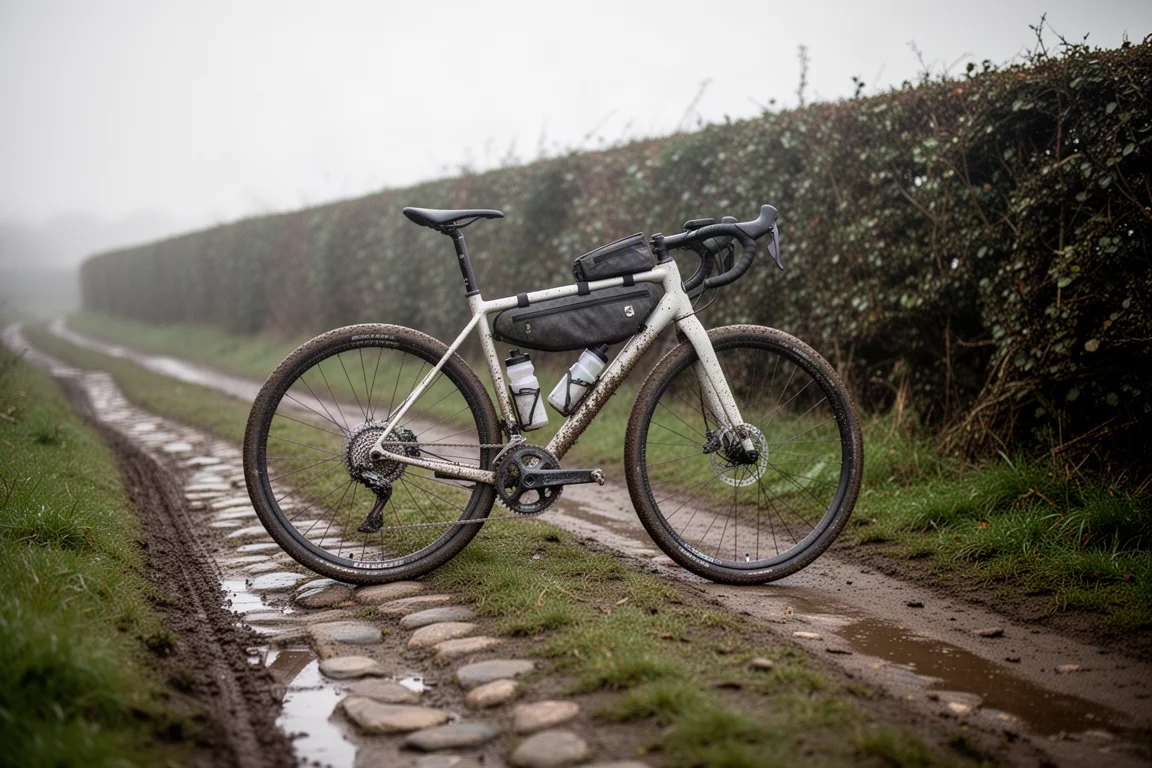
For riders building a first gravel bike on a sensible budget, the Tripster remains one of the more versatile starting points, and the frameset price leaves room in the build budget for wheels and tyres that suit your terrain.
Time ADHX
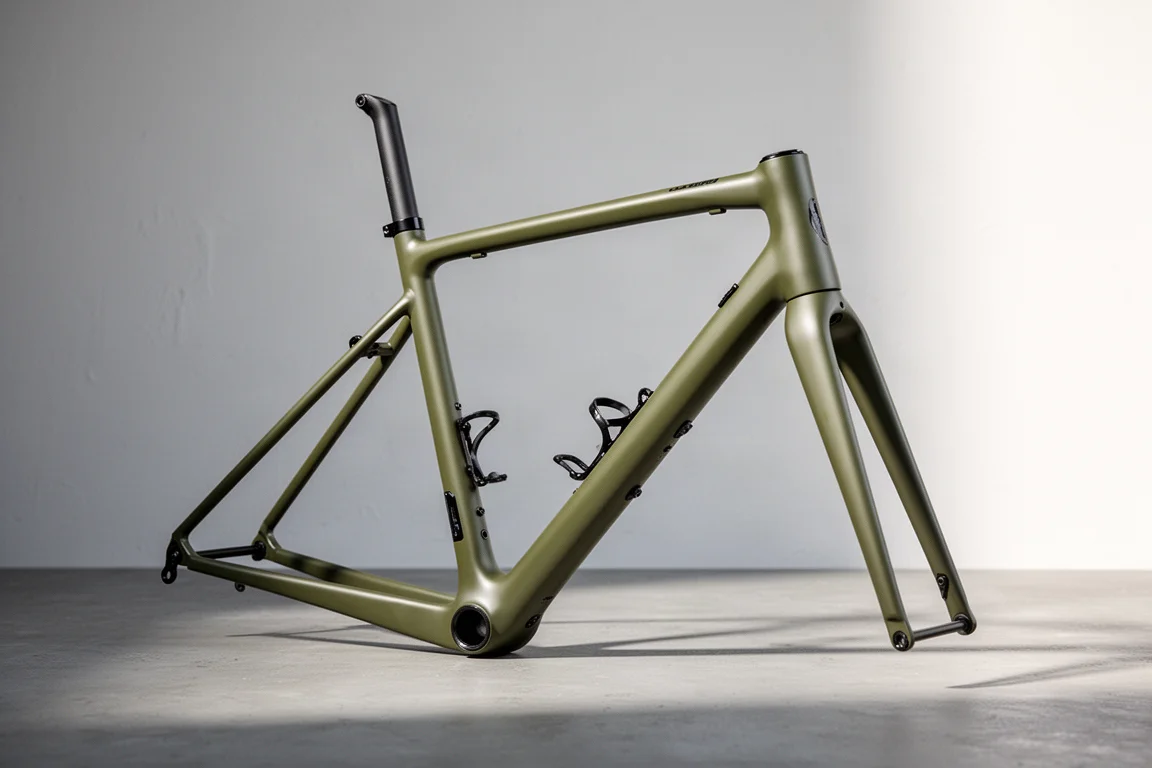
Time is one of the few frame makers that builds carbon in a fundamentally different way. The fibre is woven in-house on a loom rather than bought in as sheets, and the moulds are made from wax, with the frame effectively stitched together by hand. The result is a frame that is a piece of craft as much as a piece of engineering.
The ADHX is the all-road model, and its tyre clearance is modest enough that it is better understood as a road bike than a gravel bike; the geometry supports that reading. The way the carbon is made is the real story here.
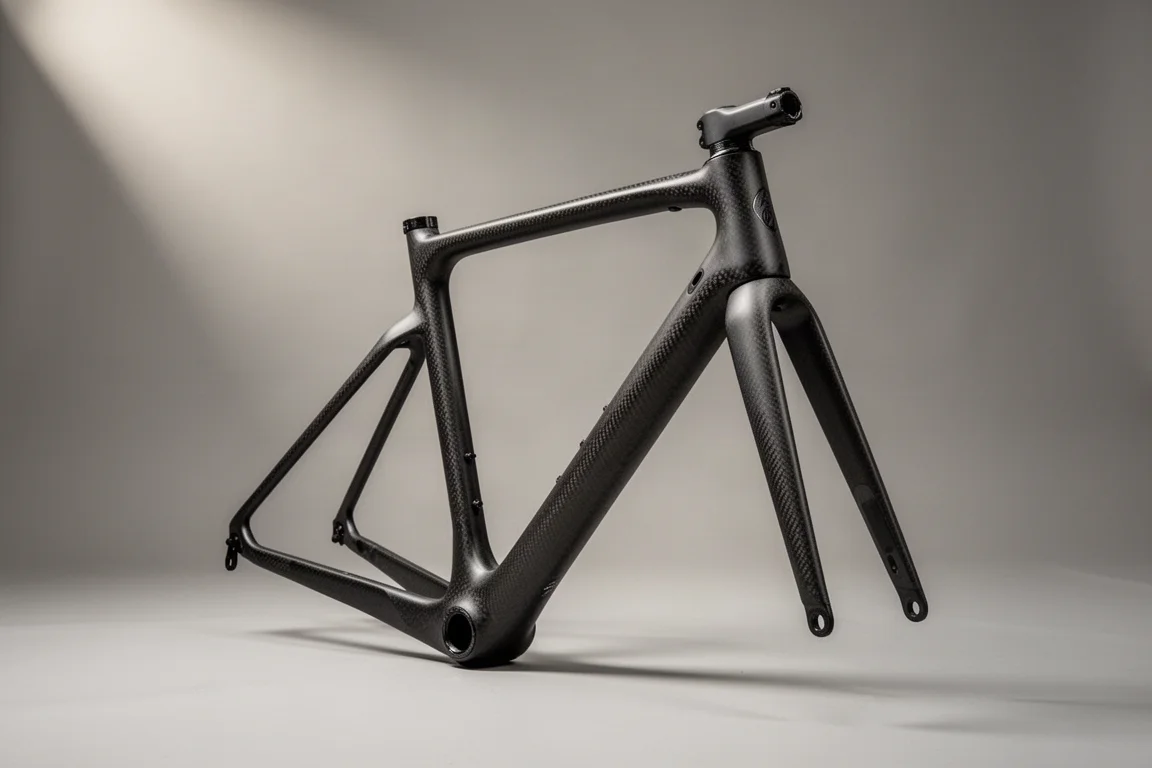
Officina Battaglin Portofino
This is aspirational Italian steel. Giovanni Battaglin won the Vuelta and the Giro in the same year in 1981, and the frames that carry his name are built with that heritage in mind. The house signature is a chrome finish painted over, so the metal shows through at the stays and fork.
The Portofino Gravel is the current expression of that approach. Custom builds are released in limited annual batches, with 70 frames for the year, each numbered between 1 and 70 and never repeated. Many owners would rather hang one on a wall than risk it on a wet ride.
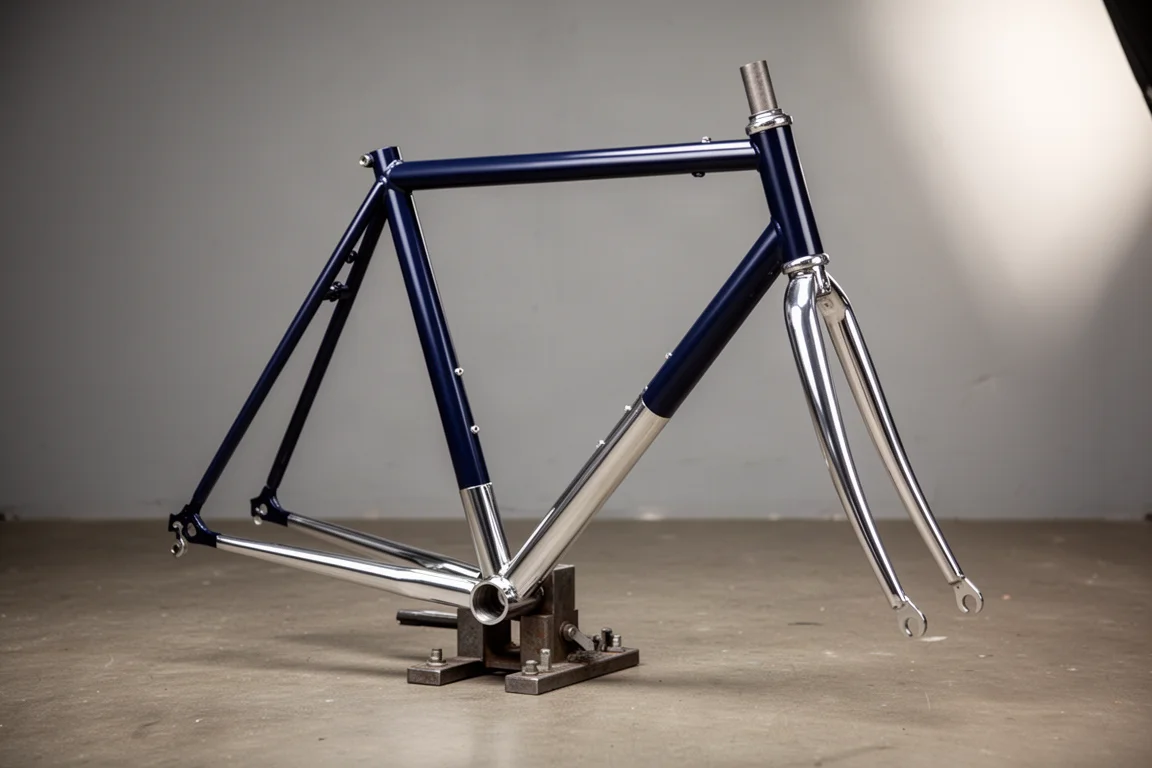
Brother Mehteh
The Mehteh is a steel gravel frameset from an English company, and one of the most sensible one-bike options in this list, particularly in the Tequila Sunrise colourway. It retails at around £999 for the frameset and comes with every mount you could reasonably want, external cable routing, a carbon fork and a BSA threaded bottom bracket.
Clearance is 700x50mm, but the geometry is composed enough that with 32mm tyres it doubles as a road endurance bike. It is a frame that invites you to build it up yourself and keep the specification simple.
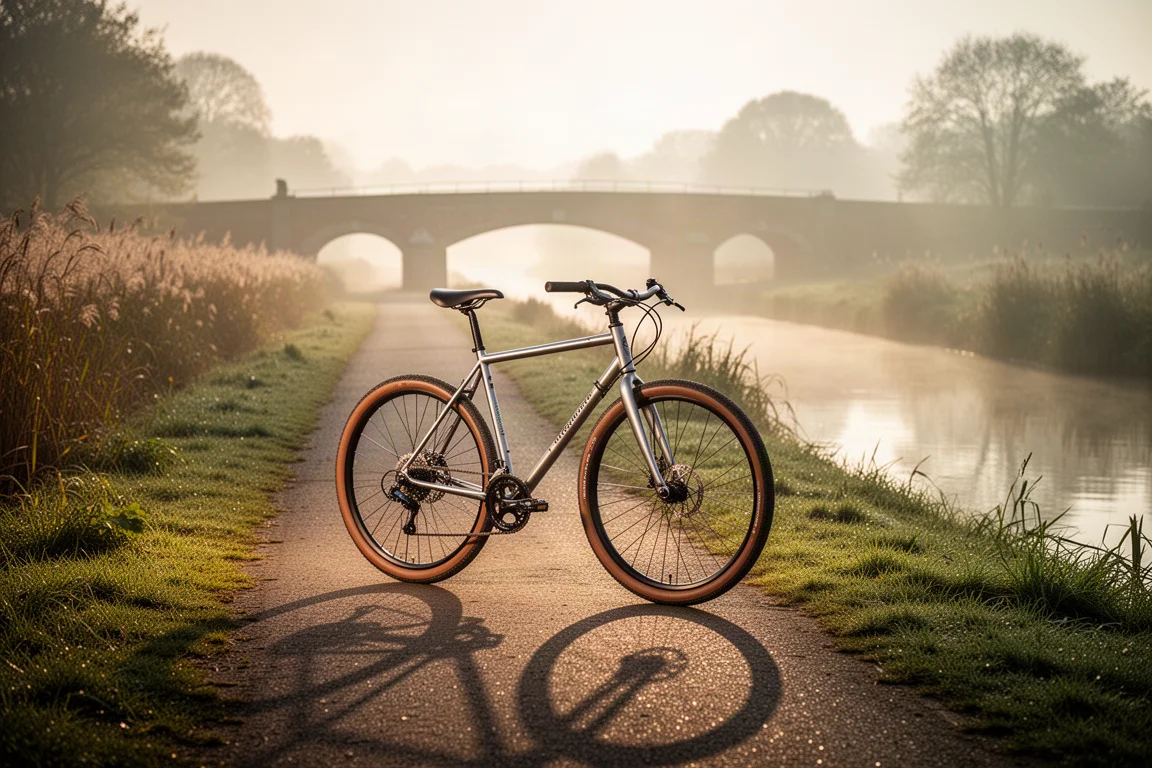
For a rider who wants a single bike for commuting, gravel and long road days, this is one of the easiest recommendations to make, and one of the best value framesets in this roundup.
Buying Advice
Choosing between these bikes comes down to three questions. First, what surfaces will you actually ride? A frame with 700x50mm clearance covers gravel and road with nothing more than a tyre change, while a road frame with 32mm clearance is faster on tarmac and still fine on light gravel.
Second, how do you want to maintain it? Threaded bottom brackets, external cable routing and standard component standards make home servicing straightforward, and titanium or stainless steel finishes hide wear better than paint. Details like a T47 bottom bracket shell or a BSA threaded shell are worth more over a decade of ownership than a marginal weight saving.
Third, do you need to buy new? Several of these framesets are discontinued, so a used purchase is the only route. Current models such as the XFire, the Atalaya, the Reflex and the Mehteh can be ordered and built to your own specification, which is usually the better long-term decision if the budget allows.
Conclusion
There is no single best bike here, and that is the point. The XFire and the Seta Plus reward riders who want a fast road frame with real character. The Atalaya, the Reflex, the Tripster and the Mehteh cover gravel and mixed surfaces with clear-eyed practicality. The CAAD4 R600 and the Experience are the value picks if you enjoy building up a classic. And the ADHX and the Portofino are the ones you buy when the craftsmanship itself is the reason.
Match the frame to the riding you do most, and any of these will keep earning its place in the garage for years.
Further reading
Related Reviews
Cycling
2026 Bike of the Year and the Cycling Gear Worth Watching
A drop bar roundup for 2026 covering the Ridley Kanzo Fast 2.0, Shimano Dura-Ace Di2 R9300, Trek Checkpoint ALR Gen 3, Specialized Tarmac SL9, Garmin Fenix 9 and Insta360 X6.
Cycling
Best All-Road Bikes 2026: Six Versatile Endurance Road Bikes Worth Considering
A practical look at six all-road and endurance road bikes, from lightweight carbon speed machines to steel all-rounders and comfort-focused mile eaters.
Cycling
Best All-Road Bikes 2026: 8 Endurance Bikes for Road and Light Gravel
Eight all-road bikes that blur the line between endurance road and light gravel, compared on tire clearance, ride character, practicality, and value.