Hypercars
Rimac Nevera vs Bugatti Chiron Super Sport: Two Hypercars, Two Very Different Ideas of Speed
A 1,888bhp electric hypercar and a 1,600PS quad-turbo W16 icon go head to head in Croatia, and the gap between them is bigger than you might expect.
Introduction
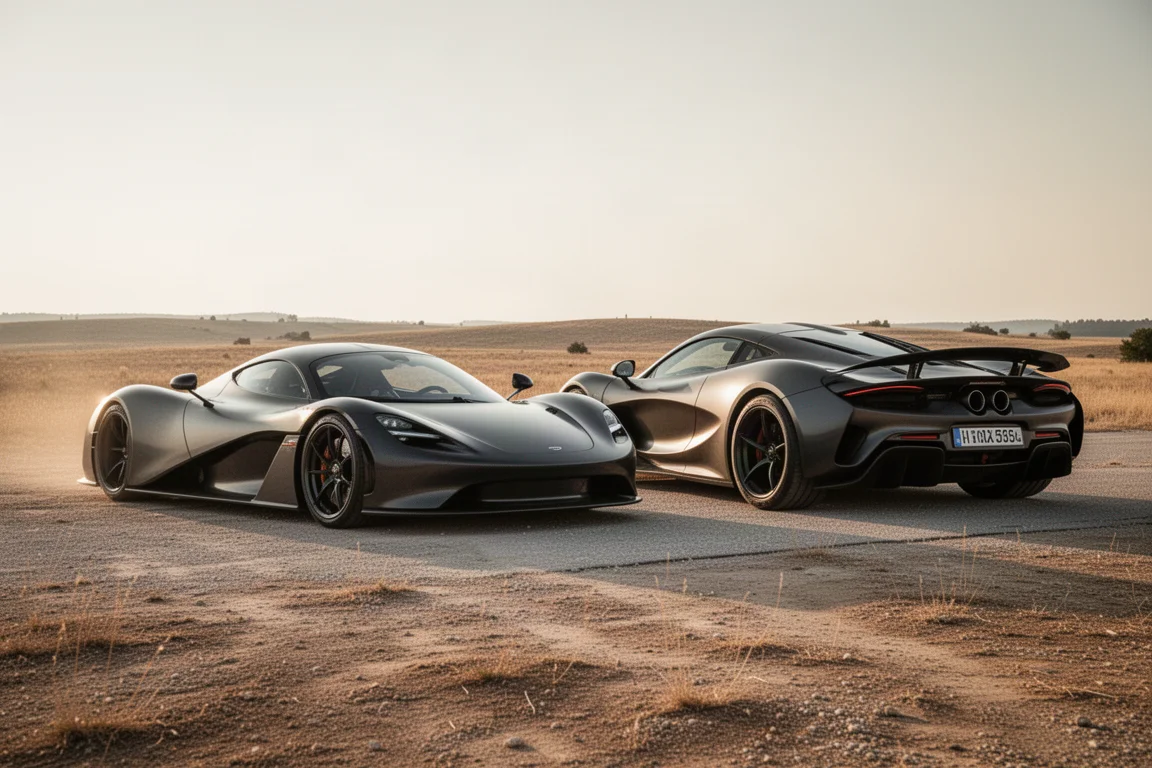
Croatia has become an unlikely coliseum of speed, and the two combatants here could hardly be more different. Together, the Rimac Nevera and the Bugatti Chiron Super Sport generate around 3,500bhp, and their combined top speeds exceed 550mph. One is propelled purely by electricity; the other relies on an 8-litre quad-turbo W16 engine and a seven-speed dual-clutch gearbox driving all four of its enormous 20- and 21-inch wheels.
The Nevera is, by a fair margin, the more potent of the pair, as well as the heavier. It is also the quicker where it counts, which is a slightly disorienting realization once you sit with it. But the Chiron Super Sport has a charm and an almighty turn of speed all of its own, and that makes it no less incredible. The question is not really which is faster, but which you would actually prefer.
Evaluation Criteria
This comparison focuses on straight-line performance, traction and braking, cornering behaviour, cabin quality, drive modes, and what it actually costs to refuel or recharge each car. All of the testing took place on closed public roads in Croatia, which is the only sensible place to explore what nearly 1,900bhp feels like.
Rimac Nevera: The 1,888bhp Electric Juggernaut
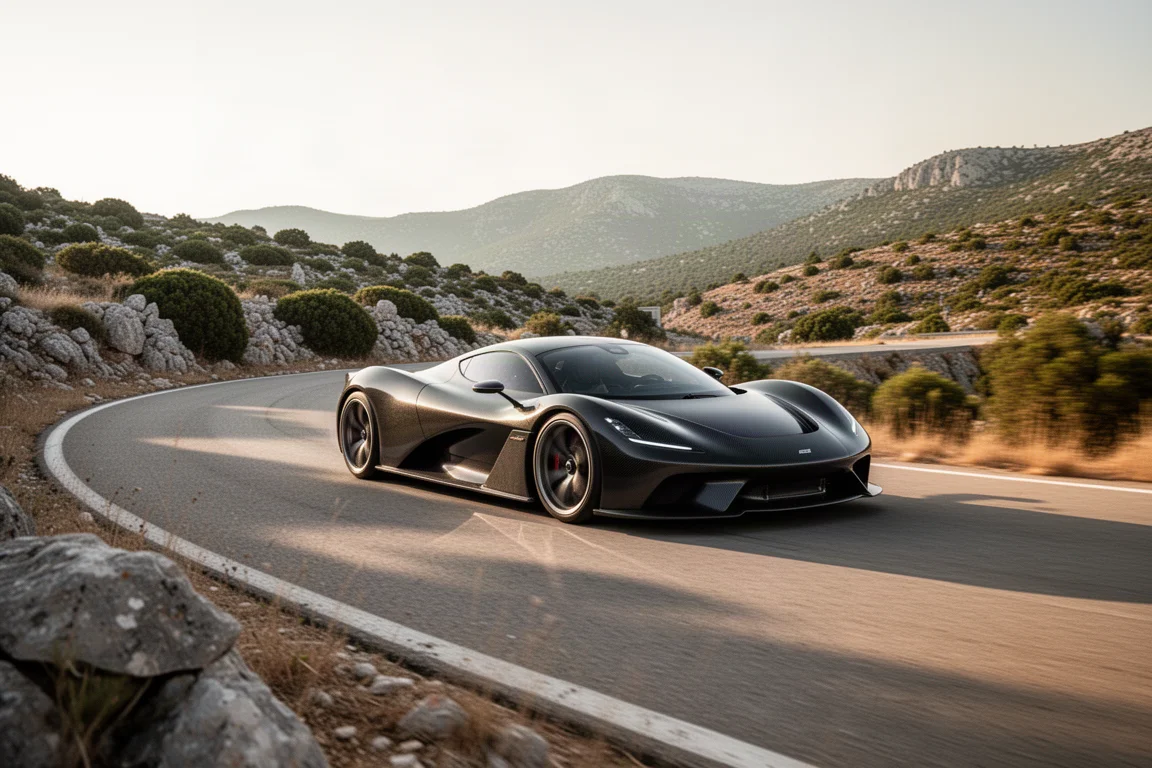
The Nevera does not feel like a one-off freak show. It feels like the product of a manufacturer that has been perfecting this craft for decades rather than one, which is remarkable given how young Rimac is. The company’s client list is a roll call of the great and good of the car industry: Porsche, Bugatti, AMG, Hyundai. The world’s best carmakers go to Rimac for EV technology, know-how and brainpower, and the Nevera is the pinnacle of that thinking.
The numbers are absurd. A 120kWh battery deploys its energy through four individual electric motors, one at each wheel. The front motors produce a combined 590bhp and 412lb ft of torque; the rears 1,288bhp and 1,326lb ft. That totals 1,888bhp and 1,739lb ft, enough to launch the Nevera from 0 to 60mph in 1.85 seconds and to 186mph in just over nine seconds. For context, the Chiron Super Sport needs another four seconds to reach 300km/h. That is not an exaggeration: anything the Chiron tries, the Nevera does three times better in a straight line, around corners, under traction and under brakes.
What makes all this deployable is the software. The traction control and ESC systems are so cleverly developed that you can actually use all this energy on the road, which is perhaps the most impressive trick of all.
Bugatti Chiron Super Sport: The Old-School Excess Machine
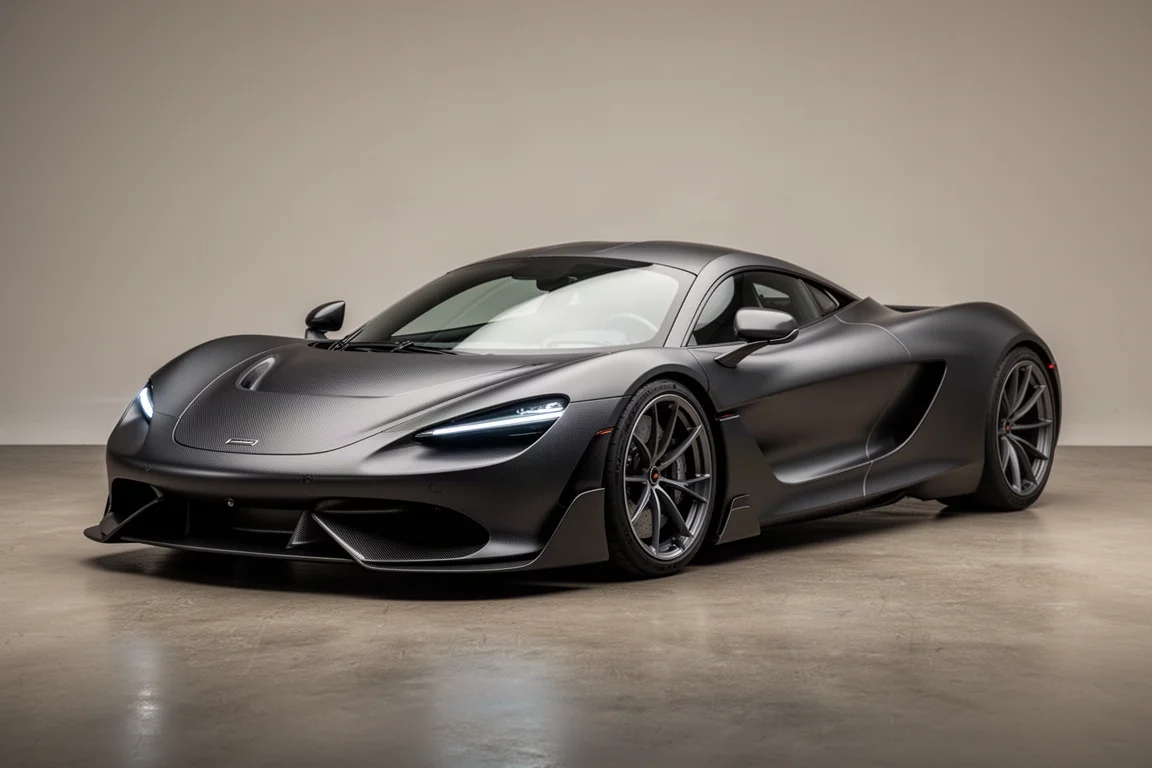
Climbing from the Nevera into the Chiron Super Sport is a night-and-day experience. The Chiron lineage has always felt like a super-rapid gentleman’s club on wheels, and the Super Sport is exactly that, except it happens to have 1,600 horsepower. There is a beautiful, thunderous sub-bass noise from behind you, one that even comes through the seats, and it is deeply magnificent.
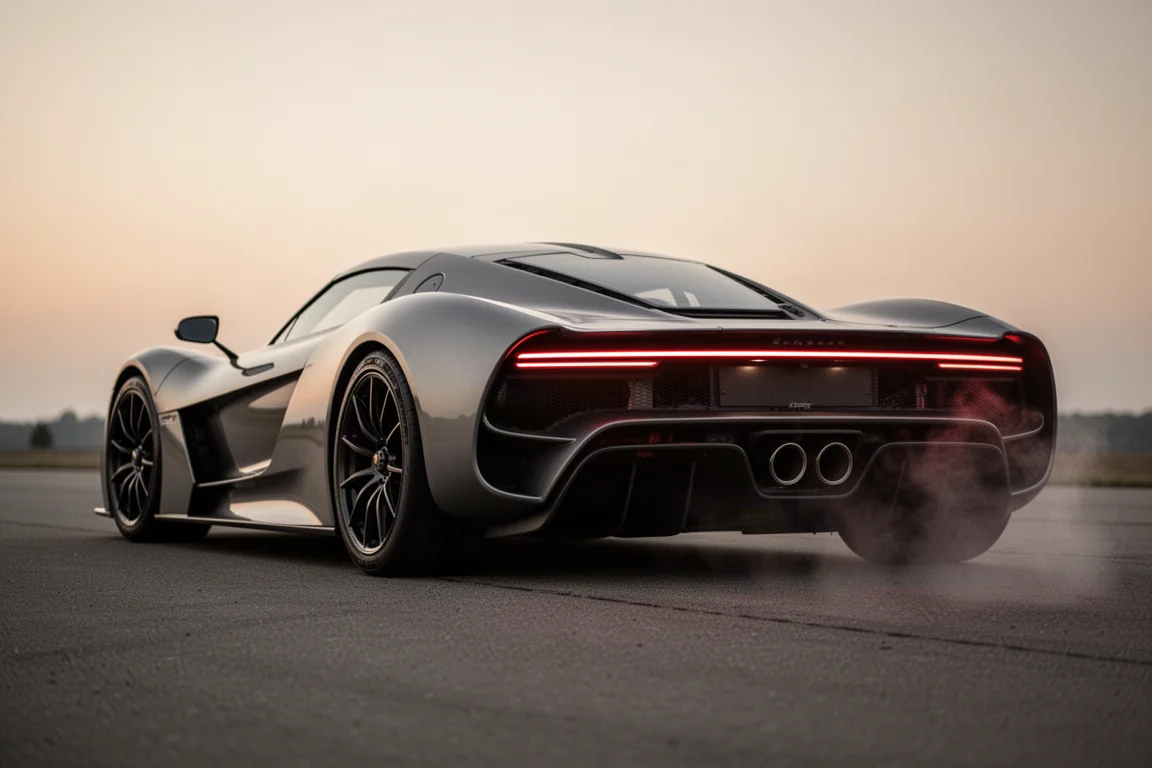
The thrust is nowhere near as big as the Nevera’s, but in isolation it is still crazily fast, and the way it delivers that torque is partly related to how heavy it is. There is something rude about how fast this thing feels. You also get the tactile delight of flicking paddles and upshifting, and downshifting into corners makes the car feel like it is stopping more stably. Big stops on several surfaces have shown it does not brake as well as the Nevera, but that does not diminish the appeal. There is nothing else like this car on the planet, and if you have petrol in your veins rather than electricity, you will fall for it completely. It is the original crazy, old-fashioned, totally excessive dinosaur of a supercar.
The three drive modes are EB mode, the most chilled and GT-like; Autobahn mode, which shifts the aero balance for straight-line stability at the expense of steering feel; and handling mode, a racier setting with a flag on the display. The steering is cuddly after the Nevera, and the car wanders a little, but you learn to go with the flow rather than fight it.
Cabin and Living With the Nevera
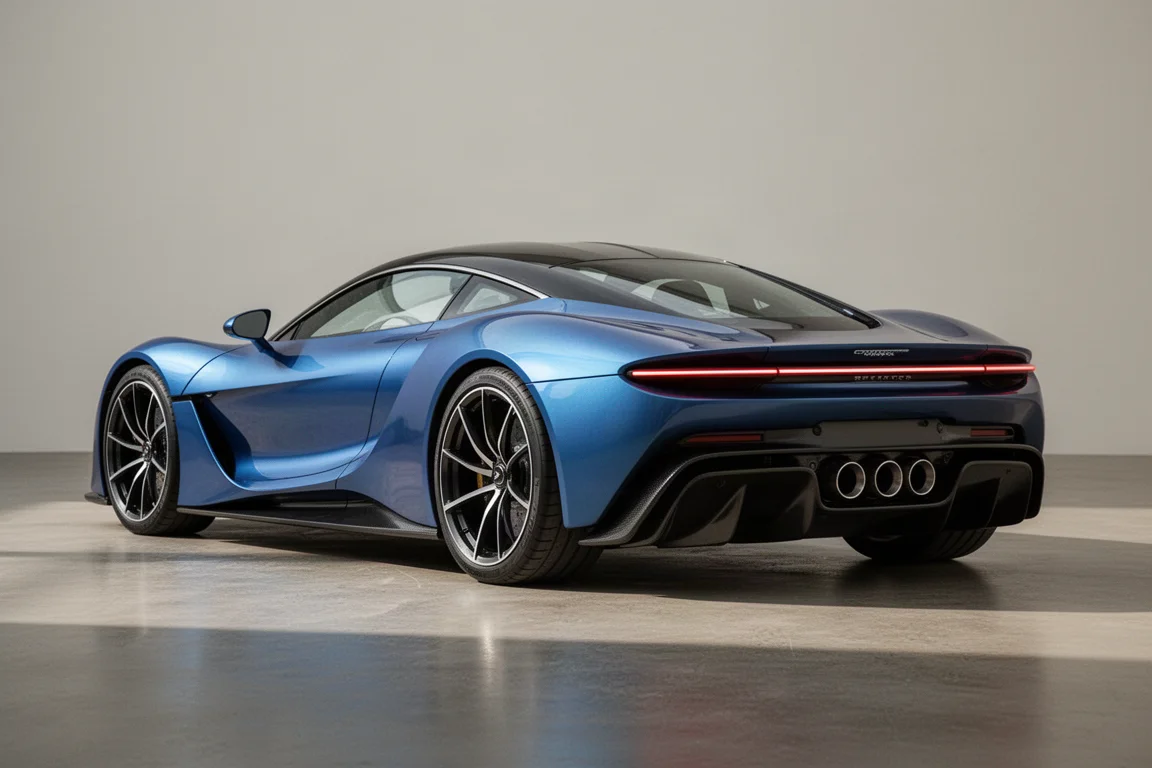
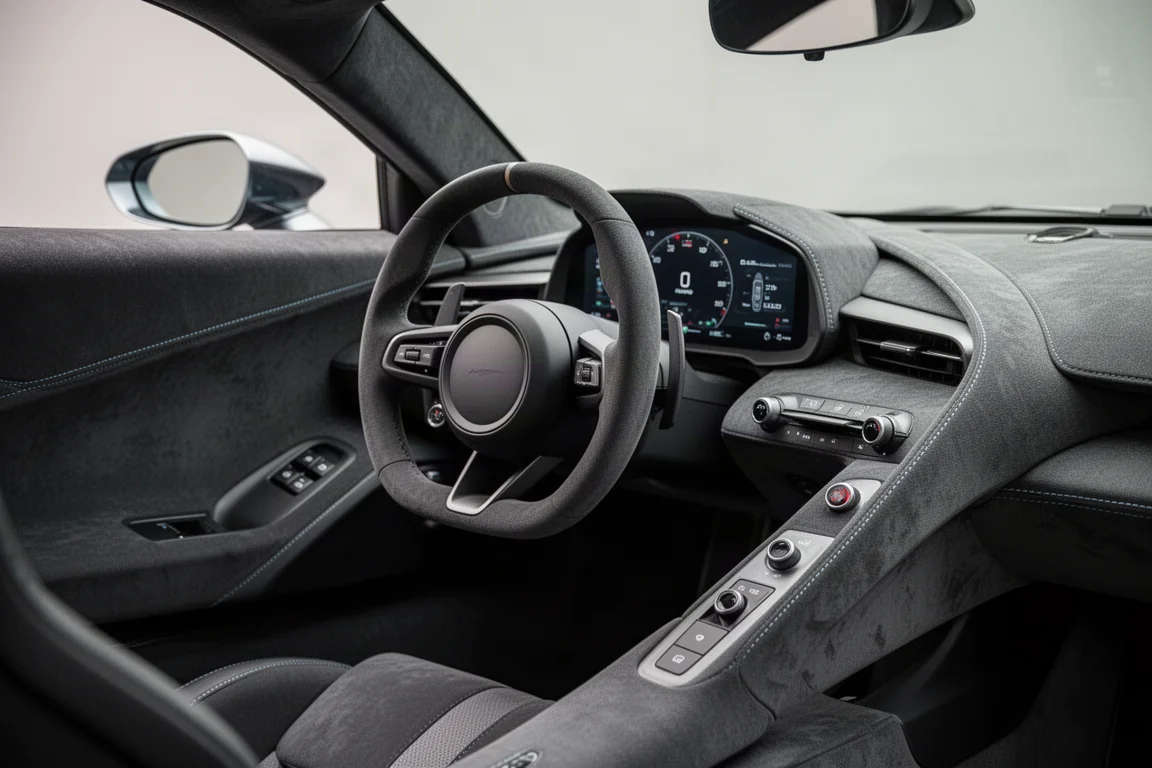
The Nevera’s cabin is deliberately understated. It is not flash, there are not buttons everywhere, and it contains what you want and not a lot more. Mode changes are simple and intuitive, with lovely Alcantara rather than flashy leather. It is nowhere near as luxurious as the Bugatti inside, so that is horses for courses, but the quality is beyond doubt: it feels beautifully made, expensive and top-end in a way that resembles the very best Porsche interiors.
The sound treatment is telling. Rimac developed an anti-noise system that would have made the car silent, then decided the result no longer felt natural. Instead they left sound rather than noise in, which is exactly the right call. The steering is heavy and beefy, and the car feels more physical, engaging, smaller and nimbler than the Chiron. Rimac calls it a hyper-GT, but it feels much more like a proper super sports car.
Running Costs and Charging
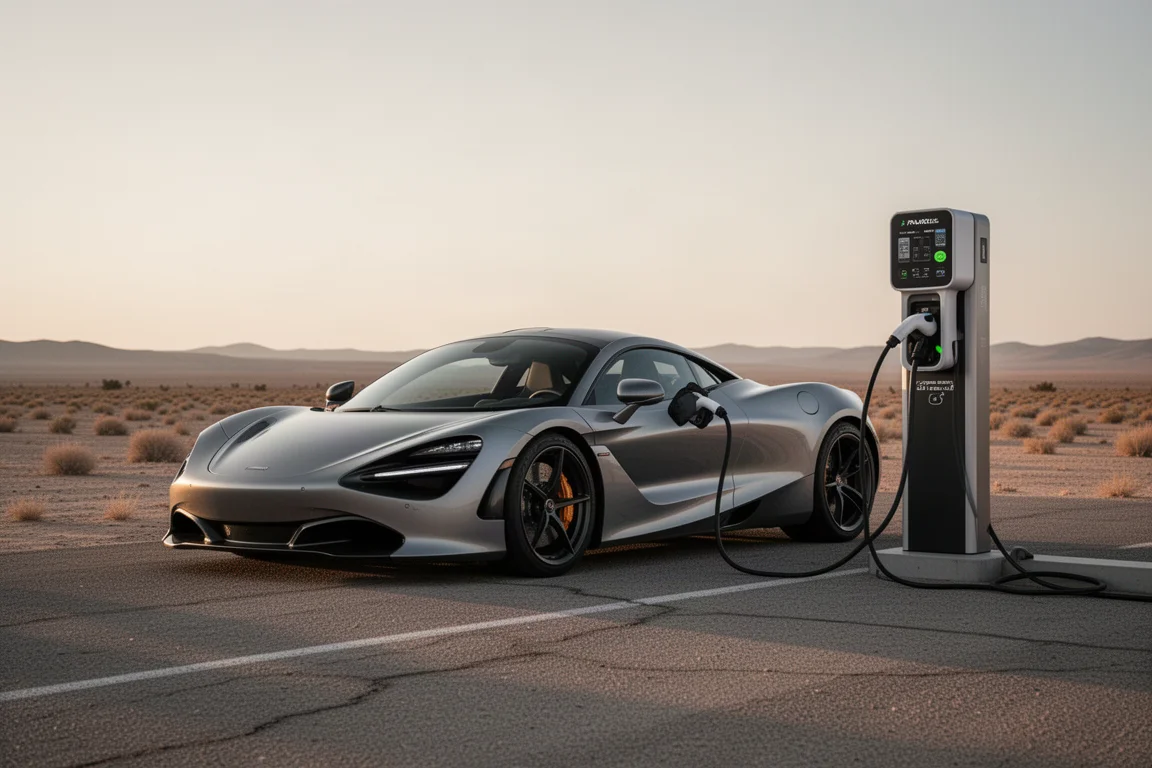
The running-cost gap is genuinely striking. If you find a fast charger, the Nevera can be refilled in about 15 minutes, at a cost of roughly £30 for its 300-mile range. The Chiron Super Sport, on the other hand, costs over four times as much to refill with super unleaded and has a slightly shorter real-world range once refuelled. For a car with this much performance, that is an unexpected everyday advantage for the EV.
Which Should You Choose?
The strange truth of this comparison is that Rimac now owns the controlling share in Bugatti, so Rimac will be building whatever comes next from both companies. Rumour has it the next model will not hold back: think a high-revving W16 plus hybrid power borrowed from the Nevera, wrapped in a car weighing far less than the Chiron does today.
In the here and now, though, the verdict is clear. The Nevera has changed everything. Apart from the noise, it destroys the Chiron Super Sport in every measurable way, and subjectively it is right up there, if not beyond. A car with 1,600PS that once felt like the fastest thing in the universe is relegated to second place, and not by a small margin. If you are spoiled for choice with serious money, the electric option is currently the star of the show.
Conclusion
The Bugatti Chiron Super Sport remains a magnificent, absurd, petrol-fuelled relic that will be sorely missed when it is gone, and nothing else on Earth sounds or feels like it. But the Rimac Nevera is the more complete, more capable and more future-proof hypercar, and it beats the Bugatti at almost everything the Bugatti was famous for. If you have petrol in your veins, the Chiron will steal your heart. If you want the fastest, most advanced machine of this era, the Nevera is the one to buy.
Further reading
Related Reviews
Hypercars
Czinger 21C Spider: A Roofless, 3D-Printed 1,250 hp Hypercar
Czinger's 21C Spider takes the wildest middle-seat hypercar on sale and removes the roof. Here's what makes it genuinely different from every other hypercar.
Hypercars
Ferrari F80 Review: Ferrari's 1,200-HP Special Series Hypercar Driven
The Ferrari F80 pairs a 900-hp e-turbo V6 with a hybrid system, active suspension, and massive downforce. Here is what it is like on track and on the road.