Hypercars
Ferrari F80 Review: Ferrari's 1,200-HP Special Series Hypercar Driven
The Ferrari F80 pairs a 900-hp e-turbo V6 with a hybrid system, active suspension, and massive downforce. Here is what it is like on track and on the road.
Introduction
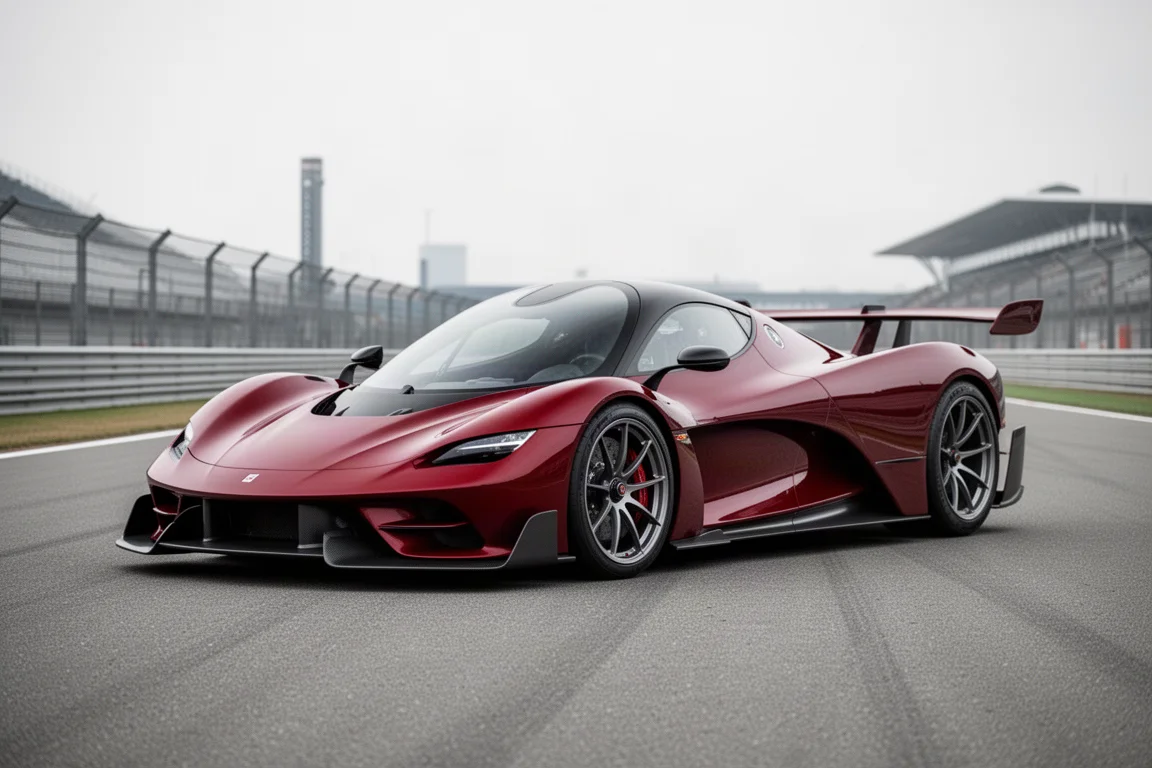
Special series Ferraris arrive roughly once a decade, and the F80 is the latest chapter in a lineage that includes the F40, F50, Enzo, and LaFerrari. Rather than launching at Fiorano as usual, Ferrari chose the Misano circuit, a venue better known to Moto GP fans, because the F80 has outgrown Ferrari’s home track. The company claimed a lap time of 1 minute 15 seconds, two full seconds quicker than the SF90 XX.
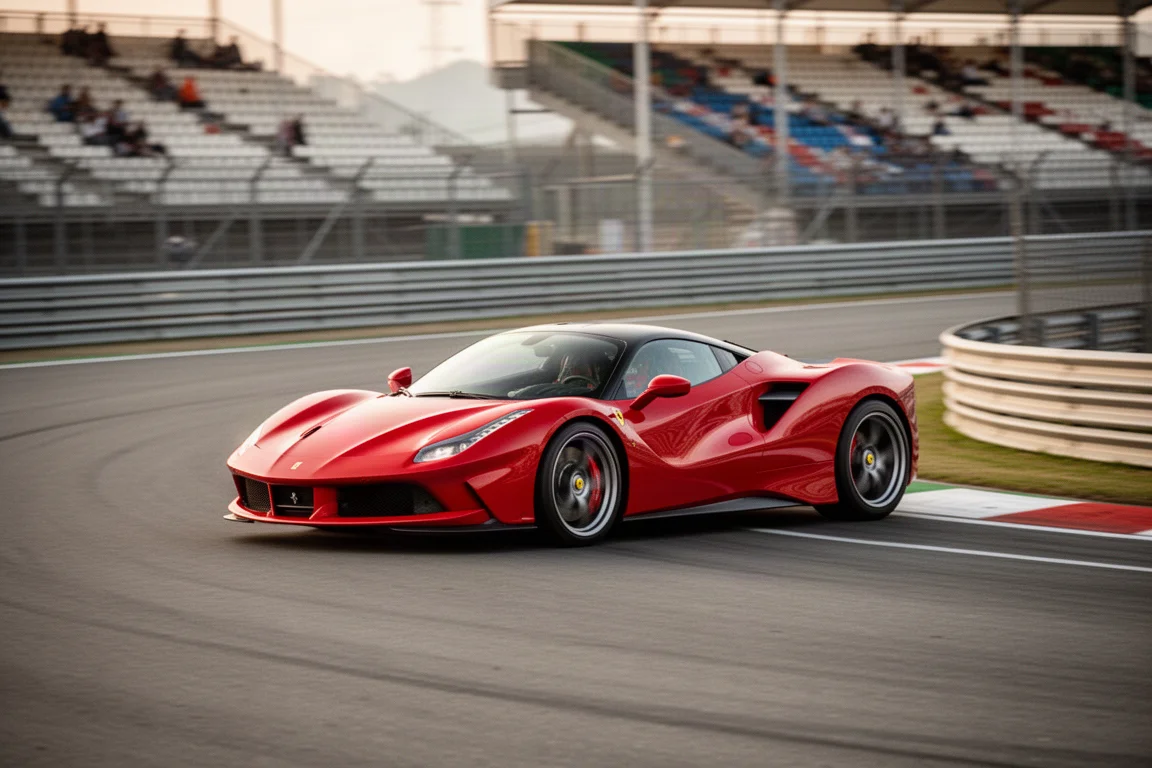
The headline numbers are striking: 1,200 horsepower, around 1,500 kilos, and roughly 1,000 kilos of downforce. Yet the surprise, after time on both circuit and road, is how usable and characterful the whole package feels.
On Track: Fast but Surprisingly Approachable
On circuit the F80 presents a paradox. It is supremely easy to drive, yet its limits are so high that trusting them takes real conviction. The key is braking: get your head into race car mode and brake deep, and everything starts to flow. You can brake remarkably late and work the car hard not just in a straight line but into corners, loading it laterally and longitudinally at the same time. The rear never lets go, even when you expect it to.
It is a contained, controlled car rather than a slide-it-around kind of car, and that is deliberate. Ferrari says it is faster than a 296 Challenge car on slicks, despite being a street car on street tyres. The way it puts a lap together rewards precision: phenomenal brakes, side-slip control, active dampers, and a hybrid-driven front axle that adds rotation and bite.
Powertrain: The 900-HP E-Turbo V6
The V6 is by far the most contentious part of the F80, but it is an extraordinary engine. It is a 20-degree unit producing 900 horsepower, or 300 horsepower per litre, making it the most power-dense internal combustion engine in a series production car. The hybrid system contributes another 300 horsepower for a total of 1,200, with two motors on the front axle providing torque vectoring alongside traction benefits.
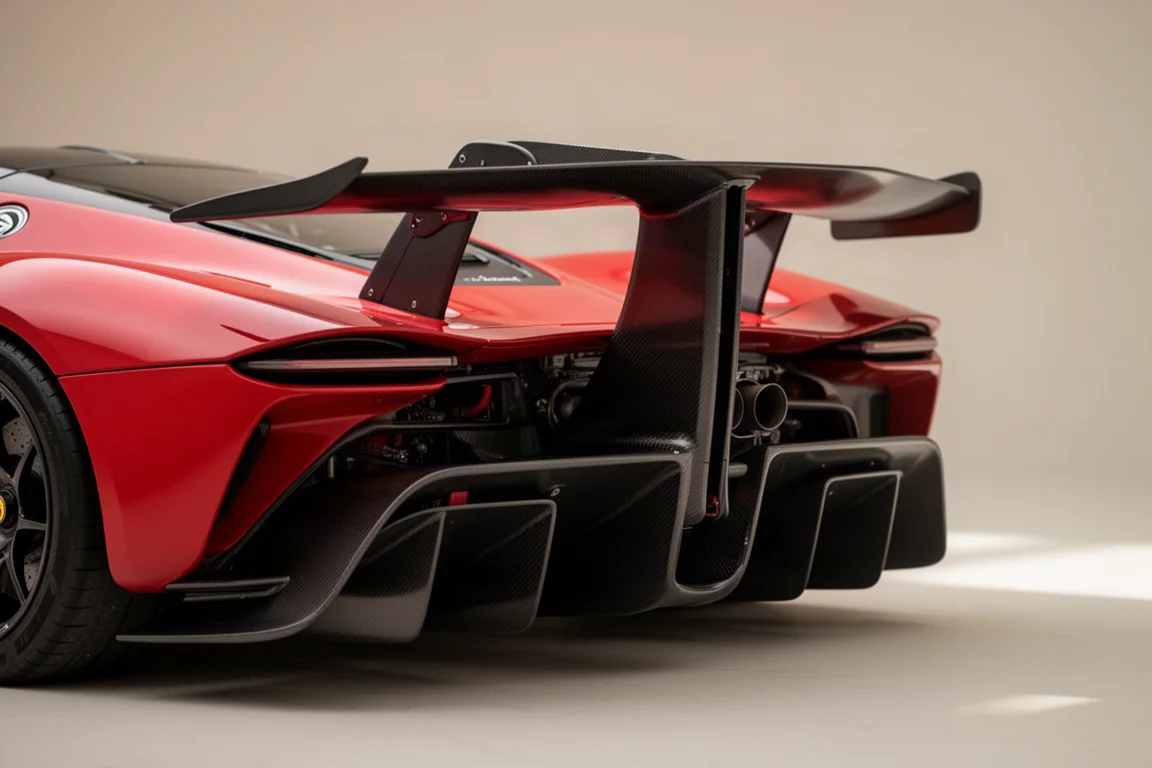
The e-turbos are another Ferrari first: an electric drive spins them up when exhaust flow is low, allowing larger turbos that deliver more boost without lag. Packaging is equally clever. The engine and gearbox are tilted purely to fit a huge diffuser; LaFerrari’s diffuser was 600mm long, the F80’s is 1.8 metres. In the cabin, the engine sounds potent and angry, the gearbox delivers a brilliant report on each upshift, and the torque surge arrives without hesitation.
Aerodynamics: Ideas Borrowed from a Race Car
The F80 takes aerodynamic inspiration from the 499P endurance racer. At the front there is a triplane wing hidden within the nose and an S-duct that draws air under the car and up over the bodywork. At the rear there is active aero, something the race car is not permitted. In plan view, ducts run either side of the teardrop-shaped canopy, channelling air along the flanks into the engine.
On the Road: The Surprise of the Launch
After track duty, the road drive into the hills around Misano delivered the biggest surprise. Despite tight, twisty, and mixed surfaces, the F80 feels connected from the moment you get in. It does not feel big, visibility is excellent, and the flat sides provide a brilliant reference point for placing the car.
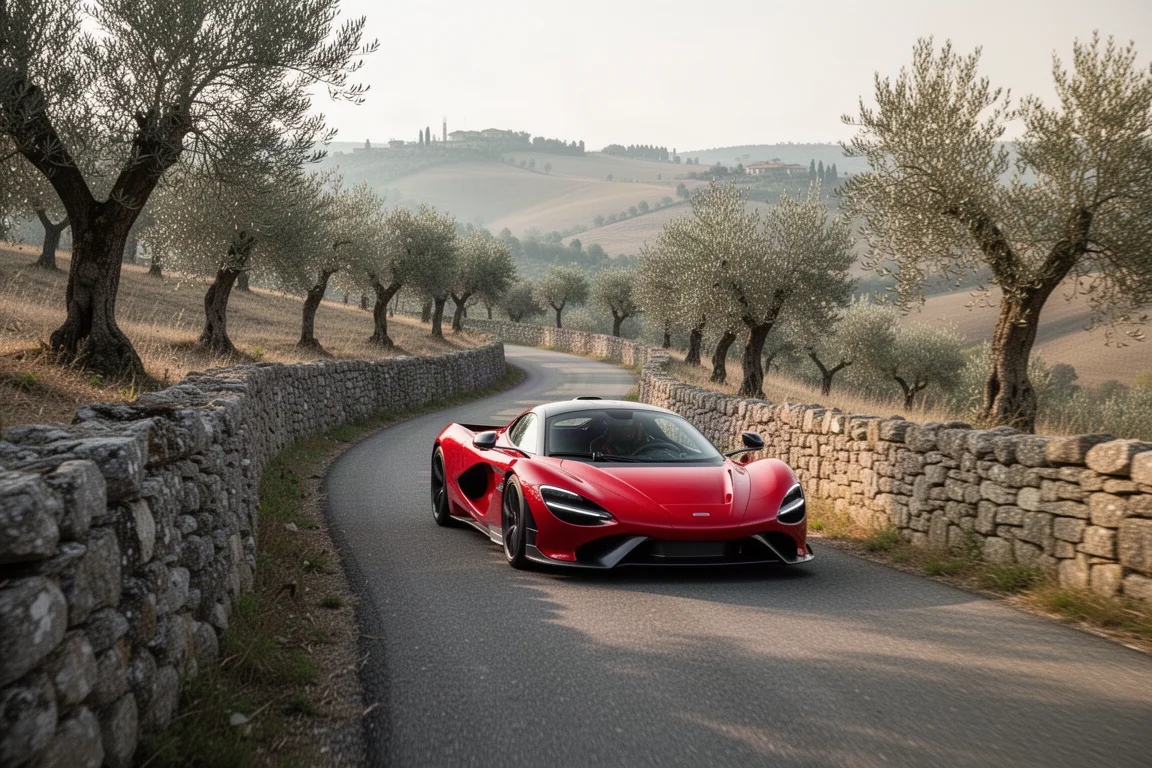
Everything that makes it quick on track translates to the road in a different way. The brakes are stunning, the transmission is immediate, and the active dampers make it feel agile and nimble rather than aloof and cold. Technology, so often blamed for dulling driver involvement, here enhances it.
Cockpit and Driving Experience
The cockpit is a highlight. It is simple, pared back, and intimate, with the passenger seat set slightly rearward to give both occupants their own space. The switchgear and haptics feel more intuitive than past Ferrari efforts, and the pared-back dash makes it easy to pick out exactly the information you want. Your focus sits straight through the screen, which is entirely appropriate in a car like this.
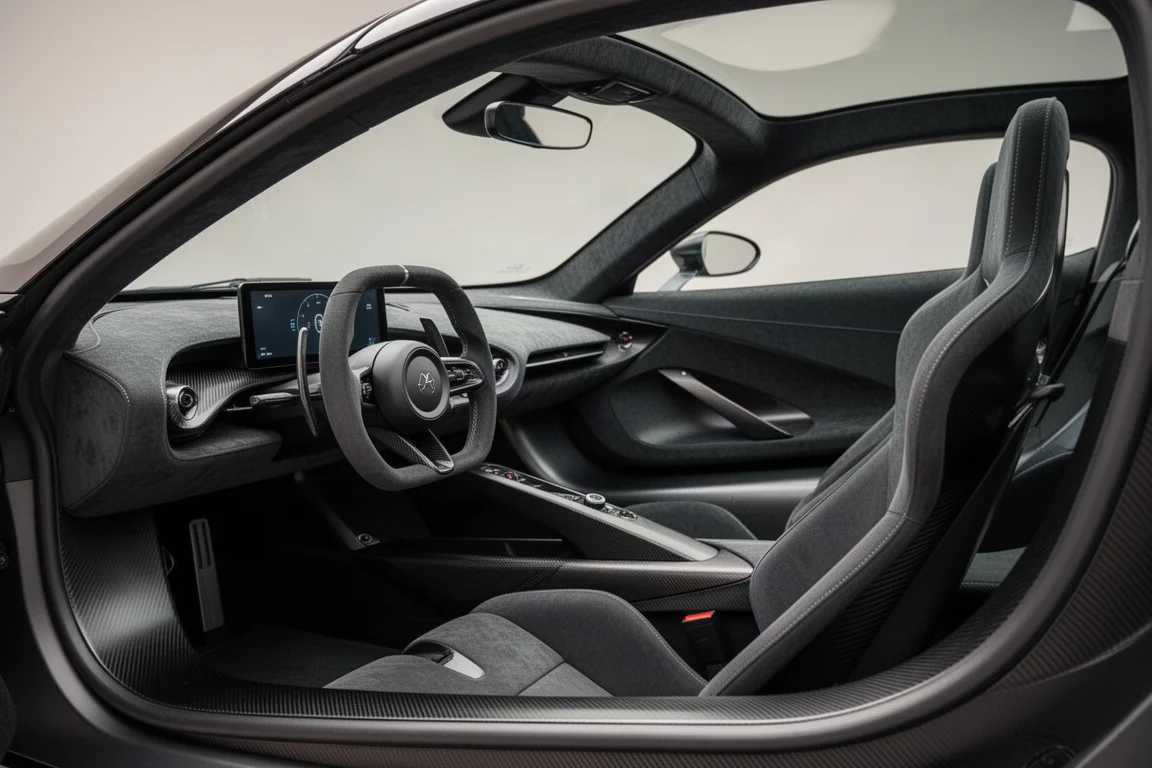
Early glimpses on track made some worry the car was too quiet, but inside, the engine more than compensates. This is the halo car this V6 has been waiting for: it sounds and feels fierce, and the gearbox performs like no other Ferrari before it.
Buying Advice
The F80 is a 799-unit special series car, priced at roughly £3 million, so for almost everyone this is an article to enjoy rather than a purchase decision. For prospective owners, the picture is clear: this is a hypercar with apparently no compromises, luggage space aside. It is built the way Ferrari built the F40, F50, Enzo, and LaFerrari, not as a progression of a current road car engine but as a genuine leap from which future road cars will flow. If the next generation of Ferrari road cars is anything like this, the brand’s future looks bright.
Conclusion
The Ferrari F80 is arguably the best Ferrari of its era, and it may signal a shift in how we feel about technology in driver-focused cars. It has real personality, epic performance in every situation, and an engine that would be perverse to replace with anything else. For the lucky 799 owners, envy is the only honest response.
Product link
View more details for Ferrari F80
This product is mentioned in the review. Check the specifications, options, and compatibility before buying.
View more details for Ferrari F80Further reading
Related Reviews
Hypercars
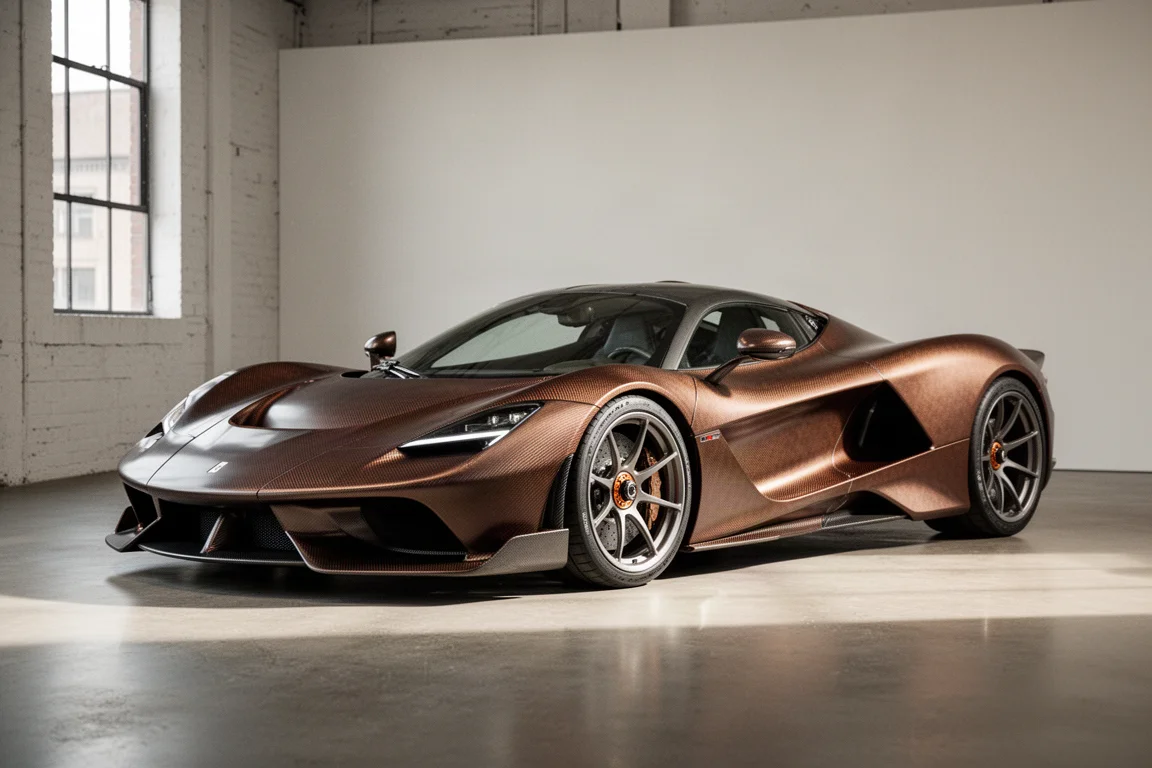
Czinger 21C Spider: A Roofless, 3D-Printed 1,250 hp Hypercar
Czinger's 21C Spider takes the wildest middle-seat hypercar on sale and removes the roof. Here's what makes it genuinely different from every other hypercar.
Hypercars
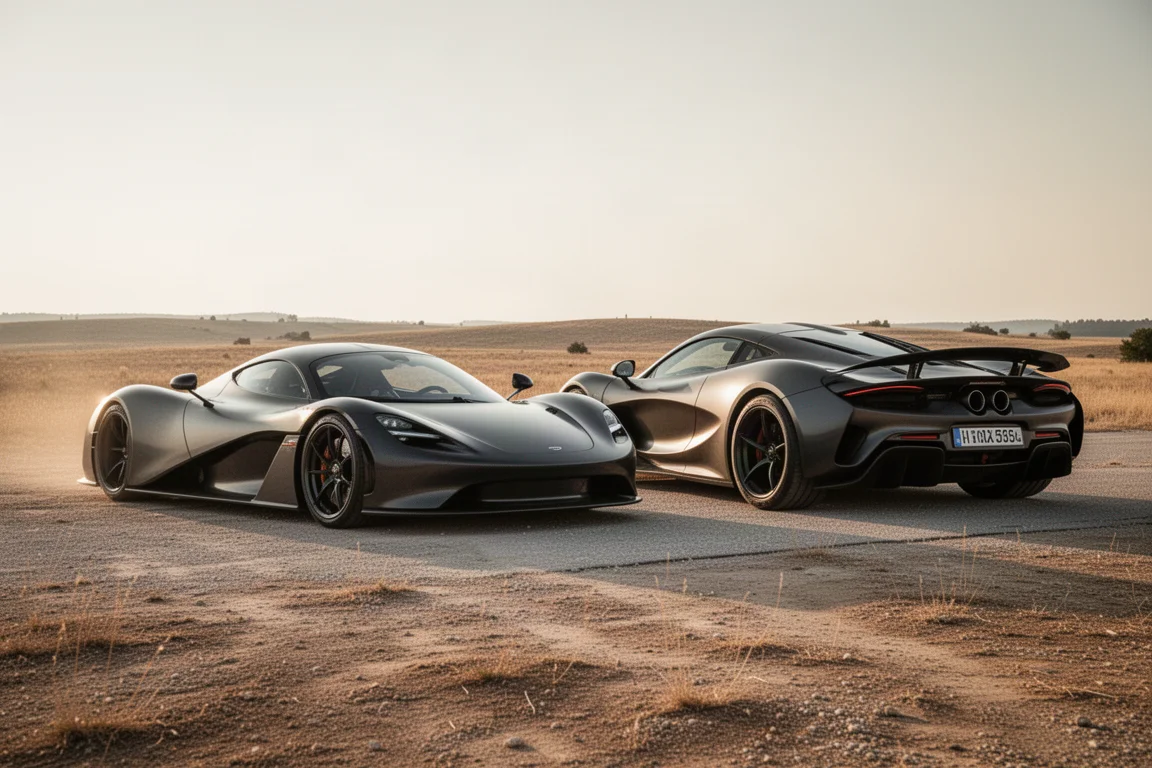
Rimac Nevera vs Bugatti Chiron Super Sport: Two Hypercars, Two Very Different Ideas of Speed
A 1,888bhp electric hypercar and a 1,600PS quad-turbo W16 icon go head to head in Croatia, and the gap between them is bigger than you might expect.
Supercars
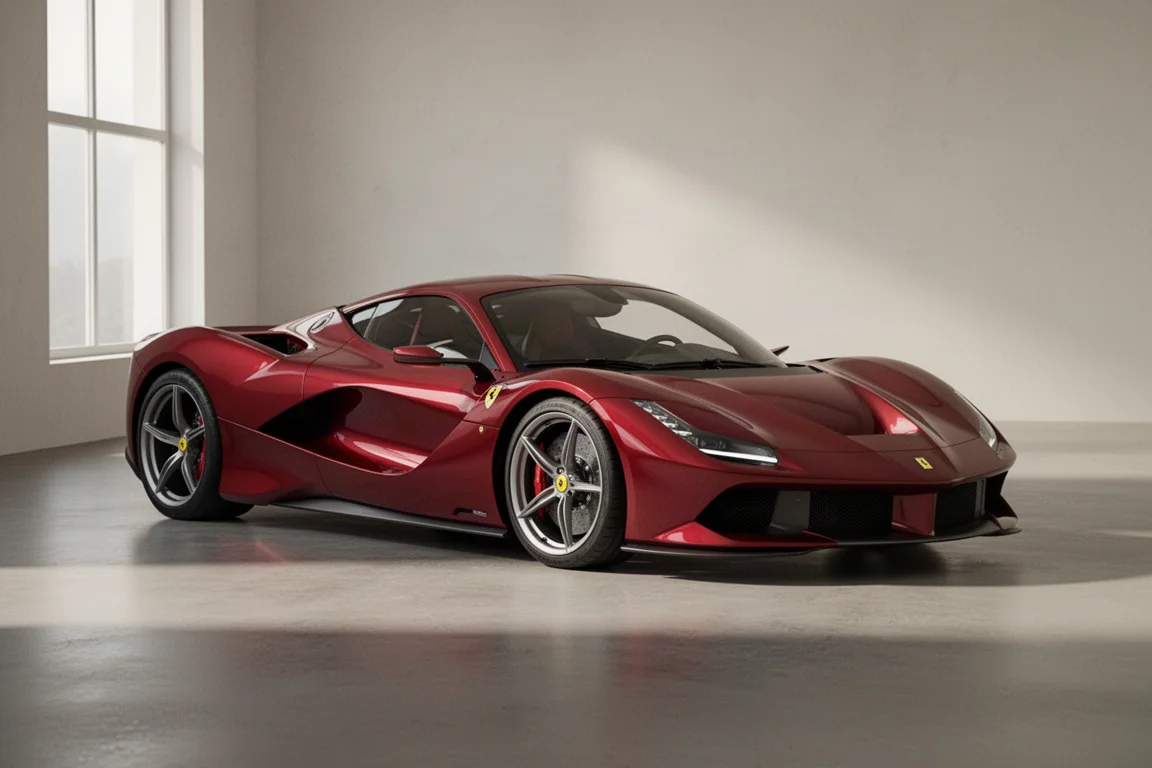
Ferrari 296 GTB Review: The 830-Horsepower Hybrid Supercar That Feels Anything But Heavy
Ferrari's twin-turbo V6 plug-in hybrid delivers 830hp, striking agility, and a surprisingly friendly character on both road and track.