Road Bikes
Ridley Noah Fast Review: Maximum Aero Speed, With Real Trade-Offs
Ridley's third-generation Noah Fast is built for one job: going fast. Here is where it excels, and what to weigh up before buying.
Introduction
The Ridley Noah Fast is the Belgian brand’s third-generation aero race bike, and it is the model Uno-X has raced at the Tour de France. It sits at the top of a two-bike family: the Noah Fast is the pro-level race platform, while the standard Noah is positioned as the more accessible option, available with either a two-piece handlebar or a fully integrated front end, with that range starting at around €4,000.
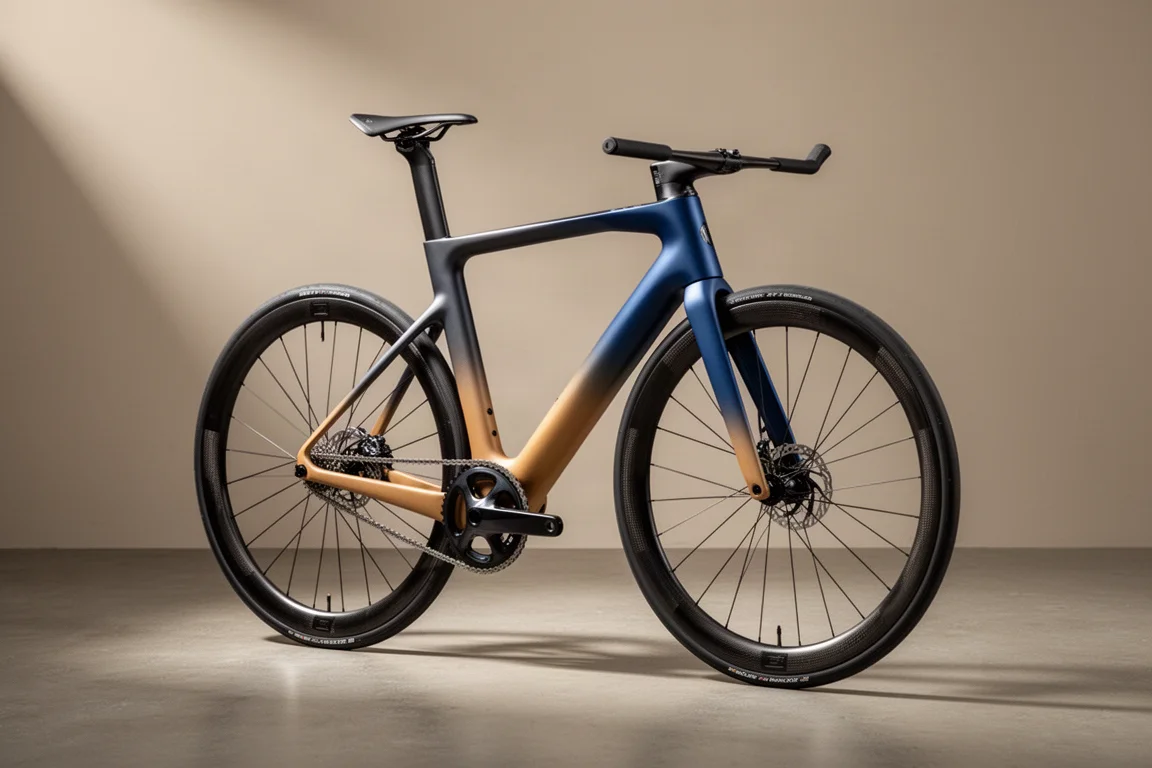
The build tested here combines Shimano Ultegra Di2 with DT Swiss deep-section wheels, Vittoria Corsa tires in a 28 mm front and 30 mm rear pairing, an SLR saddle, and Ridley’s own handlebar and stem. On the scales it came in at 8.2 kg without pedals, which is heavier than several similarly equipped bikes at a comparable price.
Ridley has pushed tube dimensions and profiles right to the limit of UCI regulations, and it shows. There is a deep head tube, a substantial down tube, deep fork blades, and a striking integrated bar and stem, plus small ribs on the sides of the head tube to manage airflow in that area. The frame also uses a raised shelf around the bottom bracket, deeply dropped rear stays, an aero seat tube that hugs the rear wheel, and an aero seatpost with a two-bolt clamp.
The result is a divisive design. The aggressive front end and the non-flush top tube and stem draw strong opinions, and the bike reads as a clear exercise in function over form. Ridley claims the new frame is 8.5 watts more aerodynamically efficient than the previous generation at 50 km/h, a saving measured at a speed the professional peloton regularly reaches.
Who This Bike Is For
This is a race bike, and the geometry says so. Ridley has used a very low stack, a long stem and handlebar, and a steeper seat tube angle than is typical on aero bikes, ranging from 74.5 degrees on a size Large up to 76 degrees on an XXS. The bottom bracket sits lower to accommodate larger tires. The intent is to encourage the forward, aggressive position that professional riders are increasingly adopting.
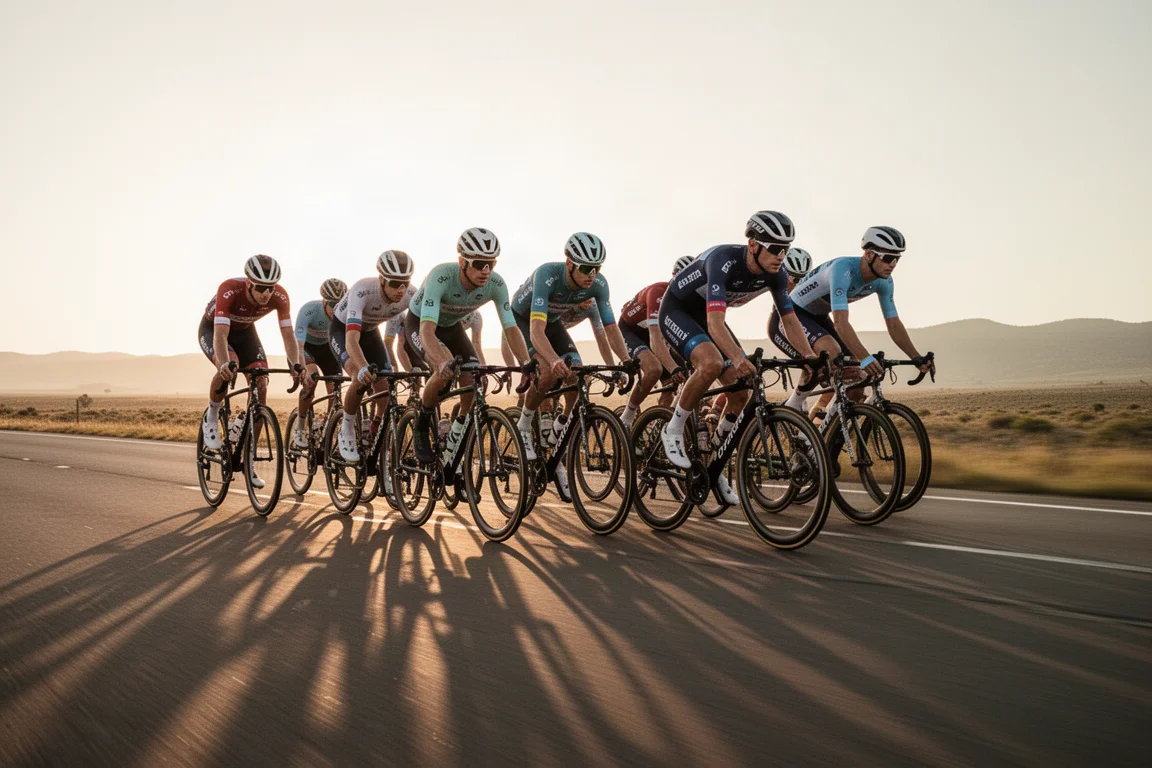
It suits riders who race, or who spend long stretches riding in a fast group at 45 km/h and above. Riders who mostly cruise at 25 to 30 km/h on rolling roads should think carefully before committing, because that is where the bike’s focus works against it rather than for it.
Main Strengths
The headline strength is speed. On a timed test loop, this bike recorded the fastest lap of any bike tested so far. At 45 km/h in a tucked position, whether on the hoods or in the drops, it feels quick, efficient, and remarkably comfortable, a position that can be held for hours without discomfort. That is the narrow window where the design comes together completely.
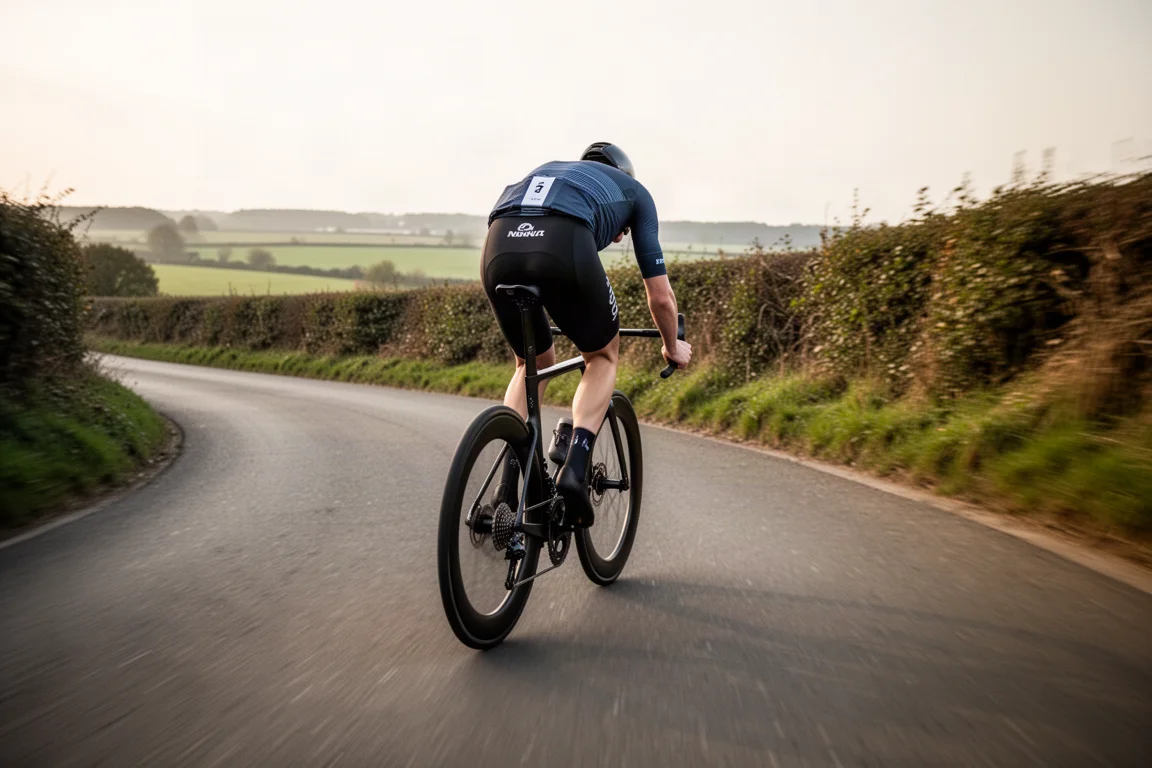
Ride quality is another genuine strength. Despite the oversized tube profiles and deep-section wheels, the Noah Fast deals with rough roads well and does not beat the rider up. The wider 30 mm rear tire and lower pressures help here. It is not as smooth as some all-round race bikes, but it is comfortable enough to live with on long weekend rides.
Practical details are sensible too. There is clearance for 34 mm tires, a UDH dropout, and the front derailleur hanger can be removed for a 1x setup. Ridley also allows buyers to configure the build and choose the colour through its own website, and the fade finish on this example looks genuinely premium.
How It Rides
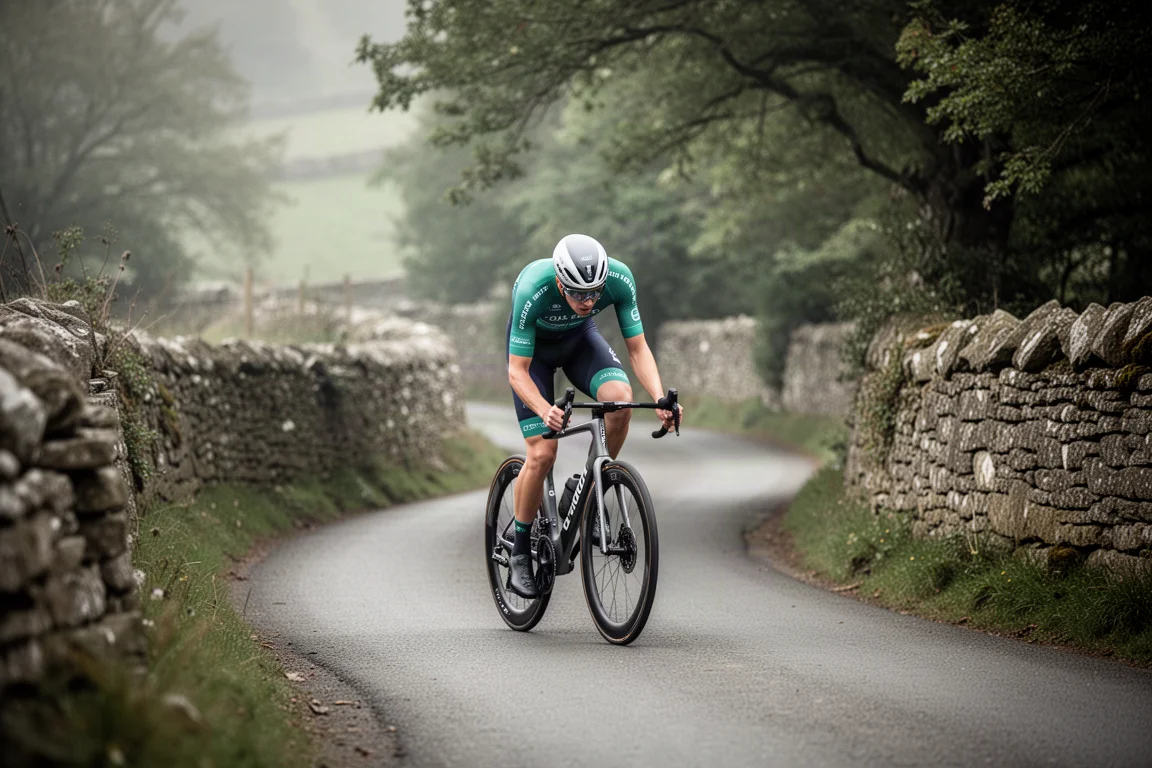
Away from high speed, the picture changes. The steering is very slow at any speed, a consequence of the narrow handlebar and long stem, so the bike is not agile or whippy. It still rides like a normal bike rather than a twitchy one, and it never feels precarious or as though the rider is sitting right over the front wheel. It is simply a slow-handling machine.
Below roughly 30 km/h it feels slow, dull, and heavy, and the weight shows on climbs. Around a kilo heavier than a comparable all-round race bike, it lacks the responsiveness that makes twisty roads and rolling terrain enjoyable. Rival aero bikes feel faster at every speed, even where the Noah Fast is quicker on the clock.
Things to Consider Before Buying
Weight is the most obvious consideration. At 8.2 kg without pedals, this build is heavier than other bikes with similar equipment at a comparable price, and that shows up in low-speed feel and on climbs.
Front-end fit is worth planning for. The top tube and stem are not flush, and because of how the stem sits on the steerer tube, spacers cannot be moved above it. The practical route to a higher front end is to slam the stem and choose a higher-rise option from Ridley’s range of stem stack heights.
A few smaller points matter at this price. The computer mount is reasonably secure but not as secure as it could be, and a two-bolt design would be preferable, particularly when a light is mounted as well. There is no power meter, which is a notable omission on a race bike at this level. The price positioning is also worth understanding: around £800 more than a Trek Madone SLR, around £2,000 more than a Canyon Aeroad, and around £500 less than a BMC TeamMachine R.
The branding on the top tube and head tube is a matter of taste, as is the overall silhouette. None of these points are deal-breakers for the right rider, but they are the details that separate this bike from more versatile alternatives.
Buying Advice
If the priority is outright speed in a straight line and at high velocity, the Noah Fast delivers it, and it belongs on a shortlist alongside the Cervélo S5, Canyon Aeroad, BMC TeamMachine R, and Colnago Y1 RS. It is a credible choice for racing, where the geometry, aerodynamics, and high-speed comfort all make sense together.
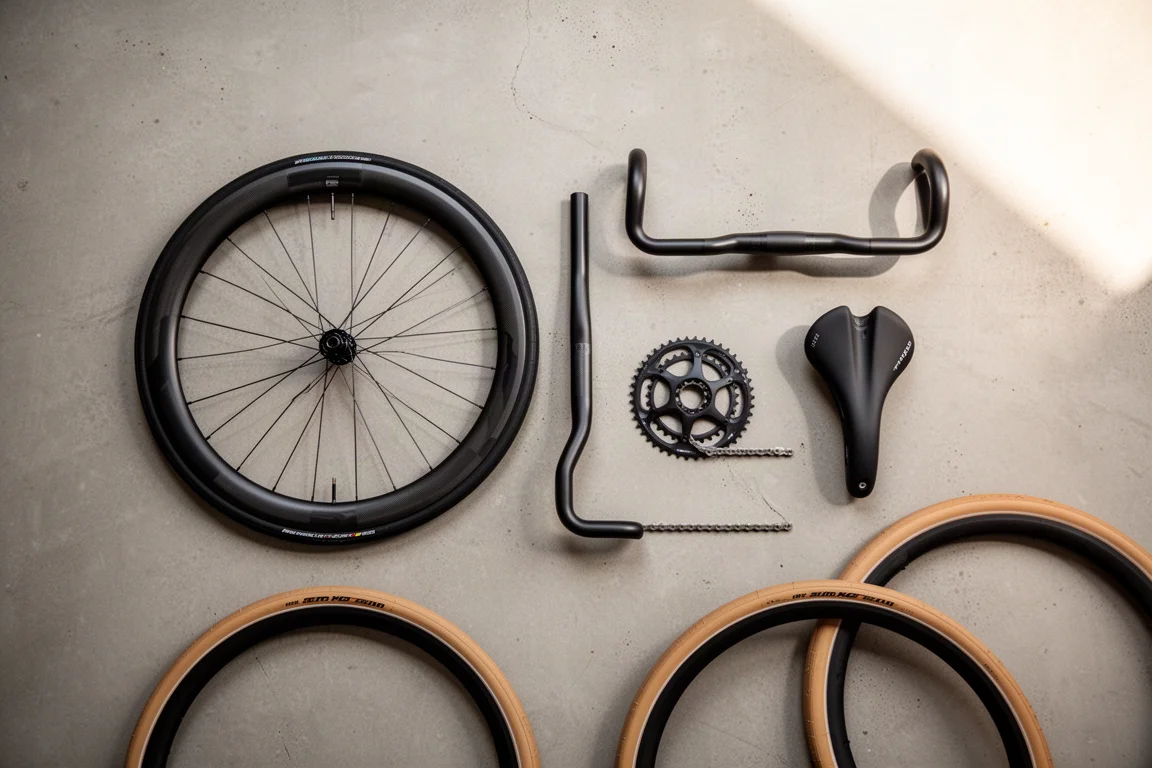
For riders who want a bike that feels fast and light everywhere, including on climbs and rolling roads, a lighter all-round aero bike is likely to be the more rewarding purchase. Those who like the Ridley approach but want something more usable day to day should look at the standard Noah, which starts at around €4,000 and can be specified with a simpler two-piece handlebar.
Conclusion
The Ridley Noah Fast does exactly what its name promises. It is the fastest bike around the test loop, and at 45 km/h and above it is quick, efficient, and surprisingly comfortable. Below that speed, weight and slow steering make it feel dull, and riders who want a fun, responsive bike everywhere will find more suitable options. Buy it for racing and maximum aero speed; look elsewhere for all-round enjoyment.
Product link
View more details for Ridley Noah Fast
This product is mentioned in the review. Check the specifications, options, and compatibility before buying.
View more details for Ridley Noah FastFurther reading
Related Reviews

Road Bikes
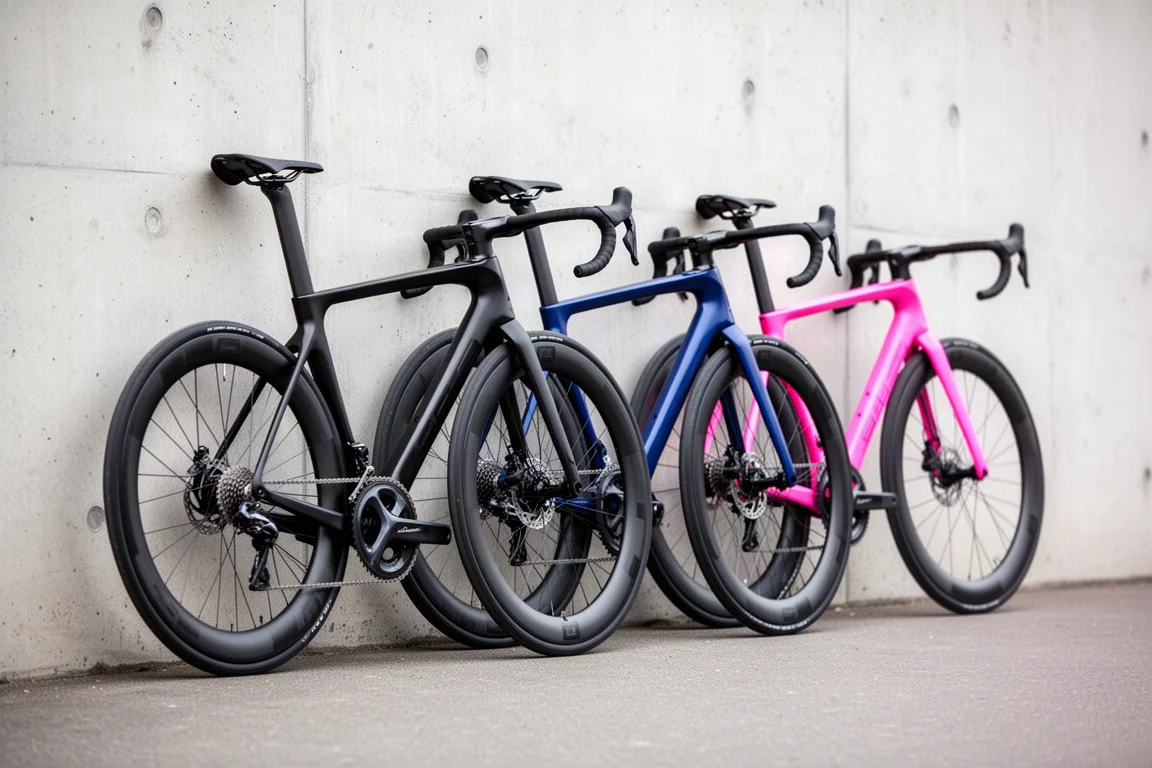
10 New Road Bikes Worth Watching: Aero, Titanium, Steel and Endurance Standouts
A practical roundup of 10 new road bikes, from aero flagships chasing single-watt gains to titanium, steel and endurance platforms built for real roads.
Road Bikes
2026 Tour de France Road Bikes: Six Race Machines Worth a Closer Look
Six race bikes from the 2026 Tour de France grid, reviewed for paint, silhouette, wheels and the specification details that matter to buyers.
Road Bikes
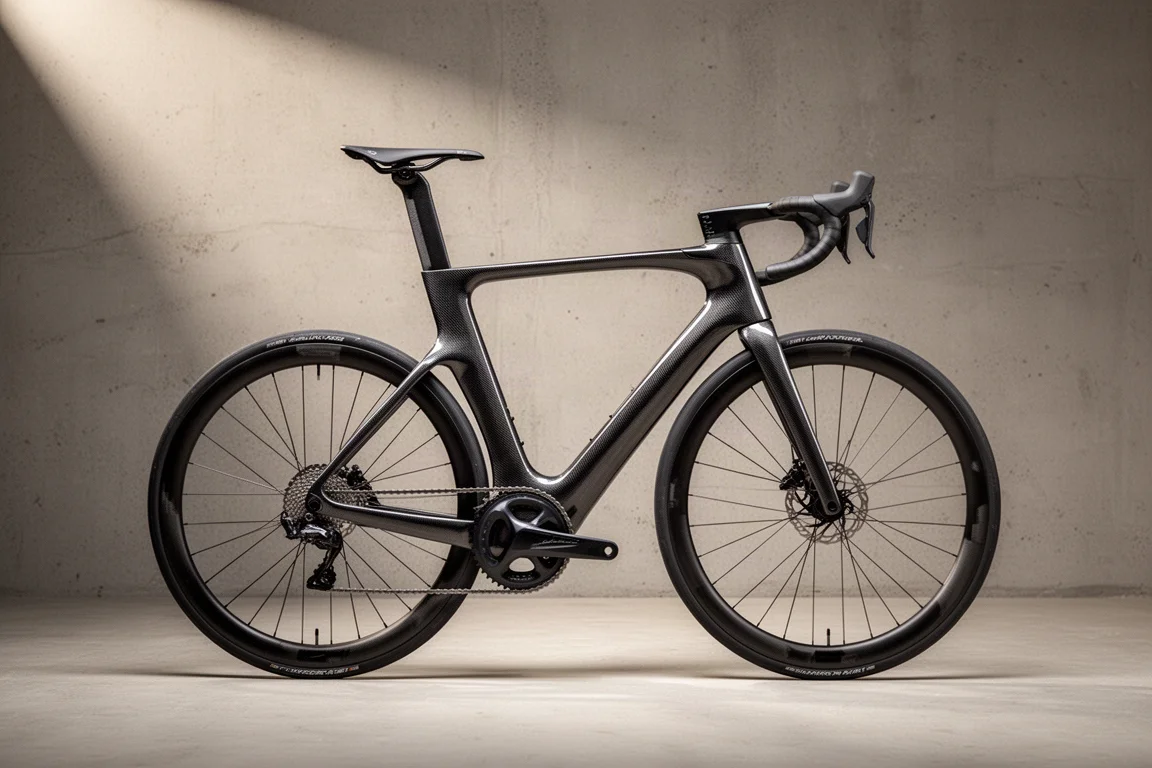
3T Strada Italia Review: A Radical Aero Road Bike That Rides Smooth
A made in Italy carbon aero road bike with a deep head tube, wide tire clearance and a genuinely comfortable ride. Here is what to know before buying.