Road Bikes
Ridley Noah 3.0 Review: A Fast, Long, and Remarkably Smooth Aero Race Bike
A full carbon aero race bike with oversized tube profiles, a very long and low fit, and a surprisingly smooth ride. Here is what to know before buying.
Introduction
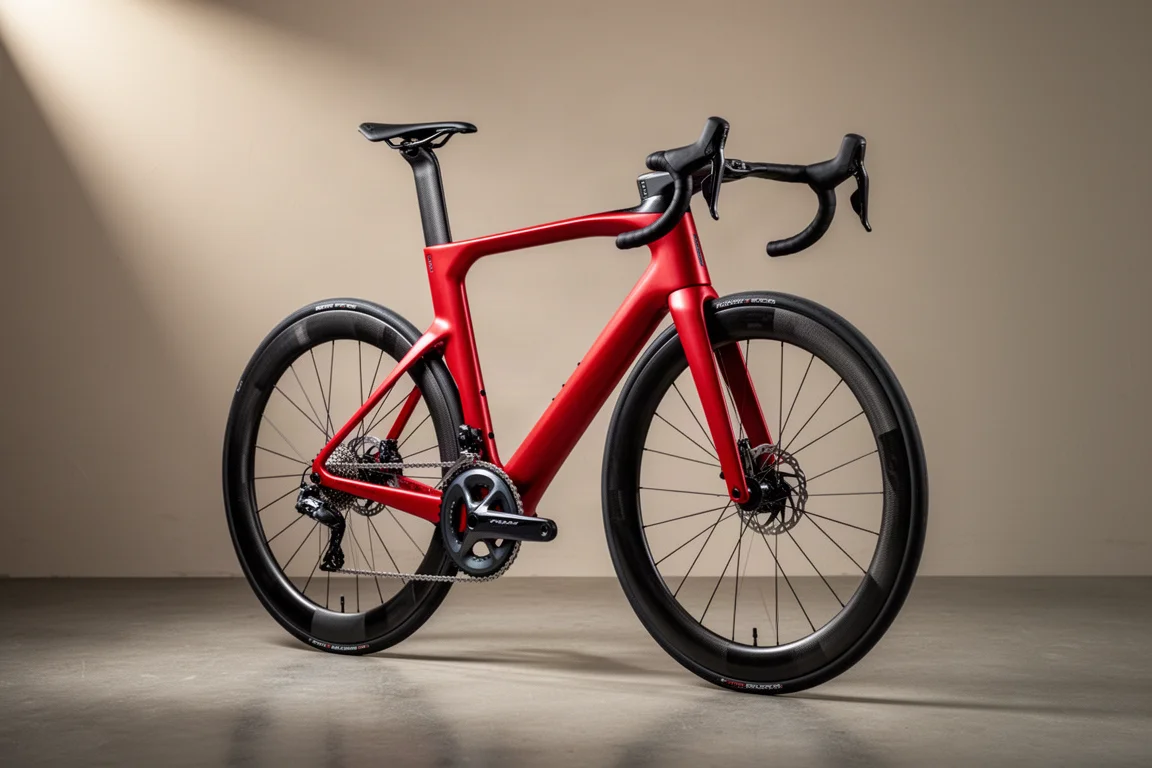
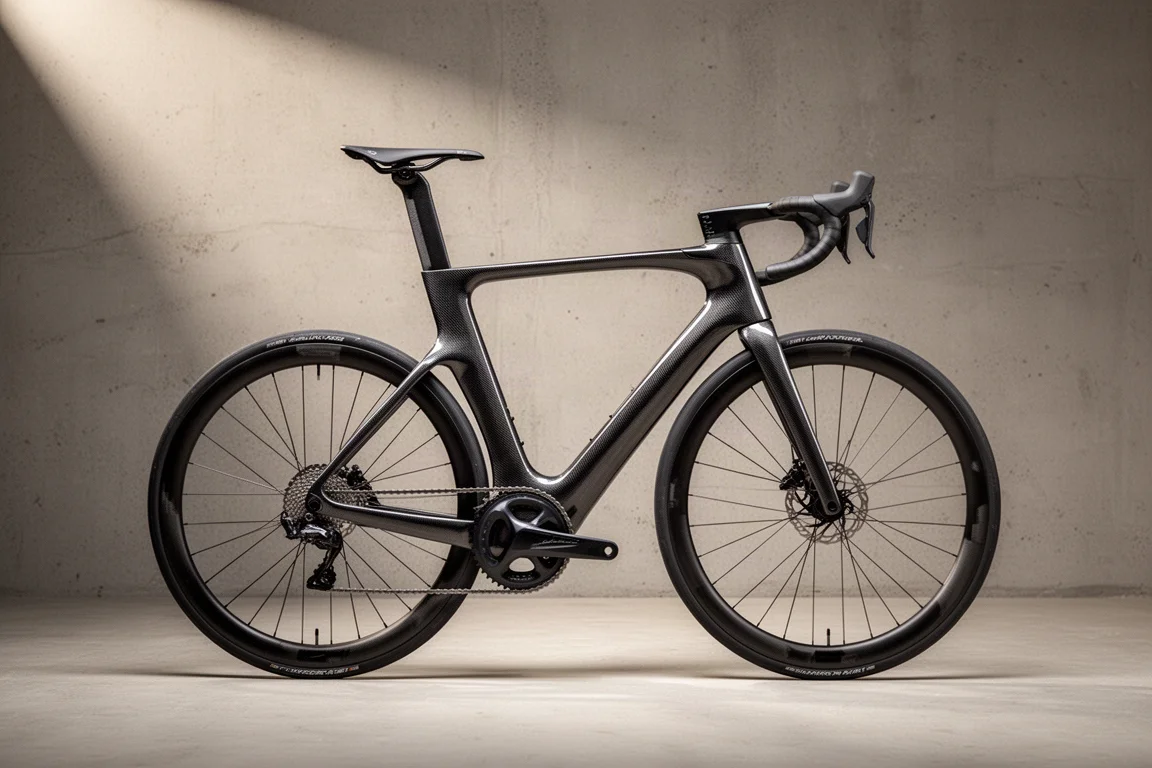
The Ridley Noah 3.0 is the Belgian brand’s latest aero road race platform, and it arrives at a moment when frame tube profiles are getting noticeably larger again. This build pairs a full carbon frame and a substantial carbon fork with disc brakes, Ultegra Di2, DT Swiss carbon wheels, and a one-piece cockpit that is size matched to the frame. The bike on test came in red, in size extra small.
On the scales it recorded 8.02 kg with a Garmin mount and a Fidlock bottle system fitted, and no pedals. Aero road bikes tend to carry a little extra mass, so that figure is broadly in line with what this category delivers.
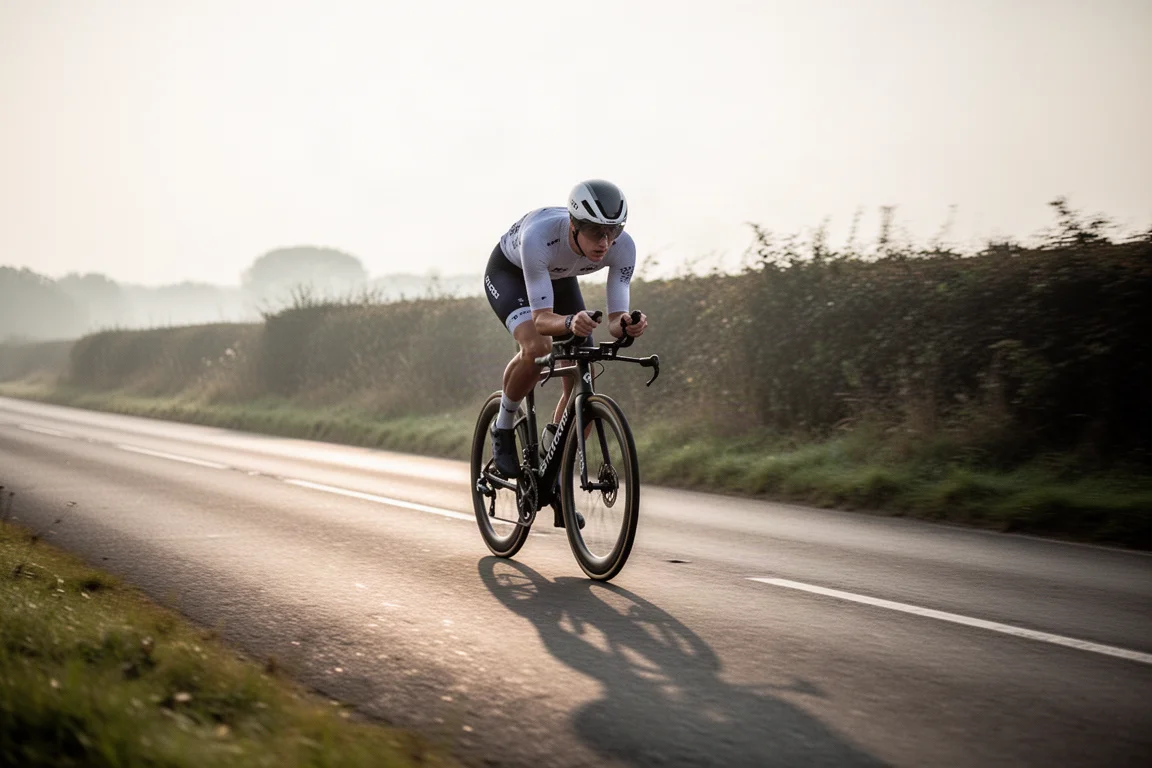
What follows is a closer look at where the Noah 3.0 shines, who it genuinely suits, and the practical details worth understanding before you commit to one.
Who This Bike Is For
Ridley has been unusually clear about the audience here. The Noah 3.0 is presented as a pure pedigree race bike, the kind of machine built for professional racers rather than for riders looking for a comfortable, recreational road bike to enjoy with friends. That positioning explains almost every design decision on the bike.
The geometry is long and low, which suits flexible, strong riders who can hold an aggressive position for long stretches. That does not mean less flexible riders cannot ride it, but comfort may fade over longer rides. If your priority is outright speed and you are willing to work on your position, this is the kind of bike that rewards that commitment.
It is also worth noting that the smallest of the five sizes is still a substantial machine. Riders who would normally sit on a small or medium frame may find themselves at the very bottom of the size range. Ridley’s own communication is aimed squarely at racers, and it does not attempt to pitch the Noah 3.0 at riders who want a relaxed, comfort-first road bike.
Main Strengths
The UCI relaxed its rules on tube width a couple of years ago, and manufacturers have spent that time developing frames that take advantage of the extra volume. The Noah 3.0 is one of the first examples to arrive with noticeably bigger tube profiles, and the oversized head tube is the clearest expression of that approach. The theory is straightforward: more volume, less drag, more speed.
On the road, the impression is dominated by how fast the bike feels. It picks up speed with very little input, holds momentum easily, and gives the rider that unmistakable sense of being on something built purely for velocity. Ridley’s own claim is 8.5 watts faster at 50 km/h, a number aimed squarely at racing speeds.
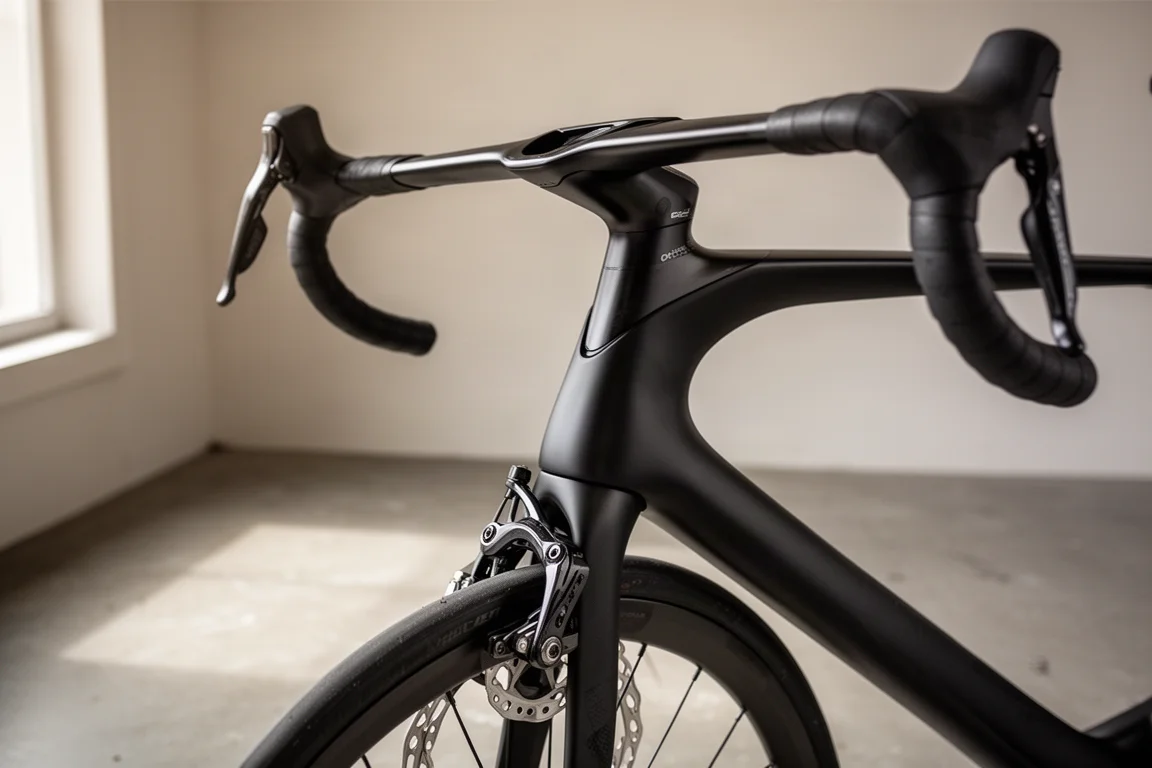
The trade-off of all that frontal area shows up in crosswinds. The deep wheels and broad tubes catch the wind, and in gusty conditions you have to actively hold your line. It is manageable rather than alarming, but it is part of living with a bike like this.
Ride Quality, Handling, and Climbing
For a large aero frame, the Noah 3.0 is remarkably smooth. That impression held up even when the stock DT Swiss carbon wheels were swapped for a set of alloy training wheels with harder compound tyres, which is usually where a stiff race frame starts to feel harsh. Instead, the ride stayed buttery smooth.
Handling is a strong point too. The bike turns in confidently, holds a line well, and feels composed at speed. It climbs fantastically as well, and with 34mm of tyre clearance there is room for wider rubber than you might expect from a pure race machine.
Things to Consider Before Buying
The details below are the ones most likely to affect day to day ownership, and they are worth reading before you decide on a size.
Sizing and Fit
The geometry chart is intimidating at first glance, and the reach figures are genuinely long. Part of that length is offset by very steep seat tube angles, a couple of degrees steeper than most racing bikes, which push the saddle further forward relative to the bottom bracket. Ridley compensated by lengthening the reach and effectively moving the bottom bracket back a couple of centimetres.
The result is a more open hip angle, which lets you get lower at the front while still pedalling effectively. It can also mean better use of the quads, potentially less strain through the back, and potentially more comfort when climbing in the saddle. The real benefit is that the rider and the wheels stay in the same relative position, so handling is not compromised the way it can be when you simply slam a saddle forward on a traditional frame.

Even so, the bike remains very long. The shortest stem Ridley offers measures 85mm, and the smallest of the five sizes is still a large machine for its label. Riders under roughly 5 foot 10 may need the smallest frame, and possibly an aftermarket bar and stem, to get a workable position. Ridley also offers a stem configuration option through its website for an additional £349 if you want a different length from the start.
Steering Lock, Cockpit Setup, and Small Details
To make the front end as aerodynamic as possible, Ridley fitted a steering lock, which means the steering stops past a certain angle. It is not the most intrusive version of this design, but it can catch you out at low speed, such as manoeuvring in a car park or riding through a city.
The one-piece cockpit offers three stack heights of 55mm, 75mm, and 100mm, each with five stem lengths, giving 15 combinations. A further 20mm can be added beneath the stem. The catch is that only one handlebar width is available, measuring 36cm at the hoods and 40cm at the drops. The narrower bar used by the professional team is not available to buy.
Crank length is another limitation. The bike currently ships only with 172.5mm cranks, although Ridley says 165mm and 170mm options are planned. Because the brand sells through bike shops rather than directly to consumers, buyers can ask a shop to swap components during the build.
Two smaller points are worth knowing. The bike arrived with brake hoses that made a crunching noise inside the headset area, which eased with riding but never fully disappeared. Ridley’s response was that bikes are normally prepared by a shop before handover, and that foam sleeving can be used to quiet the hoses. The shifters were also set very far forward, which left the hand with nothing to grip when holding the hoods. Again, a shop would typically adjust this during a proper build.
Pricing
The Noah 3.0 sits firmly in premium territory. The Ultegra Di2 build with DT Swiss wheels is €8,799, while the Dura Ace version is €11,499. A frameset on its own is €5,499 and includes the handlebars and seat post. It is priced a couple of thousand below another flagship aero race bike currently on the market.
Buying Advice
This is a bike to buy with your eyes open. If you race, or you ride purely for speed, and you can hold a long, low position comfortably, the Noah 3.0 delivers a combination of pace, smoothness, and handling that is hard to argue with. The frame is genuinely comfortable for its class, and the cockpit adjustability gives more room to fine tune the front end than the geometry chart first suggests.

If you are a smaller rider, or you value an upright and relaxed position, this is probably not the right frame. The sizing starts large and the reach stays long across the range. Riders who fall between sizes should factor in the cost of an aftermarket bar and stem, or the stem configuration option at the point of purchase.
Because the brand sells through dealers, the buying experience matters. A good shop will sort out the shifter position, silence the brake hoses, and discuss crank length before you take delivery. That conversation is worth having, and it addresses most of the small annoyances reported on a bike taken straight out of the box.
Conclusion
The Ridley Noah 3.0 is a focused, fast, and surprisingly smooth aero race bike that does exactly what it sets out to do. It is long, it is low, and it is unapologetically aimed at strong, flexible riders who care about speed above everything else. Ridley deserves credit for being honest about that in its own messaging.
The compromises are real: a steering lock that takes some getting used to, a single crank length for now, and a size range that leaves smaller riders with limited options. For the right rider, though, those trade-offs come with a bike that feels quick everywhere and comfortable far beyond what its silhouette suggests.
Product link
View more details for Ridley Noah 3.0
This product is mentioned in the review. Check the specifications, options, and compatibility before buying.
View more details for Ridley Noah 3.0Further reading
Related Reviews

Road Bikes
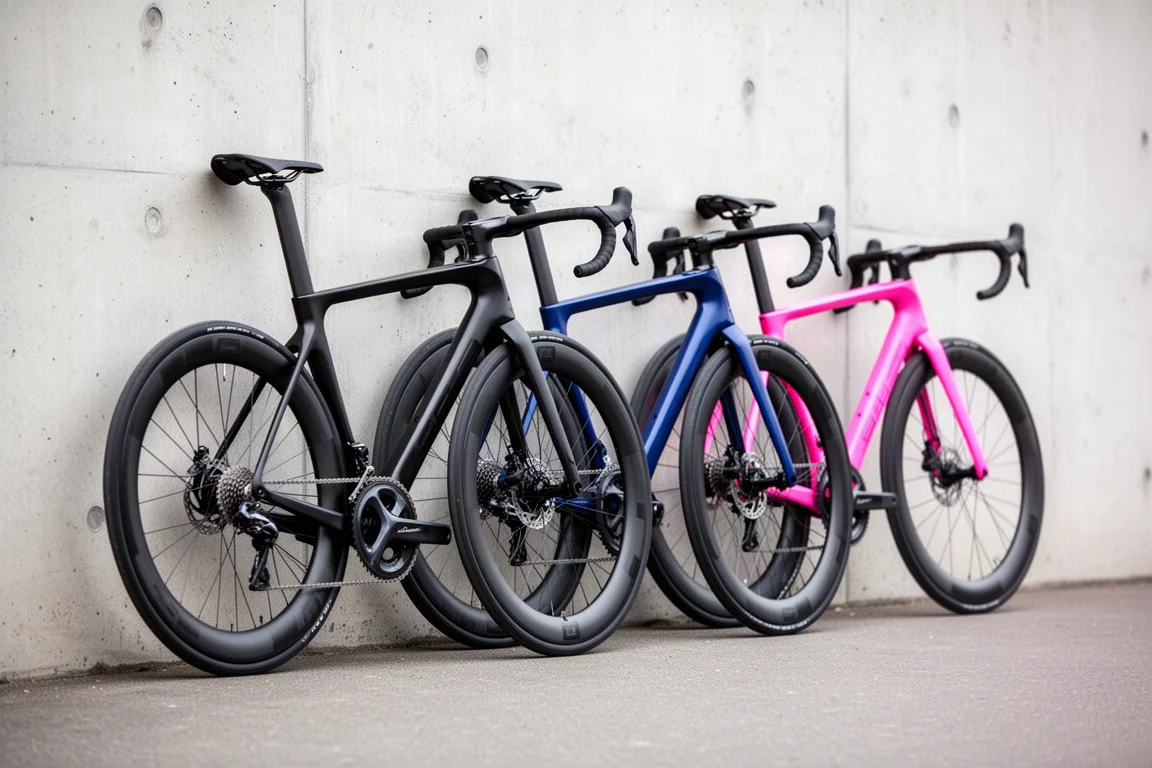
10 New Road Bikes Worth Watching: Aero, Titanium, Steel and Endurance Standouts
A practical roundup of 10 new road bikes, from aero flagships chasing single-watt gains to titanium, steel and endurance platforms built for real roads.
Road Bikes
2026 Tour de France Road Bikes: Six Race Machines Worth a Closer Look
Six race bikes from the 2026 Tour de France grid, reviewed for paint, silhouette, wheels and the specification details that matter to buyers.
Road Bikes
3T Strada Italia Review: A Radical Aero Road Bike That Rides Smooth
A made in Italy carbon aero road bike with a deep head tube, wide tire clearance and a genuinely comfortable ride. Here is what to know before buying.